


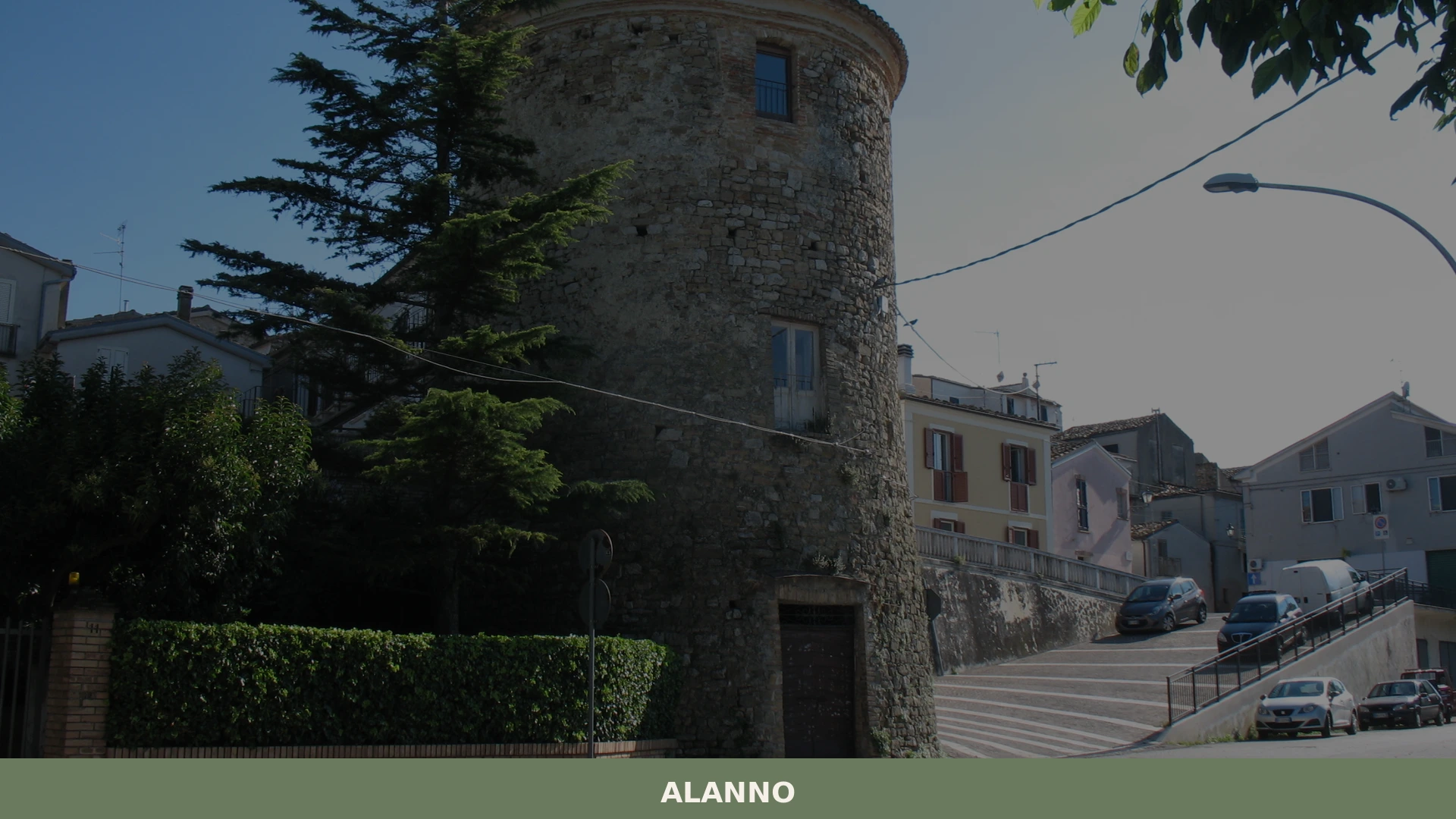

what to see in alanno: Discover Italy’s Abruzzo region, a comune recorded with 114 families in 1443. Explore the 1485 Santa Maria delle Grazie church and the Wildlife Oasis. Read more.
Discover Alanno
The old town of Alanno rises on a hill, bordered by the Aterno river and the Cigno stream, a strategic location that has defined its existence for centuries. Its position at the southeastern foothills of the Gran Sasso d’Italia massif provides a distinct natural backdrop.
This geographical setting has historically contributed to both its defensive capabilities and its agricultural prosperity, shaping the local community and landscape over many eras.
For those eager to discover what to see in Alanno, this historic Abruzzese comune, with its recorded 114 taxpayer families in 1443, beautifully blends historical depth and natural beauty.
Visitors to Alanno find the Renaissance church of Santa Maria delle Grazie, built around 1485, and the serene Wildlife Oasis of Alanno among its key highlights. Discovering the village provides insight into the region’s rich past and its commitment to preserving natural habitats.
History of Alanno
When to visit Alanno, Italy and how to get there
Alanno is easily accessible by car via the A25 motorway (Rome-Pescara), taking the Scafa-Alanno exit and continuing for a few kilometers. The closest train station is Alanno-Scafa, on the Rome-Pescara line, offering regional connections. For those arriving by plane, Pescara Airport is approximately a 30-minute drive away.
ading –>Local food and typical products of Alanno
Alanno, nestled in the fertile Val Pescara, offers traditional Abruzzese cuisine rooted in local produce and ancient farming recipes. Specialties include fresh pasta like “maccheroni alla chitarra,” served with robust lamb or pork ragù, and dishes based on local legumes and vegetables.
ading –>The territory surrounding Alanno, a comune in the province of Pescara, Abruzzo, Italy, shows evidence of human habitation dating back to the Bronze Age.
However, the foundational story of the town itself points to a more specific origin, likely as a castrum, or fort, established by the Longobards sometime between the 4th and 5th centuries. This early strategic settlement laid the groundwork for the community that would later develop on a prominent hill overlooking the Aterno river, providing natural defenses and fertile lands.
Following its early establishment, Alanno spent centuries as a fief of the influential Abbey of San Clemente a Casauria, a significant monastic power in the region.
By the 14th century, the village transitioned to the rule of a succession of powerful feudal families, including the Camponeschi, Caracciolo, and D’Aquino lineages.
The Fieramosca family eventually took possession in 1739, marking a later phase in its feudal governance, a common pattern among many Abruzzese villages like Montazzoli, which shared similar feudal histories.
Documented records from the medieval period provide insight into Alanno’s growth, with 114 families registered as taxpayers in 1443, a number that grew to 190 fiscally registered families by 1532. This demographic data illustrates a steady expansion during the late medieval and early modern eras. A significant event in the town’s more recent history involved the rebuilding of the San Biagio parish church, which became necessary after the devastating 1915 Avezzano earthquake, a seismic event that impacted many communities across the Abruzzo region.
What to see in Alanno, Abruzzo: top attractions
Santa Maria delle Grazie Church
The Renaissance church of Santa Maria delle Grazie presents an elegant portal, dating from 1505, surmounted by a lunette featuring a fresco of the Deposition.
This significant architectural work was constructed around 1485, situated approximately 3 km (2 mi) outside the main town center. The church’s interior is adorned in a Baroque style, contrasting with its Renaissance origins, while the single nave culminates in an apse decorated with frescoes attributed to Andrea De Litio’s workshop from 1522. Visitors should also note the precious 15th-century triptych located in the altar, finished in 1642, which depicts the Madonna between St.
Sebastian and a Holy Pope.
Medieval Towers
Rising from the landscape, the three medieval towers stand as tangible remnants of Alanno’s fortified past, once forming part of the village’s defensive walls and castle. These structures offer a physical connection to the Lombard foundation period, when the town was likely established as a fort. Exploring these towers allows visitors to visualize the strategic importance of Alanno’s hilltop position, overlooking the surrounding valleys and providing a vantage point over the Aterno river. They represent a key historical landmark, providing insight into the defensive architecture prevalent in Abruzzo during the medieval era.
Church of St.
Francis
The Church of St. Francis, dating back to the 16th century, provides another point of historical and architectural interest within Alanno. This religious edifice reflects the stylistic trends of its period, offering a different perspective compared to the earlier Renaissance and Baroque elements found elsewhere in the comune. Its construction in the 16th century places it within a time of significant religious and artistic development in Italy.
Visitors can appreciate its historical design and consider its role within the community over several centuries, observing the architectural evolution of sacred spaces in the region.
Wildlife Oasis of Alanno
The Wildlife Oasis of Alanno, created around the reservoir formed by the Alanno-Piano d’Orta dam on the Aterno river, is a dedicated natural reserve. This oasis is specifically established for the preservation of various animal and plant species, including numerous waterbirds and the distinctive yellow iris. The rich river vegetation contributes to a thriving ecosystem, making it a valuable site for naturalists and birdwatchers. Visitors can observe the local biodiversity and appreciate the efforts made to conserve this natural habitat, which benefits from its proximity to the Aterno river and its surrounding riparian environment.
Alanno-Piano d’Orta Dam
The Alanno-Piano d’Orta dam, constructed on the Aterno river, serves a crucial role in the local geography and ecology, creating the reservoir that sustains the Wildlife Oasis of Alanno.
This engineering feat directly led to the establishment of the natural reserve, highlighting the interplay between human intervention and environmental preservation. The dam’s presence ensures the availability of a stable water body, which is essential for the diverse array of waterbirds and plant species found in the adjacent oasis.
It is a functional structure that underpins a significant ecological asset, influencing the local landscape for decades since its creation.
Local food and typical products of Alanno
The gastronomic tradition of Alanno, deeply embedded within the broader culinary landscape of Abruzzo, reflects a region shaped by both mountainous terrain and proximity to the Adriatic coast. This duality results in a cuisine characterized by robust, earthy flavors from the interior, complemented by lighter seafood influences further east. The historical reliance on pastoral farming, alongside the cultivation of olives and grapes, has established a culinary identity centered on fresh, seasonal ingredients and traditional preparation methods. Local produce, often from small family farms, forms the backbone of dishes that speak to a profound connection with the land and its resources.
While specific culinary specialties exclusive to Alanno are not detailed in historical records, the village shares in the rich Abruzzese tradition of hearty and flavorful meals.
Traditional pasta dishes are prominent, such as Maccheroni alla Chitarra, which is prepared using a distinctive wooden tool with strings that gives the pasta its characteristic square cross-section.
This pasta is typically served with a slow-cooked ragù, often featuring lamb or a mix of local meats. Another regional staple, Arrosticini, consists of small cubes of lamb skewered and grilled over an open flame, embodying the pastoral heritage of the Abruzzo Apennines through its simple yet intense flavors. These preparations highlight the region’s commitment to quality ingredients and time-honored techniques.
The available sources do not specify any certified food products directly associated with Alanno. However, the wider Abruzzo region is recognized for several products protected by European designations like DOP (Denominazione di Origine Protetta) and IGP (Indicazione Geografica Protetta). These often include high-quality olive oils, such as Olio Extra Vergine di Oliva Aprutino Pescarese (DOP), which is produced in the province of Pescara and surrounding areas.
Additionally, various regional cheeses, cured meats, and wines, like Montepulciano d’Abruzzo, contribute to the area’s gastronomic reputation.
Visitors exploring local markets in and around Alanno may encounter these regional specialties, which showcase the broader culinary excellence of Abruzzo.
Festivals, events and traditions of Alanno
The provided historical and geographical sources do not detail specific festivals, events, or traditions unique to Alanno, such as patron saint celebrations or documented food fairs. While many Italian villages hold annual festivities, particularly those honoring patron saints with processions and local celebrations, verifiable information for Alanno is not available. Visitors interested in local cultural events would typically consult municipal tourism boards or local calendars upon arrival to discover any contemporary happenings.
Despite the absence of specific details for Alanno itself, the broader Abruzzo region maintains a rich calendar of traditional events throughout the year.
These often include religious observances, historical reenactments, and various food-related festivals, known as sagre, which celebrate local produce and dishes, particularly during the summer and autumn months. Such events provide opportunities to experience regional customs, music, and cuisine, reflecting the deep-seated cultural heritage shared across many Abruzzese communities and offering insight into local life.
When to visit Alanno, Italy and how to get there
The best time to visit Alanno, Italy, and the broader Abruzzo region, is typically during the spring (April to June) and early autumn (September to October) months.
During these periods, the climate is generally mild, offering comfortable temperatures for exploring historical sites and natural attractions like the Wildlife Oasis. Spring brings blooming flora and vibrant landscapes, while autumn provides pleasant weather for outdoor activities and allows visitors to experience the harvest season.
Summer months can be warm, but the proximity to the Gran Sasso d’Italia massif can offer cooler air in higher elevations, making it suitable for those who prefer warmer weather.
Alanno’s location offers relatively straightforward accessibility, making it a viable day trip from nearest major cities. The village is well-connected by road, with direct access to the A25 motorway, facilitating travel for those arriving by car. The Alanno railway station, situated in Alanno Scalo, lies on the Rome–Sulmona–Pescara railway line, providing convenient train connections from larger cities via Trenitalia.
For international visitors, the nearest major airport is Abruzzo Airport (PSR) in Pescara, approximately 30 km (18.6 mi) away. From Rome, Alanno is about 170 km (105.6 mi) east, a journey that typically takes around 2 hours by car. Visitors exploring the Pescara province might also consider a stop in Picciano, another town with historical roots in Abruzzo, located nearby.
For those planning a visit to Alanno, it is worth noting that while major credit cards are widely accepted, carrying some Euros cash can be useful for smaller shops or local markets.
In more rural areas of Italy, English proficiency may be limited among some locals, so having a few basic Italian phrases can enhance interactions and local experiences. The old town, being on a hill, may involve some uneven terrain, so comfortable walking shoes are advisable for exploring the historical sites and the natural reserve.
Considering these practical aspects will help ensure a smooth and enjoyable experience when discovering what to see in Alanno.
Further exploration of the Abruzzo region can lead to other fascinating destinations such as San Buono, known for its distinct local character and traditions, or Treglio, which offers its own unique perspective on regional culture and history, both providing additional insights into the diverse heritage of this Italian region.
Frequently asked questions about Alanno
What is the best time to visit Alanno?
The ideal time to visit Alanno and the Abruzzo region is during spring (April to June) and early autumn (September to October). These months offer mild, pleasant temperatures perfect for exploring historical sites and the Wildlife Oasis. Spring showcases blooming landscapes, while autumn provides comfortable weather for outdoor activities and the harvest season. While summer can be warm, the proximity to Gran Sasso d'Italia offers cooler air at higher elevations. Visitors should also note the village celebrates its patron, San Biagio Vescovo e Martire, on February 3rd, offering a unique local experience.
What to see in Alanno? Main monuments and landmarks
In Alanno, key attractions include the Renaissance Santa Maria delle Grazie Church, built around 1485, featuring an elegant 1505 portal, Baroque interior, Andrea De Litio frescoes, and a precious 15th-century triptych. Though 3 km from the center, it's a must-see. The three Medieval Towers, remnants of the Lombard-era fort, offer insight into Alanno's strategic past and defensive architecture. The 16th-century Church of St. Francis provides further historical and architectural interest. Finally, the Wildlife Oasis of Alanno, with its dam-formed reservoir, is a dedicated natural reserve for diverse flora and fauna, perfect for nature lovers.
What are the main natural or scenic attractions of Alanno?
Alanno's primary natural attraction is the Wildlife Oasis, formed by the Alanno-Piano d'Orta dam on the Aterno river. This significant natural reserve is dedicated to preserving various animal and plant species, including numerous waterbirds and the distinctive yellow iris. Its rich river vegetation creates a thriving ecosystem, making it an excellent spot for naturalists and birdwatchers to observe local biodiversity. The dam itself, while an engineering feat, underpins this ecological asset, providing a stable water body crucial for the oasis's diverse life.
Where to take the best photos in Alanno?
For stunning photos in Alanno, capture the panoramic views from the old town, perched on a hill overlooking the Aterno river and Cigno stream, with the Gran Sasso d'Italia massif as a backdrop. The three Medieval Towers, remnants of the village's fortified past, offer unique architectural subjects and vantage points over the surrounding valleys. Additionally, the serene Wildlife Oasis of Alanno provides picturesque opportunities for nature photography, featuring waterbirds, lush river vegetation, and the tranquil reservoir created by the Alanno-Piano d'Orta dam.
Are there museums, churches or historic buildings to visit in Alanno?
Yes, Alanno offers several historical buildings and churches to visit. The Renaissance Santa Maria delle Grazie Church, dating back to 1485, is notable for its exquisite portal, Baroque interior, 16th-century frescoes, and a 15th-century triptych. The three Medieval Towers, integral to Alanno's Lombard-era fortifications, provide a tangible link to the village's defensive history. Additionally, the 16th-century Church of St. Francis showcases different architectural styles and historical depth within the comune. Information on specific opening hours is best verified locally.
What can you do in Alanno? Activities and experiences
In Alanno, visitors can immerse themselves in both history and nature. Explore the village's rich past by visiting the Renaissance Santa Maria delle Grazie Church, the 16th-century Church of St. Francis, and the imposing Medieval Towers, which offer insights into Alanno's fortified origins. For nature enthusiasts, the Wildlife Oasis of Alanno is perfect for birdwatching and observing local biodiversity amidst its lush river vegetation. You can also discover the broader Abruzzese culinary traditions by seeking out local markets for regional specialties like Maccheroni alla Chitarra and Arrosticini.
Who is Alanno suitable for? Families, couples, hikers, solo travelers?
Alanno is ideal for history enthusiasts, nature lovers, and those seeking tranquil cultural experiences. Its blend of historical depth, visible through its churches and medieval towers, appeals to history buffs. Nature admirers, especially birdwatchers and naturalists, will appreciate the Wildlife Oasis of Alanno. Couples and solo travelers can enjoy peaceful strolls and local gastronomy, while families can explore the village's heritage and natural reserve. It's a destination for visitors who appreciate authentic Abruzzese charm away from crowded tourist paths.
What to eat in Alanno? Local products and specialties
While Alanno doesn't have specific exclusive culinary specialties, it shares in Abruzzo's rich gastronomic tradition. Visitors can savor traditional pasta dishes like Maccheroni alla Chitarra, often served with a hearty lamb or mixed-meat ragù. Another regional staple is Arrosticini, small lamb skewers grilled over an open flame, reflecting the area's pastoral heritage. For regional products, look for Olio Extra Vergine di Oliva Aprutino Pescarese (DOP), produced in the province of Pescara, along with various local cheeses, cured meats, and renowned wines like Montepulciano d'Abruzzo, available in local markets.
📷 Photo Gallery — Alanno
Nearby Villages near Alanno
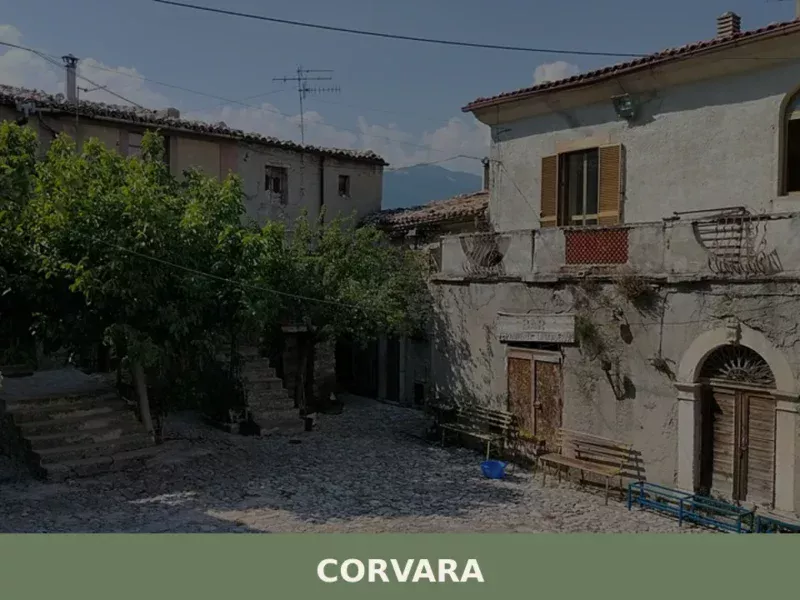
In Abruzzo More villages to discover
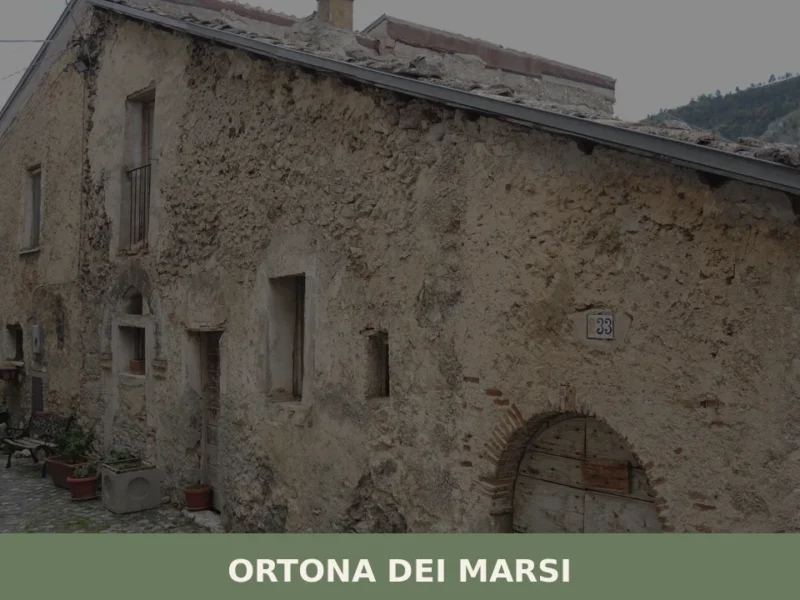
Ortona dei Marsi
 Mountain
A mountain village at 987 metres in the Marsica, Ortona dei Marsi sits inside the Parco Nazionale d'Abruzzo, Lazio e Molise — compact, stone-built and surrounded by peaks that climb well above 1,700 m
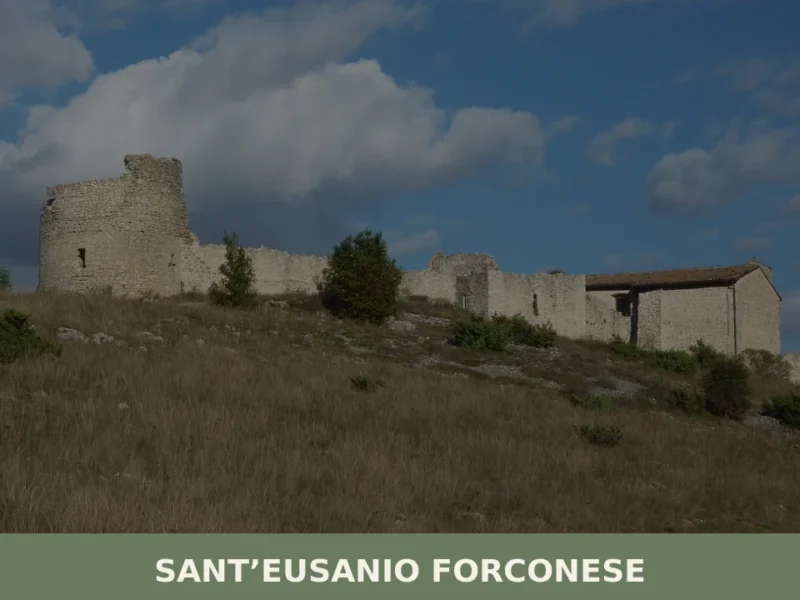
Sant’Eusanio Forconese
Mountain
A small mountain village in the L'Aquila province where a medieval basilica with corner towers still dominates the rooftops at 592 metres above the Aterno valley.
Castilenti
 Hills
Hills
At 272 metres above sea level, along the valley of the Fino torrent, Castilenti has a current population of 1,346 and occupies a stretch of hilly terrain in the province of Teramo where olive cultivation marks the landscape with orderly rows of trees and still-active oil mills. Anyone wondering what to see in Castilenti will […]
Fresagrandinaria
Hills
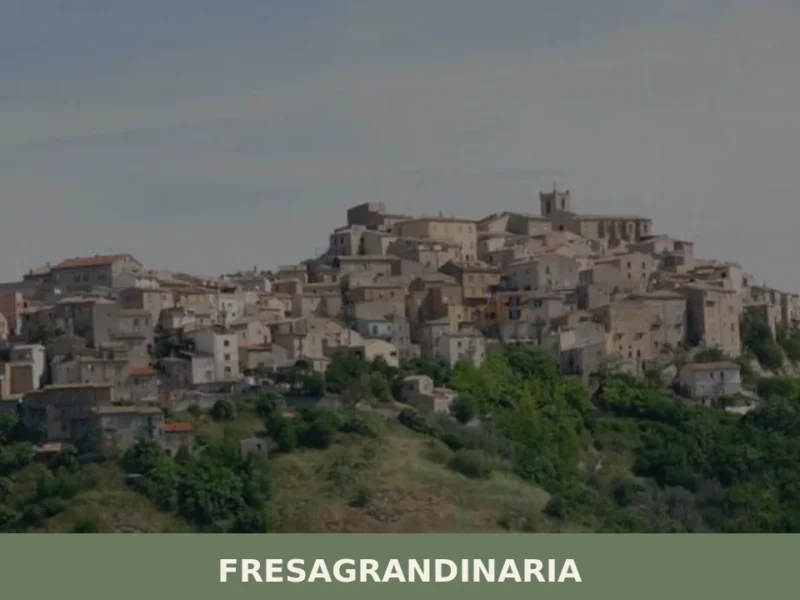
Nine hundred and twenty-three inhabitants, a hilltop ridge at 391 metres above sea level, and a double name that joins two distinct medieval communities: Fresa and Grandinaria, merged into a single settlement at least since the fifteenth century. Anyone arriving from the Treste valley floor immediately notices the compact outline of houses built in local […]
Gamberale
Mountain
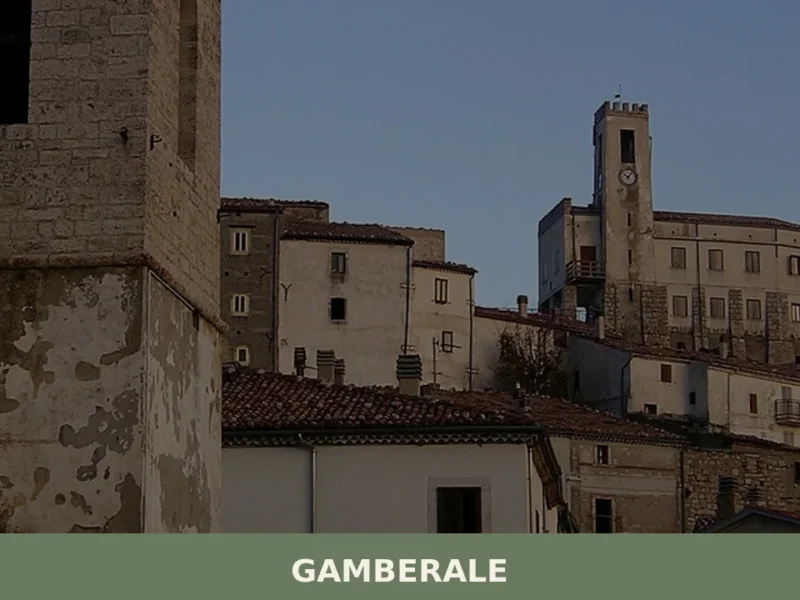
At 1,343 metres above sea level, along the eastern ridge of the Majella mountains where the slopes descend towards the Sangro valleys, 277 residents keep alive a settlement that the catasto onciario of the Kingdom of Naples already recorded in the eighteenth century as a community of shepherds and charcoal burners. Visitors arriving in Gamberale […]
Pescara
 Sea
Sea
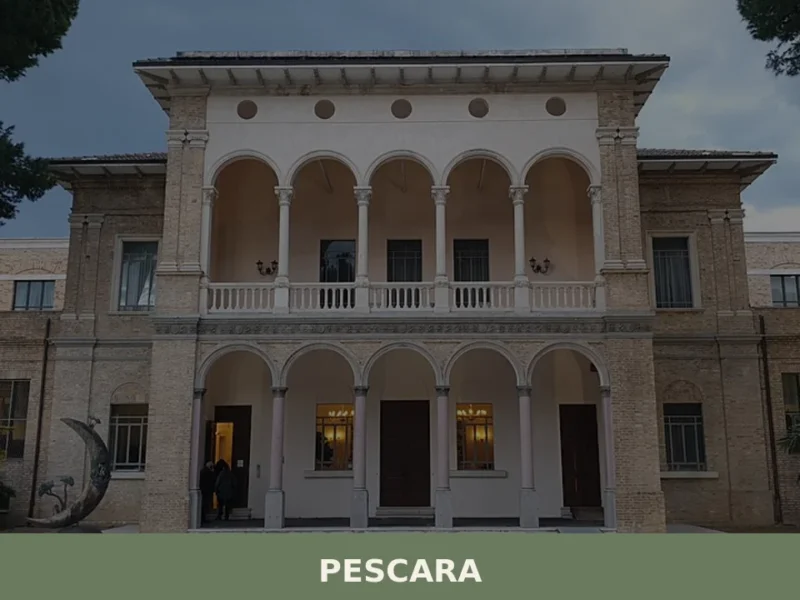
In Pescara, where the Aterno river meets the Adriatic, the city stretches across a coastal plain just 4 metres above sea level. Its forked layout, divided by the watercourse that once served as its natural boundary, has shaped the identity of this centre of nearly 119,000 inhabitants in the province of the same name. On […]
Lettopalena
Mountain
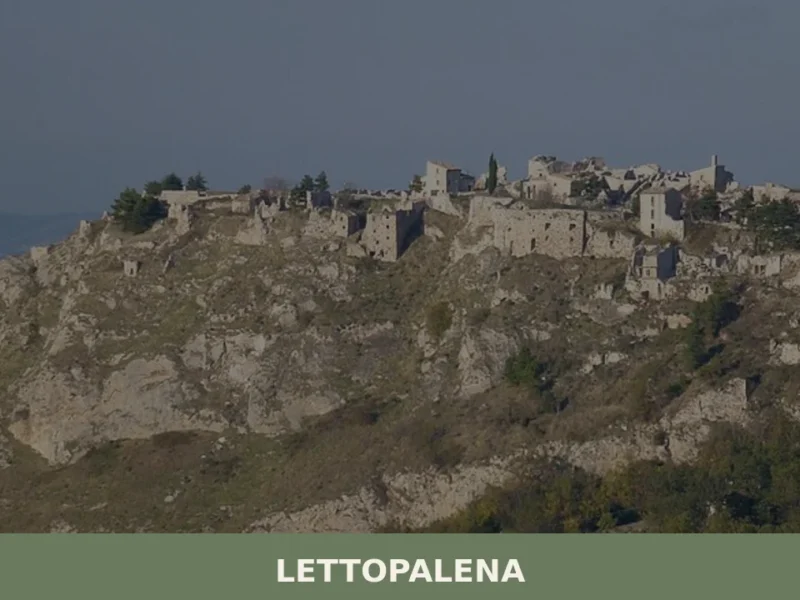
Discover the charm of Lettopalena Village in Abruzzo, Italy. Explore its rich history, culture, and scenic beauty. Plan your visit to this hidden Italian gem today!
Civitella del Tronto
Hills
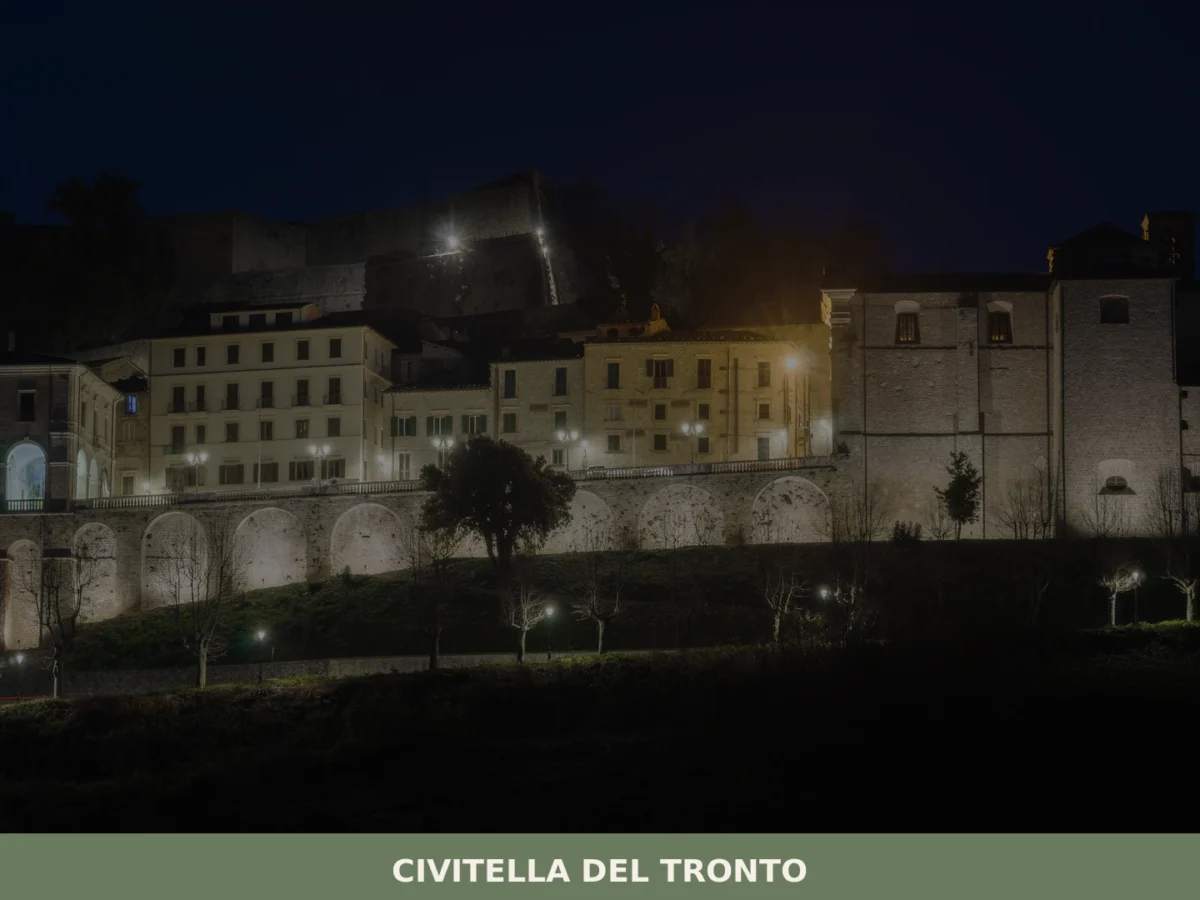
what to see in civitella del tronto, Italy: Discover the historic Fortress and the 1326 San Francesco church in this Abruzzo village at 589 meters altitude. Explore now.

Lentella
Hills
What to see in Lentella: a hilltop village at 398m with 649 residents in Chieti. Discover the Santi Cosma e Damiano church, medieval old town, and local PAT products. Explore now!
Pescocostanzo
Mountain
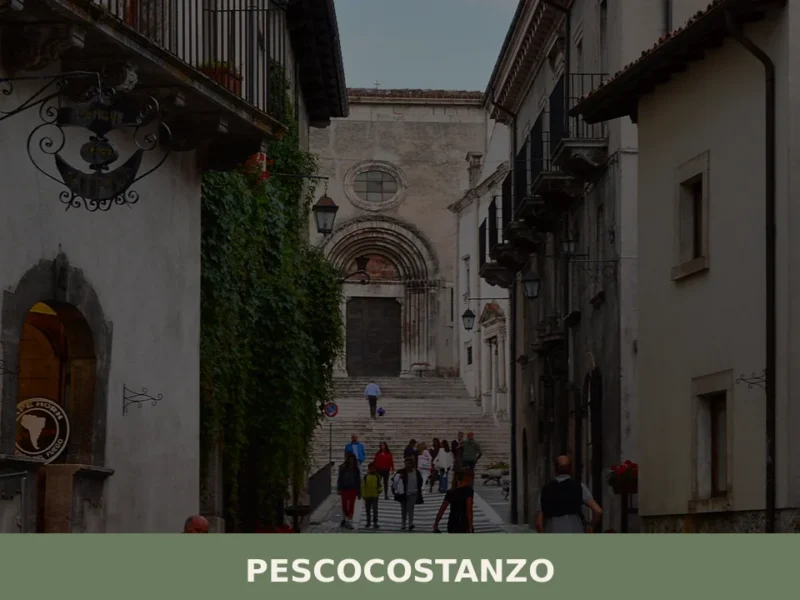
what to see in pescocostanzo offers a blend of mountain beauty and historical charm in Italy. Discover its 1,138 inhabitants, the Maiella National Park, and the Basilica di Santa Maria del Colle. Explore Abruzzo's heart.






🏡 Know Alanno better than we do?
If you’re a local or have been there, your knowledge matters: add what’s missing or fix a detail on this page.