


Zeri
 Mountain
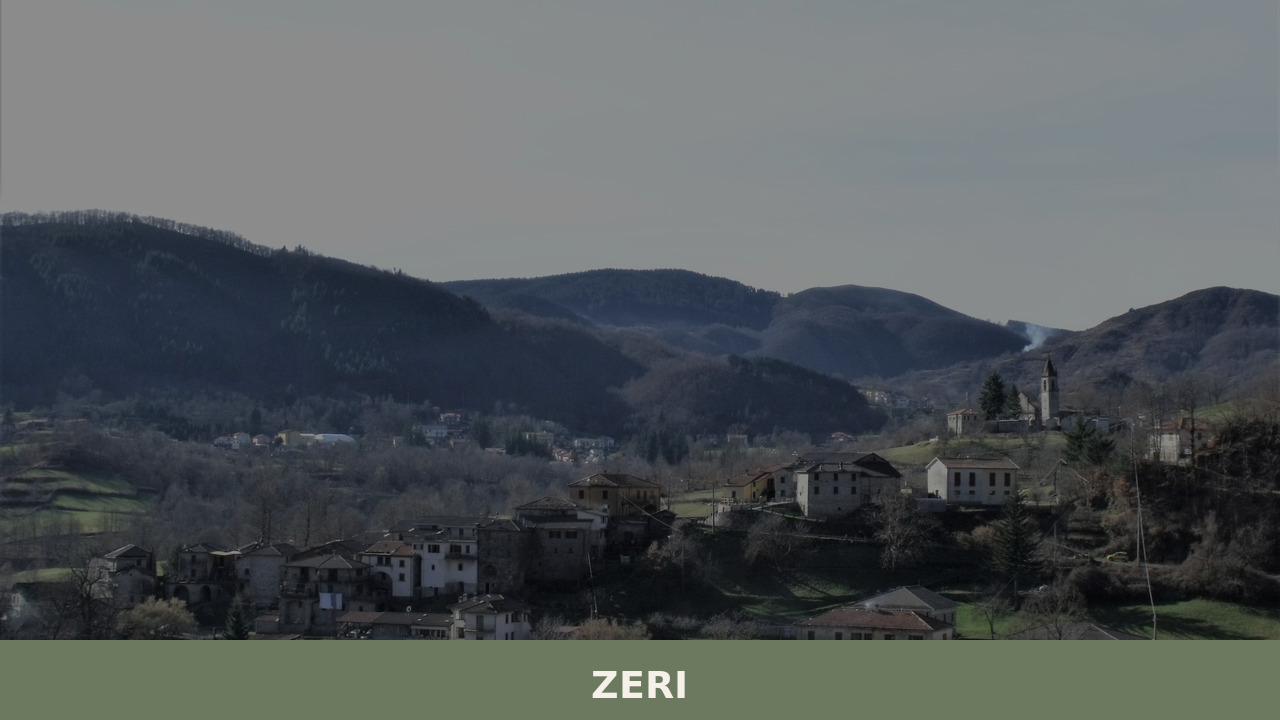
Morning mist lifts slowly from the Lunigiana valley floor, revealing a scattering of stone hamlets across green ridgelines that roll toward the Ligurian border. The air carries wood smoke and the distant sound of cowbells — the famed Zerasca breed still grazes these highlands. Zeri, a municipality of 1,166 inhabitants in the province of Massa […]
Discover Zeri
Morning mist lifts slowly from the Lunigiana valley floor, revealing a scattering of stone hamlets across green ridgelines that roll toward the Ligurian border. The air carries wood smoke and the distant sound of cowbells — the famed Zerasca breed still grazes these highlands. Zeri, a municipality of 1,166 inhabitants in the province of Massa e Carrara, is not a single village but a constellation of tiny borghi spread across high meadows. Understanding what to see in Zeri requires abandoning the idea of a compact centre and embracing instead a territory where human settlement has always deferred to the contours of the land.
History of Zeri
The name “Zeri” likely derives from a pre-Roman root, possibly connected to the Ligurian language spoken by the Apuani tribe who inhabited these mountains before Roman conquest in the second century BCE. Archaeological finds in the broader Lunigiana region — including the famous statue stele, prehistoric stone figures carved between the fourth and first millennia BCE — point to continuous human presence in these highlands stretching back thousands of years. Zeri sits at the cultural crossroads between Tuscany, Liguria, and Emilia, a position that has shaped its dialect, architecture, and identity.
During the medieval period, Zeri fell under the control of the Malaspina family, the feudal lords whose dominion extended across much of the Lunigiana. The Malaspina divided their territories repeatedly through inheritance, creating a patchwork of small fiefdoms — and Zeri, remote and mountainous, often sat at the margins of these power struggles. Stone churches and modest fortified structures from this era survive in several of the municipality’s scattered hamlets, testimony to centuries of pastoral life lived under shifting overlordships.
The Second World War brought tragedy and resistance to these mountains. The Lunigiana highlands served as a stronghold for partisan fighters, and the communities of Zeri contributed significantly to the Resistance movement. The municipality’s isolation, which had long been a source of hardship, became a strategic advantage during the conflict. This chapter remains a living memory for the community, marked by local commemorations and monuments scattered through the territory.
What to see in Zeri: 5 must-visit attractions
1. The Passo dei Due Santi
At roughly 1,090 metres, this mountain pass marks the border between Tuscany and Emilia-Romagna. The road climbs through chestnut and beech forest before opening onto exposed grassland with long views toward the Apennine ridge. It is a working pass — used by shepherds for centuries — and a starting point for hiking trails into the higher peaks of the Appennino Tosco-Emiliano.
2. Church of San Lorenzo in Coloretta
One of the oldest religious structures in the municipality, the church of San Lorenzo sits in the hamlet of Coloretta. Its stone façade is plain, almost austere, typical of Lunigiana Romanesque architecture. Inside, the proportions are intimate, built to serve a congregation that never numbered more than a few dozen families. The surrounding cemetery holds headstones dating back several centuries.
3. The Zerasca Cattle Pastures
Zeri is home to the Zerasca breed of cattle, a rare indigenous variety adapted to the steep, high-altitude pastures of the municipality. These compact, hardy animals graze freely on open meadows through the warmer months. The breed is integral to Zeri’s identity and agricultural economy, producing the milk used in local cheeses.
4. Borgo of Patigno
Among the best-preserved of Zeri’s many hamlets, Patigno clusters around a handful of stone houses with slate roofs. The buildings lean into the hillside, their walls thickened against winter cold. Walking through Patigno offers a clear picture of how mountain communities organised domestic and agricultural life within a few hundred square metres, with barns, ovens, and living quarters pressed close together.
5. World War II Partisan Memorials
Several markers and small monuments throughout the municipality record the activities of the Resistance during 1943–1945. These are not grand monuments but modest stone plaques and crosses set along footpaths and at crossroads — the kind of memorials that require you to slow down and look carefully, which seems appropriate given the clandestine nature of the history they honour.
Local food and typical products
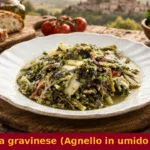
The defining product of Zeri’s table is its lamb. Agnello di Zeri, raised from flocks that graze the high pastures, has a distinctive flavour shaped by the wild herbs and grasses of the mountain meadows. It appears roasted, braised, or stewed with potatoes in the hearty preparations typical of Lunigiana cooking. Equally important is the local honey — chestnut honey in particular, dark and slightly bitter — produced from the extensive chestnut forests that cover the lower slopes. Chestnut flour itself, once a staple food of survival, now appears in necci (thin crêpes) and in a dense, unleavened bread.
Testaroli, the ancient Lunigiana pasta cooked on heated stone discs called testi, is found throughout the area and in Zeri’s few local trattorie. These restaurants tend to be simple, family-run operations where the menu reflects the season and what the land provides. Expect porcini mushrooms in autumn, foraged greens in spring, and preserved meats year-round. Dining here is not a curated experience; it is a direct encounter with a subsistence cuisine refined over centuries into something quietly excellent.
Best time to visit Zeri
Late spring — May and June — is arguably the finest season, when the high meadows erupt in wildflowers and the Zerasca cattle return to their upland pastures. Temperatures are mild at altitude, and the longer days allow for extended walks along the Apennine trails. Autumn brings its own rewards: the chestnut harvest, mushroom foraging, and a palette of amber and copper across the beech forests. Zeri hosts occasional sagre (food festivals) celebrating local products, though these are modest, community-scale events rather than large tourist attractions.
Winter brings significant snowfall at higher elevations, and some minor roads may become difficult. The municipality operates a small ski area at Zum Zeri, which caters primarily to regional visitors. Summer is pleasant but can see afternoon thunderstorms build quickly along the Apennine ridge. Regardless of season, come prepared for rapid weather changes — Zeri’s altitude and exposed position mean conditions can shift within the hour.
How to get to Zeri
Zeri is reached by car via the A15 motorway (Autostrada della Cisa), which connects Parma to La Spezia. The exit at Pontremoli is the most convenient, from which a provincial road climbs approximately 20 kilometres into the municipality. The drive from Pontremoli takes around 30 minutes, winding through increasingly narrow roads with sharp switchbacks. From Massa, the provincial capital, the journey is roughly 50 kilometres. The nearest railway station is Pontremoli, served by regional trains on the Parma–La Spezia line. The closest airports are Pisa Galileo Galilei (approximately 130 km) and Parma Giuseppe Verdi (approximately 100 km). Public transport to Zeri itself is extremely limited; a private vehicle is essentially necessary.
More villages to discover in Toscana
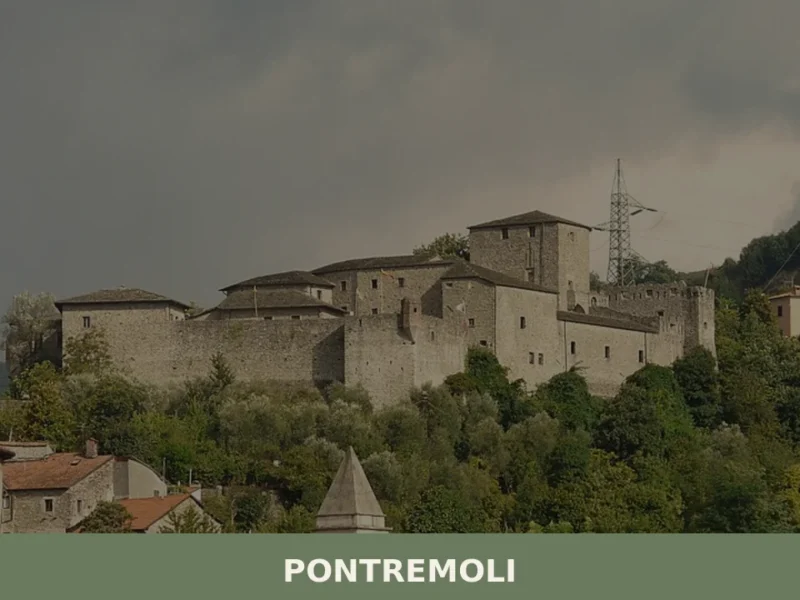
The Lunigiana is one of Tuscany’s least-visited corners, and Zeri’s isolation places it within reach of other settlements that share a similar character of mountain remoteness and deep historical roots. Downhill to the south, the medieval town of Pontremoli serves as the natural gateway to the valley — its stone bridges over the Magra river, its baroque churches, and its celebrated statue stele museum make it an essential complement to any visit to the highlands above.
Further along the Lunigiana valley, the fortified village of Fivizzano offers another perspective on this territory’s layered past. Once known as the “Florence of the Lunigiana” for its cultural ambitions during the Renaissance, Fivizzano’s central piazza and surrounding palazzi speak to a history of modest urban aspiration set against the same wild Apennine backdrop that defines Zeri. Together, these communities trace the full arc of Lunigiana life, from valley floor to mountain ridge.
Frequently asked questions about Zeri
What is the best time to visit Zeri?
Late spring (May–June) is ideal: wildflowers blanket the high meadows, the Zerasca cattle return to upland pastures, and temperatures are mild for hiking. Autumn (September–October) rewards visitors with the chestnut harvest, porcini mushroom season, and vivid foliage across the beech forests. The feast of patron saint San Lorenzo falls on 10 August, offering a glimpse of genuine local tradition. Winter brings snowfall and limited road access, though the small Zum Zeri ski area draws regional visitors. Always prepare for rapid weather changes regardless of season — Zeri's altitude of 708 metres means conditions shift quickly.
What are the historical origins of Zeri?
Zeri's name likely derives from a pre-Roman Ligurian root, connected to the Apuani tribe who inhabited these Apennine mountains before Roman conquest in the second century BCE. During the medieval period the territory fell under Malaspina feudal control, the powerful dynasty that dominated much of the Lunigiana. Zeri's scattered hamlets reflect centuries of pastoral life at the crossroads of Tuscany, Liguria, and Emilia. During World War II the municipality's remote highlands became a stronghold for partisan Resistance fighters, a chapter still commemorated by modest stone memorials throughout the territory.
What to see in Zeri? Main monuments and landmarks
Zeri is a constellation of hamlets rather than a single centre. Key sites include the Church of San Lorenzo in Coloretta, an austere Lunigiana Romanesque stone church with a centuries-old cemetery; the well-preserved hamlet of Patigno, where slate-roofed stone houses illustrate traditional mountain domestic life; and the Passo dei Due Santi at 1,090 metres on the Tuscan–Emilian border, a scenic pass with Apennine trail access. Scattered WWI and WWII partisan memorials along footpaths and crossroads add historical depth. No formal admission fees or fixed opening hours apply to these outdoor and hamlet sites.
What are the main natural or scenic attractions of Zeri?
Zeri's primary natural draw is its high Apennine landscape. The Passo dei Due Santi (1,090 m) connects to trails within the Appennino Tosco-Emiliano range, used by shepherds for centuries and now accessible to hikers. Open meadows grazed by the indigenous Zerasca cattle breed, extensive chestnut and beech forests covering the lower slopes, and long ridgeline views toward the Ligurian border define the scenery. The small Zum Zeri ski area provides winter outdoor activity at higher elevations. The territory sits within the broader Lunigiana natural and cultural landscape.
Where to take the best photos in Zeri?
The Passo dei Due Santi offers the most dramatic panoramic shots, with open Apennine grassland and wide views toward the ridge separating Tuscany from Emilia-Romagna. The hamlet of Patigno, with its clustered stone houses and slate roofs leaning into the hillside, provides strong architectural compositions. In late spring, the high meadows with grazing Zerasca cattle against a backdrop of green ridgelines make for distinctive pastoral images. Morning light, when mist rises from the Lunigiana valley, is particularly photogenic across the entire territory.
Are there museums, churches or historic buildings to visit in Zeri?
The Church of San Lorenzo in the hamlet of Coloretta is the most documented historic religious building in the municipality — a plain Romanesque stone structure built to serve a small mountain congregation, with a cemetery containing headstones dating back several centuries. Additional stone churches and modest fortified structures from the medieval Malaspina era survive in several of Zeri's scattered hamlets. Partisan memorials from the 1943–1945 Resistance period are found along footpaths and at crossroads throughout the territory. Specific opening hours for the church are not publicly documented; visits are best attempted during daylight hours.
What can you do in Zeri? Activities and experiences
Hiking is the primary activity, with trails departing from the Passo dei Due Santi into the Appennino Tosco-Emiliano. Autumn foragers can seek porcini mushrooms and chestnuts across the municipality's forests. The Zum Zeri ski area serves winter visitors with snow sports. Food experiences centre on family-run trattorie where menus follow the season — lamb, testaroli pasta, chestnut-flour necci, and local honey. The feast of San Lorenzo on 10 August offers community celebration. Exploring the scattered borghi on foot, including Patigno, provides an authentic encounter with traditional Lunigiana mountain architecture and rural life.
Who is Zeri suitable for?
Zeri suits hikers and outdoor enthusiasts drawn to uncrowded Apennine trails and high-altitude landscapes. Food and nature travellers will value the authentic local cuisine — lamb, testaroli, chestnut products — and the pastoral scenery of the Zerasca cattle pastures. Couples and solo travellers seeking genuine remoteness and slow travel will find Zeri's scattered hamlets and minimal tourist infrastructure appealing. Families with older children can enjoy seasonal activities including hiking, foraging, and winter skiing at Zum Zeri. The village is not suited to visitors expecting urban amenities, dense heritage sites, or easy public transport access.
What to eat in Zeri? Local products and specialties
Agnello di Zeri — lamb raised on high Apennine pastures rich in wild herbs — is the defining local product, served roasted, braised, or stewed with potatoes. Testaroli, an ancient Lunigiana pasta cooked on heated stone discs, appears in local trattorie year-round. Chestnut flour, a historic staple of mountain survival, is used in necci (thin crêpes) and dense unleavened bread. Dark, slightly bitter chestnut honey from the municipality's extensive forests is a notable product. Porcini mushrooms feature prominently in autumn menus, and foraged spring greens appear in seasonal preparations.
Nearby Villages near Zeri
In Tuscany More villages to discover
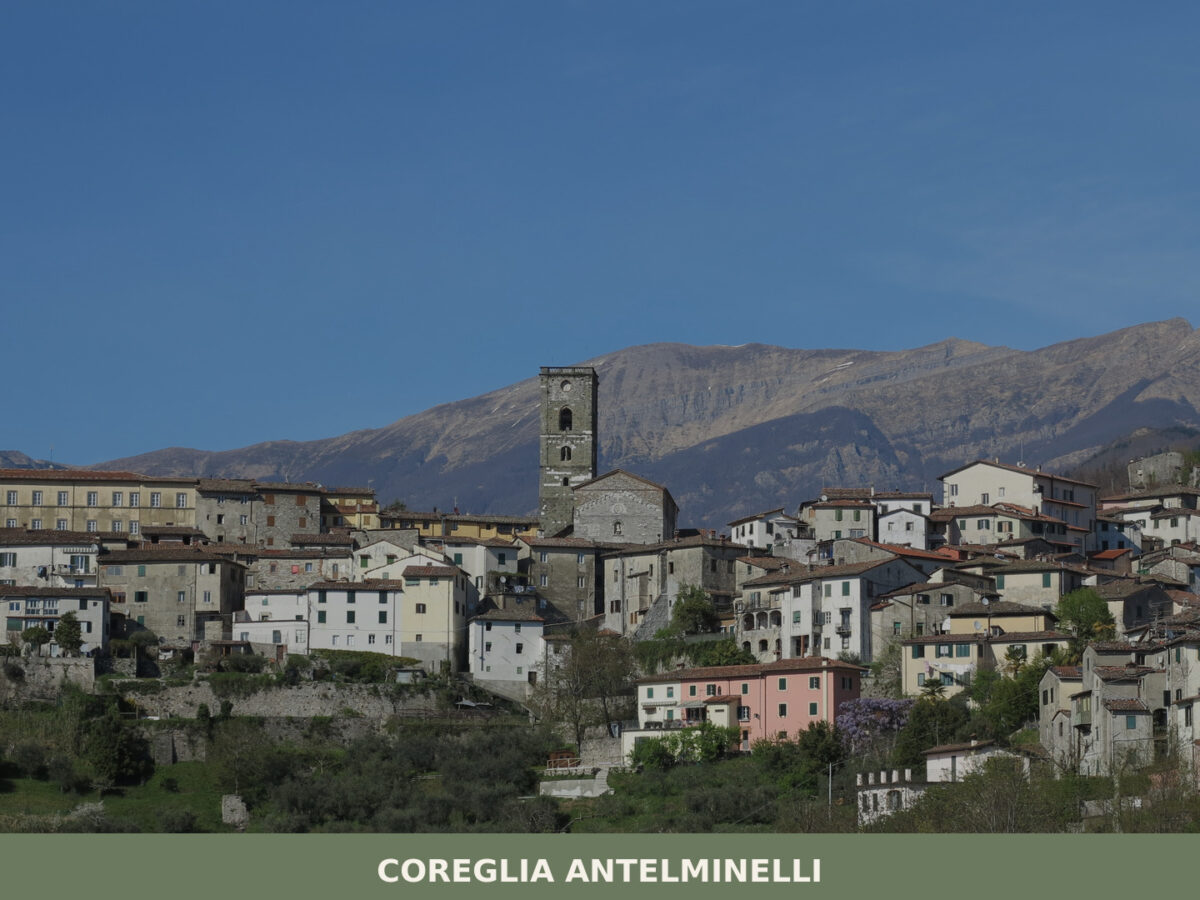
Coreglia Antelminelli
 Hills
Hills
What to see in Coreglia Antelminelli, Italy: 3 Romanesque churches, a painted crucifix by Berlinghieri, and a village at 595 m. Explore the full guide.
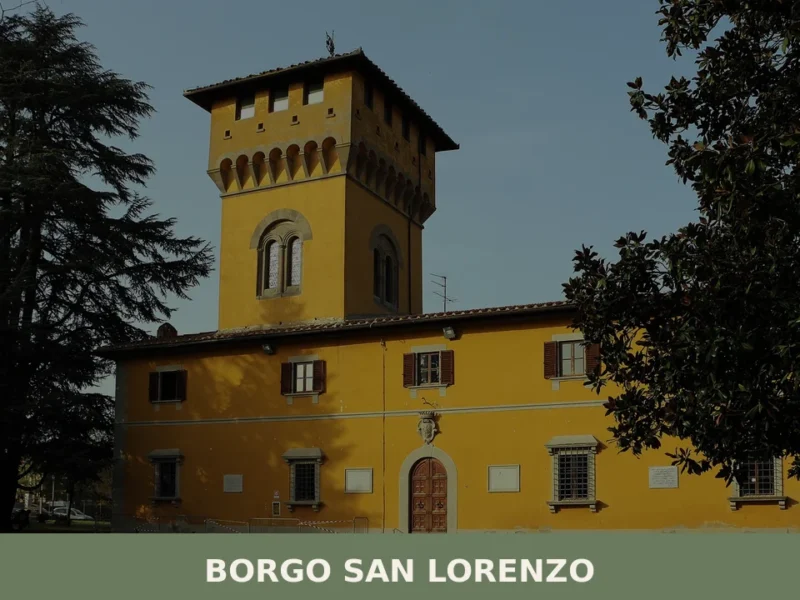
Borgo San Lorenzo
 Plains
What to see in Borgo San Lorenzo, Italy: top attractions, local food, and how to get there. 20 km from Florence, 193 m altitude. Discover the Mugello valley.
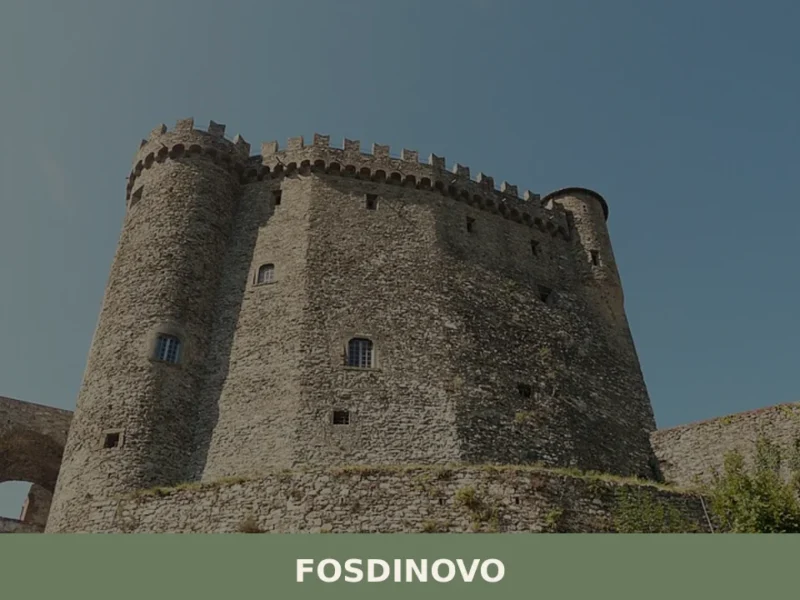
Fosdinovo
Hills
The Malaspina Castle of Fosdinovo has dominated the ridge separating the Val di Magra from the Apuan coast for over seven hundred years, with its four circular towers and a sentry walkway that can still be traversed. At 500 metres above sea level, this town in the province of Massa and Carrara has 4,982 inhabitants […]
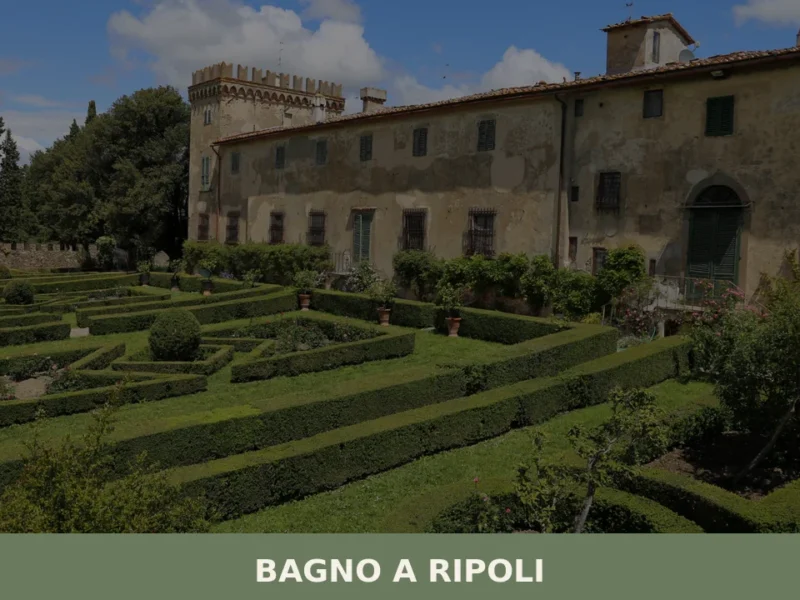
Bagno a Ripoli
Plains
What to see in Bagno a Ripoli, Italy: 25,488 inhabitants, 7 km from Florence. Discover top attractions, local food, and how to get there. Explore now.
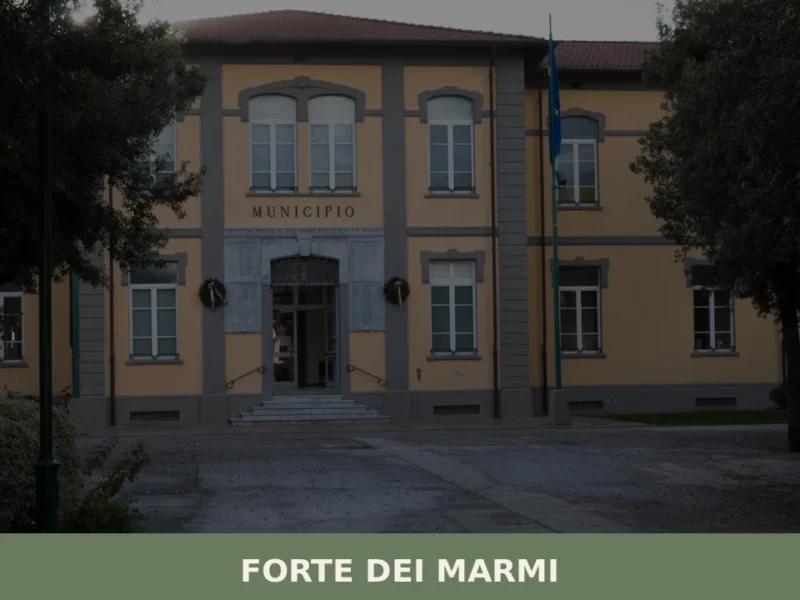
Forte dei Marmi
 Sea
Sea
What to see in Forte dei Marmi, Italy: the 1788 fortress, sandy beaches, satirical art museum and weekly market. Population 7,619. Explore the full guide.
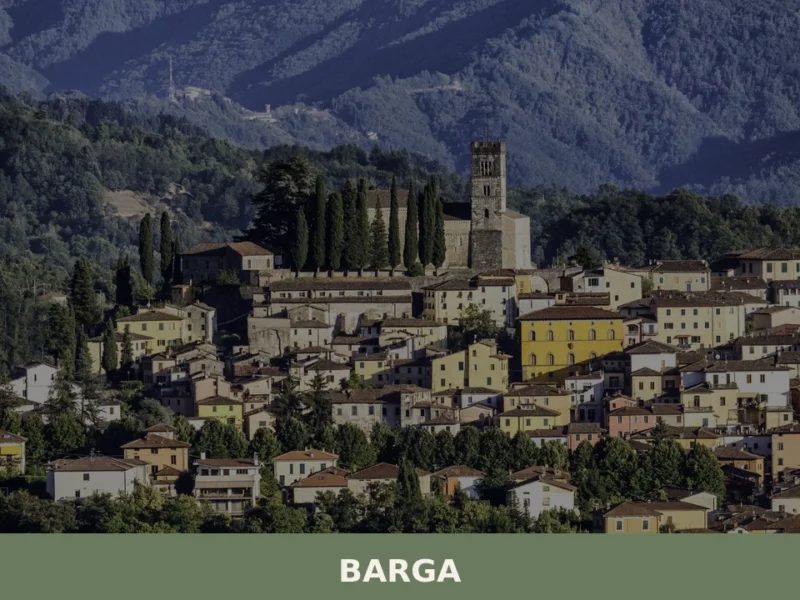
Barga
Hills
what to see a Barga, village toscano a 410 m s.l.m.: Duomo di San Cristoforo, Teatro dei Differenti, cuisine della Garfagnana. guide pratica con consigli su quando andare e how to get there.
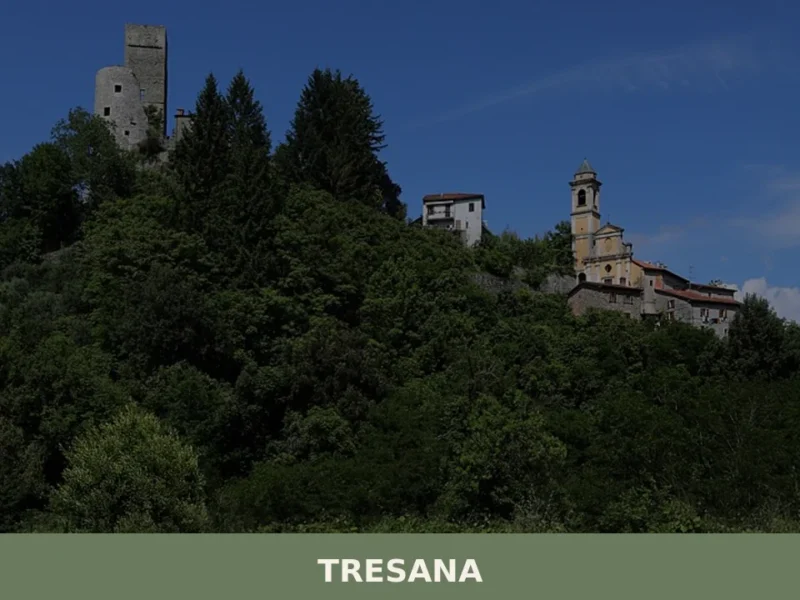
Tresana
Plains
Standing at 112 metres above sea level, in the valley floor where the Osca stream flows into the River Magra, Tresana is a scattered municipality in the province of Massa and Carrara, made up of over thirty hamlets spread between the plain and the surrounding hills. With a population of 2,071, it is one of […]
Fivizzano
Hills
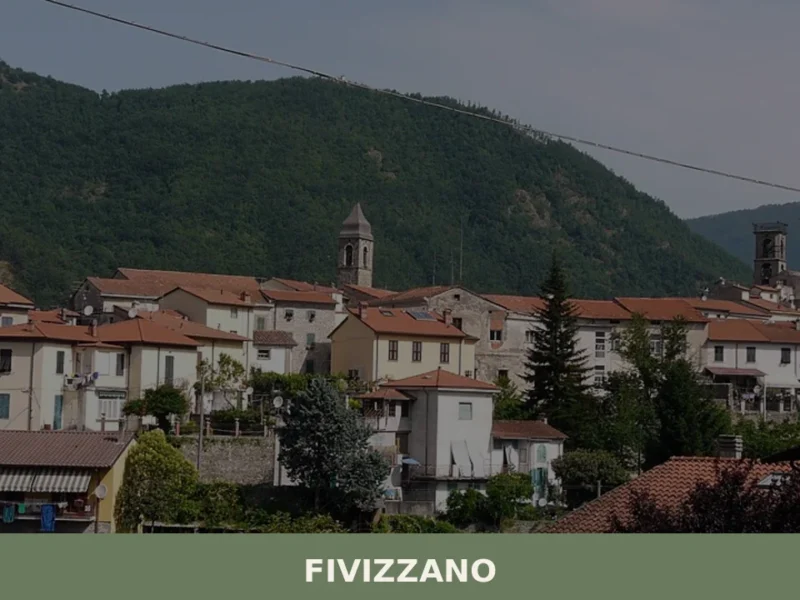
In 1477 a printing press active in Fivizzano produced an edition of Cicero’s Epistolae ad familiares, making this Lunigiana town one of the first places in Italy — and in Europe — to host the art of movable-type printing. The village stands at 326 metres above sea level in the province of Massa and Carrara, […]
Cerreto Guidi
Plains
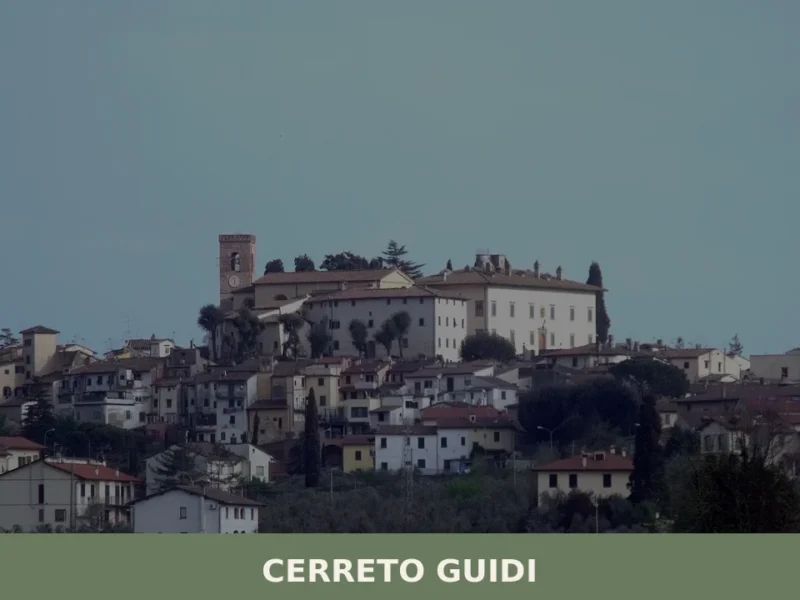
A low plain spreads west of Florence, and at 30 kilometres (19 mi) from the city the land rises just enough — to 123 metres (404 feet) above sea level — for a cluster of terracotta rooftops to stand out against the Tuscan sky. The municipality borders Empoli, Fucecchio, Vinci, and Lamporecchio, placing it at […]

San Giovanni Valdarno
Hills
Founded in 1296 as a Florentine frontier town, San Giovanni Valdarno preserves a medieval grid layout, masterpieces by Beato Angelico, and the legendary miracle of Monna Tancia.

🏡 Know Zeri better than we do?
If you’re a local or have been there, your knowledge matters: add what’s missing or fix a detail on this page.