If you’re wondering what to see in Genova, get ready to be left breathless. This city doesn’t just show you things: it wraps around you, pulls you into its narrow alleys that feel like embraces, flings open sea views that look like paintings, and then sits you down at a table with a plate of trofie al pesto that reconciles you with the world. Genova is a vertical city, stubborn and proud — one of those places you either love instantly or learn to love by walking its streets. And walking it, trust me, you will love it.
What to See in Genova: Must-Visit Attractions
Genova is a city that reveals itself slowly, layer by layer, much like its noble palaces hidden behind unassuming doorways. From the Renaissance architecture of the Rolli — a UNESCO World Heritage Site since 2006 — to the Porto Antico redesigned by Renzo Piano, every corner tells centuries of maritime, commercial and cultural history. Here are the essential stops for truly getting to know it.
1. The Palazzi dei Rolli and Via Garibaldi
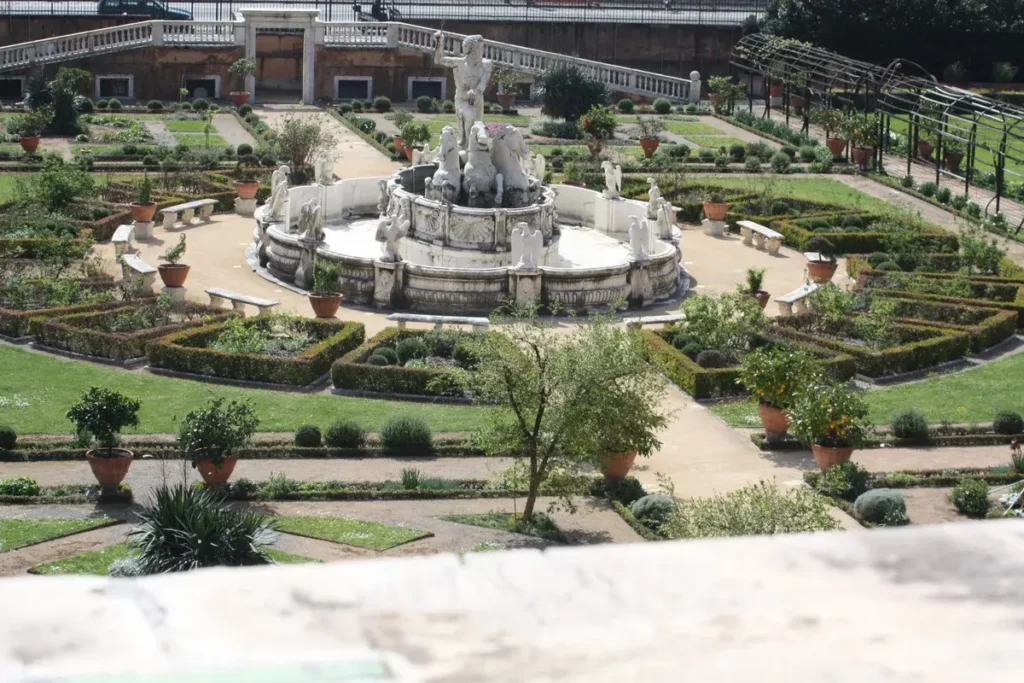
Let’s start here, because Via Garibaldi is simply one of the most beautiful streets in Europe. Designed in the sixteenth century as “Strada Nuova”, it is lined with noble palaces that once hosted kings, ambassadors and visiting dignitaries. The Rolli system — an official register of residences designated for state hospitality — is unique in the world. Palazzo Rosso, Palazzo Bianco and Palazzo Doria-Tursi now house the Musei di Strada Nuova, with collections ranging from Caravaggio to Van Dyck. Strolling here at sunset, when the golden light caresses the frescoed façades, is an experience worth the entire trip.
2. The Aquarium of Genova and the Porto Antico
It’s not just the largest aquarium in Italy — it’s a journey through the world’s oceans without leaving Liguria. Opened in 1992 for the Columbian celebrations, the Aquarium is home to over 12,000 specimens of 600 different species, from dolphins to jellyfish, from sharks to penguins. But the Porto Antico surrounding it deserves just as much attention: the Biosphere, the bubble-shaped structure designed by Renzo Piano, the panoramic Bigo with its rotating lift that gives you a 360-degree view of the city, and the Galata Sea Museum. This is the contemporary heart of Genova, where port history meets everyday life among cafés, bookshops and children running around.
3. The Caruggi: The Medieval Heart of the City
This is where Genova becomes irresistible. The caruggi — the narrow, winding alleys of the historic centre — form one of the largest medieval cores in Europe. Here light barely filters between the towering buildings, laundry strung across the lanes flutters like flags, and from every shop waft the aromas of freshly baked focaccia and hot farinata. Getting lost is inevitable, and even recommended. Between one caruggio and the next, hidden squares appear, Romanesque churches with black-and-white striped façades, and artisan workshops that have stood the test of time. It is a living labyrinth, imperfect and authentic.
4. The Cathedral of San Lorenzo
With its Gothic façade of alternating black-and-white stripes — Carrara marble paired with Promontorio stone — San Lorenzo is the religious landmark of the city. Consecrated in 1118, it houses the Treasury Museum in its underground level, where the Sacro Catino is kept, long believed to be the Holy Grail. Inside, the Chapel of St John the Baptist is a Renaissance masterpiece that guards the relics of the city’s patron saint. Pause on the steps in front of the cathedral: from here, the flow of Genovese life passes before you like a film.
5. Palazzo Ducale
For centuries the seat of power of the Republic of Genova, Palazzo Ducale is today the city’s most important cultural hub. Its halls host exhibitions of international calibre, literary festivals, events and conferences. The colonnaded atrium is imposing, but it is on ascending to the noble floors that you truly sense the grandeur of La Superba — the name Petrarch bestowed upon Genova. Overlooking Piazza De Ferrari, the palace is the ideal starting point for any exploration of the centre.
6. Piazza De Ferrari
The elegant heart of Genova, dominated by the great circular bronze fountain that has become the very symbol of the city. Here converge the Teatro Carlo Felice, Palazzo Ducale and the Liguria regional government headquarters. In the evening, when the fountain lights up and the theatre glows, the square takes on an atmosphere that blends elegance and popular life in a balance that is distinctly Genovese.
7. Spianata di Castelletto and the Belvedere
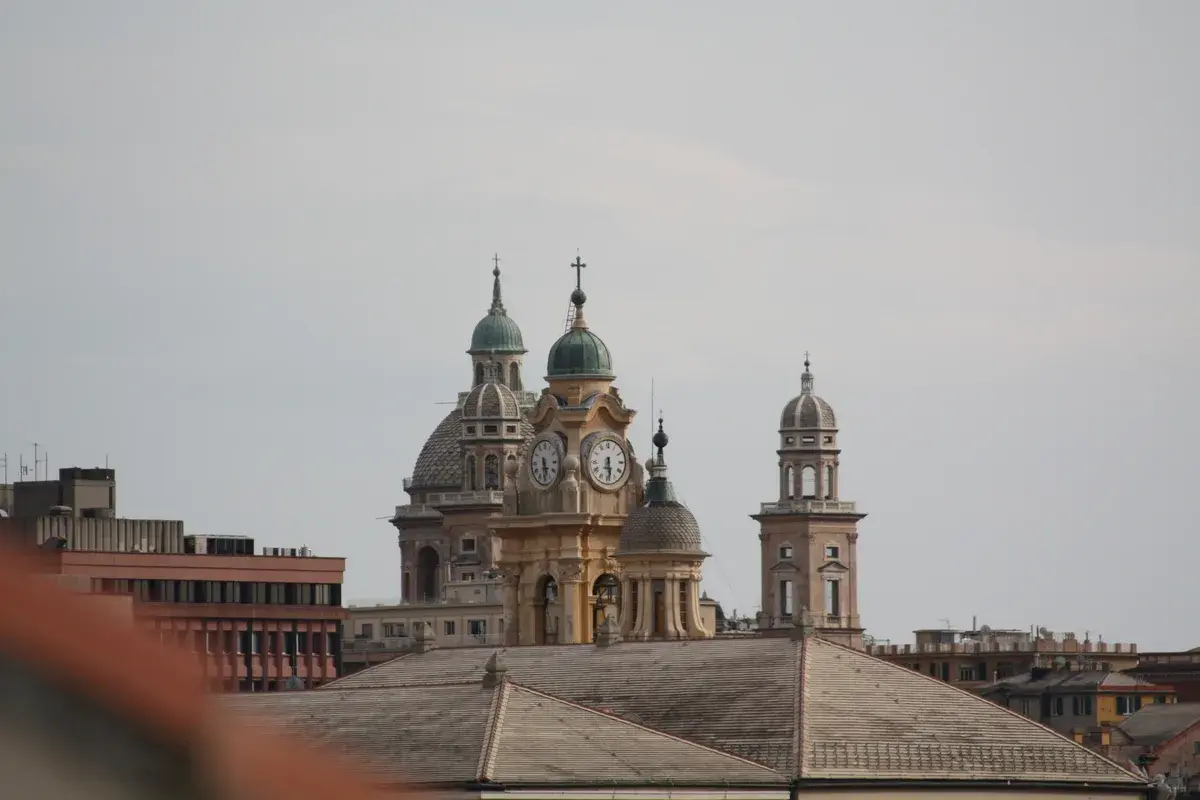
Want to see Genova from above? Take the public Castelletto lift — yes, a lift carved into the rock — and ride up to the Spianata. From up here the panorama is one of the most celebrated in Liguria: the slate rooftops of the historic centre, the port, the Lanterna in the distance and the open sea. This is the spot where every Genovese brings visiting friends, and where every traveller understands why this city is unlike any other.
8. The Lanterna of Genova
Standing 77 metres tall, the Lanterna is the tallest lighthouse in the Mediterranean and one of the oldest still in operation in the world. The undisputed symbol of the city, it is reached via a walk along the old seventeenth-century walls. The multimedia museum at its base recounts the history of the lighthouse and the city across the centuries. Watching it light up at dusk, from the Porto Antico or the Sopraelevata, is one of those moments that imprint themselves on your memory.
9. Boccadasse
A fishing hamlet nestled within the city, with colourful houses overlooking a small pebble beach. Boccadasse feels like a Cinque Terre village that ended up inside a metropolis by mistake. People come here to eat gelato while gazing at the sea, to sit on the rocks at sunset, to breathe in that air of authentic Liguria that the Genovese guard with fierce pride. If you love seaside hamlets, also explore Bonassola, a gem on the Riviera di Levante.
What to See in Genova: Flavours and Traditions Not to Miss
You cannot visit Genova without tasting the dishes that have made it famous worldwide. Pesto Genovese — basil, pine nuts, garlic, Parmigiano, Pecorino and extra virgin olive oil — is far more than a sauce: it is an identity. Try it on trofie or on trenette avvantaggiate. Focaccia di Recco, paper-thin and filled with cheese, is a near-religious experience. And then there’s farinata, fried anchovies, cappon magro and cima alla genovese. Every dish tells a story of sea and hillside, of frugality and genius.
Among the events, the International Boat Show in autumn transforms the port into a global showcase for the nautical world, while the Regatta of the Ancient Maritime Republics revives the historic rivalries with Venice, Amalfi and Pisa. During the summer, Rolli Days open normally closed palaces to the public, offering exclusive access to the city’s hidden wonders.
Exploring the Ligurian Villages Around Genova
Genova is also an extraordinary starting point for discovering the Ligurian hinterland, a landscape of hilltop villages perched among olive groves and slate. Coreglia Ligure, with its few dozen inhabitants and a silence that smells of forest, is perfect for those seeking the most intimate side of Liguria. Further west, Apricale is a medieval village of rare beauty, clinging to the mountainside in the hinterland of Bordighera, where time seems to have stopped among stone alleys and artistic murals.
Visit the Full Guide to Genova
Genova cannot be captured in a single article, exhausted in a weekend, or forgotten after one visit. It is a city that rewards those curious enough to scratch beneath the surface, to climb the crêuze, to sit in a trattoria in the caruggi and listen to the stories of the Genovese. If you want all the practical details to plan your visit, check out the full guide to Genova on Villages Italy: you’ll find information on how to get there, where to eat, where to stay and much more. La Superba awaits — and it will not disappoint.