


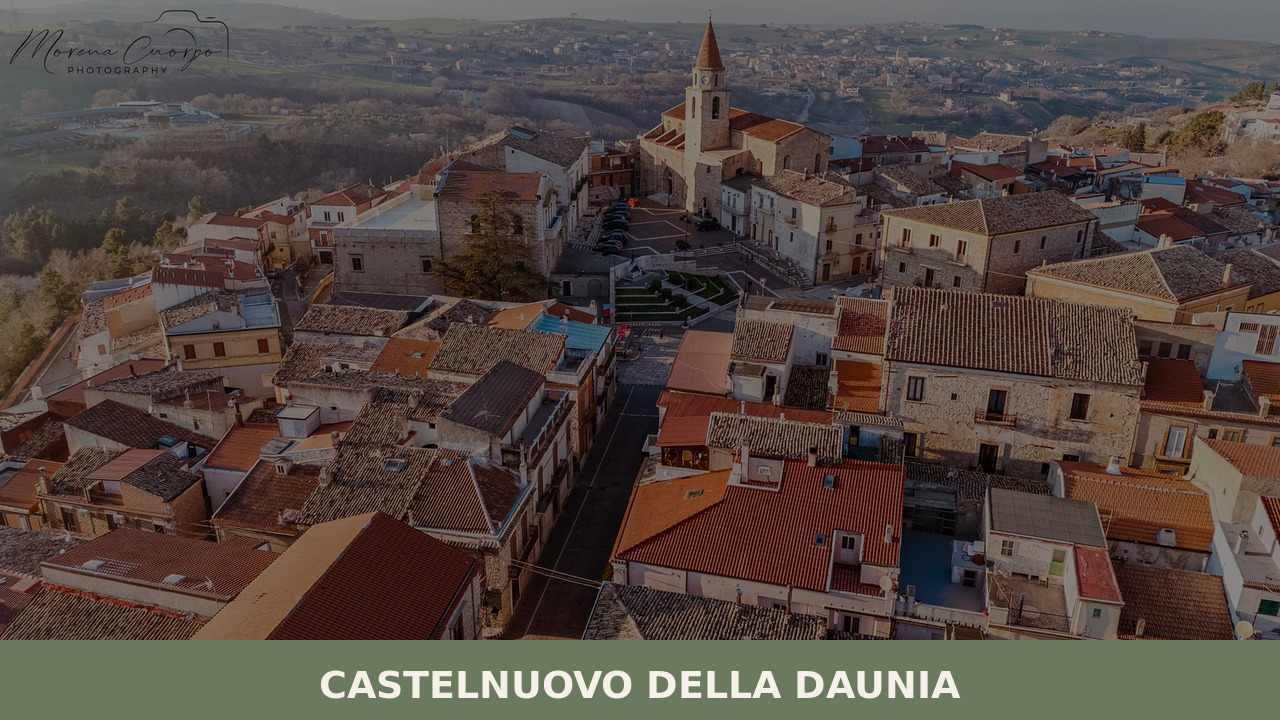
Castelnuovo della Daunia
 Hills
Hills
A compact hill village at 543 metres in Puglia’s Subappennino Dauno, Castelnuovo della Daunia offers medieval lanes, panoramic views over the Tavoliere, and the quiet rhythms of inland southern Italy.
Discover Castelnuovo della Daunia
Morning light hits the stone facades along the main corso in slow, angled sheets, and the only sound for a full minute is a dog barking somewhere below the ridge. At 543 metres above sea level, the air carries a dry clarity that sharpens every edge — roof tiles, bell tower, the blue-grey line of the Tavoliere plain stretching toward Foggia. With just 1,271 inhabitants, this is a place where you learn the rhythms before you learn the streets. If you are wondering what to see in Castelnuovo della Daunia, the answer begins with the territory itself: a compact hill town on the western edge of the Subappennino Dauno, built to watch and to endure.
History of Castelnuovo della Daunia
The name tells two stories at once. “Castelnuovo” — new castle — points to a medieval refoundation, likely between the 11th and 12th centuries, when Norman lords reorganised settlement across the Daunia highlands. “Della Daunia” anchors it to the pre-Roman Daunian civilisation that once occupied this stretch of Puglia’s northern mountains, a people known through geometric pottery and carved stone stelae found across the province of Foggia. The village’s position — commanding views over valley routes below — made it a strategic node in a landscape contested by Lombards, Byzantines, and Normans in turn.
Under Frederick II’s administration in the 13th century, the Subappennino Dauno was studded with fortified sites that served as both defensive outposts and administrative centres. Castelnuovo della Daunia likely consolidated its current form during this period, when the feudal system organised rural life around a castle, a church, and a cluster of houses within defensive walls. The village passed through a succession of baronial families across the following centuries — a pattern common to the small fiefs of the Capitanata region, where land ownership changed hands repeatedly under Angevin and Aragonese rule.
By the 18th and 19th centuries, Castelnuovo della Daunia had settled into the agricultural economy of the upland Daunia: grain, sheep, and olive oil. Emigration in the 20th century — first to the Americas, later to northern Italian cities — reduced the population significantly, but it also produced a diaspora that has maintained ties to the village. Today, the historic centre preserves a legible medieval layout: narrow, turning lanes that open into small piazzas, stone staircases worn smooth, and doorways scaled for shorter centuries.
What to see in Castelnuovo della Daunia: 5 must-visit attractions
1. The Historic Centre (Centro Storico)
The old quarter is best read on foot, following the gradient. Stone houses cluster along stepped alleys that trace the contour of the hill. Look for carved lintels and arched passageways — evidence of medieval and early-modern construction techniques. The compactness of the settlement reflects both defensive logic and the social organisation of a hill community where every metre of flat ground mattered.
2. Chiesa Madre (Mother Church)
The principal parish church anchors the upper village. Its facade and interior bear the marks of successive renovations common across the Subappennino Dauno, where earthquakes — particularly those in the 17th and 18th centuries — repeatedly damaged structures. Inside, look for Baroque-period altarpieces and carved stone details that reflect the devotional culture of rural Puglia’s hill towns.
3. Remains of the Feudal Castle
Fragments of the original fortification survive integrated into later buildings at the village’s highest point. The castle once formed the nucleus around which the settlement grew. Though no longer intact as a single structure, its outline can be traced through the thickness of certain walls and the positioning of corner structures that suggest former towers or defensive enclosures.
4. Panoramic Viewpoints over the Tavoliere
From the village’s western edge, the Tavoliere delle Puglie — Italy’s second-largest plain — opens out below in a patchwork of wheat fields and wind turbines. On clear days, the view extends toward the Gargano promontory to the northeast. These vantage points are not formalised lookouts but rather gaps between houses and the ends of streets where the ground drops away.
5. The Surrounding Landscape of the Subappennino Dauno
The hills immediately around Castelnuovo offer walking routes through a landscape of pasture, low scrubland, and scattered oak. This is transhumance country — the ancient drove roads, or tratturi, that once connected mountain pastures to the Tavoliere’s winter grazing, pass through the territory. The Subappennino Dauno remains one of Puglia’s least-visited landscapes, quiet and largely undeveloped.
Local food and typical products
The cooking here belongs to the pastoral and agricultural tradition of the Daunia uplands. Expect handmade pasta shapes — orecchiette, cavatelli, troccoli — dressed with slow-cooked ragù or with wild greens and anchovy. Lamb and kid are prepared simply, roasted or braised with local herbs. Olive oil from the Dauno sub-region carries a DOP designation (Olio DOP Dauno), and the oil produced at these altitudes tends toward a more peppery, grassy character than the coastal varieties. Bread, baked in large loaves from durum wheat flour, remains central to the table — often grilled, rubbed with garlic, and doused in new-season oil as bruschetta.
Local cheeses include caciocavallo and scamorza, sometimes smoked. Preserved vegetables — sun-dried tomatoes, lampascioni (wild hyacinth bulbs), and artichokes in oil — appear as antipasti. In a village of this size, dining options are limited: a trattoria or two, a bar that serves simple plates. This is not a disadvantage. The food arrives without ceremony, and the portions reflect a culture where meals were fuel for physical work in the fields.
Best time to visit Castelnuovo della Daunia
Spring — April through mid-June — brings the landscape into its sharpest focus. The hills green up, wildflowers colonise the roadsides, and daytime temperatures hold between 15°C and 25°C. Autumn, particularly October, offers a second window: the light turns golden, the olive harvest begins, and the tourist pressure that affects coastal Puglia is entirely absent here. Summer can be hot, though the 543-metre elevation provides some relief compared to the Tavoliere below. Winters are cold by southern Italian standards, with occasional snow and temperatures that drop near freezing.
Village festivals, typically tied to the patron saint’s feast day and the agricultural calendar, bring the streets to life with processions, music, and communal meals. Confirm dates locally, as schedules vary year to year. For a quiet, immersive visit — the kind where you find yourself reading the stonework and watching the light change — midweek in shoulder season is ideal. Bring layers; evenings cool quickly at this altitude.
How to get to Castelnuovo della Daunia
Castelnuovo della Daunia lies in the province of Foggia, in the western Subappennino Dauno. By car, the most practical approach is via the A16 motorway (Napoli–Canosa di Puglia), exiting at Candela and following provincial roads northwest through the hills — a drive of roughly 30 minutes from the motorway exit. From Foggia city, the drive is approximately 50 kilometres, mostly on the SS17 and connecting provincial roads, taking around one hour depending on conditions.
The nearest railway station with regular service is Foggia, which connects to Rome (approximately 3 hours by high-speed rail), Bari (1.5 hours), and Naples (2–3 hours). From Foggia, local bus services operated by regional companies reach the Subappennino Dauno villages, though frequency is limited — check schedules in advance and consider renting a car for flexibility. The nearest airports are Bari Karol Wojtyła Airport (approximately 170 km) and Naples Capodichino Airport (approximately 150 km). Having your own vehicle is strongly recommended for exploring this part of Puglia.
More villages to discover in Puglia
The Subappennino Dauno and its foothills hold a chain of small, fortified villages, each set at a slightly different altitude, each with its own character. Just south of the A16 motorway exit, Candela sits at a similar elevation and shares the same deep-rooted connection to the Daunia highlands. Its compact centre and panoramic position over the Ofanto valley make it a natural companion stop to Castelnuovo — the two villages are linked by the same network of provincial roads that wind through wheat fields and low ridges.
For a completely different register of Puglia’s interior, consider travelling northeast toward the Gargano promontory. Cagnano Varano overlooks the Varano lagoon — the largest coastal lake in southern Italy — and offers a landscape that shifts from mountain to marshland to Adriatic coast within a few kilometres. Together, these villages sketch the full range of what Puglia’s lesser-known interior has to offer: not the whitewashed trulli and azure coastlines of the tourist imagination, but a quieter, older, more textured version of the south.
Frequently asked questions about Castelnuovo della Daunia
When is the patron saint feast day of Castelnuovo della Daunia?
Castelnuovo della Daunia celebrates its patron saint, Santa Maria della Murgia, on September 15. This date falls in early autumn, coinciding with the golden light and cooling temperatures that make the Subappennino Dauno particularly pleasant for a visit. Patron saint celebrations in villages of this size typically bring together the local community and returning emigrants for processions and communal gatherings in the historic centre.
Is Castelnuovo della Daunia feasible as a day trip from Foggia?
Yes. Castelnuovo della Daunia is approximately 50 kilometres from Foggia, reachable in around one hour via the SS17 and connecting provincial roads. The compact historic centre, panoramic viewpoints, and main church can be comfortably explored on foot in two to three hours. Combining it with a nearby village such as Candela makes for a full day. A private car is strongly recommended, as local bus frequency from Foggia is limited.
Are there documented hiking trails or tratturi routes near Castelnuovo della Daunia?
The territory around Castelnuovo della Daunia is crossed by the ancient tratturi, historic drove roads used for transhumance between the Subappennino Dauno mountain pastures and the Tavoliere plain below. These grassy corridors, formally protected under Italian law, are documented by the Ministero delle Politiche Agricole and regional authorities. The Tratturo Regio connecting the highlands to the Tavoliere passes through this part of the province of Foggia, offering walking routes through pasture and scattered oak woodland.
Nearby Villages near Castelnuovo della Daunia
 Mountain
In Apulia More villages to discover
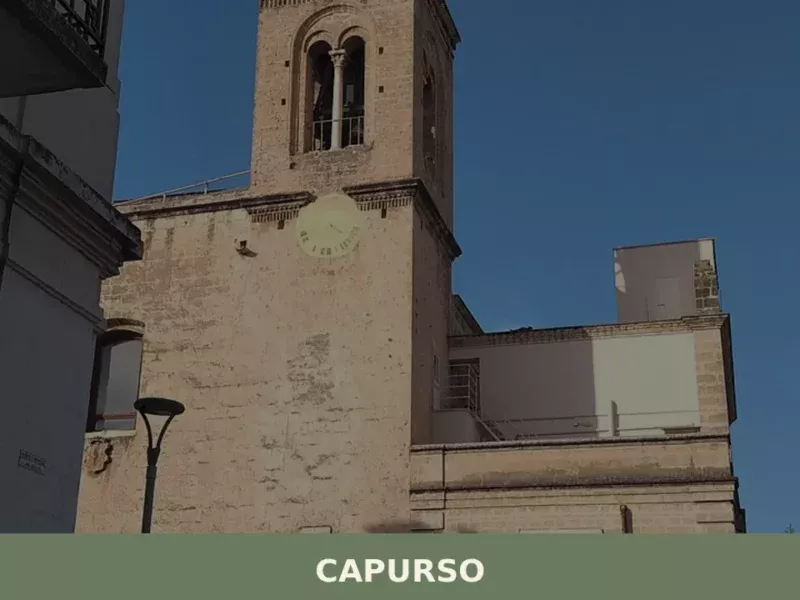
Capurso
 Plains
Every last Sunday of August, the streets of Capurso light up with illuminations reaching twenty metres in height, and the sheer weight of the crowd forces traffic to be diverted onto the provincial road to Cellamare. This is the climax of the feast of the Madonna del Pozzo, a devotional event that since 1705 has […]
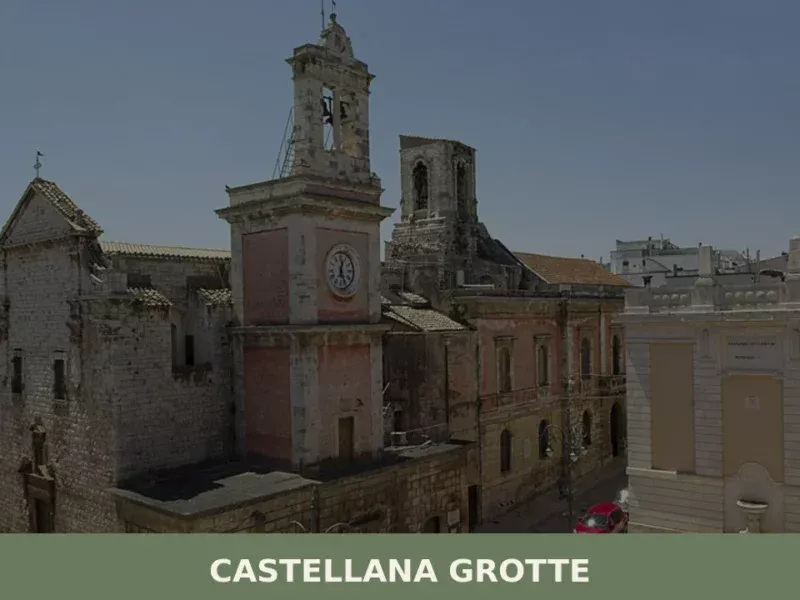
Castellana Grotte
Hills
In 1938, speleologist Franco Anelli descended for the first time into a karst chasm a few kilometres from the town centre, revealing to the world an underground system stretching over three kilometres — one of the most extensive in Europe. That discovery permanently transformed the identity of an agricultural municipality on the south-eastern Murgia, placing […]
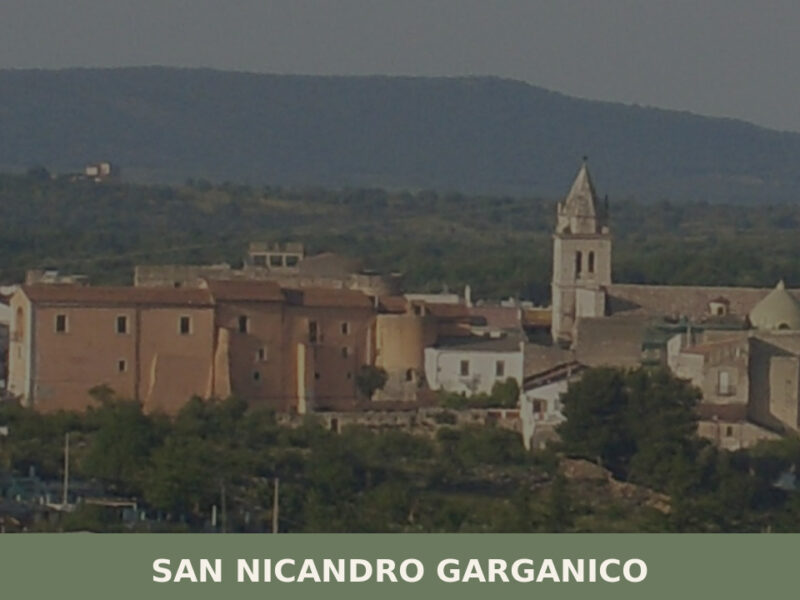
San Nicandro Garganico
 Sea
Sea
A hilltop settlement on the Gargano promontory with a Norman castle, prehistoric dolmen, and a living agricultural culture shaped by wheat, olives, and limestone.
San Severo
Plains
A ridge-top village above the Tavoliere plain in Foggia province, San Paolo di Civitate holds Roman ruins, Norman battlefield history, and an unhurried agricultural life.
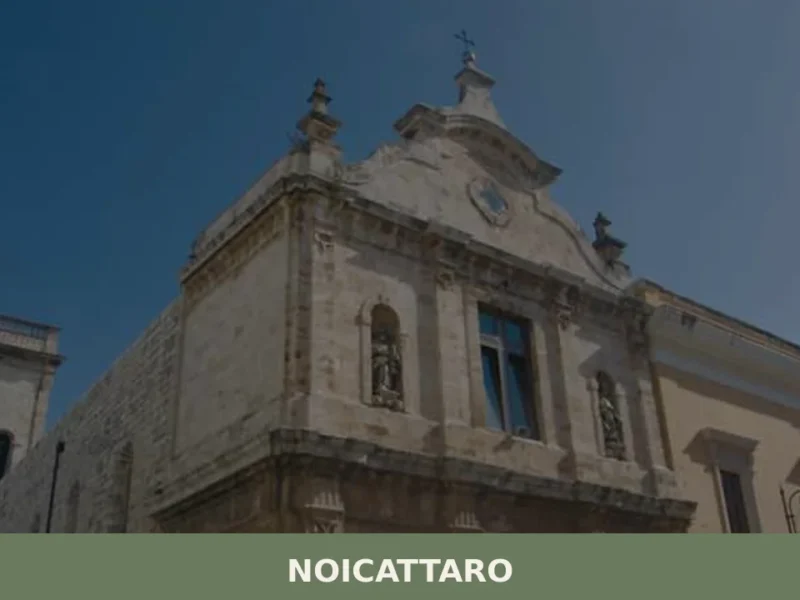
Noicattaro
Plains
What to see in Noicattaro: town at 100m in the province of Bari. Medieval crypt, concentric old town, masserie and PAT cuisine. Plan your visit now.
Orta Nova
Plains
If you are looking to discover the most fascinating Orta Nova attractions, you are in the right place. This Apulian village, located in the heart of the Tavoliere delle Puglie just 24.7 km from Foggia, holds historical and cultural treasures that tell centuries of Italian history. With its 16,600 inhabitants, Orta Nova offers a perfect […]
Cellamare
Plains
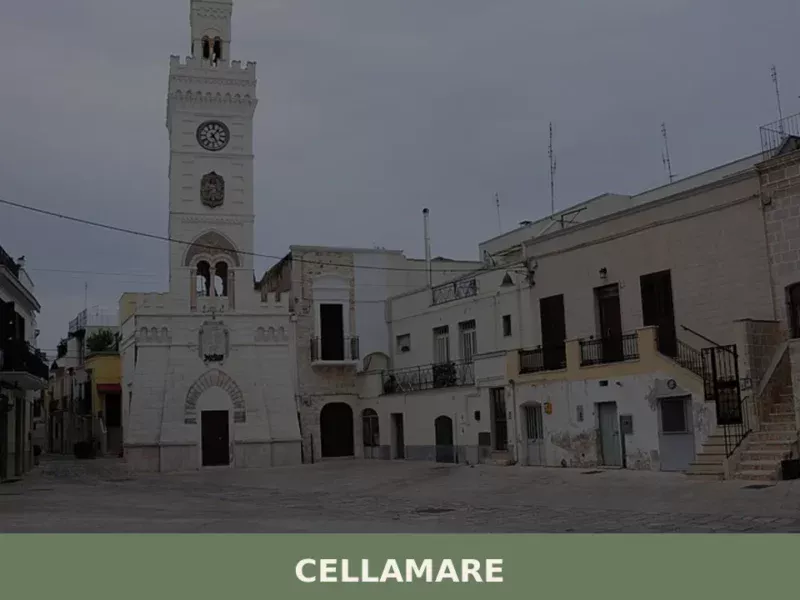
What to see in Cellamare, Italy: Explore this historic village, founded in 1171, located 110 m (361 ft) above sea level. Discover its grape industry and ancient origins.
Canosa di Puglia
Hills
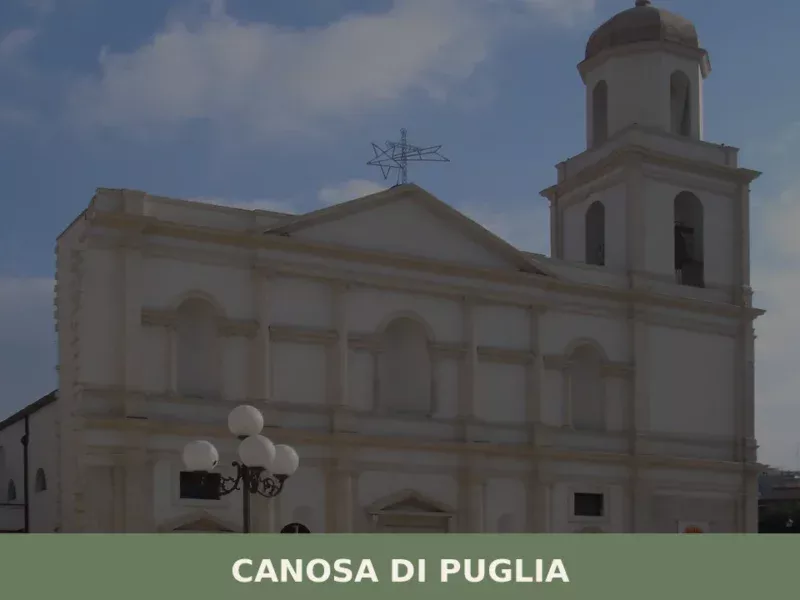
Discover what to see in Canosa di Puglia: Roman hypogea, Norman mausoleum, cathedral, archaeology museum and local food in northern Puglia.
Putignano
Hills
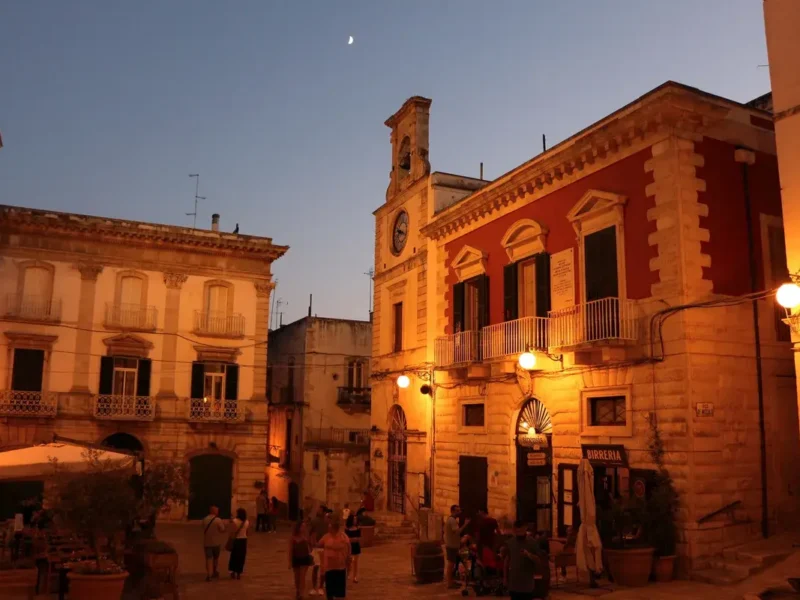
What to see in Putignano: hilltop town at 372m in the Murgia Barese. Grotta del Trullo, 6-century-old Carnival, PAT cuisine. Plan your visit now.
Grottaglie
Plains
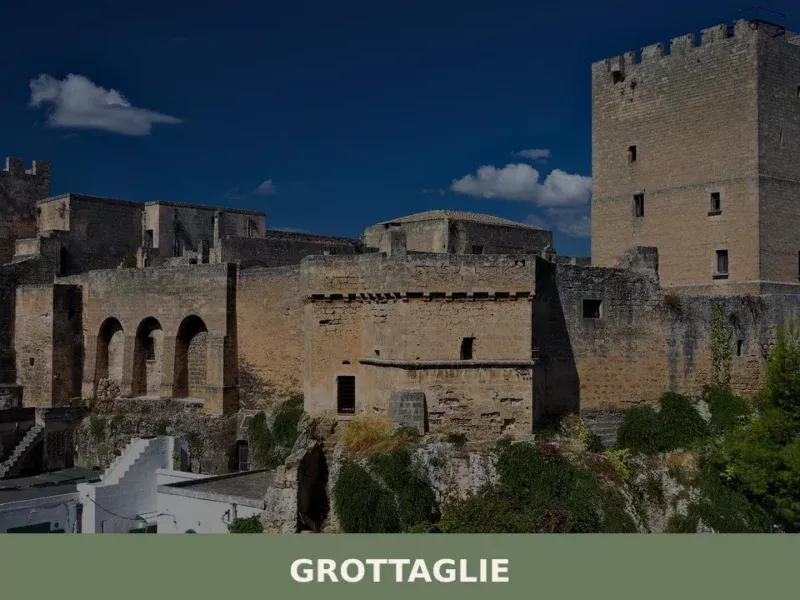
Discover what to see in Grottaglie, Puglia: ceramic quarter, Castello Episcopio, ravines and local food. Practical travel guide with history and tips.




🏡 Know Castelnuovo della Daunia better than we do?
If you’re a local or have been there, your knowledge matters: add what’s missing or fix a detail on this page.