


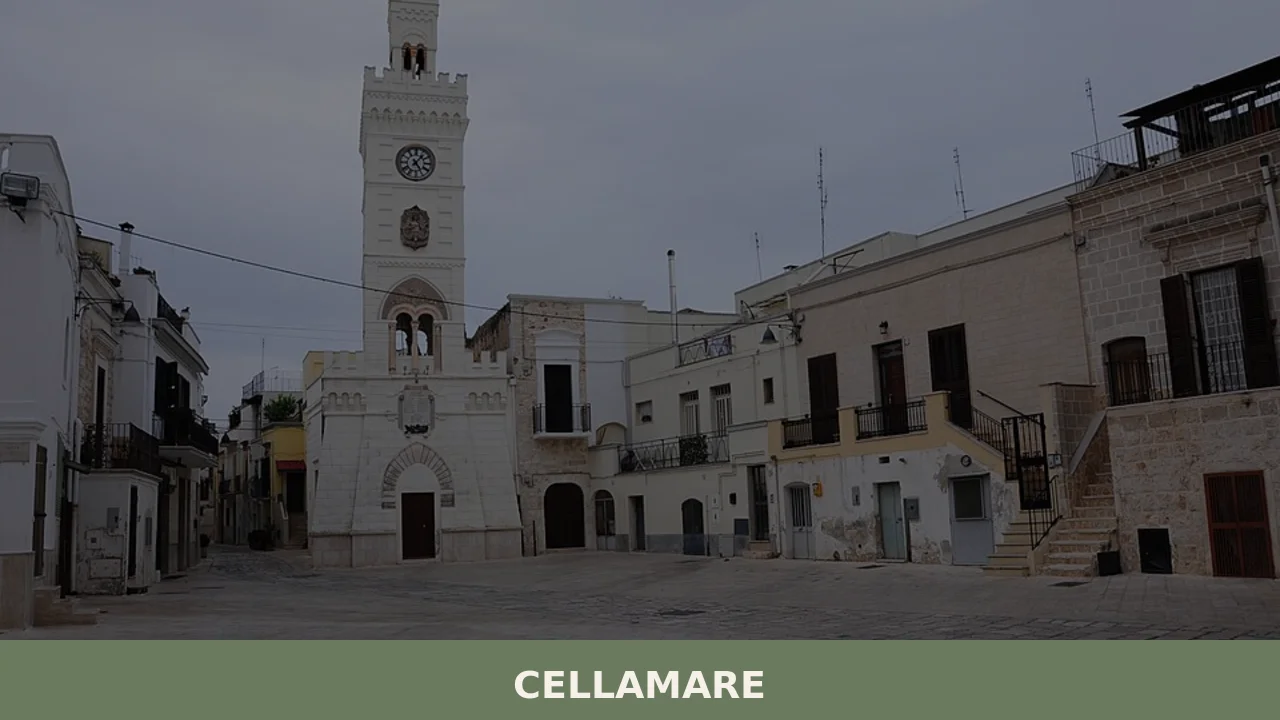
Cellamare
 Plains
What to see in Cellamare, Italy: Explore this historic village, founded in 1171, located 110 m (361 ft) above sea level. Discover its grape industry and ancient origins.
Discover Cellamare
The year 1171 marks a specific point in the history of Cellamare, a date claimed as its foundation by Archbishop Rainaldo. This small settlement, whose name derives from the evocative phrase Cella D’Amore, meaning “love cell,” emerged on the Apulian plain, developing over centuries into the community it is today.
Its historical narrative is deeply intertwined with the fertile lands of Southern Italy, shaping its character and economy.
For those wondering what to see in Cellamare, this Apulian village, situated at 110 m (361 ft) above sea level, offers a blend of historical depth and agricultural tradition. Visitors to Cellamare can explore its historic core, tracing its medieval origins, and observe the expansive vineyards that define its primary industry. The Cellamare highlights include its historical narrative and its significant grape production, providing a genuine insight into local life.
History of Cellamare
The documented history of Cellamare begins with a specific claim of its foundation in 1171 by Archbishop Rainaldo. This date establishes the village’s deep roots within the historical landscape of Puglia, positioning it as a settlement with a medieval genesis. The origin of its name, Cella D’Amore, meaning “love cell,” suggests an evocative and perhaps poetic beginning, though the precise circumstances of this nomenclature remain part of its early lore. This foundational period places Cellamare within the broader context of Southern Italian development during the Norman and Swabian eras, a time of significant cultural and architectural flourishing across the region.
Cellamare is officially recognized as a town and comune within the Metropolitan City of Bari, located in the Apulia region of southern Italy.
Its position on the “Pianura,” or plain, has historically dictated its agricultural vocation and its connection to the wider regional economy. With a current population of 5,810 inhabitants, the village maintains its identity as a close-knit community, reflecting the demographic patterns common in many smaller Italian towns. The administrative structure, centered in Bari, links Cellamare to a major urban hub, influencing its services and infrastructure while preserving its distinct local character.
The evolution of Cellamare into modern times has been largely shaped by its primary industry: grape cultivation. This agricultural focus has been a constant throughout its history, defining its landscape and providing its economic backbone. The village also holds cultural significance through its devotion to its patron saint, Amatore di Cordova, whose feast day is celebrated annually on April 30. Understanding what to see in Cellamare involves appreciating its deep connection to the land and its historical narrative, which continues to unfold within the broader context of Puglia’s rich heritage, a region also home to historical towns like Lecce, known for its Baroque architecture.
What to see in Cellamare, Puglia: top attractions
The Historic Core of Cellamare
The historic core of Cellamare invites visitors to explore a layout that speaks to its medieval origins, with streets and buildings that have evolved since its claimed foundation in 1171.
Walking through these areas offers a direct encounter with the village’s past, providing a sense of continuity from centuries ago to the present day. The architecture, though perhaps modest, reflects the traditional building styles of the Apulian plain, utilizing local materials that have stood the test of time. Visitors can appreciate the quiet rhythm of daily life unfolding against a backdrop of historical significance, making it an ideal place for those who seek to understand the essence of a traditional Italian village.
The Agricultural Landscape and Vineyards
Beyond its historical structures, what to see in Cellamare extends to its surrounding agricultural expanses, particularly the extensive vineyards that are central to its economy. As the village’s primary industry is grapes, the landscape is dominated by orderly rows of vines stretching across the fertile plain, which sits at an elevation of 110 m (361 ft) above sea level. This agricultural panorama offers a visual testament to the village’s livelihood and provides insight into the viticultural practices of the region.
Observing the changing seasons in the vineyards, from budding in spring to the rich colors of harvest, gives visitors a tangible connection to the land and its productivity.
Parish Church of Sant’Amatore
As the spiritual heart of the community, the Parish Church of Sant’Amatore stands as a central focal point in Cellamare, dedicated to its patron saint, Amatore di Cordova. While specific architectural details are not extensively documented, the presence of such a church is fundamental to the social and religious life of any Italian village. It serves not only as a place of worship but also as a gathering point for local celebrations, particularly the annual patron saint feast on April 30. Visitors can observe the church’s exterior, often a blend of historical styles, and appreciate its role in preserving local traditions and community identity over many centuries.
Views of the Apulian Plain
From its modest elevation of 110 m (361 ft) above sea level, Cellamare offers expansive views across the vast Apulian plain, characteristic of the “Pianura” geographical theme. These wide horizons provide a striking contrast to the more rugged landscapes found elsewhere in Italy, showcasing the flat, fertile lands dedicated primarily to agriculture. On clear days, the vistas stretch far, allowing visitors to appreciate the scale of the region’s agricultural efforts, including the prominent grape cultivation.
The unobstructed views offer a peaceful moment of reflection and an understanding of Cellamare’s geographical context within southern Italy.
The Municipality Building (Palazzo Comunale)
The Municipality Building, or Palazzo Comunale, serves as the civic center for Cellamare and its 5,810 inhabitants, typically located in a prominent position within the historic core. This building represents the administrative heart of the community, housing the local government that oversees the daily life of the village. While not a conventional tourist attraction, its architectural style often reflects periods of local prosperity or significant civic developments throughout the village’s history. Visitors can observe its facade and appreciate its role as a symbol of local governance and community organization, a common feature in Italian towns both large and small.
Local food and typical products of Cellamare
The gastronomic traditions of Cellamare are deeply rooted in the broader culinary landscape of Puglia, a region celebrated for its adherence to the Mediterranean diet. This diet is characterized by an abundance of fresh vegetables, legumes, olive oil, and durum wheat, which form the foundation of many local dishes. The historical-geographical context of Cellamare, situated on a fertile plain, means that its cuisine would naturally emphasize products cultivated from its immediate surroundings, reflecting a seasonal approach to cooking that has been passed down through generations.
While specific dishes unique to Cellamare are not explicitly detailed, the village’s primary industry, grape cultivation, strongly suggests a connection to wine production and potentially grape-based culinary applications.
Beyond grapes, the local cuisine in Puglia often features simple, robust flavors derived directly from the land and sea. Staples include homemade pasta varieties such as orecchiette, frequently served with turnip greens (cime di rapa) or a rich tomato sauce, and dishes centered around local vegetables, legumes like broad beans, and fresh seafood from the nearby Adriatic coast. Traditional bread, baked in wood-fired ovens, also holds a significant place at the Puglian table.
The most prominent agricultural product of Cellamare is its Grapes (PRIMARY INDUSTRY). These are cultivated extensively across the plain surrounding the village, contributing significantly to the local economy and regional viticulture. While not listed with a specific certification, their widespread cultivation implies a direct link to the production of table grapes or wine, a fundamental part of Puglia’s agricultural identity.
The careful management of these vineyards underscores the village’s commitment to its primary industry.
Festivals, events and traditions of Cellamare
The annual calendar of Cellamare is marked by its most significant cultural and religious event: the feast day of its patron saint, Amatore di Cordova. Celebrated annually on April 30, this festival is a central pillar of the community’s traditions, drawing together residents and visitors alike. The celebrations typically involve religious processions through the village streets, where a statue of Sant’Amatore is carried by devotees, accompanied by local bands and often culminating in a celebratory mass. These events are a profound expression of local faith and communal solidarity.
Beyond the solemn religious observances, the patron saint’s feast day often includes more festive elements that bring a lively atmosphere to Cellamare. These can encompass traditional music performances, street markets featuring local crafts and food stalls, and often a spectacular fireworks display that lights up the night sky. While other specific festivals or events are not detailed, the celebration of Sant’Amatore di Cordova provides a clear insight into the village’s enduring customs and offers a vibrant occasion for visitors to experience the authentic spirit of Cellamare.
When to visit Cellamare, Italy and how to get there
The best time to visit Puglia, and consequently Cellamare, is typically during the spring (April to June) or autumn (September to October) months.
Spring offers mild temperatures, blooming landscapes, and the opportunity to experience the Patron Saint’s feast on April 30, while autumn brings comfortable weather and the grape harvest season. These periods allow for comfortable exploration of the village and its surroundings, avoiding the intense heat of July and August, when temperatures can often exceed 30°C (86°F). The flat terrain of Cellamare, situated on a plain at 110 m (361 ft) above sea level, makes it relatively easy to navigate on foot, suitable for most visitors.
Cellamare is well-connected for those planning a day trip from nearest major city centers in Puglia. It is located approximately 20 km (12.4 mi) southeast of Bari, the provincial capital, making it an accessible excursion. For those arriving by air, the nearest major airport is Bari Karol Wojtyła Airport (BRI), situated about 25 km (15.5 mi) northwest of Cellamare. From the airport, visitors can rent a car or take a taxi to reach the village, typically a 30-minute drive.
If traveling by train, the nearest major station is Bari Centrale, providing connections to other Italian cities. From Bari, local buses or a short car journey can complete the trip to Cellamare. For those driving, Cellamare is easily reachable via the A14 Adriatica motorway, taking the Bari Sud exit and following signs. Visitors can also extend their exploration to nearby coastal towns like Trani, known for its cathedral and harbor.
For international visitors, it is worth noting that while major tourist centers in Italy often have English-speaking staff, smaller villages like Cellamare may have limited English proficiency in local shops and eateries. Carrying some Euros cash for smaller purchases is also advisable, as not all establishments may accept card payments. For up-to-date travel information and local services, consulting the official Municipality of Cellamare website is recommended, or checking regional transport options on the Trenitalia website for train schedules.
Frequently asked questions about Cellamare
What is the best time to visit Cellamare?
Spring and early autumn offer the most pleasant conditions for visiting Cellamare, with mild temperatures ideal for exploring the flat Apulian countryside. The most significant local event is the feast of the patron saint Amatore di Cordova, celebrated on 30 April, which animates the village with religious ceremonies and community gatherings. This late-spring date coincides with blooming agricultural landscapes and comfortable weather, making it particularly appealing. Summer is hot and dry, as typical of the Bari hinterland, while winter is quiet and suitable for those seeking an authentic, crowd-free experience.
What are the historical origins of Cellamare?
Cellamare's earliest documented traces date to the 11th century, during the Norman rule of southern Italy. Its name likely derives from 'cella,' meaning an agricultural storehouse, possibly linked to a feudal lord named Amare, or alternatively from an ancient Benedictine monastic cell. This etymology reflects the town's deep-rooted agricultural identity. Throughout the Middle Ages, the settlement passed through various feudal lordships, which gradually shaped its urban layout and social structure. Its flat terrain and proximity to Bari reinforced its role as an agricultural hub within the broader Terra di Bari.
What to see in Cellamare? Main monuments and landmarks
Cellamare's historic centre preserves the architectural fabric typical of small Apulian agricultural towns, with stone buildings and rural structures that reflect centuries of local history. The parish church dedicated to the patron saint Amatore di Cordova is the main religious landmark and the focal point of community life, particularly during the 30 April feast. The village's layout and built heritage offer an authentic glimpse into the everyday culture of the Bari hinterland. Cellamare also serves as a convenient base for visiting nearby attractions of the Murgia dei Trulli and the Itria Valley.
Who is Cellamare suitable for? Families, couples, hikers, solo travelers?
Cellamare is best suited to travelers seeking an authentic, unhurried slice of Apulian rural life away from mass tourism. Its flat terrain and quiet village atmosphere make it accessible and comfortable for families and older visitors. Couples interested in local gastronomy, history, and the pace of small-town southern Italy will find it rewarding. Its proximity to Bari and the Itria Valley also makes it a practical base for those wanting to explore a wider area. It is less suited to hikers or beach-seekers, as it lacks both rugged natural trails and coastal access.
What to eat in Cellamare? Local products and specialties
Cellamare sits within the agricultural heartland of the Bari province, a territory renowned for its extra virgin olive oil, which holds DOP recognition under the 'Terra di Bari' designation. Local cuisine reflects the traditions of the Apulian interior: orecchiette with turnip greens, fava bean purée with chicory, and baked or stuffed vegetables are staple dishes. Locally produced bread and taralli are also part of the food culture. The area's proximity to Bari means access to a broader range of Apulian products, from burrata to fresh pasta, rooted in the same peasant culinary tradition.
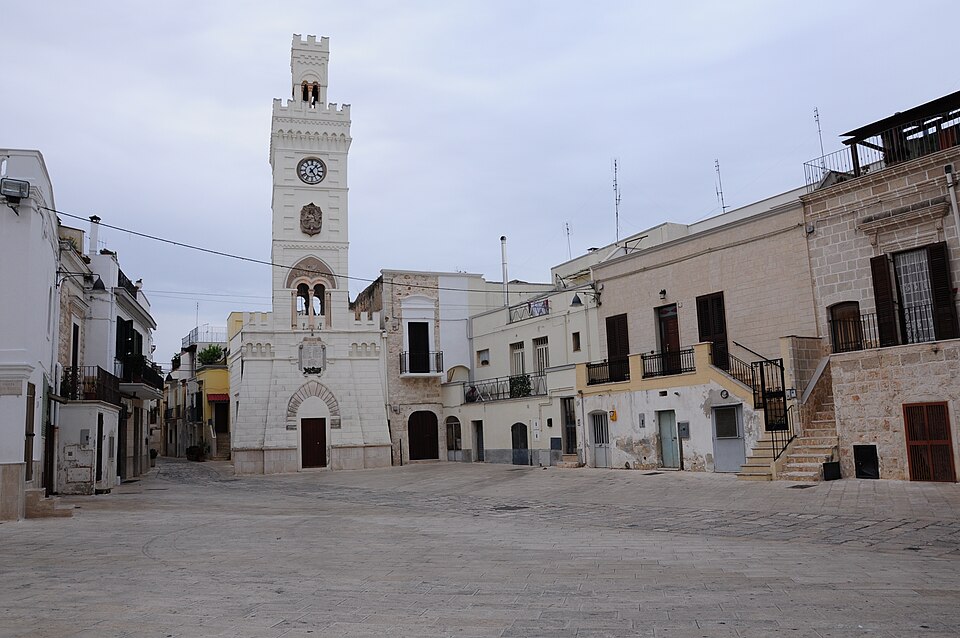
📷 Photo Gallery — Cellamare
Nearby Villages near Cellamare
In Apulia More villages to discover
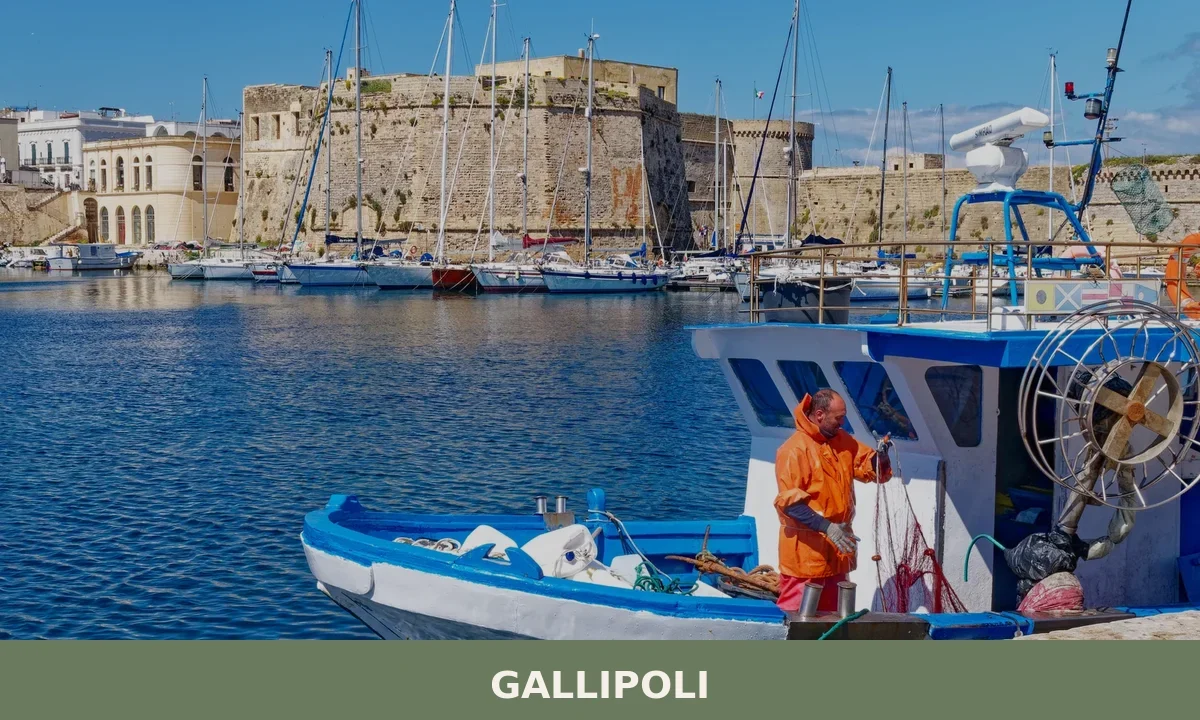
Gallipoli
 Sea
Sea
A seaside comune of 18,934 inhabitants where a Greek-named limestone island opens onto the southern Salento shore. History and archaeology anchor every corner.
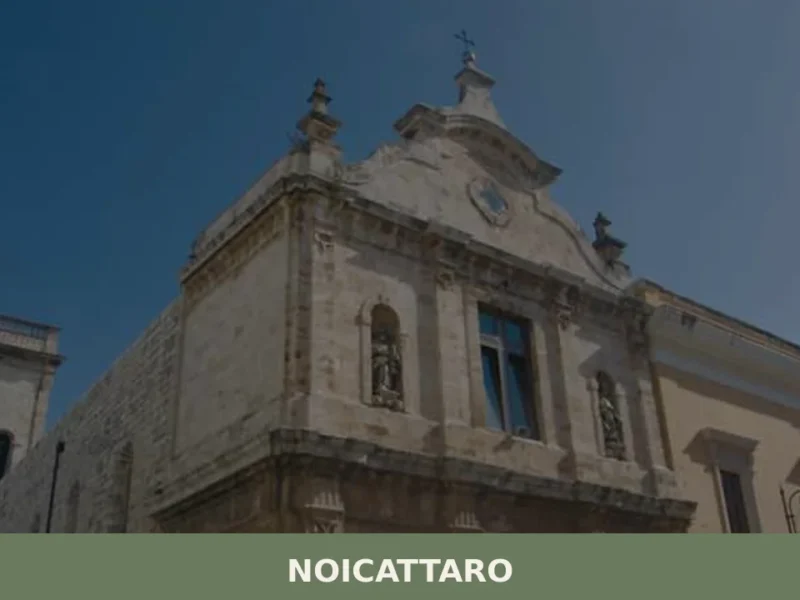
Noicattaro
Plains
What to see in Noicattaro: town at 100m in the province of Bari. Medieval crypt, concentric old town, masserie and PAT cuisine. Plan your visit now.
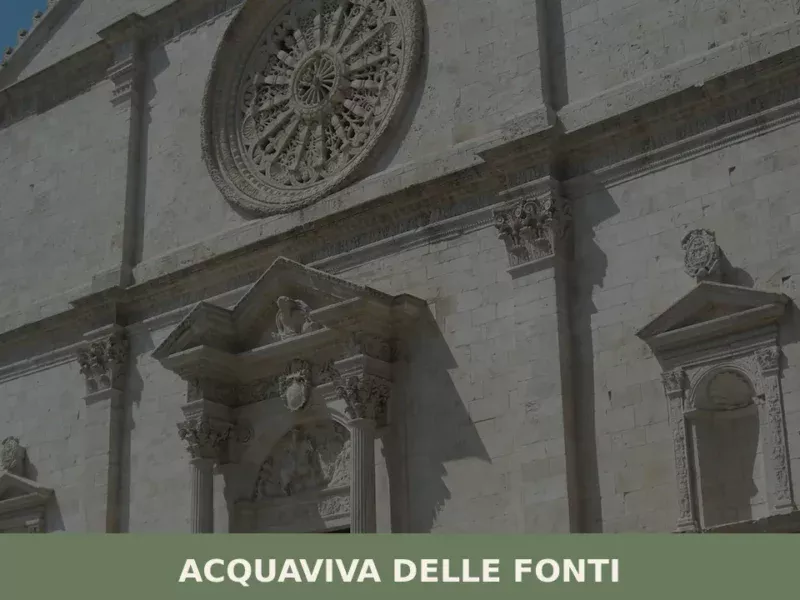
Acquaviva delle Fonti
 Hills
Hills
Beneath the main square of Acquaviva delle Fonti, water still flows. This is not a figure of speech: a network of underground aquifers runs through the limestone subsoil of this town in the Murge hills near Bari, feeding cisterns and wells that for centuries determined both the wealth and the very name of the town. […]
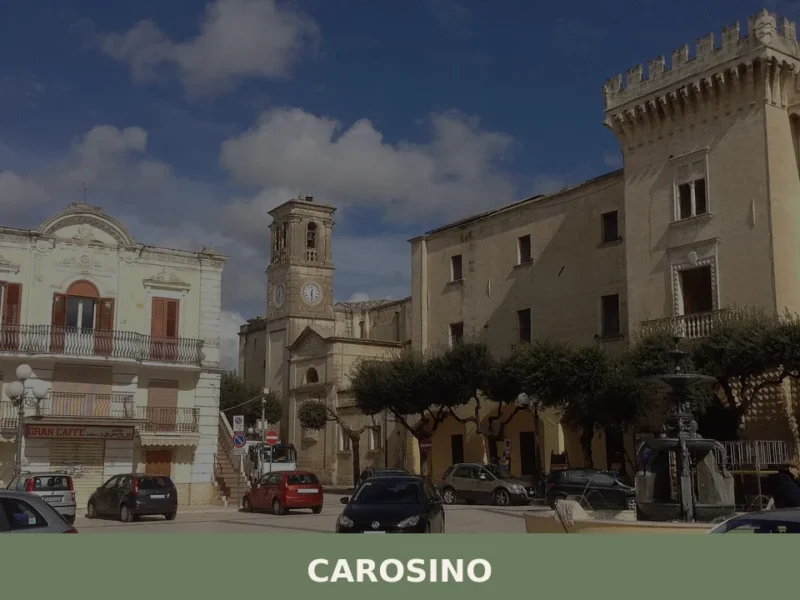
Carosino
Plains
Carosino is a comune of 6,371 inhabitants in the province of Taranto, positioned in the Ionian arc of Puglia where the landscape flattens into olive groves and vineyards before reaching the coast. Known locally by its Salentine dialect name Carusinu, the town sits within a territorial context defined by centuries of agricultural production and the […]
Stornara
Plains
A quiet agricultural town on Puglia's Tavoliere plain, Stornara rewards visitors with honest rural architecture, sweeping wheat-field panoramas, and a food tradition rooted in durum wheat.
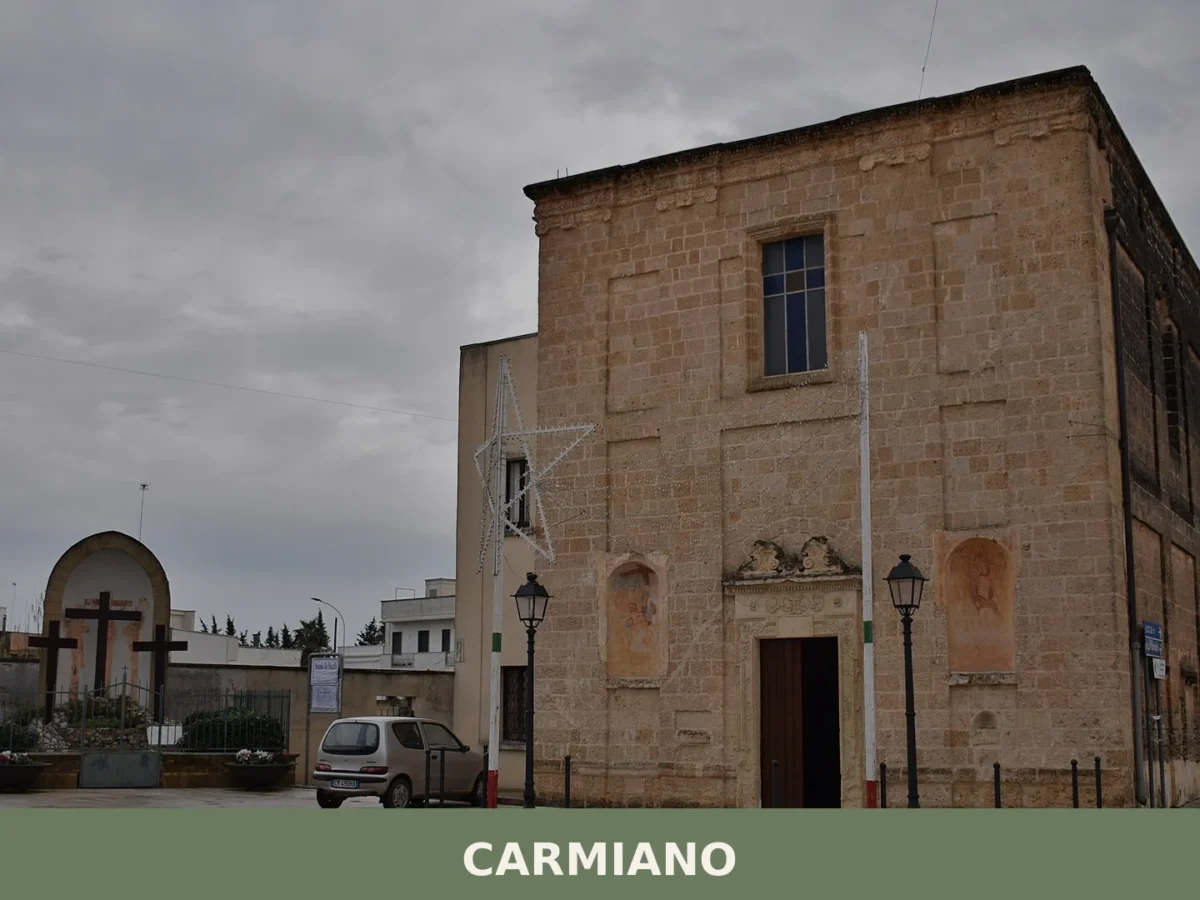
Carmiano
Plains
A comune of 11,660 souls in the northern Lecce province, Carmiano anchors its identity in medieval palaces, baroque altars, and the veneration of Maria Immacolata.
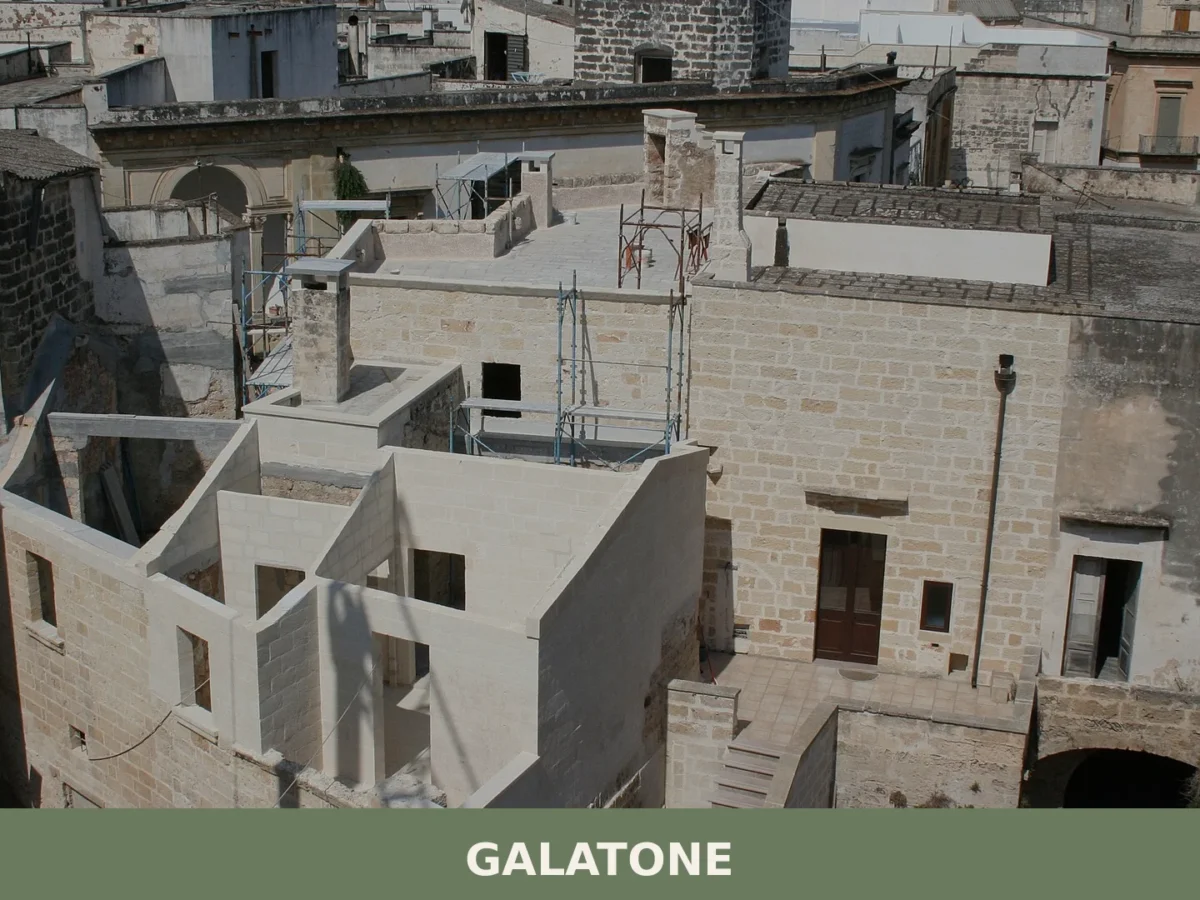
Galatone
Sea
A medieval settlement of 14,800 inhabitants on the Ionian shore. Known for three baroque sanctuaries and the birthplace of Antonio De Ferrariis, a leading Renaissance humanist.
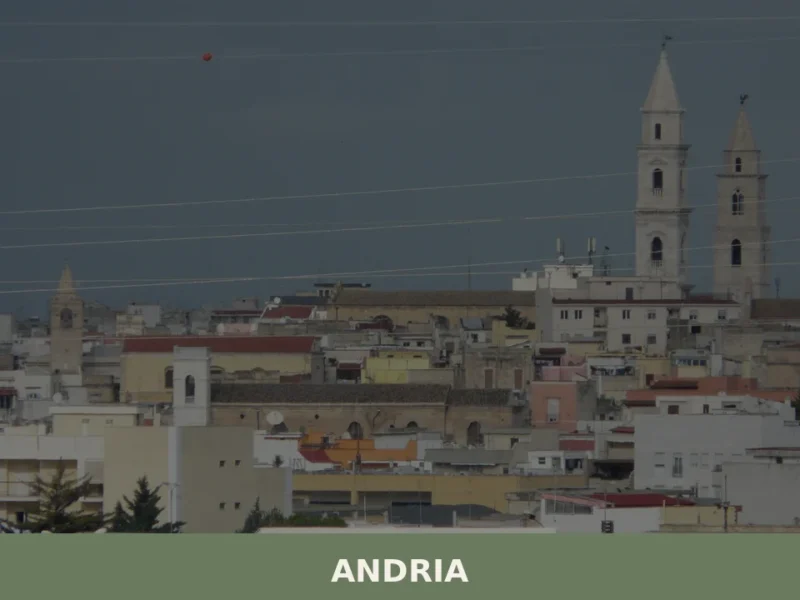
Andria
Plains
What to see in Andria, Puglia, Italy: explore Castel del Monte UNESCO site, the Cathedral crypt, and local products. Population 97,146. Discover the complete guide.
Valenzano
Plains
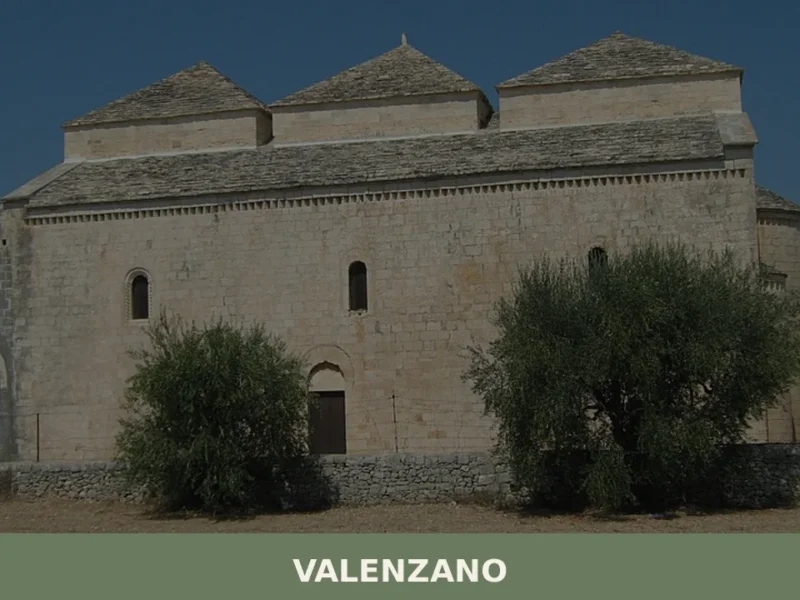
What to See in Valenzano: explore the Castle and Mother Church. Discover authentic flavors and experience memorable events in the Apulian village.
Minervino Murge
Hills
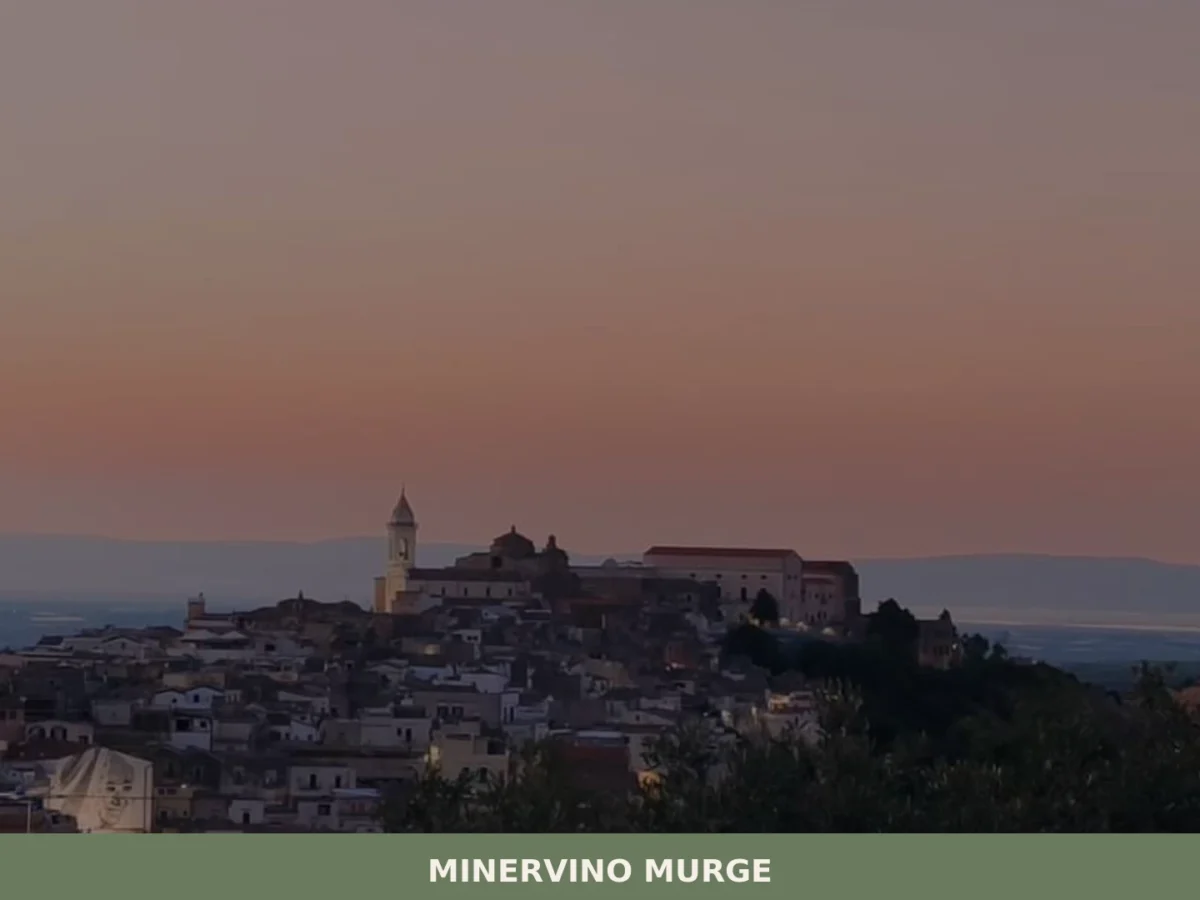
Discover what to see in Minervino Murge, Puglia: Alta Murgia national park, historic centre, drove roads, local food and practical travel tips.


🏡 Know Cellamare better than we do?
If you’re a local or have been there, your knowledge matters: add what’s missing or fix a detail on this page.