


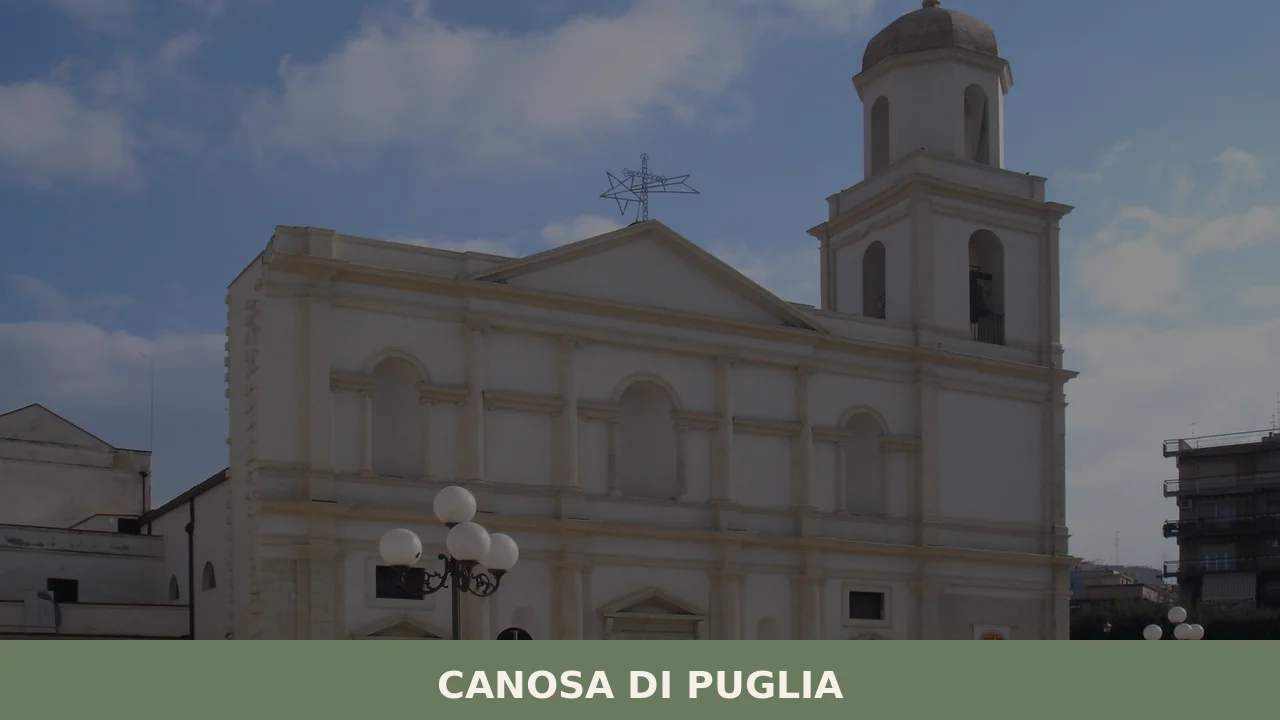
Canosa di Puglia
 Hills
Hills
Discover what to see in Canosa di Puglia: Roman hypogea, Norman mausoleum, cathedral, archaeology museum and local food in northern Puglia.
Discover Canosa di Puglia
Canosa di Puglia has been continuously inhabited for more than three thousand years, making it one of the longest-settled urban sites in southern Italy. Ancient Canusium, as the Romans called it, rose on the north-western edge of the Murge plateau, where it commands sweeping views across the Ofanto river valley and the flat agricultural plain of the Tavoliere delle Puglie. Today, with a municipal population of around 27,000, it remains one of Puglia’s principal archaeological centres — and knowing what to see in Canosa di Puglia means understanding that almost every layer of the city conceals a deeper one beneath.
History of Canosa di Puglia
The site’s name derives from the ancient Oscan-Italic settlement of Canusium, recorded as a significant Daunian centre before Roman conquest. The city entered Roman history with particular force in 216 BC, when survivors of the catastrophic defeat at the Battle of Cannae — fought just a few kilometres away on the Ofanto plain — retreated to Canusium’s walls. The Roman historian Livy documents this refuge, noting that Canusium provided food and shelter to the remnants of two consular armies. The episode reflects the city’s already established importance as a fortified urban node in the regional road network.
During the imperial period, Canusium became a prosperous municipium and produced one of antiquity’s most refined ceramic traditions: the so-called Canosa ware, a category of polychrome, relief-decorated pottery produced between roughly the fourth and second centuries BC. Workshops in the area crafted elaborate funerary vessels — some exceeding half a metre in height — decorated with applied figures, floral motifs and polychrome pigments. These pieces now appear in major collections across Europe and confirm the city’s role as a centre of skilled craft production rather than merely a military outpost. In the early Christian period, Canosa became a bishopric of considerable influence, and its episcopal tradition ran unbroken through the Byzantine and Lombard eras.
In the eleventh century, the Norman ruler Bohemund I of Antioch — one of the principal leaders of the First Crusade — chose Canosa as his final resting place. His mausoleum, commissioned around 1111, still stands beside the cathedral and represents one of the most intact Norman funerary monuments in southern Italy. The city was later absorbed into the Kingdom of Naples under Angevin and then Aragonese administration, following the broader feudal reorganisation of the Mezzogiorno. In 1863, following Italian unification, the municipality was officially renamed Canosa di Puglia to distinguish it from other Italian towns sharing the shorter toponym Canosa.
What to see in Canosa di Puglia: 5 must-visit attractions
The Cathedral of San Sabino
Built in the eleventh century on the foundations of an earlier early Christian basilica, the Cathedral of San Sabino is a Romanesque structure with a notable ciborium — a stone canopy supported by columns — positioned over the main altar. The cathedral’s interior preserves bishop’s thrones carved from single blocks of stone, characteristic of the Apulian Romanesque tradition and dateable to the eleventh and twelfth centuries.
Mausoleum of Bohemund
Erected around 1111 beside the cathedral, this small, square domed structure in pale stone was built to house the remains of Bohemund I of Antioch, Norman prince and First Crusade leader. Its bronze doors, cast with geometric and figural motifs, are among the earliest surviving examples of Norman-period bronze work in southern Italy and remain in situ after nine centuries.
The Hypogea (Underground Funerary Chambers)
Canosa di Puglia contains a remarkable concentration of Daunian and Hellenistic-period hypogea — underground tomb chambers carved into the tufa rock, some still containing original painted decorations and architectural elements such as false doors and carved cornices. Several are accessible to the public and date from between the fourth and second centuries BC, reflecting the funerary customs of the pre-Roman aristocracy.
National Archaeological Museum of Canosa
The local archaeological museum holds a substantial collection of Canosa ware ceramics, bronze objects, gold jewellery and funerary furnishings recovered from the necropolis sites surrounding the town. The collection contextualises the city’s development from its Daunian phase through the Roman period and is an essential reference point for anyone researching the pre-Roman cultures of northern Puglia. You can find current visiting information on the Musei Italiani official portal.
The Roman Bridge on the Ofanto
The remains of a Roman bridge crossing the Ofanto river, associated with the ancient Via Traiana road network, survive in the valley below the town. Several pillar bases remain visible, illustrating the engineering scale of Roman infrastructure in this stretch of the Apulian road system, which connected Beneventum to Brundisium and passed through Canusium as a principal relay point.
Local food and typical products
The agricultural territory around Canosa di Puglia is dominated by olive groves, vineyards and wheat fields — the same triad that has defined the Tavoliere economy for centuries. Table grapes from the area, particularly the Uva di Puglia, have long been central to local commerce, and the surrounding zone falls within production areas recognised under European quality designations. Pasta formats typical of this part of northern Puglia include orecchiette and the lesser-known cavatelli, both prepared from durum wheat semolina and served with slow-cooked lamb ragù, dried ricotta or wild chicory gathered from the countryside. Local sheep’s milk cheeses, including varieties of pecorino produced in the Murge hinterland, appear regularly on tables throughout the area. The Regione Puglia official site maintains updated listings of recognised local food and agricultural products from across the province.
Bakeries in the historic centre produce pane di Altamura-style loaves — dense, golden-crumbed bread made from remilled durum wheat semolina — as well as taralli, the ring-shaped dry biscuits flavoured with fennel seeds or black pepper that function as both snack and table bread across Puglia. For sit-down dining, the town’s trattorias and family-run restaurants tend to follow a seasonal kitchen rather than a fixed tourist menu, meaning the offering shifts with the agricultural calendar. Reservations on weekends are advisable, particularly during the summer months when the wider province sees increased visitor traffic.
Best time to visit Canosa di Puglia
April through June offers the most practical visiting conditions: temperatures remain moderate — typically between 18°C and 28°C — the agricultural landscape is at its greenest, and the archaeological sites and outdoor areas are comfortable to explore on foot. September and October bring a second favourable window, coinciding with the grape harvest and a return to mild temperatures after the intense heat of July and August, when the Tavoliere plain in particular can register temperatures well above 35°C. Winter is mild by northern European standards but can bring cold winds channelled down the Ofanto valley, and several smaller sites may reduce their opening hours between November and March.
The feast of San Sabino, the city’s patron saint, is observed in February and involves a traditional procession through the historic centre. Local agricultural fairs tied to the grape and olive harvests in autumn draw producers from across the Barletta-Andria-Trani province and provide a practical opportunity to sample and purchase regional products directly from growers. For updated event listings and seasonal information, the Viaggiare in Puglia official tourism portal is the most reliable reference.
How to get to Canosa di Puglia
Canosa di Puglia sits in the northern section of Puglia, in the province of Barletta-Andria-Trani, and is accessible by road, rail and air without significant difficulty from the main entry points of the region.
- By car: The A14 Bologna-Taranto motorway runs along the Adriatic coast; exit at Cerignola Est or Barletta and follow the SS93 or SS98 state roads toward Canosa. From Bari, the journey covers approximately 65 kilometres and takes around 50 minutes under normal conditions.
- By train: Canosa di Puglia has its own station on the Bari–Foggia line, operated by Trenitalia. Regional trains connect the town to Bari Centrale (approximately 55–70 minutes) and to Foggia (around 40 minutes). Bari Centrale offers onward connections to the national high-speed rail network.
- By air: The nearest commercial airport is Bari Karol Wojtyła Airport (BRI), located approximately 60 kilometres south-east of Canosa. Rental cars are available at the airport; the drive follows the SS96 and SS98 and takes roughly 50–60 minutes. Foggia Airport handles limited traffic and is closer at around 45 kilometres, but serves fewer routes.
- From Barletta: The provincial capital of Barletta-Andria-Trani lies approximately 25 kilometres from Canosa and is reachable by both regional train and road in under 30 minutes, making it a practical base for day visits.
Where to stay in Canosa di Puglia
Accommodation in Canosa di Puglia is modest in scale, reflecting the town’s character as a working agricultural and commercial centre rather than a resort destination. The historic centre offers a small number of bed-and-breakfast properties and guesthouses, typically family-run, which place visitors within walking distance of the cathedral, the mausoleum and the main archaeological areas. This is the most practical base for those whose primary interest is the ancient city. Agriturismo properties in the surrounding countryside — several operating within working olive or grape-growing estates — offer an alternative for visitors who prefer to combine a base in the agricultural landscape with day excursions into town.
For longer stays or visits that incorporate the wider Barletta-Andria-Trani province, the coastal city of Barletta provides a broader range of hotel categories and is well-connected to Canosa by both road and rail. Booking accommodation at least two to three weeks in advance is advisable during the summer months and during the September harvest period, when demand across northern Puglia tends to increase. General booking platforms cover most properties in the area, but contacting agriturismo establishments directly often yields more flexibility on dates and rates.
More villages to discover in Puglia
Northern Puglia extends well beyond the Tavoliere plain into territories that reward a slower pace of exploration. Inland from the Foggia plain, Carlantino occupies a dramatically elevated position in the Daunia sub-Apennine hills, a landscape of steep ridges and river valleys that contrasts sharply with the open flatlands around Canosa. Equally remote but striking in a different register, Celle di San Vito is one of the smallest municipalities in Puglia and preserves a Franco-Provençal linguistic tradition that sets it apart from every other settlement in the region — a fact that continues to draw linguists and cultural researchers alongside more casual visitors.
Those who want to see how Puglia’s urban and rural dimensions intersect might consider a day in Modugno, a town in the Bari metropolitan area whose history of ceramic production and agricultural trade mirrors, at a different scale, the economic patterns visible in Canosa. Further south in the Valle d’Itria, Locorotondo offers the Murge’s southern face — white-walled architecture, trulli on the surrounding plateau and a local Verdeca-based DOC wine that defines the area’s distinct agricultural identity. Together, these four villages sketch a cross-section of Puglia that no single itinerary centred on the coast alone can replicate.
Frequently asked questions about Canosa di Puglia
What is the best time to visit Canosa di Puglia?
The most pleasant times to visit Canosa di Puglia are spring (April to June) and early autumn (September to October). During spring, temperatures are moderate (18-28°C), the landscape is lush, and outdoor archaeological sites are comfortable to explore. Autumn offers mild weather, coinciding with the grape harvest and local agricultural fairs. While winter is generally mild, cold winds can occur. The town celebrates its patron saint, San Sabino, with a traditional procession on February 9th, providing a unique cultural experience. Avoid July and August if sensitive to intense heat, as temperatures can exceed 35°C.
What are the historical origins of Canosa di Puglia?
Canosa di Puglia boasts a remarkable history, being continuously inhabited for over three millennia. Its origins trace back to the ancient Oscan-Italic settlement of Canusium, a significant Daunian centre before Roman conquest. The city gained prominence in 216 BC by offering refuge to Roman survivors of the Battle of Cannae. Under Roman rule, it flourished as a prosperous municipium, renowned for its refined Canosa ware ceramics. Its importance continued into the early Christian and Norman periods, notably as the chosen burial site for Bohemund I of Antioch.
What to see in Canosa di Puglia? Main monuments and landmarks
Canosa di Puglia is rich in historical and archaeological sites. Key attractions include the 11th-century Cathedral of San Sabino, a Romanesque masterpiece with ancient bishop's thrones. Adjacent is the Mausoleum of Bohemund, a unique Norman funerary monument with original bronze doors. Visitors can explore the ancient Hypogea, underground Daunian and Hellenistic tomb chambers with preserved decorations. The National Archaeological Museum of Canosa houses an extensive collection of local artifacts, including the famous Canosa ware; check the Musei Italiani official portal for visiting information. Lastly, the remains of a Roman bridge on the Ofanto river showcase ancient engineering.
What are the main natural or scenic attractions of Canosa di Puglia?
Situated on the north-western edge of the Murge plateau, Canosa di Puglia offers captivating natural and scenic views. From its elevated position, visitors can enjoy sweeping panoramic vistas across the fertile Ofanto river valley and the vast agricultural plain of the Tavoliere delle Puglie. The surrounding landscape is characterized by extensive olive groves, vineyards, and wheat fields. These agricultural territories, particularly vibrant and green in spring, provide picturesque settings for photography and gentle exploration, reflecting the region's deep connection to its land.
Where to take the best photos in Canosa di Puglia?
For stunning photographs in Canosa di Puglia, head to the higher points of the town, offering panoramic views over the Ofanto river valley and the expansive Tavoliere delle Puglie plain, especially beautiful at sunrise or sunset. The exteriors of the Cathedral of San Sabino and the distinct Mausoleum of Bohemund provide excellent architectural shots, capturing their Romanesque and Norman details. The ancient Hypogea, with their unique underground chambers, offer intriguing photographic opportunities. Additionally, the remains of the Roman Bridge on the Ofanto, set within the natural landscape, can make for evocative pictures of history meeting nature.
Are there museums, churches or historic buildings to visit in Canosa di Puglia?
Yes, Canosa di Puglia offers several significant museums, churches, and historic buildings for visitors. The National Archaeological Museum of Canosa is a must-visit, showcasing impressive collections of Canosa ware ceramics and funerary artifacts; current visiting information can be found on the Musei Italiani official portal. The 11th-century Cathedral of San Sabino is a prominent example of Apulian Romanesque architecture. Adjacent to it stands the historically significant Mausoleum of Bohemund. Additionally, the ancient Daunian and Hellenistic Hypogea, underground funerary chambers, are accessible and provide a unique glimpse into the city's past.
What can you do in Canosa di Puglia? Activities and experiences
In Canosa di Puglia, visitors can immerse themselves in history and culture by exploring its rich archaeological sites, including the Cathedral of San Sabino, Bohemund's Mausoleum, the ancient Hypogea, and the National Archaeological Museum. Culinary experiences are a highlight; sample local specialties like orecchiette, cavatelli, sheep's milk pecorino, and the renowned Uva di Puglia grapes in the town's family-run trattorias. Engage with local traditions by attending the Feast of San Sabino on February 9th or the autumn agricultural fairs, offering opportunities to taste and purchase regional products directly from growers.
Who is Canosa di Puglia suitable for? Families, couples, hikers, solo travelers?
Canosa di Puglia is ideal for history and archaeology enthusiasts, cultural travelers, and those seeking an authentic Puglian experience away from mass tourism. Its wealth of ancient sites, from Roman ruins to Daunian hypogea, makes it perfect for curious solo travelers or couples interested in deep historical exploration. Families with an interest in history will find the archaeological sites engaging. Foodies will appreciate the local trattorias and agricultural products. While not a primary hiking destination, the surrounding agricultural landscape offers pleasant walks. It suits visitors looking for a rich, educational, and culinary journey into Puglia's past.
What to eat in Canosa di Puglia? Local products and specialties
Canosa di Puglia offers a delicious array of local products and specialties rooted in its agricultural heritage. Must-try dishes include traditional pasta formats like orecchiette and cavatelli, often served with slow-cooked lamb ragù, dried ricotta, or wild chicory. Local sheep's milk pecorino cheeses from the Murge hinterland are also prominent. The area is famous for its table grapes, particularly the Uva di Puglia. Don't miss the pane di Altamura-style loaves, a dense durum wheat bread, and taralli, the ring-shaped dry biscuits flavored with fennel seeds or black pepper, perfect as a snack or table bread.
📷 Photo Gallery — Canosa di Puglia
Getting there
Piazza Martiri 23 Maggio, 76012 Canosa di Puglia
Nearby Villages near Canosa di Puglia
In Apulia More villages to discover
Triggiano
 Plains
What to see in Triggiano? Discover the 5 must-see attractions, from the Baronial Castle to the Mother Church, and experience the tradition of this Apulian village.
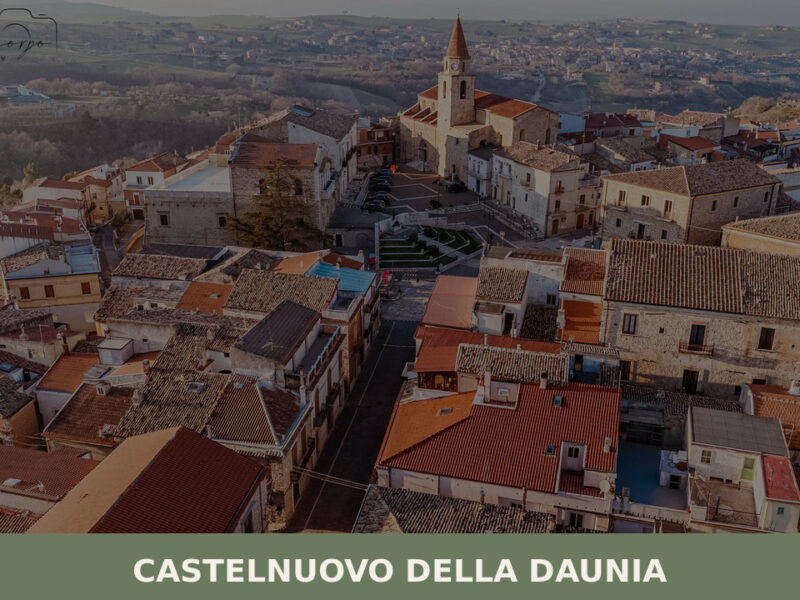
Castelnuovo della Daunia
Hills
A compact hill village at 543 metres in Puglia's Subappennino Dauno, Castelnuovo della Daunia offers medieval lanes, panoramic views over the Tavoliere, and the quiet rhythms of inland southern Italy.
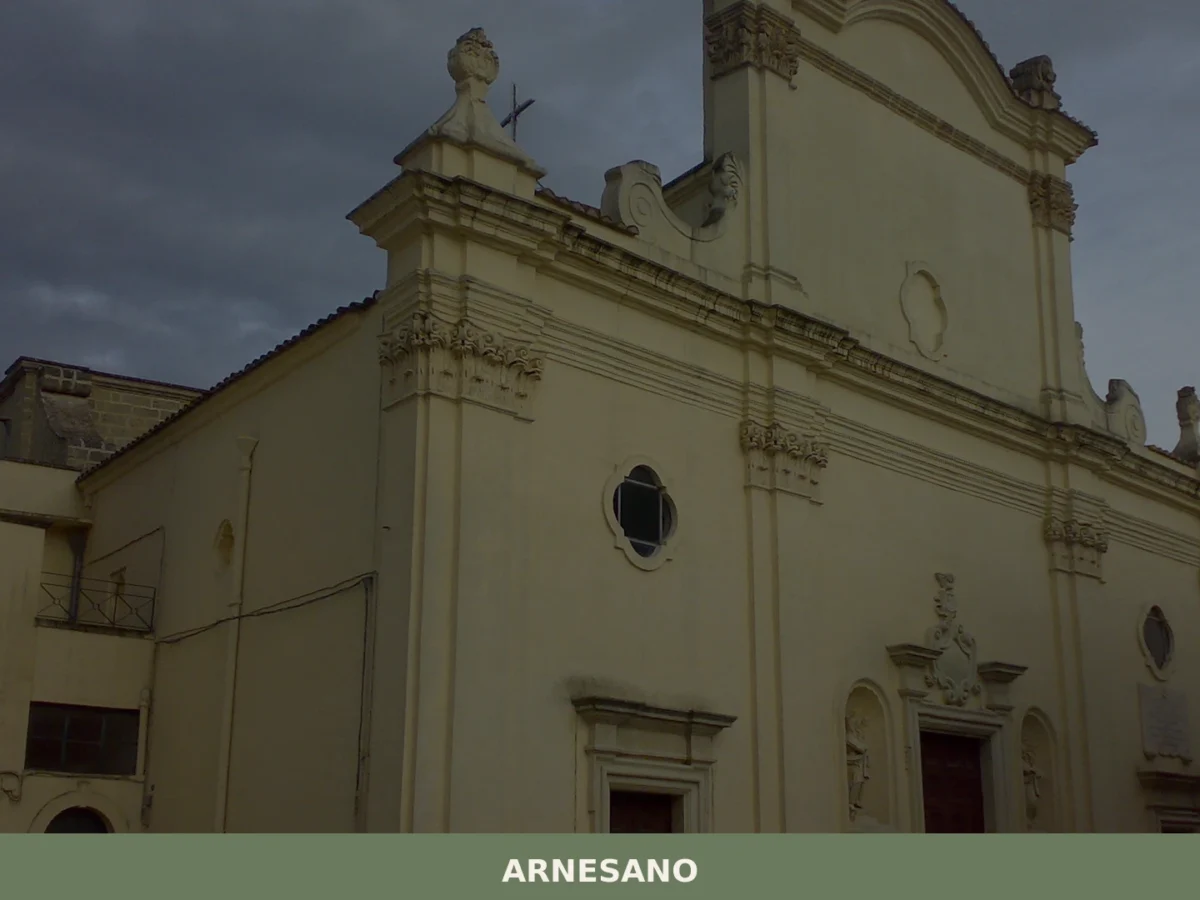
Arnesano
Plains
Discover what to see in Arnesano, a Lecce hinterland comune in the Valle della Cupa. History, food, travel tips and the best of the Salento interior.
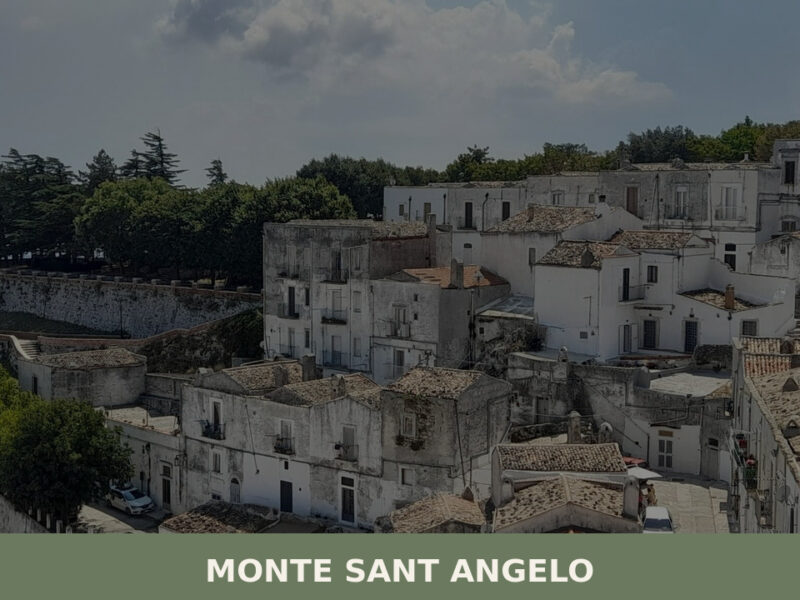
Monte Sant’Angelo
 Mountain
Discover what to see in Monte Sant'Angelo, Puglia: UNESCO sanctuary, Norman castle, Foresta Umbra and local food. Practical travel guide with tips.
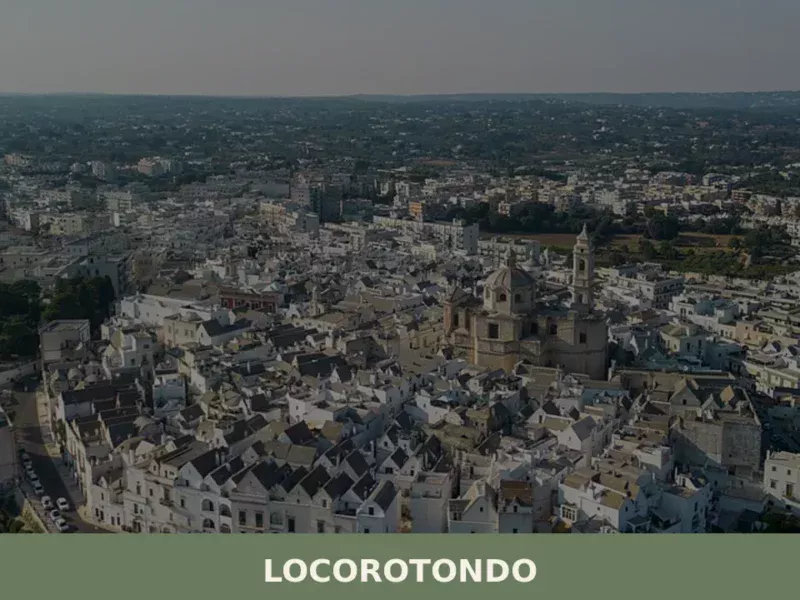
Locorotondo
Hills
The toponym Locorotondo, documented as early as the 12th century as “Luogo Rotondo” (Round Place), derives from the concentric configuration of its historic center, an urban feature that still distinguishes it within the Itria Valley landscape. Located 410 meters above sea level, this municipality in the province of Bari has 14,258 inhabitants and presents a […]
Ascoli Satriano
Hills
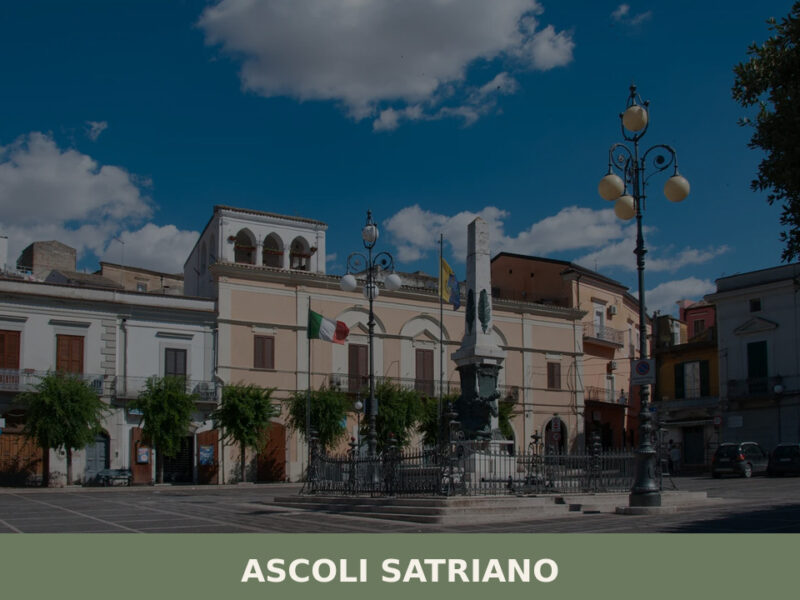
Discover Ascoli Satriano, an ancient hilltop village in Puglia's Daunia hills. From Roman bridges to Daunian treasures, here's your complete guide.
Vico del Gargano
 Sea
Sea
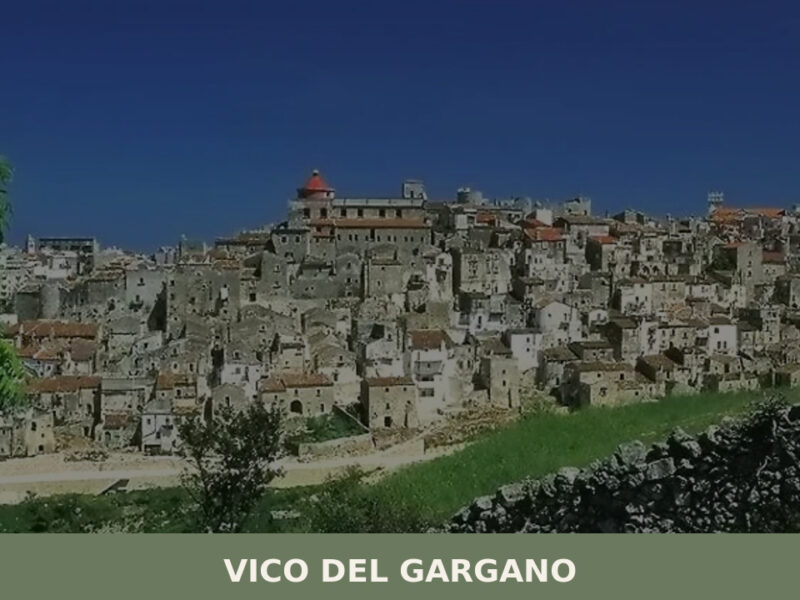
A hilltop village at 445 metres on the Gargano promontory, Vico del Gargano rewards slow exploration — medieval alleys, underground olive presses, and ancient forest at its edge.
Brindisi
Sea
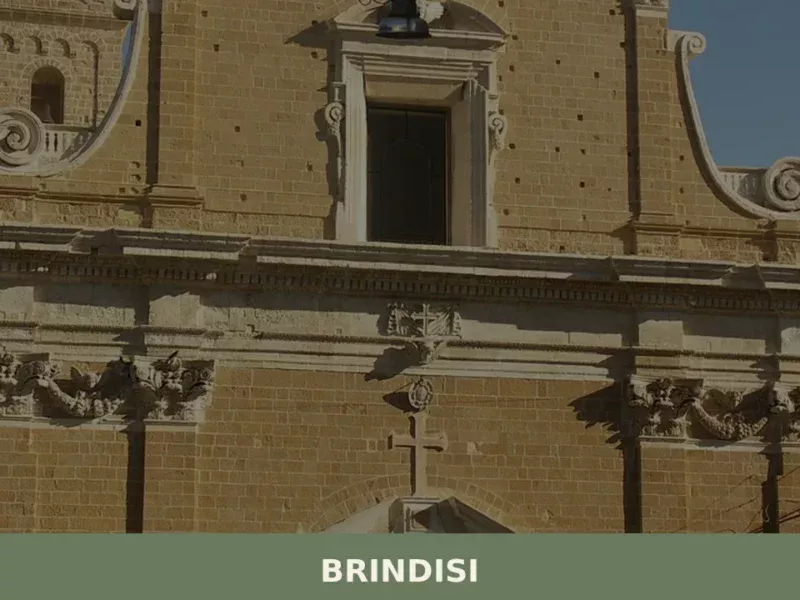
From the port of Brindisi, at a strategic point where the Adriatic opens towards the East, stands the Monument to the Italian Sailor, an imposing structure that since 1933 has watched over the city and its maritime routes. This city, overlooking a natural inlet that for centuries has welcomed fleets and trade, has historically been […]
Troia
Hills
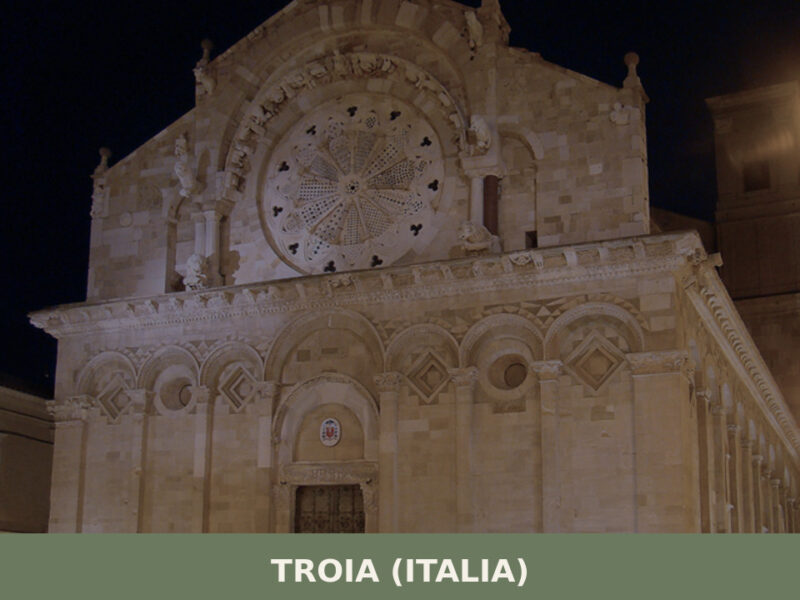
A hillside village of 6,574 people centred on a Romanesque cathedral with bronze doors. Troia anchors the agricultural interior of northern Puglia, far from the coast.
Anzano di Puglia
Mountain
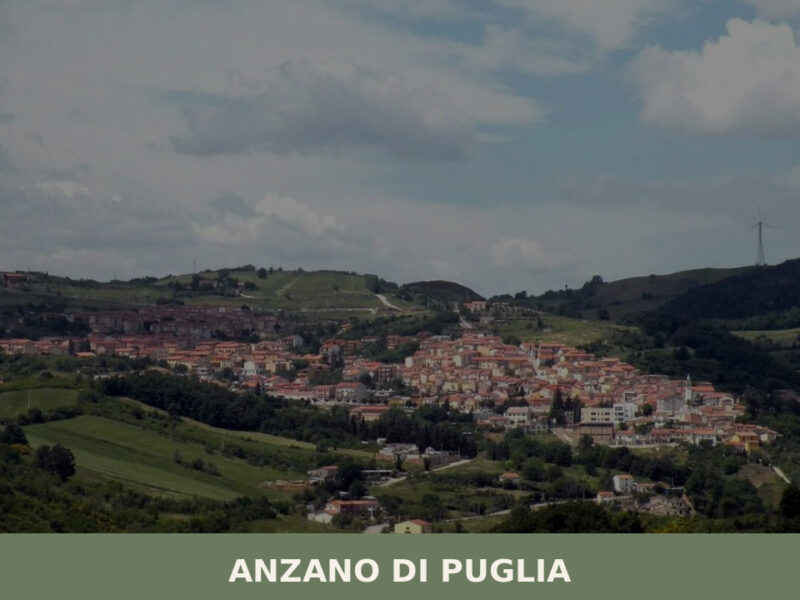
A tiny hilltop village at 760 m in the Daunia Mountains, Anzano di Puglia enchants with stone lanes, sweeping panoramas, and authentic mountain cuisine.




🏡 Know Canosa di Puglia better than we do?
If you’re a local or have been there, your knowledge matters: add what’s missing or fix a detail on this page.