


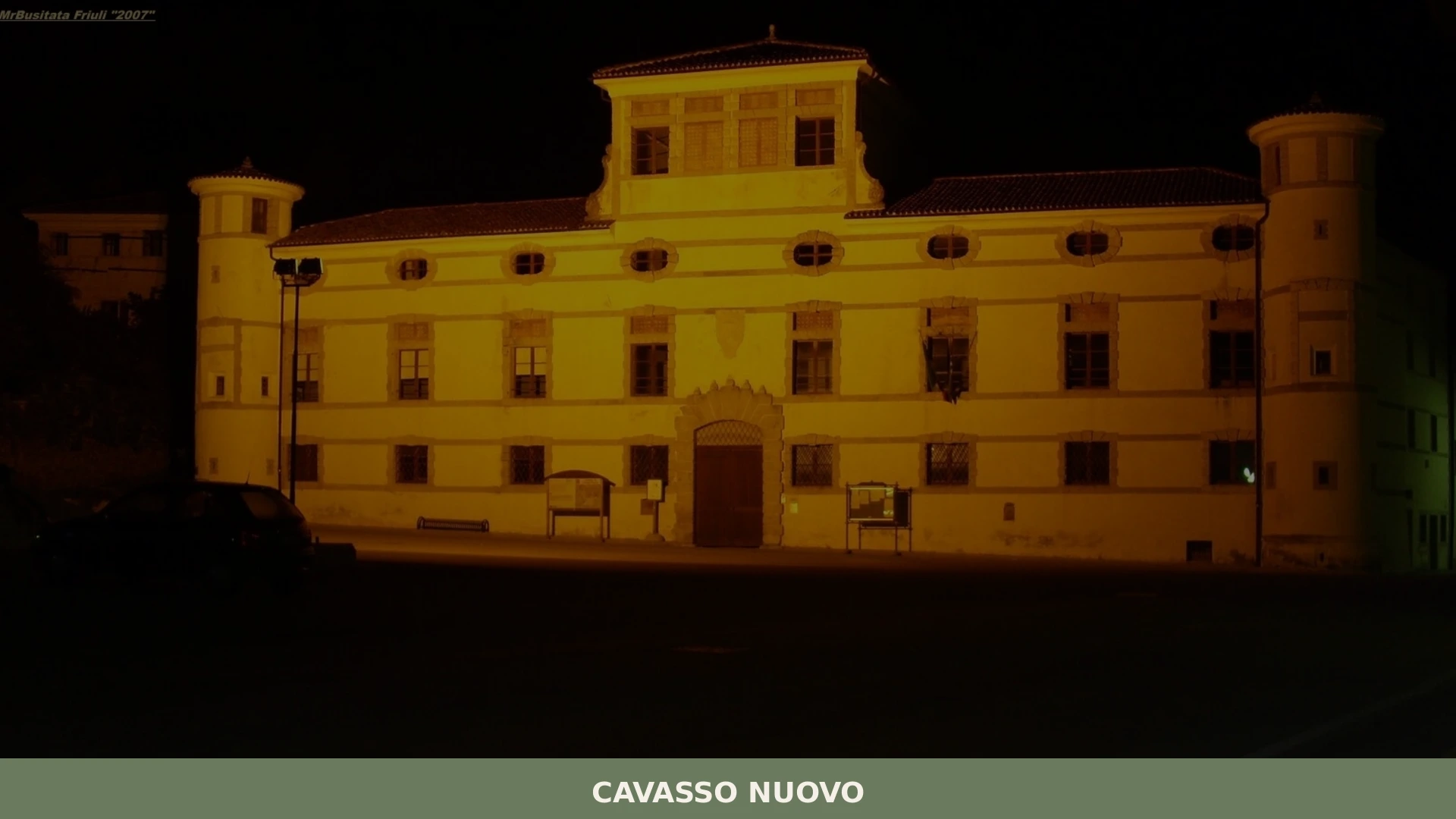
Cavasso Nuovo
 Hills
Hills
What to see in Cavasso Nuovo, Italy? Explore this Friuli-Venezia Giulia village at 280 m (919 ft) altitude. Discover its 15th-century church and the birthplace of Louis Francescon.
Discover Cavasso Nuovo
At an elevation of 280 m (919 ft) above sea level, Cavasso Nuovo emerges as a tranquil village within the Regional decentralization entity of Pordenone, in the northeastern Italian region of Friuli-Venezia Giulia.
This elevation contributes to its distinct climate and the surrounding landscape, characterized by rolling hills and distant mountain views.
The village’s historical roots stretch back centuries, offering a glimpse into the administrative and cultural evolution of this specific part of Italy.
For those planning what to see in Cavasso Nuovo, the village provides a focused experience centered on its historical structures, natural surroundings, and the legacy of a significant local figure. With a population of approximately 1,500 inhabitants, Cavasso Nuovo invites visitors to explore its parish church, a 17th-century palazzo, and a nature trail.
The Cavasso Nuovo highlights include its historical buildings and opportunities for gentle exploration of the Friulian landscape.
History of Cavasso Nuovo
The name “Cavasso Nuovo” itself carries historical weight, believed to derive either from the Latin caput vassorum, meaning “head of vassals,” or from cavum, referring to a hollow or cavity in the landscape, combined with vassus for vassal. The suffix “Nuovo” (new) was officially appended in 1867 to differentiate it from other localities bearing the name Cavasso.
The earliest documented mention of Cavasso Nuovo dates back to 1220, placing its origins firmly within the medieval period and highlighting its long-standing presence in the Friulian territory.
Throughout the Middle Ages, Cavasso Nuovo was a feudal possession, initially under the powerful Patriarchate of Aquileia, which held significant sway over the region.
Following the decline of patriarchal rule, the village passed through the hands of various noble families, including the Polcenigo, Savorgnan, Caccia, and Colloredo, each leaving their mark on its development and administrative structure. This succession of feudal lords shaped the social and economic fabric of the village over centuries, influencing its architecture and local governance.
From 1420, Cavasso Nuovo became part of the Republic of Venice, integrating into its vast mainland territories and experiencing a period of relative stability and cultural exchange. After the fall of Venice in 1797 with the Treaty of Campoformio, the village, like much of Friuli, came under Austrian rule.
It eventually became part of the newly unified Kingdom of Italy in 1866, marking its full integration into the modern Italian state.
A significant event in more recent history was the devastating Friuli earthquake of 1976, which caused considerable damage to the village’s structures and required extensive rebuilding efforts.
What to see in Cavasso Nuovo, Friuli-Venezia Giulia: top attractions
Chiesa di San Remigio
The Parish Church of Saint Remigius, or Chiesa di San Remigio, is a central landmark in Cavasso Nuovo, Friuli-Venezia Giulia, Italy, with origins tracing back to the 15th century. Although it underwent significant reconstruction following the 1976 Friuli earthquake, efforts were made to preserve its historical character. The church’s bell tower, a prominent feature of the village skyline, was completed in 1904, standing as a testament to early 20th-century craftsmanship.
Inside, visitors can observe frescoes attributed to Gian Battista Pittino, which survived the earthquake and provide a glimpse into the artistic heritage of the region. The interior offers a quiet space for reflection, showcasing traditional religious art and architecture typical of Friuli.
Access to the church is generally straightforward, located centrally within the village, and it provides a key insight into the community’s spiritual life and resilience.
Palazzo Polcenigo
The Palazzo Polcenigo stands as a notable example of 17th-century architecture in Cavasso Nuovo, reflecting the influence of one of the noble families that once held feudal rights over the area.
While it remains a private residence, its imposing structure and historical significance contribute to the village’s cultural landscape. The palazzo’s design elements offer a window into the aristocratic tastes and building techniques prevalent during the Baroque era in Friuli-Venezia Giulia.
Although not open for public tours, the exterior of the Palazzo Polcenigo can be admired by visitors exploring the village streets.
Its presence helps to illustrate the historical stratification of Cavasso Nuovo, from its feudal past to its integration into the Venetian Republic. Observing the palazzo from the outside allows an appreciation for the historical continuity and the architectural grandeur that once characterized the residences of local gentry.
Casa Francescon (Birthplace of Louis Francescon)
A simple yet historically significant dwelling in Cavasso Nuovo is the Casa Francescon, the birthplace of Louis Francescon.
Born in the village in 1866, Francescon later emigrated to the United States and became a pivotal figure in the founding of the Italian Pentecostal Movement.
A modest house, it is marked with signage indicating its importance, drawing visitors interested in religious history and the origins of global spiritual movements.
This house serves as a tangible link to a figure whose influence extended far beyond this small Friulian village. For those interested in understanding what to see in Cavasso Nuovo from a biographical perspective, the Casa Francescon offers a specific point of interest.
It stands as a reminder of the global impact individuals from this region have had, making it a unique stop for reflection on cultural and religious heritage.
Monte Fara
Rising to an elevation of 680 m (2,231 ft), Monte Fara is a prominent natural feature near Cavasso Nuovo, offering panoramic views of the surrounding Friulian landscape. This mountain provides a natural backdrop to the village and serves as an accessible destination for those seeking outdoor activities.
Its slopes are characterized by local flora and fauna, presenting a contrast to the village’s built environment.
Hiking trails lead to the summit of Monte Fara, making it an excellent spot for nature enthusiasts and casual walkers alike. From the higher vantage points, one can observe the geographical layout of the area, including neighboring municipalities like Arba and Fanna.
The best time to undertake a hike is during spring or autumn, when the weather is mild and the natural colors are particularly vibrant.
Sentiero Natura del Col Colàt
The Sentiero Natura del Col Colàt, or the Nature Trail of Col Colàt, offers an immersive experience into the local ecosystem just outside Cavasso Nuovo. This trail is designed to highlight the specific natural characteristics of the area, including its vegetation and geological features.
It provides a structured path for exploring the local environment, allowing visitors to appreciate the biodiversity of the Friulian hills.
This trail is an excellent option for those seeking outdoor recreation and a closer connection to nature, suitable for various fitness levels. It often includes informative signposts detailing the local flora and fauna, making it an educational experience. Exploring the Sentiero Natura del Col Colàt is a practical way to engage with the natural beauty surrounding Cavasso Nuovo, offering a different perspective on what to see in the region beyond its historical buildings.
Local food and typical products of Cavasso Nuovo
While specific certified products uniquely attributed to Cavasso Nuovo are not detailed in available historical records, the village’s location within Friuli-Venezia Giulia places it firmly within a rich regional gastronomic tradition.
The local economy, historically rooted in agriculture and livestock farming, particularly cattle, has shaped a cuisine that emphasizes hearty, seasonal ingredients.
This tradition reflects the influences of both the alpine and plain areas of Friuli, combining robust flavors with simple, wholesome preparation methods.
The typical dishes of the region often feature ingredients like corn, which is used to make polenta, a staple served with various meat stews or rich cheeses. Pork is also a common ingredient, appearing in cured meats like salame and prosciutto, as well as in cooked dishes. Traditional vegetable soups, often enriched with beans and local herbs, provide comforting meals, especially during the colder months.
These culinary practices are shared across the province of Pordenone, including nearby villages such as Meduno and Sequals.
Given the emphasis on livestock, dairy products are also a significant part of the Friulian diet, with various local cheeses produced from cow’s milk.
These cheeses, ranging from fresh to aged, are often enjoyed on their own or incorporated into cooked dishes. Although no specific food fairs or markets are explicitly documented for Cavasso Nuovo itself, the agricultural nature of the area suggests that seasonal produce would have been, and continues to be, central to local consumption.
Festivals, events and traditions of Cavasso Nuovo
The primary documented annual event in Cavasso Nuovo is the Sagra di San Remigio, the patron saint festival dedicated to Saint Remigius, which typically takes place at the end of September or beginning of October. This festival celebrates the village’s patron saint, whose name graces the local parish church.
Such sagre, traditional local festivals, are common throughout Italy, serving as important communal gatherings that blend religious observance with social celebration.
During the Sagra di San Remigio, visitors can expect to experience a lively atmosphere that often includes religious processions, traditional music, and opportunities to sample local food and wine.
These events provide a deeper insight into the community’s cultural identity and its enduring traditions. While specific details of the festival’s unfolding are not extensively documented, it generally follows the pattern of Friulian village festivals, offering a genuine local experience for those visiting Cavasso Nuovo during this autumnal period.
When to visit Cavasso Nuovo, Italy and how to get there
The best time to visit Cavasso Nuovo, Italy, particularly for those interested in what to see in Cavasso Nuovo and its surroundings, is during the spring (April to June) or early autumn (September to October). During these months, the Friuli-Venezia Giulia region experiences pleasant temperatures, making it ideal for exploring the village on foot, hiking Monte Fara, or walking the Sentiero Natura del Col Colàt. The Sagra di San Remigio in late September or early October offers a cultural highlight, providing a chance to experience local traditions and community spirit.
Summers can be warm, while winters are generally cold, sometimes with snow, which might limit outdoor activities.
Cavasso Nuovo is accessible by car, offering flexibility for exploring the broader Friuli-Venezia Giulia region.
It is located approximately 25 km (16 mi) northeast of Pordenone, a significant provincial center, and about 100 km (62 mi) northwest of Trieste, the regional capital. For international visitors, the nearest major airport is Trieste Airport FVG (TRS), situated approximately 80-90 km (50-56 mi) away, with car rental services available for the onward journey. Alternatively, visitors can fly into Venice Marco Polo Airport (VCE), which is about 120 km (75 mi) from Cavasso Nuovo, offering a wider range of international flights.
If traveling by train, the closest major station is in Pordenone, which is well-connected to the Italian national rail network. From Pordenone, local bus services or a short taxi ride can complete the journey to Cavasso Nuovo. For those considering a day trip from a nearest major city, Pordenone is an excellent starting point, offering a manageable distance.
When visiting smaller Italian villages like Cavasso Nuovo, it is advisable for international travelers to carry some Euros cash, as English may be limited in smaller shops and services.
More information about the municipality can be found on the official website of the Comune di Cavasso Nuovo, while flight information is available on the Trieste Airport FVG website.
Frequently asked questions about Cavasso Nuovo
What is the best time to visit Cavasso Nuovo?
The best time to visit Cavasso Nuovo is during spring (April-May) and autumn (September-October). These seasons offer mild weather ideal for exploring the rolling hills and hiking Monte Fara, where the natural colors are vibrant. Autumn is particularly appealing as it coincides with the Sagra di San Remigio, the patron saint festival dedicated to Saint Remigius, celebrated around October 1st. This period allows visitors to experience local traditions and enjoy the pleasant climate for outdoor activities and gentle exploration.
What to see in Cavasso Nuovo? Main monuments and landmarks
In Cavasso Nuovo, key landmarks include the central Chiesa di San Remigio, a parish church with 15th-century origins, notable for its 1904 bell tower and frescoes by Gian Battista Pittino. It's easily accessible in the village center. You can also admire the exterior of Palazzo Polcenigo, a significant 17th-century private residence reflecting Baroque architecture. For those interested in religious history, visit Casa Francescon, the marked birthplace of Louis Francescon, founder of the Italian Pentecostal Movement.
What are the main natural or scenic attractions of Cavasso Nuovo?
Cavasso Nuovo is surrounded by natural beauty. Monte Fara, rising to 680 meters, offers panoramic views of the Friulian landscape and features hiking trails suitable for various fitness levels, best enjoyed in spring or autumn. Additionally, the Sentiero Natura del Col Colàt provides an immersive nature trail experience, highlighting the local ecosystem, flora, and fauna through informative signposts. Both offer excellent opportunities for outdoor recreation and connection with the biodiversity of the Friulian hills.
Where to take the best photos in Cavasso Nuovo?
For the best photos in Cavasso Nuovo, head to the summit or higher vantage points of Monte Fara, which offers expansive panoramic views of the rolling Friulian landscape and surrounding villages. Within the village, the Chiesa di San Remigio's bell tower, completed in 1904, is a prominent feature of the skyline and makes for an iconic shot. The imposing exterior of Palazzo Polcenigo also provides a beautiful architectural backdrop for street photography, capturing the historical essence of the village.
Are there museums, churches or historic buildings to visit in Cavasso Nuovo?
Yes, Cavasso Nuovo offers historic buildings and a significant church. The Chiesa di San Remigio, a central parish church with 15th-century origins, is generally open to visitors and features frescoes by Gian Battista Pittino. While Palazzo Polcenigo, a 17th-century aristocratic residence, is a private property and not open for tours, its impressive exterior can be admired from the village streets. You can also see Casa Francescon, the marked birthplace of Louis Francescon, a simple but historically important dwelling.
What can you do in Cavasso Nuovo? Activities and experiences
In Cavasso Nuovo, you can explore its historical and natural heritage. Enjoy hiking and nature walks on Monte Fara for panoramic views, or immerse yourself in the local ecosystem along the Sentiero Natura del Col Colàt. Discover the village's history by visiting the Chiesa di San Remigio and admiring Palazzo Polcenigo. If visiting in late September or early October, experience the Sagra di San Remigio, a traditional festival with religious processions, local music, and opportunities to sample regional food and wine.
Who is Cavasso Nuovo suitable for? Families, couples, hikers, solo travelers?
Cavasso Nuovo is ideal for travelers seeking a tranquil escape and a genuine local experience. It particularly suits nature enthusiasts, hikers, and casual walkers who appreciate rolling hills and panoramic views, with trails like Monte Fara and Sentiero Natura del Col Colàt. History buffs and those interested in cultural heritage will enjoy its historical buildings and the birthplace of Louis Francescon. It's also suitable for couples and solo travelers looking for a peaceful retreat away from bustling tourist hubs, offering opportunities for reflection and gentle exploration.
What to eat in Cavasso Nuovo? Local products and specialties
While Cavasso Nuovo doesn't have uniquely certified products, its cuisine reflects the rich gastronomic traditions of Friuli-Venezia Giulia and the Pordenone province. Visitors can expect hearty, seasonal dishes emphasizing agriculture and livestock. Specialties include polenta, often served with meat stews or local cheeses, and various pork products like salame and prosciutto. Traditional vegetable soups, enriched with beans and herbs, are common. Dairy products, particularly local cow's milk cheeses, are also a significant part of the regional diet.
📷 Photo Gallery — Cavasso Nuovo
Getting there
Piazza Plebiscito, 33092 Cavasso Nuovo (PN)
Nearby Villages near Cavasso Nuovo
 Mountain
In Friuli-Venezia Giulia More villages to discover
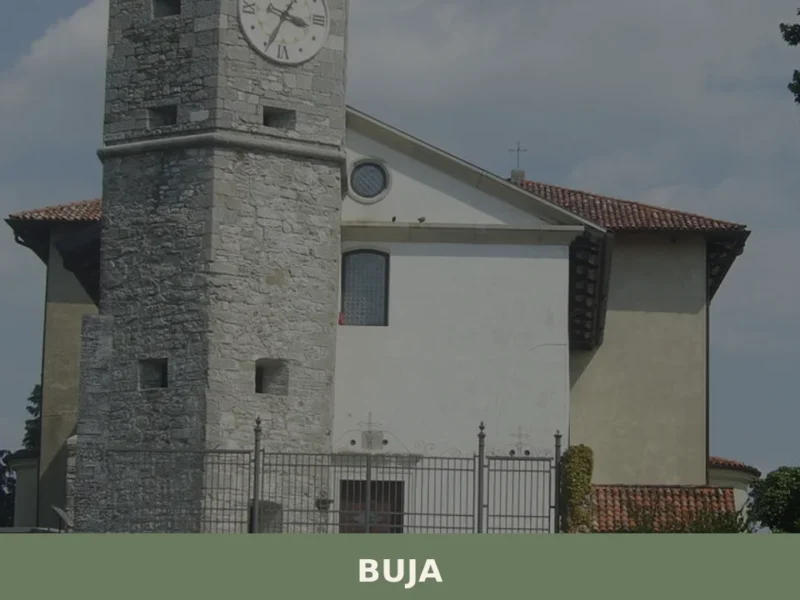
Buja
Hills
In 1976, two earthquakes devastated Friuli, and Buja was among the hardest-hit municipalities: more than seventy per cent of its buildings suffered serious damage. The reconstruction, which lasted nearly two decades, reshaped the appearance of this hilltop settlement without erasing the scattered layout of hamlets and small villages that has defined it since the Middle […]
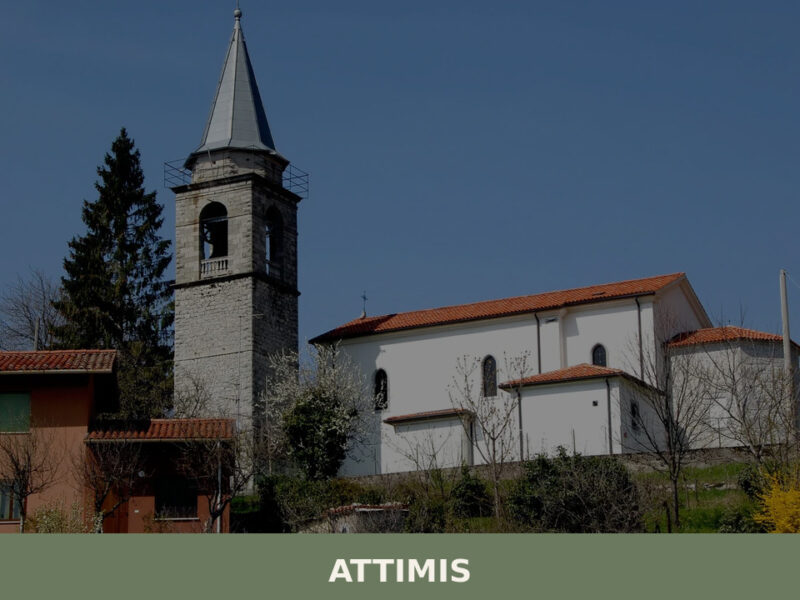
Attimis
 Plains
Twin castle ruins, a medieval archaeological museum, and the secluded mountain hamlet of Porzûs — Attimis reveals Friuli's layered history in a quiet valley near Udine.
Coseano
Plains
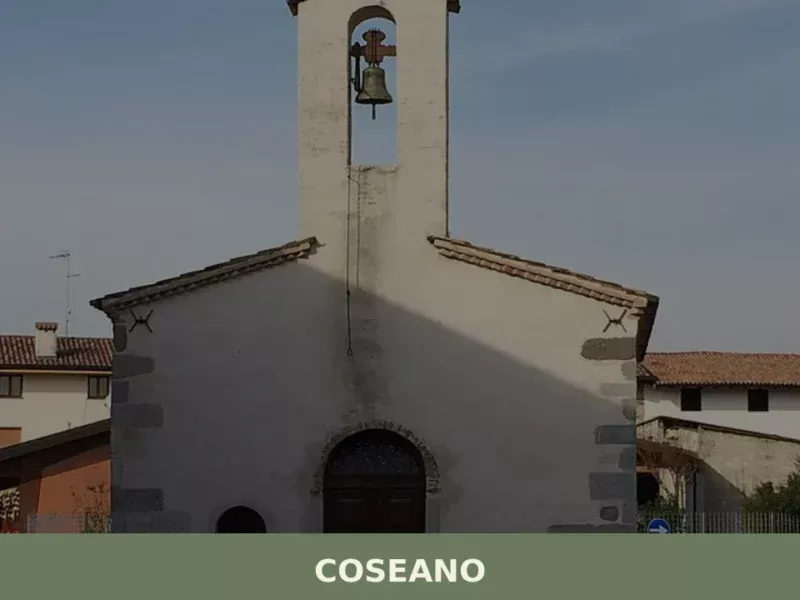
In 1275, a document from the Patriarchate of Aquileia records the name Cosean among the communities subject to feudal jurisdiction in the Udine hill area. Seven centuries later, the municipality retains its rural layout, spread across the main settlement and the hamlets of Cisterna, Barazzetto, Muscletto and Nogaredo di Coseano, scattered over flat terrain at […]
Caneva
Plains
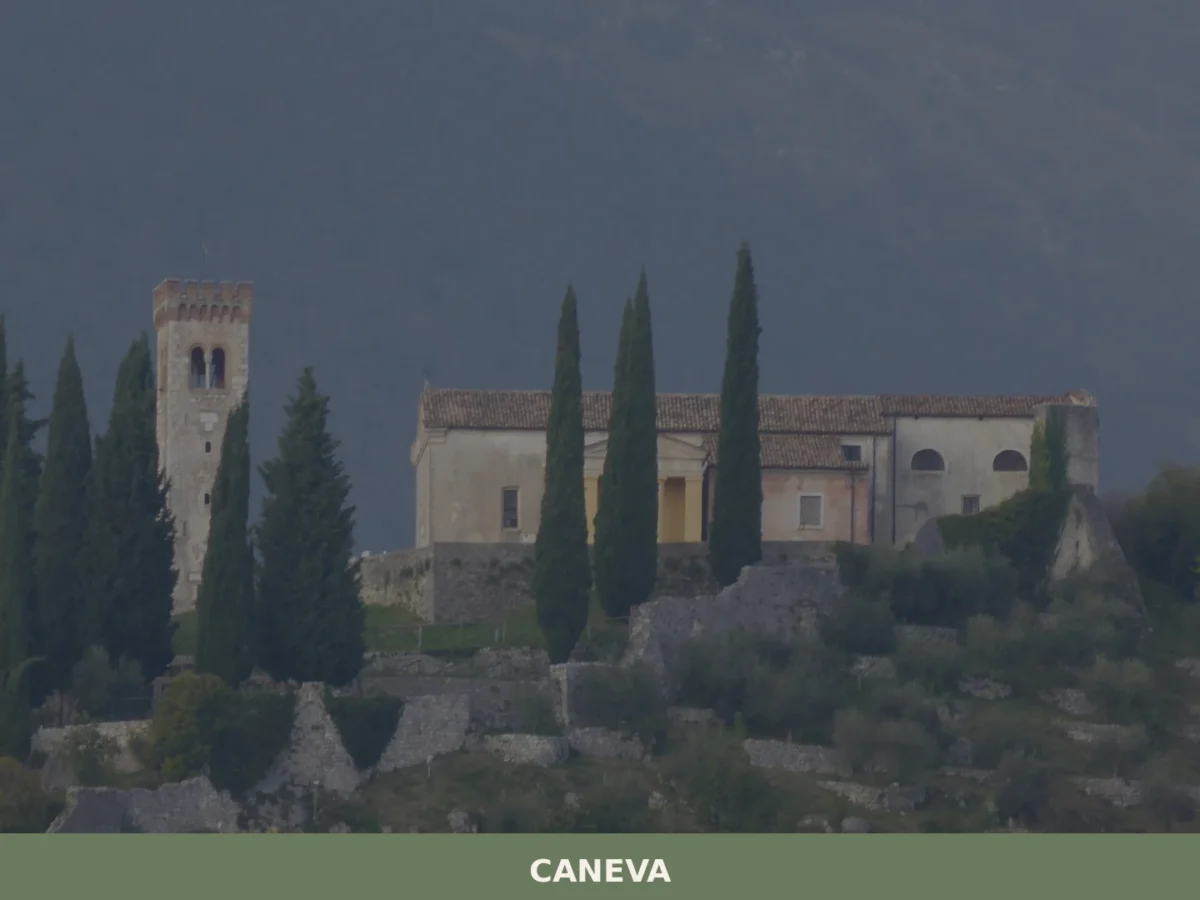
What to see in Caneva, Italy: explore a 42 km² comune near Pordenone. Discover top attractions, local food and travel tips. Read the complete guide.
Cassacco
Plains
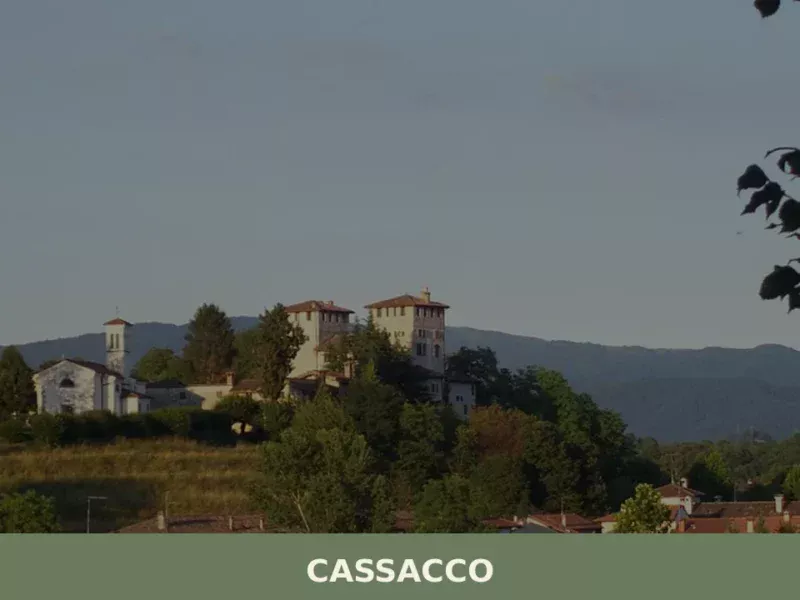
The Castle of Cassacco appears in documents of the Patriarchate of Aquileia as early as 1158, when Patriarch Ulrich II confirmed its possession to the local lords. Since then, that manor in a commanding position over the Friulian plain has shaped the life of an entire rural territory, defined by cultivated fields, rows of vines […]
Chiopris-Viscone
Plains
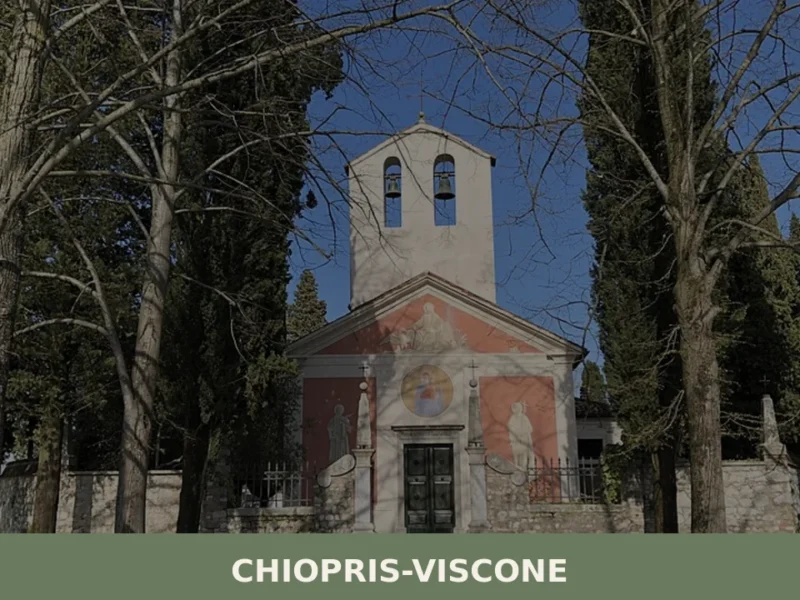
Two hamlets, two bell towers, two patron saints — and a single road running through both, the provincial route from Palmanova towards the Slovenian border. Anyone arriving in Chiopris-Viscone for the first time immediately notices this duality: the municipality, created in 1928 through the administrative merger of two distinct settlements, still retains a twin-centre layout, […]
Arba
Plains
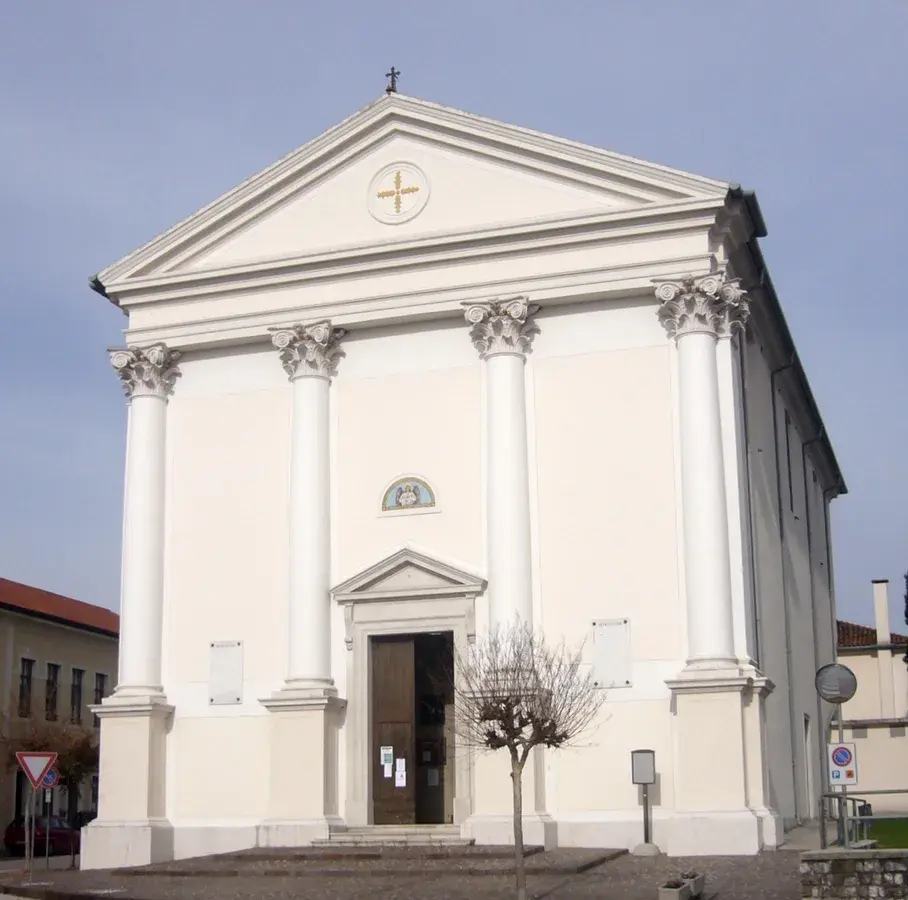
What to see in Arba: Explore Italy's Arba, a village at 210 meters altitude. Discover its historic church and vibrant patron saint festival on September 29. Read more.
Aviano
Hills
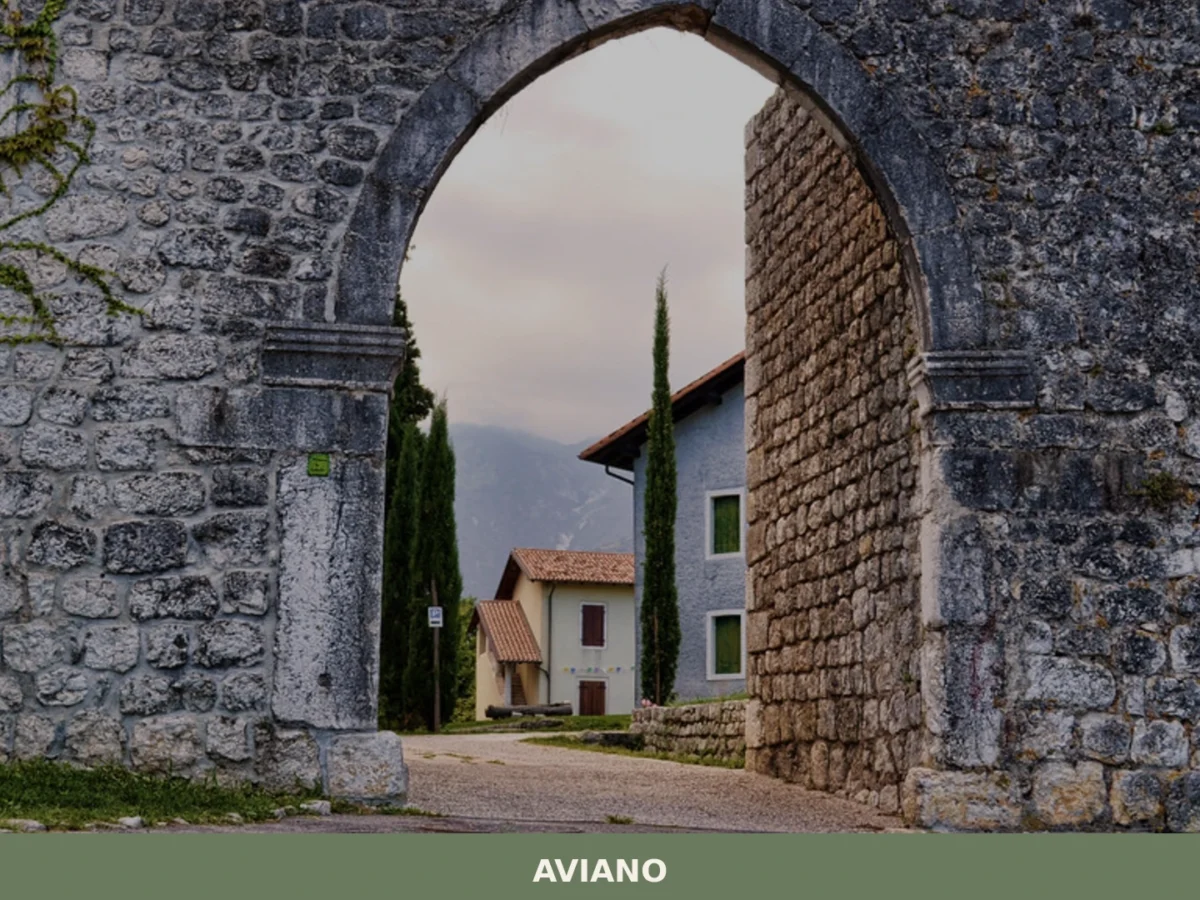
What to see in Aviano, Italy: Explore this town of 8,948 inhabitants, from its 10th-century castle ruins to the Cathedral of San Zenone. Discover its rich history and natural beauty.
Arta Terme
Hills
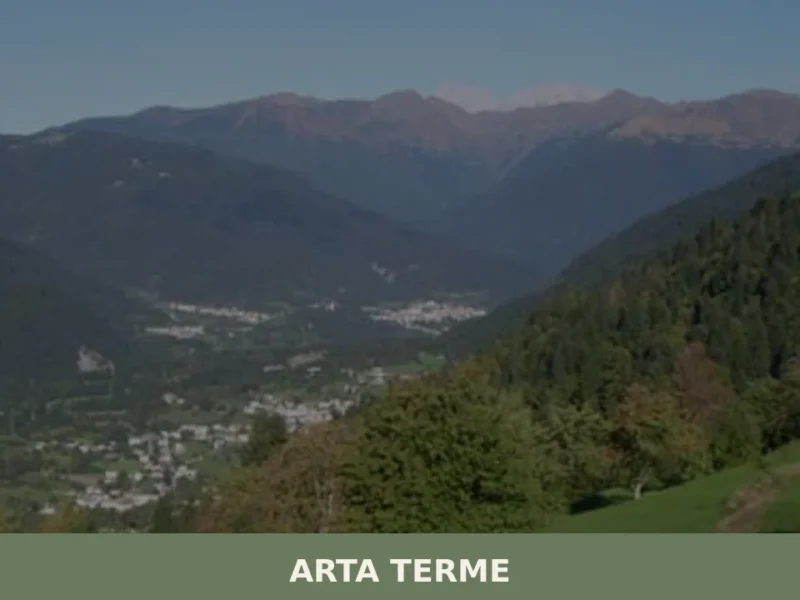
In 1687, the physician and naturalist Giovanni Battista De Candido published the first treatise on the healing properties of the sulphurous waters flowing from the Fonte Pudia spring in the territory of Arta. That document marked the beginning of a thermal spa tradition that would define the economic identity of this Carnic centre for the […]
Artegna
Hills
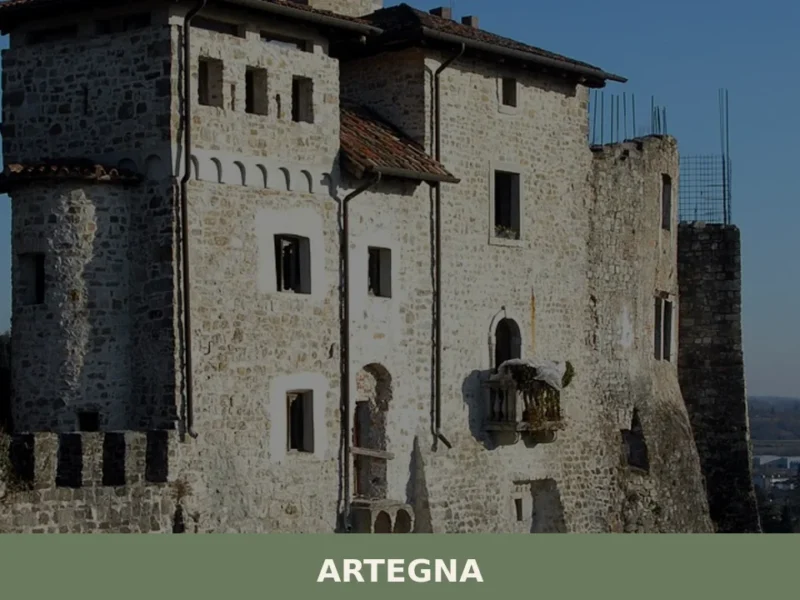
In 1976, two violent earthquakes devastated Friuli, and Artegna was among the hardest-hit communities. The reconstruction that followed did not simply raise walls again: it redesigned the very identity of the town, bringing to light archaeological layers buried beneath the rubble of the San Martino hill. Today, anyone wondering what to see in Artegna will […]

🏡 Know Cavasso Nuovo better than we do?
If you’re a local or have been there, your knowledge matters: add what’s missing or fix a detail on this page.