


Grottaglie
 Plains
Discover what to see in Grottaglie, Puglia: ceramic quarter, Castello Episcopio, ravines and local food. Practical travel guide with history and tips.
Discover Grottaglie
Grottaglie is a city of nearly 30,000 inhabitants in the province of Taranto, Puglia, elevated to city status by Presidential Decree on 11 October 1997. It sits at the foot of the southern Murgia plateau, at the border with the province of Brindisi, and has built its reputation on two distinct industries: artistic ceramics and table grapes. Visitors asking what to see in Grottaglie will find a town whose identity is inseparable from its craft production — a working tradition expressed in stone, clay and kiln fire rather than in monuments alone.
History of Grottaglie
The town’s name derives directly from the landscape beneath it. The local subsoil is riddled with natural caves — grotte in Italian — which were inhabited and used for shelter from prehistoric times onward. These excavations in the soft calcareous rock gave the settlement its name and, over centuries, provided raw material and working space for potters who turned the cave system into workshops. The transition from natural cavities to craft production spaces is one of the defining physical facts of the town’s development, visible today in the quarter known as the Quartiere delle Ceramiche, where workshops occupy spaces carved directly into the ravine walls.
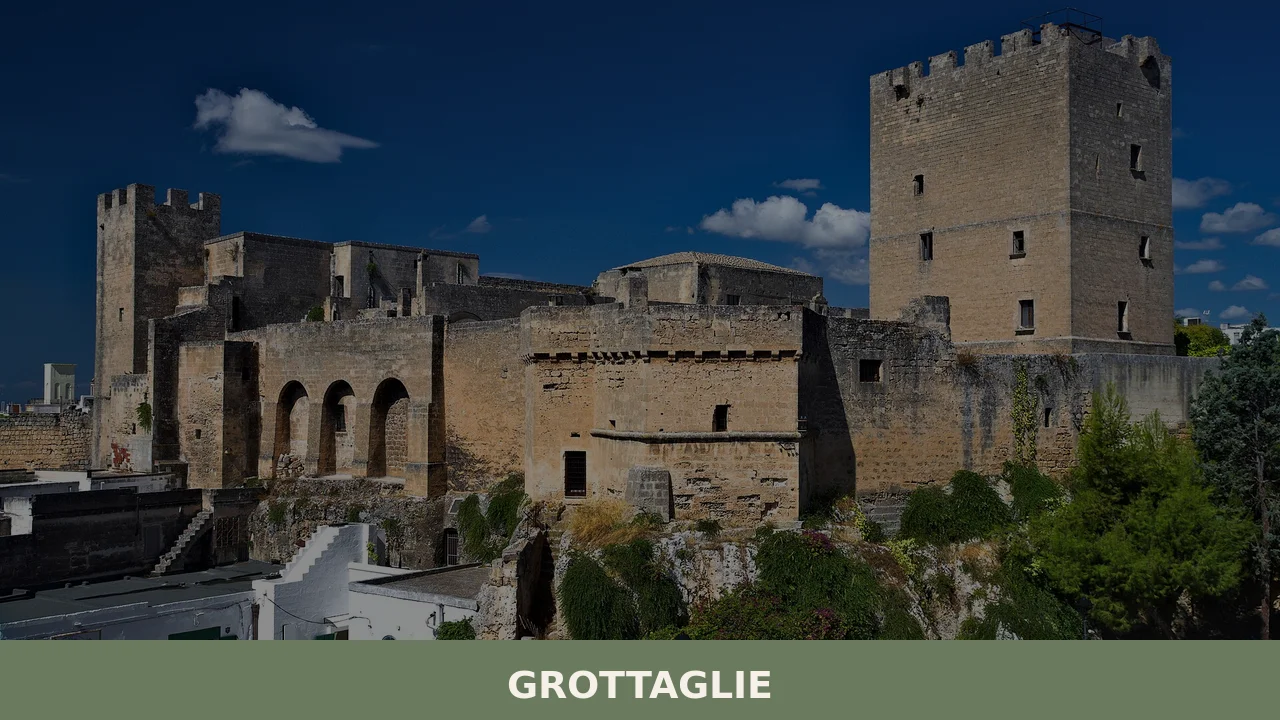
During the medieval period, Grottaglie passed through a succession of feudal lordships. The town came under the jurisdiction of the Archbishop of Taranto, a fact that accounts for the significant ecclesiastical architecture still standing in the historic centre. The Castle of Episcopal Palace — the Castello Episcopio — was the residence of the archbishops who held feudal authority over the territory, and its construction reflects the administrative and religious power concentrated in Taranto’s ecclesiastical hierarchy during the late medieval and early modern periods. This episcopal control shaped the built environment of the town in ways that remain legible in the urban fabric today.
The ceramic tradition of Grottaglie is documented from at least the medieval period, though it reached its peak organisation during the 16th and 17th centuries, when the town’s potters were producing distinctive decorative and functional ware for distribution across the region and beyond. The craft became so economically significant that an entire quarter of the town was dedicated to it — the Quartiere delle Ceramiche, established around the ravine of the Fullonese. By the 20th century, Grottaglie’s ceramics were being exhibited at international fairs, and the town had become one of the most recognisable centres of ceramic production in southern Italy, a status formalised through its inclusion in official regional craft registers.
What to see in Grottaglie: 5 must-visit attractions
Quartiere delle Ceramiche
The ceramic quarter occupies a natural ravine — the Gravina del Fullonese — where workshops and showrooms have been carved into the rock face and built along its edges for centuries. More than fifty active studios line its narrow streets. Visitors can watch potters at the wheel producing the characteristic capasoni (large storage jars) and decorative plates painted in cobalt blue and terracotta.
Castello Episcopio
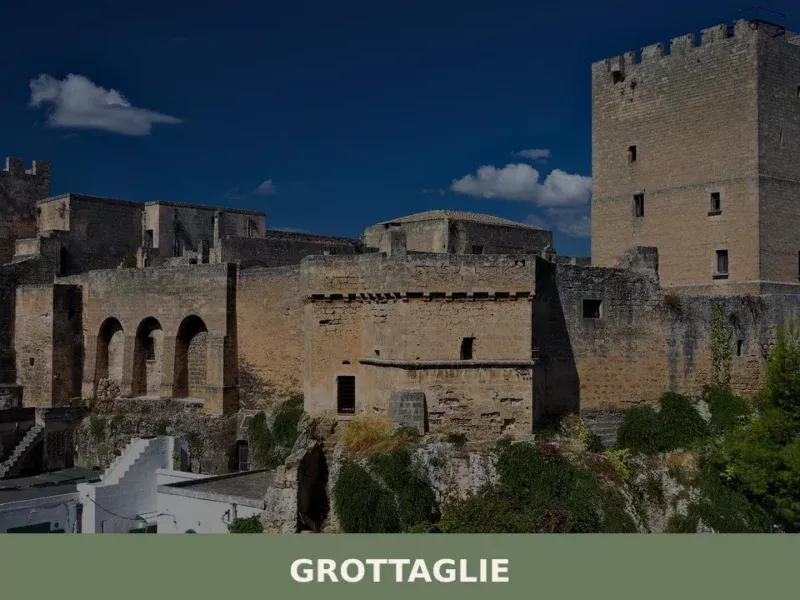
Originally constructed as a fortified residence for the Archbishops of Taranto, the Castello Episcopio dominates the historic centre with its robust medieval towers. The structure has been modified across multiple periods, incorporating Norman, Angevin and later Renaissance elements. It currently serves as an institutional venue and houses municipal functions, and its courtyard is accessible for cultural events.
Cathedral of Maria Santissima Annunziata
The Mother Church of Grottaglie, dedicated to the Annunciation of the Virgin Mary, stands in the heart of the old town and was built in the Baroque style, reflecting the architectural programme typical of Puglia’s ecclesiastical construction in the 17th and 18th centuries. Its interior contains a series of carved wooden furnishings and a crypt beneath the main nave.
Museo della Ceramica
Housed within the Castello Episcopio, the Museo della Ceramica di Grottaglie documents the full arc of the town’s pottery tradition, from medieval production pieces through to 20th-century exhibition ware. The collection includes examples of the major decorative typologies associated with the local craft, with explanatory context on technique, kiln technology and trade distribution.
The Ravine System (Gravine)
Grottaglie sits above a system of deep limestone ravines — gravine — that cut through the Murgia plateau. These formations, some exceeding thirty metres in depth, contain rock-cut caves used from prehistoric habitation through to early Christian worship, with traces of fresco fragments surviving in several cave chapels accessible along the ravine paths on the edge of the town.
Local food and typical products
Grottaglie and the surrounding Taranto province lie within one of Puglia’s most productive agricultural zones for table grapes. The local variety known as uva da tavola has long been cultivated on the plateau and in the valley areas below town, and it forms a significant part of the local rural economy. On the broader Apulian table, visitors will find the dishes consistent with Tarantine coastal and inland tradition: orecchiette with turnip tops (cime di rapa), pasta dishes with legumes, grilled meats from local farms, and the raw seafood preparations for which nearby Taranto is specifically known, including cozze (mussels) farmed in the Mar Piccolo lagoon just a short distance away.
The ceramics quarter doubles as a retail destination, but the streets around it and the broader historic centre contain a number of family-run trattorias and restaurants serving Tarantino home cooking. For those wanting to explore the regional food landscape more systematically, the official Puglia regional tourism portal maintains up-to-date listings of local producers and agriturismo options in the Taranto province, including those operating near Grottaglie.
Best time to visit Grottaglie
The most practical window for visiting Grottaglie falls between late April and June, and again in September and October. Summer temperatures on the Murgia plateau regularly exceed 35°C in July and August, which makes walking the ravines and the ceramic quarter considerably less comfortable, though the workshops remain open and active year-round. Spring brings cooler conditions and the surrounding agricultural land is at its most productive, with the table grape cultivation visible across the slopes below town. September coincides with the harvest season, when the grape-growing activity intensifies across the countryside.
The town’s principal religious and civic festival centres on the feast of Maria Santissima Annunziata, the patron, celebrated in late March in the liturgical calendar, though local observances involve processions and events extending into the spring period. For ceramic enthusiasts specifically, the town’s workshop activity is concentrated and most accessible during the cooler months, when artisans are working at full production pace ahead of summer retail demand.
How to get to Grottaglie
Grottaglie is located approximately 20 kilometres east of Taranto and around 45 kilometres west of Brindisi, making it accessible from two directions on the SS7 Via Appia and connecting state roads. By car from Taranto, the journey takes roughly 25 minutes. From Brindisi, the drive is approximately 40 minutes via the SS7.
- By air: Brindisi Papola Casale Airport (Aeroporto del Salento) is the closest airport, approximately 40 kilometres away. Taranto itself has no commercial airport. From Brindisi airport, car hire is the most practical option for reaching Grottaglie directly.
- By train: Grottaglie has a railway station on the Taranto–Brindisi line, served by regional trains operated by Trenitalia. Journey time from Taranto is around 20–25 minutes; from Brindisi approximately 35–40 minutes.
- By motorway: The A14 Adriatic motorway connects to Taranto via the Taranto junction; from there, the SS7 leads east toward Grottaglie. Travellers coming from the north via Bari should allow approximately 90 minutes from Bari city centre.
For current train timetables and connections, the Trenitalia website provides up-to-date schedules for the Taranto–Brindisi regional line.
Where to stay in Grottaglie
Accommodation within Grottaglie’s historic centre is limited but present, with a small number of B&Bs and holiday apartments concentrated in and around the old town — the most practical base for exploring the ceramic quarter on foot and reaching the castle and cathedral without needing a car. Agriturismo options exist in the surrounding countryside, where working farms producing table grapes and olives offer rooms alongside meals made from estate produce. These suit travellers who prefer a rural setting and are happy to drive into town.
For those who want a wider choice of hotels and services, Taranto — 20 kilometres to the west — functions as the nearest large urban centre with a broader hotel offer, from which Grottaglie is easily reached as a day trip. Booking in advance is advisable for the late spring and autumn periods, particularly in September when agricultural tourism in the Taranto province sees higher demand. Checking directly with local accommodation platforms or the municipal tourism contacts via the official Grottaglie municipal website can yield options not listed on mainstream booking platforms.
More villages to discover in Puglia
Puglia’s interior offers considerable variety beyond its coastal strip, and the towns of the province of Taranto and those further north demonstrate the region’s breadth. Travellers who have explored Grottaglie’s ceramic tradition and want to encounter a different dimension of Apulian urban culture would do well to visit Lecce, the provincial capital of the Salento, which presents one of the most concentrated examples of southern Italian Baroque architecture in existence, executed in the local soft sandstone known as pietra leccese. In the opposite direction, the upland village of Orsara di Puglia in the Subappennino Dauno offers a markedly different physical and cultural environment, cooler in climate and more heavily forested, with a strong tradition of locally produced food and wine.
Further north across the regional territory, Terlizzi, in the metropolitan city of Bari, represents the agricultural Puglia of the olive belt, a town whose economic history is bound up in the olive oil and floriculture trades of the Murge. For those passing through the Bari hinterland, Capurso offers a compact historic centre and a well-documented pilgrimage tradition centred on the Sanctuary of Our Lady of the Wells — a reminder that across Puglia, civic identity and religious geography have remained intertwined across many centuries of settlement.
📷 Photo Gallery — Grottaglie
Nearby Villages near Grottaglie
In Apulia More villages to discover
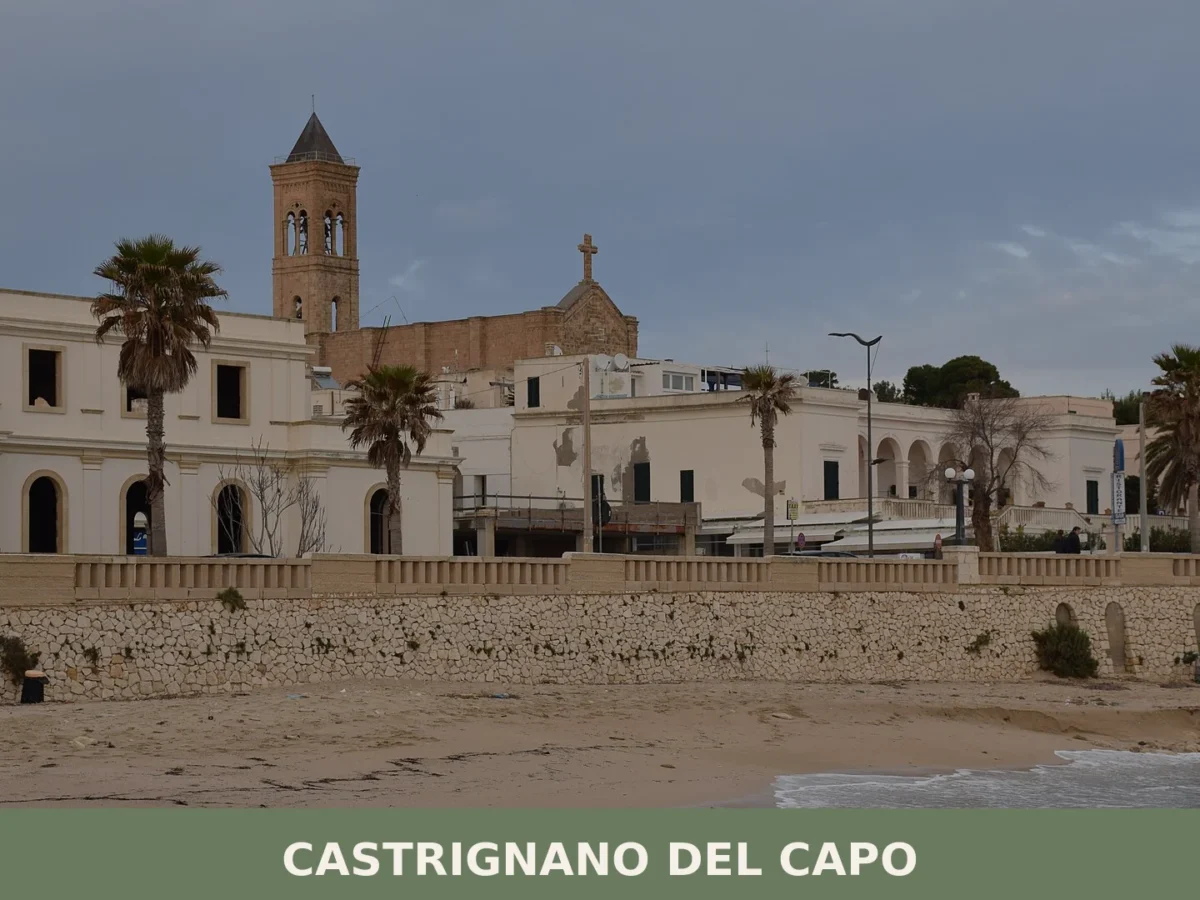
Castrignano del Capo
 Sea
Sea
A village of 5,093 inhabitants where baroque architecture meets coastal limestone cliffs. Explore the medieval heart, defensive heritage and the fractions that include the celebrated beach resort of Santa Maria di Leuca.
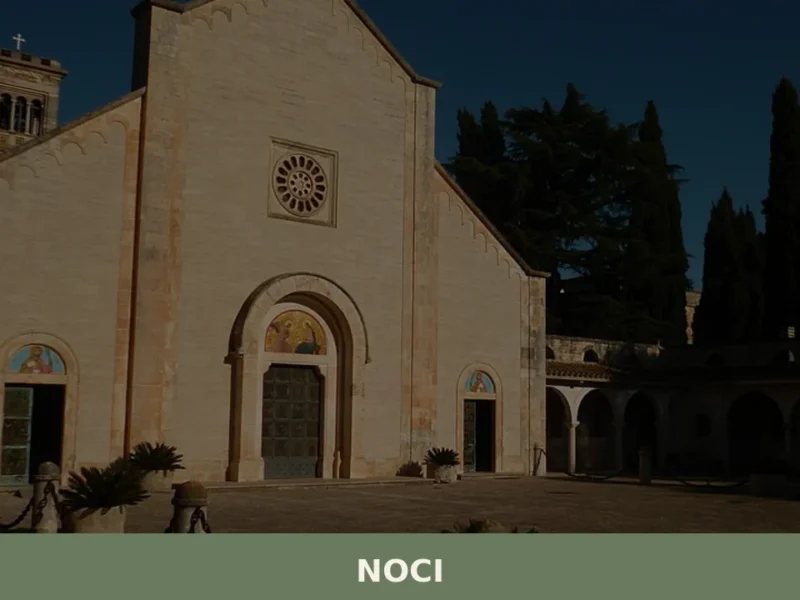
Noci
 Hills
Hills
What to see in Noci, a village at 420 m on the Murge plateau. 5 attractions, medieval gnostre, Acquasale PAT, sagre and patron feasts. Plan your visit now.
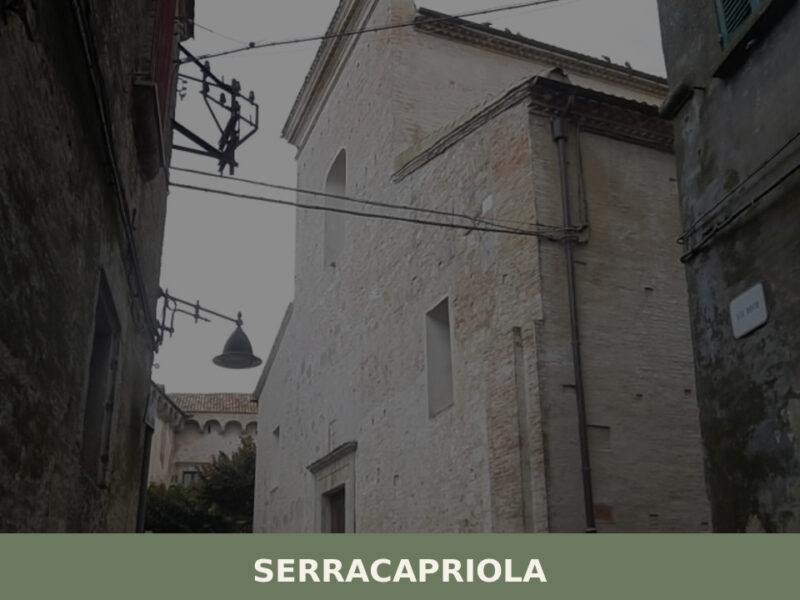
Serracapriola
Sea
A hilltop village of 3,656 people overlooking the Fortore valley in Foggia province. Serracapriola offers a Norman castle, medieval alleys, and honest Puglian cooking far from the crowds.
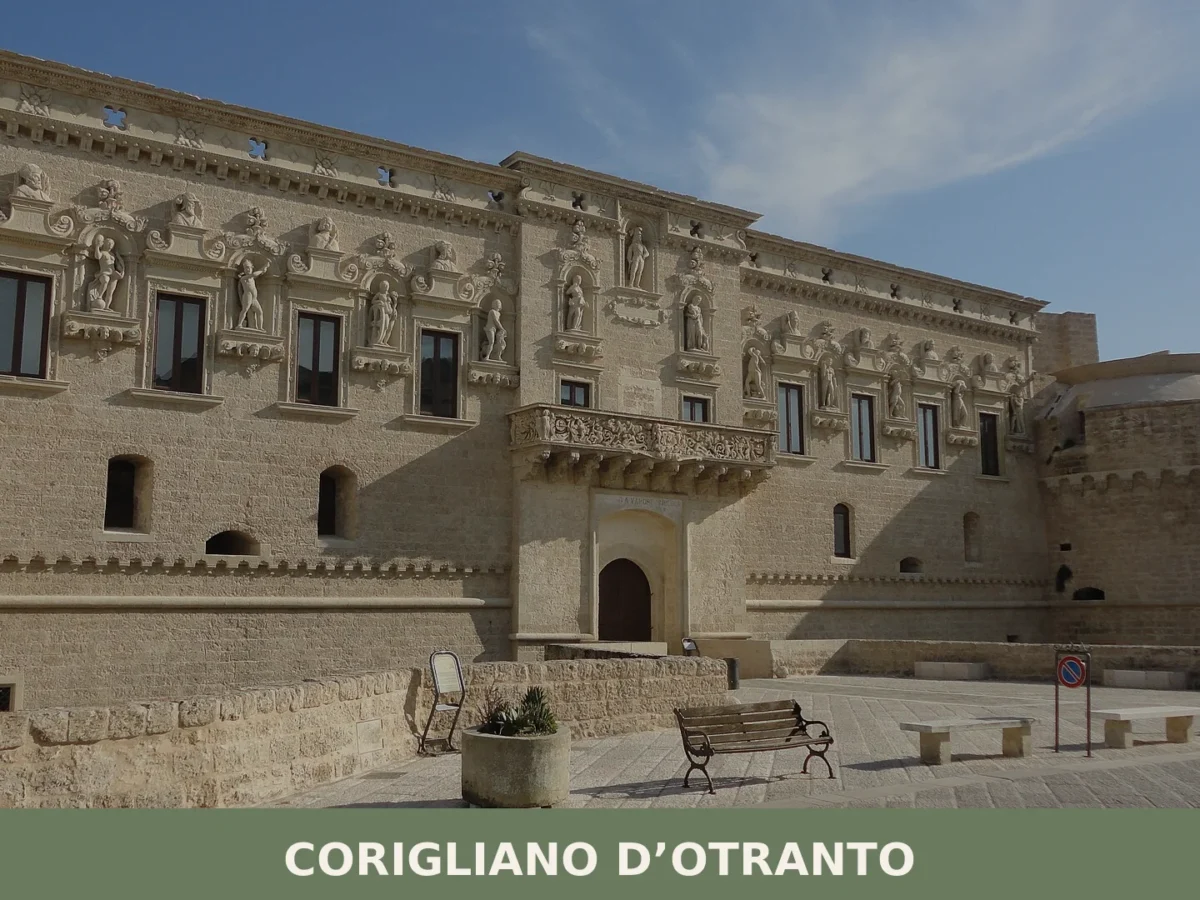
Corigliano d’Otranto
Plains
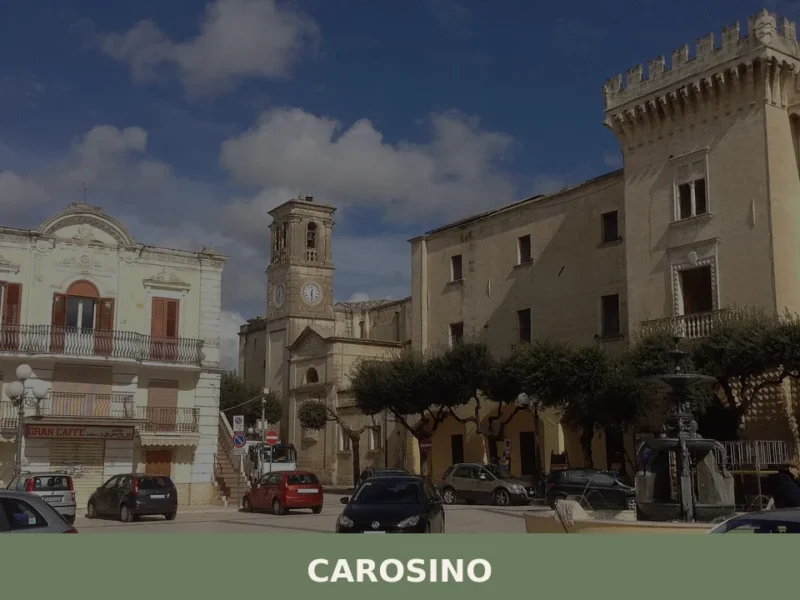
A Salento village where ancient Greek still echoes and medieval fortifications frame daily life. San Giorgio's 9th-century monastery shaped its identity for centuries.
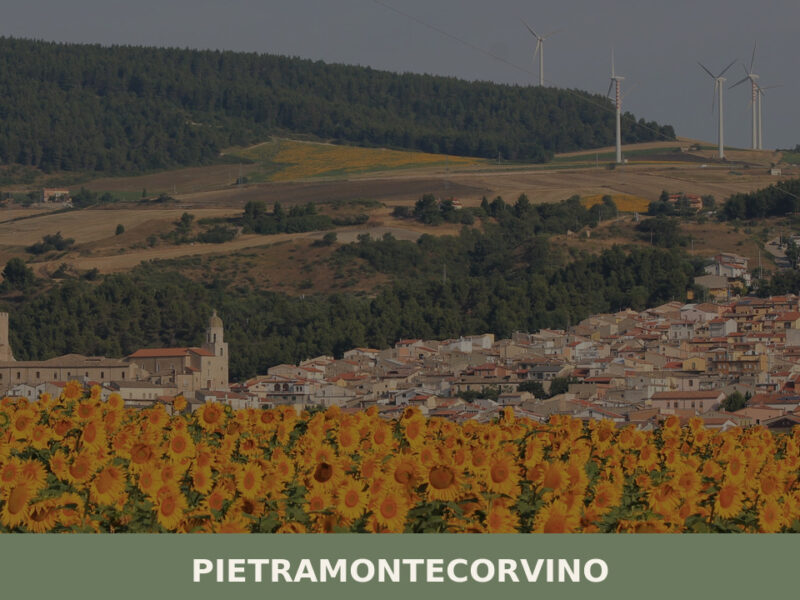
Pietramontecorvino
Hills
A medieval hill village at 456 metres above the Tavoliere plain, Pietramontecorvino preserves a rock-carved old quarter, Norman tower, and the quiet rhythms of Daunia's agricultural past.
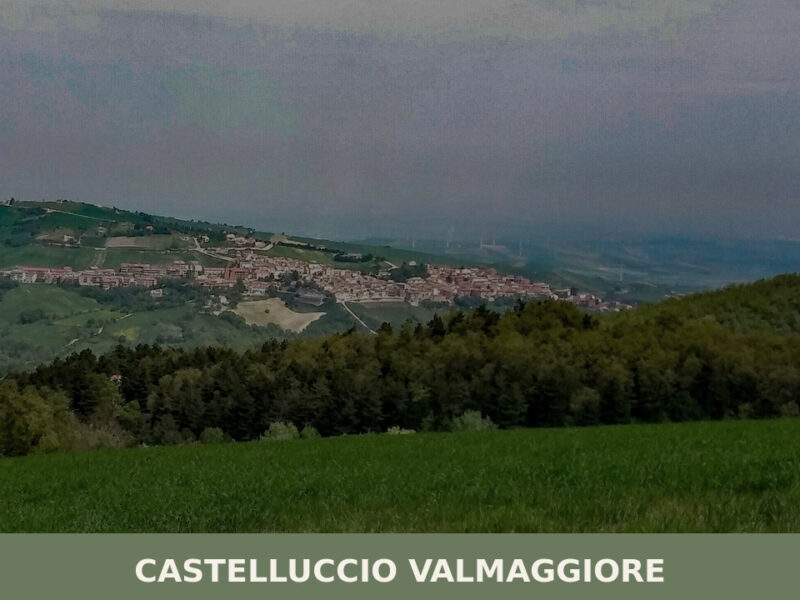
Castelluccio Valmaggiore
 Mountain
A hilltop village of 1,207 residents at 630 metres in the Daunian Sub-Apennines. Medieval lanes, long views over the Tavoliere plain, and mountain cuisine far from coastal Puglia.
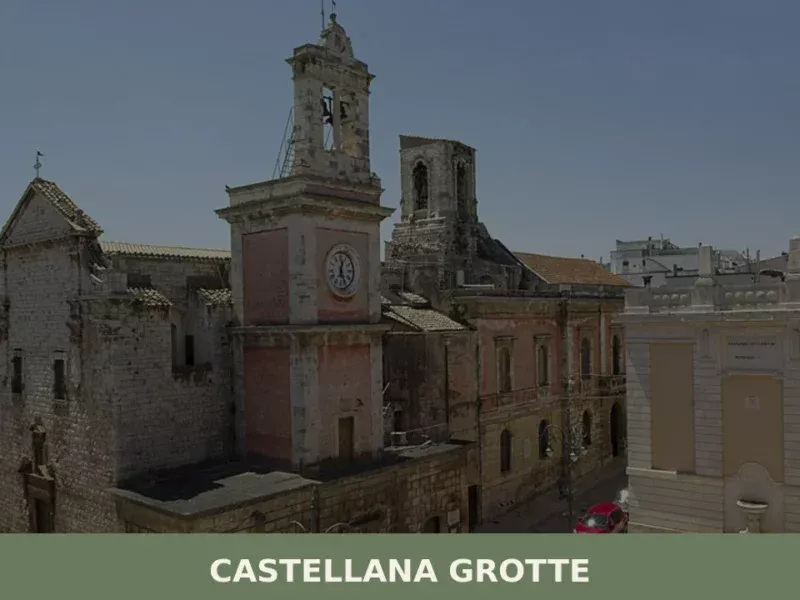
Castellana Grotte
Hills
In 1938, speleologist Franco Anelli descended for the first time into a karst chasm a few kilometres from the town centre, revealing to the world an underground system stretching over three kilometres — one of the most extensive in Europe. That discovery permanently transformed the identity of an agricultural municipality on the south-eastern Murgia, placing […]
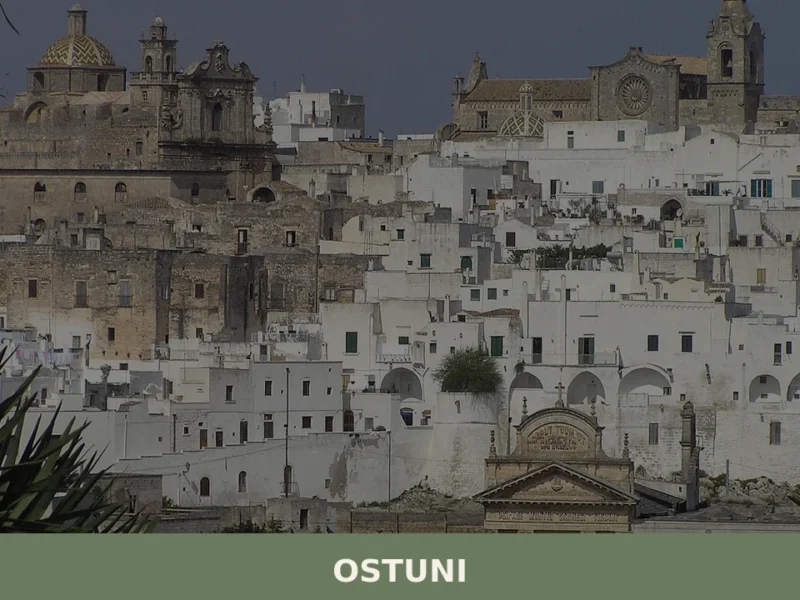
Ostuni
Sea
What to see in Ostuni, Italy: Discover the 'White Town' with its 30,143 residents and explore 5 key historical sights. Read our guide for top attractions and travel tips.
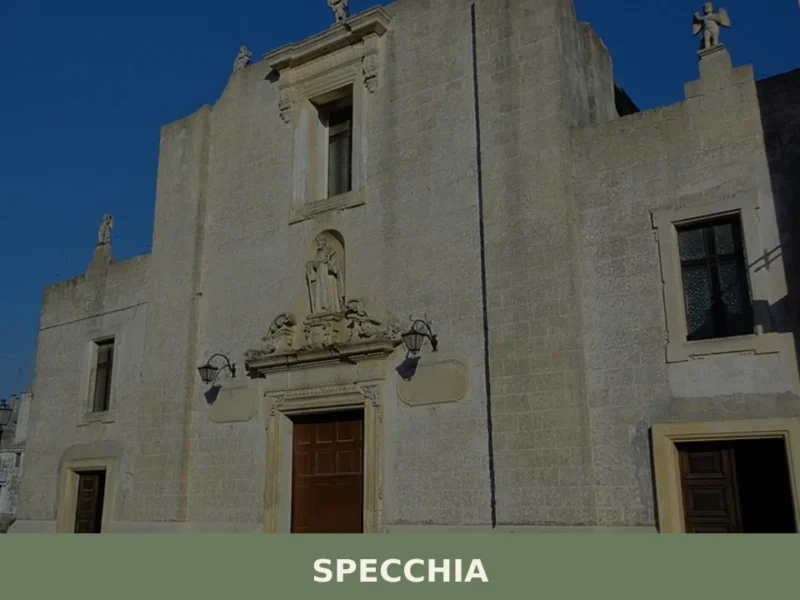
Specchia
Plains
What to see in Specchia: a medieval village at 131m in Salento with 4,569 residents. Explore Castello Risolo, the historic centre and PAT-certified local food. Plan your visit.
Putignano
Hills
What to see in Putignano: hilltop town at 372m in the Murgia Barese. Grotta del Trullo, 6-century-old Carnival, PAT cuisine. Plan your visit now.
🏡 Know Grottaglie better than we do?
If you’re a local or have been there, your knowledge matters: add what’s missing or fix a detail on this page.