


Camigliano
Morning light flattens across the plain north of Caserta, and Camigliano emerges low and unhurried — a grid of stone and plaster houses, church bells marking the quarter-hour to no one in particular. With fewer than two thousand residents, this is a settlement shaped more by agriculture than spectacle. Yet for those asking what to […]
Discover Camigliano
Morning light flattens across the plain north of Caserta, and Camigliano emerges low and unhurried — a grid of stone and plaster houses, church bells marking the quarter-hour to no one in particular. With fewer than two thousand residents, this is a settlement shaped more by agriculture than spectacle. Yet for those asking what to see in Camigliano, the answer lies in layers of quiet history pressed into every wall, every vineyard row, every roadside chapel that most travellers pass without stopping.
History of Camigliano
The name Camigliano likely derives from a Roman-era landholding — a praedium Camilianum, an estate belonging to a member of the gens Camilia or a figure named Camilius. This etymology, common across the Italian south, places the settlement’s origins in the Roman centuriation of the Terra di Lavoro, the fertile plain stretching north and east of modern-day Caserta. The Romans prized this land for its volcanic soils, and Camigliano sat within the agricultural matrix that fed Capua and, by extension, Rome itself.
During the medieval period, the village passed through the hands of successive feudal lords, its fate tied to the broader fortunes of the Principality of Capua and later the Kingdom of Naples. Small churches and chapels were erected between the eleventh and sixteenth centuries — functional rather than monumental, reflecting a community whose wealth was measured in harvests, not patronage. The Normans, Angevins, and Aragonese each left administrative imprints, though Camigliano never rose to particular strategic importance. It remained, as it remains, a working settlement.
By the eighteenth century, with the Bourbon construction of the Royal Palace of Caserta just kilometres to the south, the surrounding territory gained renewed attention. Camigliano’s agricultural output — grain, wine, fruit — fed the expanding provincial capital. The village entered the unified Italian state in 1861 with a population already shaped by centuries of agrarian rhythms, and that essential character has proved remarkably durable.
What to see in Camigliano: 5 must-visit attractions
1. Church of San Simeone Profeta
The parish church dedicated to the prophet Simeon anchors the village centre. Its sober facade, reworked across several centuries, opens onto a single nave interior where local devotional art and modest altarpieces record the tastes and means of a rural community. The bell tower, visible from the surrounding fields, serves as Camigliano’s most recognisable vertical landmark.
2. The historic centre
Camigliano’s old core is not picturesque in any curated sense — it is working architecture, houses built of tufo blocks and local stone, narrow lanes that follow property lines rather than aesthetic ideals. Doorways show carved lintels dating to the seventeenth and eighteenth centuries, and the proportions of the buildings speak to a community of smallholders, not aristocrats.
3. Rural chapels and wayside shrines
Scattered along field roads and at crossings, small votive chapels punctuate the landscape around Camigliano. These structures — some barely larger than a wardrobe, others with frescoed interiors worn to fragments — document a devotional geography that predates the modern road network. They reward slow, attentive walking.
4. The agricultural landscape of the Campanian Plain
The flat, intensely cultivated terrain surrounding Camigliano is itself a kind of open-air heritage site. Vineyards producing grapes for Campanian wines, orchards of peach and apple, and fields of vegetables stretch in every direction. The landscape has been continuously farmed for over two millennia, and the field patterns still echo Roman land division.
5. Palazzo baronale (feudal manor)
Like many villages in the Terra di Lavoro, Camigliano retains a baronial residence — modified, subdivided, partly absorbed into the residential fabric, yet still legible in its scale and stonework. It stands as a physical record of the feudal system that governed southern Italian rural life from the medieval period through the Bourbon era.
Local food and typical products
Camigliano sits within one of Campania’s most productive agricultural zones. The Campanian Plain yields exceptional mozzarella di bufala — the province of Caserta is at the heart of the DOP production area — and local tables reflect this proximity. Meals begin with fresh cheese, still warm, served alongside prosciutto and bread baked in wood-fired ovens. Pasta dishes lean toward hearty preparations: pasta e fagioli, handmade cavatelli with a slow-cooked ragù, or the regional classic pasta alla genovese, where onions melt into a dense, savoury sauce over hours.
The wines of the Caserta plain are unpretentious but honest — Asprinio, a sharp, high-acid white once trained up poplar trees in a viticultural method unique to this territory, is the most distinctive local variety. Seasonal produce drives the kitchen calendar: artichokes in spring, tomatoes and peppers through summer, chestnuts and pulses in autumn. Small trattorias in and around the village serve these ingredients with minimal intervention, prioritising freshness over presentation.
Best time to visit Camigliano
Spring — April through early June — brings the plain to its most vivid green, with mild temperatures and long daylight hours that favour walking and cycling. Autumn, particularly October, offers the harvest season and cooler, stable weather. Summers in the Campanian Plain are genuinely hot: temperatures regularly exceed 35°C, and the flat terrain offers little shade or breeze. Winter is mild by northern European standards but can be damp and overcast.
Local feast days, particularly those honouring the patron saint, bring processions, temporary food stalls, and a social atmosphere that reveals the village at its most animated. These events are rarely advertised to outsiders but are welcoming to anyone who turns up. Check with the Comune di Camigliano for current dates and local programmes.
How to get to Camigliano
Camigliano lies approximately 10 kilometres northwest of Caserta and is reached by provincial roads connecting to the SS7 (Via Appia) and the A1 motorway (Autostrada del Sole). The nearest motorway exit is Capua, roughly 8 kilometres away. Caserta’s train station, served by frequent Trenitalia and Italo services from Naples (30 minutes) and Rome (under 2 hours), is the most practical rail connection. From Caserta, local buses or a short drive reach Camigliano. Naples International Airport (Capodichino) is approximately 40 kilometres to the south, with motorway access making the drive feasible in under an hour outside peak traffic.
More villages to discover in Campania
The Terra di Lavoro — Caserta’s historic hinterland — is dense with small communities whose stories intertwine with Camigliano’s own. Just a few kilometres away, Vitulazio shares the same flat agricultural plain and a similarly layered history, its churches and rural architecture offering a parallel narrative of life on the Campanian lowlands. The two villages are close enough that a single morning’s drive encompasses both.
Further afield but still within easy reach, Pignataro Maggiore adds another dimension to the territory, with its own feudal traces and agrarian identity. Together, these settlements sketch a portrait of inland Campania that rarely appears in guidebooks — a landscape defined not by coastline or volcanoes, but by the steady, patient work of cultivation that has sustained this plain since antiquity.
Nearby Villages near Camigliano
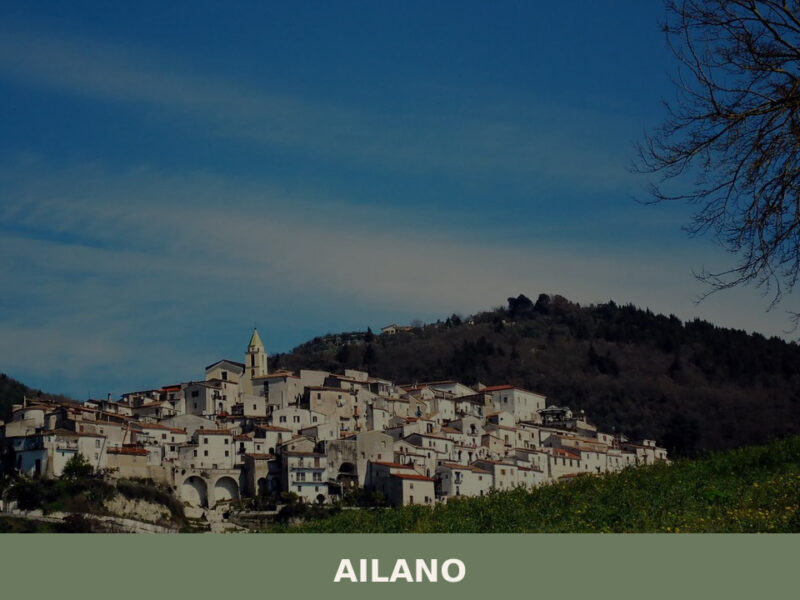
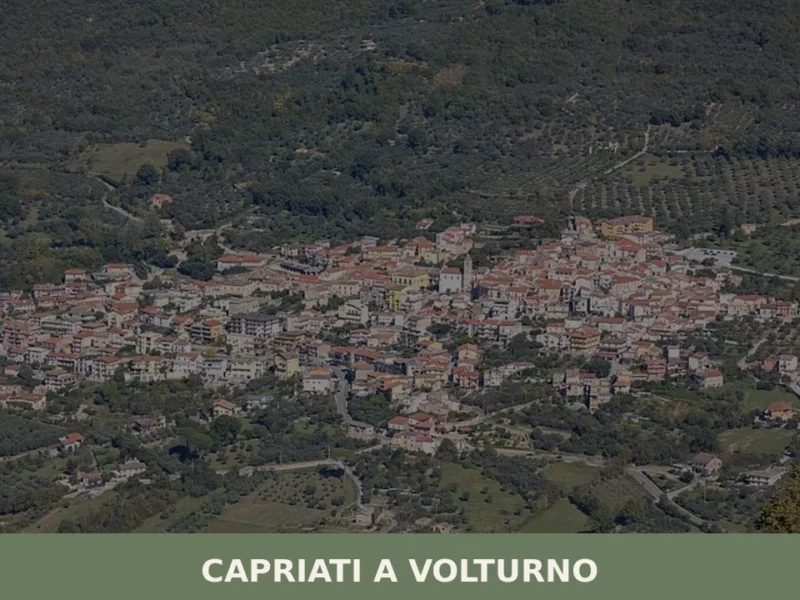
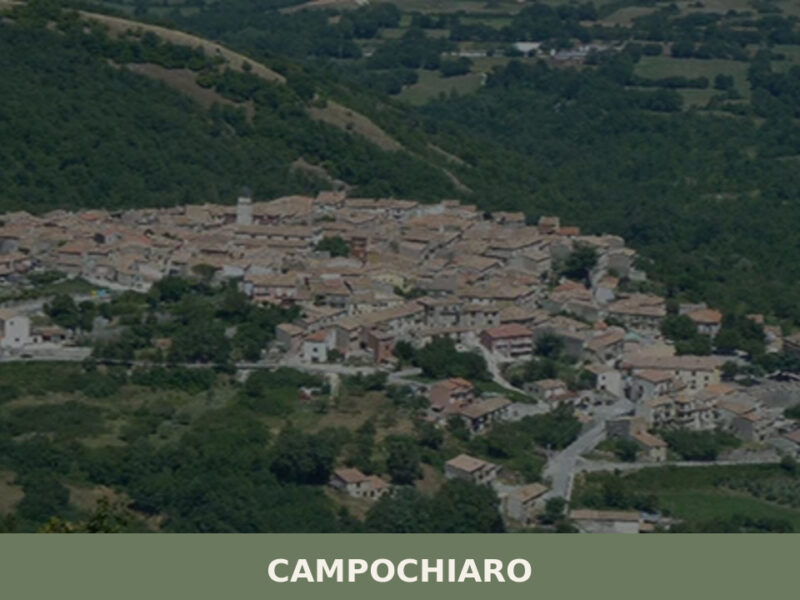
In Campania More villages to discover
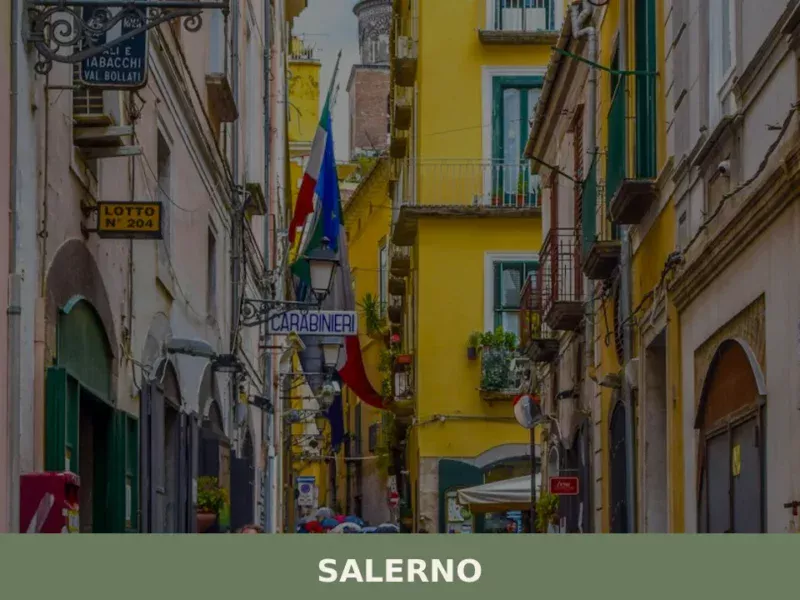
Salerno
Discover Salerno, Italy, a charming coastal city in Campania. Explore its rich history, stunning cathedral, vibrant old town, and beautiful Mediterranean views. Plan your visit!
Pratella
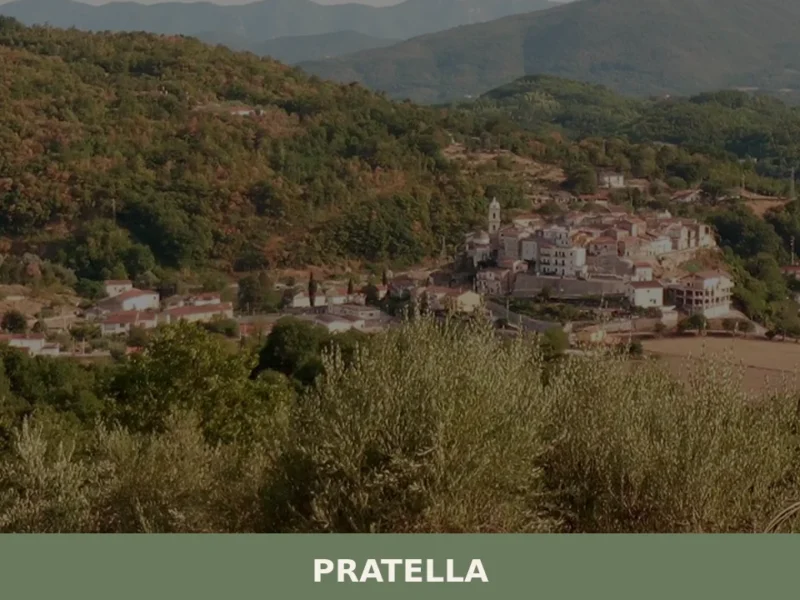
Pratella, a municipality of 1,613 inhabitants in the province of Caserta, extends over an area that reaches 152 meters above sea level. Its location, in the Volturno plain, defines a landscape dominated by cultivated fields and minor waterways, typical of plain villages. For those wondering about what to see in Pratella, the village offers an […]
Avellino
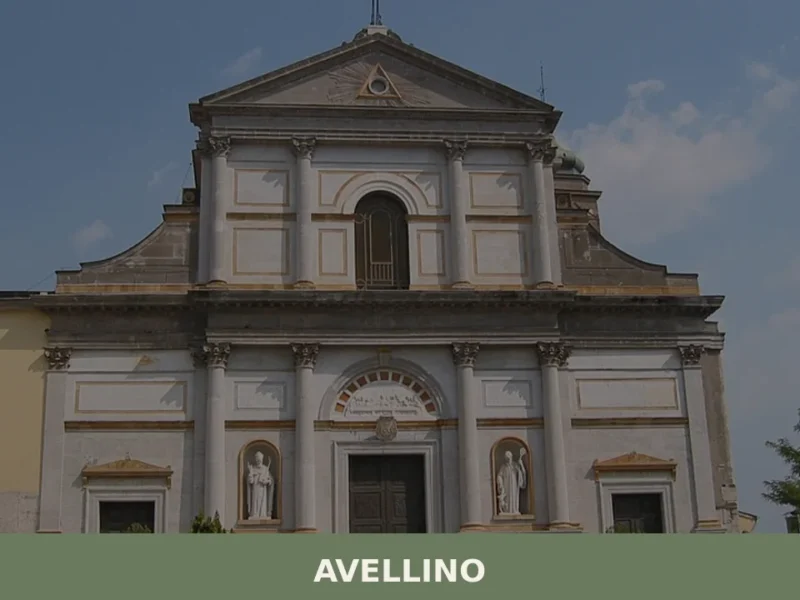
Uncover the charm of the village of Avellino in Campania, Italy. Explore its rich history, local traditions, and stunning landscapes. Plan your visit to this Italian gem!

📝 Incorrect information or updates?
Help us keep the Camigliano page accurate and up to date.