


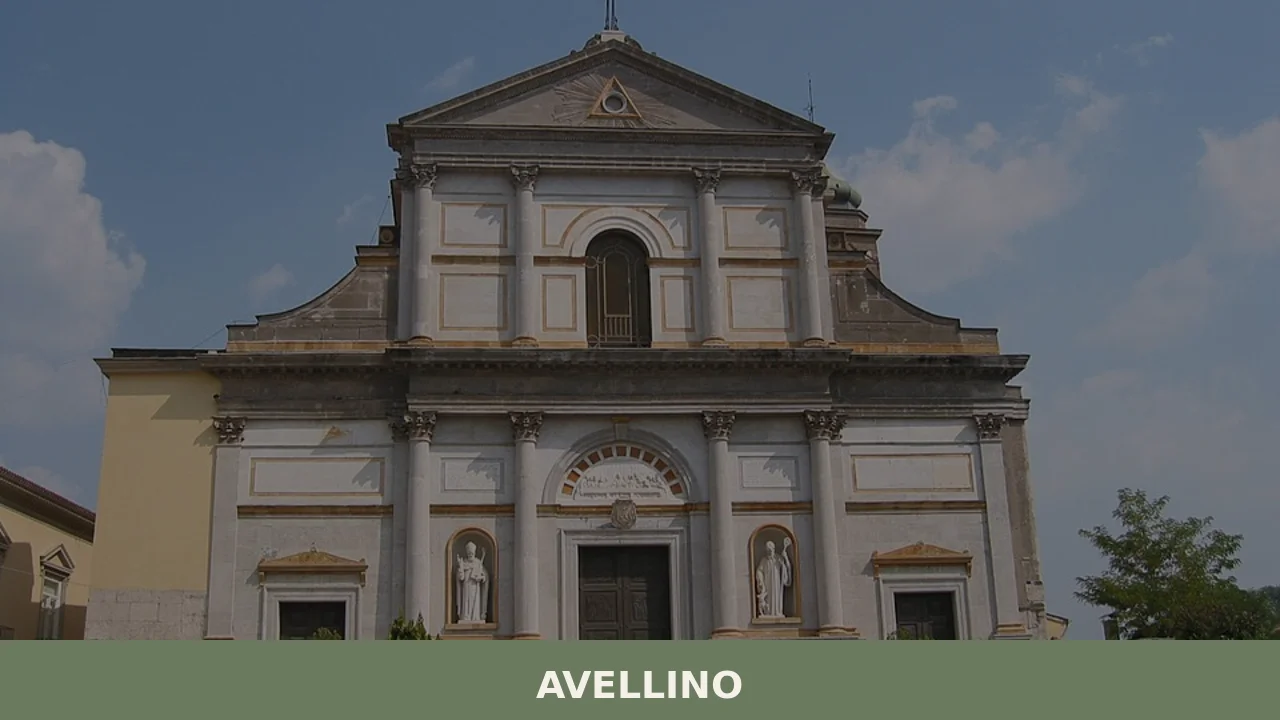
Avellino
 Hills
Hills
Uncover the charm of the village of Avellino in Campania, Italy. Explore its rich history, local traditions, and stunning landscapes. Plan your visit to this Italian gem!
Discover Avellino
The Avellino hazelnut made this city famous across Europe long before tourism became an industry.
The provincial capital of its namesake province, sitting at 348 metres above sea level between the Picentini mountains and Monte Partenio, Avellino has a population of 54,706 and ranks among the most complex urban centres in inland Campania.
Those who set out to explore what to see in Avellino will find a city with clearly visible layers of history: Roman traces, Baroque buildings, national museums and a certified food tradition that extends well beyond the hazelnut, with ministerially recognised products including ‘Ndunderi and Aceto di Fico Bianco.
History and Origins of Avellino
The origins of Avellino are bound up with those of the ancient Oscan city of Abellinum, conquered by the Romans in the third century BC.
The Latin name most likely derives from the term abella, which in ancient sources referred to the apple or fruit in a general sense, though some interpretations link the place name to nux avellana — the hazelnut — a product that has shaped the territory’s economic history to this day.
The Oscan settlement actually stood about four kilometres from the current town centre, in the area now known as Civita, near Atripalda: archaeologists and historians have identified the remains of the original site there, including traces of walls, necropolises and residential structures dating back to the Iron Age.
Following Roman conquest, Abellinum became a municipium and enjoyed reasonable prosperity thanks to its position along the routes connecting Capua with the inland areas of Campania.
After the fall of the Western Roman Empire in 476 AD, the city went through a prolonged period of instability. The Lombards incorporated it into the Duchy of Benevento, and it was during that era that the inhabited centre gradually shifted to its current hillside position.
In the ninth and tenth centuries Avellino suffered repeated Saracen raids that slowed its development, but the city held on and reinforced its role as a point of reference for the Campanian hinterland. Those with an interest in medieval history will find this continuity of settlement particularly compelling — comparable to what can be observed in other hilltop centres of the region such as Gallo Matese, which likewise bears a long succession of overlapping dominations and cultural influences.
In the Norman period and later under Swabian rule, Avellino was granted as a fief to powerful noble families.
The Caracciolo held lordship over it for centuries, leaving architectural and urban traces still visible in the city’s fabric today.
Under Spanish viceregal rule in the sixteenth and seventeenth centuries, the city underwent a phase of building renewal that produced many of the churches and palaces still standing. The 1980 earthquake struck the Irpinia area hard, but Avellino — unlike many of the smaller centres in the province — managed to preserve much of its historic heritage, which now forms the backbone of its cultural itinerary.
What to See in Avellino: Main Attractions
Cathedral of Sant’Assunta
The Cathedral of Sant’Assunta stands at the centre of the historic district and is the city’s principal religious monument.
The current building is the result of successive interventions between the twelfth and eighteenth centuries, with Baroque-style renovations that reshaped both the façade and the interior. Inside, the cathedral preserves works of considerable artistic interest, including frescoes and sacred furnishings dating from the viceregal period.
The bell tower, built at a different time from the nave, visually dominates the square in front of it.
The entrance portal is worth a close look, as it retains medieval decorative elements that survived later modifications.
Palazzo della Dogana
The Palazzo della Dogana, built in the eighteenth century, is one of the most accomplished examples of Baroque civic architecture in Avellino. Originally the city’s customs house, the building has an articulated façade featuring a colonnaded portico that leads into a spacious entrance hall. Today it serves public and cultural functions. Its construction was commissioned by the Caracciolo family, the noble dynasty that governed the city for a long period, and reflects their ambition to equip Avellino with representative architecture befitting the capitals of the Viceroyalty.
Anyone exploring what to see in Avellino should not overlook this building — it stands in a central location and is easy to reach on foot from many other points of interest.
Museo Irpino
The Museo Irpino, housed in the Palazzo della Cultura, brings together the most significant collections for understanding the history of the Irpinia territory from prehistory to the modern age.
The archaeological sections hold materials from excavations at Abellinum and other provincial sites, including ceramics, bronzes, coins and inscriptions.
One section is dedicated to the Risorgimento and the contemporary history of Irpinia, with period documents and artefacts. The picture gallery holds paintings from the Neapolitan school dating from the sixteenth to the nineteenth century. The museum is an essential reference point for anyone wishing to put the city’s architectural landmarks in their broader historical context.
Medieval Castle and Clock Tower
Partial structures of Avellino’s medieval castle survive to document the city’s defensive importance during the Middle Ages. The building was modified several times across the centuries of Norman, Swabian and Angevin rule. The Clock Tower, an iconic feature of the urban centre, forms part of that original defensive system and today marks the city’s main square visually.
The tower was altered in the modern era but retains its medieval load-bearing structure.
Taken together, the castle and the tower give a clear sense of how Avellino looked during the centuries when it was establishing itself as a regional centre of power.
Sanctuary of Montevergine
A few kilometres from Avellino, on Monte Partenio at around 1,270 metres above sea level, stands the Sanctuary of Montevergine, founded by Saint William of Vercelli in 1119.
The abbey complex, which includes a modern basilica and an ancient medieval church, draws pilgrims throughout the year. The abbey preserves one of the most venerated Marian icons in southern Italy, the Mamma Schiavona, and houses a museum containing votive objects, sacred vestments and manuscripts. The sanctuary can be reached either by road or by the cable car departing from Mercogliano.
A visit to the sanctuary rounds out the itinerary of what to see in Avellino and its surroundings in a meaningful way.
Traditional Food and Products of Avellino
Irpinian cuisine developed from the peasant traditions of the southern Apennines, drawing heavily on forest produce, kitchen garden vegetables and domestic livestock.
The province’s geographic isolation helped preserve very old preparation techniques, passed down within rural communities across generations. Avellino, as the provincial capital, has acted as a meeting point between the different micro-territories of the province, drawing together influences from the Alta Irpinia, the Valle dell’Ufita and the slopes of the Picentini mountains.
Proximity to Naples brought, over the centuries, a series of cross-influences from Neapolitan cooking, filtered through locally available ingredients.
Among the most representative dishes of the local tradition are lagane e ceci — a wide semolina pasta paired with chickpeas, a combination with very ancient roots in Irpinia — and rabbit prepared in the Ischitan style, reinterpreted here with mountain herbs.
Minestra maritata is a winter dish based on wild greens and pork cuts, common across Campania but made in Avellino with herbaceous varieties typical of the area.
Neapolitan-style salt cod appears on Irpinian tables mainly during religious holidays, a sign of the cultural exchange with the coastal Campanian tradition. The hazelnut, grown on the foothill areas of the province, goes into numerous local sweets, from mostaccioli to artisan nougat.
The territory of Avellino and its province is home to several products holding ministerial PAT certification (Traditional Agri-food Products).
These include: ‘Ndunderi (PAT) — municipalities: Minori, Amalfi, Ravello, Maiori; ‘Nfrennula (PAT) — municipalities: Avellino, Benevento, Salerno; Salt-cured anchovies (PAT) — municipalities: Cetara, Vietri sul Mare, Salerno; Aceto di Fico Bianco (PAT) — municipalities: Avellino, Ariano Irpino, Nusco; Acqua di pomodoro (PAT) — municipalities: Naples, Salerno, Avellino; Aglio dell’Ufita (PAT) — municipalities: Ariano Irpino, Grottaminarda, Melito Irpino, Frigento.
These products represent an officially recognised gastronomic heritage, available at local markets and from producers across the territory.
The tradition of ‘Nfrennula, a dry sweet made from figs and spices, reflects the historical use of fruit grown on the Irpinian hills as a food reserve during the colder months.
Autumn, between September and November, is when Avellino’s markets come alive with porcini mushrooms, chestnuts and fresh hazelnuts.
During this period, local food festivals also take place in villages across the province dedicated to these very products.
Summer visitors, on the other hand, will find in the city’s specialist food shops tomato preserves, pickles and oil-cured products prepared using traditional methods.
For direct purchases from producers, the city’s weekly markets and the seasonal fairs of nearby municipalities remain the most direct way to connect with the local supply chain. Something similar can be found at Vitulazio, where local agricultural production supports a very active direct-sales network during the summer months.
Festivals, Events and Traditions of Avellino
Avellino celebrates its patron saints — Modestino, Fiorentino and Flaviano — on 14 February, a date that coincides in the civil calendar with Valentine’s Day but which retains its original religious significance in the city. The patron saints’ feast involves a solemn procession through the streets of the historic centre carrying the relics of the three martyrs, accompanied by liturgical rites at the Cathedral of Sant’Assunta.
Tradition holds that on this day the entire city community gathers around the churches and squares of the historic centre.
The cult of these three saints is documented from the early Middle Ages and represents one of the most deeply rooted elements of Avellino’s religious life.
Beyond the patron saints’ feast, the city’s calendar includes events tied to the agricultural cycle and the Campanian religious tradition.
The Festa di Montevergine, celebrated on several dates throughout the year and with particular intensity on Candlemas (2 February), draws tens of thousands of pilgrims from across Campania and southern Italy. The nocturnal pilgrimage, known as that of the femminielli, is a syncretic ritual of considerable anthropological interest, documented by Italian and international scholars and researchers.
In summer, the city hosts cultural festivals, concerts and film screenings that bring its squares and open spaces to life.
The autumn season is traditionally devoted to agricultural product fairs, with events involving both the provincial capital and the surrounding municipalities.
When to Visit Avellino and How to Get There
The best time to visit Avellino runs from late spring through to autumn, with two particularly suitable windows: May to June, when the climate is mild and the Irpinian countryside is at its greenest, and September to October, the season of the grape harvest and forest foraging. Those looking for what to see in Avellino without the tourist crowds will find spring the ideal time: temperatures are comfortable, cultural events begin to fill the calendar, and accommodation prices are generally lower than in summer. Winter brings the patron saints’ feast on 14 February, which offers a different but highly involving experience for anyone interested in local religious traditions.
If you are travelling by car, the A16 Naples–Canosa motorway, also known as the “Autostrada dei due Mari”, connects to Avellino via the eponymous junction, located about 3 kilometres from the city centre. The journey from Naples takes around 40 minutes; from Bari, approximately two and a half hours.
The rail alternative uses Avellino station, served by regional lines with connections to Naples Centrale.
For those arriving by air, the closest airport is Naples Capodichino International Airport, about 55 kilometres from Avellino: from there you can continue by car or regional public transport.
The official website of the Municipality of Avellino provides up-to-date information on transport, events and tourist services. Those planning an extended visit to the province might consider adding Fontegreca to their itinerary — a Campanian village that shares with the Irpinian area a strong connection to the natural landscape and rural history of the Apennines.
Where to Stay in Avellino
Avellino offers a range of accommodation options, from hotels in the historic centre to agriturismi spread across the province’s hillside areas.
The choice between a city hotel and a rural property depends on the type of visit: those planning to explore the city on foot will prefer a central location, while those who want to spend time in the Irpinian countryside will find the surrounding agriturismi a convenient base from which to reach both the provincial capital and the smaller municipalities.
Bed and breakfasts in the historic centre are concentrated near the main attractions, with options to suit different budgets.
For those travelling in groups or as a family, a number of non-hotel properties in the area offer apartments and holiday homes with independent kitchens.
Those wishing to extend their itinerary to other villages in Campania might consider Roccaromana, a Campanian hilltop centre that offers a different but complementary landscape to Avellino, useful for those looking to build a broader route through the hills of the southern Apennines.
Frequently asked questions about Avellino
What is the best time to visit Avellino?
Autumn (September–November) is the finest season, when markets overflow with fresh hazelnuts, porcini mushrooms and chestnuts, and food festivals animate villages across the province. Spring brings mild temperatures ideal for exploring the historic centre on foot. The feast of patron saints Modestino, Fiorentino and Flaviano falls on 14 February, offering a winter reason to visit with religious processions and civic celebrations. Summer is good for accessing the Sanctuary of Montevergine and surrounding mountain trails, though the city itself can be warm at midday.
What are the historical origins of Avellino?
Avellino descends from the ancient Oscan city of Abellinum, conquered by Rome in the third century BC and later a Roman municipium. The original settlement stood near modern Atripalda, where archaeologists have identified walls, necropolises and Iron Age remains. After Rome's fall, the Lombards shifted the inhabited centre to its current hillside position. Centuries of Norman, Swabian, Angevin and finally Spanish viceregal rule followed, each leaving architectural traces still visible today. The powerful Caracciolo family held lordship for centuries, commissioning buildings that define the Baroque urban fabric.
What to see in Avellino? Main monuments and landmarks
The Cathedral of Sant'Assunta anchors the historic centre with its Baroque façade and medieval portal. Nearby, the Palazzo della Dogana showcases eighteenth-century civic Baroque with a colonnaded portico commissioned by the Caracciolo family. The Clock Tower, part of the original medieval castle system, visually defines the main square. The Museo Irpino in the Palazzo della Cultura holds archaeological finds from Abellinum alongside Neapolitan-school paintings. A few kilometres away, the Sanctuary of Montevergine on Monte Partenio (reachable by road or cable car from Mercogliano) completes any itinerary of the area.
What are the main natural or scenic attractions near Avellino?
Monte Partenio, rising above the city, hosts the Sanctuary of Montevergine at approximately 1,270 metres and offers mountain walking routes accessible from Mercogliano. The surrounding Picentini mountains form the western boundary of the Irpinia territory and provide documented hiking terrain. The hillside setting of Avellino itself, at 348 metres, gives views across the inland Campanian landscape. In autumn, the chestnut and hazelnut groves on the foothill slopes add a scenic and sensory dimension to any outdoor visit.
Where to take the best photos in Avellino?
The square in front of the Cathedral of Sant'Assunta, framed by the bell tower, is the most photogenic point in the historic centre. The colonnaded portico of the Palazzo della Dogana offers strong architectural compositions. The Clock Tower against the main square provides a classic urban shot. For landscape photography, the road ascending to the Sanctuary of Montevergine reveals wide views over the Irpinian hills and valley floors, particularly striking in autumn when the foliage of chestnut and hazelnut groves turns.
Are there museums or historic buildings to visit in Avellino?
The Museo Irpino, housed in the Palazzo della Cultura, is the province's principal museum, with sections covering prehistory, Roman Abellinum, the Risorgimento and a picture gallery of Neapolitan-school paintings from the sixteenth to nineteenth century. The Cathedral of Sant'Assunta preserves Baroque frescoes and sacred furnishings from the viceregal period. The Palazzo della Dogana functions as a public cultural venue. The Sanctuary of Montevergine maintains its own museum of votive objects, sacred vestments and manuscripts. Visitors should verify current opening hours directly with each institution before travelling.
What can you do in Avellino? Activities and experiences
Avellino rewards a half-day walking tour of its Baroque historic centre, combining the cathedral, Palazzo della Dogana and Museo Irpino. Food and wine experiences are a strong draw: autumn markets bring fresh hazelnuts, chestnuts and porcini directly from provincial producers, while specialist shops stock Aceto di Fico Bianco, 'Nfrennula and local cured products year-round. The cable car from Mercogliano to the Sanctuary of Montevergine adds a scenic excursion. The February feast of the patron saints offers an authentic local religious and civic event.
Who is Avellino suitable for? Families, couples, hikers, solo travellers?
Avellino suits culturally curious travellers of all kinds. Couples and solo visitors interested in history and Baroque architecture will find a coherent and walkable historic centre. Food lovers have strong reasons to visit in autumn for the hazelnut and mushroom season. Families benefit from the Museo Irpino and the accessible excursion to Montevergine by cable car. Hikers and nature enthusiasts can extend the trip onto Monte Partenio and the Picentini. The city works best as a base for exploring the wider Irpinia province rather than as a purely beach-oriented destination.
What to eat in Avellino? Local products and specialties
Avellino's table is rooted in Apennine peasant cooking. Signature dishes include lagane e ceci (wide semolina pasta with chickpeas), minestra maritata (pork and wild greens), and mostaccioli and artisan nougat made with locally grown hazelnuts. Ministerially certified PAT products tied to the territory include Aceto di Fico Bianco (a white fig vinegar), 'Nfrennula (a dried fig and spice sweet) and Acqua di pomodoro. The Aglio dell'Ufita garlic from the provincial area is also PAT-listed. Autumn markets are the best opportunity to buy seasonal products directly from local producers.
Nearby Villages near Avellino
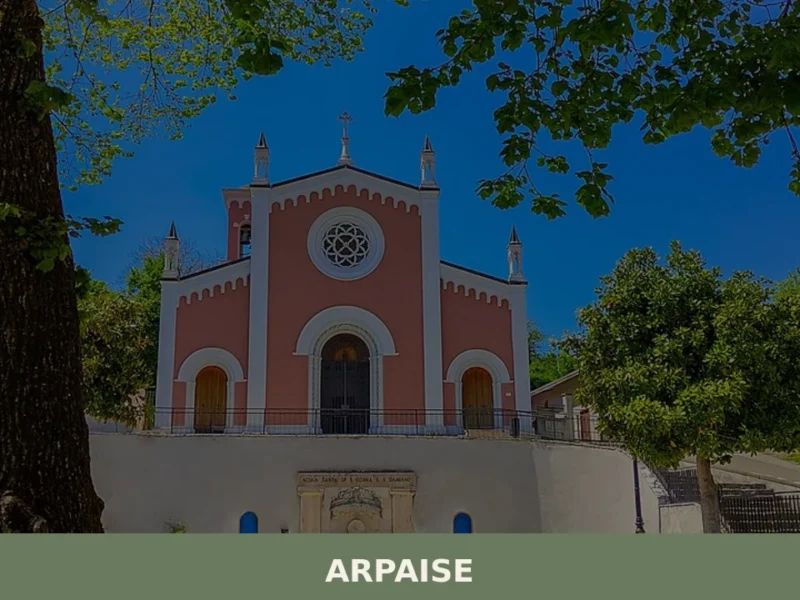
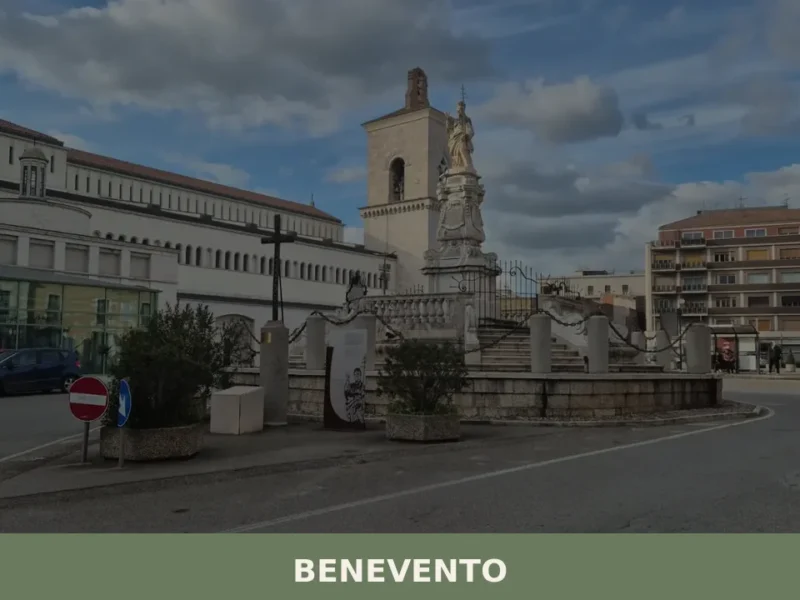
In Campania More villages to discover
Ailano
Hills
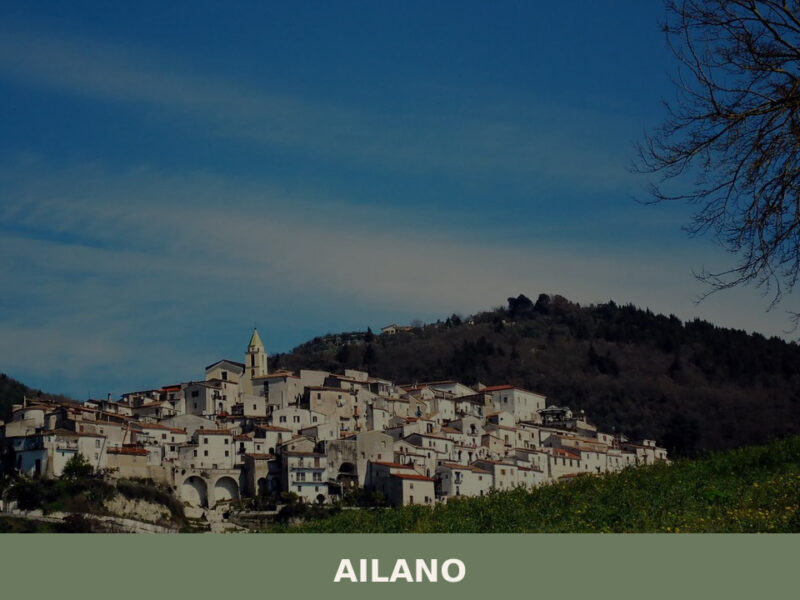
A complete guide to what to see in Ailano, a village of 1,198 inhabitants in the Caserta province of Campania, with its medieval centre, parish churches, and Volturno valley views.

Altavilla Irpina
 Mountain
Discover Altavilla Irpina, a hilltop village in Avellino province with medieval churches, ancient stone architecture, and authentic Irpinian food traditions.

Torre Annunziata
 Sea
Sea
Nearly 40,000 residents live above the UNESCO-listed ruins of ancient Oplontis. Torre Annunziata offers archaeology, industrial heritage and a black-sand shoreline on the Gulf of Naples.
Acerra
 Plains
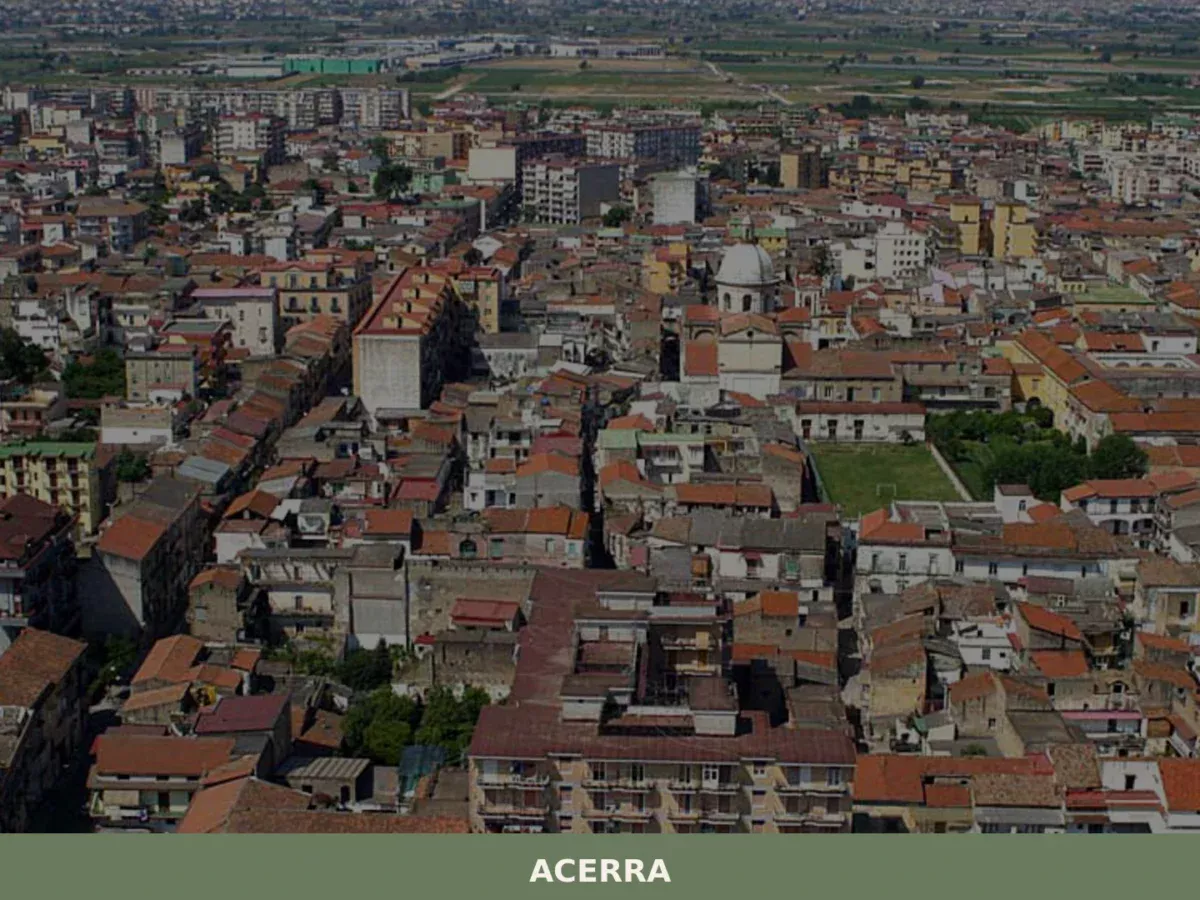
Discover what to see in Acerra, Campania: Roman history, medieval castle, cathedral, local food and practical travel tips for this Naples metropolitan town.
Pontelatone
Plains
what to see in pontelatone, Italy? Explore this Caserta village at 120 meters altitude. Discover the ancient city of Trebula and local traditions. Read more.
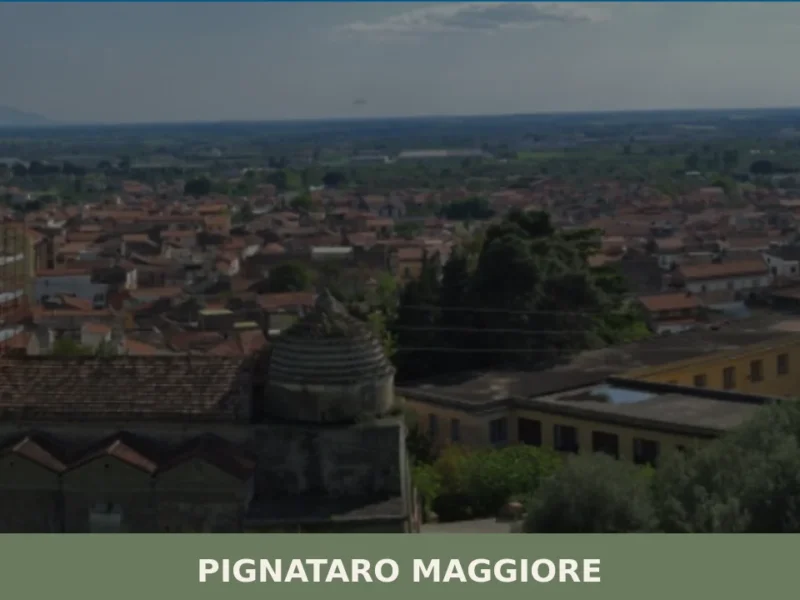
Pignataro Maggiore
Plains
What to see in Pignataro Maggiore: 5,733 residents, 93m above sea level in Caserta province. Visit San Giorgio Church, historic centre, 'Ndunderi PAT gnocchi. Plan your trip now.
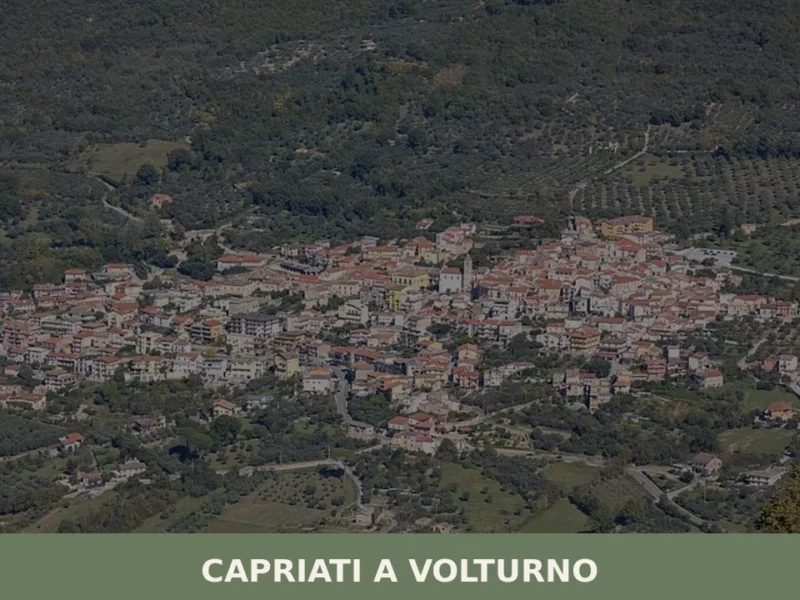
Capriati a Volturno
Hills
At 290 metres above sea level, along the right bank of the Volturno, Capriati has a current population of 1,440 residents spread between the historic centre and the hamlets scattered across the valley. The river, which here sweeps through a wide bend before continuing towards the Campanian plain, has shaped the town’s economy and layout […]
Camigliano
Plains
Morning light flattens across the plain north of Caserta, and Camigliano emerges low and unhurried — a grid of stone and plaster houses, church bells marking the quarter-hour to no one in particular. With fewer than two thousand residents, this is a settlement shaped more by agriculture than spectacle. Yet for those asking what to […]
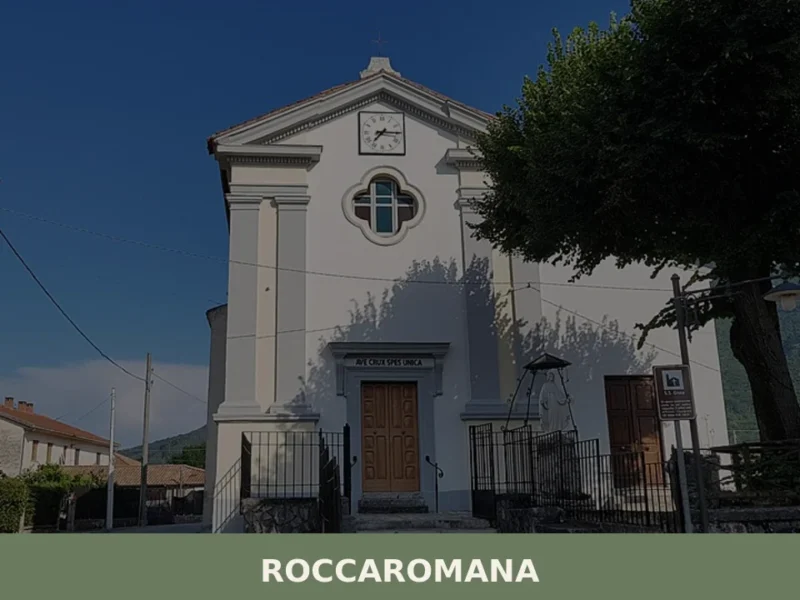
Roccaromana
Plains
What to see in Roccaromana, Italy: Explore its 180m altitude, discover historic churches and enjoy San Cataldo feast. Learn more about visiting this quaint village.
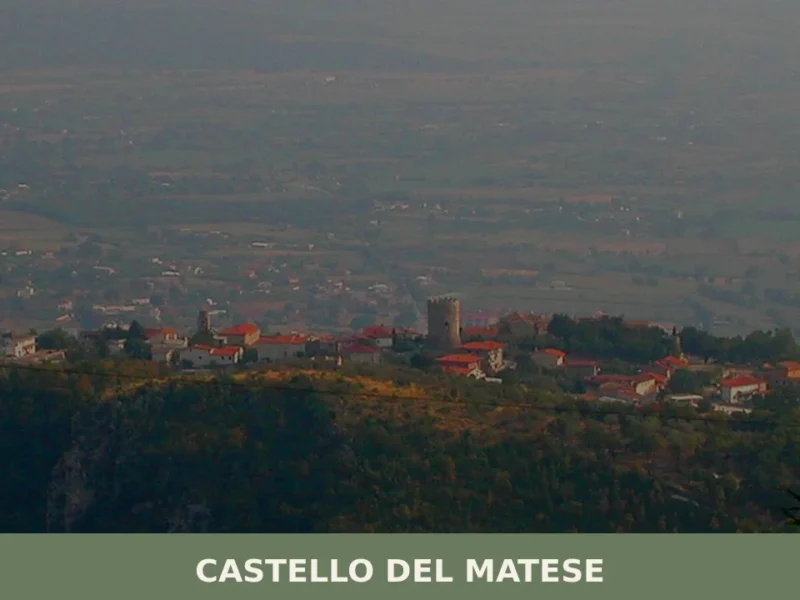
Castello del Matese
Hills
Visit Castello del Matese to explore its medieval historic center and local traditions. Plan your Campania trip, discover things to do in the village.


🏡 Know Avellino better than we do?
If you’re a local or have been there, your knowledge matters: add what’s missing or fix a detail on this page.