


Corvara
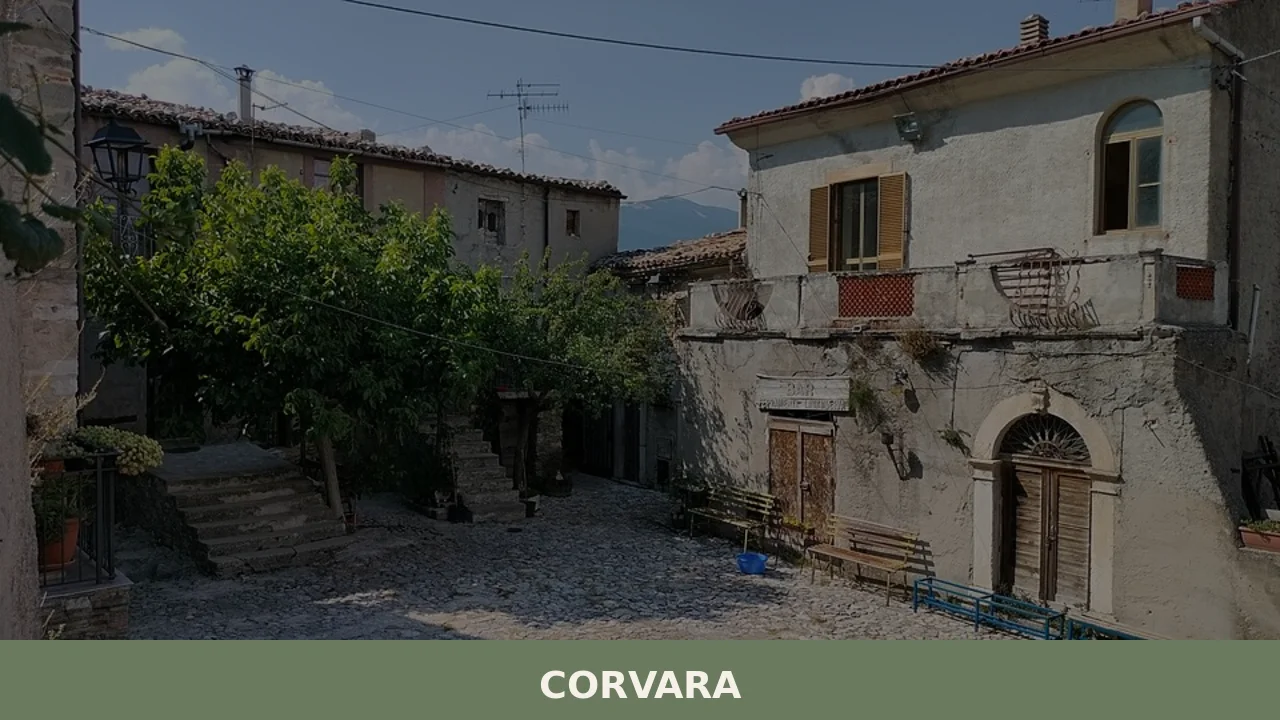
Corvara, a municipality of 210 inhabitants in the province of Pescara, is located 625 meters above sea level in the Pescara valley. Its territory, documented as early as the medieval period, shows traces of settlements dating back to the Neolithic, highlighting a continuous habitation linked to its strategic position. For those wondering what to see […]
Discover Corvara
Corvara, a municipality of 210 inhabitants in the province of Pescara, is located 625 meters above sea level in the Pescara valley. Its territory, documented as early as the medieval period, shows traces of settlements dating back to the Neolithic, highlighting a continuous habitation linked to its strategic position. For those wondering what to see in corvara, the village offers a concentration of elements that define its identity, from the remains of ancient fortifications to the religious architecture that marks the rhythm of community life. Its position, at the foot of Gran Sasso and Maiella, makes it a prime observation point over the surrounding landscape.
History and Origins of Corvara
The origin of the name Corvara is often associated with the Latin term “corvus”, raven, suggesting a significant presence of these birds or a reference to territorial characteristics. The first documented records date back to the 12th century, when the village was part of the possessions of the Abbey of San Clemente a Casauria, an important Benedictine monastic institution. This ecclesiastical dependence influenced the development of the inhabited center and its feudal organization. During the Middle Ages, Corvara’s elevated position made it a defensive outpost, with an urban structure that reflected protection needs.
Over the centuries, Corvara maintained an agricultural and pastoral vocation, utilizing the resources of the mountain and the valley. The historical events of the village were often linked to those of the larger centers in the province of Pescara, undergoing various influences and dominations, from the Normans to the Angevins, up to the Aragonese. The Maiella earthquake of 1706 caused significant damage to the urban fabric, leading to reconstructions that partly altered its original appearance, while preserving the medieval layout in some of its parts. To delve deeper into the history of the municipality, you can consult the dedicated page on Wikipedia Italy.
What to see in Corvara: 5 Essential Attractions
1. The Church of Madonna delle Grazie
Dedicated to the village’s patron saint, the Church of Madonna delle Grazie is Corvara’s main place of worship. Its structure, the result of successive modifications and restorations, features architectural elements ranging from late Baroque to Neoclassical. Inside, one can observe wooden altars and votive paintings, some dating back to the 18th century, which bear witness to the community’s devotion.
2. The Remains of the Castle and Fortifications
Located in the highest part of the inhabited center, the remains of the medieval castle and city walls offer insight into Corvara’s defensive function. Although much of the structures have been lost or incorporated into subsequent buildings, some sections of masonry and foundations are still identifiable, outlining the village’s ancient fortified area.
3. The Historic Center
Corvara’s oldest core develops with a network of narrow streets and stone houses, many of which retain traditional building elements. A walk through these streets allows one to observe the spontaneous architecture of the place, with sculpted stone portals and small openings that overlook unexpected views, offering a glimpse into daily life of the past.
4. The Belvedere over Gran Sasso and Maiella
Thanks to its altitude of 625 meters, Corvara benefits from natural panoramic viewpoints that open onto the surrounding valleys and the imposing peaks of Gran Sasso and Maiella. From various positions in the village, it is possible to observe a vast horizon encompassing the main Abruzzese mountain ranges, a distinctive element of the landscape.
5. Nature Trails Nearby
The mountainous territory surrounding Corvara is crossed by various trails that delve into the typical vegetation of the Apennines. These routes, suitable for excursions of varying difficulty, allow exploration of local flora and fauna, offering opportunities for trekking and nature observation. Further information on the territory is available on the official website of the municipality.
Typical Cuisine and Local Products
Corvara’s cuisine, like that of much of inland Abruzzo, is rooted in peasant and pastoral tradition, based on the use of simple and genuine ingredients. Among the main dishes are maccheroni alla chitarra, often seasoned with castrato sauce or mixed meat ragù. Arrosticini, grilled skewers of sheep meat, are a symbol of regional gastronomy, widely popular and appreciated in Corvara as well. Other dishes include grilled lamb and sagne a pezze, a homemade pasta traditionally served with legumes or hearty sauces.
The territory offers quality local products. Pecorino d’Abruzzo, a hard or semi-hard cheese made from sheep’s milk, is often present on tables. Extra virgin olive oil, from the surrounding hills, is a fundamental condiment. Also available are cured meats like ventricina and liver sausage. Lentils and chickpeas, cultivated in small productions, contribute to the variety of local legumes. For those wishing to explore Abruzzo’s culinary richness, the Italian Touring Club offers an overview of the region’s food and wine traditions on touringclub.it.
When to Visit Corvara: The Best Period
The best period to visit Corvara depends on the traveler’s interests. Summer, particularly the months of July and August, offers mild temperatures and long days, ideal for mountain excursions and enjoying the village’s tranquility. The patron saint’s festival in honor of Madonna delle Grazie, held on July 1st and 2nd, represents a significant moment for the community, with religious celebrations and local events that enliven the town.
Spring and autumn are evocative seasons for those seeking a more contemplative experience. In spring, nature awakens with blooms and vibrant colors, while autumn offers a landscape dominated by the warm tones of foliage, with cool but pleasant temperatures for walks and outdoor activities. Winter, with the possible presence of snow, transforms Corvara into a place of sober and silent appeal, suitable for those seeking quietness and winter atmospheres.
How to Get to Corvara
Corvara is mainly accessible by car. From the A25 (Autostrada dei Parchi Rome-Pescara), you can exit at the Torre de’ Passeri or Alanno-Scafa tollbooths, then continue on provincial roads towards the village. The distance from Pescara is about 50 km, from L’Aquila about 70 km, and from Chieti about 45 km.
The nearest train station is Torre de’ Passeri, on the Rome-Pescara line, from which it is necessary to continue by public transport or taxi. The nearest airport is Abruzzo Airport (PSR) in Pescara, located about 45 km away.
Other Villages to Discover in Abruzzo
Abruzzo, with its wealth of historic villages, offers multiple opportunities for those wishing to explore the region’s cultural and landscape heritage. A short distance from Corvara, other centers can be found that preserve their identity and traditions. Among these, Goriano Sicoli, in the L’Aquila area, represents an example of a medieval village that stands on a hill, with a history linked to transhumance and pastoralism, offering an immersion in a genuine mountain setting.
Moving towards the coast, but still in the Abruzzese hinterland, is Archi, in the province of Chieti. This village, with its castle and churches, tells a story of lordships and feudal lords, maintaining an urban layout that invites the discovery of historical corners and details. Both villages, despite their specificities, share with Corvara the ability to offer a travel experience away from the more frequented routes, allowing direct contact with the territory and its peculiarities.
In Abruzzo More villages to discover
Celenza sul Trigno
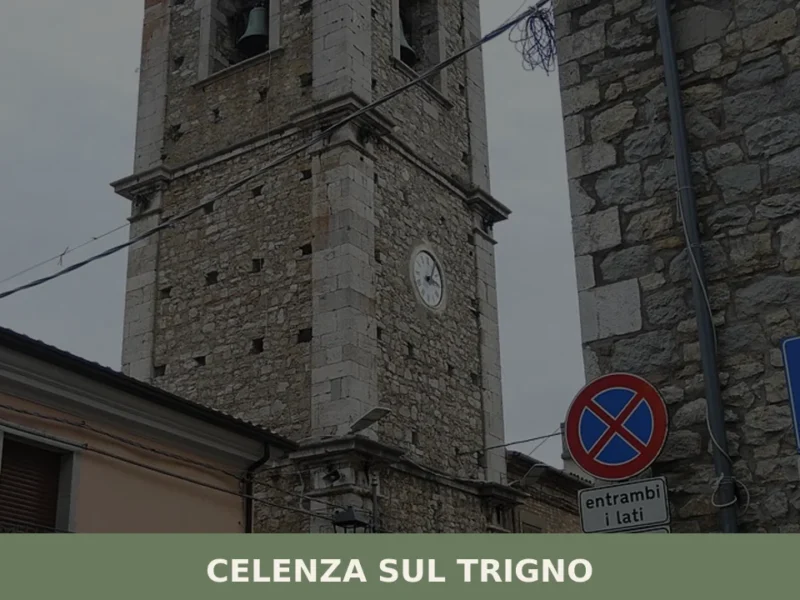
At 646 metres above sea level, with 781 registered residents, Celenza sul Trigno occupies a ridge separating the Trigno river valley from the Treste stream, in the province of Chieti. The village appears in medieval documents as a Norman possession, and its urban layout preserves the concentric plan typical of 12th-century fortified settlements. Anyone wondering […]
Arsita
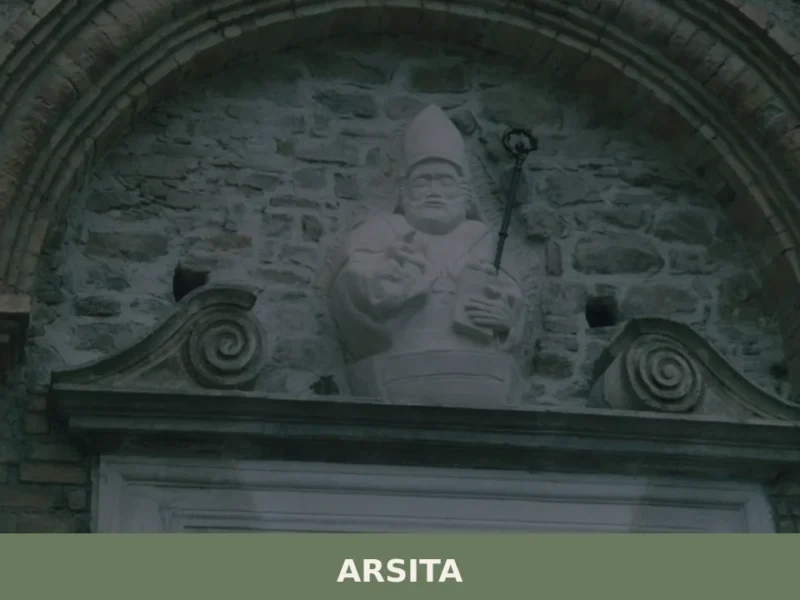
Until 1905, this village was called Bacucco, a name likely derived from the Latin bacuca, which referred to olives that had fallen to the ground — a direct reference to the agricultural character of the area. Situated at 470 metres above sea level on the hills of the Teramo province, Arsita and its 733 inhabitants […]
Ateleta
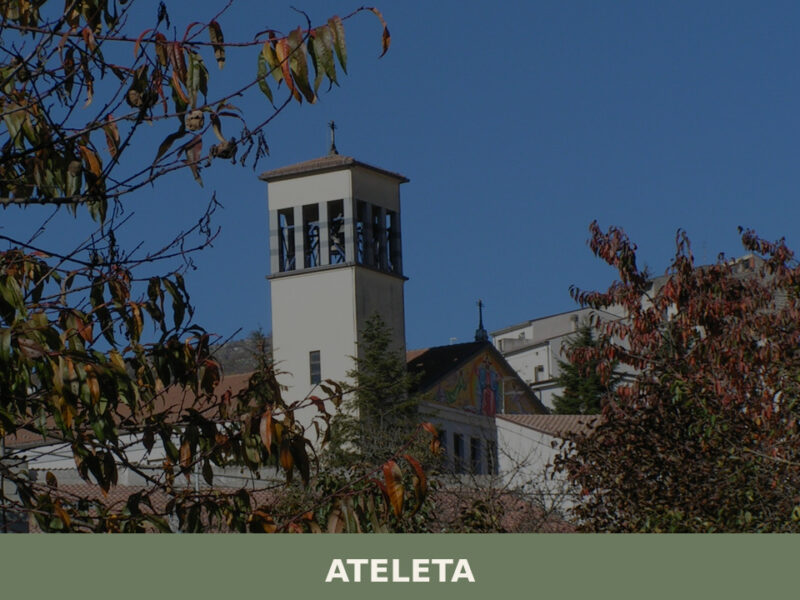
Morning fog lifts off the Alto Sangro valley in slow, deliberate sheets, revealing stone houses arranged along a ridge at over 750 metres above sea level. The air carries woodsmoke and the faint sound of a church bell marking seven o’clock. Ateleta, a village of 1,157 inhabitants in the province of L’Aquila, occupies a quiet […]

📝 Incorrect information or updates?
Help us keep the Corvara page accurate and up to date.