


Archi
 Hills
Hills
Archi sits at 492 metres above sea level in the province of Chieti, a settlement of just under 2,000 inhabitants occupying a ridge above the Sangro river valley in southern Abruzzo. The village’s position — commanding views across a landscape that drops sharply toward the river below — has defined its strategic importance since the […]
Discover Archi
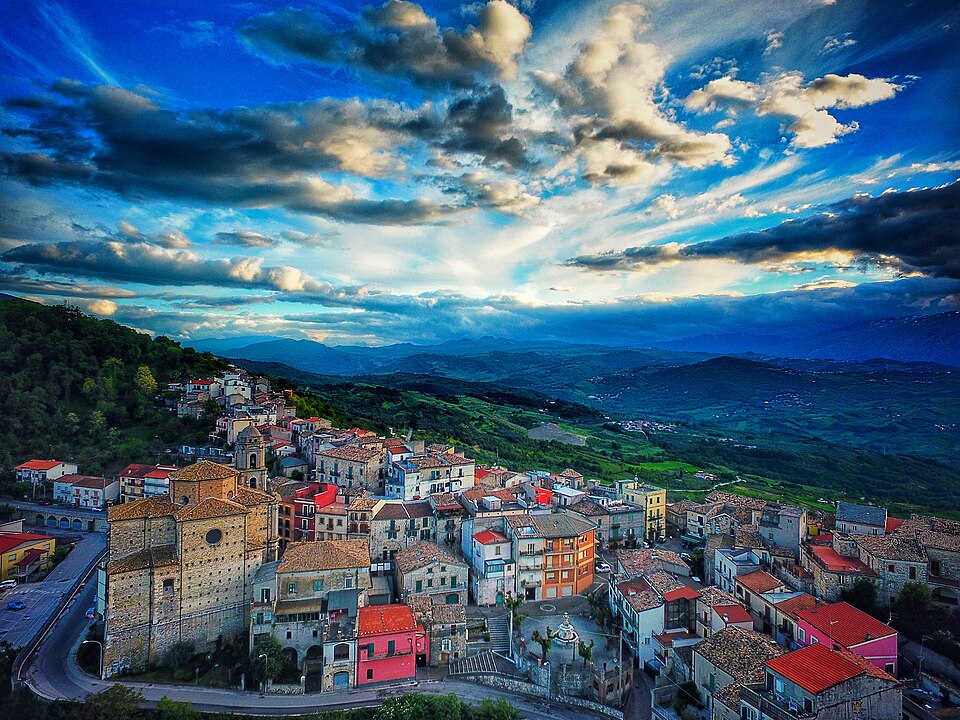
Archi sits at 492 metres above sea level in the province of Chieti, a settlement of just under 2,000 inhabitants occupying a ridge above the Sangro river valley in southern Abruzzo. The village’s position — commanding views across a landscape that drops sharply toward the river below — has defined its strategic importance since the medieval period. For those researching what to see in Archi, the draw is a compact built environment where feudal-era architecture, rural churches, and a working agricultural economy coexist within a few hundred metres of one another.
History of Archi
The name “Archi” likely derives from the Latin arx, meaning fortress or citadel — a direct reference to the settlement’s defensive origins on a natural promontory. Documentary records place the village within the feudal orbit of various Norman and Angevin lords who controlled the Sangro valley from the 11th century onward. Like many communities in this part of Abruzzo, Archi passed through the hands of successive baronial families, each leaving administrative and architectural marks on the settlement’s layout.
During the Second World War, the Sangro valley became a critical theatre of conflict. The German Gustav Line and the related Bernhardt Line ran through this territory, and the British Eighth Army fought the Battle of the Sangro in November 1943 to break through Axis defences. Archi and surrounding villages suffered significant damage during this campaign, and much of what visitors see today reflects post-war reconstruction layered over older foundations.
In the centuries between feudalism and modern warfare, Archi functioned as an agricultural centre, its economy built around olive cultivation, viticulture, and grain production on the hillsides above the Sangro. That agrarian identity persists: the terraced land around the village is still actively farmed, and the rhythms of planting and harvest continue to organise local life.
What to See in Archi: 5 Attractions Worth Your Time
1. Chiesa Madre di San Nicola di Bari
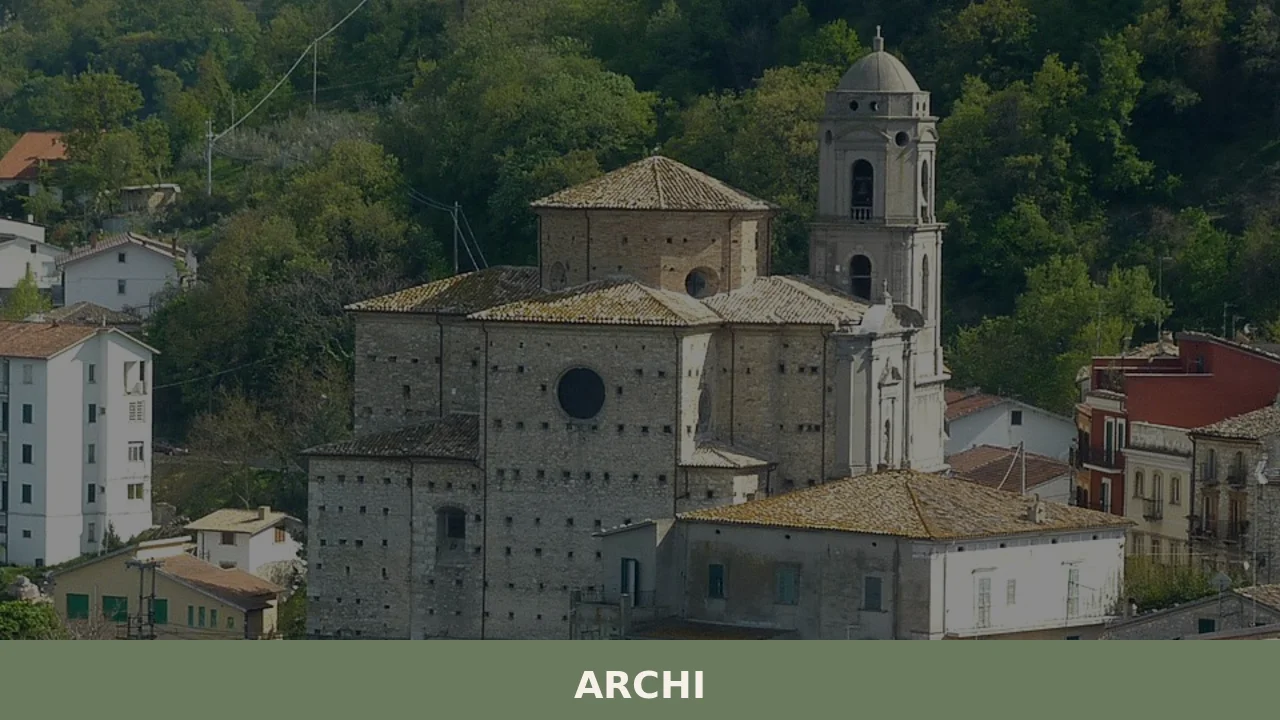
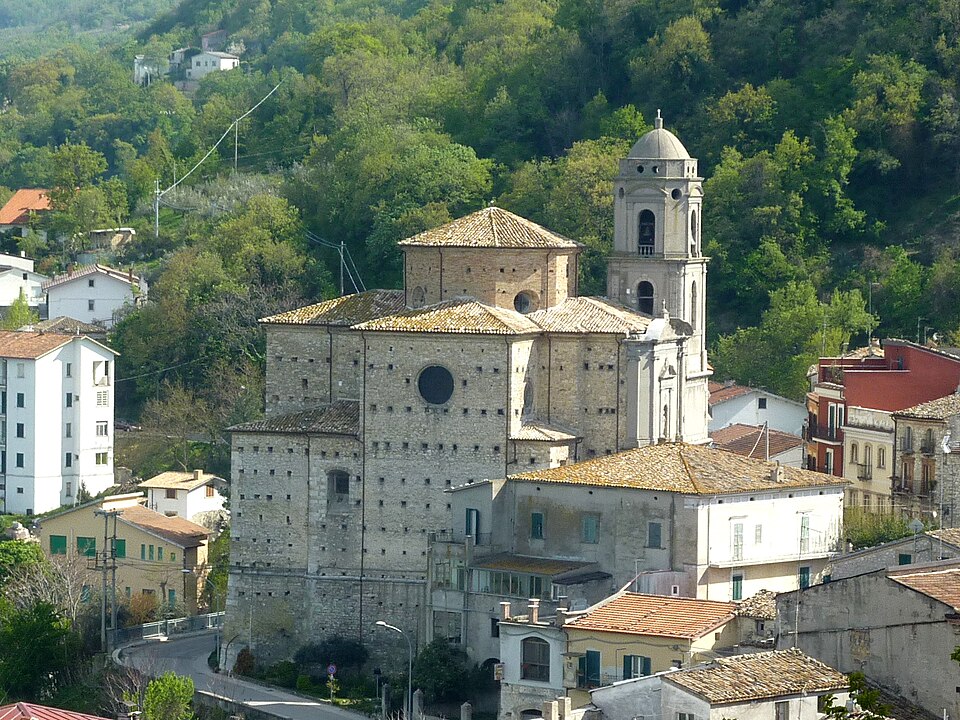
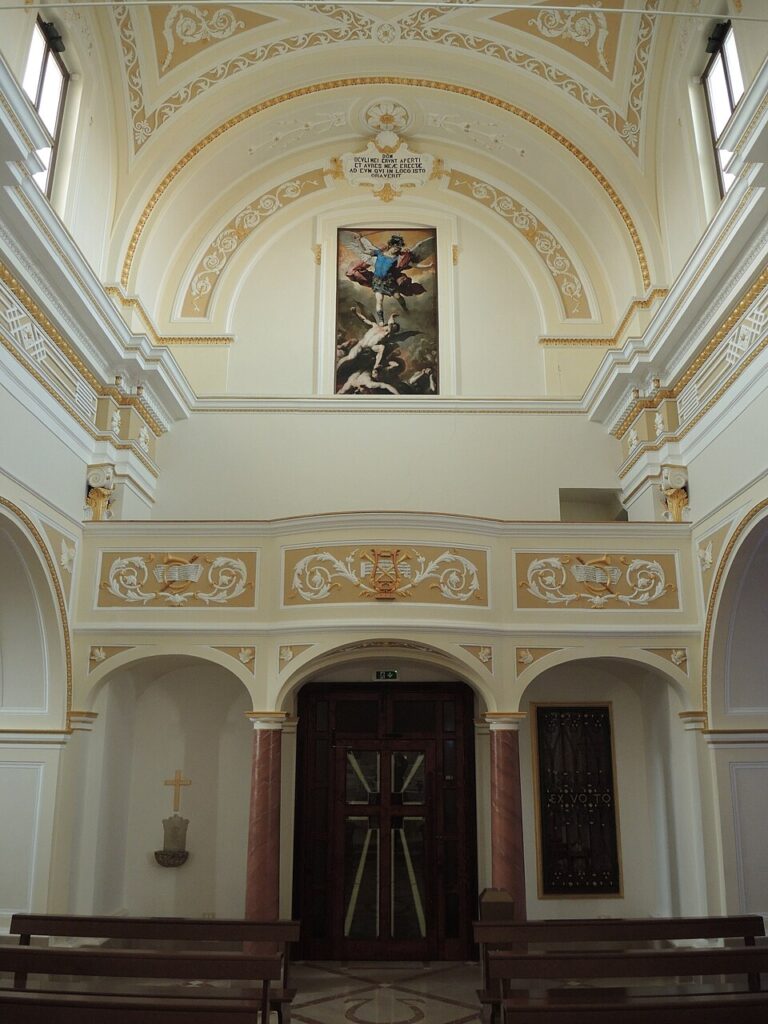
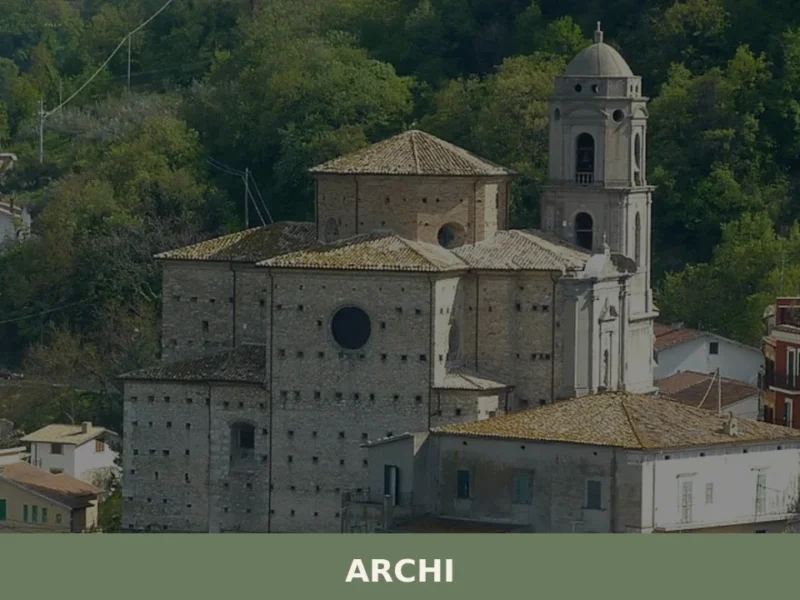
The principal parish church, dedicated to Saint Nicholas of Bari, stands at the centre of the old settlement. Rebuilt following wartime damage, the church retains elements from earlier construction phases. Inside, the single nave holds devotional art typical of southern Abruzzese parishes, including polychrome wooden statuary and a carved altar. The bell tower, visible from the valley floor, serves as the village’s most recognisable vertical landmark.
2. Remains of the Feudal Castle
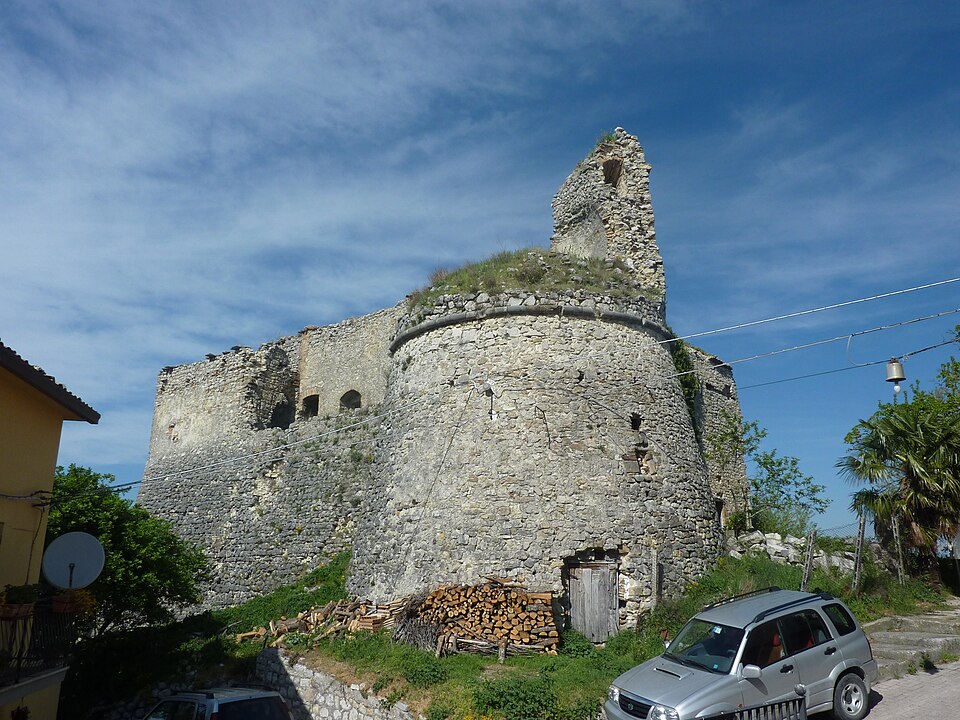
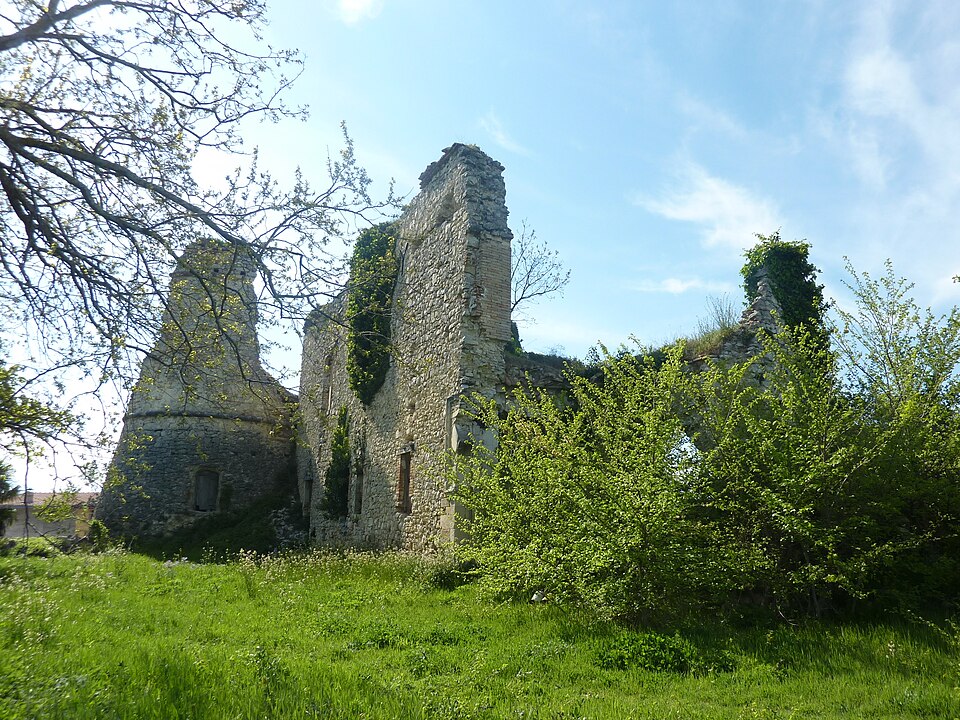
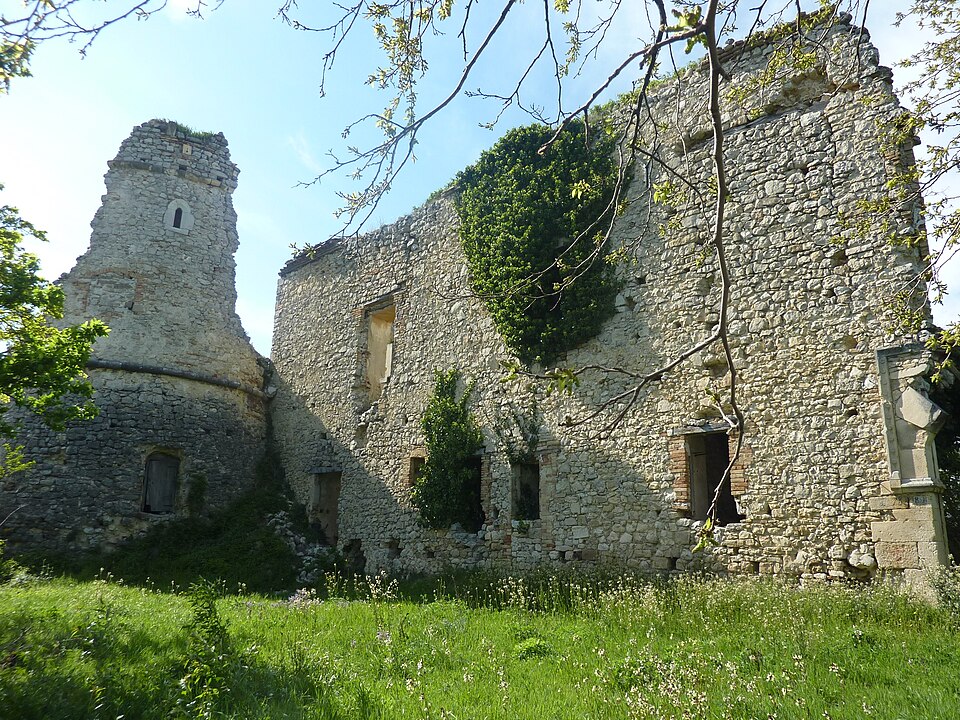
Fragments of Archi’s medieval fortification survive within the oldest quarter of the village. The original structure — consistent with the defensive arx from which the village takes its name — occupied the highest point of the ridge. What remains are partial walls and the footprint of a tower, integrated into later residential construction. The site offers a clear reading of how feudal military architecture was absorbed into civilian settlement over centuries.
3. The Historic Centre and Via Roma
The old centre follows the narrow, linear pattern common to ridge-top villages in the Chieti province. Stone-built houses line stepped alleyways that descend from the castle area. Doorways and lintels in local limestone carry carved dates, some reaching back to the 17th and 18th centuries. Walking Via Roma and the streets branching from it reveals how the village adapted to its topography — each structure fitted precisely to the slope.
4. Sangro River Valley Viewpoints
Several points along the village’s southern edge provide unobstructed views across the Sangro valley toward the Maiella massif. The panorama is geographical rather than ornamental: the river’s course, the patchwork of olive groves and arable fields, and the distant outline of the Maiella’s 2,793-metre peak. These viewpoints also make visible the strategic logic behind Archi’s original placement as a fortified lookout.
5. Rural Churches and Wayside Shrines
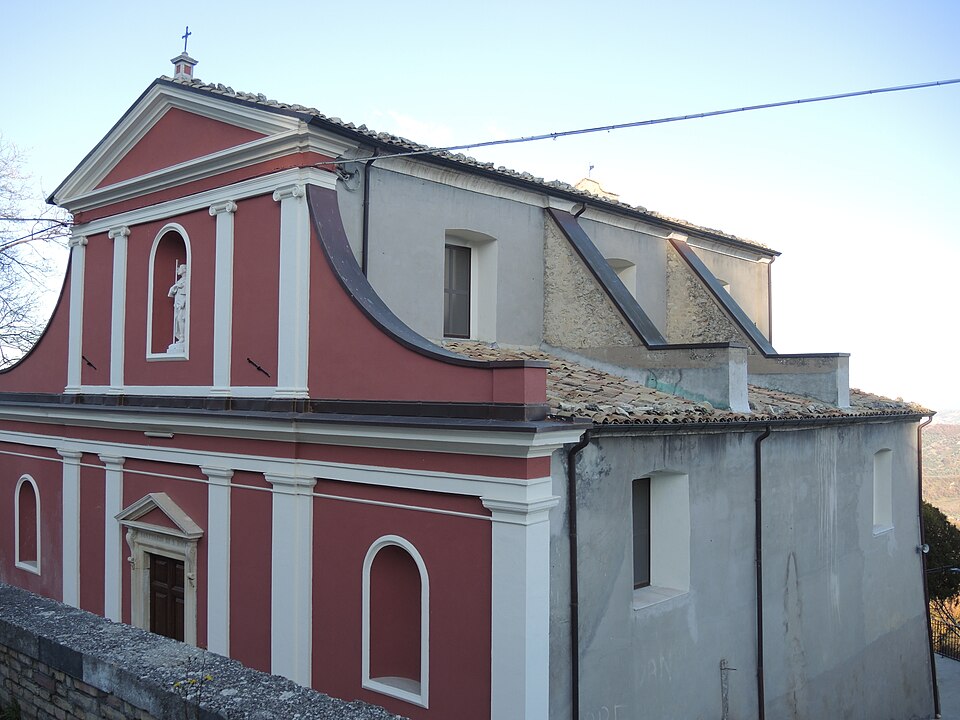
The territory surrounding Archi includes several small rural churches and roadside shrines — structures built to serve farming communities working land at some distance from the village centre. These modest buildings, often single-room constructions with frescoed or painted interiors, document the intersection of agricultural life and Catholic devotion that defined the Sangro valley for centuries.
Local Food and Typical Products
Archi’s food culture reflects its position in the olive-growing belt of the Chieti hills. Extra virgin olive oil produced here falls within the broader tradition of Abruzzese oil making, with local cultivars pressed at small-scale mills. Lamb, prepared as arrosticini — small skewered pieces grilled over open coals — is the region’s most recognisable street food and appears at every local festival. Pasta dishes feature prominently: sagne e fagioli (hand-cut pasta with beans) and chitarra pasta made with a wire-strung frame are standard fare.
The wider province of Chieti produces Montepulciano d’Abruzzo DOC wine, and vineyards in the Sangro valley contribute to this output. Local trattorias serve these wines alongside dishes built from seasonal ingredients — wild greens in spring, peppers and tomatoes in summer, preserved meats and aged cheeses through winter. Dining in Archi is a domestic-scale experience; expect family-run establishments with short menus that change with what the land provides.
Best Time to Visit Archi
Late spring (May and June) and early autumn (September and October) offer the most comfortable conditions for visiting. Summer temperatures in the Sangro valley can exceed 30°C, and the hilltop position provides some relief but little shade. Winter brings cold spells and occasional snow, though the village sits well below the snowline of the nearby Apennine peaks. The feast of San Nicola, the village’s patron saint, is the principal annual event — a combination of religious procession, outdoor dining, and live music that draws the broader community together.
Weekday visits provide the most accurate picture of daily life; the village operates at its natural pace, with shops and bars keeping local hours. Visitors planning to enter churches or other sites should note that many open only for scheduled services or by arrangement — a phone call to the municipal office in advance can save time.
How to Get to Archi
By car, Archi is reached from the A14 Adriatica motorway (exit at Val di Sangro) or from the A25 motorway via connecting roads through the interior. The village lies approximately 120 kilometres southeast of Rome, 90 kilometres south of Pescara, and 30 kilometres inland from the Adriatic coast at Fossacesia. The nearest railway station is Castel di Sangro or the closer halt at Atessa, both served by regional trains on the Sangritana line. Pescara Abruzzo Airport, roughly 90 kilometres to the north, is the nearest facility with scheduled commercial flights. A car is effectively necessary for reaching the village and exploring the surrounding territory.
More Villages to Discover in Abruzzo
The Abruzzo interior contains dozens of small settlements that share Archi’s combination of medieval origins and agricultural continuity. To the north, in the province of L’Aquila, Barete occupies a very different landscape — a mountain community at the foot of the Gran Sasso massif, where the architecture and economy reflect high-altitude pastoral traditions rather than the olive-growing culture of the Chieti hills.
Further into the Apennine interior, Cansano sits near the Maiella National Park, offering access to one of the most ecologically significant mountain areas in central Italy. Together, these villages illustrate the range of environments contained within a single region — from Archi’s warm, cultivated hillsides to the high limestone plateaux of the interior ranges, all connected by a shared history of rural settlement and adaptation.
Frequently asked questions about Archi
What is the best time to visit Archi?
Late spring (May–June) and early autumn (September–October) are the most comfortable seasons. Temperatures are mild, the surrounding olive groves and fields are at their most photogenic, and the village operates at a relaxed pace. Summer can exceed 30°C in the Sangro valley, though the hilltop position at 492 metres offers some relief. The feast of San Nicola di Bari, the village's patron, is the principal local event, bringing together religious processions, outdoor dining, and live music — check with the municipal office for the current year's date before planning your visit.
What are the historical origins of Archi?
The village name likely derives from the Latin arx, meaning citadel or fortress, reflecting its origins as a fortified promontory settlement. From the 11th century onward, Archi fell within the feudal sphere of Norman and later Angevin lords who controlled the Sangro valley. The village passed through successive baronial families before becoming an agricultural centre focused on olives, vines, and grain. During World War II, the Sangro valley was the site of the Battle of the Sangro (November 1943), and Archi suffered significant damage during the Allied campaign to breach the German Gustav Line.
What to see in Archi? Main monuments and landmarks
The Chiesa Madre di San Nicola di Bari anchors the historic centre, with its distinctive bell tower visible from the valley below; it holds polychrome wooden statuary and a carved altar. Partial walls and a tower footprint from the medieval feudal castle survive in the oldest quarter at the ridge's highest point. Walking Via Roma reveals 17th- and 18th-century stone doorways carved in local limestone. Several small rural churches and wayside shrines dot the surrounding farmland. Many churches open for scheduled services only — contact the municipal office in advance to arrange access.
What are the main natural or scenic attractions of Archi?
Archi's southern edge offers unobstructed panoramic views across the Sangro river valley toward the Maiella massif, whose summit reaches 2,793 metres. The viewpoints reveal the river's course, terraced olive groves, and arable fields below — a working agricultural landscape rather than a manicured scenic park. The broader Sangro valley connects to the Maiella National Park further inland, one of the most ecologically significant mountain areas in central Italy, accessible by car within a short drive from the village.
Where to take the best photos in Archi?
The most rewarding shots come from the viewpoints along Archi's southern edge, where the land drops sharply toward the Sangro river and the Maiella massif fills the background horizon. The bell tower of San Nicola di Bari, visible from the valley floor, works well as a foreground element in wider landscape compositions. The stepped alleyways of the historic centre — particularly Via Roma, with its carved limestone doorways — offer tighter architectural frames. Early morning and late afternoon light suit both the hilltop panoramas and the stone textures of the old quarter.
Are there museums, churches or historic buildings to visit in Archi?
The Chiesa Madre di San Nicola di Bari is the principal religious building, rebuilt after wartime damage but retaining older devotional art including polychrome wooden statuary and a carved altar. Fragments of the medieval feudal castle — partial walls and a tower footprint — are integrated into the oldest residential quarter near the ridge's summit. Rural churches and wayside shrines in the surrounding territory add to the picture. Most sites have no fixed public opening hours; churches generally open for scheduled services, and advance contact with the municipal office is recommended.
What can you do in Archi? Activities and experiences
Archi suits slow, independent exploration: walking the historic centre, visiting San Nicola di Bari, and reading the castle remains take the better part of a morning. The Sangro valley viewpoints reward anyone interested in landscape photography or understanding the area's wartime history — the Battle of the Sangro (1943) unfolded directly below. The surrounding olive groves and vineyards connect to broader food and wine itineraries through the Chieti hills. The Maiella National Park, a short drive inland, expands options significantly with marked CAI trails and high-altitude scenery.
Who is Archi suitable for?
Archi suits independent travellers with an interest in rural southern Italy — medieval village structure, agricultural landscape, and wartime history rather than organised tourism infrastructure. Couples and solo visitors comfortable with small-scale, self-directed exploration will find it rewarding. History enthusiasts drawn to the Norman-Angevin period or the World War II Sangro valley campaign have specific reasons to visit. It is less suited to families requiring dedicated activities or visitors expecting museum-level interpretive facilities. A car is essential, and the village pairs naturally with wider itineraries through the Chieti hills or toward the Maiella National Park.
What to eat in Archi? Local products and specialties
Archi sits within the olive-growing belt of the Chieti hills; locally produced extra virgin olive oil is the foundational ingredient across the cuisine. Arrosticini — small skewers of lamb grilled over open coals — are the most iconic dish of the broader Abruzzo region and appear at local festivals. Pasta staples include sagne e fagioli (hand-cut pasta with beans) and chitarra pasta made on a wire-strung frame. The Sangro valley contributes to Montepulciano d'Abruzzo DOC wine production. Dining in Archi is family-run and domestic in scale, with short seasonal menus in local trattorias.
📷 Photo Gallery — Archi
Getting there
Piazza Guglielmo Marconi, 66044 Archi (CH)
Nearby Villages near Archi


In Abruzzo More villages to discover
Carapelle Calvisio
 Mountain
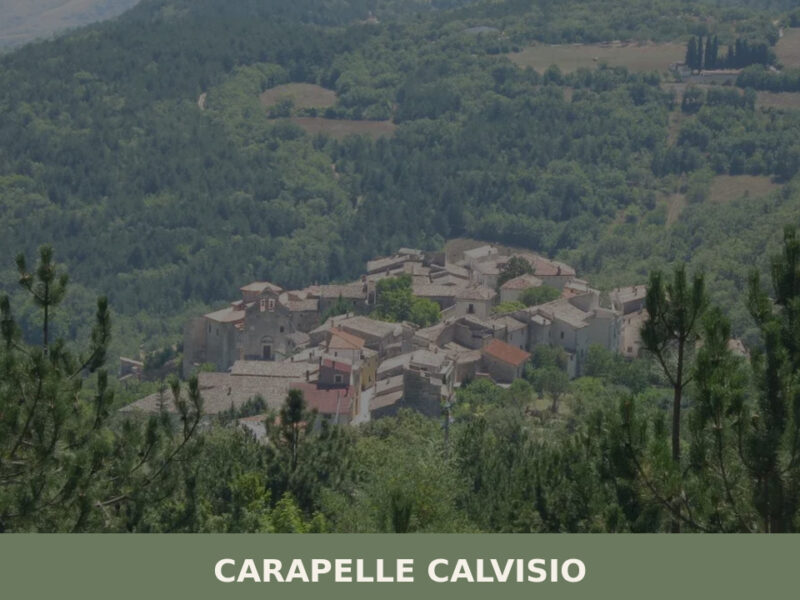
What to see in Carapelle Calvisio, Italy? Explore this village at 910 m (2,986 ft) altitude, visit Rocca Calascio, and discover its unique population status. Read our guide!
Barisciano
Mountain
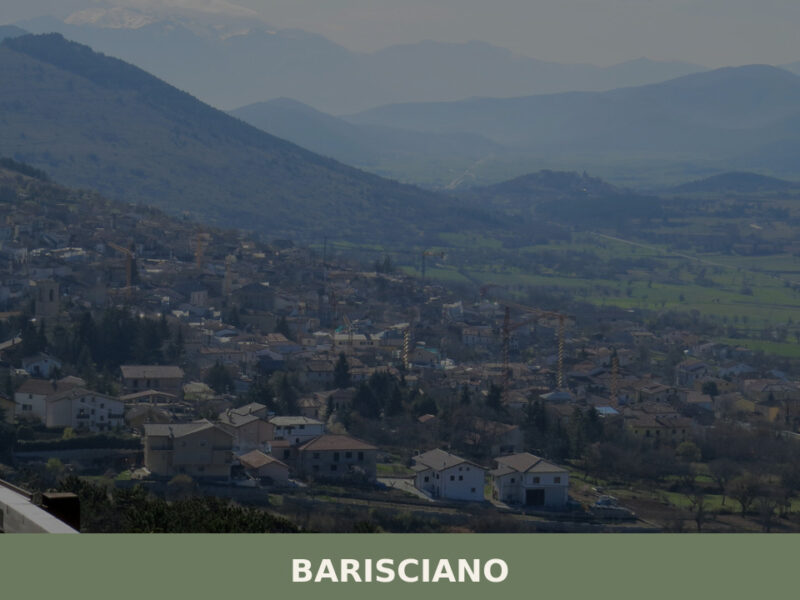
A high-altitude village on the Piana di Navelli, Barisciano holds Roman ruins, Franciscan cloisters, and centuries of Abruzzo history written in stone.
Colledimezzo
Hills
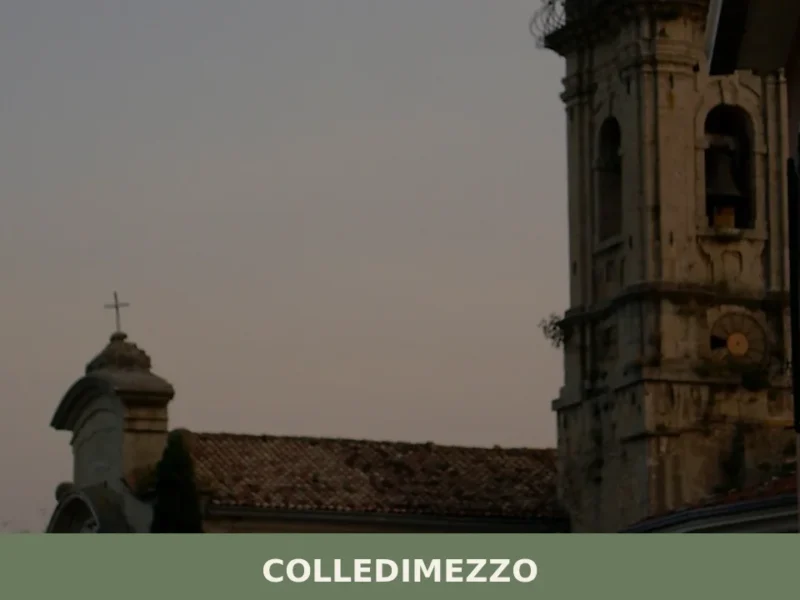
Colledimezzo has 440 inhabitants and extends along a hillside ridge at 425 metres above sea level, in the province of Chieti, overlooking the Sangro river valley and the artificial lake of Bomba. Anyone looking for what to see in Colledimezzo will find a settlement whose urban layout preserves the concentric plan of the fortified medieval […]
Ortucchio
Mountain
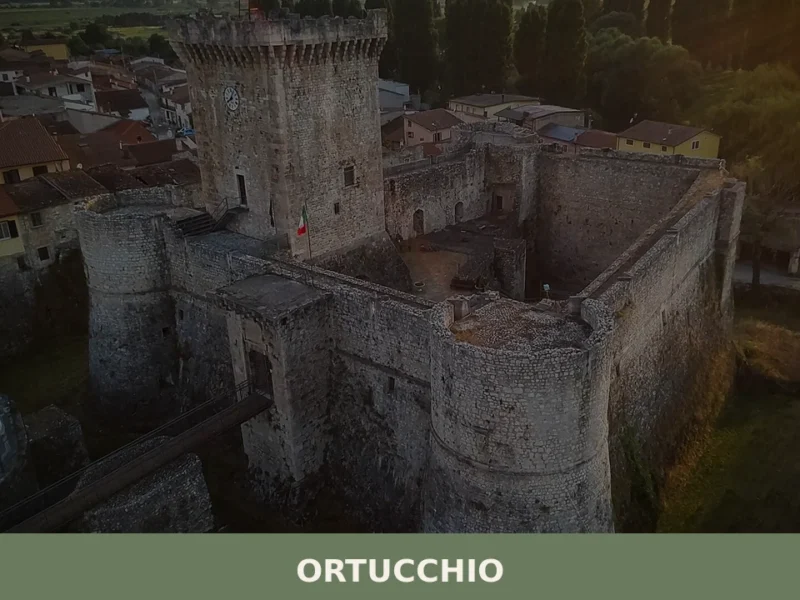
What to see in Ortucchio? Explore Piccolomini Castle and the historic center. Discover the natural beauty of this Marsican village in Abruzzo. Plan your visit!
Castel di Ieri
Hills
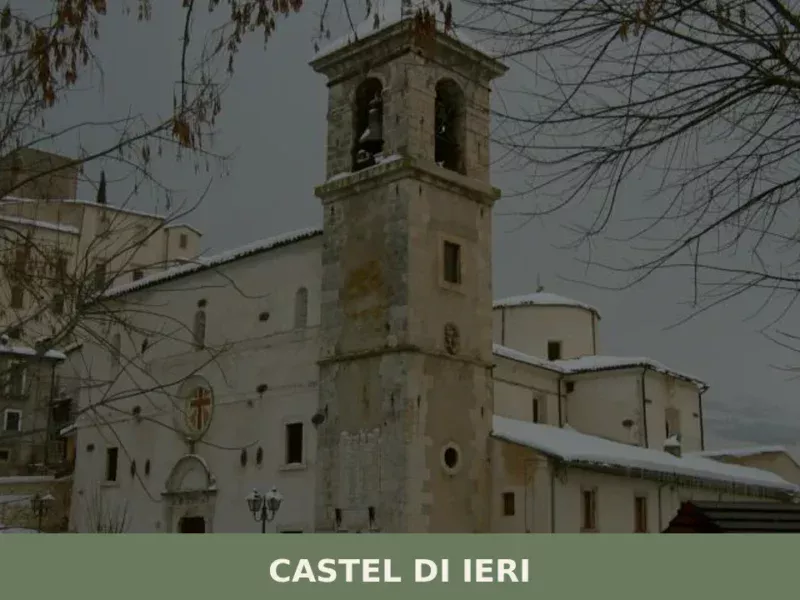
In Castel di Ieri, a village of 289 registered inhabitants at 519 metres above sea level in the Valle Subequana, the most significant feature lies underground: an Italic temple from the 1st century BC, unearthed during the 1980s, which redrew the archaeological map of inland Abruzzo. Anyone looking into what to see in Castel di […]
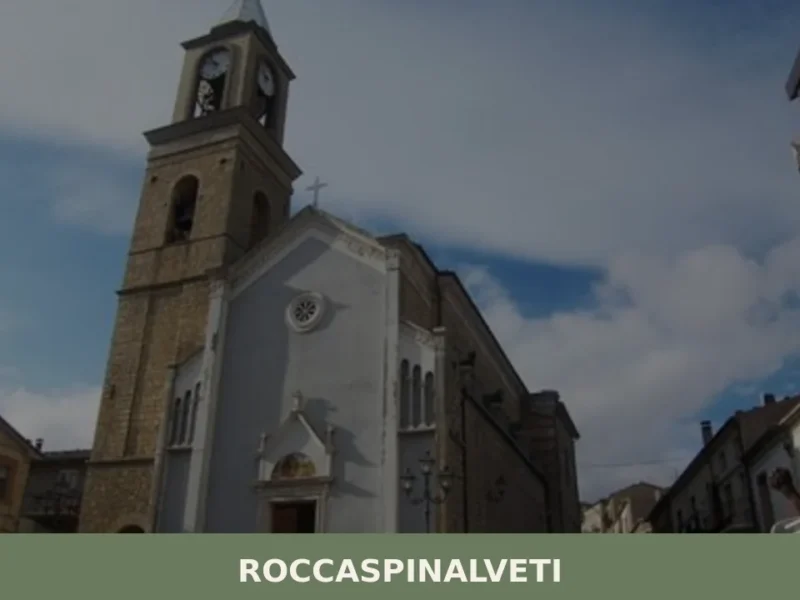
Roccaspinalveti
Mountain
What to see in Roccaspinalveti? Discover 5 must-see attractions in this Abruzzese village. Guide covers things to do & how to get there. Plan your visit!
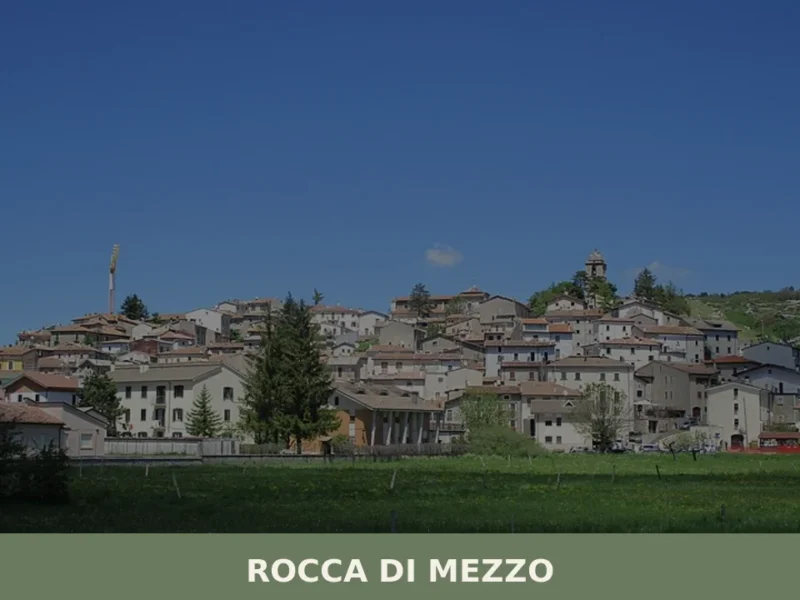
Rocca di Mezzo
Mountain
what to see in rocca di mezzo, Italy. Explore the administrative seat of the Sirente-Velino Regional Park in this L'Aquila comune with 1,499 inhabitants. Discover its role.
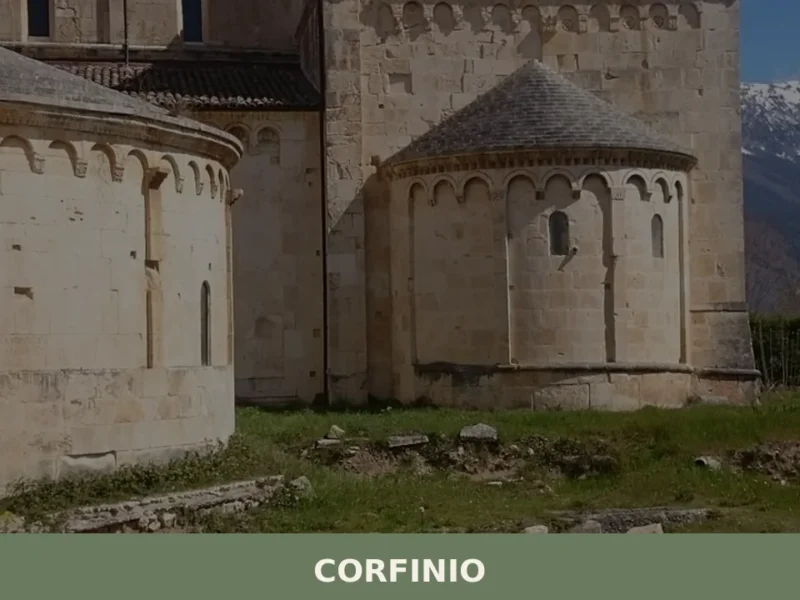
Corfinio
Hills
what to see in Corfinio, Italy: Explore this Abruzzese village at 346 m a.s.l., from its Roman past to the Museo Antonio De Nino. Discover Corfinio.
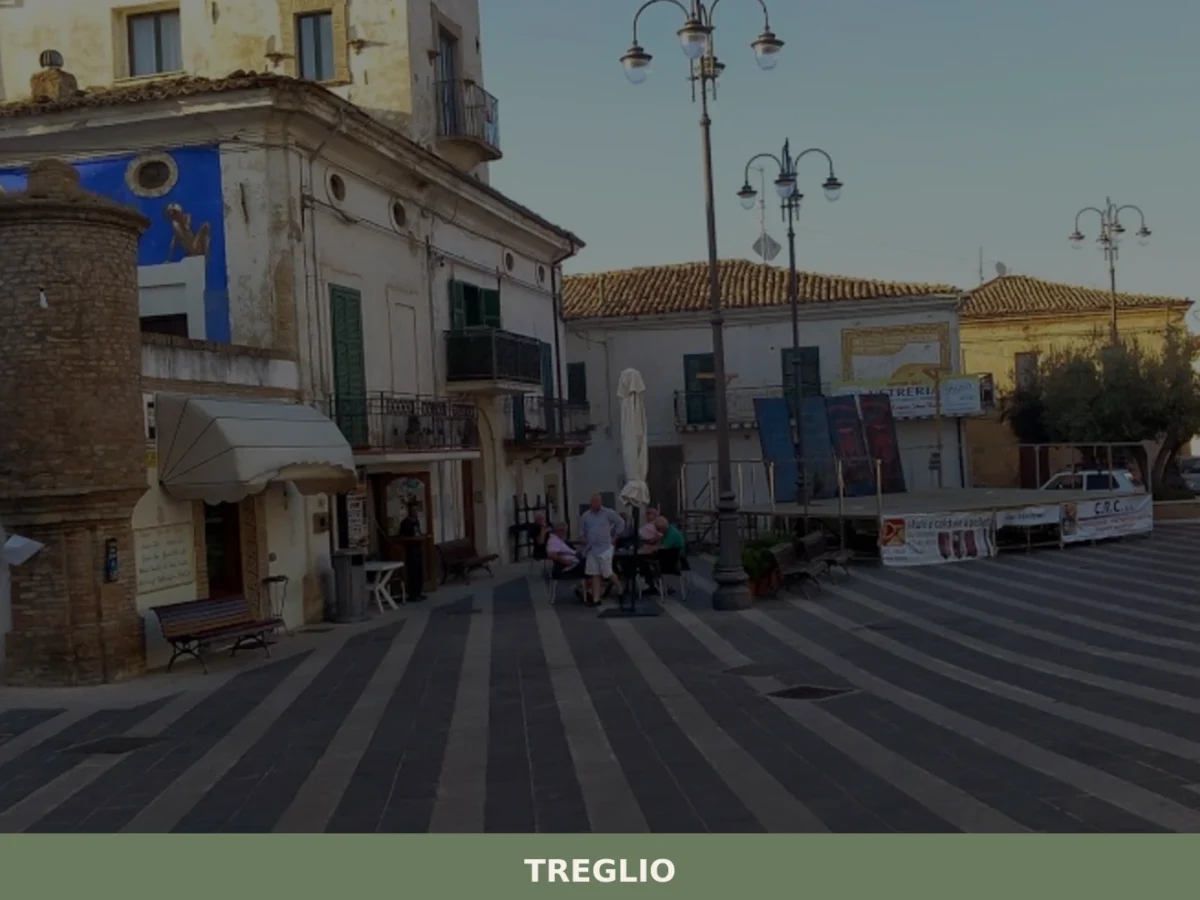
Treglio
 Plains
What to see in Treglio? Explore the 5 main attractions of this village in Abruzzo. Discover the complete guide for your visit!
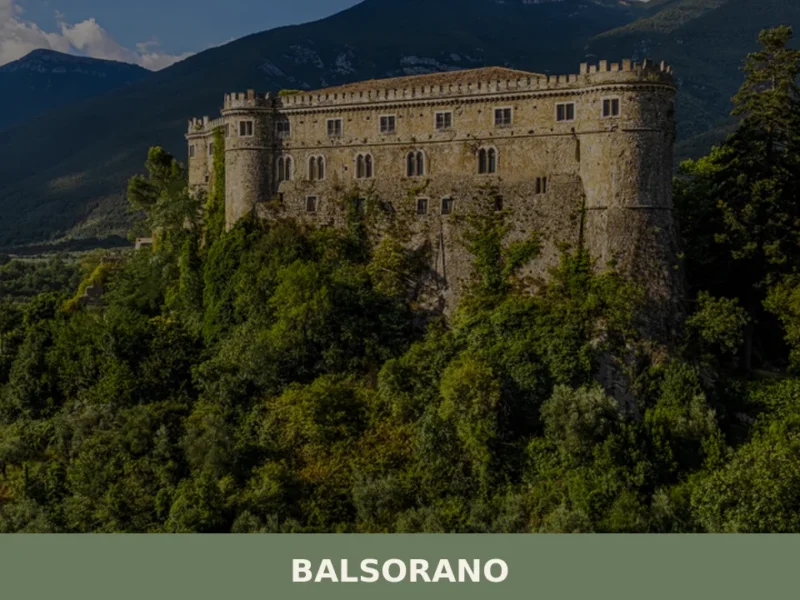
Balsorano
Hills
The Val Roveto divides southern Abruzzo from Lazio along a fault line that has determined earthquakes, migrations and feudal borders for over seven centuries. Balsorano occupies the valley floor and the hillside at 340 metres above sea level, with its 3,617 inhabitants spread between the upper historic centre — Balsorano Vecchio — and the modern […]


🏡 Know Archi better than we do?
If you’re a local or have been there, your knowledge matters: add what’s missing or fix a detail on this page.