


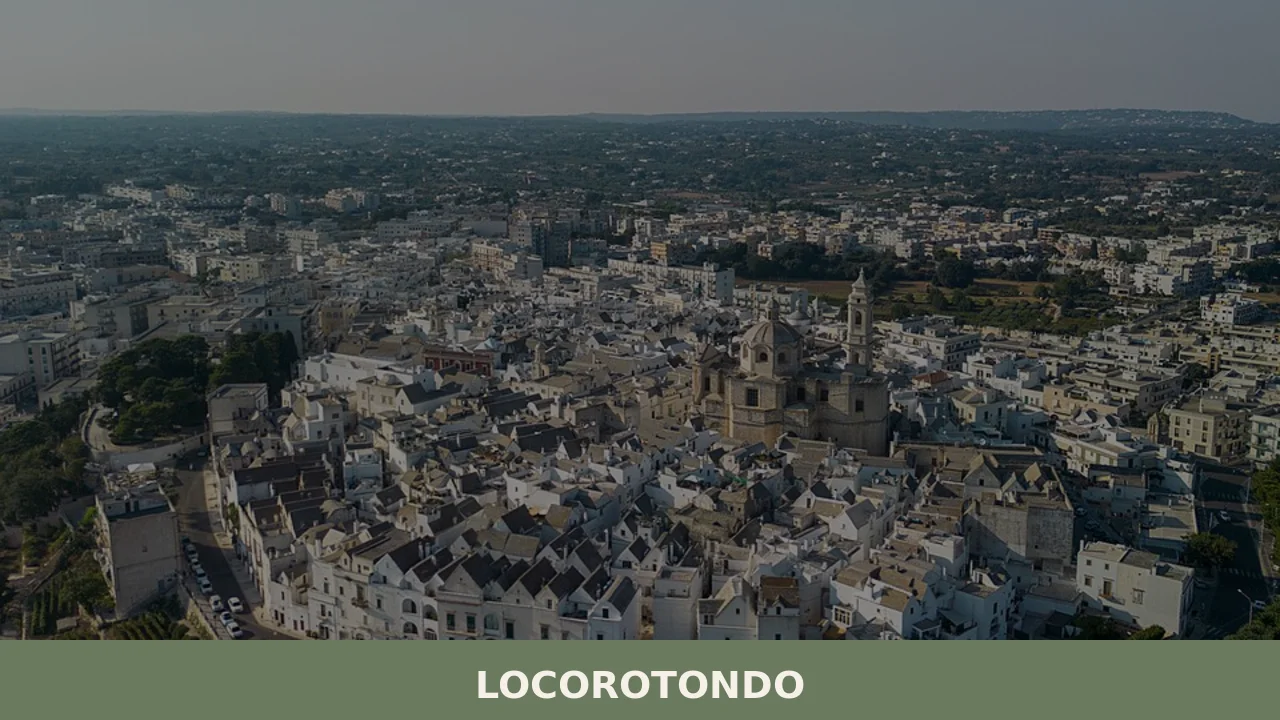
Locorotondo
The toponym Locorotondo, documented as early as the 12th century as “Luogo Rotondo” (Round Place), derives from the concentric configuration of its historic center, an urban feature that still distinguishes it within the Itria Valley landscape. Located 410 meters above sea level, this municipality in the province of Bari has 14,258 inhabitants and presents a […]
Discover Locorotondo
The toponym Locorotondo, documented as early as the 12th century as “Luogo Rotondo” (Round Place), derives from the concentric configuration of its historic center, an urban feature that still distinguishes it within the Itria Valley landscape. Located 410 meters above sea level, this municipality in the province of Bari has 14,258 inhabitants and presents a distinct architectural and cultural overview. For those wondering what to see in Locorotondo, the experience focuses on observing its “cummerse,” houses with sloping roofs covered in chiancarelle (limestone tiles), and on perceiving an urban fabric that has retained its original structure. Its patron saint festival, dedicated to Saint George the Martyr, is celebrated on April 23rd, a time when the village comes alive with rituals and events reflecting local tradition.
History and Origins of Locorotondo
The first records of Locorotondo’s settlement date back to the 10th century, a period when the area was under Benedictine control. The village grew around a castle, likely fortified, which defined its circular layout, giving it its name. Over the centuries, the territory came under various dominations, from the Normans to the Swabians, from the Angevins to the Aragonese, each leaving its mark on the social and architectural fabric. The greatest expansion occurred between the 17th and 18th centuries, when agriculture and viticulture became economic pillars,
In Apulia More villages to discover
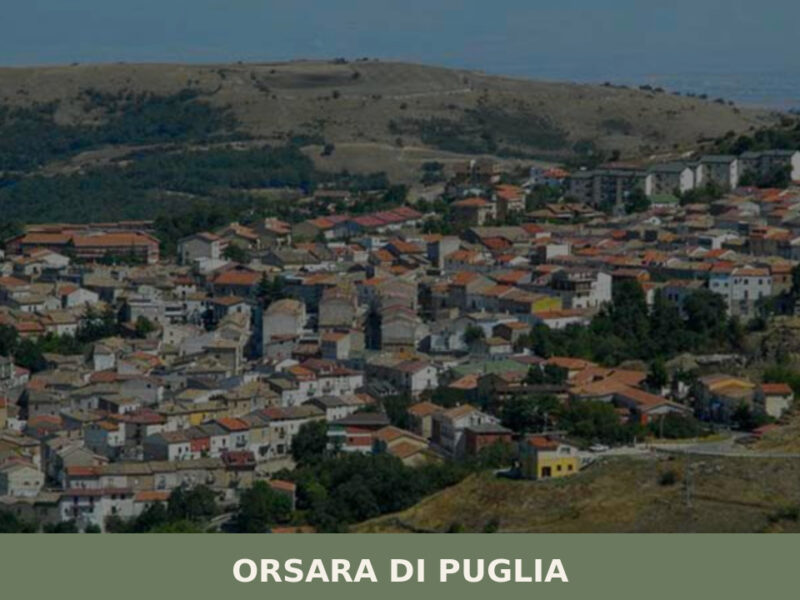
Orsara di Puglia
A mountain village of 2,507 people in the Foggia province, Orsara di Puglia holds sacred grottoes, medieval stonework, and one of southern Italy's most distinctive culinary traditions.
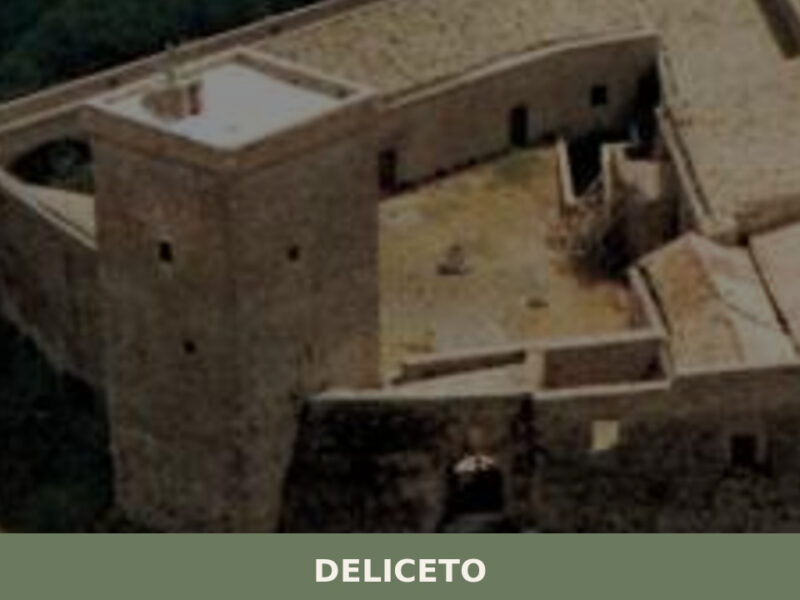
Deliceto
Deliceto rises at 575 metres on a ridge of the Subappennino Dauno, commanding the Tavoliere plain. A Norman castle, layered churches, and a stone-built historic centre define this compact Puglia hill village.
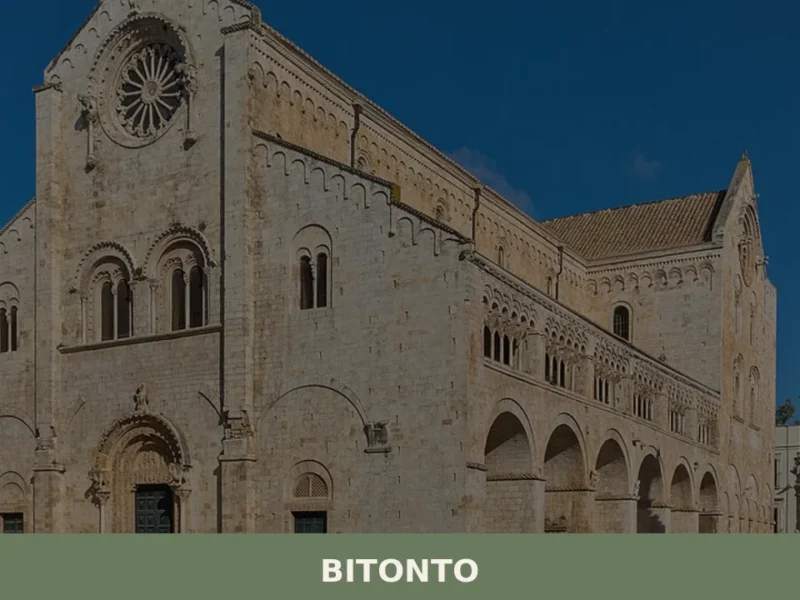
Bitonto
In 1089, Pope Urban II consecrated the cathedral of Bitonto, a building in local limestone that still dominates Piazza Cattedrale today with its sixteen-spoke rose window and its sculpted portal. That ceremony marked the city’s definitive entry into the network of major Apulian episcopal seats, confirming a political and religious role that Bitonto had maintained […]




📝 Incorrect information or updates?
Help us keep the Locorotondo page accurate and up to date.