


Pontremoli
 Hills
Hills
Pontremoli has a current population of 7,593 and sits at an elevation of 236 metres in the valley of the River Magra, in the province of Massa and Carrara. The central hub of historic Lunigiana, the town is crossed by the route of the Via Francigena — stop number 28 on the itinerary of Sigeric, […]
Discover Pontremoli
Pontremoli has a current population of 7,593 and sits at an elevation of 236 metres in the valley of the River Magra, in the province of Massa and Carrara. The central hub of historic Lunigiana, the town is crossed by the route of the Via Francigena — stop number 28 on the itinerary of Sigeric, Archbishop of Canterbury, who in 990 recorded his passage through “Pontremel” in his travel diary on the way to Rome. Understanding what to see in Pontremoli means tracing a layered urban history that spans from prehistoric stelae to the Enlightenment era, along an axis of bridges and towers that divides the historic centre into two historically rival halves.
History and origins of Pontremoli
The Latin name Pons Tremulus — the “trembling bridge” — appears in medieval documents referring to a crossing over the Magra or the Verde torrent, probably a wooden structure that vibrated under the weight of carts. The town’s position at the confluence of the two valleys determined its strategic role from the early Middle Ages: in 990, Sigeric recorded it as Pontremel, a stop on the Francigena between the Cisa pass and Luni. In 1167, Frederick Barbarossa stopped here during his descent towards Rome, and in the 13th century the town became a free commune contested between Guelphs and Ghibellines, whose factions corresponded to the quarters separated by the Verde torrent.
The construction of the Cacciaguerra tower — now known as the Campanone — was ordered by Castruccio Castracani in 1322 precisely to physically divide the two factions and put an end to armed clashes in the streets of the centre. During the 15th century, Pontremoli passed under the control of the Fieschi, then the Visconti, and finally the Medici, who annexed it to the Grand Duchy of Tuscany. A lesser-known chapter concerns the 18th century: in 1787, Grand Duke Peter Leopold established here one of the first public schools in Lunigiana, and the local Accademia della Rosa contributed to the spread of Enlightenment thought in the region.
In the 20th century, Pontremoli linked its name to Italian literature. Since 1953, in the hall of the Palazzo Comunale, the Premio Bancarella has been awarded — a prize that originated among the stalls of Pontremoli’s itinerant booksellers, a book-trading tradition dating back at least to the 19th century, when vendors from the area travelled across Italy carrying books on their shoulders.
What to see in Pontremoli: 5 main attractions
1. Museum of the Lunigiana Stele Statues
Housed in the Castello del Piagnaro, the museum holds over eighty anthropomorphic sandstone stelae, carved between the 4th millennium and the 2nd century BC. It is the largest European collection of prehistoric sculptures of this kind. The stelae, found throughout Lunigiana, display schematic faces, weapons and ornaments that make it possible to trace the evolution of local societies from the Copper Age to the Iron Age.
2. Castello del Piagnaro
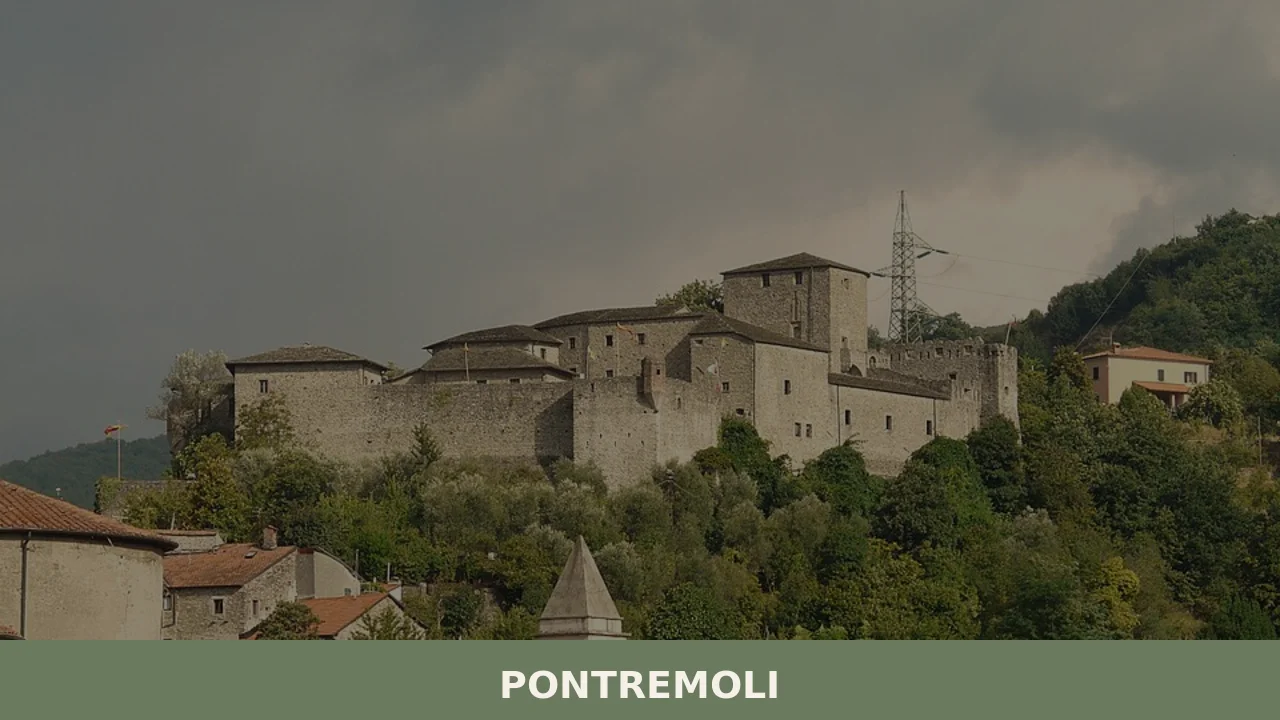
The fortress commands the town from the top of the northern hill. The current structure dates largely from 14th- and 15th-century rebuilding, but the earliest fortifications on the site are documented from the 11th century. The name derives from the piagne, the sandstone slabs used for roof coverings, still visible on the top of the walls. From the terrace, one can observe the confluence of the Magra and the Verde and the entire longitudinal development of the settlement.
3. Cathedral of Santa Maria Assunta
Rebuilt in Baroque forms between 1636 and 1687 to a design attributed to Alessandro Bergamini, the cathedral features a sandstone façade and a three-nave interior with stucco decorations. Inside, it preserves a marble bas-relief of the Madonna attributed to Agostino di Duccio, datable to the mid-15th century.
4. Cacciaguerra Tower (Campanone)
Erected in 1322 by order of Castruccio Castracani, the tower physically divided the Guelph and Ghibelline quarters. Standing approximately 30 metres tall, built from blocks of local stone, it now marks the central point of the town between Piazza della Repubblica and Piazza del Duomo. It is the most recognisable visual landmark of the Pontremoli skyline as seen from the valley floor.
5. Church of San Francesco
Founded in the 13th century, it houses inside a marble bas-relief of the Madonna del Latte and features a pointed-arch portal on the side façade. The adjacent cloister, with sandstone columns and waterleaf capitals, retains its 14th-century layout. The church served as a reference point for Francigena pilgrims entering the town from the north side.
Local cuisine and regional products
The dish that identifies Pontremoli more than any other is the testarolo, registered as a Traditional Agri-Food Product (PAT) of Tuscany. It consists of a thin sheet made from a liquid batter of flour and water, cooked on a red-hot cast-iron testo — hence the name — then cut into diamond shapes and briefly dipped in boiling water. The traditional dressing is Pontremoli-style pesto, made with basil, pecorino, garlic and extra virgin olive oil, or alternatively a porcini mushroom sauce using fungi gathered in the Cisa woodlands. Another traditional dish is torta d’erbi, a savoury pie filled with wild greens — borage, chard, seasonal nettles — enclosed between two thin layers of hand-rolled pastry, a local variant of the vegetable pies found across Lunigiana. Among first courses, one finds chestnut flour crêpes, known as pattona, and panigacci, discs of unleavened dough cooked between stacked terracotta moulds. Farina di castagne della Lunigiana DOP (Lunigiana chestnut flour, PDO), produced from chestnuts dried in metati — the two-storey stone structures still standing in the surrounding woods — forms the basis of numerous sweet and savoury preparations.
The area also produces Miele della Lunigiana DOP (Lunigiana honey, PDO), in the acacia and chestnut varieties, whose designation was granted in 2004. Among cured meats, the spalletta di Lunigiana, a PAT-listed product made from pork shoulder and aged with salt and pepper, can be found in butcher shops in the centre. The Sagra del Fungo Porcino (Porcini Mushroom Festival) takes place in September and draws thousands of visitors; the Premio Bancarella del Vino, meanwhile, provides an occasion for a showcase of regional wine production. Also worth noting is the Colli di Luni DOC, a white Vermentino wine produced in the bordering area, which regularly accompanies testaroli in local trattorias.
When to visit Pontremoli: the best time of year
The climate of the Magra valley is transitional between the Ligurian-Tyrrhenian zone and the Apennine zone: summers are warm but tempered by the altitude and valley breezes, with average temperatures of 24–26 °C in July. Winter is humid, with possible snowfall between December and February — on 31 January the feast of the patron saint San Geminiano is celebrated, when the streets of the centre host a traditional market. Spring, between April and June, is the most balanced period for visiting the town and walking the Francigena trails towards the Cisa pass without the summer heat.
The most prominent cultural event is the Premio Bancarella, awarded in July in Piazza della Repubblica. In September, the Sagra del Fungo concentrates the gastronomic offering in the central squares. For those wishing to avoid the tourist flow, October brings the colours of the chestnut woods during harvest season and the chance to visit working metati.
How to reach Pontremoli
Pontremoli is connected to the A15 motorway Parma–La Spezia (Pontremoli exit), which links it to Parma approximately 65 km to the north and to La Spezia approximately 55 km to the south. From Milan the distance is 200 km (about 2 hours and 15 minutes via the A1 and A15), from Florence 170 km (about 2 hours via the A11 and A15). Pontremoli railway station lies on the Parma–La Spezia line, served by regional trains at roughly hourly intervals; travel time from Parma is approximately 1 hour and 30 minutes, from La Spezia approximately 50 minutes. Pisa-Galileo Galilei Airport, the nearest with domestic and international flights, is approximately 130 km away (1 hour and 40 minutes by car). Parma-Giuseppe Verdi Airport is 80 km away but has a limited number of connections.
What to see in Pontremoli and in the villages of Lunigiana
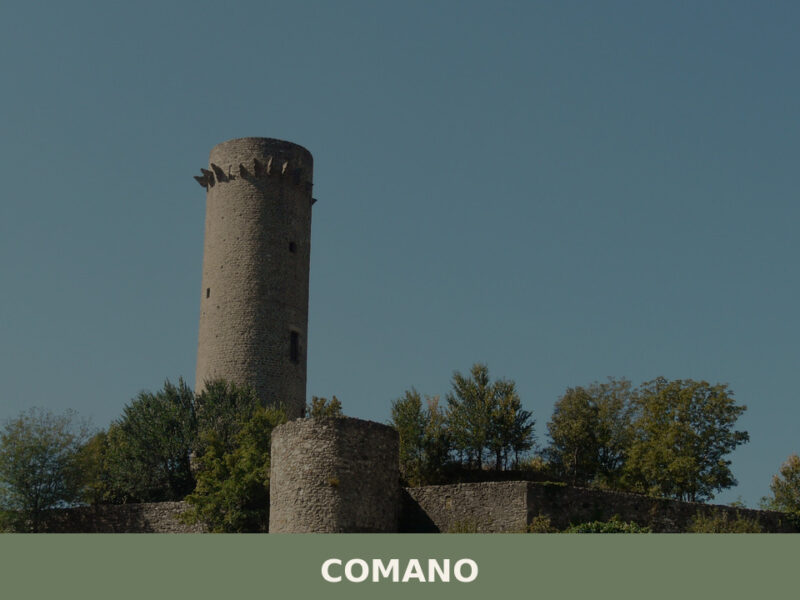
Lunigiana does not end at Pontremoli. Heading up the valley to the east, approximately 25 km away, you reach Comano, a scattered municipality made up of hamlets spread along the ridges separating the Magra valley from the Vara valley. Here the landscape changes: the villages are clusters of a few dozen dry-stone houses, surrounded by chestnut groves and terraces, and they preserve a rural architecture that remained outside the major transport corridors.
To the south-east, Casola in Lunigiana marks the transition between Lunigiana and the Apuan Alps: the centre sits at 297 metres above sea level and provides access to the Aulella valley, a natural corridor towards the Garfagnana. Both Comano and Casola are crossed by secondary variants of the Via Francigena and share with Pontremoli the tradition of PDO chestnut flour and testaroli, adapted with local variations in seasoning and cooking methods. For a deeper look into the history of Lunigiana, the Wikipedia entry on Pontremoli provides a detailed documentary overview with bibliographic references.
Frequently asked questions about Pontremoli
What is the best time to visit Pontremoli?
Spring (April–June) offers the most balanced conditions: mild temperatures, blooming landscapes, and ideal weather for walking the Via Francigena towards the Cisa pass. July brings the prestigious Premio Bancarella literary prize in Piazza della Repubblica. September is ideal for food lovers, with the Sagra del Fungo Porcino filling the central squares. October suits those seeking chestnut harvest scenery and a visit to the traditional metati stone drying structures. On 31 January, the feast of patron saint San Geminiano is celebrated with a traditional market in the historic centre.
What are the historical origins of Pontremoli?
The name derives from the Latin Pons Tremulus — the 'trembling bridge' — referring to a wooden river crossing over the Magra or Verde torrent. In 990, Sigeric, Archbishop of Canterbury, recorded it as stop 28 on his Via Francigena journey to Rome. Frederick Barbarossa passed through in 1167. As a free medieval commune, the town was divided between Guelph and Ghibelline factions until 1322, when Castruccio Castracani ordered the construction of the Cacciaguerra Tower to physically separate the rival quarters. Pontremoli later passed to the Visconti, Fieschi, and finally the Medici, becoming part of the Grand Duchy of Tuscany.
What to see in Pontremoli? Main monuments and landmarks
The Castello del Piagnaro, dating from the 11th century with major 14th–15th century rebuilding, houses the Museum of Lunigiana Stele Statues — over eighty prehistoric sandstone sculptures, the largest such European collection. The Cacciaguerra Tower (Campanone, 1322) divides Piazza della Repubblica from Piazza del Duomo. The Baroque Cathedral of Santa Maria Assunta (1636–1687) preserves a marble bas-relief attributed to Agostino di Duccio. The 13th-century Church of San Francesco features a medieval cloister with sandstone columns and was a key stop for Francigena pilgrims entering from the north.
What are the main natural or scenic attractions of Pontremoli?
Pontremoli sits at the confluence of the Magra and Verde rivers at 236 metres, surrounded by Apennine woodland. The Via Francigena trail north towards the Cisa pass (Passo della Cisa) is a well-documented CAI-maintained route offering immersive Apennine scenery. The chestnut forests above the town, home to the traditional metati drying structures, are particularly atmospheric during the October harvest. The Magra valley itself provides gentle walking corridors connecting Pontremoli to the broader Lunigiana landscape.
Where to take the best photos in Pontremoli?
The terrace of the Castello del Piagnaro provides the most comprehensive panoramic view: from here you can see the confluence of the Magra and Verde rivers and the full longitudinal layout of the historic centre. The Cacciaguerra Tower (Campanone) photographed from Piazza della Repubblica captures the iconic skyline of Pontremoli as seen from the valley floor. The medieval cloister of San Francesco, with its sandstone columns, offers excellent architectural detail shots in softer light during morning hours.
Are there museums, churches or historic buildings to visit in Pontremoli?
The Museum of Lunigiana Stele Statues, inside the Castello del Piagnaro, is the town's most significant cultural institution, displaying over eighty prehistoric anthropomorphic stelae spanning from the Copper Age to the 2nd century BC — the largest European collection of its kind. The Cathedral of Santa Maria Assunta houses a 15th-century marble bas-relief attributed to Agostino di Duccio. The Church of San Francesco retains its 13th-century foundation, a pointed-arch portal, and a 14th-century cloister. For opening hours and admission fees, check the official Pontremoli municipality or local tourism office.
What can you do in Pontremoli? Activities and experiences
Walk a documented stretch of the Via Francigena: Pontremoli is stop 28 on Sigeric's historic itinerary, and trails towards the Cisa pass are CAI-maintained and well-marked. Visit the Museo delle Statue Stele for a rare encounter with prehistoric Lunigiana culture. Attend the Premio Bancarella literary prize ceremony in July — one of Italy's oldest and most popular book prizes, born among the town's itinerant booksellers. In September, explore the Sagra del Fungo Porcino. October allows visits to active metati chestnut-drying structures in the surrounding woods.
Who is Pontremoli suitable for? Families, couples, hikers, solo travelers?
Pontremoli suits a broad range of visitors. Hikers and pilgrims will value its role on the Via Francigena and access to Apennine trails towards the Cisa pass. History and culture enthusiasts are drawn by the prehistoric stele museum, medieval towers, and Baroque cathedral. Families find the compact, walkable historic centre manageable and engaging. Food lovers have strong reasons to visit in September and October for the Porcini festival and chestnut harvest. The Premio Bancarella in July makes it a natural destination for book lovers. Solo travellers appreciate the authentic, uncrowded character of Lunigiana's main town.
What to eat in Pontremoli? Local products and specialties
Testarolo is Pontremoli's signature dish: a thin batter sheet cooked on a cast-iron testo, cut into diamonds, and served with local pesto or porcini mushroom sauce. Panigacci — unleavened discs cooked between stacked terracotta moulds — are another historic staple. Torta d'erbi is a savoury pie of wild greens between hand-rolled pastry. Farina di castagne della Lunigiana PDO (chestnut flour) underpins both sweet and savoury preparations. Miele della Lunigiana PDO is produced in acacia and chestnut varieties. Spalletta di Lunigiana, a PAT-listed aged pork shoulder, is found in local butchers. The Colli di Luni DOC Vermentino white wine accompanies testaroli in local trattorias.
Nearby Villages near Pontremoli
 Mountain
In Tuscany More villages to discover
Coreglia Antelminelli
Hills
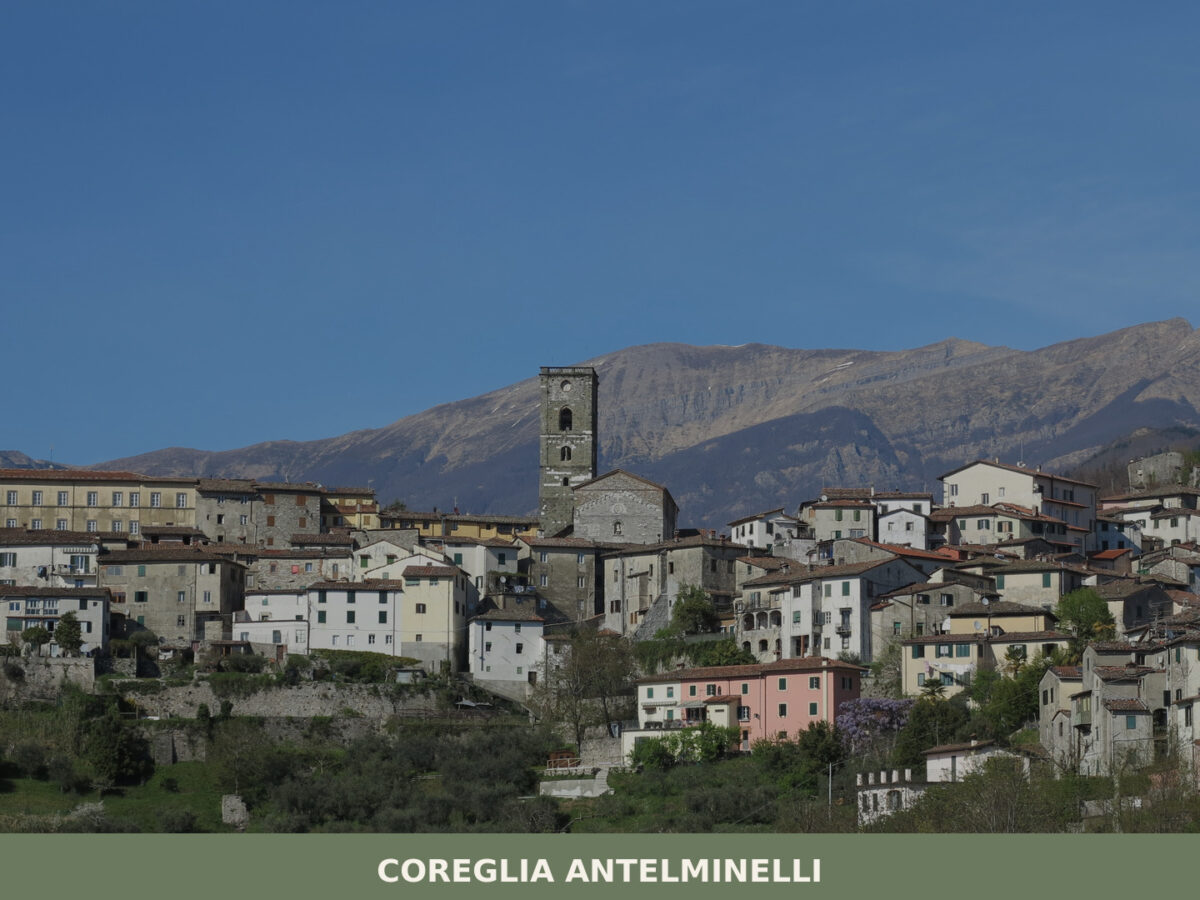
What to see in Coreglia Antelminelli, Italy: 3 Romanesque churches, a painted crucifix by Berlinghieri, and a village at 595 m. Explore the full guide.
Pisa
 Sea
Sea
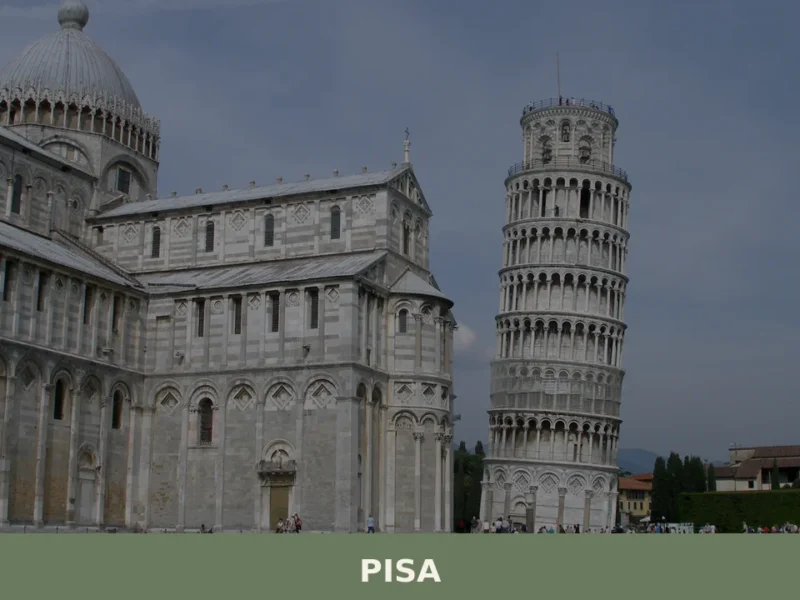
What to see in Pisa: Leaning Tower, UNESCO Piazza dei Miracoli, Regata di San Ranieri on 17 June — city of 86,263. Plan your visit with our complete guide.
Livorno
Sea
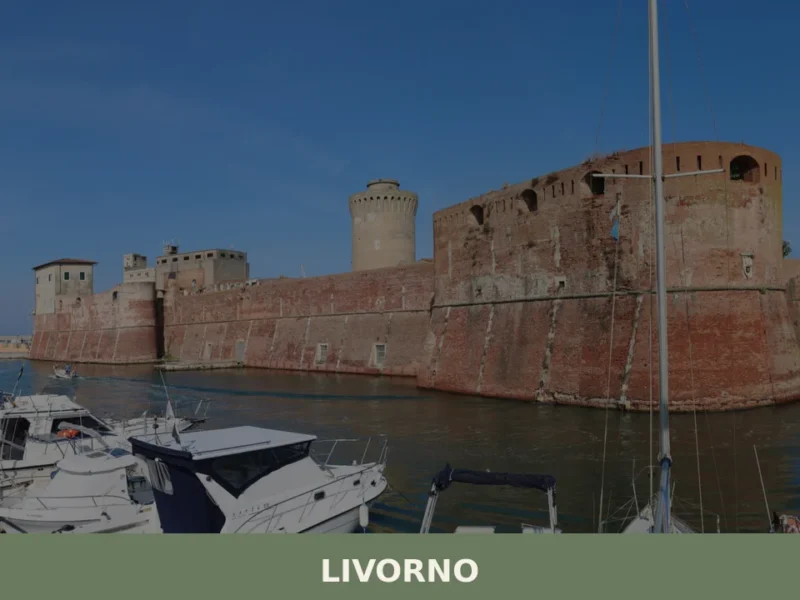
What to see in Livorno, a port city of 157,000 on the Tyrrhenian coast: Fortezza Vecchia, Quartiere Venezia, cacciucco, Terrazza Mascagni. Plan your visit now.
Aulla
 Plains
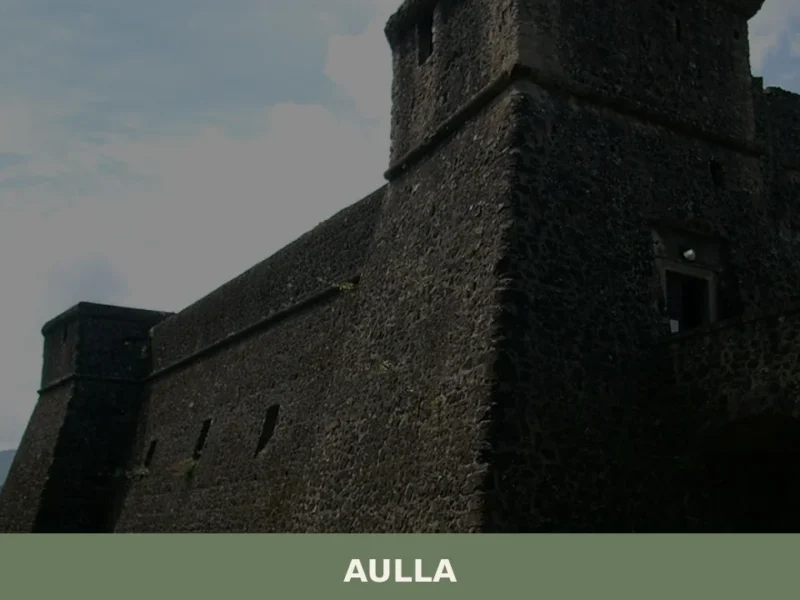
In 884 AD, Marquis Adalbert of Tuscany founded an abbey dedicated to Saint Caprasius at the confluence of the Magra and Aulella rivers, transforming a modest valley-floor settlement into an obligatory stopping point on the Via Francigena. Today, anyone wondering what to see in Aulla will find a lowland town at 64 metres above sea […]
Bagno a Ripoli
Plains
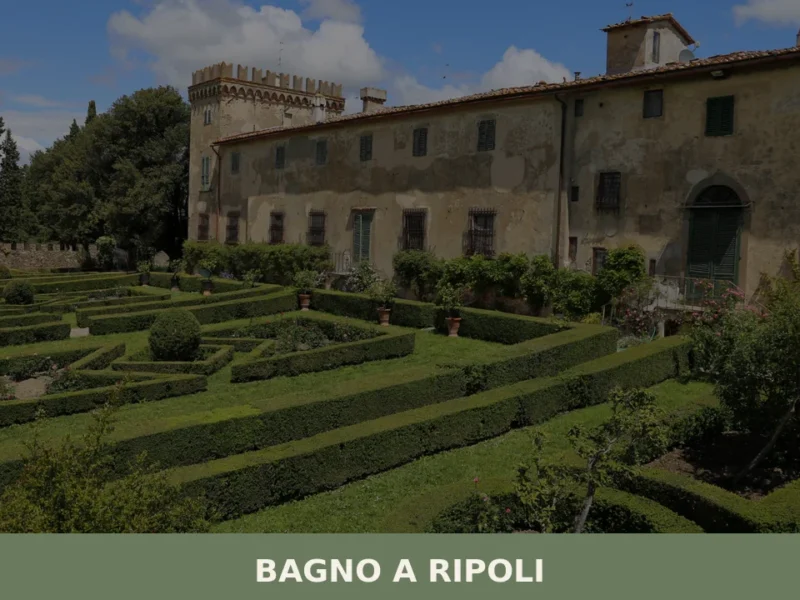
What to see in Bagno a Ripoli, Italy: 25,488 inhabitants, 7 km from Florence. Discover top attractions, local food, and how to get there. Explore now.
Borgo San Lorenzo
Plains
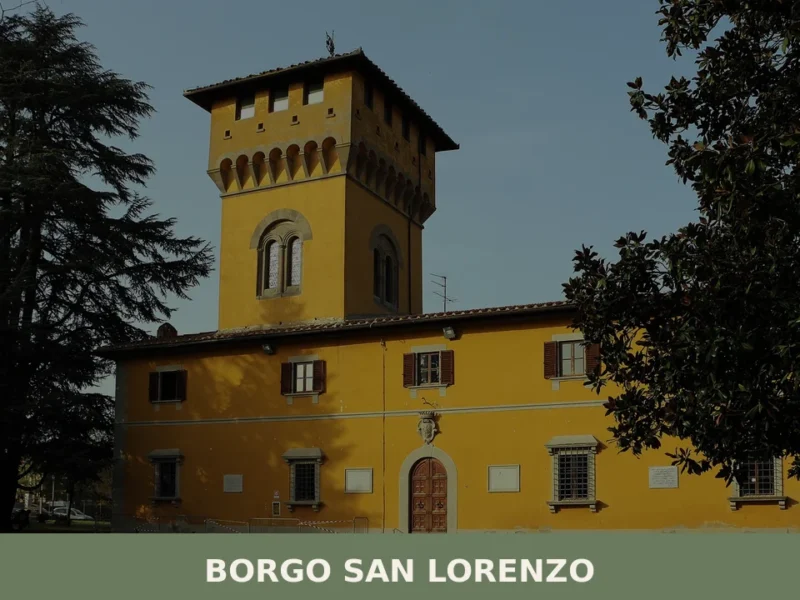
What to see in Borgo San Lorenzo, Italy: top attractions, local food, and how to get there. 20 km from Florence, 193 m altitude. Discover the Mugello valley.
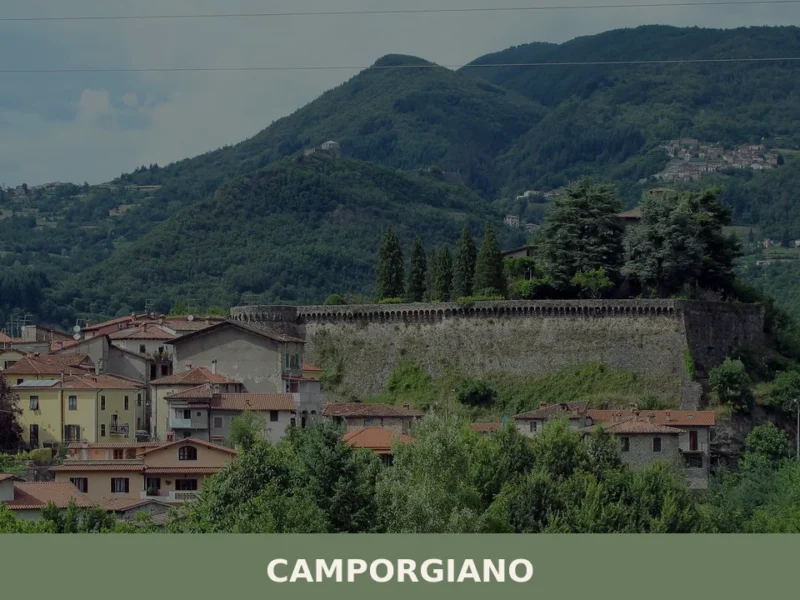
Camporgiano
Hills
What to see in Camporgiano, Italy: a hilltop comune at 475 m in Garfagnana, Toscana. Discover the fortress, San Iacopo feast and local chestnut traditions.
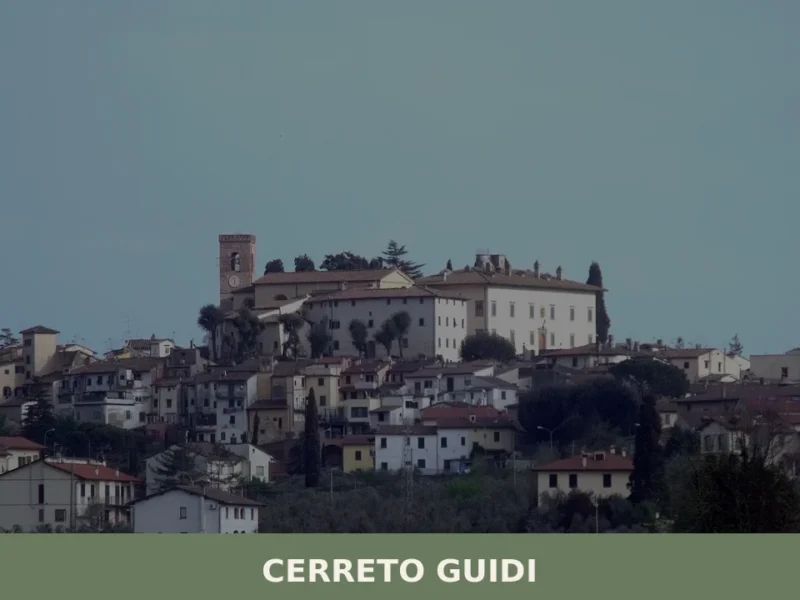
Cerreto Guidi
Plains
A low plain spreads west of Florence, and at 30 kilometres (19 mi) from the city the land rises just enough — to 123 metres (404 feet) above sea level — for a cluster of terracotta rooftops to stand out against the Tuscan sky. The municipality borders Empoli, Fucecchio, Vinci, and Lamporecchio, placing it at […]
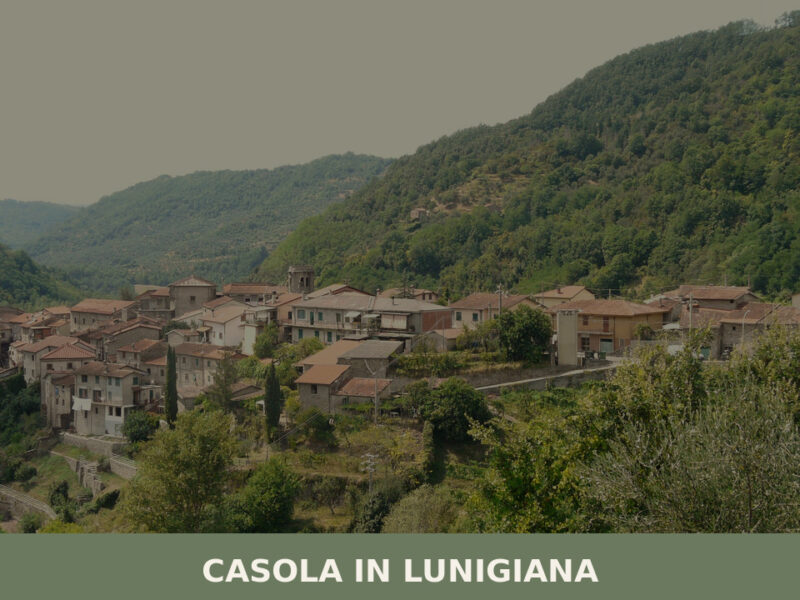
Casola in Lunigiana
Hills
Morning fog lifts slowly from the Aulella valley, revealing stone walls the colour of dried clay and a bell tower that has marked the hours here for centuries. The air carries woodsmoke and the faint mineral scent of chestnut groves climbing the surrounding slopes. With roughly one thousand inhabitants, Casola in Lunigiana remains one of […]
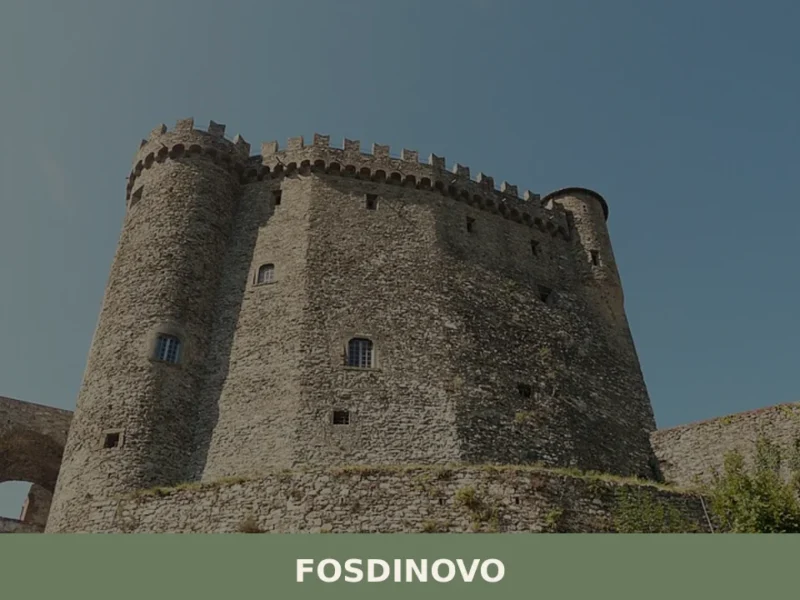
Fosdinovo
Hills
The Malaspina Castle of Fosdinovo has dominated the ridge separating the Val di Magra from the Apuan coast for over seven hundred years, with its four circular towers and a sentry walkway that can still be traversed. At 500 metres above sea level, this town in the province of Massa and Carrara has 4,982 inhabitants […]

🏡 Know Pontremoli better than we do?
If you’re a local or have been there, your knowledge matters: add what’s missing or fix a detail on this page.