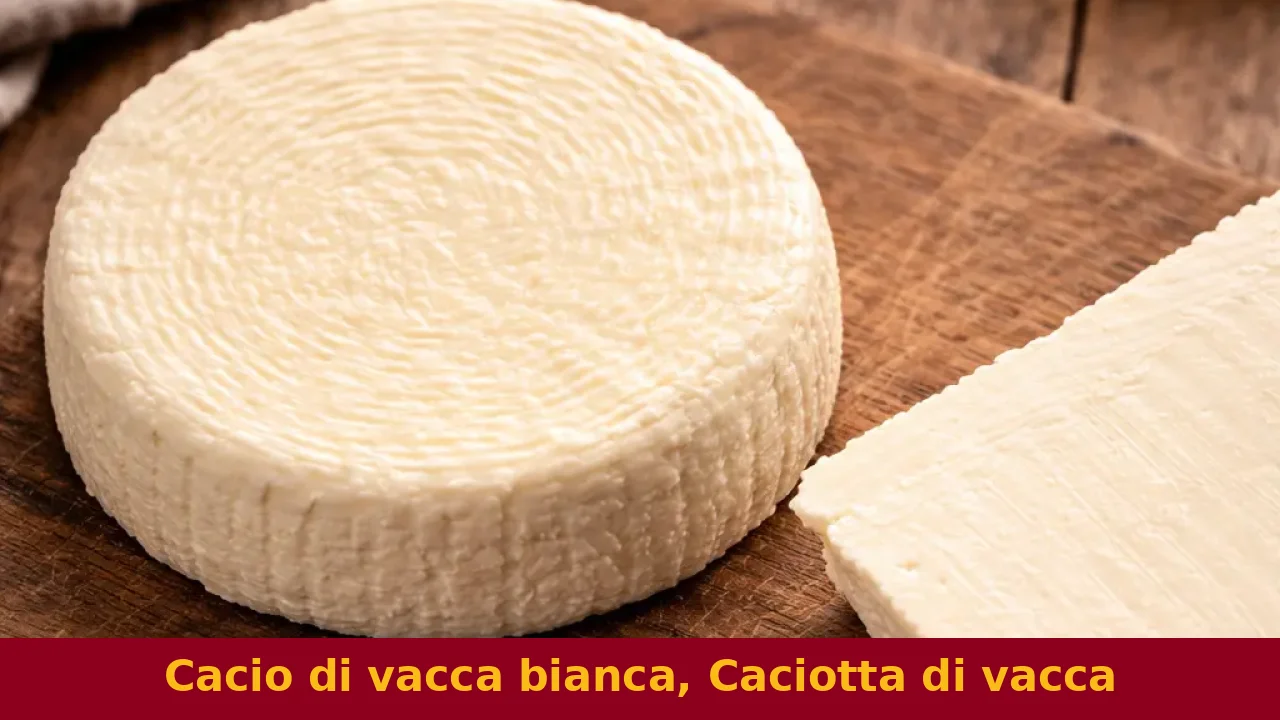
The cacio di vacca bianca, caciotta di vacca is a cheese that finds its origins in the pastoral tradition of Abruzzo, distinguishing itself by its origin from cow’s milk produced by a specific breed. This genetic characteristic of the “white cow” imparts particular organoleptic qualities to the milk, and consequently to the cheese, with an…
The cacio di vacca bianca, caciotta di vacca is a cheese that finds its origins in the pastoral tradition of Abruzzo, distinguishing itself by its origin from cow’s milk produced by a specific breed. This genetic characteristic of the “white cow” imparts particular organoleptic qualities to the milk, and consequently to the cheese, with an aromatic profile that results in a delicate yet persistent flavor. The production of these cheeses, which range from fresh caciotta to aged cacio, is a well-established practice in the region’s mountain and hill pastures, where the selection of raw materials is the first step towards a recognizable and valued product. The careful artisanal processing defines its texture and aromatic intensity, making it a true emblem of ancient knowledge.
The cacio di vacca bianca and the caciotta di vacca are two spun-paste or semi-hard cheeses, produced exclusively with whole milk from the white cow, an indigenous bovine breed or one historically present and valued in the Abruzzo territory. The cacio di vacca bianca typically comes in rounded shapes, with variable weight, and can undergo a more or less prolonged aging process, which intensifies its flavor and texture. The paste is compact, varying in color from white to straw yellow, depending on the degree of aging. The rind is thin and elastic, often treated with oil to aid preservation. The caciotta di vacca, on the other hand, is a fresher cheese, with a short aging period, which enhances its sweetness and softness. It has a cylindrical or slightly flattened shape, with a white, tender paste and a milky, delicate flavor. Both products are classified as PAT, Prodotti Agroalimentari Tradizionali (Traditional Agri-food Products), testifying to their historical and cultural link with Abruzzo.
The history of cacio di vacca bianca and caciotta di vacca is deeply connected to transhumance and cattle farming in the mountainous and foothill areas of Abruzzo. The presence of indigenous bovine breeds, adapted to local pastures, allowed for the development of a specific cheesemaking tradition, focused on valorizing the milk produced under these environmental conditions. Processing milk to obtain long-lasting cheeses like “cacio” was essential for pastoral communities, who needed nutritious and transportable products during seasonal migrations. “Caciotta”, with its fresher nature, represented the daily consumption of farming families. Although there are no specific documents attesting to a precise origin date, the practice of transforming white cow’s milk into these cheeses has been handed down orally and through the practical experience of cheesemakers for generations, consolidating itself as an integral part of Abruzzo’s gastronomic heritage.
The territory of production of cacio di vacca bianca and caciotta di vacca extends mainly in the inland and mountainous areas of Abruzzo, where high-altitude pastures offer rich and varied forage, ideal for cattle farming. The provinces of L’Aquila, Chieti, and Pescara, with their vast areas dedicated to livestock farming, are the pulsating hearts of this production. The mountain environment, characterized by a specific climate and diverse spontaneous flora, contributes significantly to the quality of the milk and, consequently, to the aromatic profile of the cheeses. Small centers and pastoral communities, often located near parks and natural reserves, keep the tradition alive. These cheeses can be found and tasted around villages such as Carapelle Calvisio, Alfedena, and Anversa degli Abruzzi, all situated in contexts where pastoralism remains a fundamental component of the local economy and culture. To discover other traditional products from ABRUZZO, it is useful to explore the region’s diverse rural areas.
The production of cacio di vacca bianca and caciotta di vacca follows artisanal techniques that enhance the quality of raw milk. The process begins with the milking of white breed cows, whose milk is then coagulated, often raw or with a slight thermal treatment, using calf rennet. For caciotta, the process is faster: the curd is finely broken, placed into molds, and left to drain for a few hours, sometimes with a brief pressing. Salting occurs dry or in brine for a limited time, and aging is very short, from a few days to a few weeks, to maintain freshness and softness. For the cacio di vacca bianca, the curd is worked more vigorously, and the breaking is less fine. After shaping, which may include a spinning phase for some variants, the forms are salted and placed to age in cool, ventilated environments, where they can remain from a minimum of 2-3 months up to a year or more. During aging, the forms are regularly turned and brushed, and sometimes oiled with olive oil, to promote the formation of a protective rind and the development of aromas. The cheesemaker’s skill is fundamental at every stage, from temperature control to evaluating the curd’s consistency.
The organoleptic characteristics of cacio di vacca bianca and caciotta di vacca reflect the purity of the milk and the specificity of the processing. The caciotta di vacca presents a white, soft, and elastic paste, without eyes or with small scattered eyes. The aroma is delicate, lactic, with hints of yogurt and fresh cream. The taste is sweet, slightly acidic, with an aftertaste of freshly milked milk. Its melting consistency makes it pleasant on the palate. The cacio di vacca bianca, depending on the aging, shows a more compact paste and a color that shifts towards straw yellow. The aroma becomes more intense and complex, with notes of hay, pasture, and sometimes a slight hint of hazelnut or dried fruit. The taste is savory, with a residual sweetness and a well-balanced acidity. More aged variants can develop spicy notes or a more decisive and persistent flavor. The rind, thin and smooth, contributes to the aromatic profile, especially if edible and consumed with the paste.
The cacio di vacca bianca and caciotta di vacca offer versatility in the kitchen, adapting to various preparations. The caciotta di vacca, due to its delicacy and freshness, is excellent consumed naturally, on a cheese board accompanied by Abruzzo honey, fruit preserves, or mustards. It is perfect for enriching fresh salads, as an ingredient in savory tarts or frittatas, or simply spread on homemade bread. It can be used to fill sandwiches or piadine, where its softness creates a pleasant contrast with other ingredients. The cacio di vacca bianca, especially in its more aged variants, is an excellent table cheese, to be enjoyed at the end of a meal or as an aperitif, perhaps paired with typical Abruzzo cured meats and a good glass of Montepulciano d’Abruzzo. Grated, it can flavor traditional first courses, such as pasta alla chitarra with lamb ragù or legume soups. Shavings of aged cacio can enrich meat carpaccios or grilled vegetables, adding a touch of savoriness. Its consistency also allows it to be used in cooking, for example, to cream risottos or to create light fondues.
The cacio di vacca bianca, caciotta di vacca is a unique product due to several intersecting factors that create a strong and distinctive identity. Firstly, the use of milk from a specific bovine breed, the “white cow,” gives the cheese an organoleptic profile that differs from other cow’s milk cheeses. This link with the breed is an element of typicality that adds to the geographical context. Production is firmly rooted in the pastoral practices of Abruzzo, a territory where livestock farming is an integral part of the landscape and culture. Artisanal processing, which often employs ancient techniques and inherited knowledge, ensures a product that escapes industrial standardization, maintaining the nuances and imperfections that attest to its genuineness. The classification as a Traditional Agri-food Product (PAT) officially recognizes its historical and cultural value, distinguishing and protecting it as an expression of a territory and its people.
The cacio di vacca bianca and caciotta di vacca are recognized as PAT, Prodotti Agroalimentari Tradizionali (Traditional Agri-food Products) by the Italian Ministry of Agricultural, Food and Forestry Policies. This certification is not a community quality mark like PDO or PGI, but it certifies that the product is obtained with processing, preservation, and aging methods consolidated over time, homogeneous throughout the interested territory, according to traditional rules and for a period of no less than twenty-five years. The PAT recognition underlines the deep connection of these cheeses with the history and customs of the Abruzzo territory, valorizing the tradition and genuineness of local production practices. It is a seal that guarantees their origin and typicality, contributing to the protection and promotion of a valuable gastronomic heritage.
To taste and buy cacio di vacca bianca and caciotta di vacca, the best solution is to visit the production areas directly in Abruzzo. Many farms and artisanal dairies, especially in the provinces of L’Aquila and Chieti, offer direct sales of their products. They can be found in local farmers’ markets, held regularly in various locations, such as Avezzano or Sulmona, where producers display their cheesemaking creations. Specialty food shops and delis in centers like Carapelle Calvisio, Alfedena, or Anversa degli Abruzzi are also excellent reference points. During food and wine festivals and fairs, which animate Abruzzo in different seasons, you have the opportunity to taste these cheeses and meet the producers. Visiting Abruzzo’s villages and countryside is not only a way to purchase quality products but also an experience that allows one to understand the cultural and environmental context in which these excellences are born, discovering the genuineness of Italian traditional food products in their natural environment.
📷 Photo: Villages Italy · Villages Italy License · All credits →
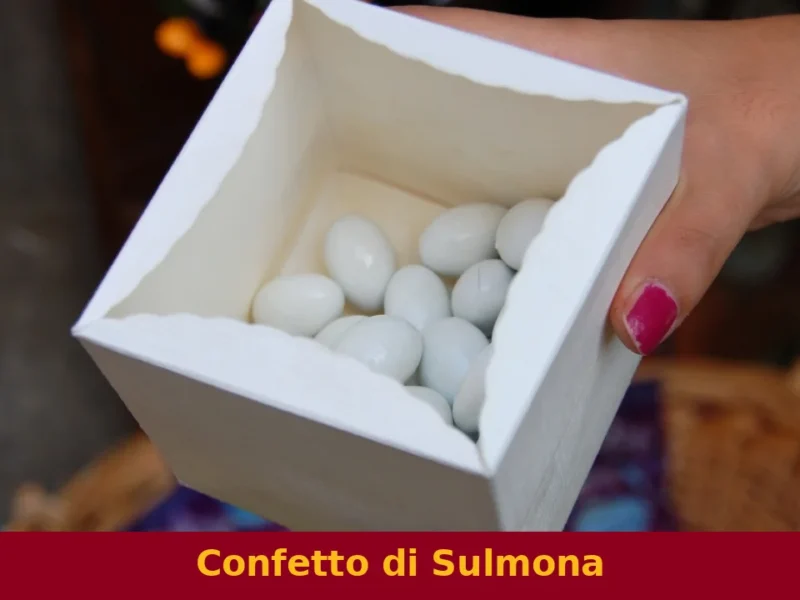
Among the sweets that define the gastronomic identity of Abruzzo, the Confetto di Sulmona stands out for its...
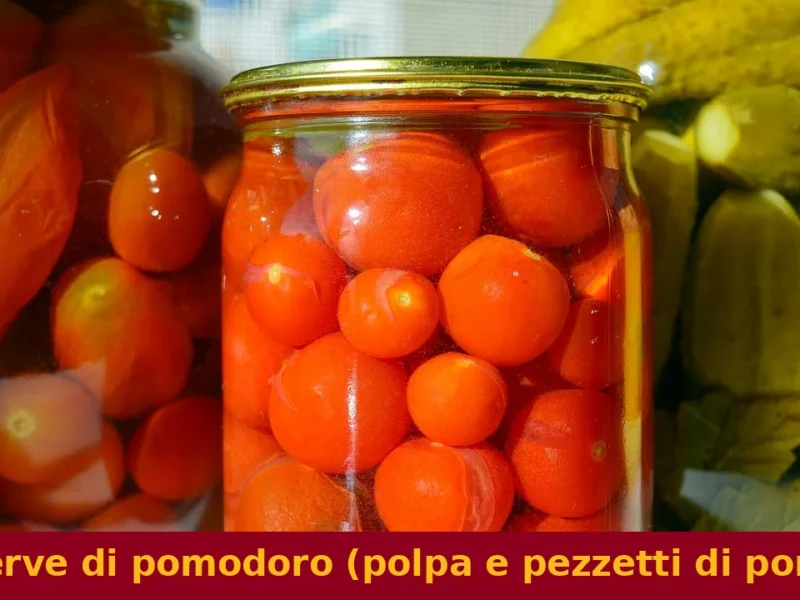
Nelle cucine abruzzesi, il profumo dolce e leggermente acidulo del pomodoro maturo evoca immediatamente l'estate e la generosità...
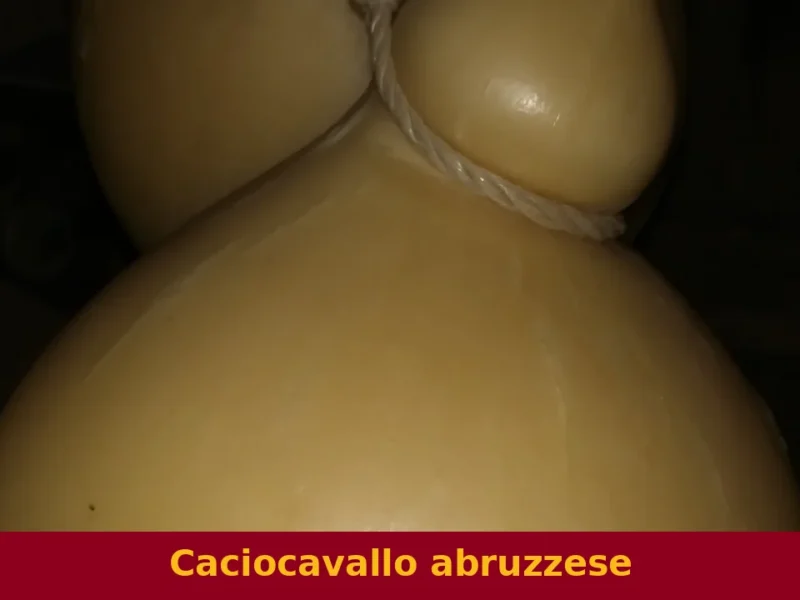
Among the peaks and valleys of Abruzzo, where the echo of traditions resounds strongly, a cheese is born...
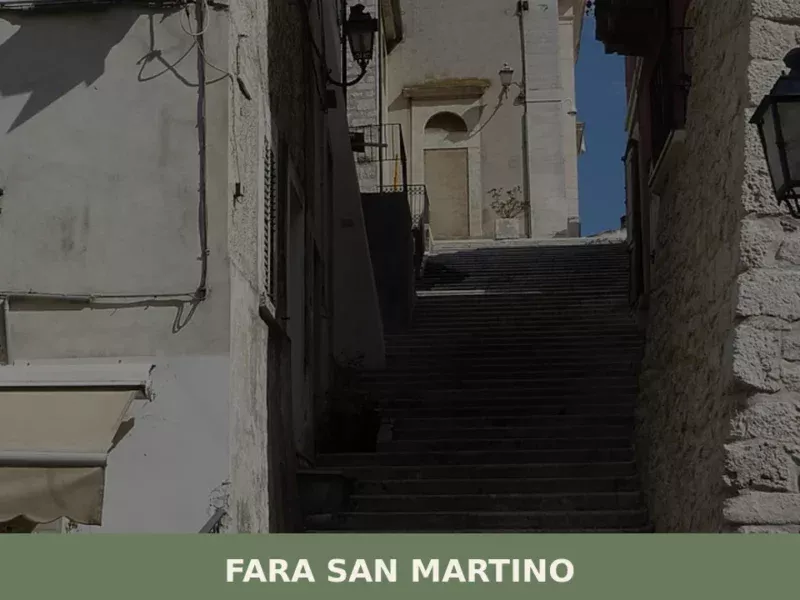
Fara San Martino, a municipality of 1,289 inhabitants, is located 440 meters above sea level in the heart of the province of Chieti, marking the entrance to the eastern side of the Maiella National Park. This settlement, with roots dating back to the Lombard era, displays a historical layering evident in its architecture and urban […]

Until 1905, this village was called Bacucco, a name likely derived from the Latin bacuca, which referred to olives that had fallen to the ground — a direct reference to the agricultural character of the area. Situated at 470 metres above sea level on the hills of the Teramo province, Arsita and its 733 inhabitants […]
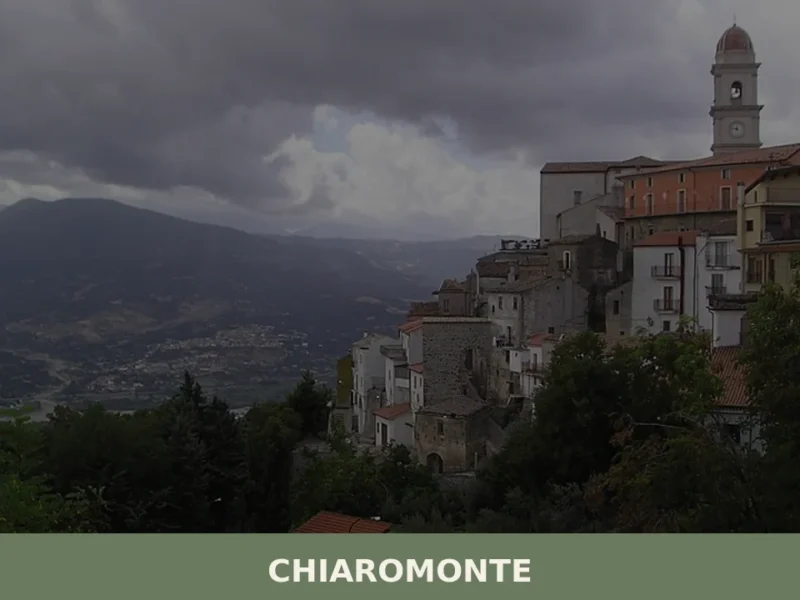
With a population of 1,964 inhabitants, Chiaromonte is located 794 meters above sea level in the province of Potenza. The village, whose presence has been documented since the medieval era, celebrates its patron, Saint John the Baptist, on June 24 and August 29. For those who venture into this mountain landscape, the desire to understand […]
📝 Incorrect information or updates?
Help us keep the Cacio di vacca bianca, Caciotta di vacca page accurate and up to date.