


Filetto
 Hills
Hills
Filetto, a settlement of 854 inhabitants, is located at 403 meters above sea level in the heart of the province of Chieti. This settlement, documented in historical sources dating its presence back to the medieval era, extends across a hill overlooking the Foro Valley. Its urban layout reflects the layering of different periods, with buildings […]
Discover Filetto
Filetto, a settlement of 854 inhabitants, is located at 403 meters above sea level in the heart of the province of Chieti. This settlement, documented in historical sources dating its presence back to the medieval era, extends across a hill overlooking the Foro Valley. Its urban layout reflects the layering of different periods, with buildings arranged along paths adapted to the terrain’s morphology. For those wishing to explore the area and understand the identity of the place, it is essential to know what to see in Filetto, from its religious and civil architecture to the viewpoints over the surrounding countryside.
History and Origins of Filetto
The origins of Filetto are likely situated in the medieval period, a time when the need for defense led to the founding of numerous settlements on high ground. The name itself, Filetto, might derive from the Latin filictum, indicating a place rich in ferns, or from filum, due to its elongated position along the ridge. Its strategic location, in a transit zone between the Adriatic coast and the mountainous interior of Abruzzo, influenced the village’s development over the centuries.
Over time, Filetto moved within the orbit of feudal powers, experiencing the territorial dynamics that characterized much of Abruzzo. Historical documents attest to the presence of defensive structures and the succession of various noble families in controlling the fiefdom, common elements in many settlements in the province of Chieti. These events have left traces in the village’s structure, still visible today in the foundations of some buildings and the layout of its streets.
For further information on the municipality’s history, you can consult the official website of the Municipality of Filetto or the dedicated page on Wikipedia Italy.
what to see in Filetto: 5 essential attractions
Exploring Filetto offers a route among religious architecture and views of the Abruzzese countryside. Here is a selection of places that deserve attention to understand the village’s character.
1. Church of San Giacomo il Maggiore
Dedicated to the village’s patron saint, the Church of San Giacomo il Maggiore is Filetto’s main place of worship. Its facade, with architectural elements layered over time, and its bell tower, form a visual landmark. Inside, sacred artworks and furnishings can be observed, documenting the community’s devotion and the artistic styles that have followed one another through the centuries.
2. The historic center
Filetto’s oldest core consists of a network of streets that develop around the main church. Here, stone buildings display traditional construction features, with portals and windows reflecting local architecture. A walk in this area allows one to observe the village’s original layout and the daily life that takes place there.
3. Baronial Palace (or remains of fortified structures)
Although a precise name is not specified, it is common to find in villages of this nature the remains or re-elaboration of ancient defensive structures or noble residences. In Filetto, a building serving as a former Baronial Palace or the remains of walls and towers, if present, offer testimony to the feudal past and the need for protection that shaped the settlement.
4. Belvedere over the Foro Valley
Given its altitude of 403 meters, Filetto offers various points from which to observe the Foro Valley. These viewpoints allow one to survey the surrounding hilly landscape, characterized by cultivated fields, olive groves, and vineyards, which extend to the slopes of the more internal reliefs. It is an opportunity to appreciate the geographical context in which the village is situated.
5. Public fountain or wash house
Elements such as a public fountain or an ancient wash house, if still present, represent places of historical and practical gathering. These points were essential for community life, providing water and serving as meeting places. Observing these structures allows for an understanding of aspects of social life and the primary needs of inhabitants in past centuries.
Typical Cuisine and Local Products
The cuisine of Filetto and the Foro Valley reflects the richness of Abruzzese culinary tradition, based on simple, quality ingredients. Among the typical products, extra virgin olive oil, produced from the numerous cultivations on the hills, and a variety of cured meats stand out. Ventricina, a spicy cured sausage typical of the area between Chieti and Teramo, is a product of particular gastronomic importance. Cheeses are also present, including Pecorino d’Abruzzo, often used to enrich first courses or to be enjoyed on its own.
Traditional dishes include homemade pasta, such as sagne a pezze or pasta alla chitarra, often dressed with meat sauces or lamb ragù. Ovine meats, especially arrosticini, which are skewers of grilled sheep meat, are a symbol of Abruzzese gastronomy and can be found in local trattorias. Throughout the year, festivals and village feasts offer the opportunity to taste these specialties, celebrating the products of the land and recipes handed down from generation to generation. For more information on typical products, you can consult the Italian Touring Club website.
When to visit Filetto: the best period
Filetto’s climate, temperate with Mediterranean and continental influences, makes the village visitable in different seasons. Spring and early autumn are generally the most recommended periods. In spring, the surrounding countryside comes alive with vibrant colors and temperatures are mild, ideal for walks and outdoor activities. Autumn offers a landscape characterized by foliage colors and olive harvesting, with pleasant temperatures and a calmer atmosphere.
Summer can be warm, but evenings are often cooled by breezes. On July 25th, for the feast of San Giacomo il Maggiore, the village comes alive with religious celebrations and local events. Winter brings cooler temperatures, with the possibility of snowfall, offering a different, more intimate and quiet image of the village.
How to get to Filetto
Filetto is mainly accessible by private transport, given its hilly location.
- By car: Coming from the A14 Adriatica motorway, you can exit at Chieti and then continue on the SS649 and provincial roads towards Filetto. From Rome, take the A25 Rome-Pescara motorway, exiting at Chieti and following the signs.
- By train: The nearest railway station is Chieti Scalo. From there, it is possible to take a public bus or a taxi to reach Filetto.
- By plane: The nearest airport is Abruzzo Airport (Pescara – PSR), located approximately 30-40 kilometers from Filetto. From the airport, it is possible to rent a car or use taxi/bus services for the final destination.
Distances from some main cities: Chieti approximately 20 km, Pescara approximately 35 km, L’Aquila approximately 90 km, Rome approximately 190 km.
Other villages to discover in Abruzzo
Abruzzo is a region full of villages that preserve architecture and traditions. Those visiting Filetto and wishing to continue exploring the territory can consider other significant destinations. Among these, Alfedena, located in the upper Sangro valley, offers a mountain setting with traces of ancient settlements, including the remains of an important Samnite necropolis. Its position in the Abruzzo, Lazio and Molise National Park makes it a starting point for nature excursions.
Another destination of interest is Celano, a village dominated by the imposing Piccolomini Castle. This center, with its history linked to the Marsi people and the events of the Marsica region, offers an example of medieval fortified architecture and a panorama over the Fucino Plain. Both villages represent stops that allow for a deeper understanding of Abruzzo’s diverse landscape and history.
Frequently asked questions about Filetto
What is the best time to visit Filetto?
Spring (April–June) and early autumn (September–October) are the ideal seasons: mild temperatures, blooming countryside, and olive harvest make the Foro Valley landscape particularly rewarding. Summer evenings are pleasant, and July 25th — the feast of San Giacomo il Maggiore — is the village's most lively moment, with religious celebrations and local gatherings worth experiencing. Winter is quieter and more intimate, occasionally with snow, offering a different charm to those seeking an off-season escape.
What are the historical origins of Filetto?
Filetto's origins trace back to the medieval period, when hilltop settlements were founded for defensive purposes. The name likely derives from the Latin filictum (place rich in ferns) or from filum, referencing its elongated ridge position. Its strategic location between the Adriatic coast and Abruzzo's mountainous interior made it significant within feudal territorial dynamics. Historical documents record the succession of noble families controlling the fiefdom, leaving traces visible today in the village's street layout and building foundations.
What to see in Filetto? Main monuments and landmarks
The Church of San Giacomo il Maggiore, dedicated to the village's patron saint, is the primary landmark, with its layered facade, bell tower, and interior sacred artworks. The historic center offers stone buildings, traditional portals, and narrow streets adapted to the hill's morphology. Remains linked to the feudal past — including traces of fortified structures or a former baronial residence — add historical depth. The belvedere overlooking the Foro Valley completes the essential visit. Access to the historic center and viewpoints is free.
What are the main natural or scenic attractions of Filetto?
Filetto sits at 403 meters above sea level, offering panoramic views over the Foro Valley — a landscape of cultivated fields, olive groves, and vineyards stretching toward the Abruzzese interior hills. The surrounding hilly terrain is well-suited for walks along rural paths connecting the village to the broader countryside of the province of Chieti. The valley setting and the agricultural mosaic of the area make it genuinely rewarding for those who appreciate unspoiled Apennine landscapes away from mass tourism circuits.
Where to take the best photos in Filetto?
The most rewarding shots in Filetto come from the belvedere points overlooking the Foro Valley, where olive groves and cultivated hillsides create layered panoramas, especially at golden hour. The facade of the Church of San Giacomo il Maggiore and the stone alleys of the historic center offer authentic architectural detail typical of inland Abruzzo. The ridge position of the village itself — with its buildings following the natural contours of the hill — provides interesting angles, particularly in spring when the surrounding countryside is at its most colorful.
Are there churches or historic buildings to visit in Filetto?
The Church of San Giacomo il Maggiore is Filetto's main religious and architectural landmark. Its facade reflects the layering of different historical periods, and the interior preserves sacred artworks and furnishings that document centuries of community devotion. The historic center also contains buildings with traditional stone construction, featuring original portals and windows characteristic of the architecture of the Chieti province hills. Traces of former defensive or noble structures are part of the village's built heritage, reflecting its feudal past.
What can you do in Filetto? Activities and experiences
Filetto is well suited for slow, immersive tourism. Walking through the historic center and along rural paths in the Foro Valley is the primary activity. The feast of San Giacomo il Maggiore on July 25th offers a direct encounter with local traditions and community life. The surrounding hilly countryside supports food and wine exploration — olive oil production, local cured meats, and seasonal produce are central to the area's identity. Combining a visit with nearby villages in the province of Chieti makes for a fuller experience of inland Abruzzo.
Who is Filetto suitable for? Families, couples, hikers, solo travelers?
Filetto is best suited for couples and solo travelers seeking quiet, authentic experiences far from mass tourism. Its manageable scale, scenic hill setting, and traditional architecture make it appealing to cultural tourists and photography enthusiasts. Families with an interest in rural Abruzzo and local gastronomy will also find it rewarding, particularly during the July 25th patron feast. Hikers and nature lovers can enjoy the Foro Valley countryside on foot. It is not oriented toward beach tourism or nightlife, making it ideal for those valuing slow travel.
What to eat in Filetto? Local products and specialties
The gastronomy of Filetto reflects the broader Abruzzese tradition of the Chieti hills. Extra virgin olive oil from local cultivations is a cornerstone product. Cured meats, including ventricina — a spiced salume typical of the Chieti-Teramo area — feature prominently. Pecorino d'Abruzzo cheese accompanies both meals and antipasti. Traditional pasta dishes include pasta alla chitarra and sagne a pezze, typically dressed with meat or lamb ragù. Arrosticini — grilled sheep skewers — are the emblematic street food of Abruzzo and available in local trattorias throughout the area.
Nearby Villages near Filetto
In Abruzzo More villages to discover
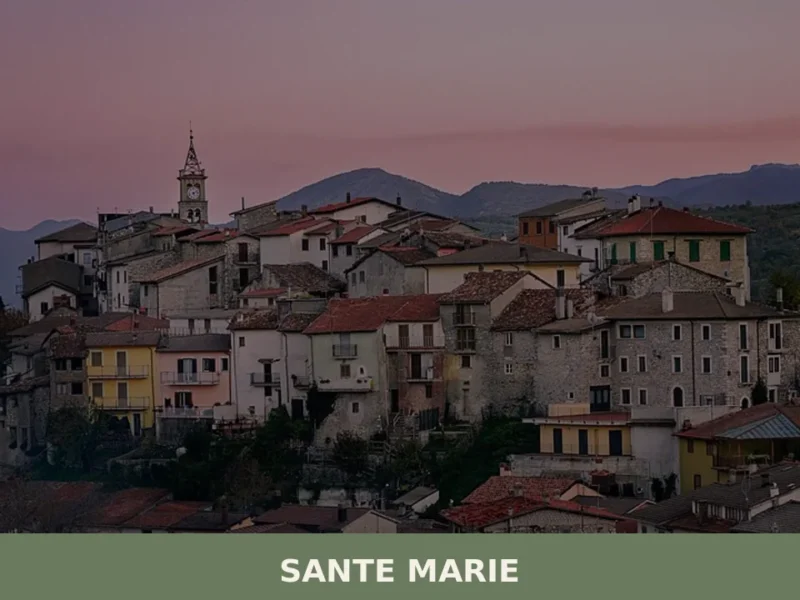
Sante Marie
 Mountain
What to see in Sante Marie? Discover the 5 must-see attractions, from the historic village to the trails. Plan your visit to Abruzzo!
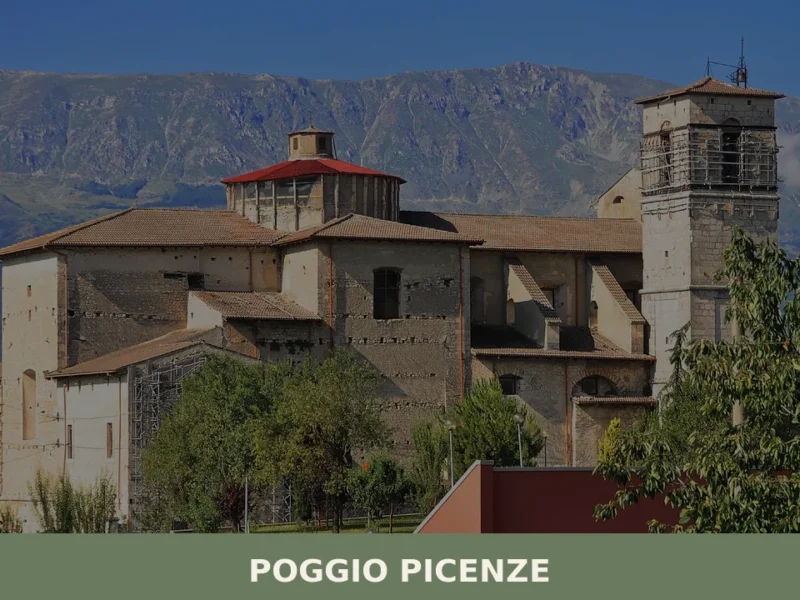
Poggio Picenze
Mountain
What to see in Poggio Picenze, Italy: explore 5 top attractions at 760 m altitude, the Blues festival, and San Felice feast. Discover Abruzzo's limestone village.
Brittoli
Mountain
Brittoli has 258 inhabitants today — fewer than it takes to fill a regional railway carriage. Yet this small settlement at 779 metres above sea level, in the western part of the province of Pescara, retains a building fabric that dates in part to the 12th century and a strategic position on the ridge separating […]
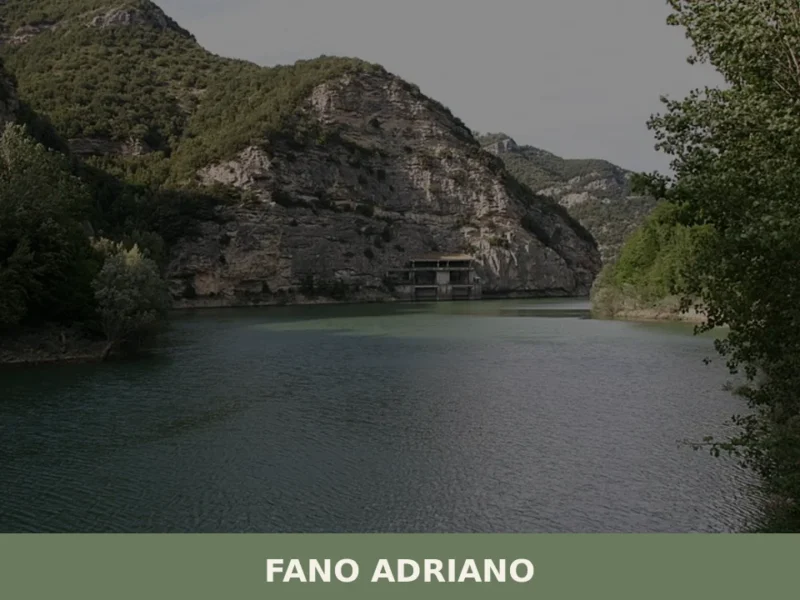
Fano Adriano
Mountain
what to see in fano adriano, Italy: Discover 5 key attractions and local traditions in this Abruzzo village at 750 m (2,461 ft) altitude. Explore.
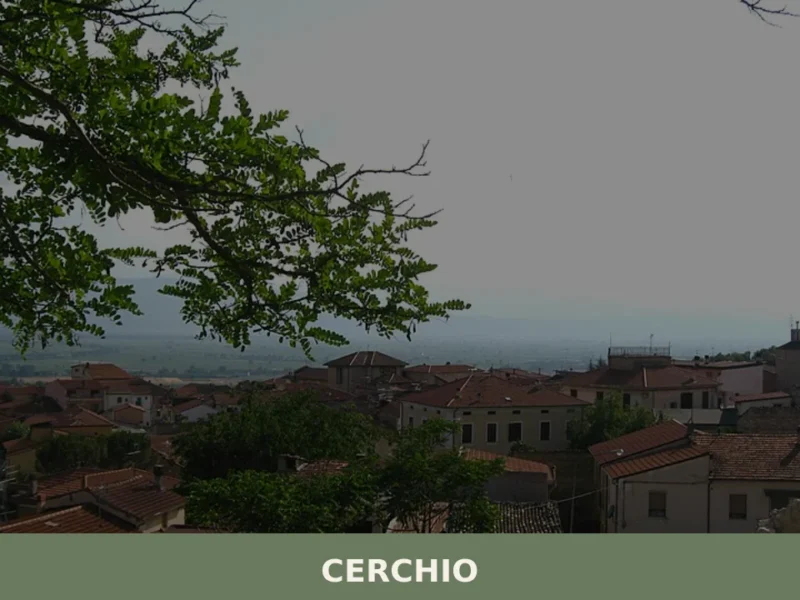
Cerchio
Mountain
At 834 metres above sea level, on the Fucino plain — the largest lake in central Italy until 1875, when the drainage project commissioned by Prince Alessandro Torlonia transformed the lake bed into agricultural land —, Cerchio has a current population of 1,556 and an economy still tied to those fields reclaimed from the water. […]
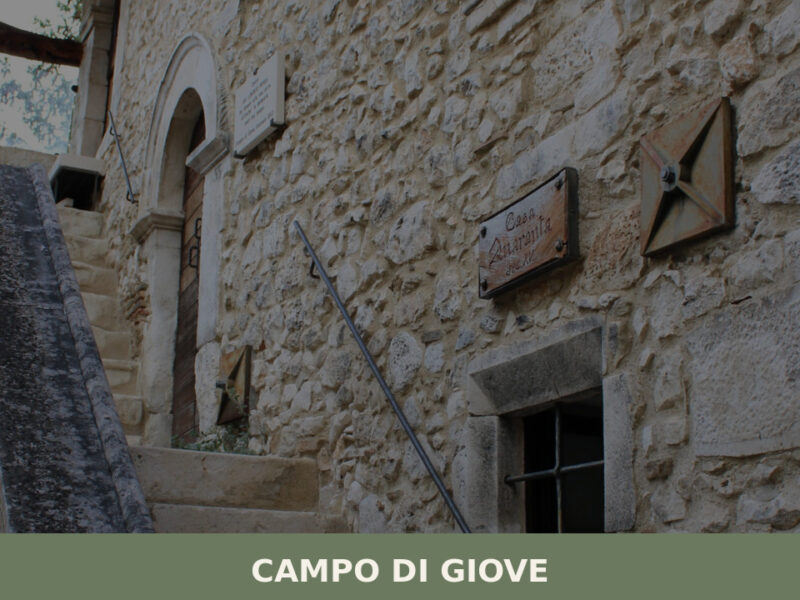
Campo di Giove
Mountain
A mountain village at 1,064 metres beneath the Majella massif. Discover what to see in Campo di Giove — medieval stone houses, highland pastures, and quiet trails.
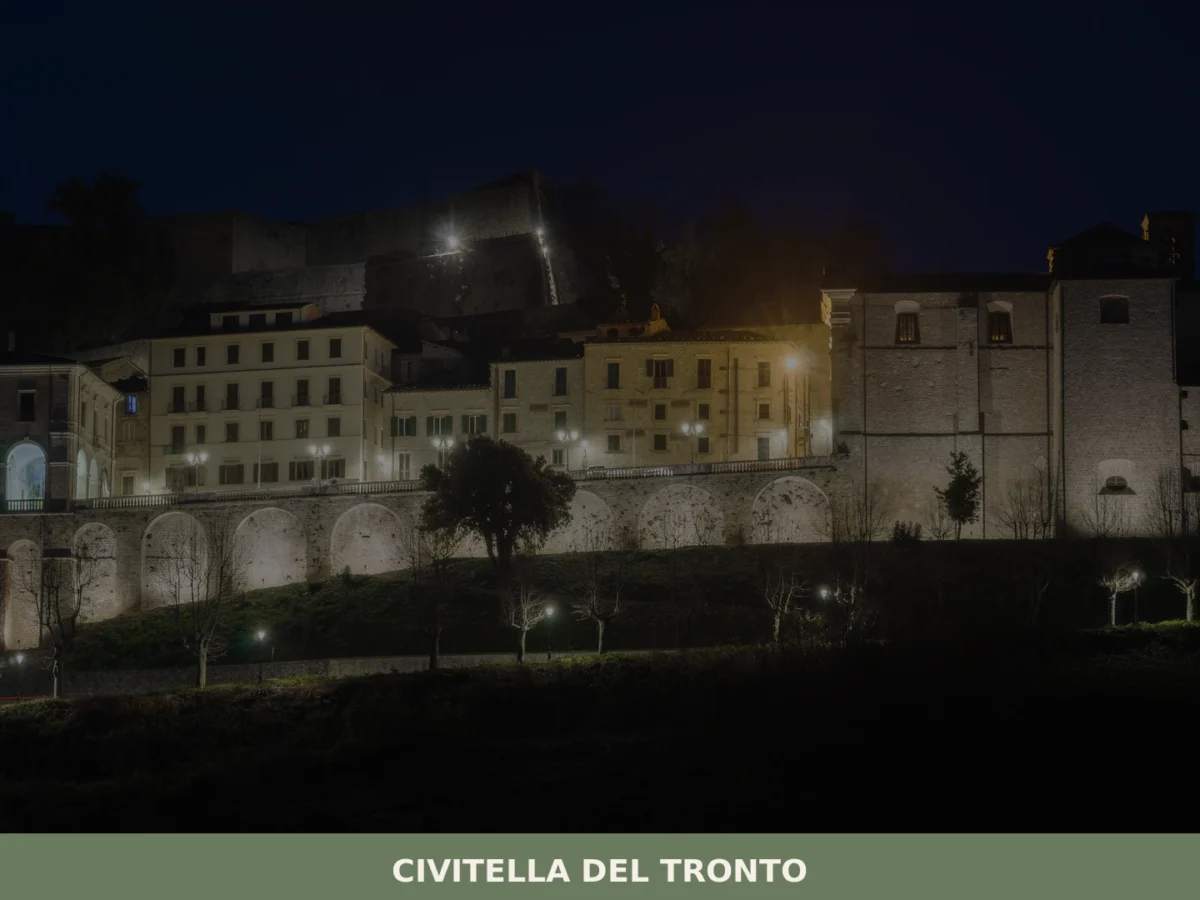
Civitella del Tronto
Hills
what to see in civitella del tronto, Italy: Discover the historic Fortress and the 1326 San Francesco church in this Abruzzo village at 589 meters altitude. Explore now.
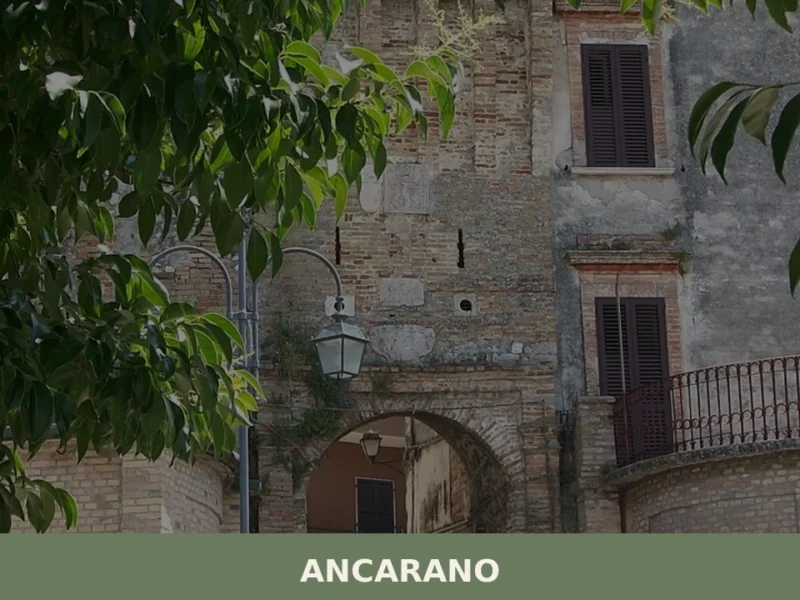
Ancarano
Hills
At 295 metres above sea level, where the province of Teramo brushes against the border with the Marche, Ancarano occupies a strip of hilly territory that slopes down towards the Val Vibrata, with a population of 1,824 inhabitants spread between the historic centre and the surrounding hamlets. Anyone wondering what to see in Ancarano will […]
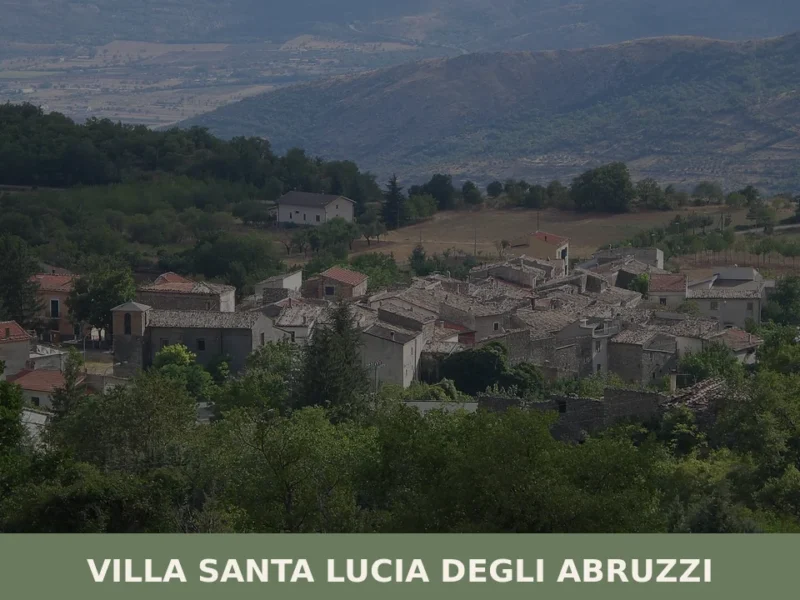
Villa Santa Lucia degli Abruzzi
Mountain
what to see in villa santa lucia degli abruzzi, Italy. With 76 residents, explore its Gran Sasso park setting and unique demographic profile. Discover this Abruzzo village.
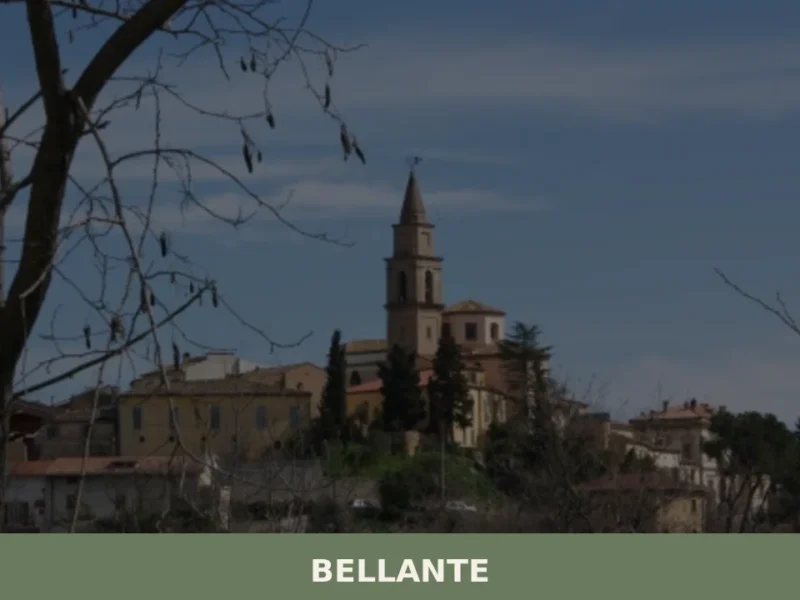
Bellante
Hills
The road into Bellante rises through a sequence of switchbacks that open, at the last bend, onto a compact hilltop settlement in the Teramo hills of Abruzzo. Stone buildings press close against one another along the ridge, and the Torre Civica — the civic tower at the center of the old settlement — marks the […]





🏡 Know Filetto better than we do?
If you’re a local or have been there, your knowledge matters: add what’s missing or fix a detail on this page.