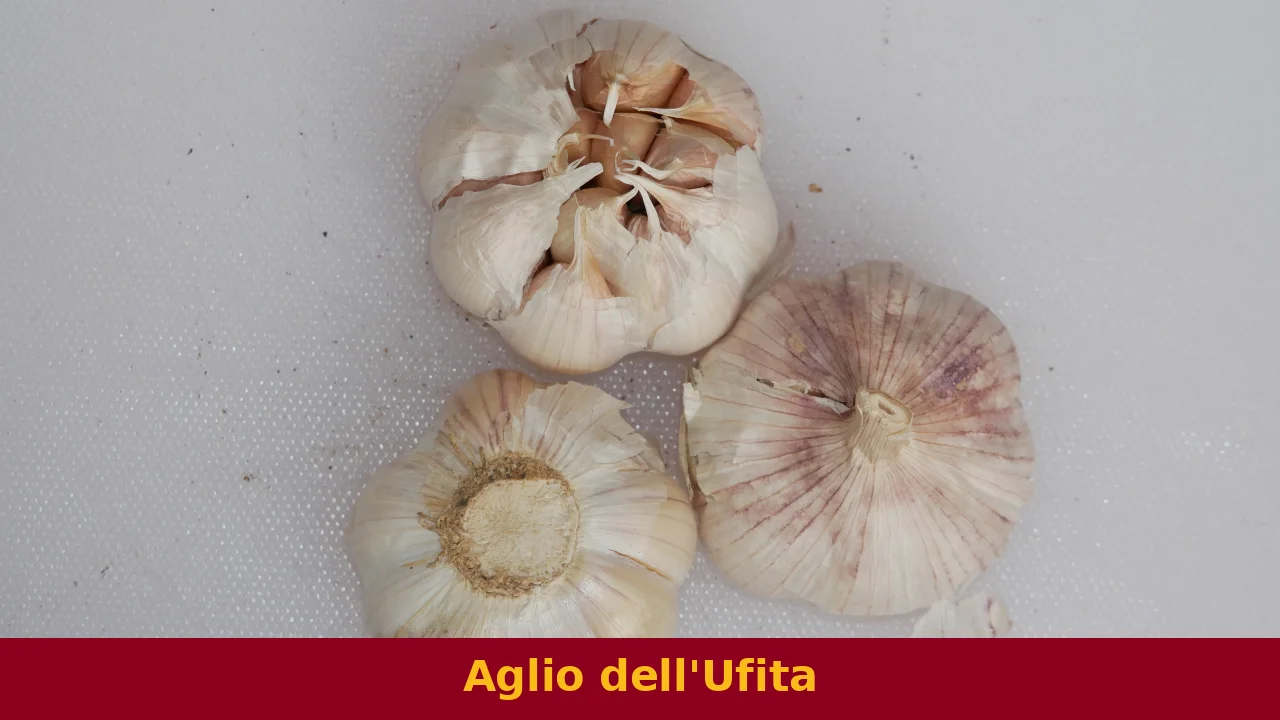
From the generous land of Irpinia, where the Ufita river traces its course through hills and fields, a bulb with a distinct character emerges: aglio dell’ufita. This product, recognized as a PAT of Campania, is much more than a simple condiment; it is a fragment of agricultural history, a flavor that speaks of rural traditions…
From the generous land of Irpinia, where the Ufita river traces its course through hills and fields, a bulb with a distinct character emerges: aglio dell’ufita. This product, recognized as a PAT of Campania, is much more than a simple condiment; it is a fragment of agricultural history, a flavor that speaks of rural traditions and a deep connection to its territory. Its cultivation, handed down from generation to generation, gives aglio dell’ufita an aromatic and gustatory profile that distinguishes it, making it an undisputed protagonist of local and wider cuisines.
Aglio dell’ufita is a variety of garlic (Allium sativum L.) native to the Ufita Valley, in Campania, recognized as a Traditional Agri-food Product (PAT) by the Ministry of Agricultural, Food and Forestry Policies. It is distinguished by its large heads, composed of white or slightly pinkish cloves, compact and regularly shaped. Its peculiarity lies in the persistence of its flavor and its intense yet balanced aroma, which makes it less “aggressive” than other garlic varieties while maintaining remarkable gustatory depth. The bulb usually presents with white or ivory outer tunics, enclosing firm and juicy cloves. Its cultivation follows methods that respect local biodiversity and soil specificity, contributing to defining its unique characteristics.
The presence of garlic in the Ufita territory has ancient roots, closely connected to the agricultural and food history of Campania. The cultivation of this specific variety has developed and consolidated over the centuries, adapting perfectly to the pedoclimatic conditions of the valley. The first records of organized and recognized cultivation date back to times when agriculture was the cornerstone of the local economy, and earth’s products were valued for their ability to nourish and flavor. Aglio dell’ufita is not just a food, but a symbol of resilience and continuity of traditional agricultural practices. Its spread is linked to rural culture, which has been able to select and preserve this variety, passing down through generations not only cultivation techniques but also the importance of its role in the local diet and recipes. This garlic was, and still is, a fundamental ingredient for subsistence and for the preparation of dishes that define the gastronomic identity of the area.
The heart of aglio dell’ufita production beats in the Ufita Valley, a geographical area of the province of Avellino, in Irpinia, which takes its name from the Ufita river. This river, a right-bank tributary of the Irpinian Calore, flows through a hilly and valley landscape of the Campanian Apennines. The specificity of the territory is given by a combination of factors: the soil, predominantly clay-limestone, rich in minerals and with good drainage, provides the ideal environment for the development of robust and flavorful bulbs. The climate, characterized by cold, humid winters and hot summers mitigated by altitude and ventilation, contributes decisively to the sensory characteristics of the garlic. The average altitude and geographical position of the valley create a favorable microclimate, which influences the slow and regular growth of the plant, allowing the cloves to fully develop their distinctive aroma and flavor. It is this combination of land, water, and climate that makes the Ufita territory an irreplaceable habitat for this garlic variety.
The production of aglio dell’ufita follows traditional methods, which prioritize manual work and respect for the natural cycles of the earth. Sowing generally takes place in autumn, between October and November, using the largest and healthiest cloves from the previous year’s bulbs as “seeds”. This approach ensures the preservation of the genetic characteristics of the local variety. During the growth phase, which lasts for several months, the plants benefit from the climatic conditions of the Ufita Valley, with careful management of irrigation, if necessary, and weed control, often carried out manually. Harvesting takes place between June and July, when the plant leaves begin to yellow and dry. The garlic plants are gently pulled from the ground to avoid damaging the bulbs. Subsequently, drying proceeds in ventilated and shaded places, where the garlic is left to mature and lose excess moisture, developing its characteristic flavor. Very often, the garlic bulbs are braided into plaits (reste) which facilitate their preservation and represent a visual icon of the product. The entire process, from sowing to preservation, is an example of agriculture that values tradition and sustainability.
Aglio dell’ufita is distinguished by a well-defined and appreciated sensory profile. Visually, the bulbs are large and compact, with white or ivory outer tunics and uniform cloves. To the nose, it releases an intense but not unpleasant aroma, with fresh and slightly herbaceous notes that balance with the typical pungent fragrance of garlic. To the taste, it offers a distinct and persistent flavor, but with a surprising underlying sweetness that makes it particularly pleasant. Unlike other more aggressive varieties, aglio dell’ufita has a contained pungency and greater digestibility, qualities that make it versatile in cooking. Its consistency is firm and juicy, and during cooking it tends to maintain its integrity without falling apart. This balance of flavors and aromas is the result of its specific genetics and the environment in which it grows, which give it an unmistakable gustatory personality.
Aglio dell’ufita is a pillar of Campanian and Italian cuisine, thanks to its versatility and distinct flavor. It is the secret ingredient of many soffritti, an indispensable base for sauces, ragùs, and gravies that accompany first courses like pasta. A classic is pasta aglio, olio e peperoncino, where aglio dell’ufita, with its aromatic delicacy, can best express its essence without overpowering other flavors. It is excellent for flavoring meat roasts, baked or grilled fish, and for preparing flavorful marinades. Bruschetta with aglio dell’ufita, extra virgin olive oil, and fresh cherry tomatoes is a simple yet satisfying appetizer. Its applications are also found in preserves, in oil or in vinegar, allowing its flavor to be appreciated even out of season. Its ability to enrich dishes without making them heavy makes it a fundamental ingredient for those seeking a genuine and refined taste. This Irpinian bulb is a true flavor enhancer.
Aglio dell’ufita is a unique product for several intertwined reasons. Firstly, its uniqueness comes from the specific terroir of the Ufita Valley, an unrepeatable pedoclimatic environment that bestows peculiar sensory characteristics upon the bulb. The fertile soil and temperate climate of the region contribute to a sweeter and less pungent flavor compared to other garlic varieties. Secondly, traditional cultivation practices, handed down from generation to generation, play a fundamental role. Manual selection of planting cloves, care of the land, and natural drying methods preserve the genuineness of the product and guarantee its quality. Finally, aglio dell’ufita is a symbol of Italian agricultural biodiversity and the safeguarding of local varieties. Its existence and recognition attest to the importance of keeping traditions alive and valuing the excellences that arise from an indissoluble bond with the territory. It is not just an ingredient, but a story of identity and agricultural passion.
Aglio dell’ufita is included in the list of Traditional Italian Agri-food Products (PAT). This certification, issued by the Ministry of Agricultural, Food and Forestry Policies, attests that the product is obtained using processing, preservation, and aging methods consolidated over time, homogeneous throughout the interested territory, according to traditional rules. The PAT recognition is not a Protected Designation of Origin (DOP) or Protected Geographical Indication (IGP), but it is nevertheless a seal of quality that enhances local productions and culinary traditions. For aglio dell’ufita, this certification means that its production method and characteristics are officially recognized as part of Campania’s gastronomic heritage. It is an important guarantee for consumers, who can thus identify a genuine product linked to its land of origin, and an incentive for producers to continue preserving these traditional agricultural practices.
To savor genuine aglio dell’ufita, the ideal destination is the Ufita Valley, in the heart of Campanian Irpinia. Here, directly from local agricultural producers, in neighborhood markets or specialized shops, it is possible to find the fresh and seasonal product. Many agriturismi and restaurants in the area include it in their menus, enhancing it in local traditional recipes. Participating in food and wine festivals and events, especially during the summer or autumn months, can be an excellent opportunity to discover this and other Italian traditional food products and to experience Campanian food culture directly. During a broader trip to Campania, you can find aglio dell’ufita in local markets or specialized shops, perhaps stopping in villages like Ailano or Conca della Campania, which, although not in the Ufita Valley, represent other excellences of the Campanian territory and may offer purchase points or restaurants that use it. Purchasing directly on site not only guarantees the freshness and genuineness of aglio dell’ufita, but also offers the opportunity to meet the producers and discover the stories behind each bulb. To deepen your knowledge of the Ufita river, its history, and its course, you can consult the Wikipedia page dedicated to Ufita.
📷 Photo: 无情介壳虫 · CC BY-SA 4.0 · All credits →
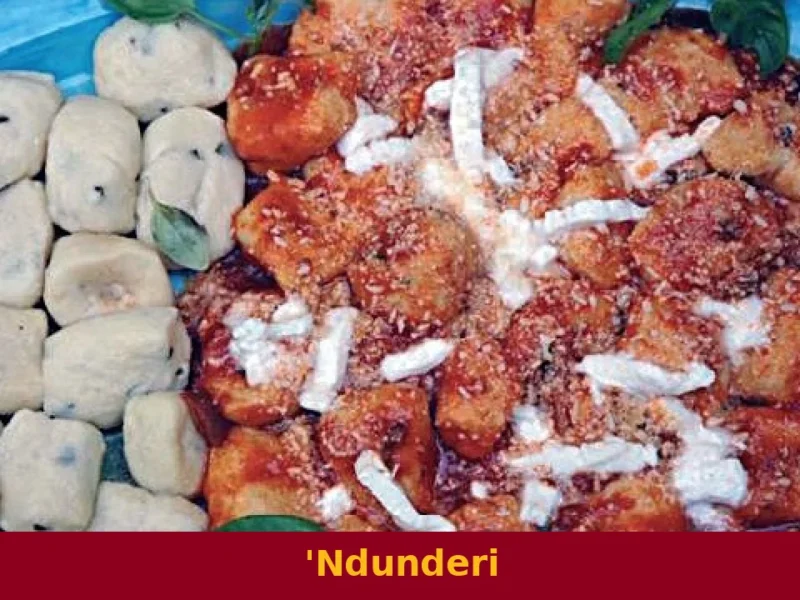
The unmistakable aroma of a slow-cooked ragù, simmering for hours, immediately conjures the image of a pasta dish...
Il ‘Nfrennula, a savory tarallo with an unmistakable shape, carries the echo of the rural traditions of inland...
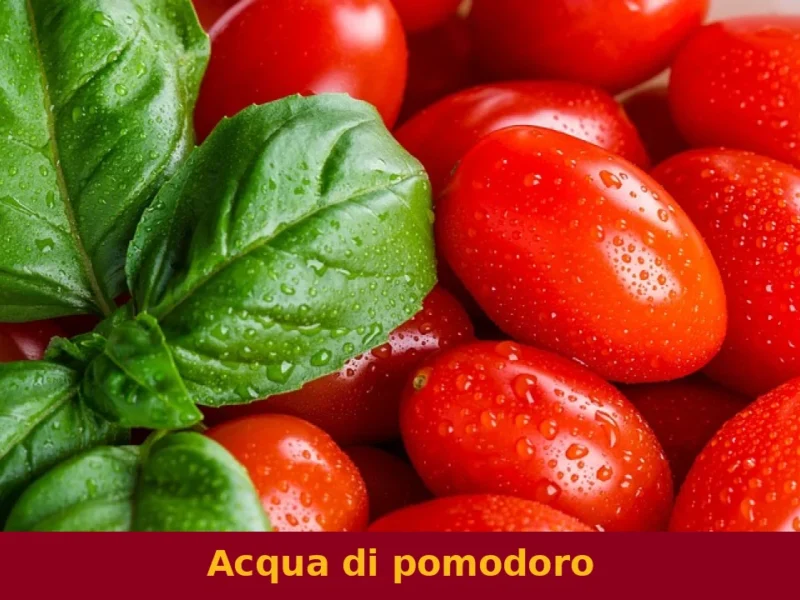
In the heart of Campania, where the sun generously bathes the fertile land, a liquid is born that...
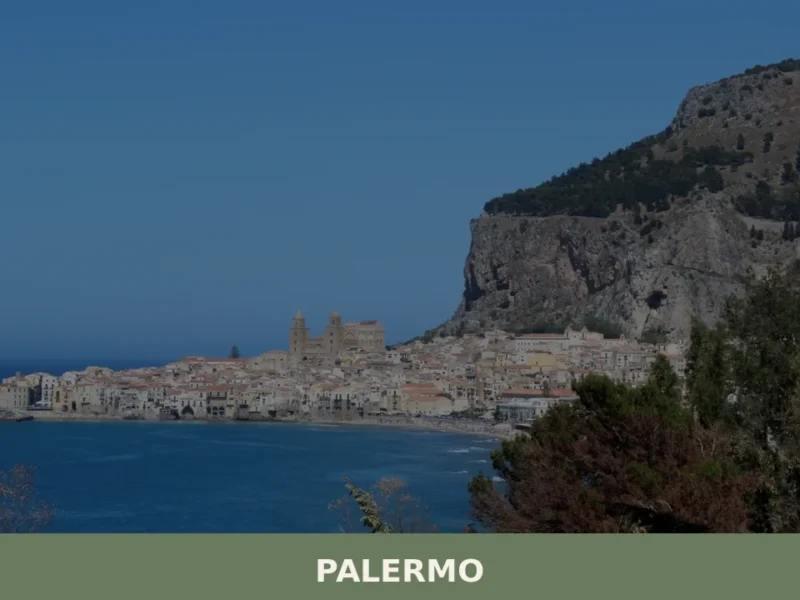
What to see in Palermo: from the Palatine Chapel mosaics to Ballaru00f2 Market. Home to 654,987 people and 2 PAT-certified products. Plan your visit with this complete guide.
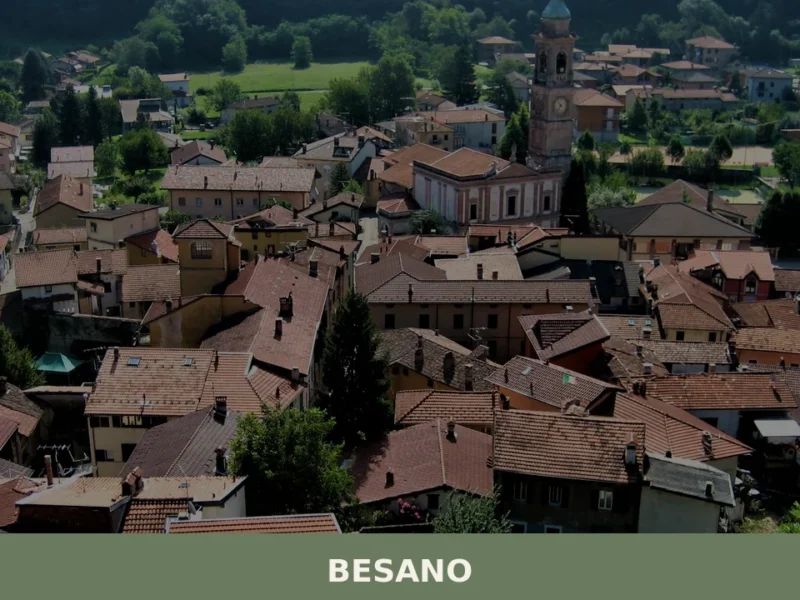
Besano, in the province of Varese, stands out for its strategic location along the ancient Via Varesina and, especially, for its strong connection to Monte San Giorgio, a paleontological site recognized as a UNESCO World Heritage Site. At an altitude of 350 meters, with a population of 2,611 inhabitants, the village is a reference point […]
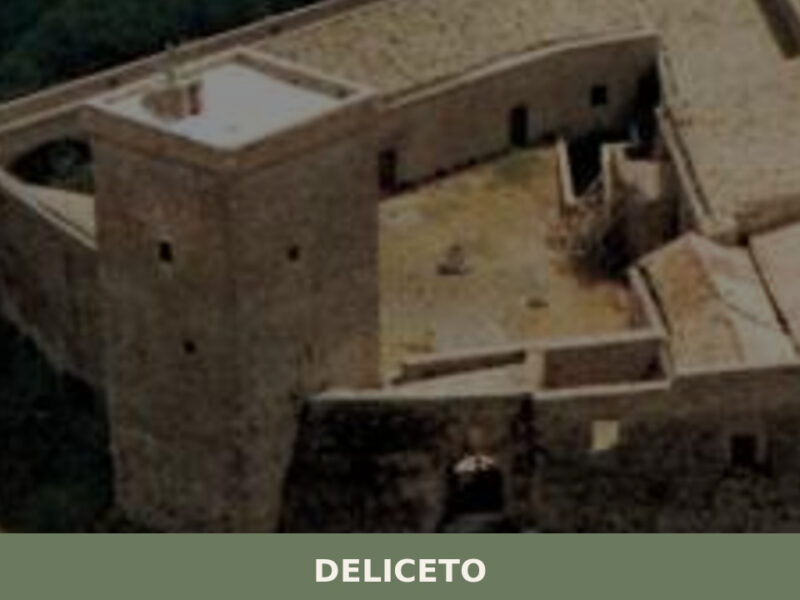
Deliceto rises at 575 metres on a ridge of the Subappennino Dauno, commanding the Tavoliere plain. A Norman castle, layered churches, and a stone-built historic centre define this compact Puglia hill village.
📝 Incorrect information or updates?
Help us keep the Aglio dell’Ufita page accurate and up to date.