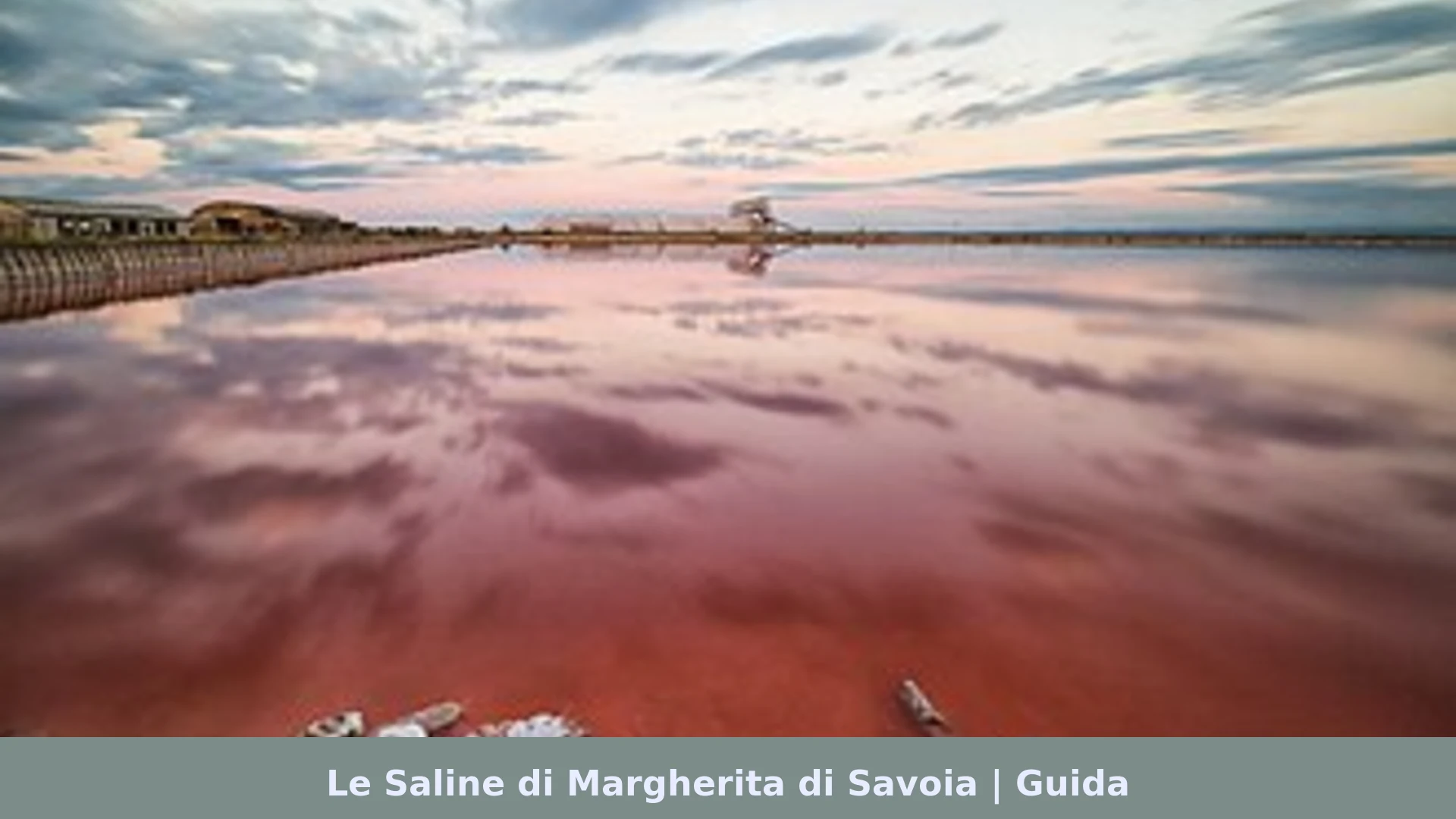
Imagine standing at the edge of a vast, shimmering landscape that stretches as far as the eye can see, where the water reflects hues of pink, orange, and brilliant white under the Mediterranean sun. This isn’t a scene from another planet or a digitally enhanced photograph—this is le saline di Margherita di Savoia, one of Europe’s most extraordinary natural wonders and the largest saltworks in the entire continent. Nestled along the Adriatic coast of Puglia in southern Italy, this remarkable destination offers visitors an unforgettable journey through history, ecology, and stunning natural beauty. Whether you’re a nature enthusiast, a history buff, a photography lover, or simply someone seeking a unique Italian experience away from the typical tourist trails, the salt flats of Margherita di Savoia promise to captivate your senses and leave you with memories that will last a lifetime.
A Journey Through Time: The Ancient History of the Salt Flats
The story of le saline di Margherita di Savoia is a tale that spans millennia, reaching back to the very foundations of Mediterranean civilization. Salt, often called “white gold” by ancient peoples, was once among the most valuable commodities on Earth—so precious that Roman soldiers were sometimes paid in salt, giving us the word “salary.” This historical significance makes understanding the salt flats not just an exercise in geography, but a deep dive into the economic and cultural foundations of Western civilization.
From Prehistoric Times to Roman Glory
Archaeological evidence suggests that salt harvesting in this coastal region began as early as the 3rd century BCE, making these salt works among the oldest continuously operating industrial sites in human history. The ancient Romans, with their characteristic engineering prowess, recognized the strategic importance of this location and significantly expanded the salt production facilities. They understood that controlling salt meant controlling trade routes, preserving food supplies for armies, and maintaining economic dominance over vast territories.
The Romans called the precious mineral “sal,” and the roads they built to transport it—the famous Via Salaria—still echo in Italian geography today. The salt flats along the Adriatic coast became crucial nodes in this ancient network of commerce, feeding the insatiable appetite of a growing empire for this essential preservative and seasoning.
Medieval Transformations and Royal Patronage
As the Roman Empire faded, the salt flats continued their vital role through the turbulent medieval period. Various rulers and noble families recognized the economic potential of controlling salt production, leading to centuries of political maneuvering and territorial disputes over these valuable lands. The salt works changed hands numerous times, each new owner leaving their mark on the landscape and production methods.
The town itself bears the name of Queen Margherita of Savoy, wife of King Umberto I of Italy, who visited the region in 1879. Her royal patronage brought renewed attention and investment to the area, transforming it from a primarily industrial site into a location of national pride and interest. This naming honor reflects the importance that Italian royalty placed on these salt works as symbols of national heritage and economic vitality.
The Science of Salt: How the Saline Work
Understanding how le saline di Margherita di Savoia produce their famous salt adds another layer of appreciation to any visit. The process is a fascinating combination of natural phenomena and human ingenuity that has been refined over thousands of years.
The Evaporation Process
The salt production at Margherita di Savoia relies on the ancient technique of solar evaporation, a method that harnesses the power of the Mediterranean sun and wind to extract salt from seawater. The process begins when seawater is channeled into a series of shallow pools called “evaporation ponds” or “saline basins.” These interconnected pools cover an astounding area of approximately 4,500 hectares, making them visible even from space.
As the water sits in these shallow basins under the intense Puglian sun, it gradually evaporates, leaving behind increasingly concentrated brine. The water is systematically moved from pond to pond, each transfer increasing the salt concentration until the final crystallization ponds, where the salt precipitates out as beautiful white crystals ready for harvesting.
Annual Production and Economic Importance
The scale of production at le saline di Margherita di Savoia is truly impressive. Each year, these salt works produce approximately 500,000 tons of salt, accounting for a significant portion of Italy’s total salt production. This output makes them not just a historical curiosity but a vital component of the modern Italian economy.
The salt harvested here serves multiple purposes: table salt for culinary use, industrial salt for chemical production, and road salt for winter safety across Europe. The operation employs hundreds of local workers and supports a broader economic ecosystem that includes tourism, research, and related industries.
A Haven for Wildlife: The Ecological Significance
Perhaps the most surprising aspect of le saline di Margherita di Savoia is their role as one of Italy’s most important wetland ecosystems. What might seem at first glance to be an industrial landscape is actually a thriving habitat for countless species, earning the site protection under multiple national and international conservation frameworks.
The Pink Flamingo Phenomenon
The undisputed stars of the salt flats are the magnificent greater flamingos that have made this location their home. Thousands of these iconic pink birds can be observed throughout the year, but particularly during the migration seasons when their numbers swell dramatically. The sight of flamingos wading through the shallow pink-tinged waters, their reflections creating perfect symmetry, is one of the most photographed scenes in all of Puglia.
The flamingos’ pink coloration comes from their diet of brine shrimp and algae that thrive in the salty waters—the same tiny organisms that give the salt ponds their characteristic rosy hues. This creates a magical visual harmony where birds and landscape seem to blend into one continuous palette of pinks and oranges.
Biodiversity Beyond Flamingos
While flamingos capture the most attention, le saline di Margherita di Savoia support an incredibly diverse array of wildlife. Over 200 species of birds have been recorded here, including avocets, black-winged stilts, Kentish plovers, and various species of herons and egrets. During migration periods, the salt flats become a crucial stopover point for birds traveling between Africa and Northern Europe.
The unique chemistry of the saline environment supports specialized plant communities adapted to high-salt conditions, including various species of glasswort (Salicornia) that add splashes of red and green to the landscape. These halophytic plants play crucial roles in stabilizing the ecosystem and providing food and shelter for smaller organisms.
Protected Status and Conservation Efforts
Recognizing the ecological importance of this site, Italian and European authorities have designated le saline di Margherita di Savoia as a Nature Reserve and included them in the Natura 2000 network of protected areas. The reserve is also recognized under the Ramsar Convention as a Wetland of International Importance, placing it among the world’s most significant sites for waterfowl conservation.
Conservation efforts here demonstrate that industrial activity and environmental protection can coexist successfully. The salt production process actually helps maintain the ideal conditions for wildlife, as the shallow, saline pools provide perfect feeding and breeding grounds for numerous species. This symbiotic relationship between industry and ecology offers valuable lessons for sustainable development worldwide.
Visiting Le Saline di Margherita di Savoia: A Practical Guide
Planning a visit to le saline di Margherita di Savoia requires some preparation to make the most of this unique destination. Here’s everything you need to know to ensure an unforgettable experience.
Best Time to Visit
The salt flats offer different experiences throughout the year, each season bringing its own charm. Spring (April to June) is arguably the best time for birdwatching, as migratory species pass through in large numbers and resident birds are active with breeding activities. The weather is pleasant, and the landscape bursts with color.
Summer months (July and August) showcase the salt harvesting at its peak, when the evaporation process is most active and the brilliant white salt mountains contrast dramatically against the blue sky. However, temperatures can be extreme, often exceeding 35°C, so early morning visits are recommended.
Autumn (September to November) brings another wave of migrating birds and more comfortable temperatures, while winter offers the chance to see flamingo populations at their maximum, as birds from Northern Europe join the resident population.
Getting There and Getting Around
Margherita di Savoia is located in the province of Barletta-Andria-Trani, approximately 40 kilometers from Foggia and 50 kilometers from Bari. The nearest major airport is Bari Karol Wojtyła Airport, from which you can rent a car or take regional transportation to reach the town.
Once at the salt flats, the best way to explore is through guided tours offered by local operators and the nature reserve management. These tours typically use small boats or follow designated walking paths, allowing visitors to observe wildlife without disturbing the delicate ecosystem. Private vehicles are generally not permitted within the protected areas.
Guided Tours and Experiences
Several options exist for exploring le saline di Margherita di Savoia:
The Museo Storico della Salina (Salt Museum) offers an excellent introduction to the history and science of salt production, with exhibits featuring historical equipment, photographs, and interactive displays. Many visits begin here before proceeding to the salt flats themselves.
Boat tours provide an intimate experience of the salt ponds, gliding silently past feeding flamingos and other wildlife. These tours are typically available from spring through autumn and should be booked in advance during peak season.
Walking tours follow designated paths around the edges of the salt works, offering opportunities for photography and birdwatching. Binoculars are highly recommended, though some tours provide them.
Sunset tours have become increasingly popular, as the low-angle light transforms the salt flats into a spectacular display of colors—pinks, oranges, and golds reflecting off the still waters.
The Thermal Baths: Healing Waters of the Salt Flats
Beyond visual beauty and ecological significance, le saline di Margherita di Savoia have long been celebrated for their therapeutic properties. The highly mineralized waters and muds of the salt flats have attracted health-seekers for centuries, leading to the development of a renowned thermal spa tradition.
Historical Healing Traditions
Records of therapeutic use of the saline waters date back to ancient times, when Romans recognized the healing properties of salt for various ailments. This tradition continued through the centuries, with formal spa facilities eventually established to serve visitors seeking relief from respiratory conditions, skin problems, and musculoskeletal disorders.
Modern Spa Facilities
Today, the Terme di Margherita di Savoia offers a range of treatments utilizing the unique resources of the salt flats. The thermal waters, rich in sodium chloride, bromine, and iodine, are used for hydrotherapy treatments, while the mineral-rich muds harvested from the salt ponds are applied in fangotherapy sessions.
Treatments available include inhalation therapy for respiratory conditions, mud baths for arthritis and rheumatism, and various beauty treatments utilizing the natural minerals. Many visitors combine their ecological exploration of the salt flats with a day of relaxation and rejuvenation at the spa facilities.
Local Culture and Gastronomy
No visit to le saline di Margherita di Savoia is complete without experiencing the local culture and cuisine that have developed around this unique landscape.
Salt in Local Cuisine
The salt produced here is prized by chefs throughout Italy and beyond for its purity and mineral complexity. Local restaurants proudly feature “sale di Margherita di Savoia” as a key ingredient, and visitors can purchase various salt products as souvenirs, including flavored salts infused with local herbs.
The surrounding region of Puglia offers some of Italy’s finest cuisine, with fresh seafood from the Adriatic playing a starring role. Traditional dishes like “tiella” (a baked rice and mussel dish) and various preparations of locally caught fish pair perfectly with the pristine local salt.
Festivals and Events
Throughout the year, Margherita di Savoia hosts various festivals celebrating salt, seafood, and local traditions. The most notable is the Festa del Sale (Salt Festival), typically held in summer, which combines cultural performances, historical reenactments, and gastronomic events centered on the region’s white gold.
Photography Tips for Capturing the Salt Flats
For photography enthusiasts, le saline di Margherita di Savoia present incredible opportunities and some unique challenges.
Best Conditions and Equipment
The golden hours—shortly after sunrise and before sunset—offer the most dramatic lighting conditions, when the salt crystals sparkle and the water reflects warm colors. Polarizing filters are essential for cutting through surface glare and revealing the true colors of the water and salt. Wide-angle lenses capture the vast expanse of the landscape, while telephoto lenses are necessary for wildlife photography.
Be prepared for challenging conditions: the bright, reflective surfaces can fool camera meters, so bracketing exposures is recommended. Also, salt and camera equipment don’t mix well, so protective measures for your gear are essential.
Planning Your Extended Stay
While the salt flats can be visited as a day trip, spending more time in the area allows for a richer experience and the opportunity to explore related attractions.
Nearby Attractions
The region around le saline di Margherita di Savoia offers numerous complementary attractions. The historic towns of Trani, with its stunning Norman cathedral overlooking the sea, and Barletta, home to the famous Colossus bronze statue, are within easy reach. The mysterious Castel del Monte, a UNESCO World Heritage Site built by Emperor Frederick II, lies about an hour inland.
Accommodation Options
Margherita di Savoia itself offers various accommodation options, from simple bed-and-breakfasts to comfortable hotels with sea views. For a more immersive experience, consider staying in one of the traditional “masserie”—historic farmhouses converted into charming accommodations—that dot the Puglian countryside.
Conclusion: Your Invitation to Discover a Hidden Treasure
Le saline di Margherita di Savoia represent a perfect convergence of natural beauty, historical significance, ecological importance, and human ingenuity. This remarkable destination offers something for everyone: stunning landscapes that challenge the imagination, wildlife encounters that thrill nature lovers, historical depth that satisfies curious minds, and therapeutic waters that soothe weary bodies.
In an age when travelers increasingly seek authentic, sustainable experiences that connect them with both nature and culture, the salt flats of Margherita di Savoia stand as an exemplary destination. Here, a millennia-old industry continues to thrive while supporting one of Europe’s most important wetland ecosystems—proof that human activity and environmental stewardship can work hand in hand.
Whether you’re planning a dedicated trip to explore this unique landscape or adding it to a broader Puglia itinerary, le saline di Margherita di Savoia deserve a prominent place on your travel list. Start planning your visit today, and prepare to be amazed by one of Italy’s most spectacular and underappreciated treasures. Contact local tour operators, check the best seasonal timing for your interests, and get ready for an experience that will transform your understanding of what a salt flat can be.