


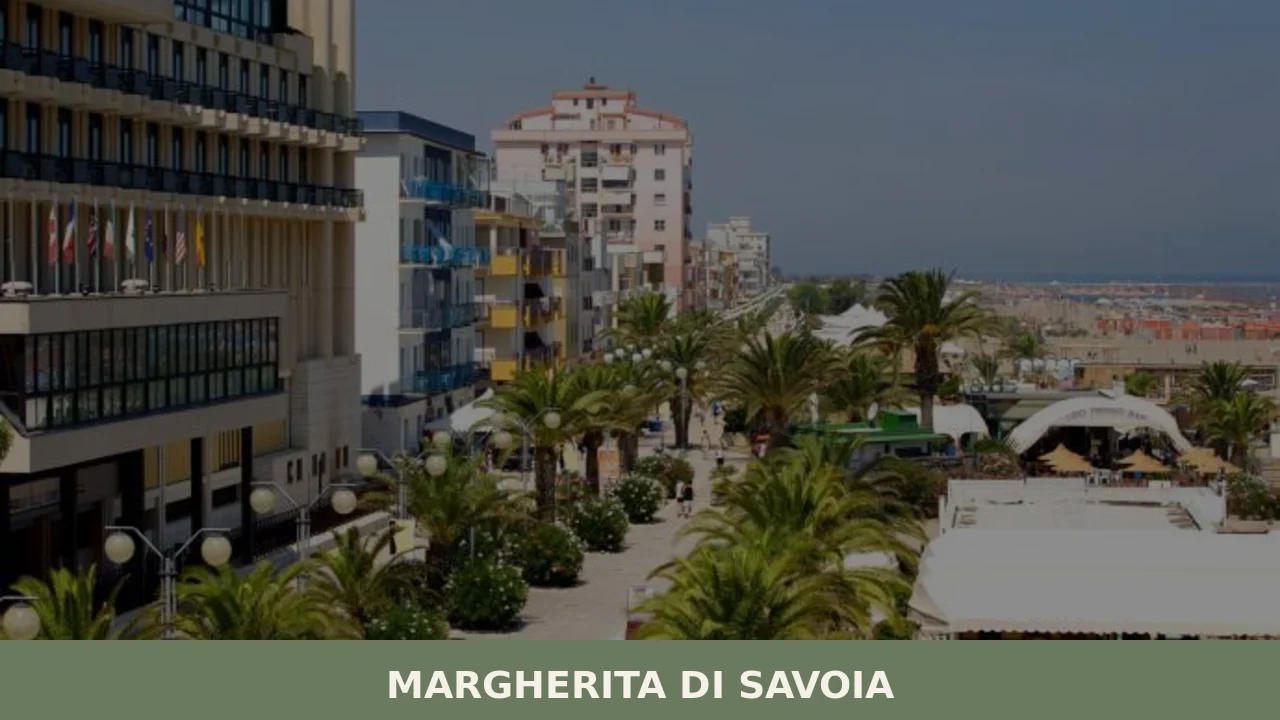
Margherita di Savoia
 Sea
Sea
Discover what to see in Margherita di Savoia: Europe’s largest salt flats, the historic Torre delle Saline, thermal baths and an Adriatic beach in Puglia.
Discover Margherita di Savoia
Europe’s largest salt flats sit at the edge of the Adriatic, just north of the mouth of the Ofanto River — and they belong to a town of around 11,000 people that has built its entire identity around salt. Margherita di Savoia, formerly known as Saline di Barletta until 1879, is one of those rare places where a single industry has determined the landscape, the economy, the architecture and the food for centuries. If you are considering what to see in Margherita di Savoia, the answer begins and ends at the water’s edge.
History of Margherita di Savoia
The extraction of salt from these coastal lagoons predates the town’s current name by many centuries. The site was already operating as a significant salt-producing facility during the medieval period, when it was administered under the jurisdiction of nearby Barletta — a connection reflected in the settlement’s original toponym, Saline di Barletta. Salt was not a secondary commodity in southern Italy; it was a fiscal and strategic resource controlled directly by the state, and whoever managed these flats held real economic leverage over the surrounding territory. The Ofanto River, which meets the Adriatic just south of the saltworks, provided a natural boundary and a logistical corridor that made the site particularly valuable for inland distribution.
The renaming of the town to Margherita di Savoia in 1879 was a deliberate act of political symbolism: the settlement was rechristened in honour of Margherita of Savoy, who became Queen of Italy in 1878 upon her marriage to King Umberto I. This was the period of Italian unification’s consolidation, when many towns across the peninsula adopted names that signalled loyalty to the new royal house. The administrative transformation did not alter the economic reality: salt production remained the engine of the town, and the infrastructure built around it — including the Torre delle Saline, a watchtower constructed in the sixteenth century to monitor and protect the saltworks — continued to define the settlement’s physical character.
The twentieth century brought industrial-scale expansion of the saltworks and, eventually, formal recognition of their ecological significance. In October 1977, the saline were designated a State Nature Reserve by ministerial decree. Two years later, in May 1979, they received international status under the Ramsar Convention — the intergovernmental treaty on wetlands of international importance signed in Ramsar, Iran, in 1971. That dual designation transformed what had been purely an extractive industrial site into one of the most ecologically monitored wetland environments in the Mediterranean. The salt pans now function simultaneously as a working production facility and as a habitat for tens of thousands of migratory birds, including large colonies of flamingos.
What to see in Margherita di Savoia: 5 must-visit attractions
The Saline di Margherita di Savoia
The saltworks are the largest in Europe and rank second in the world by surface area. A complex of shallow evaporation basins stretches for kilometres along the Adriatic coast, turning shades of pink and rust depending on the mineral content and microalgae concentration of the water. The site operates as both a working industrial facility and a protected natural reserve classified under the Ramsar Convention since 1979.
Museo Storico delle Saline
Housed in a former salt warehouse directly adjacent to the sixteenth-century Torre delle Saline, this museum documents the full history of salt extraction in the area — from manual harvesting techniques to the mechanised processes of the twentieth century. Antique tools, archival photographs and reconstructed working environments give concrete form to an industry that shaped every aspect of local life for hundreds of years.
Torre delle Saline
Built in the sixteenth century as a watchtower to protect the strategically vital saltworks from coastal raids, the Torre delle Saline is the oldest standing structure in Margherita di Savoia. Its position immediately adjacent to the salt museum makes it easy to visit both in sequence. The tower’s masonry reflects the austere military construction typical of Aragonese-era defensive architecture along the Pugliese coast.
Stabilimento Termale
Margherita di Savoia’s modern thermal spa facility draws on the brines and mineral muds extracted directly from the salt pan basins. The waters — technically called “acque madri,” the dense residual liquid left after salt crystallisation — carry a high concentration of minerals and have been used therapeutically for decades. The facility offers treatments ranging from mud baths to inhalation therapies, drawing visitors specifically for medical and wellness purposes.
The Adriatic Shoreline and Bathing Establishments
The town’s coastline runs for several kilometres along a wide, flat beach of dark ferrous sand — the iron content gives it a colour noticeably different from the pale limestone beaches further south in Puglia. Approximately ninety bathing establishments operate along this stretch during the summer season, making the seafront the town’s primary public space from June through September.
Local food and typical products
Salt is not merely an industry here — it is an ingredient with local identity. The salt produced at Margherita di Savoia, harvested from the final crystallisation basins, is sold commercially and used across Puglia. In local cooking, it seasons fish pulled from the Adriatic and vegetables grown in the flatlands of the Tavoliere, the vast agricultural plain to the west. The proximity to the sea means that the table here is oriented towards seafood: raw shellfish, grilled orata and branzino, and the local preparation of baccalà are all staples in the town’s restaurants along the seafront.
Further inland from the coast, the food culture shifts towards the Tavoliere tradition — pasta dishes built on durum wheat, broad beans and cicoria, lamb from the Apennine foothills, and the olive oils and wines produced across the province of Barletta-Andria-Trani. The province sits within a wider Pugliese food economy that includes several DOP and IGP designations recognised by the Italian Ministry of Agricultural Policy covering local olive oils, wines and dairy products. For visitors, the most direct access to local produce is through the fish markets along the port and the trattorias concentrated near the thermal spa and the seafront.
Best time to visit Margherita di Savoia
Spring — specifically April through early June — is the most rewarding period for visiting the saltworks as a natural site. This is when migratory bird populations are at their peak, and the shallow basins begin their annual colour transformation as temperatures rise and evaporation accelerates. Flamingos are a consistent presence throughout the warmer months, but their numbers are highest in spring. The thermal spa operates year-round, which makes the town a viable destination in the colder months for visitors primarily interested in wellness treatments rather than the beach.
July and August bring the full weight of the Pugliese summer: temperatures routinely exceed 35°C, the beaches fill with Italian holidaymakers, and the town’s pace shifts entirely towards the coast. Those ninety bathing establishments operate at capacity. If the goal is the beach, this is when the town is most alive — though accommodation books up quickly and prices reflect the demand. September is a practical compromise: the sea remains warm, crowds thin after the first week, and the light over the salt pans takes on a lower angle that makes the colour variations in the basins easier to appreciate. The official Puglia tourism portal maintains updated event calendars for the province, which are worth consulting before travelling.
How to get to Margherita di Savoia
Margherita di Savoia sits on the Adriatic coast of northern Puglia, in the province of Barletta-Andria-Trani. It is not a difficult destination to reach from the main regional transport hubs, though it requires a degree of planning since it lacks a direct rail station of its own.
- By car: The most practical approach is via the A14 motorway (Autostrada Adriatica), exiting at Cerignola Est or at Foggia and then taking the SS159 coastal road north. From Barletta, the drive takes around 25 to 30 minutes via the SP141. From Bari, allow approximately 90 minutes.
- By train: The nearest mainline station is Barletta, served by Trenitalia’s regional and intercity services from Bari, Foggia and beyond. From Barletta station, local bus services and taxis connect to Margherita di Savoia, a distance of roughly 23 kilometres.
- By air: Bari Karol Wojtyła Airport (BRI) is the closest international airport, approximately 95 kilometres to the south. Foggia Airport handles limited traffic. Car hire at Bari airport is the most efficient option for reaching the town directly.
- From regional cities: Foggia lies approximately 55 kilometres to the west; Barletta is 23 kilometres to the south; Bari is around 90 kilometres south along the coast road.
For current timetables and regional connections, Trenitalia’s official website provides updated schedules for the Barletta–Foggia rail corridor.
Where to stay in Margherita di Savoia
Accommodation in Margherita di Savoia is concentrated in two areas: the seafront strip, where hotels and holiday apartments cluster around and between the bathing establishments, and the town centre, which offers a smaller selection of B&Bs and guesthouses. For visitors whose primary interest is the beach or the thermal spa, the seafront zone is the logical base — walking distances to both are short, and the evening passeggiata along the lungomare is the town’s main social event. The thermal establishment itself is on the edge of the saltworks area, easily reachable from either zone on foot or by bicycle.
The accommodation offer skews towards mid-range hotels and self-catering apartments rather than boutique or luxury properties — this is a working coastal town, not a resort. Agriturismi can be found in the surrounding flatlands of the Tavoliere, offering a quieter base for those combining a visit to the saltworks with wider exploration of the province. The practical booking tip: if travelling between mid-July and mid-August, reserve several weeks in advance, particularly for seafront accommodation. Outside those peak weeks, availability is generally good and rates drop considerably.
More villages to discover in Puglia
The province of Foggia, which borders the Barletta-Andria-Trani territory to the west and north, offers a very different register of Pugliese experience. San Giovanni Rotondo, set in the Gargano highlands, draws visitors from across the world to the sanctuary of Padre Pio — a site of pilgrimage that has shaped the town’s modern infrastructure and economy in ways visible at every turn. Further south into the Apennine foothills, Deliceto occupies a ridge position above the Tavoliere with a medieval castle that overlooks the same flat grain-growing plain visible from the saltworks on a clear day.
Those who want to extend their journey into the deeper interior of Puglia will find the contrast with the coast sharply instructive. Cerignola, in the heart of the Tavoliere, is one of the largest agricultural towns in southern Italy — a place built on wheat and olives, with a history that includes the decisive 1503 Battle of Cerignola, one of the earliest engagements in European history decided primarily by firearms. At the other end of the regional register, the trulli landscape of the Valle d’Itria centres on towns like Cisternino, where whitewashed streets and conical stone roofs create an architectural language entirely unlike anything in the flat coastal north of Puglia.
Frequently asked questions about Margherita di Savoia
What is the best time to visit Margherita di Savoia?
The best time to visit Margherita di Savoia depends on your interests. For nature lovers and birdwatching, especially flamingos and the vibrant colors of the salt pans, spring (April to early June) is ideal as migratory bird populations are at their peak. The thermal spa operates year-round, making the town a viable destination for wellness treatments even in colder months. July and August are perfect for a lively beach holiday, though expect higher temperatures, crowds, and prices. September offers a practical compromise with warm seas, fewer crowds, and excellent light for appreciating the salt pans. Local patron saint festivals occur on August 6th (Santissimo Salvatore) and September 15th (Maria Addolorata).
What are the historical origins of Margherita di Savoia?
The town's history is profoundly linked to its salt production. Originally known as Saline di Barletta, the site has been a significant salt-producing facility since medieval times, administered under nearby Barletta. The current name, Margherita di Savoia, was adopted in 1879, honoring Queen Margherita of Savoy upon her marriage to King Umberto I. This act of political symbolism during Italian unification reflected loyalty to the new royal house. Despite the name change, salt extraction remained the primary economic engine, shaping the town's landscape and infrastructure for centuries, including the 16th-century Torre delle Saline.
What to see in Margherita di Savoia? Main monuments and landmarks
Margherita di Savoia's main attractions revolve around its unique salt heritage and coastline. Must-visit sites include the Saline di Margherita di Savoia, Europe's largest saltworks and a protected Ramsar wetland, renowned for its migratory birds, especially flamingos. Explore the Museo Storico delle Saline, housed in a former salt warehouse, which chronicles the centuries-old history of salt extraction. Adjacent to the museum stands the 16th-century Torre delle Saline, an ancient watchtower that protected the valuable saltworks. For relaxation, the modern Stabilimento Termale offers therapeutic treatments using local brines. Finally, enjoy the expansive Adriatic Shoreline with its distinctive dark ferrous sand beaches and numerous bathing establishments.
What are the main natural or scenic attractions of Margherita di Savoia?
The primary natural attraction is undoubtedly the Saline di Margherita di Savoia, Europe's largest saltworks. This vast complex of shallow evaporation basins is a designated State Nature Reserve and an internationally recognized Ramsar site, crucial for tens of thousands of migratory birds, including large colonies of flamingos. The salt pans themselves offer a stunning scenic spectacle, transforming into shades of pink and rust due to mineral content and microalgae. The Adriatic Shoreline also presents a unique natural feature with its wide, flat beach composed of distinctive dark ferrous sand, providing a picturesque coastal landscape.
Where to take the best photos in Margherita di Savoia?
For truly captivating photographs in Margherita di Savoia, the Saline di Margherita di Savoia are unparalleled. Capture the dramatic shifting colors of the salt pans, ranging from pink to rust, especially during sunrise or sunset when the light is soft. The large colonies of flamingos and other migratory birds offer fantastic wildlife photography opportunities against this unique backdrop. Another excellent spot is the wide Adriatic Shoreline, where the dark ferrous sand creates a striking contrast with the blue sea and sky. September, with its lower angle of light, is particularly good for highlighting the color variations in the salt basins.
Are there museums, churches or historic buildings to visit in Margherita di Savoia?
Yes, Margherita di Savoia offers key historical sites for visitors. The Museo Storico delle Saline, housed in a former salt warehouse, provides an in-depth look into the centuries of salt extraction that shaped the town's identity. It features antique tools, archival photographs, and reconstructed environments. Directly next to the museum is the Torre delle Saline, a significant 16th-century watchtower. This robust masonry structure is the oldest standing building in the town, originally constructed to protect the strategically vital saltworks from coastal raids. These two sites offer a fascinating glimpse into the town's industrial and defensive past.
What can you do in Margherita di Savoia? Activities and experiences
Margherita di Savoia offers a range of unique activities. You can explore Europe's largest saltworks, a nature reserve perfect for birdwatching, especially flamingos, and witness the captivating color changes of the salt pans. Delve into the town's history at the Museo Storico delle Saline and the adjacent 16th-century Torre delle Saline. Indulge in wellness and therapeutic treatments, such as mud baths, at the modern Stabilimento Termale, which operates year-round. During summer, relax and swim at the numerous bathing establishments along the wide, dark-sand Adriatic beach. Don't forget to savor the local seafood specialties and Pugliese flavors at seafront trattorias.
Who is Margherita di Savoia suitable for? Families, couples, hikers, solo travelers?
Margherita di Savoia is a versatile destination appealing to various types of travelers. **Nature lovers and photographers** will be captivated by Europe's largest saltworks, a Ramsar site teeming with migratory birds, including flamingos. **Wellness seekers and couples** will appreciate the modern Stabilimento Termale, offering therapeutic treatments year-round. **Families and beach enthusiasts** will find the wide, dark-sand Adriatic shoreline with its numerous bathing establishments ideal for summer holidays. History buffs can explore the salt museum and ancient tower, while foodies will enjoy the fresh seafood and local Pugliese cuisine. It's also suitable for **solo travelers** seeking a unique blend of relaxation and natural beauty.
What to eat in Margherita di Savoia? Local products and specialties
The local cuisine of Margherita di Savoia is deeply rooted in its environment. The salt produced here is a celebrated local ingredient, used to season the abundant fresh seafood. Staples include raw shellfish, perfectly grilled orata and branzino, and traditional preparations of baccalà, widely available in seafront restaurants. Influences from the nearby Tavoliere plain also bring hearty inland dishes, such as pasta made from durum wheat, broad beans, and cicoria, alongside lamb from the Apennine foothills. The wider province of Barletta-Andria-Trani is also known for its DOP and IGP olive oils, wines, and dairy products, which can be sampled in local trattorias and fish markets.
📷 Photo Gallery — Margherita di Savoia
Getting there
Viale Duca degli Abruzzi, 76016 Margherita di Savoia
Nearby Villages near Margherita di Savoia
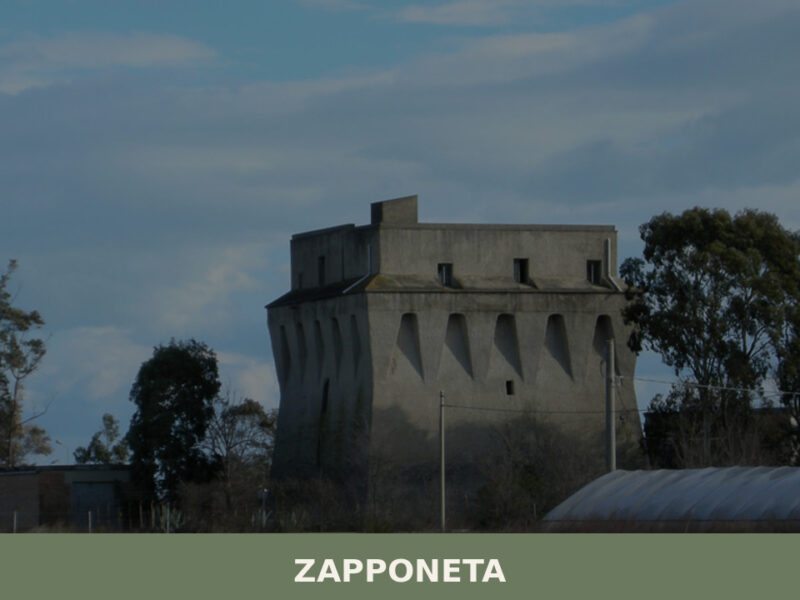
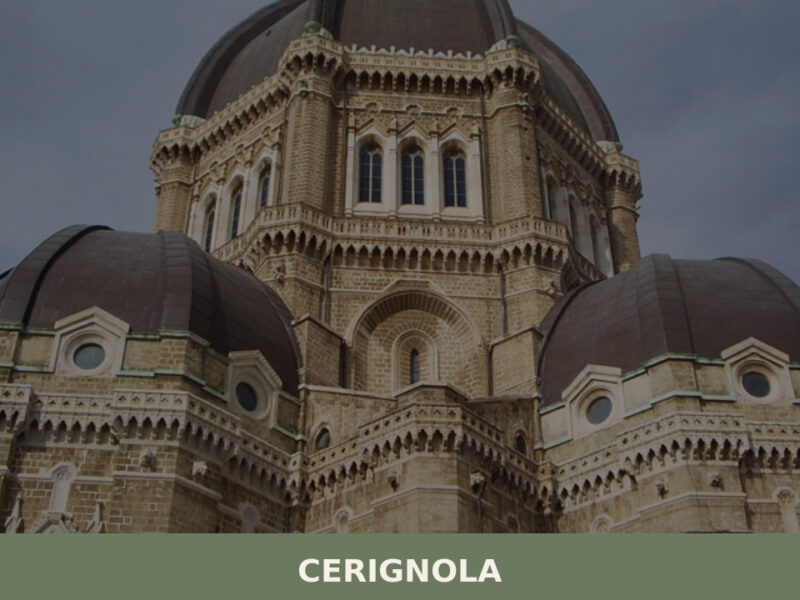
In Apulia More villages to discover
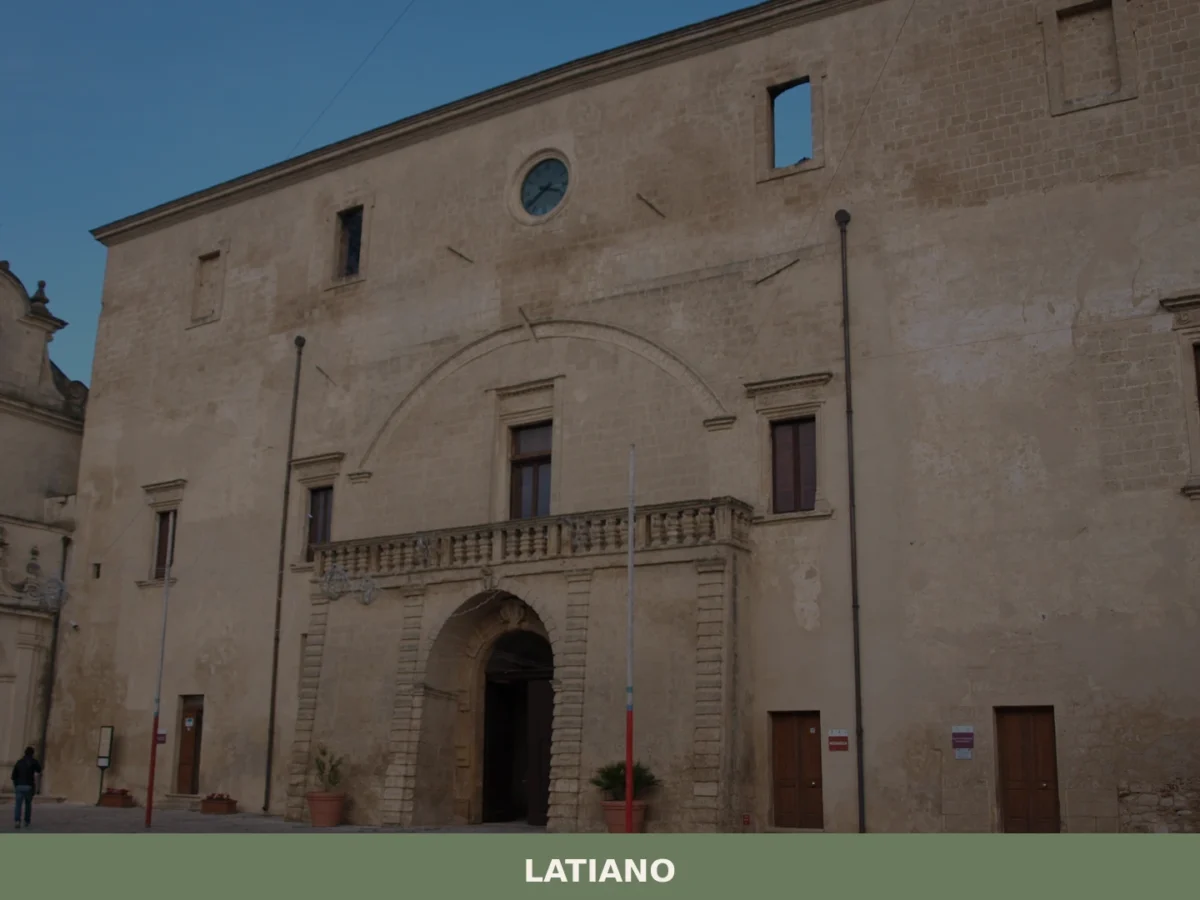
Latiano
 Plains
Discover what to see in Latiano, Puglia: Baroque churches, historic masserie, olive groves and local food in this Brindisi province town of 13,000 inhabitants.
Giurdignano
Plains
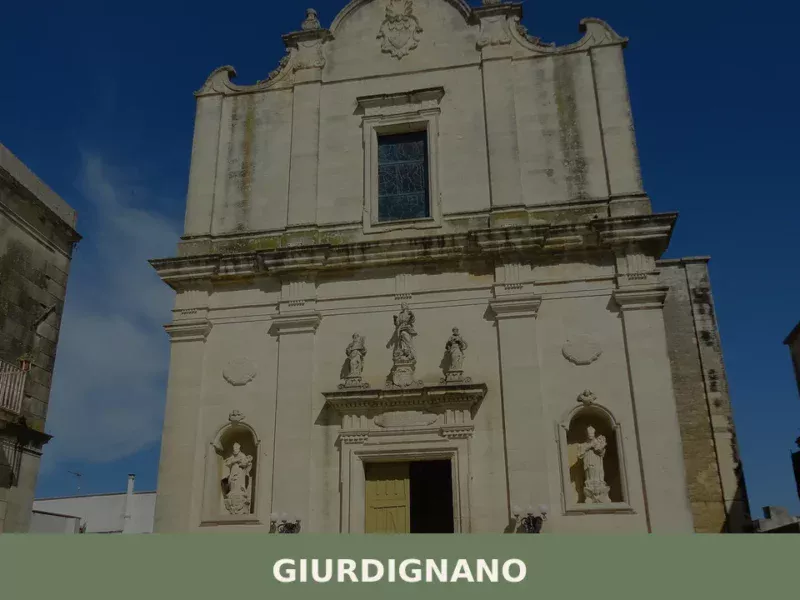
More than 25 standing stones rise from the flat farmland around this comune in the province of Lecce, some tilting slightly after three millennia, others still vertical and sharp against the sky. The territory of Giurdignano, at 78 m (256 ft) above sea level, holds the highest concentration of menhirs and dolmens in all of […]
Modugno
Plains
In 1316, King Robert of Anjou confirmed Modugno’s privilege of holding a free fair, recognising this community on the Bari plain as a commercial hub that few centres of similar size could claim. Today, first-time visitors find a compact old town, gathered around Romanesque churches and noble palaces, surrounded by the orderly expanse of olive […]
Noicattaro
Plains
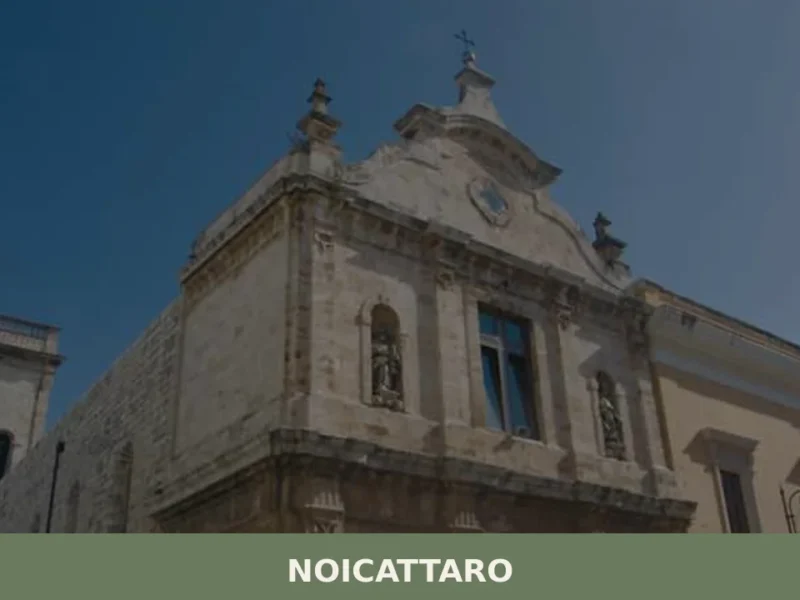
What to see in Noicattaro: town at 100m in the province of Bari. Medieval crypt, concentric old town, masserie and PAT cuisine. Plan your visit now.
Bagnolo del Salento
Plains
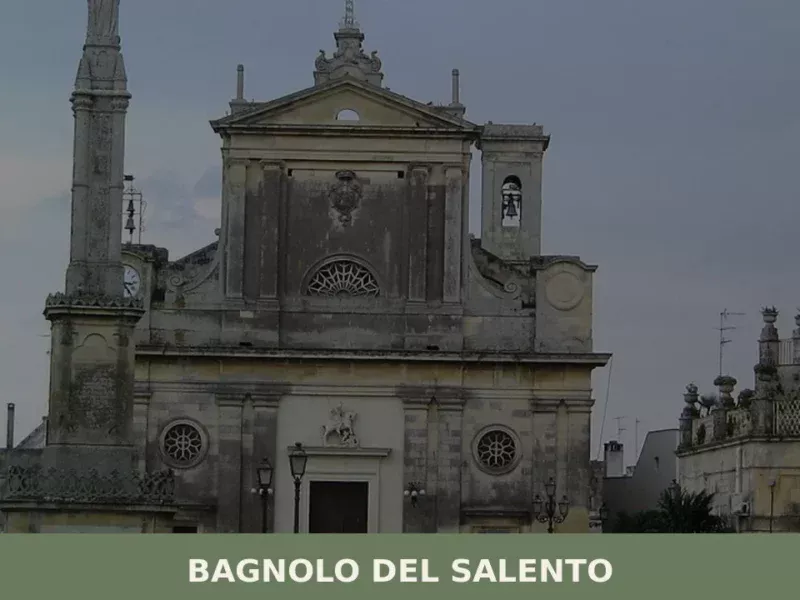
Bagnolo del Salento: discover the village, visit historic churches, and taste traditional cuisine. Plan your trip now!
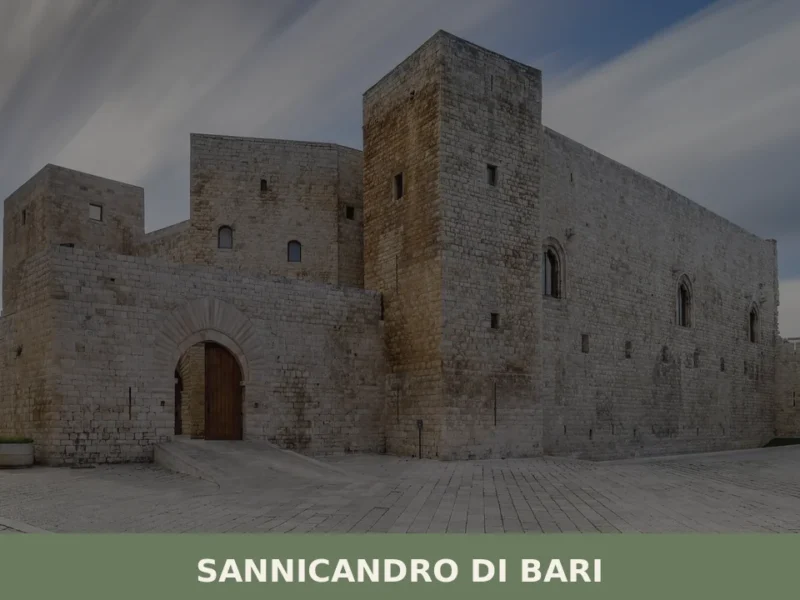
Sannicandro di Bari
Plains
What to see in Sannicandro di Bari? Discover the Norman-Swabian Castle and 4 historic churches. A complete guide to exploring the village and the Bari plain.
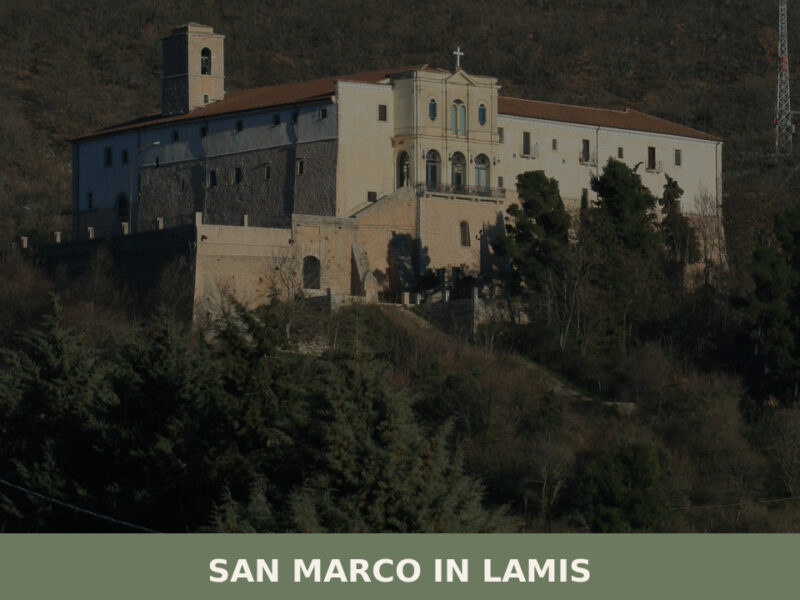
San Marco in Lamis
 Hills
Hills
A highland town on the western Gargano, San Marco in Lamis holds ancient monasteries, a dramatic Good Friday fire procession, and the quiet intensity of inland Puglia.
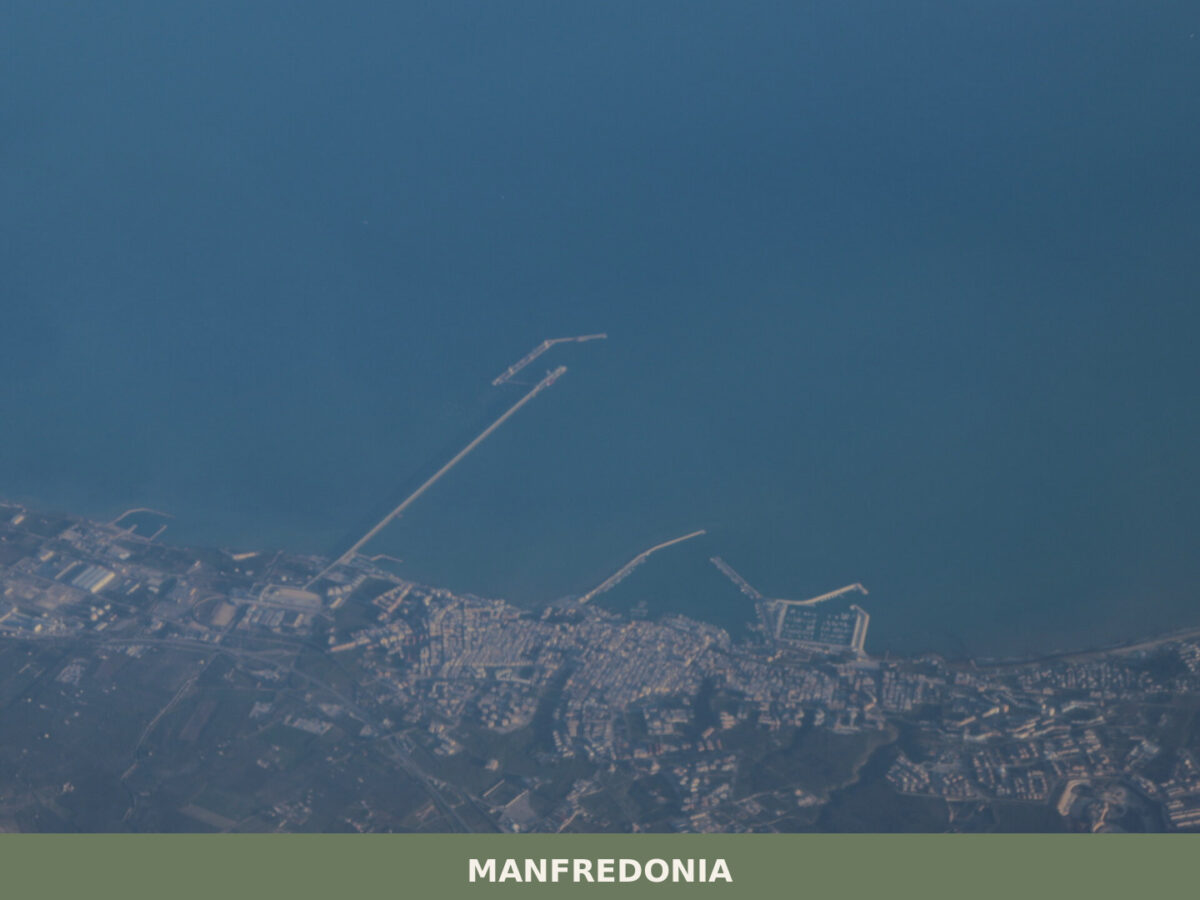
Manfredonia
Sea
A port city founded by King Manfred on the Gargano coast, Manfredonia holds a medieval castle, pre-Roman carved stele, and one of Puglia's oldest carnivals.
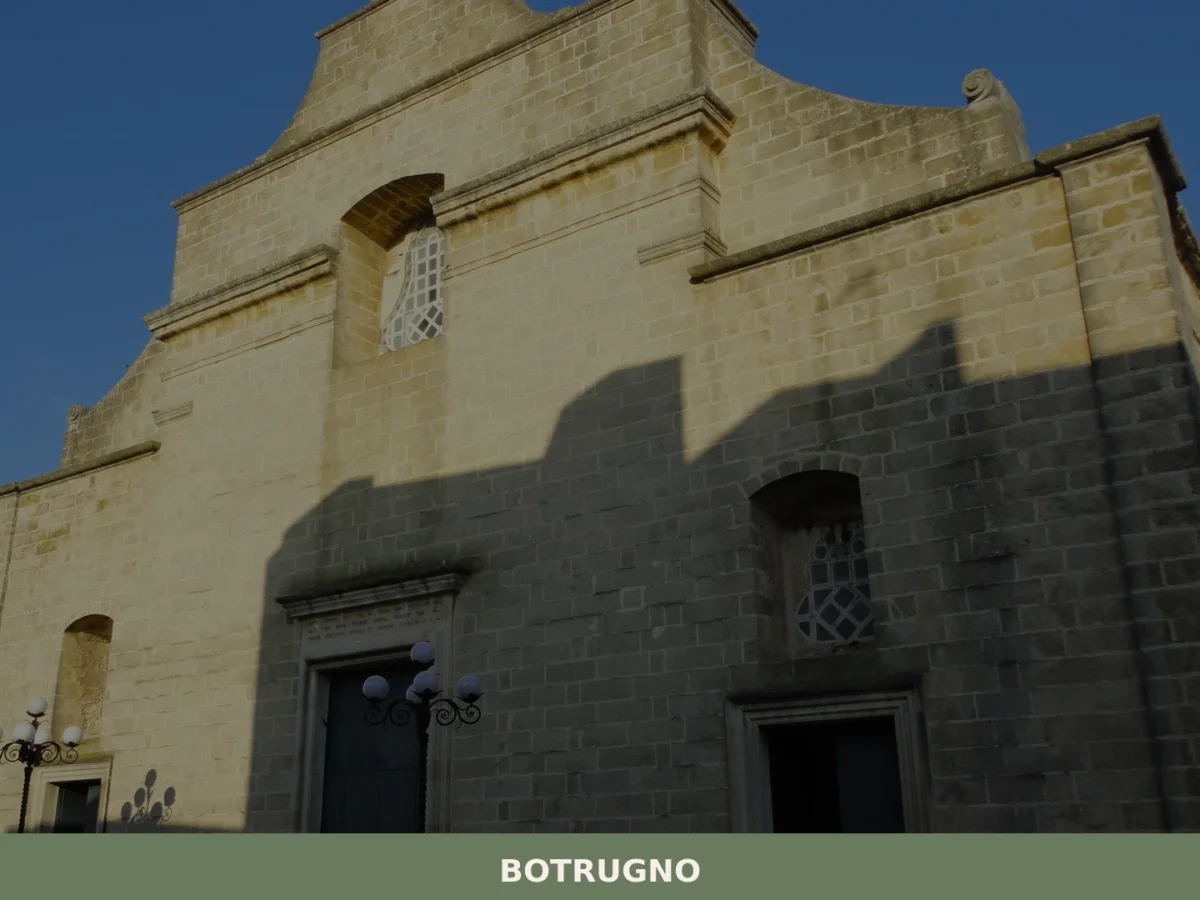
Botrugno
Plains
Discover what to see in Botrugno, a Salentine village of 2,556 inhabitants in the Lecce province: churches, olive groves, local food and practical travel tips.

Mattinata
Sea
Nearly 6,000 residents live where the Gargano plateau meets the Adriatic. Mattinata offers a raw coastline, a centuries-old religious tradition and a genuinely local pace.



🏡 Know Margherita di Savoia better than we do?
If you’re a local or have been there, your knowledge matters: add what’s missing or fix a detail on this page.