


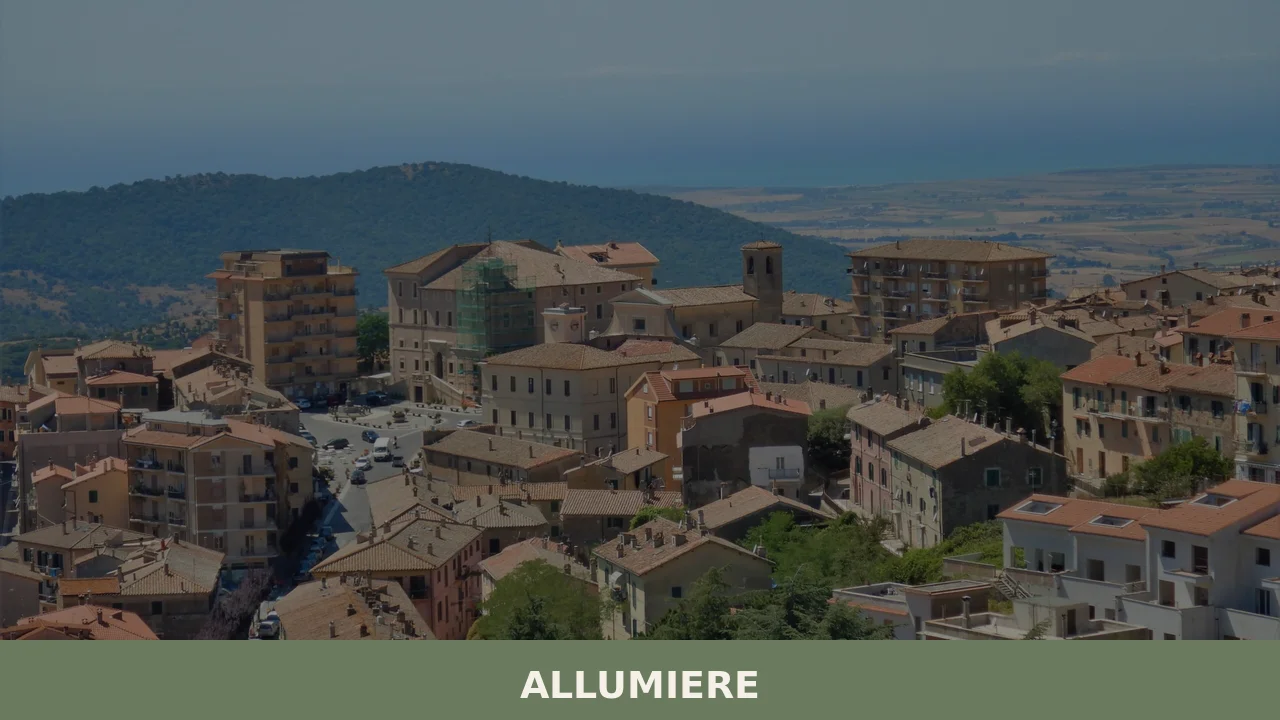
Allumiere
 Hills
Hills
What to see in Allumiere, Lazio, Italy: explore the alunite mining history, Santa Maria Assunta church, and Borgo della Farnesiana. 4,146 inhabitants. Discover it now.
Discover Allumiere
The dust of alunite once covered everything here: the workers’ hands, the stone rooftops, the mule tracks descending toward the Monti della Tolfa.
Founded in the late 15th century at 522 m (1,713 ft) above sea level, Allumiere built its entire identity around mineral extraction — a trade that ran without interruption from shortly after 1453 until 1941, leaving behind a physical and social landscape that still reads clearly in the layout of the streets and the weight of the main square.
Deciding what to see in Allumiere means following that industrial and religious thread through six distinct contrade, traditional neighbourhood divisions — Burò, Ghetto, La Bianca, Nona, Polveriera, and Sant’Antonio — that still give structure to daily life.
The village, located about 60 km (37 mi) northwest of Rome in the Metropolitan City of Rome, Lazio, Italy, has a population of 4,146 and concentrates its main attractions within a compact historic centre.
Visitors to Allumiere find a parish church facing the town hall across the central square, a partly surviving 16th-century mining settlement, and a Neo-Gothic church dating to 1850.
History of Allumiere
Human activity in the area around Allumiere predates the village itself by thousands of years.
Archaeological evidence confirms settlements going back to the Neolithic age in the territory surrounding the Monti della Tolfa range, the volcanic hill system that defines this corner of northern Lazio.
The modern town, however, came into existence for a very specific economic reason and at a very precise historical moment, which makes its origins easier to date than those of most Italian comuni.
The founding of Allumiere in the late 15th century followed directly from the fall of Constantinople in 1453, which marked the end of the Eastern Roman Empire and cut off the Papal State’s access to alunite — a mineral essential for fixing dyes in the textile industry and used across European commerce.
With the Turkish conquest controlling the previously reliable supply routes, the Church needed an alternative source.
The alunite deposits of the Monti della Tolfa provided exactly that. Workers and administrators were brought in and housed in what became the nucleus of Allumiere, a planned settlement created to serve the mines rather than growing organically from an existing community. The local name in Romanesco dialect, La Lumiera, derives directly from allume, the Italian word for alum.
Mining operations continued for nearly five centuries, finally ceasing in 1941.
That long industrial continuity shaped both the physical structure of the village and the social organisation of its residents. The nearby frazione of Borgo della Farnesiana, built in the 16th century to support the mining industry, is the most legible surviving trace of that labour geography.
Visitors with an interest in the broader history of hill settlements in northern Lazio may find a useful comparison in Barbarano Romano, another Lazio comune whose development was similarly tied to the specific resources and administrative structures of the Papal territories.
What to see in Allumiere, Lazio: top attractions
Parish Church of Santa Maria Assunta in Cielo
The church faces the central square directly opposite the town hall, establishing an axis between religious and civic authority that is immediately legible on arrival.
It functions as the main parish church of Allumiere and is dedicated to the Madonna Assunta, the patron saint of the village, whose feast day falls on 15 August each year.
The building’s position at the centre of community life — both geographically and liturgically — reflects the role the Church played in administering the alunite mines during the centuries of Papal control.
Inside, the church preserves the devotional focus that draws the village together for the August celebrations. Visiting in the morning, before the square fills with foot traffic, allows time to study the façade and its relationship to the surrounding architecture.
Borgo della Farnesiana
A track leads out from the village toward a cluster of structures that were once a functioning settlement built in the 16th century specifically to service the alunite mining industry.
Today, Borgo della Farnesiana is a semi-abandoned frazione — an outlying locality — within the Municipality of Allumiere, and its partial state of disuse gives it a documentary quality that a fully restored site would lose.
The stone buildings follow a logic of industrial utility rather than civic display, and their layout still suggests the organisation of labour it was designed to support.
Access requires some attention to road conditions, particularly after rain, as the track surface can be uneven. The site rewards visitors interested in the relationship between landscape use and settlement planning in post-medieval central Italy.
Neo-Gothic Church of Maria Santissima alla Mola della Farnesiana
Dating to 1850, this church stands near the Borgo della Farnesiana and represents a distinctly 19th-century architectural sensibility applied to a rural Lazio setting.
The Neo-Gothic style — pointed arches, vertical emphasis, decorative stonework — was a conscious formal choice at a moment when the mining operations were still active and the area had a defined working population.
In the immediate vicinity of the church, two structures of older date survive: an old mill and an old public oven, both of which speak to the self-sufficiency that an isolated industrial settlement required.
Together, the church, the mill, and the oven form a small ensemble that documents several layers of use across more than three centuries. The light in the afternoon falls across the church’s elevation in a way that clarifies the Neo-Gothic details more sharply than at other times of day.
The Six Contrade of Allumiere
Allumiere is formally divided into six contrade — neighbourhood units with distinct identities — named Burò, Ghetto, La Bianca, Nona, Polveriera, and Sant’Antonio.
This internal subdivision is not merely administrative: each contrada historically corresponded to a different functional area within the mining settlement, and the names themselves carry traces of that past.
Polveriera, for instance, refers to a powder storage facility, reflecting the use of explosives in the extraction process.
Walking between the contrade on foot is the most direct way to read the logic of the village plan, as the transitions between neighbourhoods are often marked by changes in building scale or street width. The full circuit covers a compact area and takes under an hour at a steady pace.
Archaeological Sites of the Monti della Tolfa Territory
The territory of Allumiere sits within the Monti della Tolfa range, a volcanic hill system where evidence of human occupation extends back to the Neolithic age. The area around the municipality contains archaeological sites that document this long sequence of habitation, predating the mining town by millennia.
While Allumiere itself is a relatively recent foundation, the surrounding landscape holds material traces of cultures that used these hills long before alunite became an economic priority.
For visitors who want to see in Allumiere the full depth of the area’s history, the archaeological dimension adds a layer that extends well beyond the 15th century.
Combining a visit to the village with a broader exploration of the Monti della Tolfa territory allows for a more complete picture of how this part of Lazio has been used across different historical periods.
Local food and typical products of Allumiere
The food culture of Allumiere belongs to the culinary tradition of northern Lazio, a zone where the cooking draws on what the volcanic uplands and the nearby Tyrrhenian coast have historically provided: legumes, cured pork, sheep’s milk cheeses, wild herbs from the scrubland, and a diet shaped by the practical needs of agricultural and mining communities.
This is not a region of elaborate sauces or complex preparations; the flavour comes from the quality of individual ingredients and from techniques passed down through households rather than through restaurants.
The isolation of hill settlements like Allumiere meant that pantry staples had to be preserved and stretched across seasons, which gives the local cooking its characteristic economy of means.
Among the dishes associated with this part of Lazio, acquacotta — a soup of stale bread, wild greens, eggs, and olive oil — illustrates the logic of the local kitchen precisely.
Nothing is discarded; bread too dry to eat fresh becomes the structural base of a filling meal.
Fagioli con le cotiche, beans slow-cooked with pork rind, represents the same approach applied to cured meat: the fatty, collagen-rich rind that might be discarded elsewhere becomes the flavouring agent for the whole pot. Pasta preparations in northern Lazio tend toward rough-cut forms paired with pork-based sauces; in the upland villages, sheep’s milk cheese — hard, aged, and sharp — replaces the milder bovine varieties common closer to Rome.
Local olive oil, pressed from groves on the lower slopes of the Monti della Tolfa, provides the fat base for most preparations.
No certified designation products (DOP, IGP, or STG) are recorded specifically for the municipality of Allumiere in the available sources.
The food products of the broader Monti della Tolfa territory — including local honey, chestnuts harvested from the hillside woodland, and fresh sheep’s milk cheeses produced by small farms — are sold at periodic markets in the area.
Visitors looking for these products should enquire at the Municipality of Allumiere or at local farms, as availability is seasonal and production quantities are small.
The autumn months, from October through November, are when chestnut products and seasonal preserves are most available in the villages of northern Lazio.
Small producers in the Monti della Tolfa area occasionally organise market days around these harvests, though the schedule varies from year to year and is best confirmed through the local municipality before planning a visit around a specific event.
Festivals, events and traditions of Allumiere
The central event in Allumiere’s annual calendar is the feast of the Madonna Assunta, the patron saint of the village, celebrated on 15 August.
This date — the Feast of the Assumption in the Catholic calendar — brings the whole community together in a celebration that centres on the Parish Church of Santa Maria Assunta in Cielo, the main church on the central square.
The feast typically involves a solemn religious procession through the streets of the village, with the image of the Madonna carried through the contrade to the accompaniment of traditional music and the participation of local associations. The 15 August celebrations in Allumiere, as in many Lazio hill villages, also coincide with the Ferragosto holiday, which means the village receives returning residents and visitors from nearby towns during this period.
Beyond the August feast, the social fabric of the village is organised in part around the six contrade, which historically have fostered a sense of neighbourhood identity and local competition in communal events.
The contrade structure, visible in the names Burò, Ghetto, La Bianca, Nona, Polveriera, and Sant’Antonio, provides the organisational framework through which local traditions are maintained and transmitted.
For those planning a visit around local events, the August period offers the highest concentration of communal activity, while the spring months — from April through June — are generally quieter and better suited to exploring the historic centre and the surrounding territory on foot.
When to visit Allumiere, Italy and how to get there
The best time to visit Allumiere, Lazio, Italy depends on what a visitor wants to prioritise.
Spring, from late April through June, offers mild temperatures, accessible trails in the Monti della Tolfa range, and fewer people on the roads.
The village sits at 522 m (1,713 ft), which means summer temperatures are noticeably cooler than on the Tyrrhenian coast below, making it a practical destination even in July and early August.
The feast of the Madonna Assunta on 15 August draws local visitors and makes the village more animated than usual. Autumn — September through November — is the season for woodland walks and local produce, when the chestnut groves on the surrounding hills are at their most productive. Winter is quiet and occasionally cold at this elevation, with limited services in some smaller establishments.
Allumiere lies about 60 km (37 mi) northwest of Rome, making it reachable as a day trip from the capital in under 90 minutes by car depending on traffic. If you arrive by car, the most direct route from Rome follows the A12 motorway (Roma–Civitavecchia), exiting at Civitavecchia or Tarquinia and continuing inland along provincial roads toward the Monti della Tolfa.
The nearest significant rail connection is at Civitavecchia, approximately 20 km (12.4 mi) to the west, served by Trenitalia with regular services from Roma Termini.
From Civitavecchia station, reaching Allumiere requires a local bus or a taxi, as there is no direct train service to the village itself.
The nearest international airport is Rome Fiumicino (Leonardo da Vinci Airport), approximately 80 km (49.7 mi) to the southeast, with transfers to the village best arranged by rental car or private transfer. For those who prefer to combine the visit with another Lazio destination, the hill village of Mompeo in the Sabina area offers a comparable scale of historic centre and can be reached within the same day from Rome.
International visitors should note that English is not widely spoken in smaller shops and local bars in Allumiere; carrying some euros in cash is practical, as card payment terminals are not universal in the smaller establishments of hill villages in this part of Lazio.
Where to stay near Allumiere
The sources available for Allumiere do not confirm specific named accommodation properties within the village itself. The broader area of the Monti della Tolfa, however, includes a number of agriturismi — farm-stay properties that typically offer rooms and meals based on locally produced ingredients — which represent the most common accommodation model for rural northern Lazio.
Civitavecchia, 20 km (12.4 mi) to the west, provides the nearest urban concentration of hotels across different price categories and is a practical base for visitors who want to explore both the coast and the Tolfa hills during the same trip.
For current availability and verified listings in the area, the official municipal website provides contact information for local services.
Visitors to Allumiere who want to extend their time in the area can also consider the hill villages of Civitella d’Agliano and Borgo Velino, both in Lazio, which share the general character of small hill communes in the region and can be included in a multi-day circuit of northern Lazio without significantly adding to the total driving distance from Rome.
Frequently asked questions about Allumiere
What is the best time to visit Allumiere?
Late spring (May–June) and early autumn (September–October) offer mild temperatures at 522 m elevation, ideal for exploring the historic centre and the surrounding Monti della Tolfa on foot. August is the most lively month: the feast of the patron saint Madonna Assunta on 15 August draws the whole village to the central square, with celebrations centred on the Parish Church of Santa Maria Assunta in Cielo. Summer weekdays are quieter for visiting sites like Borgo della Farnesiana. Winter is cool and often misty but sees very few visitors.
What are the historical origins of Allumiere?
Allumiere was founded in the late 15th century as a planned mining settlement after the fall of Constantinople in 1453 cut off Papal State access to alunite — a mineral essential for fixing dyes in the textile trade. The Church exploited alunite deposits in the Monti della Tolfa and built a purpose-built workers' town on the site. The name derives from allume, Italian for alum. Mining continued without interruption for nearly five centuries, finally ceasing in 1941. The village therefore has no medieval organic growth: it was created for a single industrial purpose.
What to see in Allumiere? Main monuments and landmarks
The central square holds the Parish Church of Santa Maria Assunta in Cielo opposite the town hall, the clearest expression of the village's civic and religious axis. Outside the centre, Borgo della Farnesiana is a 16th-century mining frazione — semi-abandoned and well preserved — reached by a track that can be rough after rain. Nearby stands the Neo-Gothic Church of Maria Santissima alla Mola della Farnesiana (1850), flanked by an old mill and a public oven. Walking the six contrade — Burò, Ghetto, La Bianca, Nona, Polveriera, Sant'Antonio — reveals the industrial logic of the original settlement plan.
What are the main natural or scenic attractions near Allumiere?
Allumiere sits within the Monti della Tolfa, a volcanic hill system in northern Lazio that contains documented archaeological sites with evidence of Neolithic occupation. The wooded uplands surrounding the village support chestnut groves and scrubland typical of this part of Lazio. The territory is accessible on foot from the village, and combining the historic centre with a broader exploration of the Monti della Tolfa range gives a fuller picture of how this landscape has been inhabited and used across different historical periods.
Are there museums, churches or historic buildings to visit in Allumiere?
The main ecclesiastical sites are the Parish Church of Santa Maria Assunta in Cielo on the central square and the Neo-Gothic Church of Maria Santissima alla Mola della Farnesiana (1850) near Borgo della Farnesiana. The latter is best visited in the afternoon, when the light clarifies its pointed arches and decorative stonework. Borgo della Farnesiana itself — a 16th-century mining settlement frazione — functions as an open-air historic site. Specific opening hours and admission charges for these sites are not published in available sources; checking with the Municipality of Allumiere before visiting is advisable.
What to eat in Allumiere? Local products and specialties
The food culture belongs to the northern Lazio upland tradition. Acquacotta — a soup of stale bread, wild greens, eggs, and olive oil — is a documented regional dish that reflects the economy of isolated hill settlements. Fagioli con le cotiche, beans slow-cooked with pork rind, is another local staple. Hard, aged sheep's milk cheese replaces milder bovine varieties. Local olive oil from the lower slopes of the Monti della Tolfa, honey, and chestnuts from hillside woodlands are sold at periodic markets in the area. No DOP or IGP designations are recorded specifically for the municipality of Allumiere.
Who is Allumiere suitable for? Families, couples, hikers, solo travelers?
Allumiere suits travellers with a specific interest in industrial heritage, post-medieval settlement history, and rural Lazio landscapes. History enthusiasts will find the mining origins of the village — legible in the street plan, the contrade divisions, and Borgo della Farnesiana — particularly rewarding. Walkers and hikers will value the proximity to the Monti della Tolfa. Couples and slow-travel visitors drawn to uncrowded hill towns about 60 km from Rome will find a quiet, authentic base. It is less suited to families seeking organised tourist infrastructure or visitors expecting conventional sightseeing amenities.
Nearby Villages near Allumiere
In Lazio More villages to discover
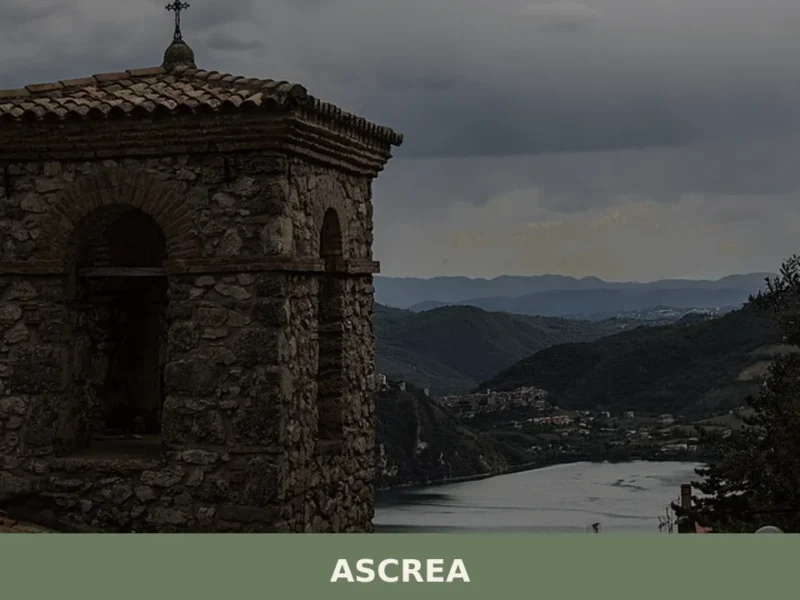
Ascrea
 Lake
Lake
 Mountain
What to see in Ascrea: a mountain village at 757 m in the province of Rieti with 261 residents. Discover the church of San Nicola, PAT-certified products and how to get there.
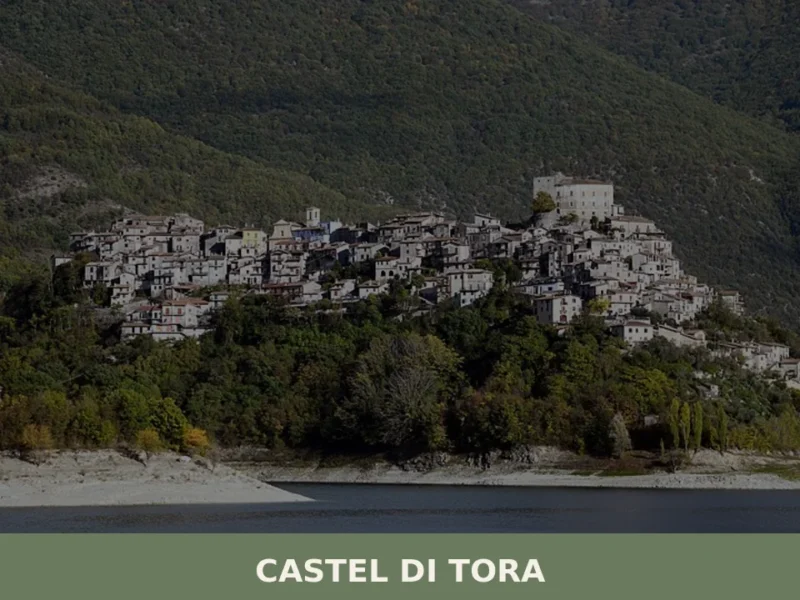
Castel di Tora
Lake
Mountain
What to see in Castel di Tora: medieval village at 607 m above Lago del Salto, 292 residents, 3 PAT-certified products. Plan your visit with our complete guide.
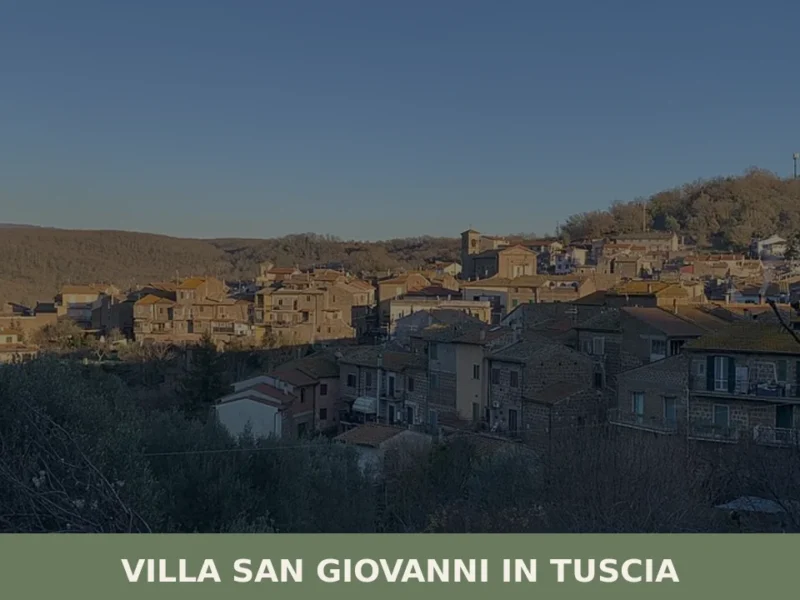
Villa San Giovanni in Tuscia
Hills
Villa San Giovanni in Tuscia has 1,196 inhabitants spread across a hilly territory at 329 metres above sea level, in the province of Viterbo. The settlement preserves a compact layout dating back to the feudal reorganisation of the late Middle Ages, when the village was under the control of baronial families that ruled upper Lazio. […]
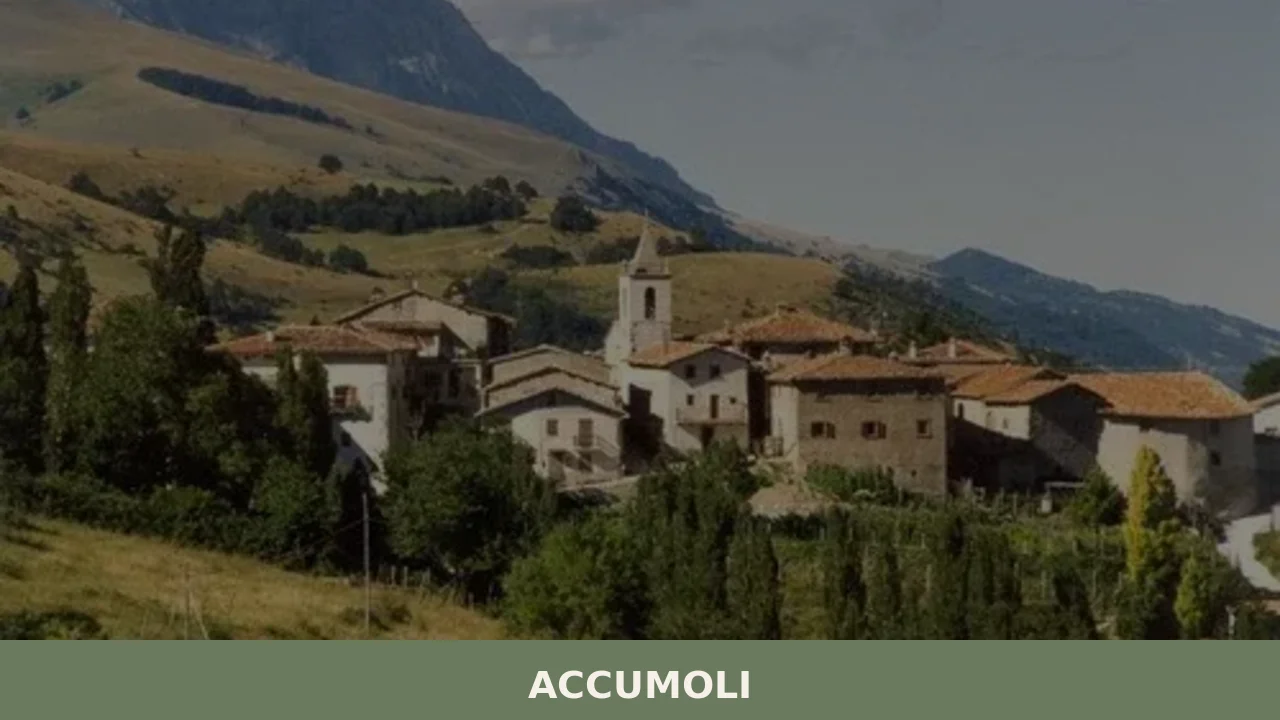
Accumoli
Mountain
What to see in Accumoli, Italy? Discover this village at 855 m (2,805 ft) altitude. Explore the 12th-century Civic Tower and Palazzo Marini. Read our guide.
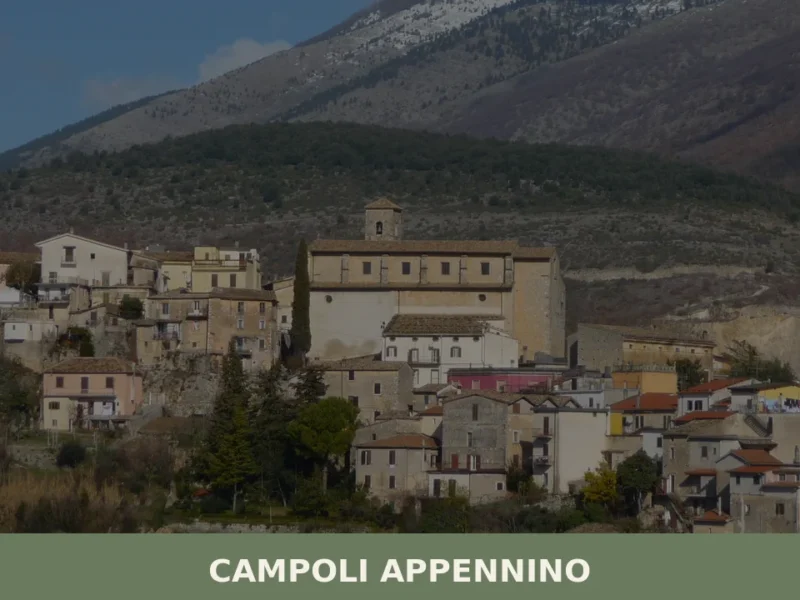
Campoli Appennino
Mountain
What to see in Campoli Appennino, Italy: a medieval tower 25 m tall, Roman aqueduct, and patron feast on 12 May. Discover this Frosinone village at 650 m altitude.
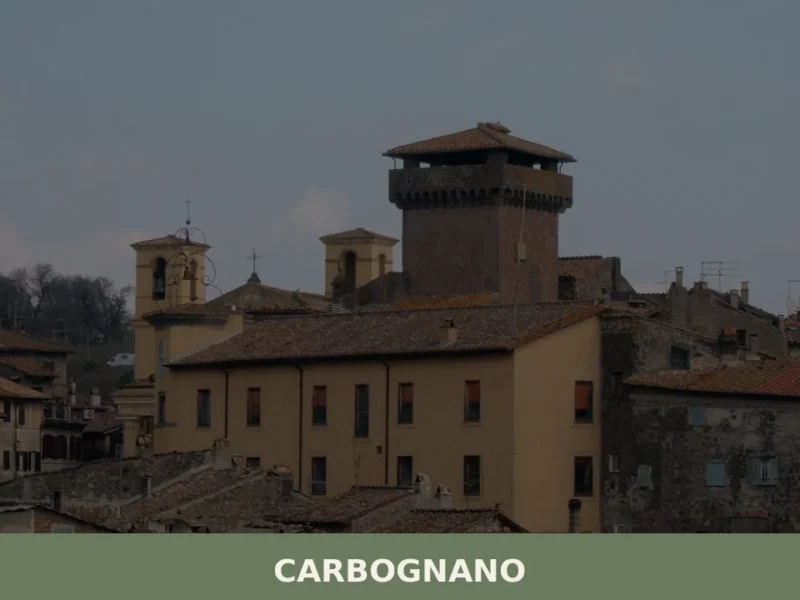
Carbognano
Hills
What to see in Carbognano, Italy: a hilltop village at 394 m, 50 km from Rome. Explore its churches, local food, and festivals. Discover Viterbo province.
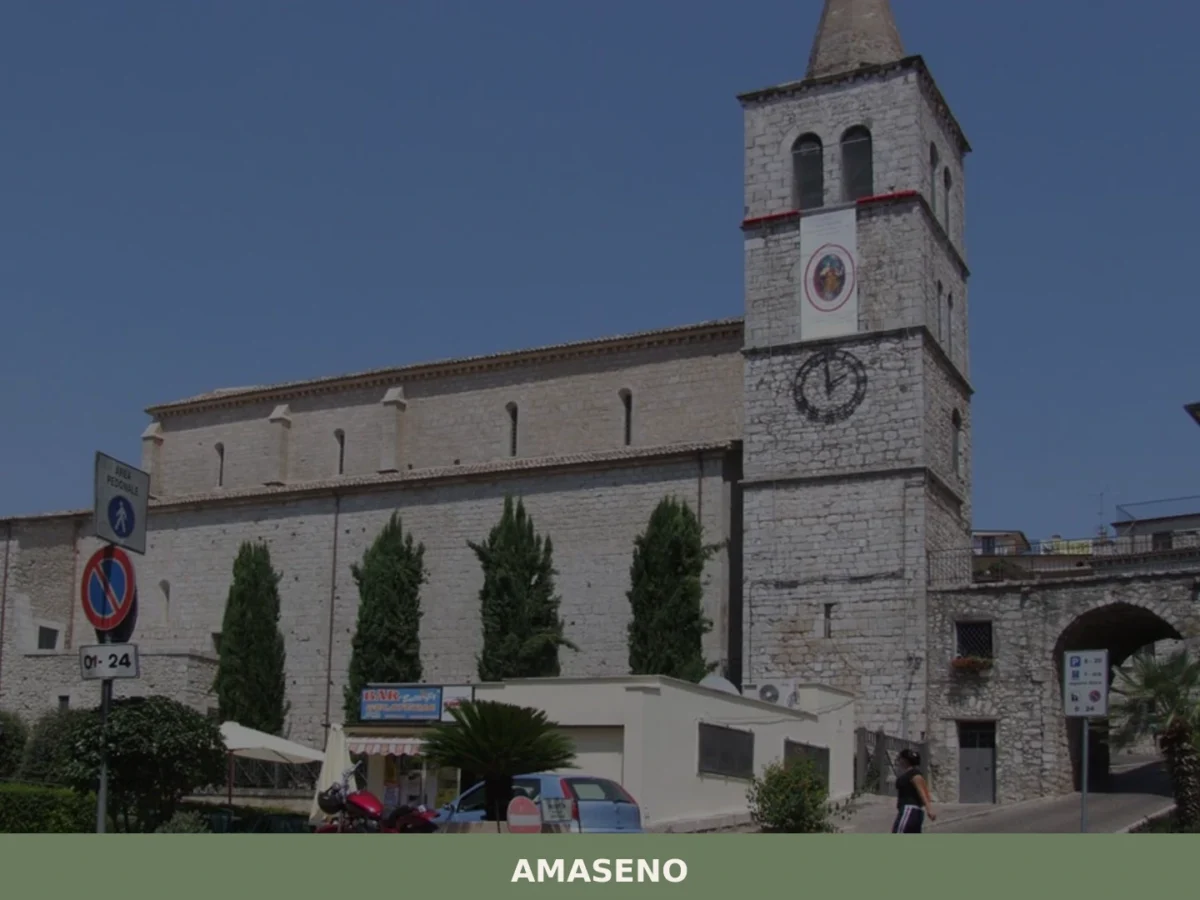
Amaseno
Hills
What to see in Amaseno: visit the 5 top attractions in this Lazio village, from the Madonna Sanctuary to Palazzo Caetani. Discover the complete guide.
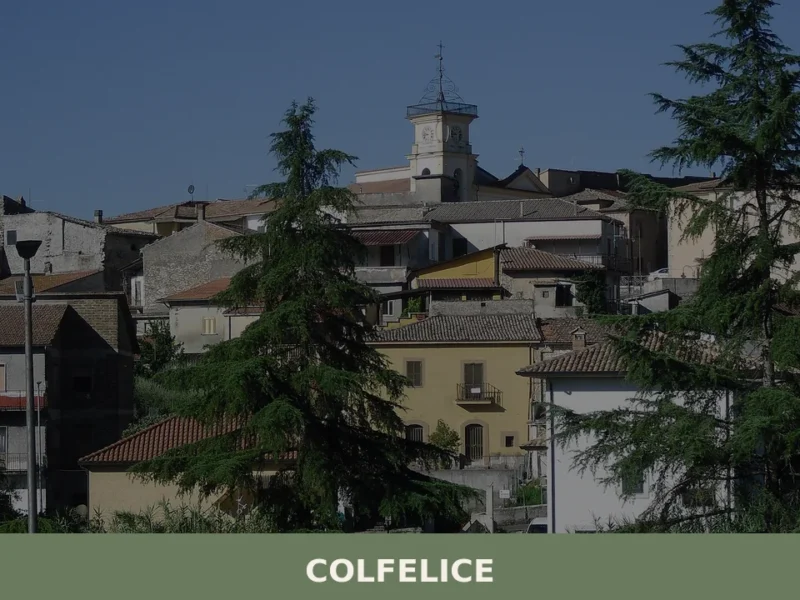
Colfelice
 Plains
What to see in Colfelice, Lazio, Italy: 1,910 inhabitants, 158 m altitude, 100 km from Rome. Discover the feast of San Gaetano and the Liri Valley plain. Read more.
Arce
Plains
What to see in Arce: discover the 5 unmissable aspects of this Lazio village. From medieval fortresses to scenic views, your complete guide. Plan your visit!
Arcinazzo Romano
Mountain
What to see in Arcinazzo Romano, Lazio, Italy: explore Trajan's Villa ruins at 831 m altitude, the plateau landscape and local traditions. Discover the complete guide.



🏡 Know Allumiere better than we do?
If you’re a local or have been there, your knowledge matters: add what’s missing or fix a detail on this page.