


Afragola
 Plains
Discover what to see in Afragola, Campania: Zaha Hadid’s station, Baroque churches, local food, and practical travel tips for this Naples hinterland town.
Discover Afragola
With a registered population of 61,520 residents, Afragola is one of the most densely populated comuni in the Metropolitan City of Naples, sitting in the flat northern arc of the Campanian plain that stretches between the city and the slopes of the Apennines. Knowing what to see in Afragola requires looking past its industrial and commercial reputation: this is a town whose urban fabric holds Baroque churches, a legible medieval street pattern, and a culinary identity rooted in the agricultural traditions of the Agro Nolano.
It rewards the patient, methodical observer.
History of Afragola
The place name Afragola derives, according to longstanding philological interpretation, from the Latin ad fabaria — a reference to fields cultivated with broad beans (faba), which gives an immediate indication of the agricultural character of the territory in the early medieval period. The settlement grew along the Via Regia, one of the main road axes linking Naples to Capua, a position that made it commercially viable but also strategically exposed. By the medieval period, Afragola had developed into a significant agricultural centre under the feudal structures that characterised the Kingdom of Naples, passing through the hands of various noble families who left their imprint on the town’s ecclesiastical architecture.
During the Angevin and Aragonese periods, Afragola was subjected to the same cycles of feudal redistribution that affected much of the Campanian interior. The town was periodically assigned to aristocratic houses connected to the Neapolitan court, and its proximity to Naples — roughly 12 kilometres to the north — meant it functioned as a productive hinterland supplying the capital with grain, legumes, and livestock.
This economic relationship intensified during the Spanish Viceroyalty of Naples, a period when the surrounding territory underwent significant agrarian organisation. Several of the churches that still define the town’s skyline were either founded or substantially rebuilt during the seventeenth century, reflecting the Counter-Reformation building campaigns that swept through the Kingdom of Naples.
The administrative transformation of the nineteenth century brought Afragola into the unified Italian state as a municipality of the Province of Naples, later incorporated into the Metropolitan City of Naples. The twentieth century accelerated its urbanisation dramatically: the post-war decades saw rapid population growth and the expansion of industrial and commercial infrastructure, including the eventual development of transport links that would make Afragola a logistics node for the wider metropolitan area.
The inauguration of the Afragola high-speed railway station — designed by the architect Zaha Hadid and completed in 2017 — marked a pivotal moment in the town’s contemporary identity, connecting it physically and symbolically to Italy’s high-speed rail network.
What to see in Afragola: the main attractions
Afragola High-Speed Railway Station (Zaha Hadid Architects, 2017)
Completed in 2017 to a design by Zaha Hadid Architects, this station on the Naples–Rome high-speed line is a striking piece of civil infrastructure: a continuous white concrete bridge-building that spans the rail tracks with a flowing lateral section. It functions as both a transport hub and one of the most discussed works of contemporary architecture in southern Italy.
Church of Sant’Antonio di Padova
One of Afragola’s principal sacred buildings, this church carries the Franciscan dedication to Saint Anthony of Padua and contains interior decorative elements consistent with the Baroque ecclesiastical campaigns of the seventeenth and eighteenth centuries in the Neapolitan province.
Its façade and lateral chapels reflect the layered interventions typical of Counter-Reformation religious architecture in the region.
Church of Santa Maria delle Grazie
Santa Maria delle Grazie is among the older religious foundations in Afragola, with origins traceable to the late medieval period. The church preserves votive traditions associated with Marian devotion that have been documented in the area for several centuries, and its interior retains elements of painted decoration characteristic of the Neapolitan school of the seventeenth century.
Historic Centre Street Pattern
The medieval layout of Afragola’s historic centre — a compact network of narrow streets converging on its main civic and religious spaces — remains legible despite twentieth-century development. Walking the older quarters reveals the spatial logic of a settlement organised around agricultural storage, artisan workshops, and parish churches, a pattern common to Campanian towns in the Naples hinterland.
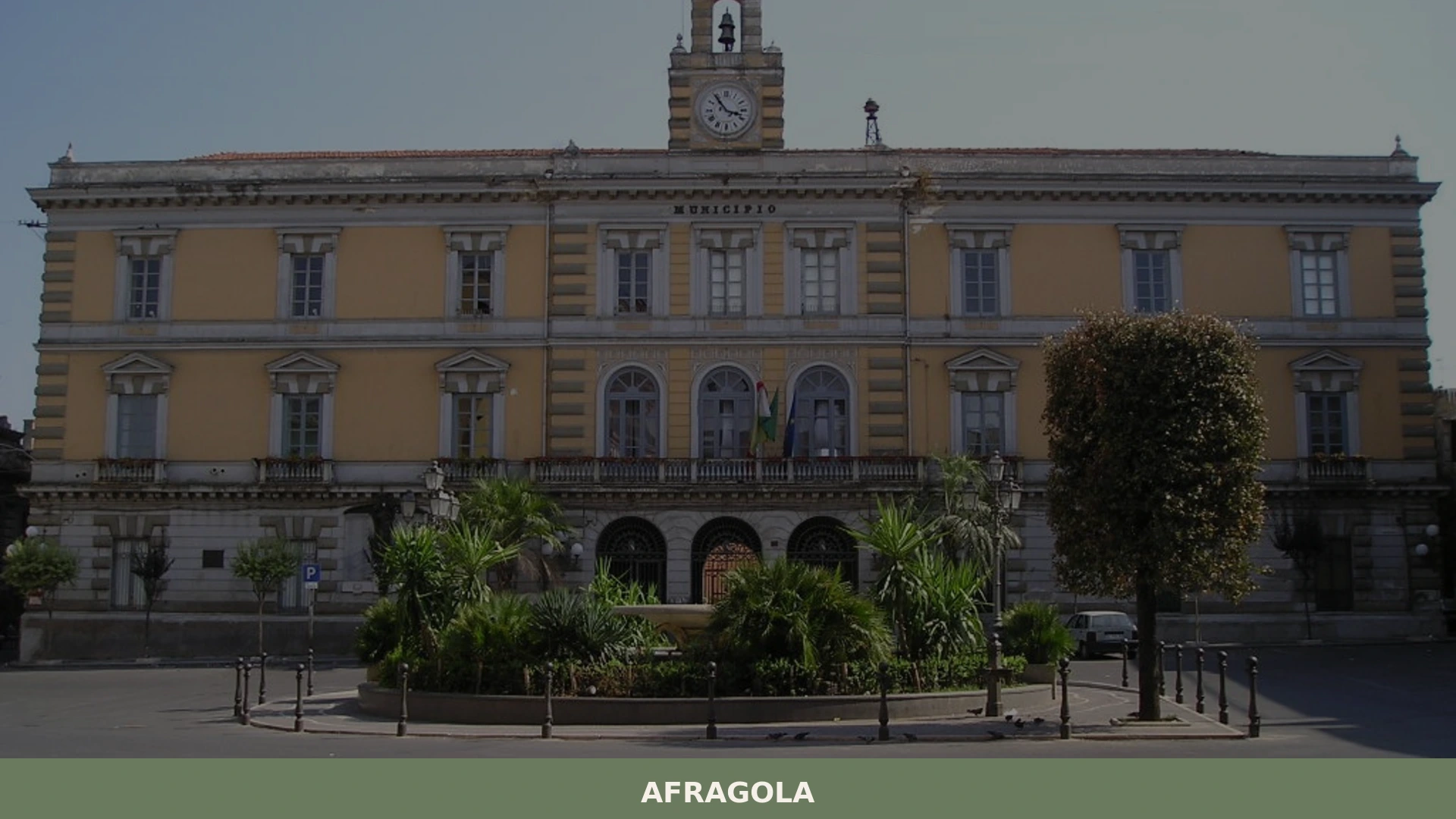
Piazza Municipio and the Town Hall
The civic heart of Afragola is organised around Piazza Municipio, where the town hall occupies a building that underwent its present form during the nineteenth and early twentieth centuries.
The square functions as the administrative and social reference point for the community and reflects the urban planning ambitions of the post-Unification period in southern Italian municipalities.
Local food and typical products
Afragola sits within one of the most productive agricultural zones in Campania, and its food culture reflects the broader traditions of the Neapolitan hinterland. The flat, volcanic soil of the area has historically supported the cultivation of tomatoes — including varieties closely related to the Pomodorino del Piennolo del Vesuvio DOP, grown on the nearby Vesuvian slopes — as well as legumes, leafy vegetables, and the long peppers used in traditional Campanian cooking.
Dishes common to local tables include pasta e fagioli, friarelli (the bitter local broccoli rabe sautéed in olive oil with garlic and chilli), and braised meat preparations that draw on the pork and beef farming of the interior.
The broader Metropolitan City of Naples, under whose administration Afragola falls, promotes a food heritage that includes Buffalo Mozzarella DOP from the nearby Caserta plain, as well as a range of fresh pasta traditions. For visitors, the most direct access to local food culture is through the town’s traditional markets and the family-run trattorie in the historic centre, where the menu tends to follow the seasonal produce cycle rather than a fixed tourist formula.
The official municipality of Afragola publishes information on local events that often coincide with seasonal food traditions and parish festivals.
Best time to visit Afragola
The Campanian climate means that Afragola is accessible year-round, but the most comfortable periods for exploring the town on foot are spring (April to June) and early autumn (September to October), when temperatures are moderate — typically between 16°C and 24°C — and the light is clear without the intense heat of the Neapolitan summer. July and August bring temperatures that regularly exceed 32°C on the flat plain north of Naples, which can make extended walking in the urban fabric demanding. The winter months are mild by northern European standards, with daytime temperatures rarely dropping below 8°C, and the town continues its normal commercial and civic life throughout the year.
Local patron saint festivities and parish processions, common to all Campanian municipalities, animate the calendar at intervals through the year and offer a direct view of the town’s active religious culture. These events, rooted in the devotional traditions of the area, draw participation from residents across the generations and give the town’s main squares and streets a specific civic character that is absent during ordinary working days.
Checking the municipal calendar before a visit is advisable for anyone interested in attending these occasions.
How to get to Afragola
Afragola is located approximately 12 kilometres north of central Naples, and its position near major transport infrastructure makes it one of the more accessible comuni in the metropolitan area. The following practical reference points are useful for planning:
- By high-speed train: The Afragola high-speed station is served by Trenitalia’s Frecciarossa and Italo services on the Naples–Rome line. From Naples Centrale, journey time to Afragola station is approximately 10 minutes. From Rome Termini, the station is reached in around 60–70 minutes.
- By regional or suburban train: The Circumvesuviana and Campania Express networks connect Naples to the wider metropolitan area; the town is also served by regional rail links on the Naples–Caserta line.
- By car: Afragola is reached via the A1 motorway (Milan–Naples) or the Tangenziale di Napoli. Exit at Afragola/Casoria and follow signs for the town centre. Journey time from central Naples by car is approximately 20–30 minutes depending on traffic.
- By air: Naples International Airport (Capodichino), the nearest airport, is approximately 8 kilometres south of Afragola. A taxi or private transfer takes around 20–25 minutes; public bus connections are also available.
For updated timetables and connections, the Trenitalia official site covers all high-speed and regional rail services in and out of Afragola.
Where to stay in Afragola
Accommodation in Afragola itself is limited relative to the scale of the town, with most options concentrated in the areas around the historic centre and along the main commercial arteries.
The available stock consists primarily of small hotels, B&Bs, and short-term apartment rentals, reflecting the town’s role as a commuter and logistics hub rather than a destination geared toward extended leisure stays. Visitors who prioritise comfort and choice may find it practical to base themselves in Naples — which offers a much wider range of accommodation at all price points — and make day trips to Afragola, particularly given the short journey time by train or car.
For those who prefer to stay in Afragola directly, booking through established platforms allows comparison of the available B&B and apartment options in the town centre. Staying near the high-speed station area offers convenient onward connections to Rome and Naples. It is worth confirming access arrangements and parking availability with hosts in advance, as central streets in older Campanian comuni often have restricted traffic zones.
More villages to discover in Campania
Campania is a region of striking contrasts, and moving away from the densely populated Naples plain toward the interior reveals a different register of Italian settlement.
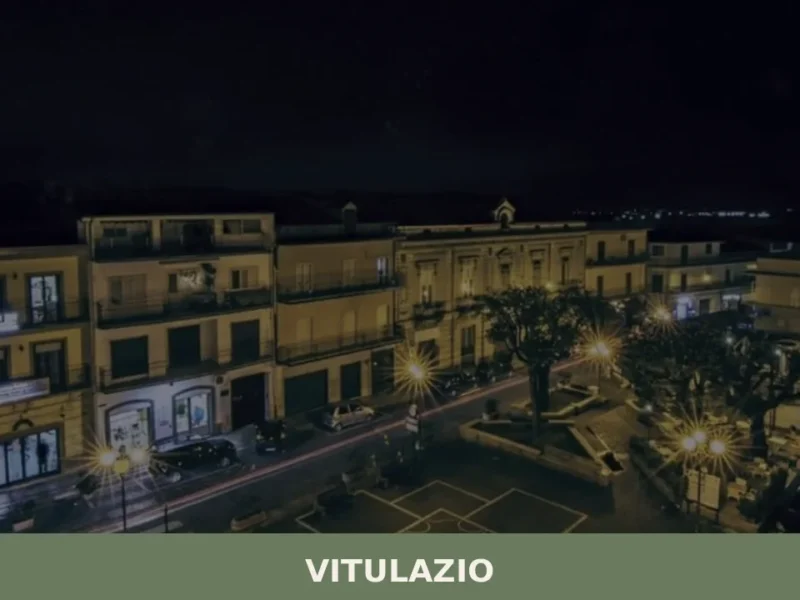
In the province of Caserta, Vitulazio occupies a position on the low hills between the Volturno river and the Appennine foothills, where the agricultural landscape and the pace of daily life differ considerably from the metropolitan north of Naples. Similarly, Pontelatone sits in the rolling country of the Caserta hinterland, a small municipality whose rural setting and historic fabric are representative of the quieter Campanian interior.
For those drawn further into the Apennine ranges, the villages of the Matese area offer a markedly different experience. Letino stands at altitude near the Matese lake, with a landscape defined by beech forest and mountain pasture rather than the volcanic lowlands around Naples.
Fontegreca, nearby, is one of the smallest comuni in the province of Caserta, where the Apennine environment shapes both the economy and the architecture in ways that have remained relatively consistent over the past century. Together, these villages trace a transect through Campanian territory that runs from the coastal urban cluster to the high interior.
—
Frequently asked questions about Afragola
What is the best time to visit Afragola?
The most comfortable periods for visiting Afragola are spring (April to June) and early autumn (September to October), when temperatures are moderate, typically between 16°C and 24°C, ideal for exploring on foot. While the Campanian climate makes the town accessible year-round, July and August can be very hot. For a cultural experience, consider visiting on June 13th for the feast of Sant'Antonio di Padova, or September 19th for San Gennaro, to witness vibrant patron saint festivities and local traditions.
What to see in Afragola? Main monuments and landmarks
In Afragola, a must-see is the Afragola High-Speed Railway Station, designed by Zaha Hadid, a striking piece of contemporary architecture. Explore the legible medieval street pattern of the historic centre, revealing the town's agricultural past. Visit the Church of Sant'Antonio di Padova and the Church of Santa Maria delle Grazie, both showcasing Baroque and medieval ecclesiastical architecture. Piazza Municipio, with the town hall, serves as the civic heart and social reference point.
Where to take the best photos in Afragola?
For captivating photographs in Afragola, focus on its distinctive architectural highlights. The Afragola High-Speed Railway Station, a masterpiece by Zaha Hadid, offers unique modern lines and a striking aesthetic. Capture the charming narrow streets and historic buildings within the medieval street pattern of the old town. The Baroque façades and interiors of the Church of Sant'Antonio di Padova and the Church of Santa Maria delle Grazie also provide picturesque backdrops, as does Piazza Municipio, the town's central civic square.
What can you do in Afragola? Activities and experiences
In Afragola, you can immerse yourself in local life by exploring the historic centre's medieval street pattern and observing the town's daily rhythm. Discover its rich culinary identity by visiting traditional markets and family-run trattorie, where you can taste seasonal dishes like pasta e fagioli or friarelli. Attending patron saint festivities on June 13th for Sant'Antonio di Padova or September 19th for San Gennaro offers a direct and vibrant experience of the town's active religious and civic culture.
Who is Afragola suitable for? Families, couples, hikers, solo travelers?
Afragola is particularly suitable for solo travelers, cultural enthusiasts, and patient observers who appreciate authentic local life away from mainstream tourist circuits. It appeals to those interested in contemporary architecture, legible medieval urban planning, and a deep dive into Campanian culinary traditions rooted in its agricultural heritage. It's an excellent choice for a day trip from Naples for visitors seeking an unvarnished view of a bustling Italian town, rather than a destination geared towards extended leisure or nature-focused holidays.
📷 Photo Gallery — Afragola
Nearby Villages near Afragola
In Campania More villages to discover
Caianello
 Hills
Hills
A crossroads village of 1,752 inhabitants in Caserta province, Caianello hides medieval lanes and olive groves above its famous motorway junction.
Albanella
Plains
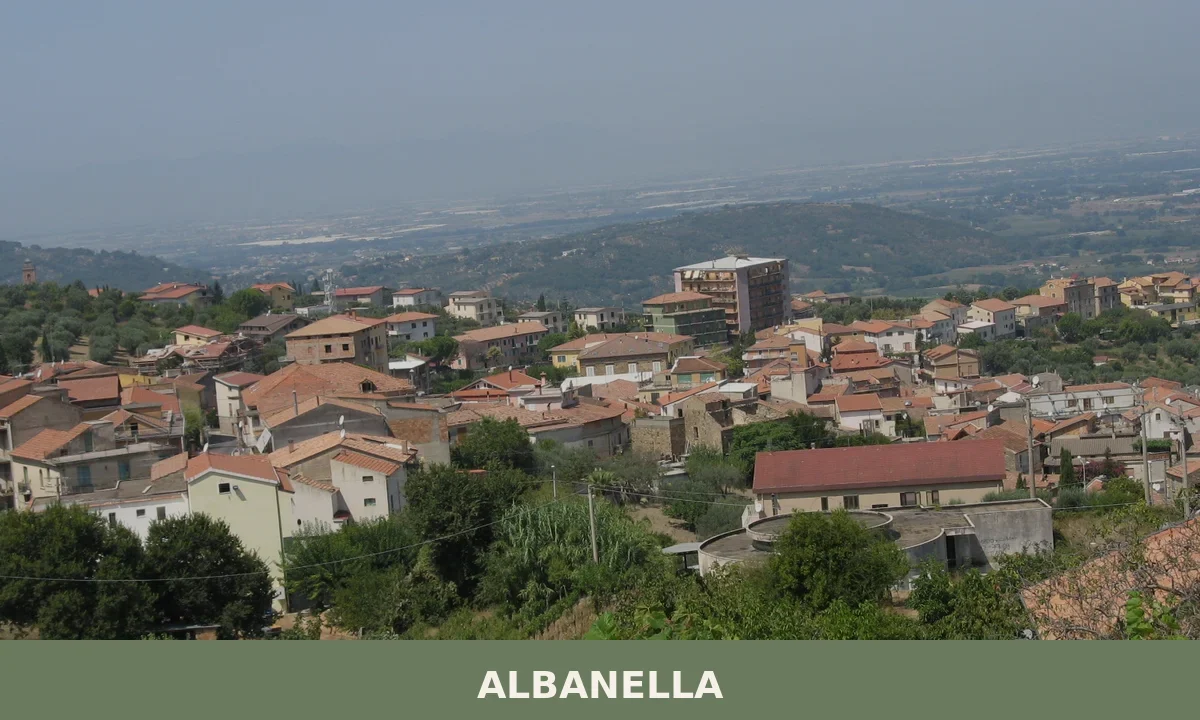
Founded in 1003 by refugees fleeing saracen raids, Albanella sits on a strategic hill between the Alburni mountains and the Salerno gulf, home to the restored Santuario di Santa Sofia.
Airola
Plains
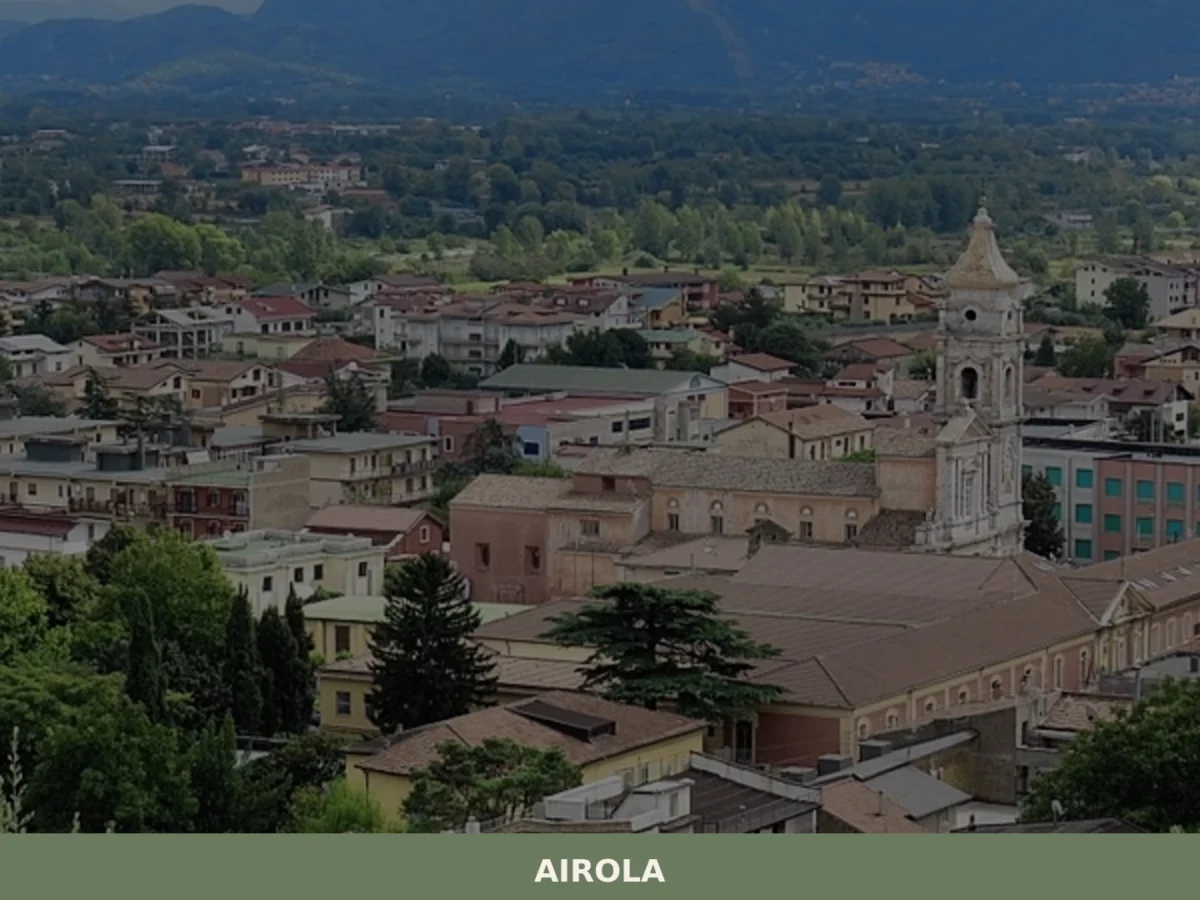
The stone bell tower of the Church of the Annunziata, reaching skyward since 1735, casts its shadow over the cobbled streets of Airola. Nestled within the expansive Valle Caudina and framed against the backdrop of Monte Taburno, this village offers a tangible connection to its past through its architecture. In this article History of Airola […]
Alife
Plains
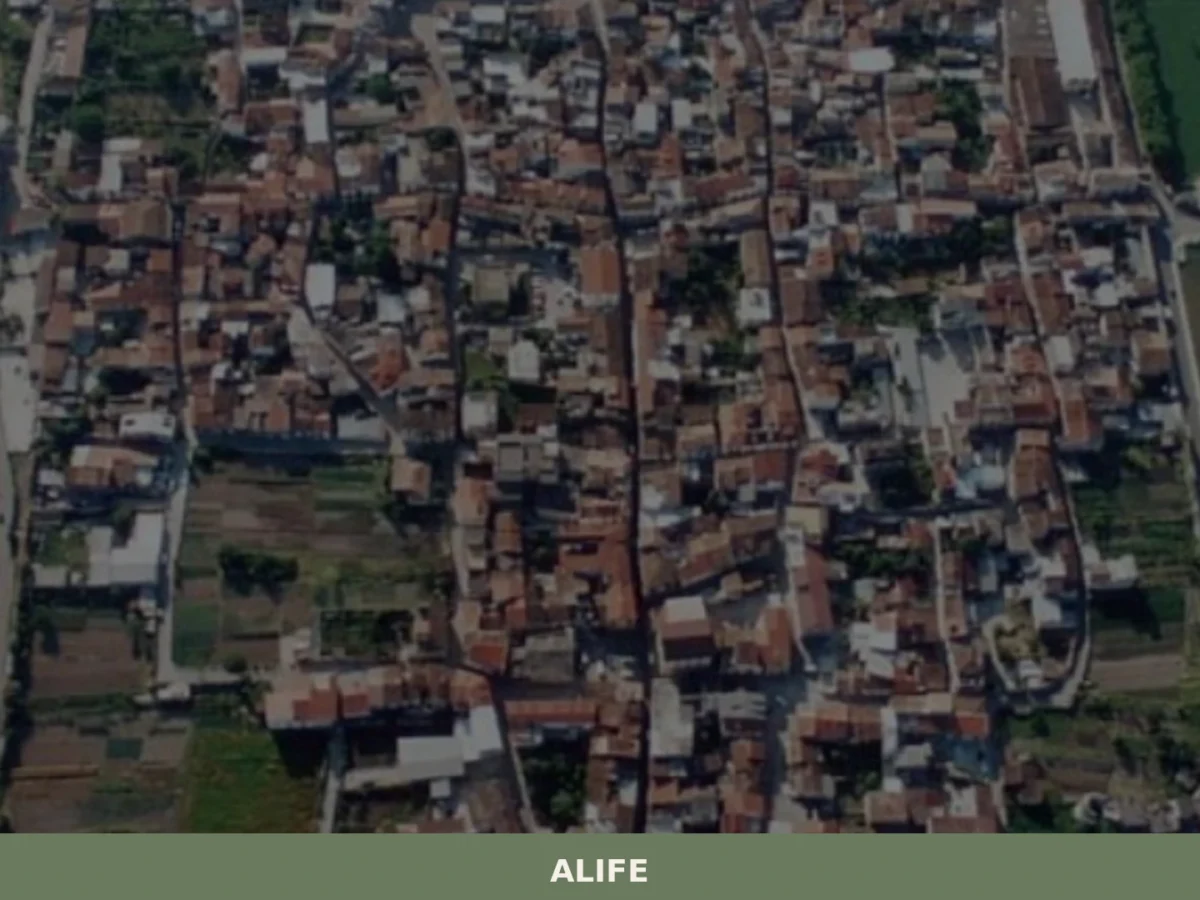
What to see in Alife, Italy: Discover at 110 m altitude the Roman Amphitheatre and the Cathedral of Alife. Explore Campania's rich history!
Pratella
Plains
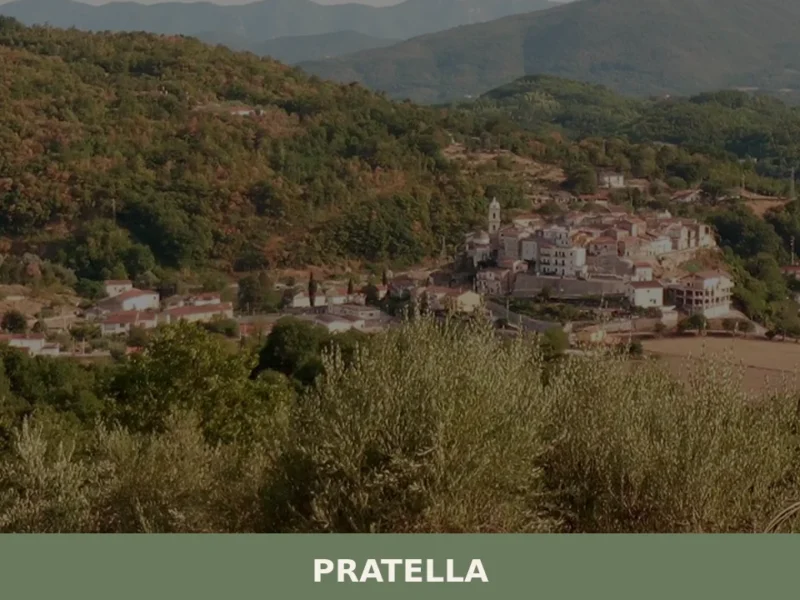
What to see in Pratella, Italy: This village of 1,408 inhabitants, at 152m altitude, offers its historic core and the San Nicola feast. Explore Campania.

Torre Annunziata
 Sea
Sea
Nearly 40,000 residents live above the UNESCO-listed ruins of ancient Oplontis. Torre Annunziata offers archaeology, industrial heritage and a black-sand shoreline on the Gulf of Naples.
Amalfi
Hills
Sea
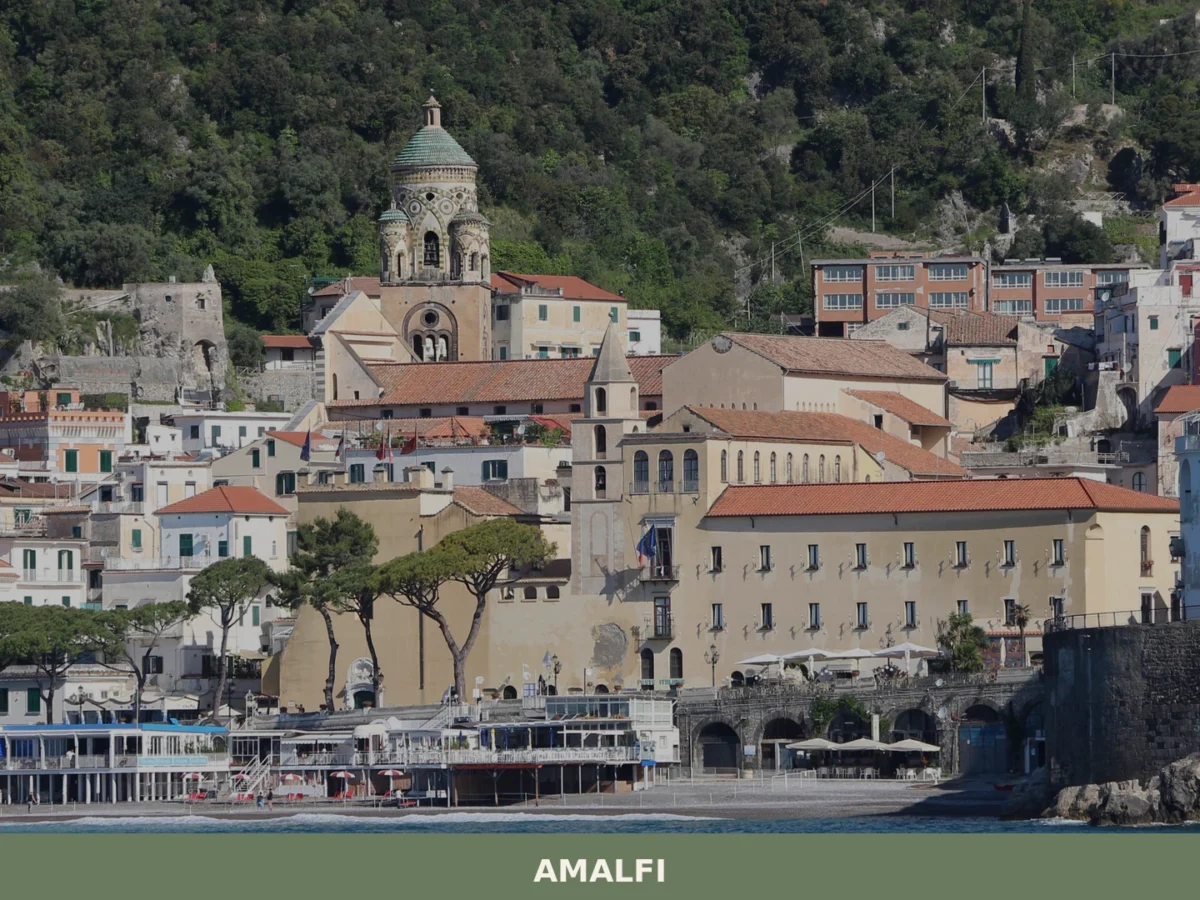
What to see in Amalfi, Campania, Italy: explore the Cathedral of Sant'Andrea, the Arsenal of the Maritime Republic, and the Compass Museum. Discover 4,611 residents' town.
Ailano
Hills
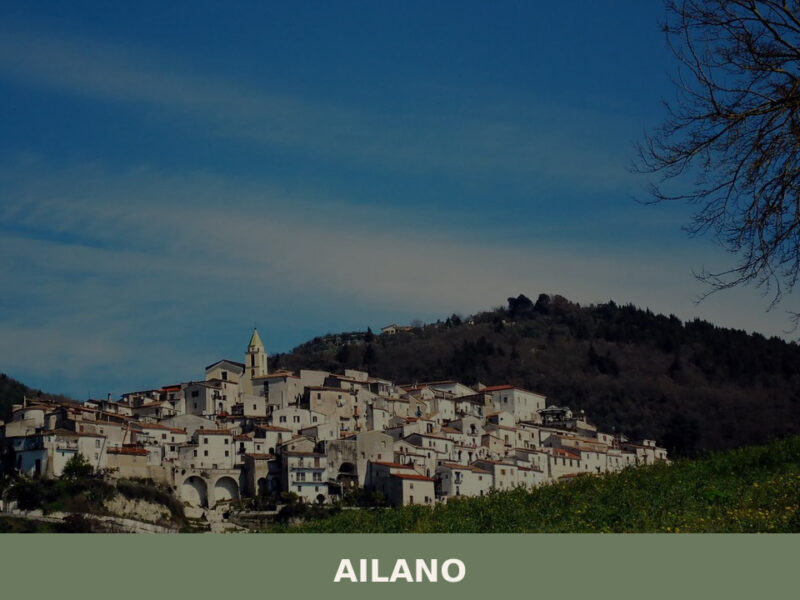
A complete guide to what to see in Ailano, a village of 1,198 inhabitants in the Caserta province of Campania, with its medieval centre, parish churches, and Volturno valley views.
Valle Agricola
 Mountain
Valle Agricola, a municipality of 960 inhabitants in the province of Caserta, rises to 691 meters above sea level, representing a mountain settlement within the Matese Massif. Its geographical position, between peaks and valleys, has for centuries determined the social and economic dynamics of the place, oriented towards livestock farming and subsistence agriculture. For those […]
Salerno
Sea
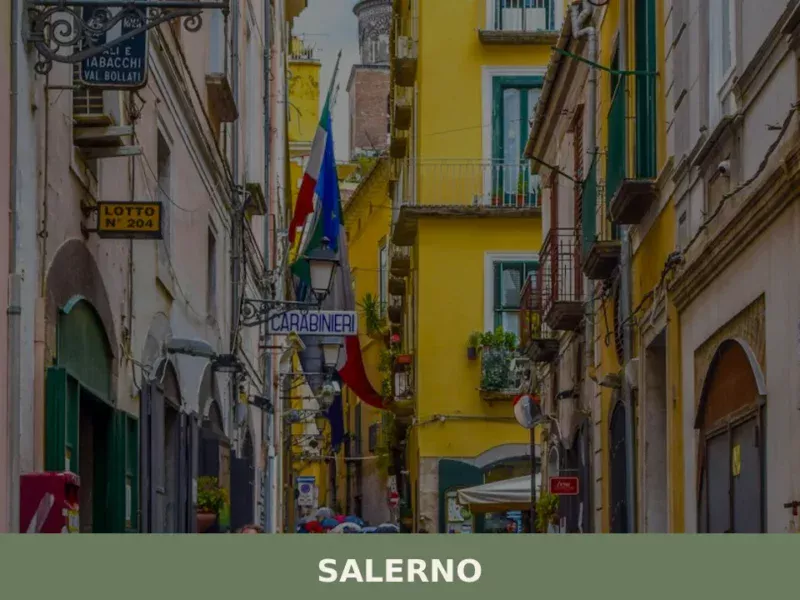
Discover Salerno, Italy, a charming coastal city in Campania. Explore its rich history, stunning cathedral, vibrant old town, and beautiful Mediterranean views. Plan your visit!





🏡 Know Afragola better than we do?
If you’re a local or have been there, your knowledge matters: add what’s missing or fix a detail on this page.