


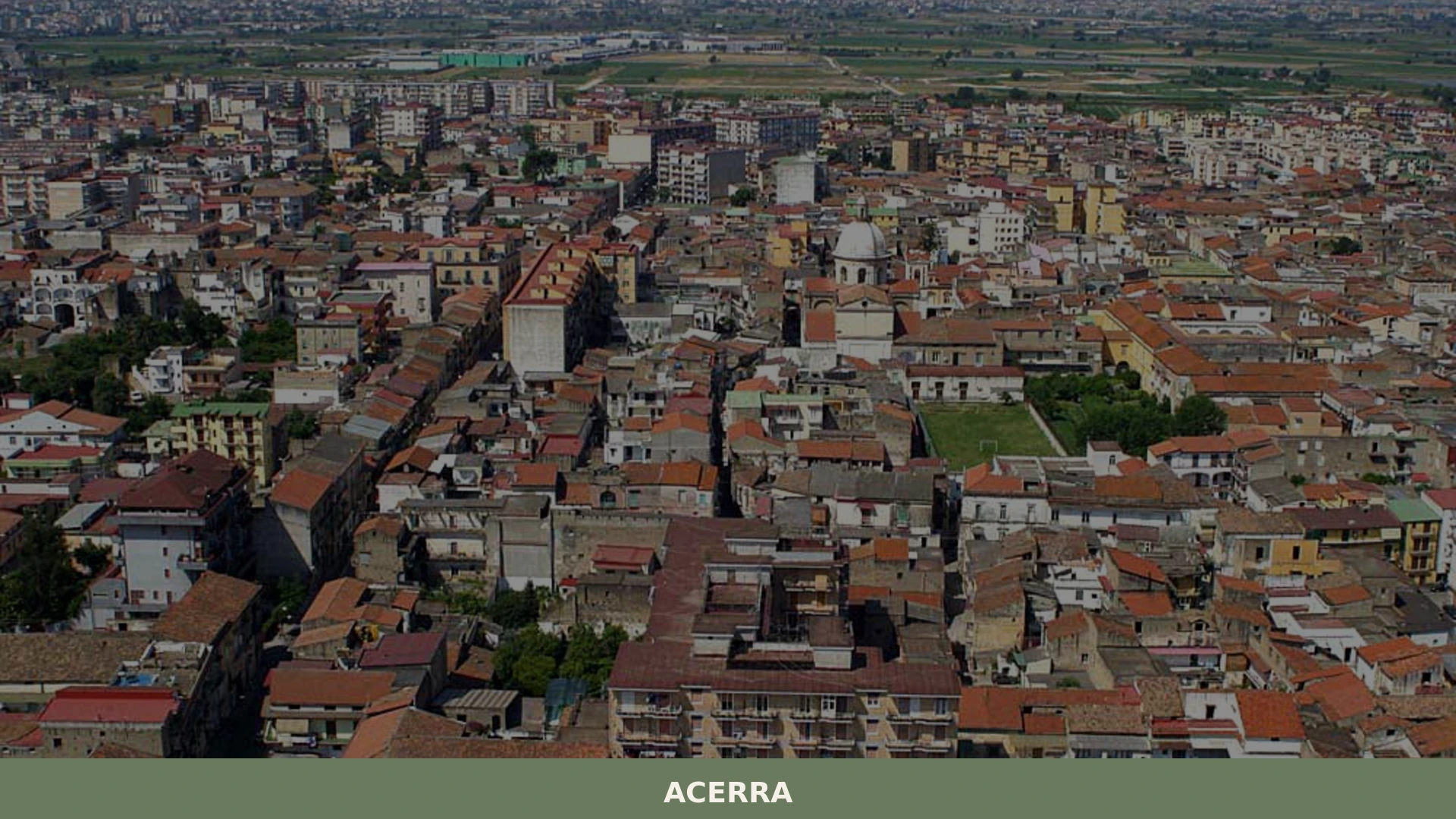
Acerra
 Plains
Discover what to see in Acerra, Campania: Roman history, medieval castle, cathedral, local food and practical travel tips for this Naples metropolitan town.
Discover Acerra
With a recorded population of 58,610 residents, Acerra ranks among the larger urban centres in the metropolitan city of Naples, yet its origins stretch back well before the Roman Republic. The ancient town — known in antiquity as Acerrae — sat at a strategically significant point on the Campanian plain, and understanding what to see in Acerra begins with recognising that its streets and stones carry layered histories from pre-Roman settlements through medieval lordships to the industrial pressures of the modern era. This is a place that rewards the curious, not the casual.
History of Acerra
The ancient city of Acerrae is documented in Roman sources as a municipium of considerable standing.
It was granted Roman citizenship following the Social War, the conflict between Rome and its Italian allies that concluded in 87 BC, a reform that reshaped the entire political landscape of southern Italy. Before that, Acerrae had been an Oscan settlement, part of the cultural and linguistic world of the Campanian interior that predated Roman dominance in the region. The town’s name itself is believed to derive from the Latin word for “bitter” or from a term connected to the storage of goods — both interpretations pointing to an active, commercially engaged settlement on the plain between the Volturno river basin and the Bay of Naples.
During the Second Punic War, Acerrae suffered direct military consequences: Hannibal burned the city in 216 BC after its inhabitants refused to surrender to his advancing Carthaginian forces. This act of resistance and destruction is one of the most precisely documented events in the town’s ancient history, recorded by Livy in his Ab Urbe Condita. The town was subsequently rebuilt, demonstrating both the resilience of its population and the strategic value Rome placed on controlling this part of the Campanian plain.
In the medieval period, Acerra became a feudal seat of some importance, held at various points by Norman, Angevin, and later Spanish noble families who each left administrative and architectural imprints on the settlement.
The establishment of the Diocese of Acerra in the early medieval period — one of the oldest ecclesiastical territories in the Naples metropolitan area — reinforced the town’s role as a regional centre of religious administration. The cathedral, dedicated to the Assumption of the Virgin Mary, became the physical anchor of this diocese and still defines the historic centre today. In the nineteenth and twentieth centuries, Acerra’s proximity to Naples drew industrial investment that fundamentally altered its demographic and economic character, transforming agricultural land into manufacturing zones and contributing to the rapid population growth that brought the commune to its current size.
What to see in Acerra: 5 must-visit attractions
Cathedral of the Assumption (Cattedrale dell’Assunzione)
The cathedral sits at the centre of Acerra’s historic urban fabric and serves as the seat of the Diocese of Acerra. Its current structure incorporates elements from multiple construction phases, with the facade and nave reflecting baroque interventions on earlier medieval foundations.
The interior preserves carved stonework and altar furnishings accumulated across several centuries of continuous liturgical use.
Castello dei Conti (Castle of the Counts)
The medieval castle — historically associated with the feudal lords who controlled Acerra through the Norman and Angevin periods — stands as the most visually distinctive secular structure in the town. Its tower and remaining perimeter walls give a clear sense of the fortified residence that once governed the surrounding agricultural plain. Portions of the structure have undergone conservation work and are periodically open for visits.
Museo Nazionale di Acerra (National Museum)
Acerra hosts a national museum dedicated to local archaeological findings and the history of the Campanian plain in the pre-Roman and Roman periods. Artefacts excavated from the ancient site of Acerrae — ceramics, votive objects, and inscriptions — are presented here, providing material evidence of the Oscan and Roman layers beneath the modern city.
The museum offers one of the more substantive collections of its kind in this part of the metropolitan Naples area.
Palazzo Ducale
The ducal palace, connected to the aristocratic administration of Acerra under Spanish and later Bourbon rule, occupies a substantial footprint in the historic centre. Its courtyard and external elevations show the architectural conventions of southern Italian noble residences from the sixteenth and seventeenth centuries, including rusticated stonework and formal gateway proportions typical of the period.
Church of San Giovanni Battista
Among the several churches that punctuate Acerra’s historic centre, San Giovanni Battista is notable for its interior decoration, which includes painted panels and stucco work consistent with the Neapolitan baroque tradition of the seventeenth and eighteenth centuries. The church has served the surrounding neighbourhood continuously and retains its liturgical function alongside its historical interest.
Local food and typical products
Acerra sits on the Campanian plain, one of the most agriculturally productive zones in southern Italy, and its food culture reflects that geography directly.
The area around Naples is the recognised home of pomodoro San Marzano, the elongated plum tomato that carries DOP status and underpins much of the region’s cooking. Pasta dishes dressed with slow-cooked tomato sauces, preparations of local buffalo mozzarella — produced from herds grazed on the Campanian plain — and vegetable-forward contorni using seasonal produce from the surrounding fields are all standard on tables in and around Acerra. Bread baked in wood-fired ovens, a tradition common across this part of Campania, accompanies most meals.
For visitors looking to eat well, the most reliable options tend to be family-run trattorie in the historic centre and in the surrounding commune, where menus follow the seasonal logic of what is available locally rather than catering to tourist expectations. The official municipality of Acerra provides local listings and event information that can help identify food-related festivals and markets where regional producers sell directly to the public. Visiting during a weekend market is a practical way to understand the agricultural depth of the area and to source local products directly from producers.
Best time to visit Acerra
The Campanian plain has a Mediterranean climate with hot, dry summers and mild, wetter winters.
For anyone focused on what to see in Acerra — particularly the historic centre, the cathedral, and the museum — the most comfortable visiting periods are spring, from March through May, and autumn, from September through November. Temperatures in these months stay in the range of 15 to 25 degrees Celsius, making it feasible to move around the town on foot without the intense heat of July and August, when midday temperatures regularly exceed 32 degrees. Acerra also observes the feast of its patron saint with a civic and religious celebration that draws participants from across the metropolitan area — local parish calendars and the Regione Campania official site carry details of the exact dates each year.
How to get to Acerra
Acerra is located approximately 15 kilometres northeast of central Naples, making it one of the more accessible towns in the metropolitan area for visitors already based in the regional capital.
- By car: From Naples, take the A16 motorway (Napoli–Canosa) eastward and exit at Acerra. Journey time from central Naples is approximately 25 to 35 minutes depending on traffic, which on this corridor can be significant during peak hours.
- By train: The Circumvesuviana rail network and regional rail services connect Acerra to Naples with reasonable frequency. The station at Acerra is served by lines running from Napoli Centrale, with journey times of approximately 20 to 30 minutes.
- By airport: Naples International Airport (Aeroporto di Napoli–Capodichino) lies roughly 12 kilometres southwest of Acerra.
A combination of airport bus to central Naples followed by regional rail is the most practical route for arriving travellers; taxi or private transfer is a direct alternative with a journey time of around 20 to 30 minutes outside rush hours.
- From Rome: Acerra is approximately 220 kilometres from Rome via the A1 motorway south to Naples, then the A16 eastward — a drive of roughly 2.5 to 3 hours under normal conditions.
Where to stay in Acerra
Acerra’s accommodation offer is modest compared to Naples itself, which means most visitors who are travelling primarily to explore the wider metropolitan area tend to base themselves in central Naples and make Acerra a day trip. Within the commune, options include small hotels and bed-and-breakfast establishments in and near the historic centre; the proximity to Naples also means that agriturismo properties on the agricultural edges of the commune offer a quieter alternative to the urban setting. These rural stays can be a practical base for exploring multiple towns on the Campanian plain without the noise and density of the city.
For those who prefer to stay in Acerra itself, booking accommodation in or immediately adjacent to the historic centre places visitors within walking distance of the cathedral, the castle, and the main civic spaces. Availability can be limited, particularly around local festivals, so reserving several weeks in advance is advisable. The In Naples official tourism portal covers accommodation listings across the metropolitan area, including Acerra, and is a useful starting point for checking current availability.
More villages to discover in Campania
The Campanian interior holds a range of settlements that offer a counterpoint to the urban density of the Naples metropolitan area.
North of Acerra, the landscape rises toward the Matese and the communities of the Caserta province. Pratella, set in the hills above the Volturno valley, offers a dramatically different perspective on Campanian settlement — a small hillside commune where the agricultural economy and the historic fabric remain tightly connected. Similarly, Liberi is a compact rural centre in the Caserta hinterland that has preserved a scale and texture quite different from the metropolitan sprawl around Naples.
Further into the Caserta province, the villages of Camigliano and Capriati a Volturno sit near the Volturno river in terrain that becomes progressively more rugged as it approaches the Molise border. For travellers who have come to understand Acerra’s place in the lowland geography of Campania, these upland settlements provide a useful and rewarding contrast — smaller in population, more isolated in position, and connected to a different chapter of the same regional history.
Frequently asked questions about Acerra
What is the best time to visit Acerra?
The most comfortable times to visit Acerra are during spring, from March to May, and autumn, from September to November. Temperatures generally range from 15 to 25 degrees Celsius, ideal for exploring the historic centre on foot. Summers, particularly July and August, can be very hot, often exceeding 32 degrees. A notable time to visit is May 29th, when Acerra celebrates the feast of its patron saints, San Cuono e Figlio, with a significant civic and religious event that offers a unique glimpse into local traditions.
What to see in Acerra? Main monuments and landmarks
Acerra's main attractions reflect its layered history. Key sites include the **Cathedral of the Assumption**, the seat of the Diocese, featuring Baroque elements on medieval foundations. The **Castello dei Conti**, a medieval fortress, offers a glimpse into its feudal past, though access can be periodic. The **Museo Nazionale di Acerra** showcases local archaeological finds from the pre-Roman and Roman periods. Visitors can also admire the **Palazzo Ducale**, a noble residence from the 16th-17th centuries, and the **Church of San Giovanni Battista**, known for its Neapolitan Baroque interior. Specific opening hours and admission fees for these sites are best confirmed locally upon arrival or via official municipal channels.
What can you do in Acerra? Activities and experiences
In Acerra, visitors can immerse themselves in its rich history by exploring the **Cathedral of the Assumption**, the **Castello dei Conti**, and the **Museo Nazionale di Acerra**. Engage with the vibrant local food culture by dining at family-run trattorie that feature seasonal Campanian produce, buffalo mozzarella, and San Marzano tomatoes. Consider visiting during a weekend market to experience the agricultural depth of the area and purchase local products directly. Attending the annual **feast of San Cuono e Figlio on May 29th** offers a unique cultural experience.
Who is Acerra suitable for? Families, couples, hikers, solo travelers?
Acerra is particularly suitable for **history enthusiasts** and **curious travelers** interested in exploring the deep, layered past of a Campanian town, from Oscan settlements to Roman and medieval influences. It appeals to **foodies** eager to experience authentic local cuisine, especially dishes featuring San Marzano tomatoes and buffalo mozzarella. While not a destination for extensive hiking, it's ideal for **solo travelers or couples** seeking a quieter, more authentic Italian experience away from major tourist crowds, or as a **day trip** from Naples to delve into regional history and culture.
What to eat in Acerra? Local products and specialties
Acerra, situated on the fertile Campanian plain, is renowned for its exceptional agricultural products. Key specialties include the highly prized **Pomodoro San Marzano DOP**, a staple in local sauces. Visitors must also try the delicious **buffalo mozzarella**, produced from herds grazing nearby. Expect to find a variety of **vegetable-forward contorni** using fresh seasonal produce from the surrounding fields, alongside traditional **wood-fired bread**. To experience the true local flavour, seek out family-run trattorie or visit a weekend market for direct access to producers.
📷 Photo Gallery — Acerra
Nearby Villages near Acerra



In Campania More villages to discover
Pontelatone
Plains
what to see in pontelatone, Italy? Explore this Caserta village at 120 meters altitude. Discover the ancient city of Trebula and local traditions. Read more.
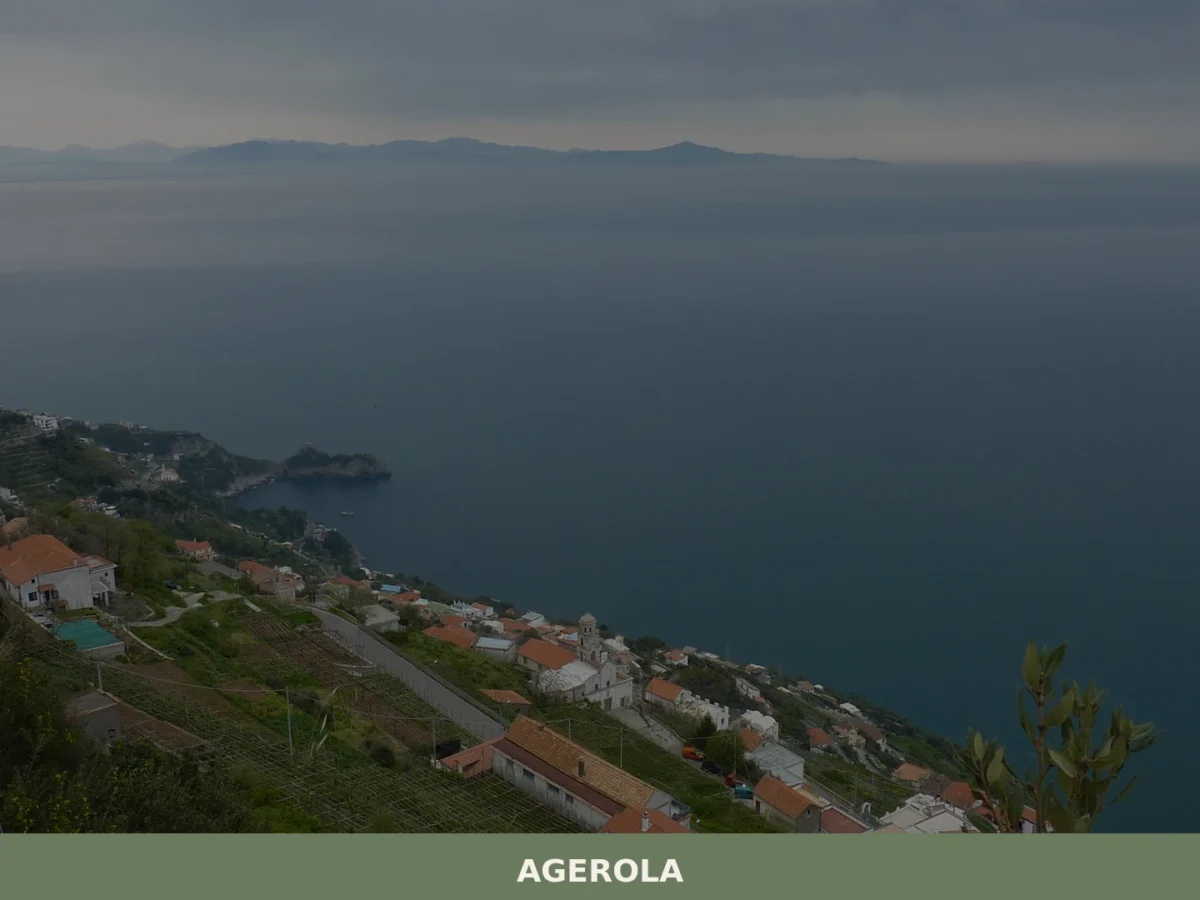
Agerola
 Mountain
Discover what to see in Agerola, a mountain comune above the Amalfi Coast: hamlets, hiking trails, DOP cheeses and practical travel tips.
Vitulazio
Plains
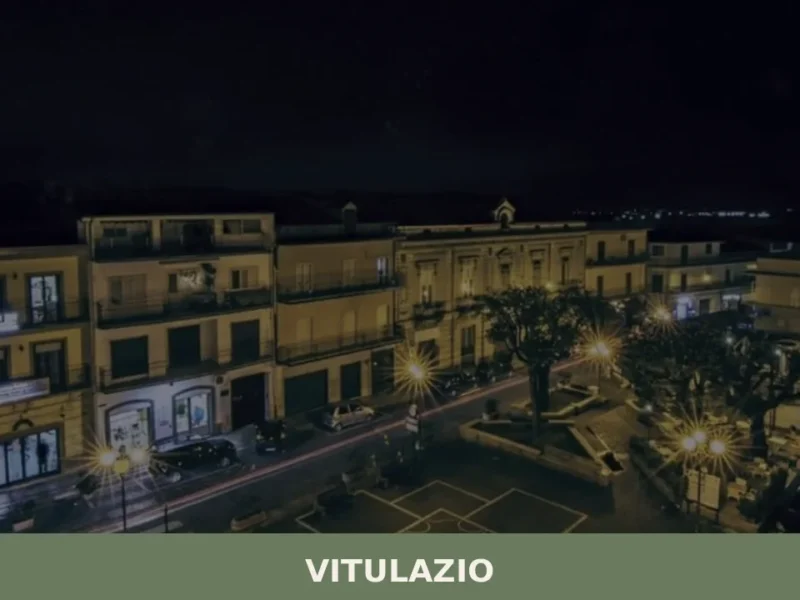
What to see in Vitulazio: 7,646 residents, 57m above sea level in Caserta province. Visit the Agnena Sanctuary, historic centre and taste PAT products like 'Ndunderi. Plan your trip.

Napoli
 Sea
Sea
What to see in Napoli: 959,052 residents, UNESCO historic centre and Teatro San Carlo (1737). Discover the National Archaeological Museum, Neapolitan pizza and the 19 September San Gennaro feast.
Capriati a Volturno
 Hills
Hills
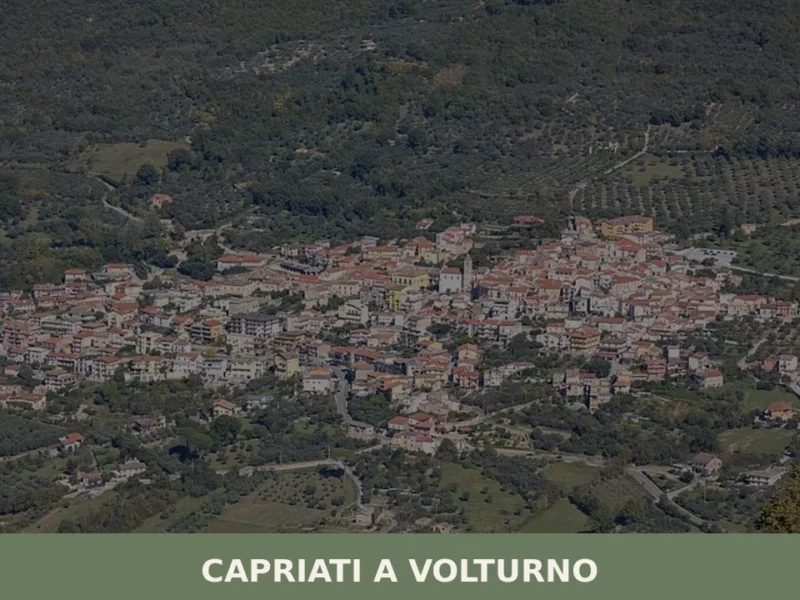
At 290 metres above sea level, along the right bank of the Volturno, Capriati has a current population of 1,440 residents spread between the historic centre and the hamlets scattered across the valley. The river, which here sweeps through a wide bend before continuing towards the Campanian plain, has shaped the town’s economy and layout […]

Ruviano
Plains
What to see in Ruviano, Italy: Explore this comune at 80 m altitude, known for its patron feast and agricultural views. Discover Ruviano, Campania.

Conca della Campania
Hills
At 420 metres above sea level, on the hilly ridge separating the Volturno valley from the Lazio side, Conca della Campania today has 1,154 inhabitants spread between the main settlement and the hamlets scattered along the ridgelines. The municipal territory falls within the province of Caserta, on the border with Molise and Lazio, a frontier […]
San Pietro Infine
Plains
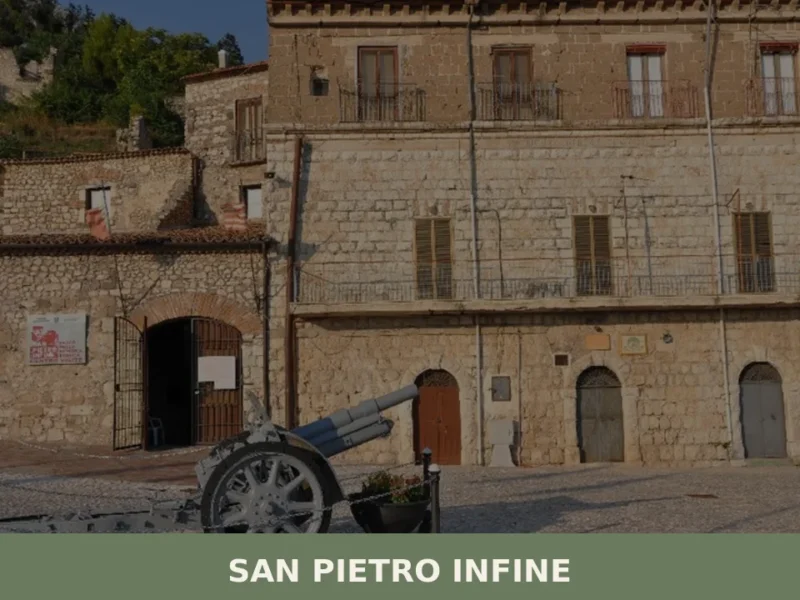
In December 1943, San Pietro Infine was the scene of one of the bloodiest battles of the Italian Campaign, an event that saw the town almost completely razed to the ground and subsequently rebuilt. This historical memory deeply defines the identity of the village, located 140 meters above sea level in the province of Caserta, […]
Raviscanina
Hills
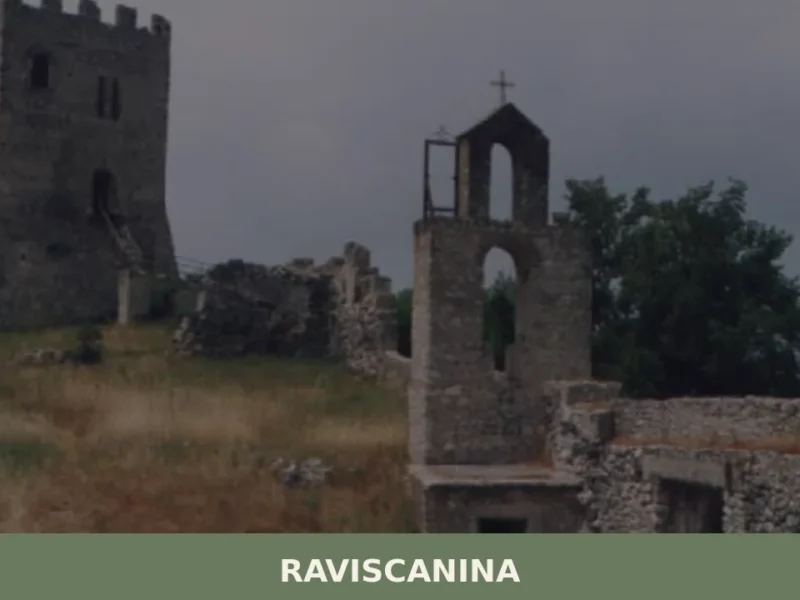
what to see in raviscanina, Italy: Explore this village at 358 m a.s.l. Discover ancient castle ruins and local traditions. Read more.

Torre Annunziata
Sea
Nearly 40,000 residents live above the UNESCO-listed ruins of ancient Oplontis. Torre Annunziata offers archaeology, industrial heritage and a black-sand shoreline on the Gulf of Naples.






🏡 Know Acerra better than we do?
If you’re a local or have been there, your knowledge matters: add what’s missing or fix a detail on this page.