


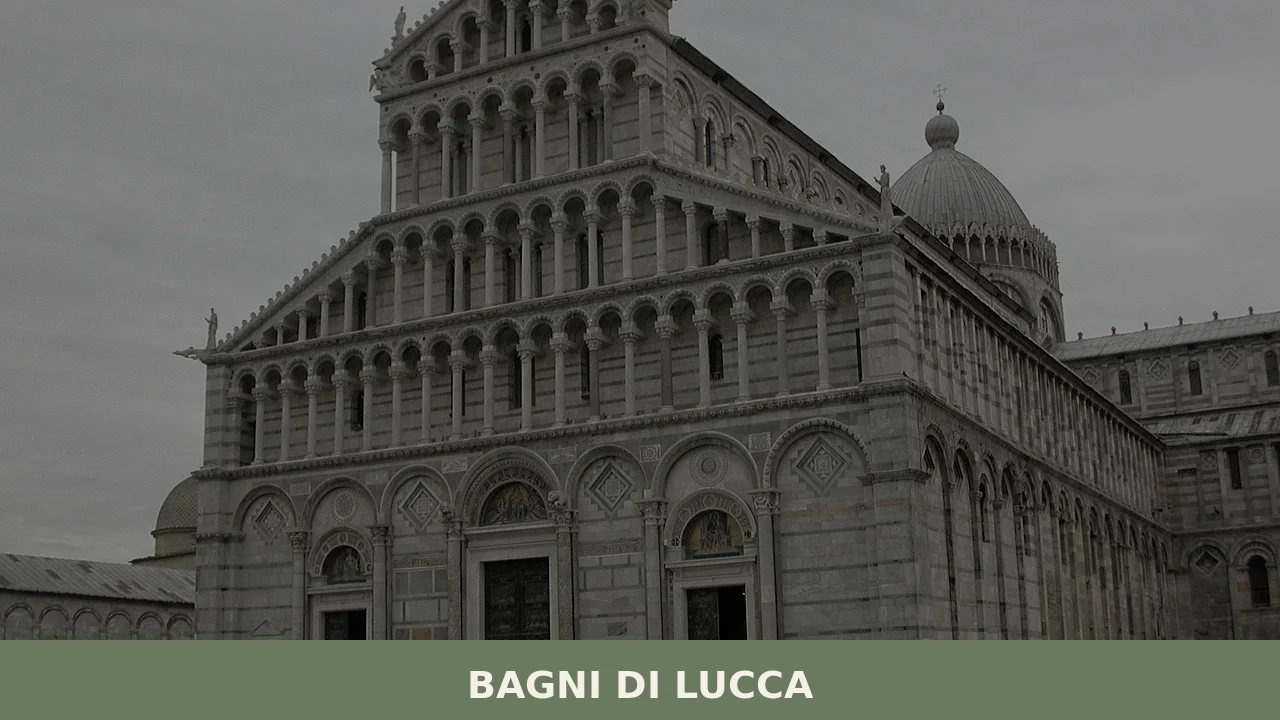
Bagni di Lucca
 Plains
A comune of 5,560 residents in Lucca province, Bagni di Lucca centres on warm springs and the Serchio river corridor. Its identity rests on water and geology.
Bagni di Lucca: Where Thermal Heritage Meets Mountain Valley
The Serchio river curves south through a narrow valley where warm mineral springs surface from the ground. Stone buildings cling to the slopes above it. The air shifts temperature as you move between sun and shade, between the cooler heights and the warmer water level below. This is the physical reality that shaped Bagni di Lucca for centuries.
Bagni di Lucca is a comune in the province of Lucca, Tuscany, with a population of approximately 5,560 residents. The village sits at 150 metres above sea level in a valley landscape dominated by the presence of thermal waters and the river that runs through it. Visitors come for the springs and for the surrounding rural terrain that connects this locality to the broader Garfagnana region.
Foundation and Territorial Identity
The village’s name announces its primary resource: baths fed by warm springs. This geological fact determined settlement patterns and economic activity across centuries. Bagni di Lucca belongs to Lucca province within Toscana and sits within a network of neighbouring comuni including Borgo a Mozzano, Coreglia Antelminelli, and Barga. The patron saint is SS. Pietro e Paolo.
The territorial character of Bagni di Lucca reflects its position within a valley system rather than on a hilltop or isolated plateau. This geography shaped both settlement density and connection to neighbouring settlements. The comune is not defined by fortress or medieval defence structures but by access to water resources and river passage.
The thermal springs that rise from the earth beneath Bagni di Lucca represent a constant renewal of the landscape itself—water that has moved through stone far below and emerges, warm and chemically distinct, to signal the presence of hidden geological forces.
The Thermal Waters and Landscape
The thermal character of Bagni di Lucca rests on springs that emerge naturally from the ground. These warm mineral waters have drawn people to the valley for generations. The presence of these springs defines the village’s relationship to its territory and distinguishes it within the broader landscape of Lucca province. The architectural and social fabric of the comune developed around access to and management of these waters.
The Serchio river provides the second major geographical element. Its course through the valley creates a linear geography that links Bagni di Lucca to the wider network of settlement and movement in the region. Visitors travelling by river or road experience the village as part of a corridor landscape rather than as an isolated settlement.
The altitude of 150 metres and the valley position create a microclimate distinct from the higher Apennine ridges to the east. Agricultural land, woodland, and slope terrain characterise the surrounding area. This environmental setting supports both pastoral and riverine economies and shapes the rhythm of local life across seasons.
The Waters and Daily Life
The thermal springs structure not only tourism but also the physical layout of the comune. Buildings cluster near the water sources and the river valley floor. The management of water—its collection, distribution, and use—represents an ongoing relationship between the settlement and its geological foundation. This is not a secondary or decorative feature but a primary fact of residence and livelihood.
Visitors today encounter the village through its relationship to these waters. Bathing facilities, accommodation, and movement patterns all follow the presence of warm springs and cool river. This dependency distinguishes Bagni di Lucca from hill villages organised around defence or trade crossroads.
Places Within the Village
The Thermal Springs and Bathing Culture
The warm mineral springs remain the defining feature of Bagni di Lucca’s identity. The waters emerge naturally and have supported bathing and therapeutic use across time. Modern facilities and historical structures connected to water management are dispersed throughout the comune. The springs create a landscape of pools, channels, and gathering spaces that organise daily and visitor movement.
The Serchio River Corridor
The Serchio river flows through the valley on a north-south axis, defining the most significant geographical and movement corridor within Bagni di Lucca’s territory. The riverbanks and floodplain support both human settlement and ecological systems. Roads and pathways follow the river course. The river provides both a practical route and a visual landmark that visitors and residents use to orient themselves within the landscape.
Valle Buildings and Architectural Character
Stone construction prevails throughout the comune. Buildings adapt to slope terrain and water proximity. Roofing, window placement, and material choices reflect both practical needs in a river valley and continuity with Tuscan building traditions. The architectural character is that of inland Tuscany, utilising local materials and centuries-tested methods of settlement in hilly, water-rich terrain.
The Parish Church of SS. Pietro e Paolo
The patron saints give their names to the principal church of the comune. This religious centre marks the spiritual and social identity of Bagni di Lucca within the broader diocesan structure. As with many rural Tuscan villages, the parish church serves as a reference point for both community gathering and individual spiritual practice.
Agricultural and Seasonal Rhythms
The valley supports agricultural production characteristic of Tuscan upland areas. Orchards, vegetable cultivation, and pastoral farming utilise the fertile valley floor and lower slopes. Seasonal variation is pronounced: spring brings water flow from snowmelt and rain in the high Apennines; summer creates dry periods that test irrigation and water management; autumn and winter return to cooler, wetter patterns.
This seasonal cycle shapes visitor patterns and local livelihood. The bathing season traditionally aligns with warmer months when people travel more freely. Agricultural work follows its own calendar, independent of tourism.
Food and Local Flavours
The valley location and climate support production of vegetables, grains, and orchard fruits typical of inland Tuscany. River position and elevation combine to create conditions for diverse cultivation. Local cooking draws on these produce and on pastoral products from nearby farms and dairies. The range of ingredients reflects the transition zone between lower Tuscan plains and higher mountain terrain.
Traditional food culture in Bagni di Lucca follows patterns shared across Lucca province and the broader region. Preserved vegetables, dried legumes, and seasonal fresh produce form the foundation of daily meals. Specific named dishes or protected products are not documented in standard sources; information about contemporary food culture in the comune remains limited to the general regional context.
Visiting Bagni di Lucca: Season, Access and Planning
The village is accessible by road from Lucca city and from neighbouring comuni throughout the year. Spring through autumn offer the most reliable weather and are the traditional season for visiting the thermal baths. Winter conditions can be wet and cool but do not typically prevent access. The bathing facilities operate year-round, though visitor numbers follow seasonal patterns.
Road access from Lucca follows the Serchio valley corridor. Public transport connects the comune to Lucca and surrounding settlements. If you travel by car, allow time to navigate the valley roads, which follow the river and sometimes narrow as they pass through settlements. The comune’s official website (https://www.comunebagnidilucca.com/) provides current information on facilities, opening hours, and local services.
Visitors with particular interest in thermal bathing should plan time to experience the waters across different times of day and seasons. The surrounding countryside invites walking and exploration of the valley landscape. Nearby comuni such as Castelnuovo di Garfagnana and Fosciandora lie within a day’s travel and offer opportunities to explore the broader Garfagnana territory.
| Departure Point | Distance | Approximate Time |
|---|---|---|
| Lucca city centre | 25 km | 45–60 minutes by car |
| Florence | 110 km | 2 hours by car |
| Pisa | 60 km | 1.5 hours by car |
Accommodation ranges from small hotels near the bathing facilities to rural guesthouses and farmstay properties in the surrounding countryside. Booking in advance is advisable during the peak summer season.
Frequently asked questions about Bagni di Lucca
When is the best time to visit Bagni di Lucca?
Visit during late spring (May–June) or early autumn (September–October) for mild temperatures ideal for thermal bathing and valley walks. The patron saint feast of SS. Pietro e Paolo occurs on 29 June, bringing local celebrations. Summer (July–August) attracts more visitors but can be warm at 150m elevation. Winter offers solitude but cooler conditions; thermal waters remain accessible year-round.
How do I reach Bagni di Lucca by car?
From the A11 motorway (Florence–La Spezia), exit at Lucca Nord or Lucca Est. Follow signs toward Garfagnana and the SR445 road toward Bagni di Lucca, approximately 30km from Lucca city. The drive takes 45–60 minutes depending on exit point. The village sits in a valley accessed via the Serchio river route; parking is available in the town centre and near thermal facilities.
What is the nearest train station to Bagni di Lucca?
Lucca Centrale is the nearest major station, approximately 30km away with regular Trenitalia connections on the Florence–La Spezia line. From Lucca, take a bus or rental car to reach Bagni di Lucca. Smaller stations at Borgo a Mozzano (nearby comune) may offer alternative access; check current schedules with local transport providers (CTT Nord).
How long should I plan to spend in Bagni di Lucca?
A full-day visit (6–8 hours) allows time for thermal water immersion, a valley walk, and local dining. Multi-day stays (2–3 nights) suit those exploring surrounding Garfagnana trails, neighbouring comuni, and agricultural landscapes. The village itself is modest (5,560 residents) but rewards leisurely pace rather than rushed tourism.
Are there thermal baths open to public visitors in Bagni di Lucca?
Yes. Bagni di Lucca's thermal waters are its defining feature. Facilities include public and private thermal centres offering bathing in warm mineral springs. Hours and seasonal variations apply; contact local tourism offices or visit official Lucca province websites for current opening times, entrance fees, and treatment availability.
Nearby Villages near Bagni di Lucca
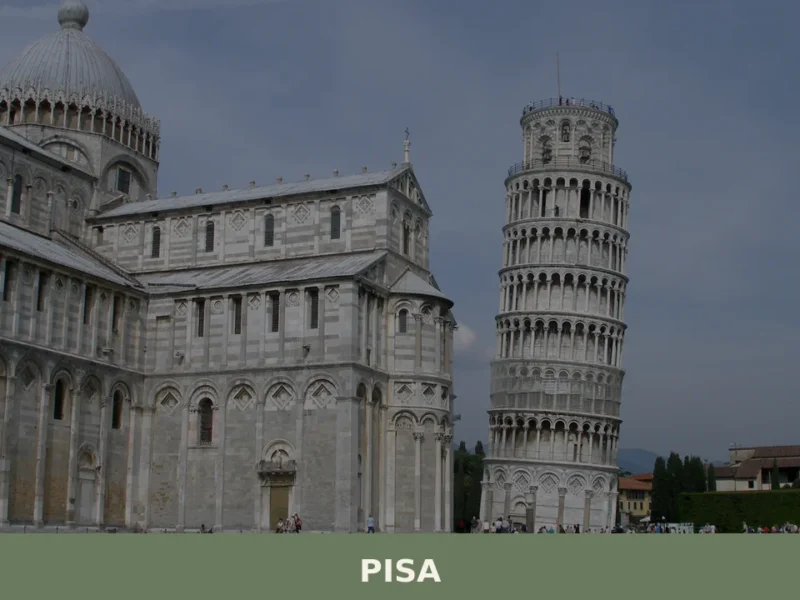
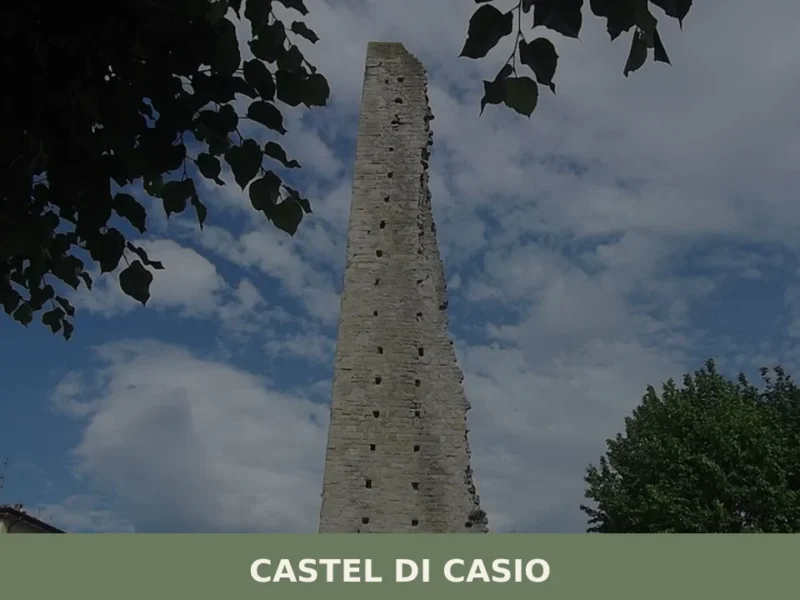
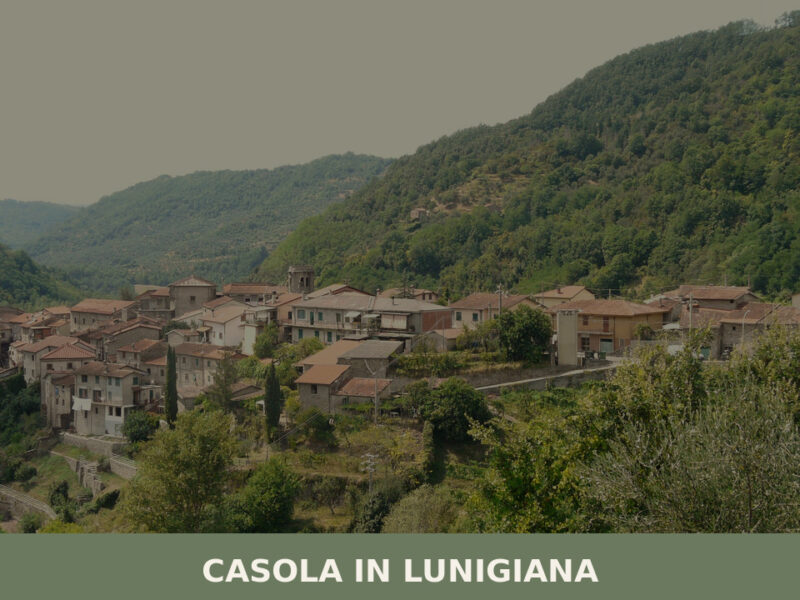
In Tuscany More villages to discover
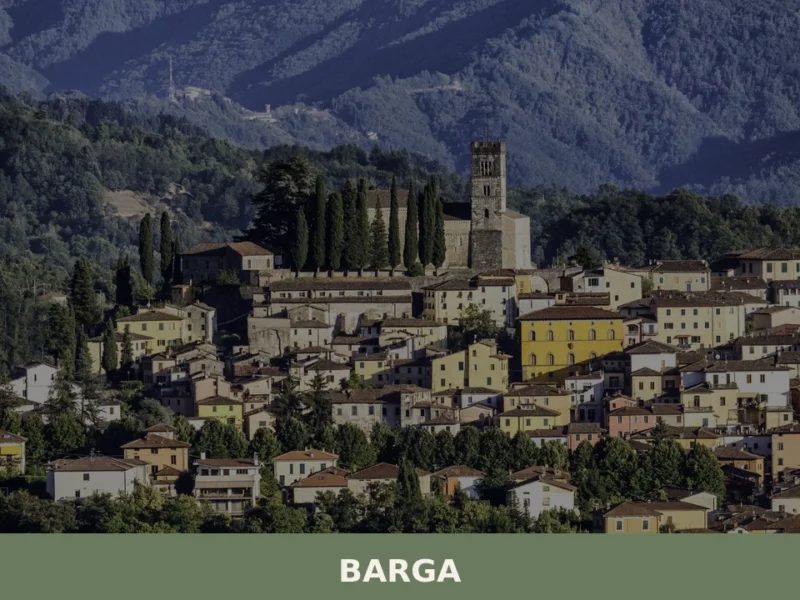
Barga
 Hills
Hills
what to see a Barga, village toscano a 410 m s.l.m.: Duomo di San Cristoforo, Teatro dei Differenti, cuisine della Garfagnana. guide pratica con consigli su quando andare e how to get there.
Arcidosso
 Mountain
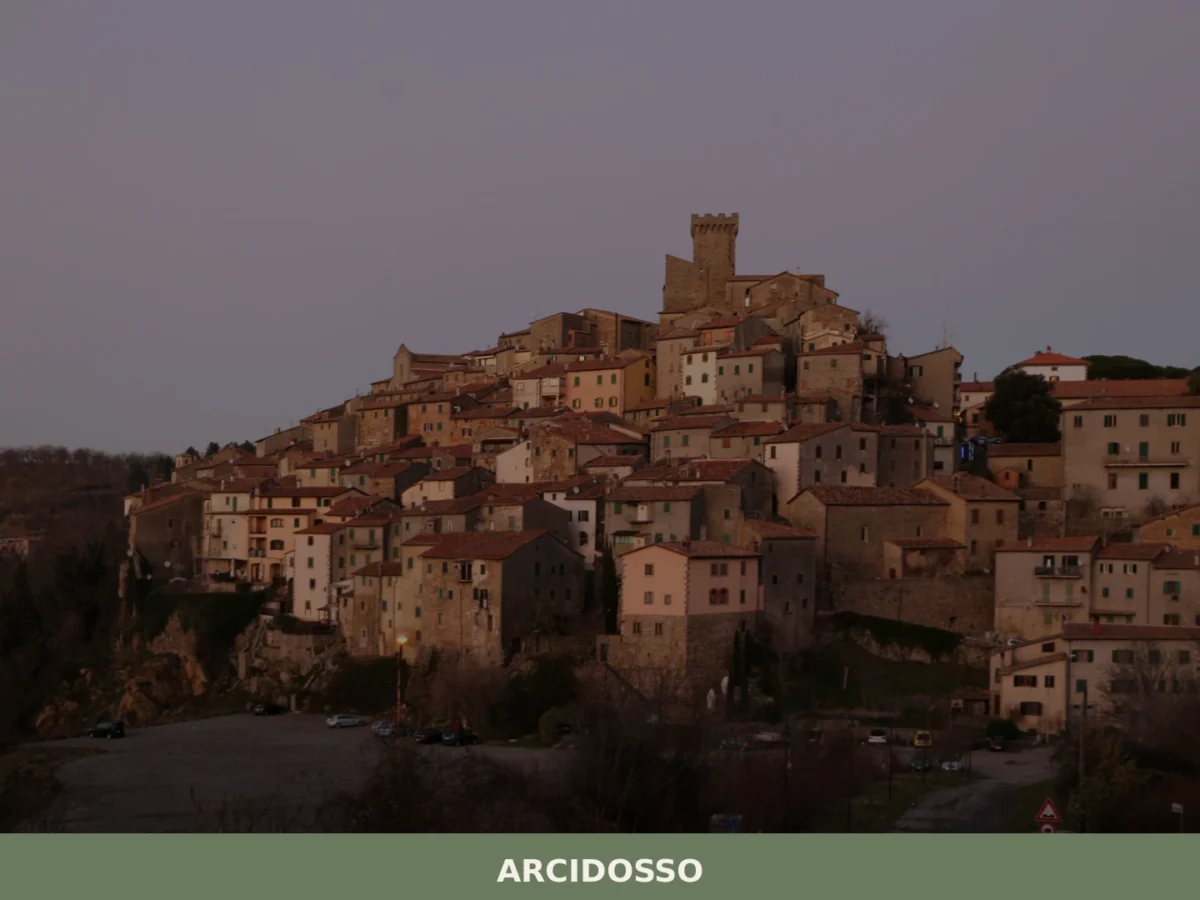
What to see in Arcidosso, Italy: explore a medieval castle built around 1000 AD, 3 surviving city gates, and local Monte Amiata cuisine. Discover top attractions now.
Bagno a Ripoli
Plains
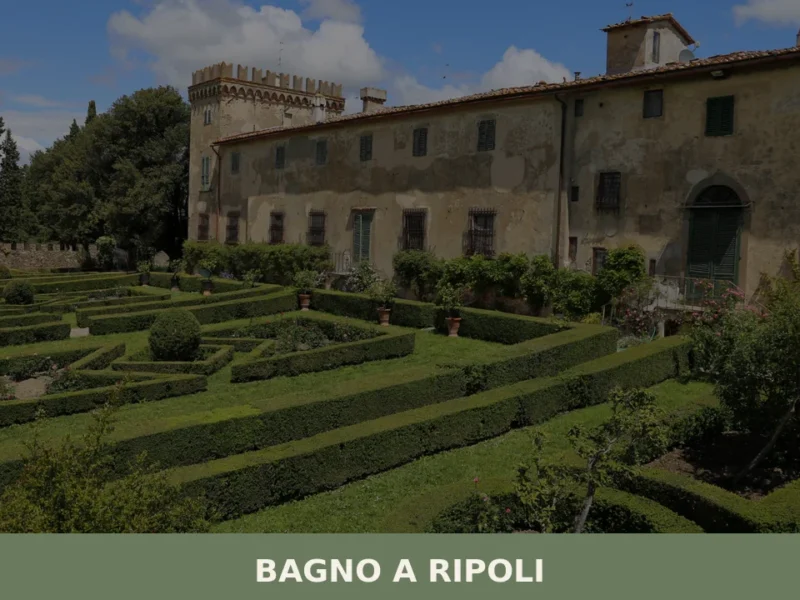
What to see in Bagno a Ripoli, Italy: 25,488 inhabitants, 7 km from Florence. Discover top attractions, local food, and how to get there. Explore now.
Fosciandora
Hills
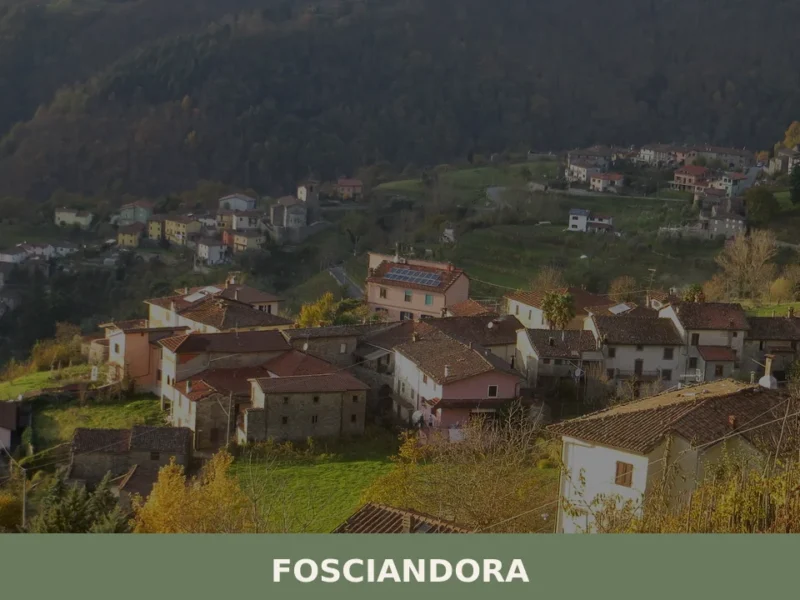
What to see in Fosciandora, Italy: 9 churches, a medieval mill, local Garfagnana cuisine and the feast of San Sebastiano. Explore this Lucca province village at 390 m.
Lucca
Plains
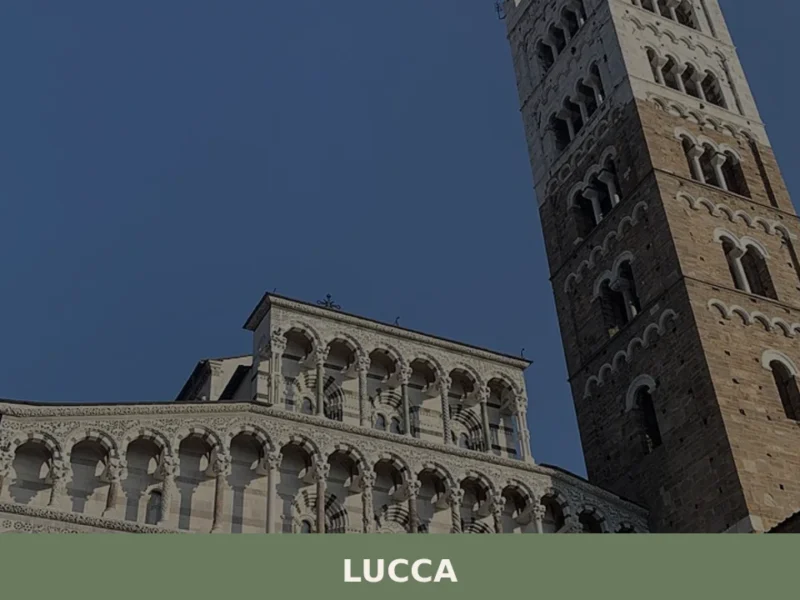
Discover Lucca, Tuscany's enchanting walled village in Italy. Explore medieval streets, stunning architecture, and rich culture in this timeless Italian treasure.
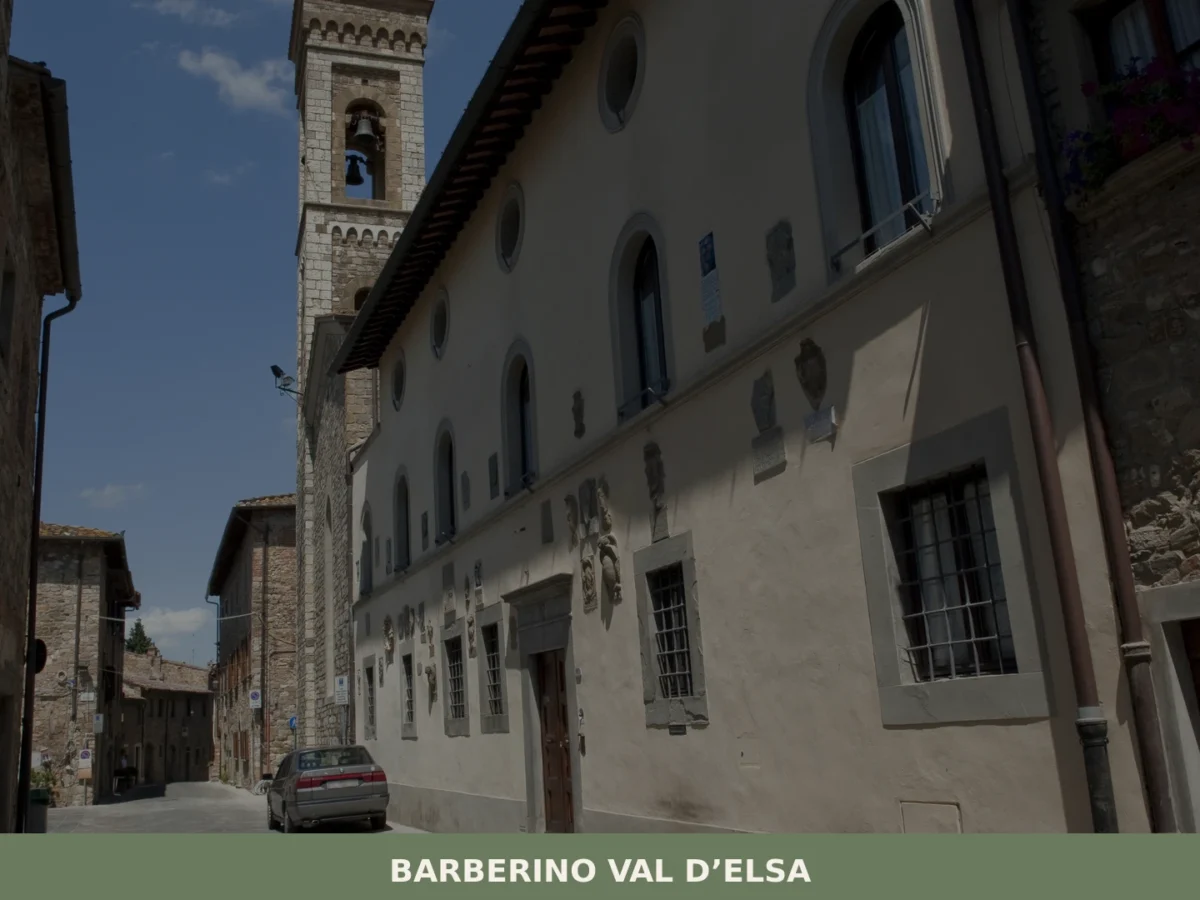
Barberino Val d’Elsa
Plains
The grey sandstone stones of the Palazzo Pretorio still bear the coats of arms of the Florentine families entrusted with governing this medieval outpost: a register carved in stone that tells six centuries of political domination without the need to open a single archive. In this article History and origins of Barberino Val d’Elsa What […]
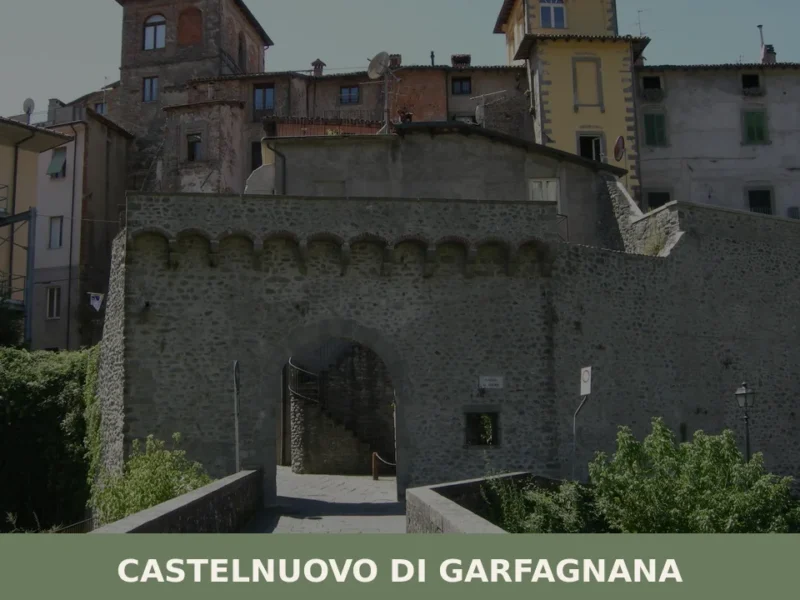
Castelnuovo di Garfagnana
Hills
What to see in Castelnuovo di Garfagnana: Rocca Ariostesca, the Cathedral and the historic centre. Discover the guide to plan your visit to this Tuscan village.
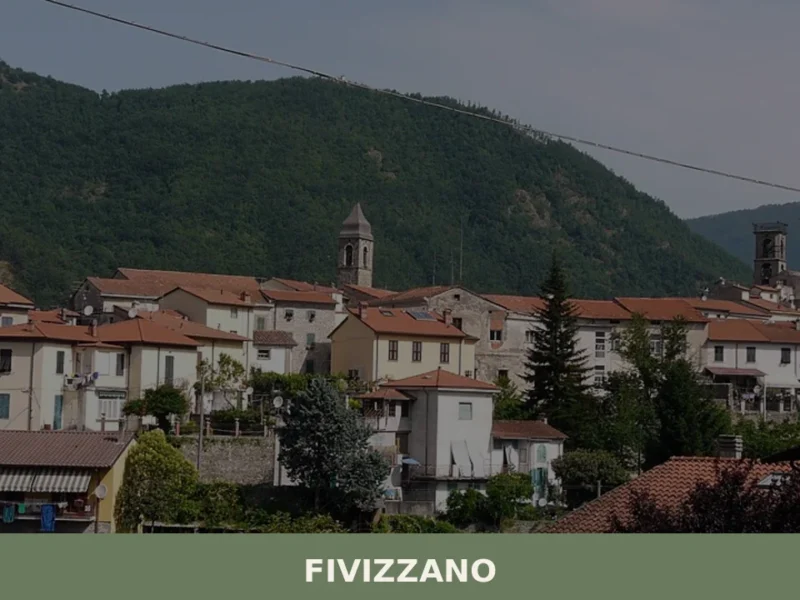
Fivizzano
Hills
In 1477 a printing press active in Fivizzano produced an edition of Cicero’s Epistolae ad familiares, making this Lunigiana town one of the first places in Italy — and in Europe — to host the art of movable-type printing. The village stands at 326 metres above sea level in the province of Massa and Carrara, […]
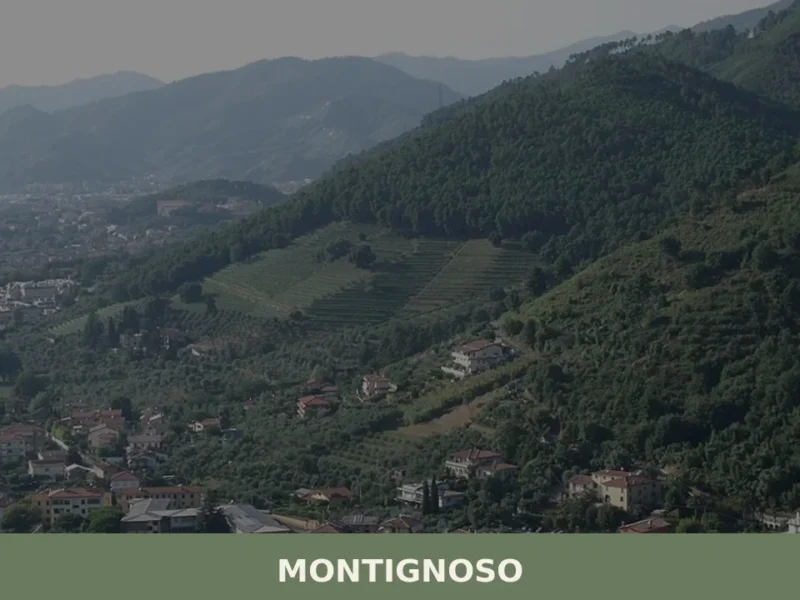
Montignoso
 Sea
Sea
Discover what to see in Montignoso: 5 historical and natural attractions. Explore Aghinolfi Castle and Monterosso Park!
Grosseto
Sea
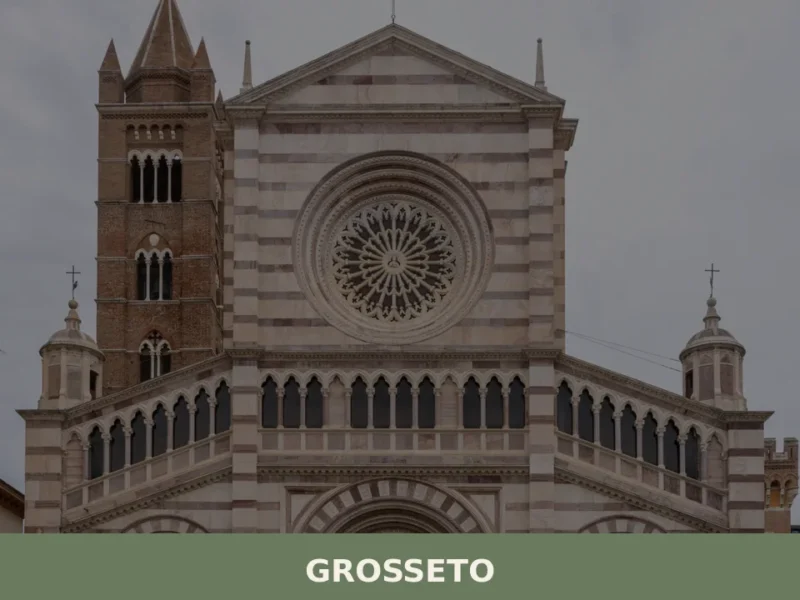
What to see in Grosseto: Medici walls, San Lorenzo Cathedral and the Maremma Natural Park in a city of 79,216 inhabitants. Plan your visit with our complete guide.



🏡 Know Bagni di Lucca better than we do?
If you’re a local or have been there, your knowledge matters: add what’s missing or fix a detail on this page.