


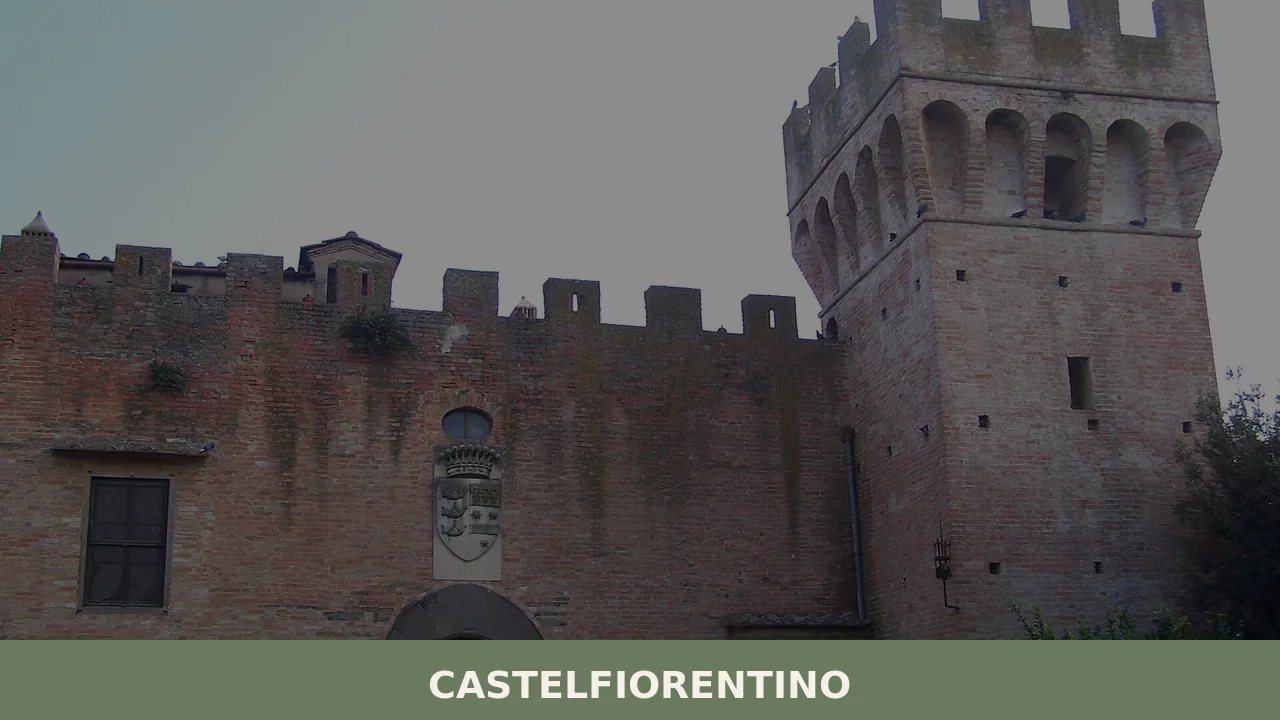
Castelfiorentino
 Plains
What to see in Castelfiorentino, Italy: 6 top attractions, history from 1149, the Sanctuary of Santa Verdiana and a crucifix by Giovanni Pisano. Discover now.
Discover Castelfiorentino
Five gates once controlled movement through the hill fortress of Castelvecchio: Porta Fiorentina, Porta Pisana, Porta al Vento, Porta Senese and Porta di Borgo.
Only two roads met on the single square — today called Piazza del Popolo — inside double walls that enclosed a parish church, a riverside borough and a fortified upper quarter.
The name attached to this place in 1149, replacing a Roman-origin settlement known as Timignano, and the topography that shaped that medieval layout is still readable in the modern town.
For travellers planning what to see in Castelfiorentino, the municipality sits at 50 m (164 ft) above sea level in the Valdelsa, the valley of the Elsa river, 30 km (18.6 mi) from Florence, 45 km (28 mi) from Pisa and 55 km (34.2 mi) from Siena.
With a population of approximately 17,626 inhabitants, it is large enough to support a full day of structured visits.
Visitors to Castelfiorentino find a coherent sequence of medieval churches, a Giovanni Pisano crucifix, Taddeo Gaddi panel painting and a 15th-century castle built by the Pucci family — all within walkable distance of the town centre.
History of Castelfiorentino
The year 1149 marks the formal naming of Castelfiorentino, when the designation was applied to a fortified settlement built along the via Francigena, the pilgrim and trade road connecting northern Europe to Rome. The site had earlier roots as Timignano, a settlement of Roman origin. The hill castle was organised around the parish church of Sant’Ippolito — the older dedication to San Biagio still preserved in the official name — and expanded outward through a second ring of walls to incorporate Borgo d’Elsa and Borgo Nuovo below.
Control of the territory passed through the hands of the Cadolingi lords and then the Conti Alberti before the Bishop of Florence gradually absorbed the jurisdiction during the 12th century.
The town’s position along the contested border between Florence and Siena made it a recurring military target.
In 1260, following the Battle of Montaperti — a Ghibelline victory over the Florentine Guelphs — peace between the two rival cities was signed at Castelfiorentino, briefly stabilising the region.
The privilege of displaying the red lily on a white banner, which Florence granted to the municipality, dates from this period of strategic allegiance. The most destructive episode came in 1521, when imperial troops besieged and devastated the town.
The Florentine military commander Francesco Ferrucci reconquered it, but the subsequent plague and Ferrucci’s death left Florence unable to resist the forces of Charles V. The Medici returned, and with them came renewed Florentine administration of the entire Valdelsa, whose population was so reduced by war and disease that Florence waived taxes across the region and merged the territories of Castelfiorentino and Barbialla — today part of Montaione — for administrative efficiency.
Recovery came gradually.
Under the Grand Duchy of Lorraine in the 18th century, Castelfiorentino regained administrative weight, functioning as a Chancellery and Podesteria — a district court and governance centre — with jurisdiction extending over Certaldo and Montaione.
In 1868, following Italian unification, the town was incorporated into the Kingdom of Italy and designated a district capital.
By 1902, it had become one of the first Italian municipalities to elect a Socialist Party administration, a political orientation that continued through the 20th century under successive Communist Party, Democrats of the Left and Democratic Party majorities.
That political history distinguishes Castelfiorentino from many of its Tuscan neighbours and informs the civic infrastructure and cultural institutions that visitors encounter today.
What to see in Castelfiorentino, Toscana: top attractions
Collegiate Church of Saints Lawrence and Leonard
The tall nave of this collegiata — a collegiate church — dates structurally from the 13th and 14th centuries, built in the warm limestone typical of the Valdelsa building tradition. Its most documented work is a crucifix attributed to Giovanni Pisano, the Pisan sculptor active in the late 13th and early 14th centuries whose works also appear in Siena Cathedral and the Pisa Baptistery. Standing before the crucifix, the characteristic Pisano tension in the figure’s posture — torso twisted, ribs defined — is immediately readable.
The church sits within the historic centre, accessible on foot from Piazza del Popolo, and its interior repays careful attention to the carved stonework of the lateral chapels as well as the Pisano piece.
Church of Saint Francis
This Romanesque-Gothic church was built in the 13th century and retains a concentrated collection of Florentine school painting across several centuries.
The principal work is a Madonna with Child by Taddeo Gaddi, a direct pupil of Giotto who was active in the mid-14th century.
Additional paintings by Cenni di Francesco and Giovanni del Biondo, both 15th-century Florentine masters, hang in the same interior. The architectural transition from the Romanesque lower structure to the Gothic upper register is visible on the facade. For anyone tracing the development of early Florentine devotional painting outside the major museums, this church provides a rare opportunity to see workshop-quality pieces in their original ecclesiastical context rather than behind museum glass.
Pieve of Santi Ippolito e Biagio
The pieve — a pleban church serving a rural parish district — of Santi Ippolito e Biagio carries the double dedication that reflects the site’s layered history: the original 12th-century dedication to San Biagio and the later adoption of Sant’Ippolito.
Inside, a 14th-century crucifix and two 15th-century frescoes survive in reasonable condition. The building represents the oldest continuous Christian presence on the hill that became Castelfiorentino, predating the 1149 formal founding of the municipality.
It is worth climbing up to the church to read the exterior masonry, where different construction phases are legible in the stone coursing, and to examine the frescoes in natural light during morning hours.
Sanctuary of Santa Verdiana
The Sanctuary of Santa Verdiana is an 18th-century Catholic place of worship dedicated to the patron saint of Castelfiorentino, whose feast day falls on 1 February.
Santa Verdiana is a local saint venerated across the Valdelsa, and the sanctuary built in her honour reflects the 18th-century Tuscan Baroque approach to pilgrimage architecture: a broad facade, interior stucco work and lateral chapels accommodating votive offerings.
The municipality of Castelfiorentino maintains the sanctuary as an active place of worship and a civic landmark.
The feast on 1 February draws local residents and visitors from neighbouring towns, making late January through early February a worthwhile time to plan a visit if liturgical traditions are among your interests.
Romanesque Pieve of Santi Pietro e Paolo at Coiano
Located in the hamlet of Coiano on the outskirts of the municipal territory, this pieve dates to the 11th century, making it one of the oldest surviving ecclesiastical structures in the area. The Romanesque construction uses the unadorned stone-block technique characteristic of pre-Gothic rural churches in Tuscany: minimal ornamentation on the exterior, narrow window openings, and a single-nave interior proportioned for a small rural congregation. The building predates the formal founding of Castelfiorentino by at least a century.
Reaching it requires a short drive or a longer walk from the town centre; the surrounding farmland provides the clearest sense of the agricultural landscape that sustained the medieval Valdelsa communities.
Castello di Oliveto
The Castello di Oliveto is a fortified complex built in the 15th century by the Pucci family, one of the prominent Florentine noble families whose territorial holdings extended into the Valdelsa during the Renaissance.
The castle’s walls and towers follow the military architecture conventions of quattrocento Tuscany: compact profile, corner reinforcements and a dominant position relative to the surrounding fields.
The structure is a concrete reminder of how Florentine patrician families consolidated rural land control after the political instabilities of the 14th century.
External visits allow inspection of the fortification perimeter; the surrounding landscape of olive groves and arable land corresponds directly to the agricultural economy the castle was built to oversee.
Local food and typical products of Castelfiorentino
Castelfiorentino sits in a stretch of the Valdelsa where the culinary tradition is shaped by the same mix of hill agriculture, river-bottom market gardening and Florentine urban influence that characterises the broader Chianti e Valdelsa zone.
The proximity to Florence — 30 km (18.6 mi) — meant that Florentine recipe conventions, ingredient hierarchies and preservation methods filtered steadily into local domestic cooking over several centuries, producing a table that draws on both rural Tuscan frugality and the more elaborate Florentine approach to meat and legume dishes.
The most representative dishes follow the central Tuscan pattern of bread-based preparations and slow-cooked legumes.
Ribollita — a twice-cooked bread and vegetable soup built from stale pane sciocco (unsalted Tuscan bread), cavolo nero, cannellini beans, carrot and onion — appears on most local restaurant menus in autumn and winter.
Pappardelle al cinghiale, wide egg-pasta ribbons with wild boar ragù cooked with red wine, rosemary and juniper, reflects the game hunting tradition still practised in the wooded hills surrounding the valley.
Scottiglia, a mixed-meat stew traditionally made from at least four different animals — rabbit, chicken, pork, lamb — cooked down with tomato and vin santo until the broth thickens, is a dish documented across the broader Valdelsa area and turns up in local trattorie particularly in cooler months.
No certified products with a specific PDO or PGI designation tied exclusively to Castelfiorentino are documented in the available sources.
However, the municipality falls within the broader production zone for Olio Extravergine di Oliva Toscano IGP, the Tuscan extra-virgin olive oil protected geographical indication that covers much of the region, as well as the Chianti DOCG wine zone in its Colli Fiorentini subzone.
Local grocery shops and farm stalls along the Valdelsa roads stock both products in their most current harvest vintages.
Bottled olive oil pressed from the Frantoio, Leccino and Moraiolo cultivars grown on the hillside groves above the town floor is available directly from several producers in the surrounding countryside.
The main weekly market in Castelfiorentino operates on Saturday mornings in the town centre, where seasonal produce, cured meats and local cheeses — including the sheep’s-milk pecorino typical of the Siena and Florence provinces — are sold directly by small producers. The autumn months, from October through November, are when olive oil pressing begins and roadside frantoi (oil mills) allow visitors to observe and purchase first-press oil directly at the source.
Festivals, events and traditions of Castelfiorentino
The central event in the local calendar is the feast of Santa Verdiana, the town’s patron saint, celebrated on 1 February.
The day marks the death of Verdiana, an ascetic who according to local tradition lived as a recluse in a cell near the Elsa river from 1205 until her death in 1242. The 1 February observance includes a solemn Mass at the Sanctuary of Santa Verdiana, a procession through the historic centre and devotional gatherings that draw residents from Castelfiorentino and from neighbouring municipalities across the Valdelsa.
The winter timing — cold, often foggy mornings in the Elsa valley — gives the procession a distinctly austere character different from the summer festivals common elsewhere in Tuscany.
Beyond the patron saint feast, Castelfiorentino’s political tradition as an early Socialist municipality shaped its civic festival culture, with emphasis on collective public events rather than purely religious celebrations.
The broader Valdelsa calendar includes several sagre — traditional local food festivals tied to seasonal agricultural products — in the surrounding municipalities during late summer and early autumn.
Visitors timing a trip for the period between September and November can reasonably expect to encounter at least one such event within a short drive of the town, though specific dates change annually and should be verified with the local tourist office or the municipal website before planning travel around them.
When to visit Castelfiorentino, Italy and how to get there
The best time to visit Castelfiorentino depends on what you want from the trip. Spring, from April through June, offers mild temperatures and the Valdelsa countryside in full agricultural production — an advantage if you plan to combine town visits with walks along the Elsa river or through the surrounding farmland.
September and October bring lower visitor numbers than the peak summer weeks, harvests underway across the olive and vine estates, and stable weather that keeps the town comfortable through the middle of the day.
Summer in the valley floor can reach temperatures above 35°C (95°F) in July and August; those months suit morning-only visits to the churches and castle, with afternoons better spent at higher elevation.
The 1 February feast of Santa Verdiana is the one event that draws specifically to the winter calendar. International visitors should note that English is not widely spoken in smaller shops and local trattorie, and carrying euro cash remains practical for markets, farm stalls and smaller establishments.
Castelfiorentino is straightforward to reach from Florence, which sits 30 km (18.6 mi) to the northeast. By car, the most direct route uses the Firenze-Siena superstrada (SGC Fi-Si), exiting at Castelfiorentino; total drive time from central Florence is approximately 35 to 40 minutes depending on traffic. By train, Trenitalia operates regional services on the Empoli–Siena line, with a stop at Castelfiorentino station; the journey from Florence’s Santa Maria Novella station requires a change at Empoli and takes approximately 50 to 60 minutes in total.
From Pisa, 45 km (28 mi) to the west, the same Empoli connection applies.
Siena, 55 km (34.2 mi) to the south, is reachable by the same rail line in the opposite direction.
Castelfiorentino is within practical day-trip range of Florence, and the short rail journey makes it easily combinable with a broader Valdelsa itinerary that might also include the nearby town of Pistoia, another historic Tuscan centre accessible on the regional rail network from Florence.
Travellers already in Tuscany and considering what to see in Castelfiorentino as part of a longer route should note that the town borders Certaldo — birthplace of Giovanni Boccaccio — directly to the south, and Empoli to the north, making a linear itinerary along the Valdelsa straightforward by car or by the regional train.
For those arriving from further afield, the closest international airports are Florence Peretola (approximately 40 km / 24.9 mi) and Pisa Galileo Galilei (approximately 60 km / 37.3 mi), both served by major European carriers.
Visitors extending their time in the region can reach Pontremoli, a well-documented Tuscan town further north in the Lunigiana area, or head toward the Garfagnana and Lunigiana valleys for a different reading of the region’s landscape and architecture.
Closer to Castelfiorentino, the municipalities of Gambassi Terme and Montaione — both bordering the municipality directly — offer thermal facilities and medieval village centres that complement a Valdelsa itinerary focused on what to see in Castelfiorentino and its immediate surroundings.
Frequently asked questions about Castelfiorentino
What is the best time to visit Castelfiorentino?
Spring (April–June) and autumn (September–October) offer mild temperatures ideal for walking the historic centre and exploring the surrounding Valdelsa landscape. If you are interested in local traditions, plan your visit around 1 February, the feast day of Santa Verdiana, patron saint of Castelfiorentino, when the Sanctuary of Santa Verdiana draws worshippers and visitors from across the valley. Late January through early February is therefore a worthwhile window for those interested in liturgical and civic celebrations. Summer is warm and quieter; winter visits are perfectly feasible given the town's walkable, compact centre.
What are the historical origins of Castelfiorentino?
The name Castelfiorentino was formally assigned in 1149 to a fortified settlement along the via Francigena, replacing the earlier Roman-origin site of Timignano. The hill fortress was controlled successively by the Cadolingi lords, the Conti Alberti and eventually the Bishop of Florence. Its position on the disputed border between Florence and Siena made it strategically vital: the peace following the 1260 Battle of Montaperti was signed here, and Florence granted the town the right to display the red lily on a white banner in recognition of its allegiance.
What to see in Castelfiorentino? Main monuments and landmarks
Key sites include: the Collegiate Church of Saints Lawrence and Leonard, housing a crucifix attributed to Giovanni Pisano; the Church of Saint Francis, with a Madonna with Child by Taddeo Gaddi and works by Cenni di Francesco and Giovanni del Biondo; the ancient Pieve of Santi Ippolito e Biagio, the oldest Christian building on the hill; the 18th-century Sanctuary of Santa Verdiana; and the 15th-century Castello di Oliveto, built by the Pucci family. All central sites are reachable on foot from Piazza del Popolo. The Romanesque Pieve of Santi Pietro e Paolo at Coiano requires a short drive.
Are there museums, churches or historic buildings to visit in Castelfiorentino?
Castelfiorentino has a notable concentration of ecclesiastical heritage within its walkable centre. The Collegiate Church of Saints Lawrence and Leonard and the Church of Saint Francis both contain documented works of Florentine school painting and sculpture. The Pieve of Santi Ippolito e Biagio preserves 14th-century frescoes and a crucifix. The Sanctuary of Santa Verdiana is an active 18th-century Baroque pilgrimage church. For museum visits, the town hosts the Museo di Santa Verdiana (MUSEC), which documents the local artistic and sacred heritage; check current opening hours with the municipal tourist office or pro loco before visiting.
What to eat in Castelfiorentino? Local products and specialties
Castelfiorentino's table reflects the broader Valdelsa culinary tradition. Ribollita — a twice-cooked soup of stale unsalted Tuscan bread, cavolo nero and cannellini beans — is a staple in autumn and winter. Pappardelle al cinghiale (wide egg pasta with wild boar ragù) draws on the game-hunting tradition of the surrounding hills. Scottiglia, a slow-cooked mixed-meat stew made with rabbit, chicken, pork and lamb finished with vin santo, is documented across the Valdelsa and appears in local trattorie. The area falls within the Chianti e Valdelsa culinary zone, with olive oil and Vernaccia di San Gimignano wine produced nearby.
What can you do in Castelfiorentino? Activities and experiences
Visitors can follow a structured walking itinerary through the historic centre, tracing the medieval layout of Castelvecchio and visiting its churches and artworks. The Valdelsa valley offers cycling routes along the Elsa river corridor connecting Castelfiorentino to nearby towns including Certaldo and Montaione. The feast of Santa Verdiana on 1 February provides a direct experience of local civic and religious tradition. Food and wine tourism is well supported: local trattorie serve traditional Valdelsa dishes, and the proximity to San Gimignano (Vernaccia DOCG) and the broader Chianti zone makes wine-focused day trips straightforward.
Who is Castelfiorentino suitable for? Families, couples, hikers, solo travelers?
Castelfiorentino suits travellers who want authentic Tuscan town life away from the most crowded tourist circuits. Art and history enthusiasts will find a coherent sequence of medieval and Renaissance works — Pisano, Gaddi, Gaddi school — in their original settings. Couples and solo travellers benefit from the compact, walkable historic centre and the relaxed pace of a working Tuscan town of 17,000 inhabitants. Families with older children interested in history or art will find the layered medieval and Renaissance heritage engaging. Cyclists and gentle hikers can use the town as a base for Valdelsa valley routes. It is not primarily oriented toward beach or adventure tourism.
Nearby Villages near Castelfiorentino
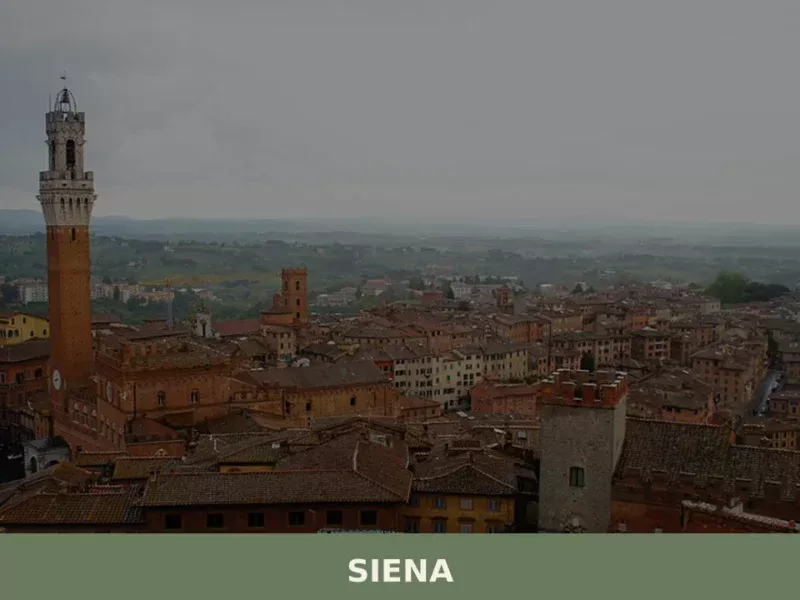
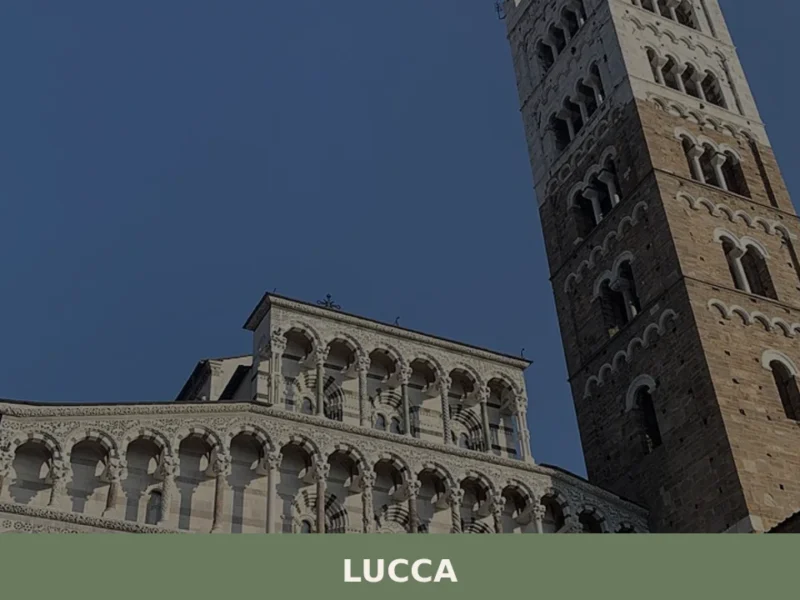
In Tuscany More villages to discover
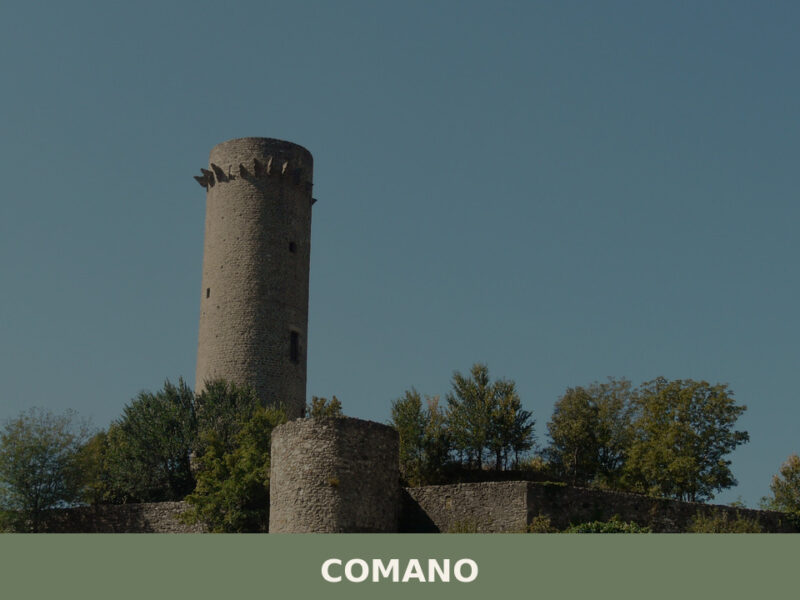
Comano
 Hills
Hills
Morning fog lifts slowly from the Taverone valley, revealing stone walls the colour of weathered bone. A church bell marks the hour — its echo rolls across chestnut groves before dissolving into silence. Comano sits in the upper Lunigiana, a commune of scattered hamlets across the hills of Massa e Carrara province, home to just […]
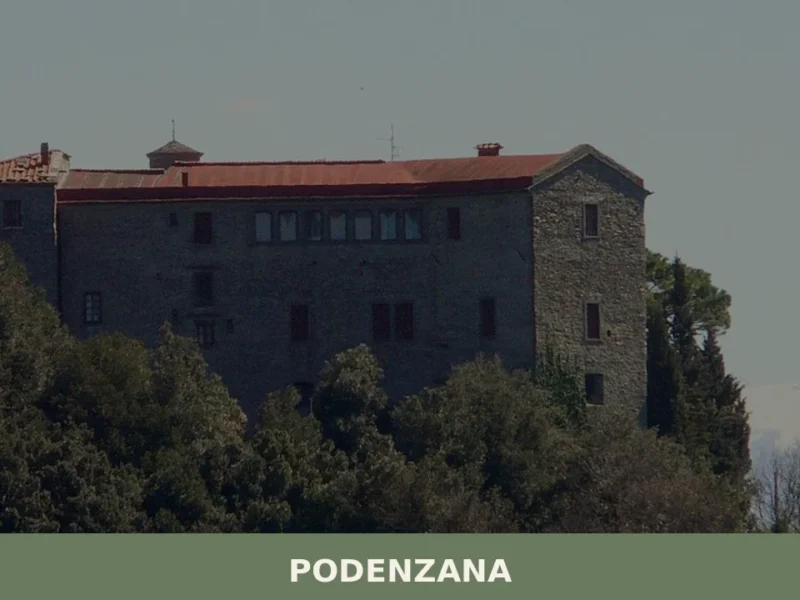
Podenzana
Hills
The panigaccio — a disc of unleavened dough cooked between red-hot terracotta moulds — is listed as a Traditional Agri-Food Product of Tuscany and bears the name of Podenzana in the regional specification. Anyone looking into what to see in Podenzana will find a scattered municipality at 350 metres above sea level in eastern Lunigiana, […]
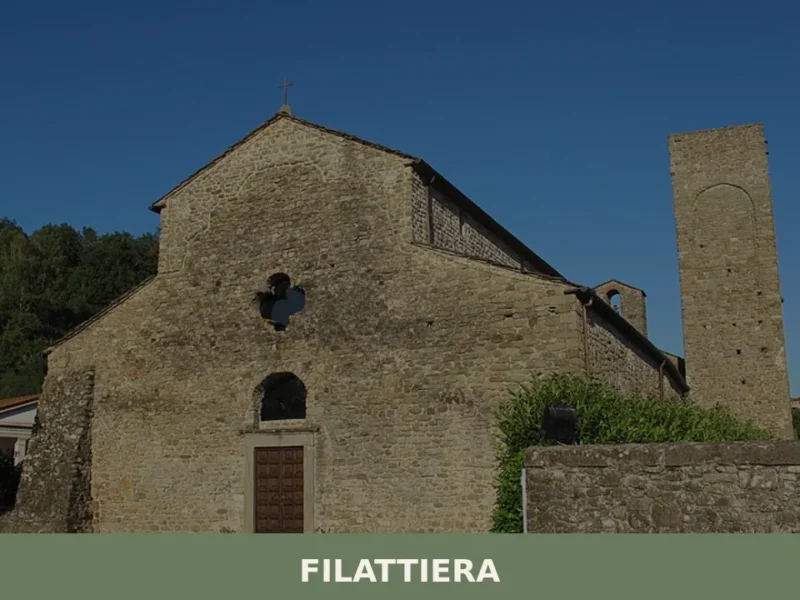
Filattiera
Hills
Filattiera first appears in written records in 884, when the name Filacteriae identified a garrison along the Via Francigena in Lunigiana. Sitting at 213 metres above sea level in the province of Massa and Carrara, this village of 2,393 inhabitants preserves prehistoric stelae, Romanesque parish churches, and a defensive layout that reflects centuries of control […]
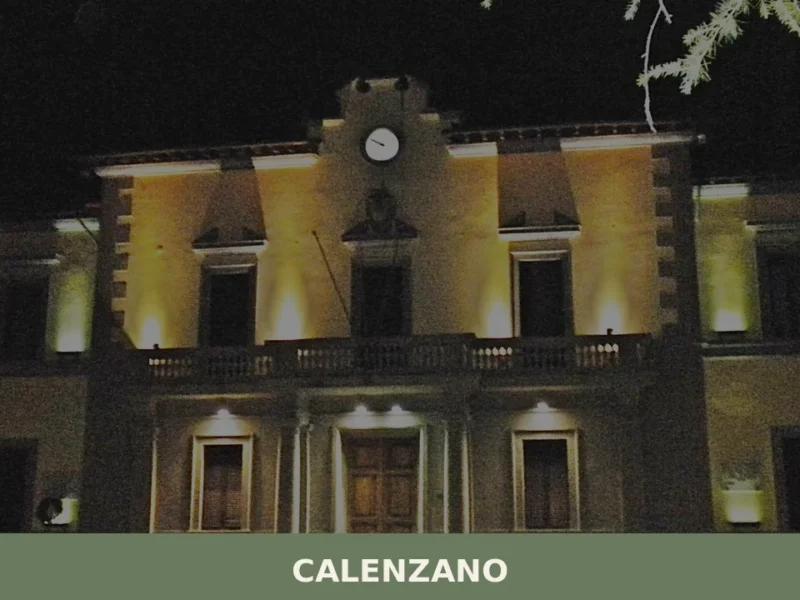
Calenzano
Plains
What to see in Calenzano, Italy: 5 top attractions, medieval churches, Renaissance art, and practical tips. 11 km from Florence. Discover Calenzano, Toscana.
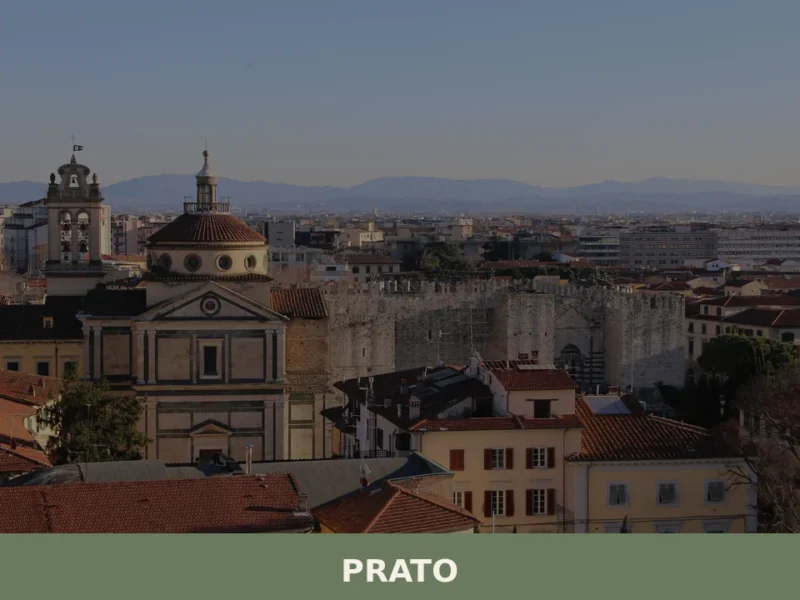
Prato
Plains
With nearly 187,000 inhabitants, Prato is the second most populous city in Tuscany and one of the largest urban centres in central Italy. Located on the plain between the Bisenzio river and the first foothills of the Apennines, the city has built a distinct identity over the centuries, defined by its textile industry, medieval art, […]
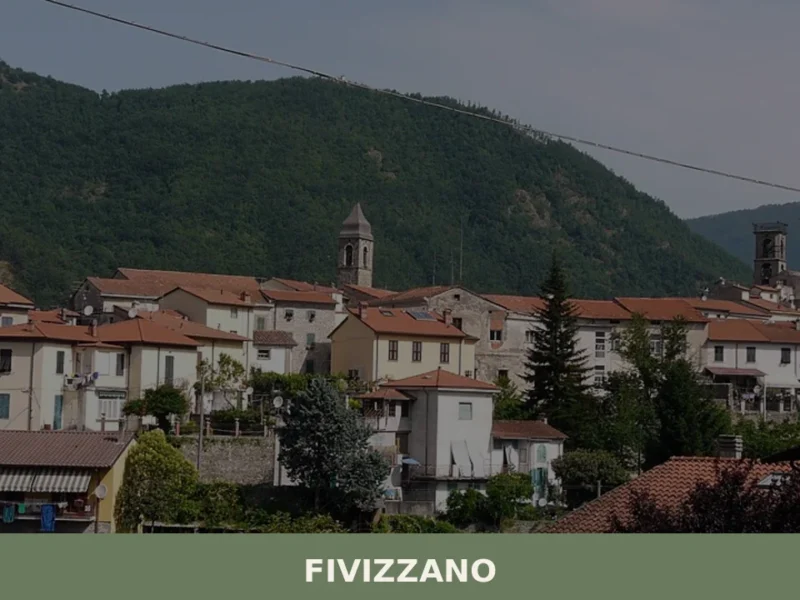
Fivizzano
Hills
In 1477 a printing press active in Fivizzano produced an edition of Cicero’s Epistolae ad familiares, making this Lunigiana town one of the first places in Italy — and in Europe — to host the art of movable-type printing. The village stands at 326 metres above sea level in the province of Massa and Carrara, […]
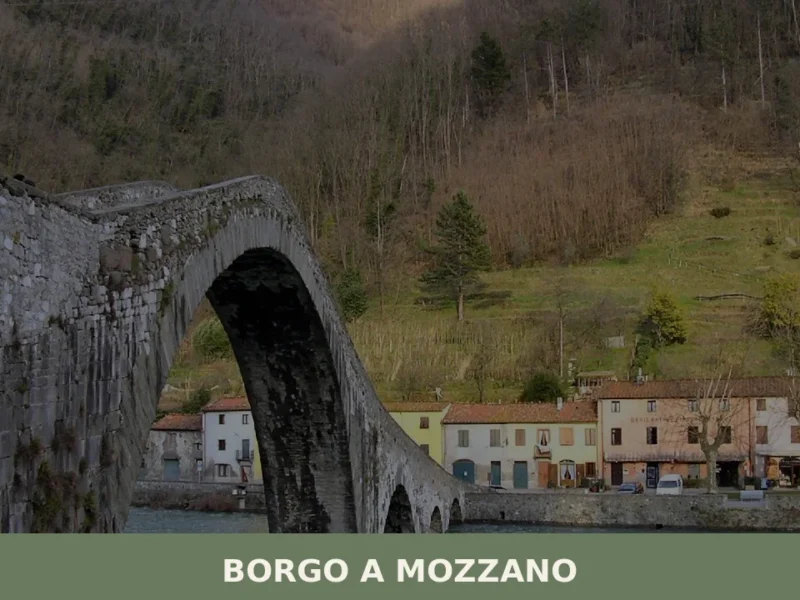
Borgo a Mozzano
Plains
Borgo a Mozzano, Tuscany: discover the Devil's Bridge, historic churches and nearby villages. A practical guide to help you plan your visit.
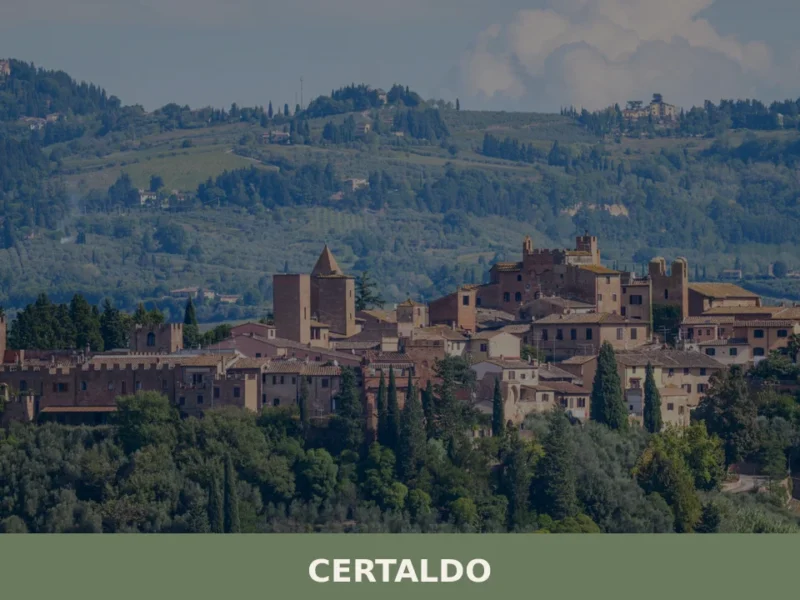
Certaldo
Plains
Red brick rises above the Valdelsa in distinct horizontal courses, the same fired clay that built the house where Giovanni Boccaccio is documented to have died in 1375. The upper town, Certaldo Alto, sits at 67 m (220 ft) above sea level on a ridge that divides the valley floor from the surrounding hills, its […]
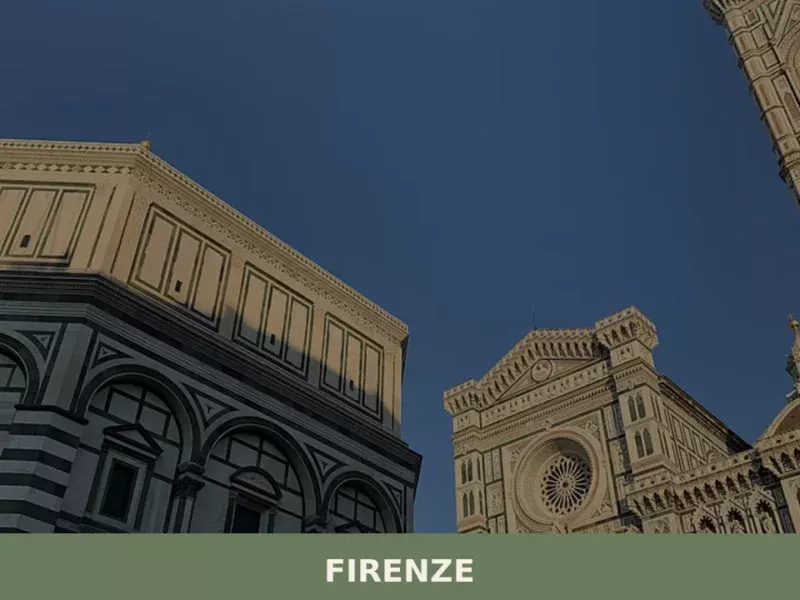
Firenze
Plains
Founded by the Romans as a military colony around 59 BC under the name Florentia, the city we know today as Florence has passed through nearly two millennia of history without ever ceasing to reinvent itself. The regional capital of Tuscany, it sits 50 metres above sea level along the banks of the Arno, with […]
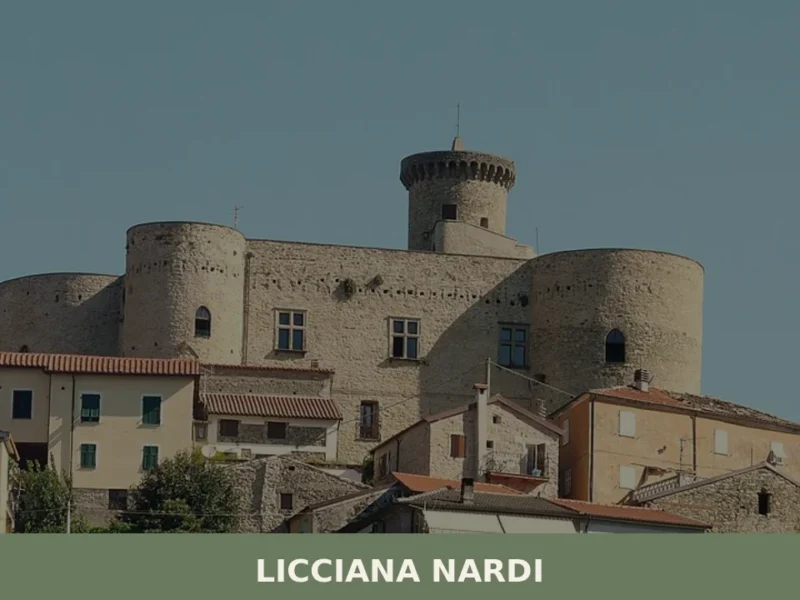
Licciana Nardi
Hills
The territory of Licciana Nardi includes six castles spread between the valley floor and the Apennine slopes, a concentration of defensive structures that documents the strategic role of this stretch of Lunigiana in controlling the routes between the Po Plain and the Tyrrhenian coast. With its 4,894 inhabitants distributed across 55 square kilometres at an […]


🏡 Know Castelfiorentino better than we do?
If you’re a local or have been there, your knowledge matters: add what’s missing or fix a detail on this page.