


Martignano
 Plains
What to see in Martignano: from medieval churches to the main square, discover the 5 top attractions of this Griko village. Plan your visit with this guide.
Discover Martignano
Griko words still surface in conversations on the street corners of Martignano — a detail that separates this comune in the province of Lecce from most other settlements on the Salento plain.
The dialect, a form of Greek that survived the centuries in a cluster of nine villages, is not a performance for tourists but a working linguistic minority, documented and studied.
The flat terrain around the village, sitting at 90 metres (295 feet) above sea level, gives the sky enormous presence: wide, pale blue in summer, pressing low and grey in January.
Knowing what to see in Martignano starts with understanding that the village belongs to Grecìa Salentina, the network of nine municipalities in the province of Lecce where the Greek dialect Griko has been spoken continuously.
With a population of approximately 1,707 inhabitants, the comune is compact and navigable on foot in a morning.
Visitors to Martignano find a rare combination of linguistic heritage, Enlightenment-era intellectual history, a documented patron saint festival on 27 July, and the culinary traditions of the Salento interior — concrete reasons to make the trip rather than simply pass through.
History of Martignano
The name Martignano carries the Latin root Martinus, pointing to a settlement pattern typical of late Roman or early medieval Apulia, where ecclesiastical dedications and personal names from the Roman calendar were mapped onto new agricultural communities. In the Griko dialect the village is known as Martignàna, the Greek transliteration preserving both the phonology and the historical memory of a population whose linguistic origins remain a subject of scholarly discussion between the theories of Byzantine colonisation and uninterrupted survival from Magna Graecia.
What is not in dispute is the continuous presence of a Greek-speaking community across the medieval and early modern periods in this part of Salento.
Martignano is one of the nine towns of Grecìa Salentina, the geographic and cultural area in the province of Lecce where Griko — a dialect of Greek — has been spoken without recorded interruption.
This linguistic enclave became significant to Italian scholars in the eighteenth century precisely because it provided evidence of a pre-Latin stratum of southern Italian culture.
It was in this intellectual environment that Martignano produced one of its most consequential figures: Marchese Giuseppe Palmieri, born in the village in 1721 and died in Naples in 1793. Palmieri was one of the most important figures of the Enlightenment in southern Italy, writing on political economy and agrarian reform at a time when the Kingdom of Naples was attempting to modernise its institutions.
His work placed Martignano, a settlement of under two thousand inhabitants, in direct contact with the broader European current of eighteenth-century thought.
In the modern period Martignano has maintained its identity as a borgo di pianura, a flatland village, within the administrative structure of the province of Lecce.
The village has a formal twin in Kfar Matta, Lebanon, a pairing that reflects the broader Mediterranean connections cultivated by communities in the Salento region. The Comune di Martignano continues to document and promote the Griko cultural heritage as a living element of local identity rather than a museum exhibit. Sergio Vuskovic holds honorary citizenship of the village, a distinction recorded in the municipal registers.
What to see in Martignano, Puglia: top attractions
The Griko-Speaking Village Centre
The layout of Martignano follows the compact grid of a Salentine borgo, with low limestone buildings and narrow lanes that concentrate the heat in summer and funnel the tramontana wind in winter.
Walking the centre takes less than 30 minutes at a measured pace, but the architectural fabric rewards careful attention: doorways with carved lintels, corner shrines, and the occasional Griko inscription or bilingual street sign that marks the village’s status as part of Grecìa Salentina.
The language itself is the primary attraction — nine municipalities within roughly 25 km (15.5 mi) of each other form this documented Greek-dialect zone, and Martignano sits within that concentration.
Visiting during a weekday morning, when residents are out and about, gives the best chance of hearing Griko spoken naturally rather than in a formal context.
The Parish Church and its Dedication to San Pantaleone
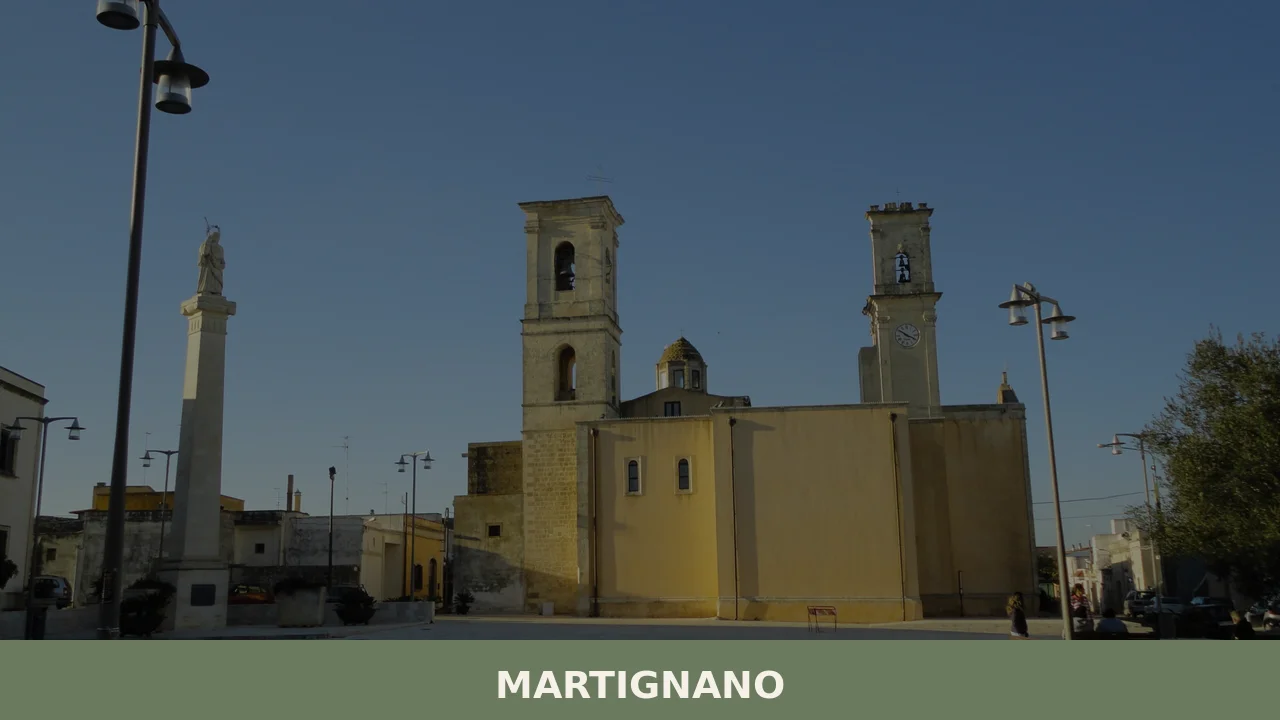
The parish church of Martignano is dedicated to San Pantaleone, the patron saint whose feast on 27 July organises the village’s liturgical and social calendar each year.
The building’s exterior follows the sober register of rural Salentine religious architecture, with a facade in local limestone that shows the characteristic warm ochre tone produced by the iron content of the stone.
Inside, the layout is a single nave with lateral chapels, a typology widespread in the flatland villages of the province of Lecce from the seventeenth century onward.
The church functions as the spatial anchor of the historic centre, and its bell tower is one of the few vertical elements in a landscape that is otherwise horizontal. It is worth arriving at the church in the early morning, when the low-angle light reads the carved details of the portal most clearly.
The Palazzo Palmieri and the Legacy of the Enlightenment
Martignano is the birthplace of Marchese Giuseppe Palmieri, born here in 1721, whose intellectual trajectory took him from this Salentine village to the court culture of Naples, where he died in 1793 as one of the most cited economists and reformers of the southern Italian Enlightenment.
The physical presence of the Palmieri family in the village fabric is readable in the architecture of the historic centre, where noble residences of the seventeenth and eighteenth centuries stand alongside more modest dwellings.
For visitors interested in the history of ideas, Martignano occupies a specific position: it was not a capital or a university town, yet it produced a figure whose writings on agrarian policy and political economy were read across the Kingdom of Naples.
The connection between provincial origin and metropolitan intellectual influence is the story the village tells through this heritage.
The Grecìa Salentina Cultural Circuit
Martignano belongs to the nine-municipality network of Grecìa Salentina, which means that visiting the village naturally opens into a wider itinerary across the Lecce hinterland. The nine towns are distributed within a defined area of the province, none more than a short drive from the others, and the cultural thread connecting them — the Griko dialect, shared festival traditions, and a common history of Greek linguistic survival — gives the circuit internal coherence.
Distances between the municipalities are typically 5 to 15 km (3.1 to 9.3 mi), making it practical to visit two or three in a single day.
The circuit also connects to the city of Lecce, approximately 15 km (9.3 mi) to the northwest, which serves as the main logistical base for exploring this part of Puglia.
The Flatland Landscape of the Salento Interior
At 90 m (295 ft) above sea level, Martignano occupies the characteristic Salento plain — a plateau of calcareous rock covered by a thin layer of red-brown soil, known locally as terra rossa, that supports olive groves and dry-stone field boundaries called muretti a secco.
This agricultural landscape, which extends to the horizon in most directions, is not incidental to a visit but integral to understanding why the village developed as it did: the flatness made communication easy between the nine Griko communities, while the relative isolation from major coastal centres allowed the dialect to survive.
Walking or cycling the lanes between Martignano and the adjacent fields in the early morning, when the light is lateral and the olive trees cast long shadows across the red soil, gives a direct reading of the terrain that shaped this community over centuries.
Local food and typical products of Martignano
The food culture of Martignano is embedded in the broader culinary tradition of the Salento interior, a zone where the diet has historically been structured around what the flatland agriculture could reliably produce: durum wheat, legumes, olives, and seasonal vegetables.
The Greek cultural influence in Grecìa Salentina is sometimes cited in relation to the culinary habits of the area — the preference for olive oil over lard, the use of wild greens, the simplicity of preparation — though the overlap between southern Italian and eastern Mediterranean food cultures at this latitude makes attribution complex.
What can be said concretely is that the village sits within one of the densest olive-oil-producing zones of Puglia, and that the cuisine reflects the logic of that agricultural economy.
The table in Martignano and the surrounding villages centres on a few foundational preparations. Ciceri e tria is the dish most associated with Salento as a whole: a soup of chickpeas combined with pasta, part of which is fried in olive oil to create a contrast of textures — soft chickpeas against the crunch of the fried strips of pasta.
Frisella, a twice-baked ring of durum wheat or barley bread, is softened briefly in water and dressed with tomatoes, olive oil, oregano, and salt; it is not a restaurant preparation so much as an everyday food that survives precisely because it requires almost no refrigeration and keeps for weeks in dry storage.
Pitta di patate, a layered baked preparation of mashed potato, onion, olives, and capers enclosed in a thin pastry shell, appears across the Lecce province and represents the kind of resourceful, vegetable-forward cooking that characterises the interior.
Cheese-making in the area draws on sheep’s milk, with pecorino and fresh ricotta scanta — a fermented, pungent ricotta aged in terracotta pots — appearing at local tables.
The province of Lecce falls within the production zone of Terra d’Otranto DOP extra virgin olive oil, a designation that covers the southern tip of Puglia and includes the municipalities of Grecìa Salentina. The oil is produced primarily from the Cellina di Nardò and Ogliarola Salentina olive varieties, and its flavour profile tends toward a light fruitiness with a measured bitterness.
Local producers in and around Martignano operate small mills that process the harvest in October and November, the period when the oil is at its freshest and the countryside is most active.
For visitors, purchasing oil directly from a local mill during this period is the most direct way to engage with the primary agricultural product of the area.
Markets and food events in the Salento interior tend to concentrate in late summer and early autumn, when harvests are underway and the heat has moderated.
The patronal feast of San Pantaleone on 27 July is the most concentrated point of local food and community activity in Martignano’s annual calendar.
Across Grecìa Salentina more broadly, the summer festival season running from July through August brings sagre — traditional food festivals centred on a single local product or dish — to villages throughout the circuit, and Martignano sits within easy reach of several of these events.
Festivals, events and traditions of Martignano
The central event of the village year is the feast of San Pantaleone, celebrated on 27 July. San Pantaleone, the patron saint of Martignano, is honoured with a religious programme that includes a solemn Mass in the parish church and a street procession in which the statue of the saint is carried through the lanes of the historic centre.
The evening of 27 July typically brings outdoor gatherings, music, and the illumination of the church facade, following the pattern of Salentine patronal feasts in which the liturgical and the communal elements run in parallel across the same day.
The position of Martignano within Grecìa Salentina also connects it to the broader festival calendar of the nine-municipality network, which includes events dedicated to the preservation and performance of Griko language and culture.
These gatherings, which have taken place across the summer months in various municipalities of the circuit, typically involve music performed in the Griko dialect, recitation, and cultural programmes aimed at keeping the language in active use among younger generations.
The pizzica — the percussive dance and music tradition of Salento, closely associated with the tarantella complex — also surfaces at village festivals throughout the area, including in Martignano, as part of a regional performance culture that has been documented and revived since the 1990s.
When to visit Martignano, Italy and how to get there
The best time to visit Martignano and the Salento interior is late spring (May to early June) or early autumn (September to October).
In May and June the temperatures are in the range of 20 to 27 degrees Celsius (68 to 80 degrees Fahrenheit), the countryside is green from the winter rains, and the tourist pressure on the coastal towns of the province has not yet peaked.
September and October bring the olive harvest, cooler evenings, and a working agricultural rhythm to the villages that gives a different quality to the visit.
July and August are the months of the patron feast and the summer festival circuit, which makes them relevant for visitors interested in local events, but daytime temperatures regularly exceed 35°C (95°F) and accommodation in the province books up quickly. Those travelling in summer should plan accommodation well in advance and schedule outdoor walking for early morning or evening.
Martignano sits approximately 15 km (9.3 mi) south of Lecce, making it a straightforward day trip from that city. By car, the most direct route from Lecce follows the SP4 provincial road; the drive takes roughly 20 minutes.
Lecce is served by the main railway line from Brindisi, and Trenitalia operates frequent connections; from Brindisi station to Lecce takes approximately 30 minutes by regional train.
The nearest major airport is Brindisi Airport (Aeroporto del Salento), located approximately 55 km (34 mi) from Martignano; Bari Karol Wojtyła Airport, at roughly 175 km (109 mi), is the alternative for those arriving on flights that serve the Puglia region but do not land at Brindisi.
From Rome, the drive to Martignano covers approximately 570 km (354 mi) via the A1 and A16 motorways with a connection to the SS16 Adriatica, a journey of around five and a half to six hours; the train from Roma Termini to Lecce takes approximately three and a half to four hours on the fastest services, from which Martignano is a short onward drive.
If you arrive by car from the north, the motorway exit at Lecce Nord or Lecce Sud on the SS613 puts you within 20 minutes of the village.
For international visitors, it is worth noting that English is not widely spoken in smaller shops and local bars in this part of the Salento interior, and carrying euros in cash remains practical for markets, small establishments, and roadside producers.
Martignano is also well positioned as a base for exploring the wider Grecìa Salentina circuit. From the village it is easy to reach the other eight municipalities of the Griko-speaking area within a 20-minute drive in any direction, making it practical to combine a visit here with stops at neighbouring villages.
Travellers extending their stay in Puglia beyond the province of Lecce might consider the very different landscape of the Gargano peninsula to the north, where the Isole Tremiti offer a coastal counterpoint to the flat interior of Salento — a journey of roughly 300 km (186 mi) from Martignano that requires an overnight stay to do justice to both areas.
Those tracing the Puglia interior further north might also find value in stopping at Bovino, a hilltop comune in the province of Foggia with a documented medieval centre and a history of episcopal and noble settlement that contrasts in every way with the flat, open character of Martignano and the Salento plain.
Frequently asked questions about Martignano
What is the best time to visit Martignano?
Late spring (May–June) and early autumn (September–October) offer mild temperatures ideal for walking the village centre and the surrounding olive-grove landscape. Summer is hot but culturally rich: the feast of San Pantaleone on 27 July is the highlight of the local calendar, combining liturgical ceremony with village celebration and representing the best opportunity to experience Martignano's community life firsthand. July visitors should book accommodation in the Lecce area early, as the broader Salento fills quickly in peak season.
What are the historical origins of Martignano?
The name Martignano derives from the Latin root Martinus, indicating a settlement shaped by late Roman or early medieval ecclesiastical naming conventions. The village is known in Griko as Martignàna. It belongs to Grecìa Salentina, a cluster of nine municipalities in the province of Lecce where the Greek dialect Griko has been spoken without recorded interruption. Martignano's documented history gained international intellectual relevance through Marchese Giuseppe Palmieri (1721–1793), one of the most important economists and reformers of the southern Italian Enlightenment.
What to see in Martignano? Main monuments and landmarks
The parish church dedicated to San Pantaleone is the architectural focal point of the historic centre, built in local ochre limestone with a single-nave interior and lateral chapels typical of flatland Salentine religious architecture. The Palazzo Palmieri and surrounding noble residences document the village's eighteenth-century aristocratic and intellectual heritage. Bilingual street signs in Italian and Griko, carved doorway lintels, and corner shrines make the compact historic centre itself a walkable open-air monument to the Grecìa Salentina cultural identity.
Are there museums, churches or historic buildings to visit in Martignano?
The parish church of San Pantaleone anchors the historic centre and is accessible during standard liturgical hours; early morning visits are recommended when low-angle light best reveals the carved stone portal. The Palmieri family noble residence is readable within the historic fabric of the village. Martignano also displays bilingual Griko–Italian street signage as a formal acknowledgement of its status as a linguistic minority municipality, giving the entire village centre documentary interest beyond any single building.
What can you do in Martignano? Activities and experiences
The primary experience is linguistic and cultural: visiting on a weekday morning offers the genuine possibility of hearing Griko spoken in everyday conversation, something not replicable in most of Puglia. The village is a natural starting point for the Grecìa Salentina circuit, with the other eight Griko-speaking municipalities within 5–15 km, making it practical to combine two or three in a single day. Early-morning walking or cycling through the surrounding olive groves and terra rossa landscape provides direct contact with the agricultural terrain that shaped the community.
Where to take the best photos in Martignano?
The most photographically rewarding moments are in the early morning, when lateral light picks out the carved lintels and ochre limestone facades of the historic centre. The bell tower of the church of San Pantaleone is one of the few vertical elements in an otherwise horizontal landscape and reads well against wide Salentine skies. The lanes bordering the olive groves at the village edge — where dry-stone muretti a secco walls and red terra rossa soil frame long shadows — offer characteristic flatland Salento compositions best captured at sunrise.
Who is Martignano suitable for?
Martignano suits culturally motivated travellers with a specific interest in minority languages, Enlightenment history, or southern Italian rural architecture. It is compact and entirely flat, making it accessible for visitors of all mobility levels. Couples and independent travellers using Lecce as a base will find it a rewarding half-day excursion. It appeals particularly to those building a Grecìa Salentina itinerary across multiple villages. Visitors expecting coastal attractions or large-scale monuments should combine Martignano with the broader Lecce province rather than treating it as a standalone destination.
What to eat in Martignano? Local products and specialties
Martignano sits within one of Puglia's densest olive-oil-producing zones, and local cuisine reflects that agricultural economy. Signature Salentine dishes available in the area include ciceri e tria — chickpea soup with pasta, part of which is fried in olive oil for textural contrast — and frisella, a twice-baked durum wheat or barley ring dressed with tomatoes, olive oil, and oregano. Pitta di patate, a baked preparation of mashed potato with onions, olives, and capers, is another documented local preparation rooted in the flatland agricultural tradition of the Lecce interior.
Nearby Villages near Martignano
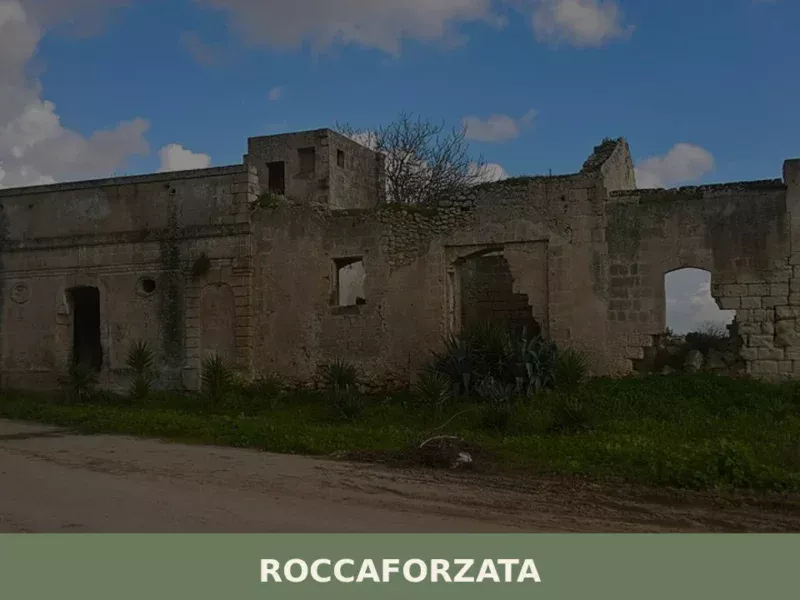
In Apulia More villages to discover
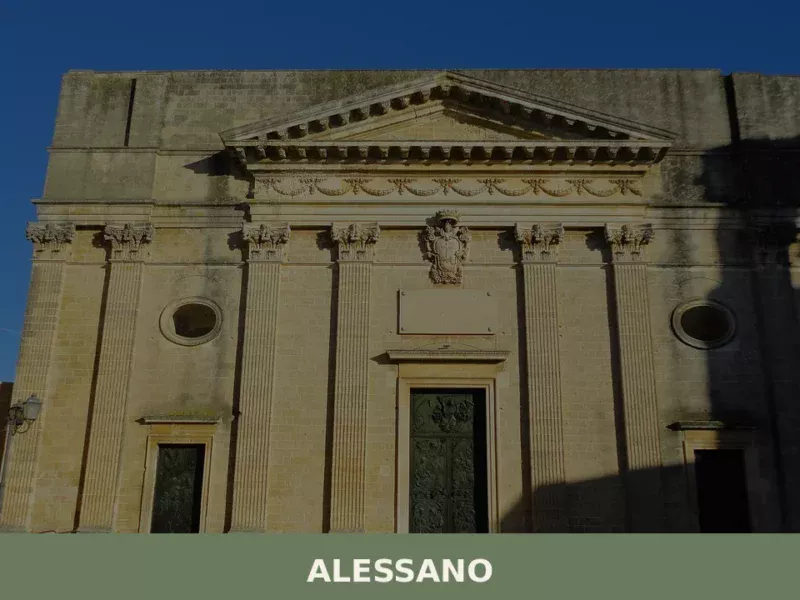
Alessano
 Sea
Sea
Until 1818, Alessano was the seat of its own diocese — a fact that explains the density of sacred architecture concentrated in a village of fewer than 6,000 inhabitants. Located in the basso Salento, the southernmost stretch of Puglia’s heel, the comune includes the hamlet of Montesardo and the coastal locality of Marina di Novaglie. […]
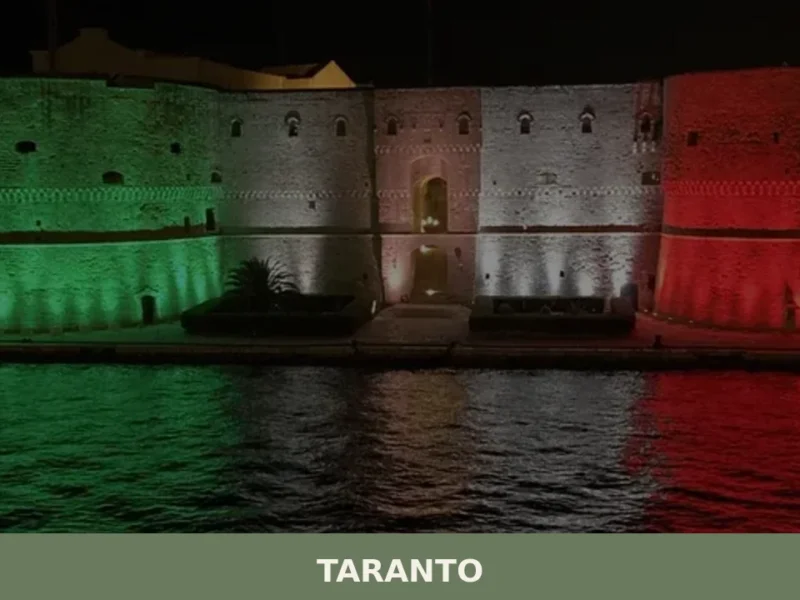
Taranto
Sea
In 706 BC, a group of Spartan colonists led by Phalanthus landed along the Ionian coast of Puglia and founded Taras, one of the most powerful poleis of Magna Graecia. Today that same city — Taranto — stretches across two seas, the Mar Grande and the Mar Piccolo, connected by a navigable canal that cuts […]
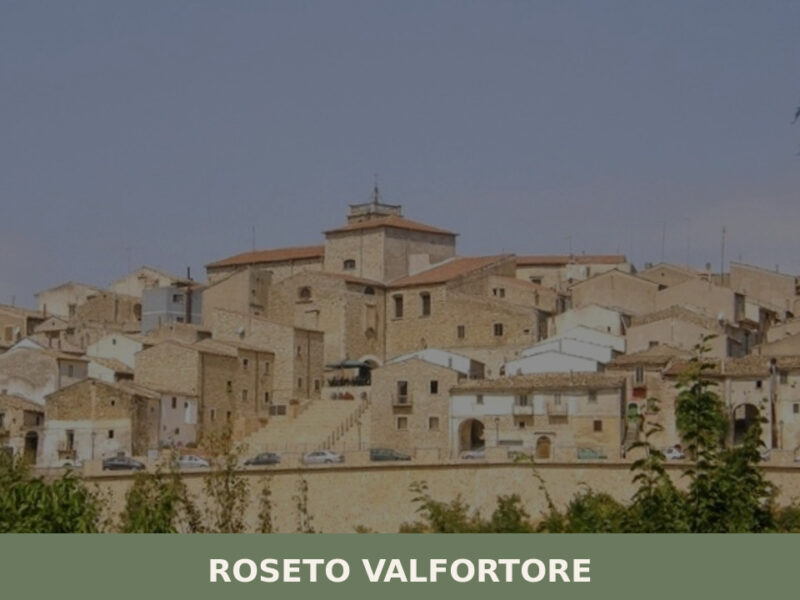
Roseto Valfortore
 Mountain
A stone village of 993 inhabitants at 658 metres in the Fortore valley. Roseto Valfortore preserves medieval architecture, mountain cooking traditions, and the quiet of inland Puglia.
Ischitella
 Lake
Sea
Lake
Sea
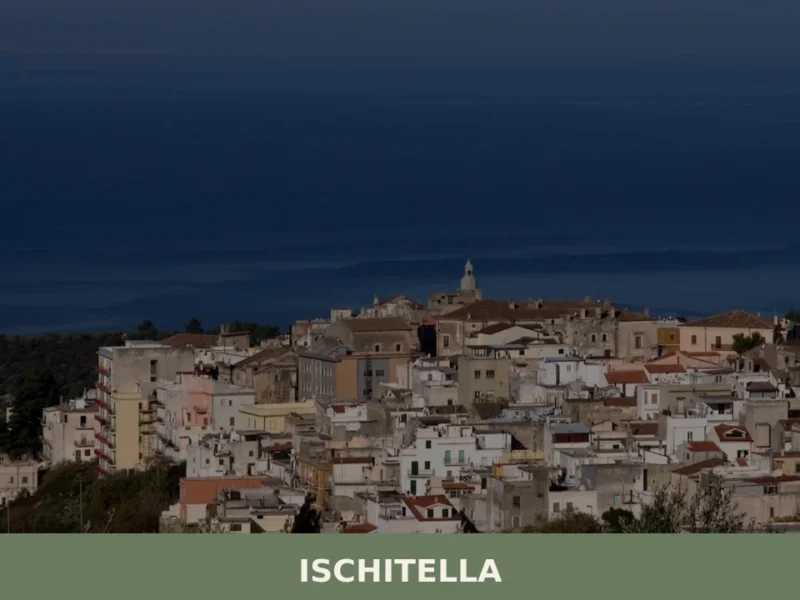
A ridge-top village on the Gargano promontory, Ischitella offers Norman walls, Baroque churches, ancient olive groves, and access to the Foresta Umbra.
Serracapriola
Sea
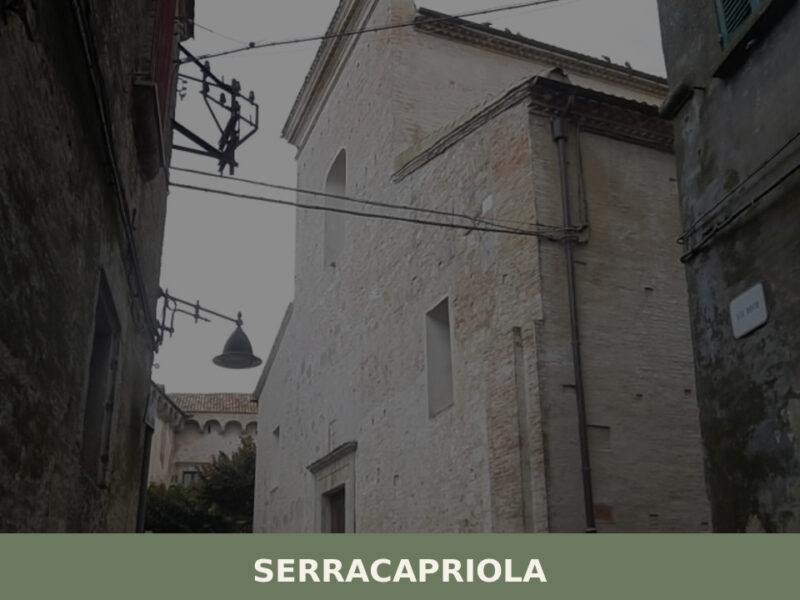
A hilltop village of 3,656 people overlooking the Fortore valley in Foggia province. Serracapriola offers a Norman castle, medieval alleys, and honest Puglian cooking far from the crowds.
Cellamare
Plains
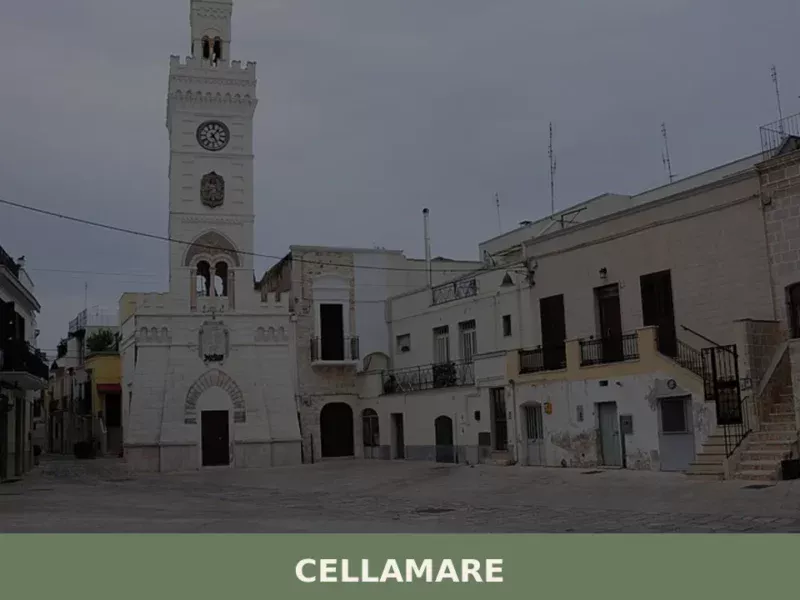
What to see in Cellamare, Italy: Explore this historic village, founded in 1171, located 110 m (361 ft) above sea level. Discover its grape industry and ancient origins.
Castelluccio dei Sauri
 Hills
Hills
A hilltop village of 2,024 inhabitants overlooking Puglia's Tavoliere plain. Castelluccio dei Sauri offers ancient tratturi routes, quiet stone lanes, and the deep agricultural traditions of the Capitanata.
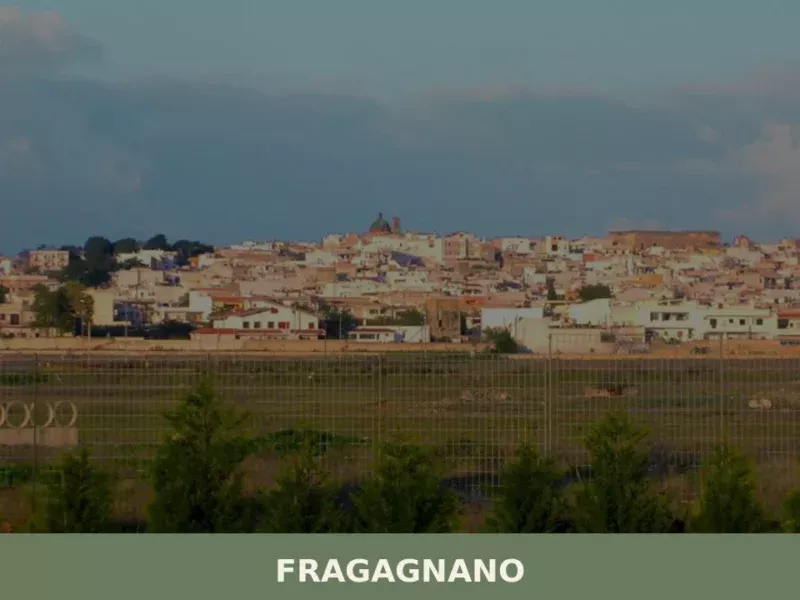
Fragagnano
Plains
Discover what to see in Fragagnano, a village in Taranto province and part of the Terre del Mare e del Sole. History, food, travel tips and nearby villages.
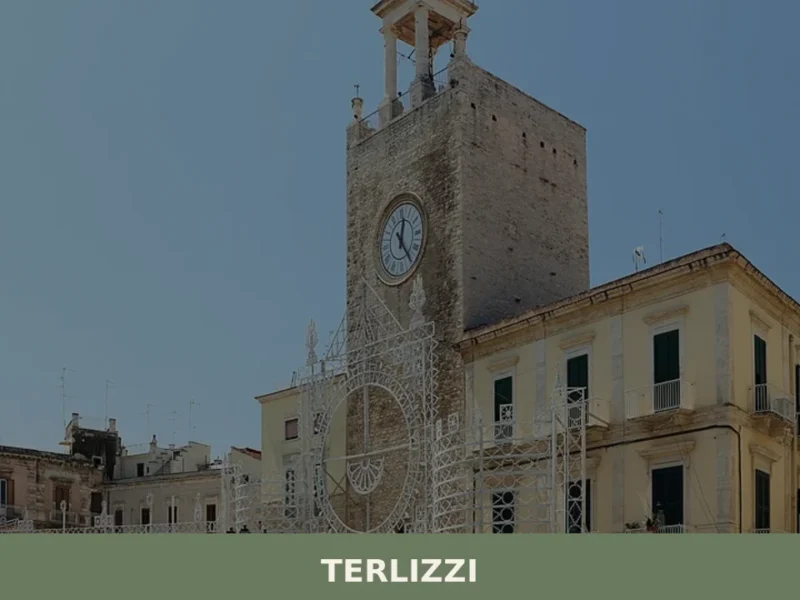
Terlizzi
Plains
What to see in Terlizzi: discover the 5 top attractions, from the Cathedral to the Clock Tower. Plan your visit and taste the local specialities.
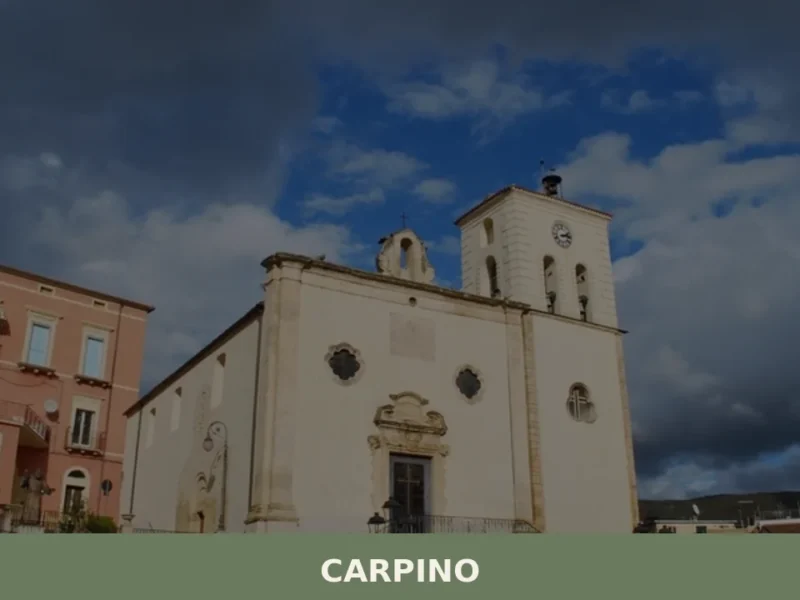
Carpino
Lake
Plains
What to see in Carpino, Puglia, Italy: folk festival, olive oil culture, 3 historic churches and caves at 147 m altitude. Discover the full travel guide.
🏡 Know Martignano better than we do?
If you’re a local or have been there, your knowledge matters: add what’s missing or fix a detail on this page.