


Bagno a Ripoli
 Plains
What to see in Bagno a Ripoli, Italy: 25,488 inhabitants, 7 km from Florence. Discover top attractions, local food, and how to get there. Explore now.
Discover Bagno a Ripoli
The Arno valley floor levels out southeast of Florence, and here the municipality of Bagno a Ripoli spreads across a landscape where olive groves occupy the lower slopes and parish churches mark the boundaries of old settlements.
At 75 m (246 ft) above sea level, the terrain is more plain than hill, the light flat and clear in the mornings.
The commune numbers 25,488 inhabitants distributed across several small localities, each with its own architectural core and its own rhythm of daily life.
Deciding what to see in Bagno a Ripoli takes visitors through medieval parish churches, a Franciscan convent set into the hillside, the grounds of the International School of Florence, and a network of rural lanes connecting the various frazioni that make up the municipality.
Bagno a Ripoli, Toscana, Italy sits 7 km (4.3 mi) southeast of Florence, which means day trips from the city are straightforward.
Visitors to Bagno a Ripoli find a working municipality with documented historical layers rather than a set-piece tourist destination.
History of Bagno a Ripoli
The name itself signals a long past. Bagno in Italian refers to a bath or thermal establishment, pointing to the presence of water sources that made this stretch of the Arno plain attractive to early settlers. Roman-era finds in the broader Florentine territory confirm habitation in the area well before the medieval period, though the administrative identity of Bagno a Ripoli consolidated during the centuries when Florence expanded its control over the surrounding countryside.
The Ripoli element of the name identifies the specific locality around which the commune eventually grew.
During the medieval period, the territory fell under the administrative and ecclesiastical organisation that governed the contado — the rural land surrounding Florence.
Parish churches, called pievi, functioned not only as places of worship but as administrative nodes: they recorded births, deaths, and land transactions.
Several of these structures survive in the Bagno a Ripoli area, their stonework and layout reflecting the Romanesque building traditions of the eleventh and twelfth centuries. Florence’s growing power meant that the villages of the southeastern plain were progressively drawn into the city’s economic orbit, supplying agricultural produce and labour to the urban centre just a few kilometres away.
The modern comune of Bagno a Ripoli, as constituted within the Metropolitan City of Florence, carries forward this long relationship with the regional capital.
The presence of the International School of Florence within the commune’s territory is one marker of the area’s contemporary character: an international institution choosing a location this close to Florence reflects both the infrastructure of the municipality and its integration into the wider Florentine metropolitan area.
The population of 25,488 makes it one of the more substantial communes in the immediate hinterland of Florence, distinct in administrative terms from the city itself while sharing much of its cultural and economic life.
What to see in Bagno a Ripoli, Toscana: top attractions
Convento dell’Incontro
The Convento dell’Incontro occupies a hillside position above the Bagno a Ripoli municipal area, its Franciscan complex rising from stonework that dates back several centuries.
The name — Incontro, meaning encounter — refers to the religious significance attributed to the site, where devotional tradition records a meeting connected to the life of Christ. Standing at the convent, visitors look out over the valley floor below, with Florence visible to the northwest on clear days. The complex includes a church, cloister spaces, and surrounding grounds that reflect the Franciscan preference for sites removed from urban centres.
Access requires a road that climbs from the valley, and the walk through the approach lane takes roughly 20 to 30 minutes on foot from the nearest point on the public road.
Pieve di San Pietro a Ripoli
The parish church dedicated to San Pietro, the patron saint of Bagno a Ripoli whose feast falls on 29 June, represents the ecclesiastical core of the commune.
Romanesque in its structural origins, the pieve shows the characteristic features of rural Tuscan religious architecture: a stone facade with restrained decoration, a nave layout designed for the liturgical assembly of an agricultural community, and proportions scaled to the landscape rather than to civic ambition.
The church’s dedication to Pietro the apostle connects it directly to the patron saint whose feast day the commune celebrates each year. The interior retains elements that date the structure to the medieval construction campaigns that reshaped much of the Florentine countryside between the eleventh and thirteenth centuries.
The Rural Frazioni and Their Lanes
Bagno a Ripoli is not a single compact village but a municipality of dispersed settlements, each fraction — frazione in Italian — maintaining its own physical character.
The lanes connecting these localities pass through olive groves and small vineyards, crossing terrain that sits between 75 m (246 ft) at the valley floor and higher ground toward the Chianti hills.
Walking or cycling these routes gives a more direct account of the agricultural landscape than any single monument could. The distances between frazioni are modest: most are within 3 to 5 km (1.9 to 3.1 mi) of the central locality.
Those using a bicycle can cover several frazioni in a single morning and still return to Florence in the afternoon.
International School of Florence Campus
The presence of the International School of Florence within the Bagno a Ripoli comune is a documented institutional fact that reflects the area’s role in the wider Florentine metropolitan zone.
The primary school campus occupies grounds that place international families and students within a municipality that is functionally connected to Florence without being absorbed by the city’s dense urban fabric.
For visitors with an interest in how international education institutions integrate into Italian municipal life, the campus location is a concrete example. The school is a functioning educational institution and not a public tourist attraction, but its presence explains aspects of the commune’s demographic and economic character that are otherwise difficult to read from the landscape alone.
The Florentine Hills Above the Municipality
The southeastern edge of the Bagno a Ripoli territory begins to climb toward the higher ground of the Chianti zone, where elevations rise well above the 75 m (246 ft) of the valley floor. From the upper roads within the municipality, the view northward takes in the Arno plain with Florence at its centre, the dome of Santa Maria del Fiore identifiable at approximately 7 km (4.3 mi) distance.
These roads were used by travellers approaching Florence from the south long before motorised transport, and the alignment of older tracks still visible in the landscape reflects that history.
Visiting in spring, when the olive trees show new growth and the air is clear, gives the best visibility across the valley to the city.
Local food and typical products of Bagno a Ripoli
The Florentine culinary tradition governs the table in Bagno a Ripoli as it does throughout the municipalities of the Metropolitan City of Florence.
This is a cooking culture built on legumes, coarse bread, olive oil from the surrounding hills, and meat — especially beef from the Chiana valley to the south. The proximity to Florence means that the produce markets and supply chains of the regional capital have always been available to the commune’s residents, while the agricultural land within the municipality itself has historically produced olive oil and wine grapes.
The local kitchen reflects a tradition in which simplicity of technique and quality of raw material carry more weight than elaborate preparation.
The dishes a visitor is likely to encounter in the trattorie of the area include ribollita, a twice-cooked bread and vegetable soup in which cavolo nero — the dark-leafed Tuscan kale — provides structural backbone alongside cannellini beans and stale unsalted Tuscan bread. Pappa al pomodoro works on a similar principle: ripe tomatoes, garlic, basil, good olive oil, and the same dense Tuscan bread broken down into a thick, almost grain-like consistency.
Bistecca alla Fiorentina, the T-bone steak cut from Chianina cattle and grilled over wood embers to remain red at the centre, is the standard measure of a Florentine kitchen’s seriousness.
Weight is sold by the kilogram, and a standard portion runs between 800 g and 1.2 kg (1.8 to 2.6 lb).
The olive oil produced on the hillsides above the valley floor falls within the broader Chianti Classico and Florentine hill production zones, where pressing typically takes place in November using the cold-extraction method that preserves the oil’s green, slightly bitter character.
Wine from the surrounding territory connects to the Chianti designation, with Sangiovese as the primary grape variety. Neither a specific DOP oil nor a DOC wine is documented in the sources as exclusive to Bagno a Ripoli, but the local production falls within these established Tuscan certification frameworks.
Those visiting the area in autumn, between October and November, will find the olive harvest in progress — the nets spread under trees in the groves visible from the rural roads.
The Florentine markets, accessible within minutes from Bagno a Ripoli, carry the full range of seasonal produce that defines the cuisine, including fresh porcini mushrooms from the wooded hills in September and October, and the new-season olive oil that appears in November.
Small cash purchases in local shops and at market stalls are standard; carrying euros is practical, as card readers are not universal at smaller rural vendors.
Festivals, events and traditions of Bagno a Ripoli
The central civic and religious celebration in Bagno a Ripoli is the feast of San Pietro Apostolo, the commune’s patron saint, observed on 29 June each year.
The feast follows the pattern established across Tuscan municipalities for patron saint days: a religious mass in the parish church, a procession through the locality, and communal gathering that extends into the evening. The date falls at the end of June, when the long days of the Tuscan summer and the warm evening temperatures make outdoor celebration practical.
Families from the various frazioni of the municipality converge on the central locality for the occasion.
Beyond the patron feast, the agricultural calendar structures the year in ways that generate informal gatherings and local markets.
The grape harvest in September and the olive harvest in October and November both carry cultural weight in a municipality where farming continues alongside residential and service functions. The proximity to Florence means that residents also participate in the wider calendar of Florentine cultural events, exhibitions, and the sagre — traditional local food festivals — that take place in the surrounding municipalities throughout the summer and early autumn months.
When to visit Bagno a Ripoli, Italy and how to get there
The best time to visit Bagno a Ripoli, Italy is spring — April through early June — when the olive groves are green, temperatures in the valley sit between 15°C and 25°C (59°F and 77°F), and the area is not yet at peak tourist density.
September and early October offer similar conditions with the addition of the harvest season. July and August bring heat to the valley floor, with temperatures regularly exceeding 32°C (90°F), and the Florentine hinterland sees its highest visitor numbers.
Those interested in the religious calendar should plan around 29 June for the feast of San Pietro. Winter visits are viable given the low altitude, though the light is shorter and some rural lanes can be wet and slow.
Getting to Bagno a Ripoli from Florence requires approximately 15 to 20 minutes by car along the road heading southeast from the city.
The most direct route from the A1 motorway uses the Firenze Sud exit, from which the commune is approximately 5 km (3.1 mi). Public transport from Florence city centre connects to the municipality via local bus lines operated by Autolinee Toscane, with journey times of around 20 to 30 minutes depending on the destination within the commune.
The nearest major rail hub is Trenitalia‘s Firenze Santa Maria Novella station, 7 km (4.3 mi) from the commune, which connects Florence to Rome in approximately 1.5 hours by high-speed train and to Milan in around 2 hours.
Florence Peretola Airport (Amerigo Vespucci) lies approximately 14 km (8.7 mi) northwest of Bagno a Ripoli, reachable by road in 25 to 35 minutes depending on traffic. International visitors arriving at Rome Fiumicino can reach Florence by high-speed train in roughly 1.5 hours, making Bagno a Ripoli a feasible stop on a central Italy itinerary.
English is spoken in the tourist facilities closest to Florence, but in smaller local shops and bars within the frazioni, Italian remains the working language; carrying some euro cash is useful in these contexts.
For those planning a wider tour of Tuscan municipalities in the Lunigiana and northern Apennine zones, the communes of Fivizzano, which occupies a distinct geographic position in the upper Lunigiana valley, and Bagni di Lucca, historically known for its thermal waters in the Serchio valley, represent logical extensions of a Tuscan itinerary that begins in the Florentine plain and moves north through the region. Both are reachable from Florence in under two hours by road.
Where to stay near Bagno a Ripoli
The accommodation offer in and around Bagno a Ripoli reflects the municipality’s position in the Florentine metropolitan area.
The most documented option for visitors who prefer a rural setting over a city hotel is the agriturismo model — farm-stay accommodation on working agricultural properties in the olive-growing zones of the municipal territory and the Chianti hills immediately to the south.
These properties typically offer self-catering apartments or bed-and-breakfast rooms within converted farm buildings.
Florence itself, 7 km (4.3 mi) away, provides the full range of hotel categories for those who prefer to use Bagno a Ripoli as a day destination from an urban base, which is the arrangement most visitors adopt given the short transit time between the two.
Visitors extending their stay in the broader Florentine hinterland may also consider the Montignoso area or, further northwest, Casola in Lunigiana, both of which sit within the wider Tuscan region and offer rural accommodation options for travellers covering multiple municipalities across the region in a single trip.
Frequently asked questions about Bagno a Ripoli
What is the best time to visit Bagno a Ripoli?
Spring (April–May) offers clear air and new olive growth, making valley views toward Florence particularly vivid. Autumn (October–November) brings the olive harvest, when nets spread under the grove trees are visible from rural roads — a genuine seasonal spectacle. The feast of patron saint Pietro Apostolo on 29 June marks the local civic and religious calendar and provides a reason to visit in early summer. Summer is warm but manageable given the flat terrain at 75 m altitude. Winter is quieter and better suited to those who prefer the area without visitors.
What are the historical origins of Bagno a Ripoli?
The name 'Bagno' points to ancient water sources that attracted early settlement on the Arno plain, with Roman-era habitation documented across the broader Florentine territory. During the medieval period the area organised around pievi — parish churches that served as both liturgical and administrative centres. The Ripoli locality gave its name to the emerging commune. As Florence expanded its control over the surrounding contado between the eleventh and thirteenth centuries, Bagno a Ripoli was drawn progressively into the city's economic and ecclesiastical orbit, a relationship the modern municipality maintains today.
What to see in Bagno a Ripoli? Main monuments and landmarks
The Convento dell'Incontro is a Franciscan hillside complex whose name refers to a devotional tradition connected to the life of Christ; the approach on foot from the public road takes 20–30 minutes. The Pieve di San Pietro a Ripoli is the Romanesque parish church dedicated to the town's patron saint, with a stone facade and interior elements dating to the eleventh–thirteenth centuries. Beyond single monuments, the network of rural lanes connecting the dispersed frazioni — most within 3–5 km of one another — is itself a documented attraction, passable by foot or bicycle.
What are the main natural or scenic attractions of Bagno a Ripoli?
The municipality stretches from the flat Arno valley floor at 75 m altitude up toward the Chianti hills on its southeastern edge. Olive groves on the lower slopes and small vineyards along the rural lanes define the agricultural landscape. From upper roads within the commune, the view northward takes in the Arno plain with Florence — including the dome of Santa Maria del Fiore at roughly 7 km — clearly visible on clear days. Spring and autumn offer the best light and visibility across the valley.
Where to take the best photos in Bagno a Ripoli?
The hillside above the Convento dell'Incontro provides a documented viewpoint over the valley floor with Florence visible to the northwest on clear days. The upper roads on the southeastern edge of the municipality offer northward panoramas across the Arno plain toward the city, with the dome of Santa Maria del Fiore identifiable at approximately 7 km. In October and November, the olive groves with harvest nets spread beneath the trees along the rural lanes between frazioni offer a distinctly seasonal photographic subject.
Are there museums, churches or historic buildings to visit in Bagno a Ripoli?
The Pieve di San Pietro a Ripoli is the principal historic religious building, a Romanesque parish church with structural origins in the eleventh–thirteenth centuries, dedicated to the apostle Pietro whose feast the commune marks on 29 June. The Convento dell'Incontro is a multi-century Franciscan complex including a church and cloister spaces set into the hillside above the valley. Specific opening hours and admission details for both sites are not confirmed in available public sources; visiting during morning hours on non-holiday weekdays is generally advisable for rural Tuscan churches.
What can you do in Bagno a Ripoli? Activities and experiences
Cycling and walking the rural lanes between the dispersed frazioni is a practical and well-suited activity: most localities lie within 3–5 km of one another, and a cyclist can cover several in a single morning and return to Florence in the afternoon. The olive harvest season in October–November offers the chance to observe traditional agricultural work in the groves along the roads. Day trips from Florence are straightforward given the 7 km distance, making Bagno a Ripoli combinable with city visits. The Convento dell'Incontro is accessible on foot via a 20–30 minute approach lane.
Who is Bagno a Ripoli suitable for? Families, couples, hikers, solo travelers?
Bagno a Ripoli suits independent travellers and couples who prefer working Italian municipalities over set-piece tourist destinations. The flat valley terrain and short distances between frazioni make it accessible for family cycling. Those with an interest in Romanesque religious architecture, Franciscan history, or Florentine rural landscape will find specific things to engage with. International families connected to the International School of Florence represent a documented demographic. The proximity to Florence — 7 km — makes it ideal for visitors already based in the city who want a quieter half-day excursion into the agricultural hinterland.
What to eat in Bagno a Ripoli? Local products and specialties
The table follows Florentine culinary tradition. Ribollita — a twice-cooked soup of cavolo nero, cannellini beans, and stale unsalted Tuscan bread — and pappa al pomodoro, a dense bread-and-tomato preparation, are the standard first courses in local trattorie. Bistecca alla Fiorentina, a T-bone from Chianina cattle grilled over wood embers and served rare, is sold by the kilogram with portions typically between 800 g and 1.2 kg. Olive oil from the surrounding hillsides falls within the Florentine hill and Chianti production zones, pressed in November using cold-extraction. Local wine connects to the Chianti designation with Sangiovese as the primary grape.
📷 Photo Gallery — Bagno a Ripoli
Nearby Villages near Bagno a Ripoli
 Mountain
In Tuscany More villages to discover
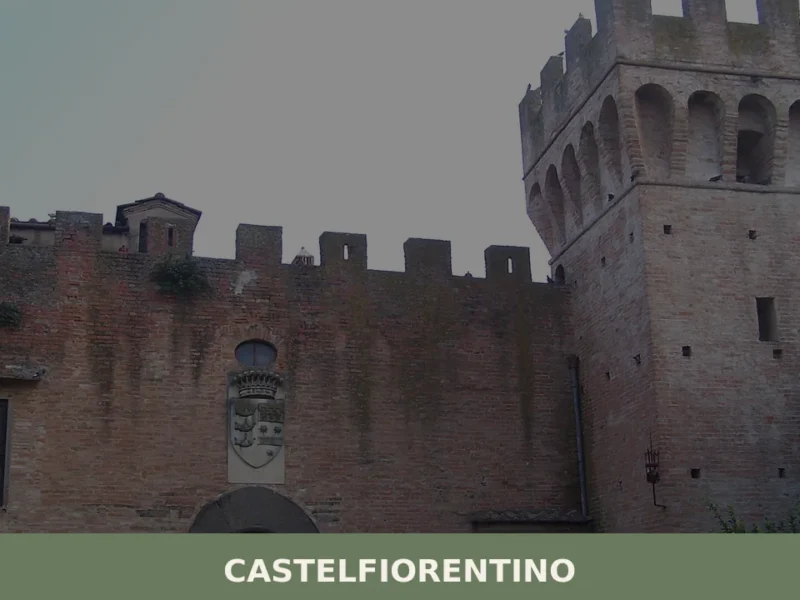
Castelfiorentino
Plains
What to see in Castelfiorentino, Italy: 6 top attractions, history from 1149, the Sanctuary of Santa Verdiana and a crucifix by Giovanni Pisano. Discover now.
Bagni di Lucca
Plains
A comune of 5,560 residents in Lucca province, Bagni di Lucca centres on warm springs and the Serchio river corridor. Its identity rests on water and geology.
Borgo San Lorenzo
Plains
What to see in Borgo San Lorenzo, Italy: top attractions, local food, and how to get there. 20 km from Florence, 193 m altitude. Discover the Mugello valley.
Pontremoli
 Hills
Hills
Pontremoli has a current population of 7,593 and sits at an elevation of 236 metres in the valley of the River Magra, in the province of Massa and Carrara. The central hub of historic Lunigiana, the town is crossed by the route of the Via Francigena — stop number 28 on the itinerary of Sigeric, […]
Barberino Val d’Elsa
Plains
The grey sandstone stones of the Palazzo Pretorio still bear the coats of arms of the Florentine families entrusted with governing this medieval outpost: a register carved in stone that tells six centuries of political domination without the need to open a single archive. In this article History and origins of Barberino Val d’Elsa What […]
Firenze
Plains
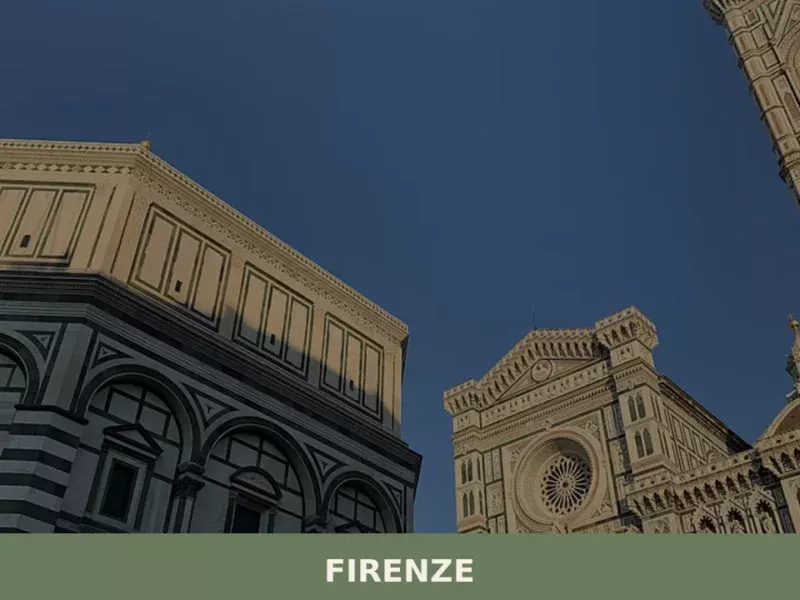
Founded by the Romans as a military colony around 59 BC under the name Florentia, the city we know today as Florence has passed through nearly two millennia of history without ever ceasing to reinvent itself. The regional capital of Tuscany, it sits 50 metres above sea level along the banks of the Arno, with […]
Livorno
 Sea
Sea
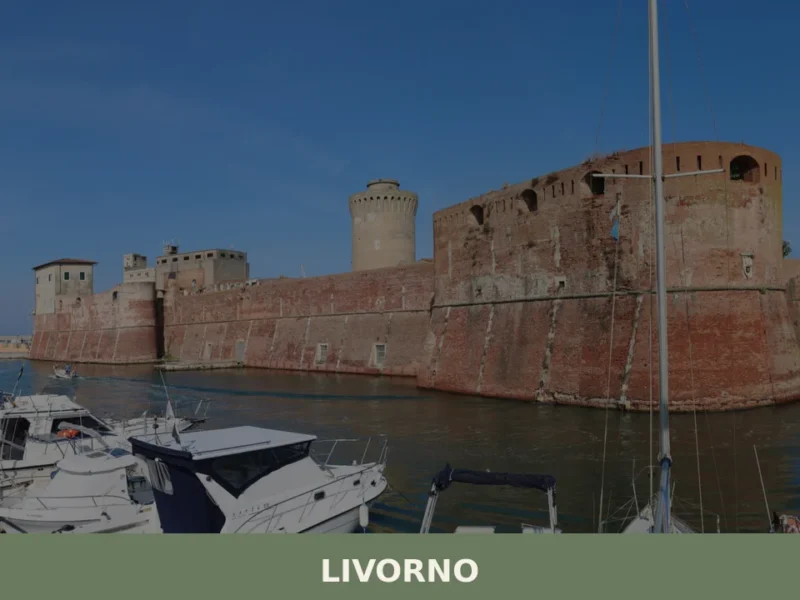
What to see in Livorno, a port city of 157,000 on the Tyrrhenian coast: Fortezza Vecchia, Quartiere Venezia, cacciucco, Terrazza Mascagni. Plan your visit now.
Licciana Nardi
Hills
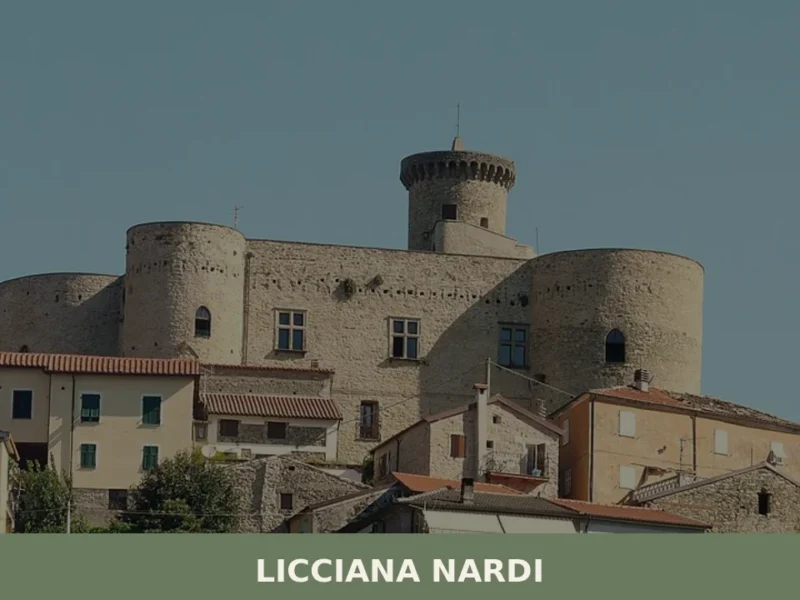
The territory of Licciana Nardi includes six castles spread between the valley floor and the Apennine slopes, a concentration of defensive structures that documents the strategic role of this stretch of Lunigiana in controlling the routes between the Po Plain and the Tyrrhenian coast. With its 4,894 inhabitants distributed across 55 square kilometres at an […]
Comano
Hills
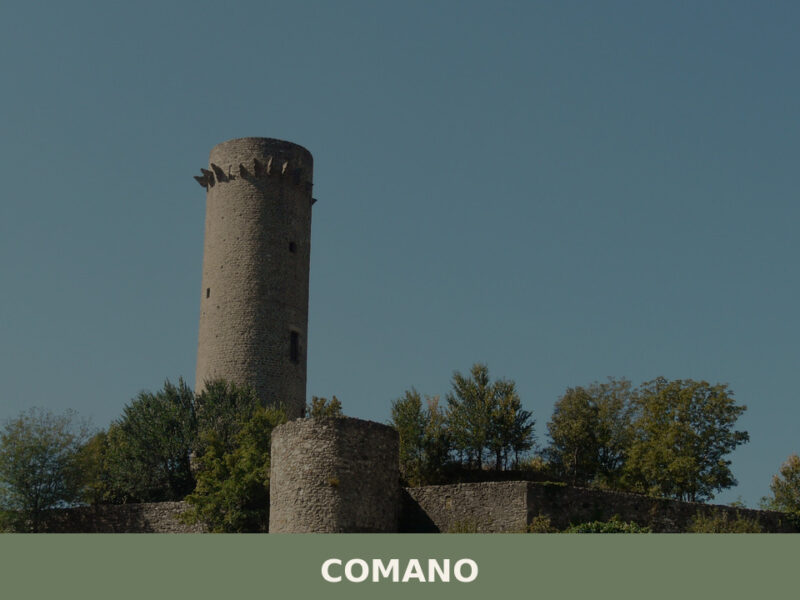
Morning fog lifts slowly from the Taverone valley, revealing stone walls the colour of weathered bone. A church bell marks the hour — its echo rolls across chestnut groves before dissolving into silence. Comano sits in the upper Lunigiana, a commune of scattered hamlets across the hills of Massa e Carrara province, home to just […]
Villafranca in Lunigiana
Plains
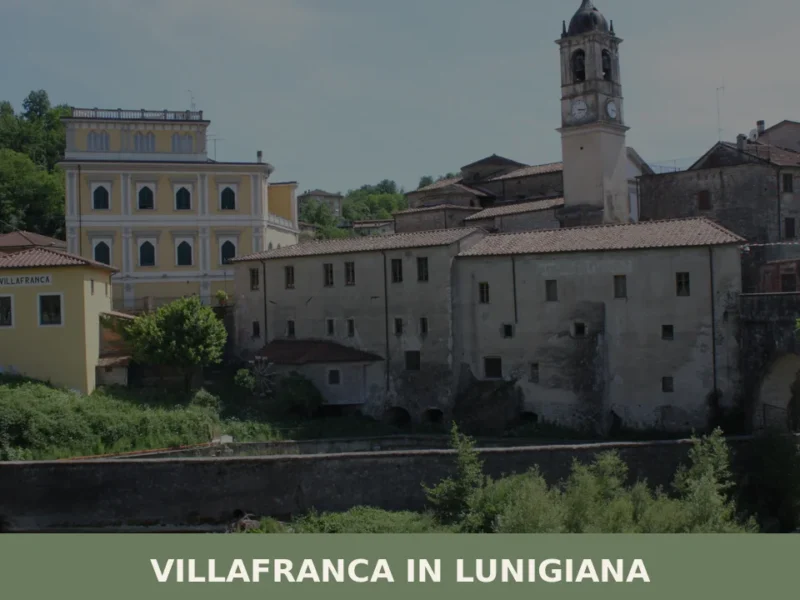
What to see in Villafranca in Lunigiana: explore the Via Francigena, medieval churches and local cuisine in Toscana, Italy. Population 4,803. Discover it now.




🏡 Know Bagno a Ripoli better than we do?
If you’re a local or have been there, your knowledge matters: add what’s missing or fix a detail on this page.