


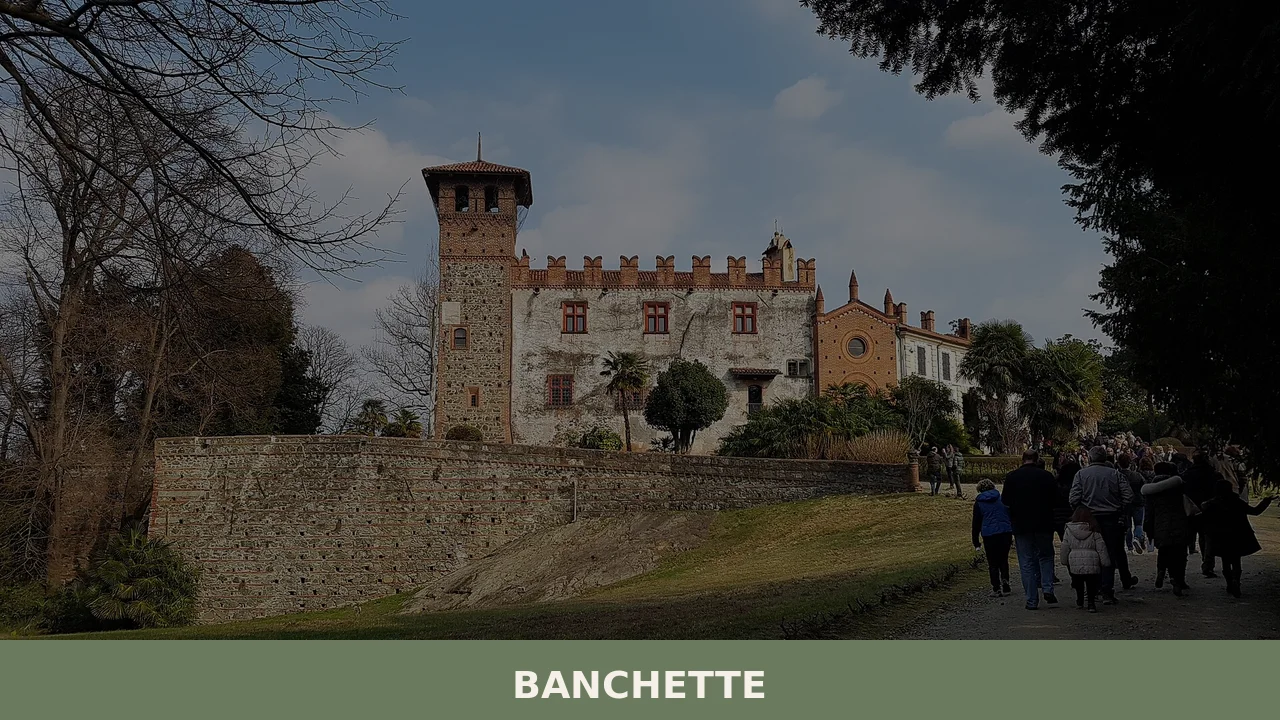
Banchette
 Hills
Hills
Banchette is a municipality of 3,087 inhabitants in the province of Turin, situated at 266 metres above sea level on the Canavese plain, a few kilometres from Ivrea. Those wondering what to see in Banchette will find a settlement whose modern identity owes more to industry than to the Middle Ages: the area underwent significant […]
Discover Banchette
Banchette is a municipality of 3,087 inhabitants in the province of Turin, situated at 266 metres above sea level on the Canavese plain, a few kilometres from Ivrea. Those wondering what to see in Banchette will find a settlement whose modern identity owes more to industry than to the Middle Ages: the area underwent significant economic transformations during the twentieth century, and the urban fabric reflects this directly. The patron saint of the municipality is James the Greater, celebrated every year on 25 July.
History and origins of Banchette
The place name “Banchette” most likely derives from a diminutive or derivative form of the word “banca” or “banco”, referring to natural terraces or morphological rises typical of the Canavese plain. This type of place name is common in Piedmont to indicate land formations associated with water management or cultivation. The territory of Banchette belongs historically to the geographical region of Canavese, an area that in the Middle Ages fell under the control of the bishops of Ivrea and later the House of Savoy, following the political trajectory of eastern Piedmont.
The municipality became an autonomous administrative entity relatively recently compared to the medieval villages of the Turin province. For centuries the territory was tied to the fortunes of Ivrea, the main urban centre of Canavese, just a few kilometres away. As documented in the encyclopaedia entry for the village, the community retained a rural character until the industrial expansion of the last century, when proximity to Ivrea — home of Olivetti — redefined the social and economic structure of the entire Canavese area, Banchette included.
The feast day in honour of Saint James the Greater, fixed on 25 July, is the liturgical and civic event that has marked the local calendar with continuity traceable at least to the early modern period. This dedication to the apostle James is widespread throughout Piedmont and is intertwined with the historical pilgrimage routes to Santiago de Compostela, which also passed through Canavese along well-established overland paths. Ecclesiastical membership of the Diocese of Ivrea established the religious framework within which community life in the village developed for centuries.
What to see in Banchette: 5 key attractions
1. The Parish Church of San Giacomo Maggiore
The municipality’s main religious landmark is dedicated to its patron saint, James the Greater, whose feast day falls on 25 July. The building represents the historic centre of community life in Banchette and retains the architectural features typical of rural parish churches in the Piedmontese Canavese.
2. The Canavese landscape and the surrounding plain
Banchette stands at 266 metres above sea level, in a stretch of plain that offers a clear view towards the Canavese Pre-Alps. The surrounding agricultural landscape, with its fields and irrigation canals characteristic of the Piedmontese plain, reflects the territory’s original rural vocation before the transformations of the twentieth century.
3. Ivrea and the industrial Canavese
A few kilometres from Banchette lies Ivrea, inscribed in 2018 on the UNESCO World Heritage List as an “Industrial City of the 20th Century” for its Olivetti complex. This geographical proximity makes Banchette a natural entry point to this urban and historical system of international importance.
4. The plain’s irrigation network
The system of canals and irrigation channels running through the municipal territory forms part of the historic water network of Canavese, built and managed for centuries to support local agriculture. These elements of the agrarian landscape offer a concrete reading of the pre-industrial territorial organisation of the area.
5. The civic centre and twentieth-century urban fabric
The built core of Banchette reflects the demographic growth associated with the Ivrea industrial hub in the second half of the twentieth century. The contrast between older structures and housing built between the 1950s and 1970s provides a layered view of the village’s social evolution.
Local cuisine and food products
Banchette belongs to the gastronomic tradition of Canavese, one of the areas of Piedmont with a particularly defined and recognisable culinary repertoire. The territory’s signature product is Toma del Canavese, a semi-hard cheese made from whole or partially skimmed cow’s milk, recognised as an Italian Traditional Agri-food Product (PAT). Related to it is Salignön, a fresh goat’s or mixed-milk cheese typical of the Canavese mountains, produced by hand and consumed locally. Among cured meats, the local tradition includes salame di turgia, a pork sausage typical of the Piedmontese countryside. These products can be found at the weekly markets in Ivrea, the main market hub for the surrounding area.
Canavese cuisine is built on peasant-based preparations that make the most of local ingredients. Polenta concia, made from maize flour and dressed with butter and melted local cheese, is a regular feature on winter tables throughout the area. Canavese-style risotto uses rice grown in the paddies of the Vercelli-Turin plain, flavoured with local wines such as Erbaluce di Caluso DOCG, produced in the immediate vicinity on glacial moraine soils. Erbaluce is the benchmark white wine for the entire Canavese area: dry, with a pronounced acidity and a distinctive mineral character, it is one of the oldest denominazioni di origine controllata e garantita in Piedmont. Caluso Passito DOCG, made from the same grapes left to dry, rounds out the local wine offering.
When to visit Banchette: the best time of year
The most favourable time to visit Banchette and Canavese is late spring — between May and June — when temperatures are mild and the agricultural landscape is in full season. Autumn, from September to October, offers similar conditions and coincides with the Erbaluce di Caluso harvest, which brings activity to the wine-producing municipalities of the area. On 25 July, the feast of Saint James the Greater, those wishing to observe village community life at its most publicly visible will find the most to see.
Summers in Canavese can be hot and humid on the plain, with temperatures frequently exceeding 30 degrees. Winter brings persistent fog to the Turin plain, a climatic factor worth bearing in mind for anyone planning visits between November and February. Ivrea, just a few kilometres away, hosts its celebrated Storico Carnevale di Ivrea each year before Lent, featuring the Battle of the Oranges — an event that draws visitors from across Piedmont and makes advance booking for local accommodation essential during that period.
How to get to Banchette
Banchette is well connected to the main road and rail routes of north-eastern Piedmont. The key practical details are as follows:
- By car from Turin: approximately 50 km along the SS 460 towards Ivrea, or via the A5 Turin–Aosta motorway with the Ivrea exit, followed by a short drive on local roads.
- By car from Milan: approximately 110 km via the A4 motorway to Santhià, then the SP 72 link road towards Ivrea.
- By train: the nearest railway station is Ivrea, served by the Turin–Ivrea–Aosta line with frequent regional trains. From Ivrea, Banchette can be reached in a few minutes by local bus or taxi.
- By air: the nearest airport is Turin Caselle (TRN), approximately 40 km away, connected to Turin by shuttle bus and train.
Where to stay in Banchette
Banchette does not have an extensive accommodation offer, given its size — 3,087 inhabitants — and its position as a residential municipality within the orbit of Ivrea. Those looking for a place to stay while visiting the village and the Canavese area will find the greatest concentration of hotels, B&Bs and rooms for rent in the centre of Ivrea, which is just a few kilometres away and equipped to receive visitors throughout the year. Holiday rental platforms also offer options in smaller municipalities in the area, including some rural hamlets on the Canavese plain.
For stays focused on nature and food and wine, the hillside agriturismi in the Erbaluce area — in the municipalities around Caluso and Candia Canavese — offer a direct connection to the agricultural landscape. During the Storico Carnevale di Ivrea, availability across the entire area fills up quickly: booking several weeks in advance is necessary at that time of year. For other seasons, booking 7 to 10 days ahead is generally sufficient.
Other villages to explore in Piedmont
Piedmont is a region made up of very different areas, and travelling even a short distance can mean encountering entirely different landscapes and histories. In eastern Canavese, not far from Banchette, Azeglio is worth visiting — a municipality overlooking its namesake lake, with a lakeside character that is rare in this part of Piedmont. Moving towards the hills of the Turin area, Bairo offers direct contact with the hilly terrain of the inner Canavese, where the landscape changes markedly from the plain below.
For those building a broader itinerary across Piedmont, two villages in different provinces round out the regional picture well. Airasca, in the Pinerolese area south of Turin, is another example of a plains municipality with a well-documented agricultural history. Further south, Cuneo is the main town of one of Italy’s largest provinces, a gateway to the Maritime Alps and the centre of a gastronomic tradition — from Cuneesi al Rum chocolates to the Marrone di Cuneo IGP — that deserves its own dedicated exploration. Taken together, these villages and towns illustrate the geographical and cultural variety that defines Piedmont.
Frequently asked questions about Banchette
What is the best time to visit Banchette?
The best time to visit Banchette is during late spring, from May to June, when temperatures are mild, making it ideal for exploring the agricultural landscape. Another good period is autumn, particularly from September to October, coinciding with the grape harvest for the renowned Erbaluce di Caluso wine. Visiting on 25 July offers a chance to experience the feast of Saint James the Greater, adding cultural depth to your travel.
What to see in Banchette? Main monuments and landmarks
The Parish Church of San Giacomo Maggiore is a key landmark in Banchette, reflecting typical rural church architecture of the Canavese area. This church, dedicated to the village's patron saint, is central to the community. Additionally, the nearby Canavese landscape offers picturesque views of the Pre-Alps and fields, highlighting the region's rural heritage.
Who is Banchette suitable for? Families, couples, hikers, solo travelers?
Banchette is suitable for visitors interested in exploring cultural history and rural landscapes. Couples and solo travelers will appreciate the peaceful environment and scenic views of the Canavese plain. Wine enthusiasts will find delight in the local viticulture, while those interested in industrial history can explore nearby Ivrea's UNESCO-listed sites. It's an ideal destination for those seeking a mix of culture and nature.
Nearby Villages near Banchette
In Piedmont More villages to discover
Angrogna
 Mountain
What to see in Angrogna: Chanforan, the Ghieisa d'la Tana, Waldensian trails, historic hamlets and mountain cuisine. A complete guide to the village.
Pragelato
Mountain
Pragelato sits at around 1,524 metres above sea level in Val Chisone, approximately 82 kilometres west of Turin, and its Occitan name — Pradzalà or Prajalats — translates directly as “frozen meadow”, a reference to the high-altitude pastures that define the landscape here. With a resident population of 692, this is a compact Alpine commune […]
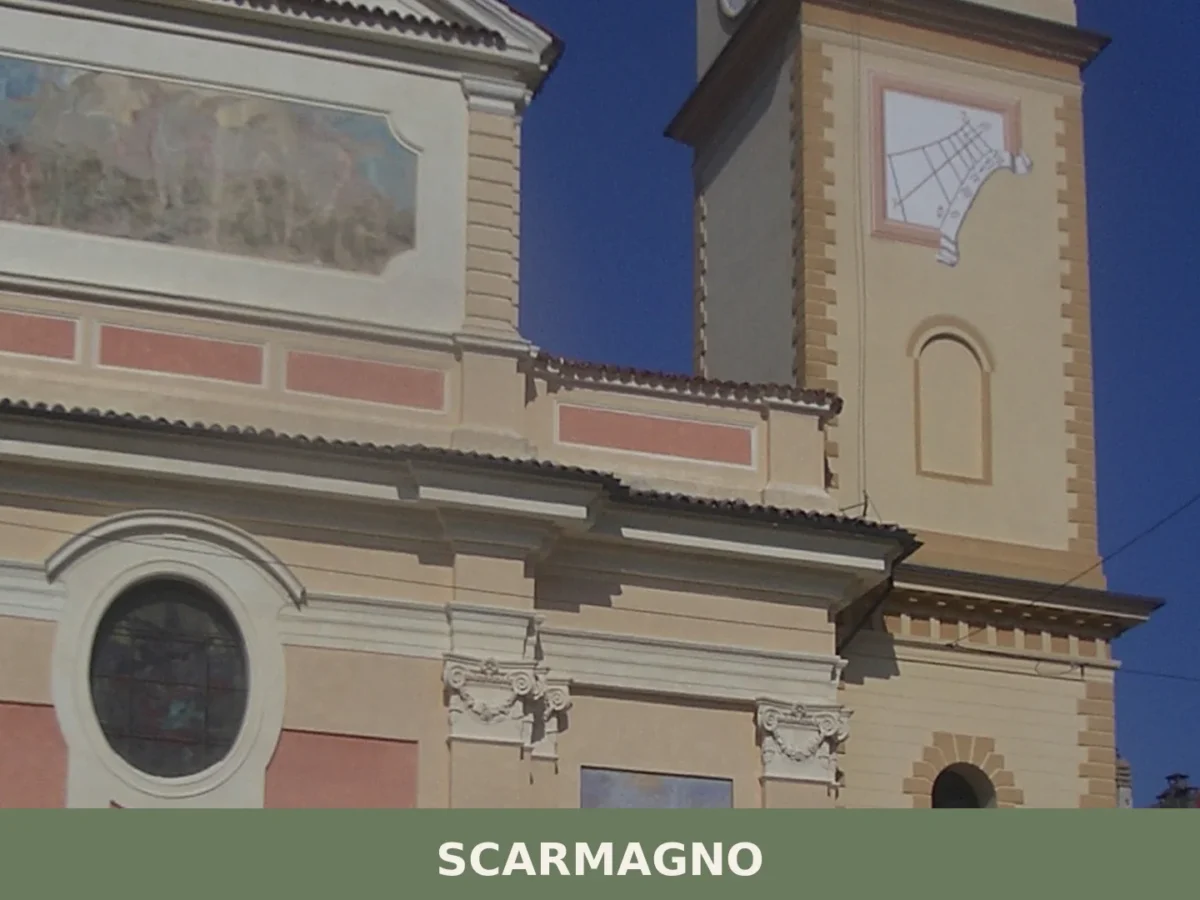
Scarmagno
Mountain
Population 796. A small Piedmontese comune where 10th-century stone chapels stand within sight of the automated Olivetti plant that once produced 200,000 computers annually.

Strambino
 Plains
6,000 residents, one castle on a hill, and a church whose floor plan mirrors a frog. Strambino offers a layered Canavese identity few visitors expect.
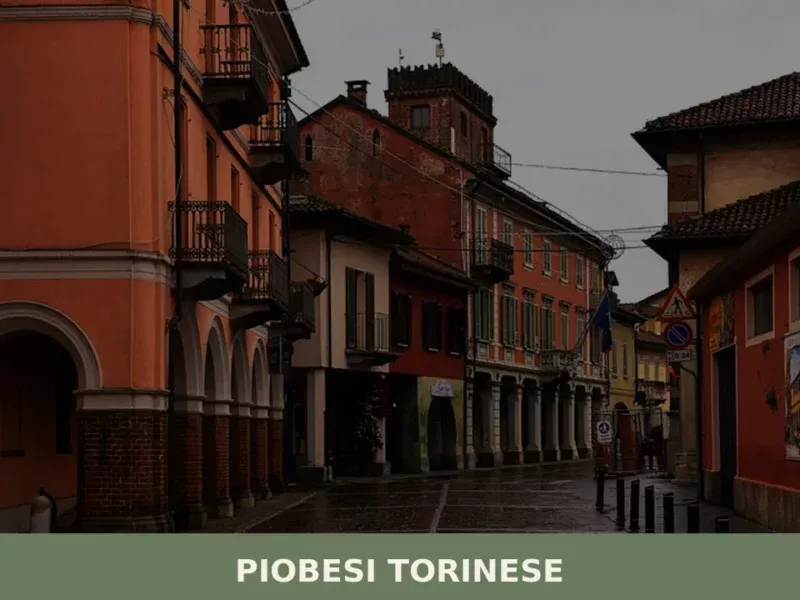
Piobesi Torinese
Plains
Scopri Piobesi Torinese, affascinante borgo piemontese: storia, attrazioni, tradizioni e consigli pratici per visitarlo al meglio.

Pont-Canavese
Hills
A village of 3,020 people where two rivers meet and medieval towers dominate the skyline. Ancient churches, ethnographic collections and industrial heritage reveal centuries of mountain life.
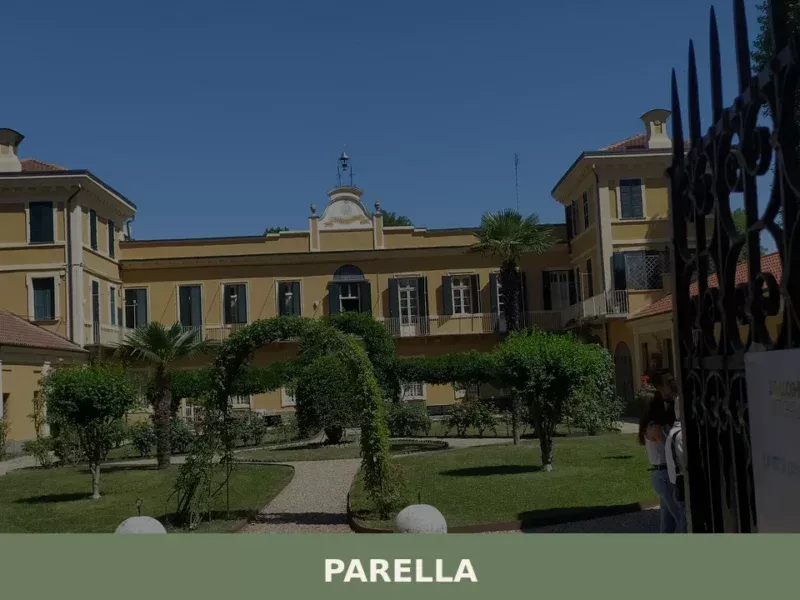
Parella
Hills
Scopri Parella borgo Piemonte: un affascinante villaggio storico tra castelli, natura e tradizioni antiche. Visita uno dei gioielli nascosti del Canavese!
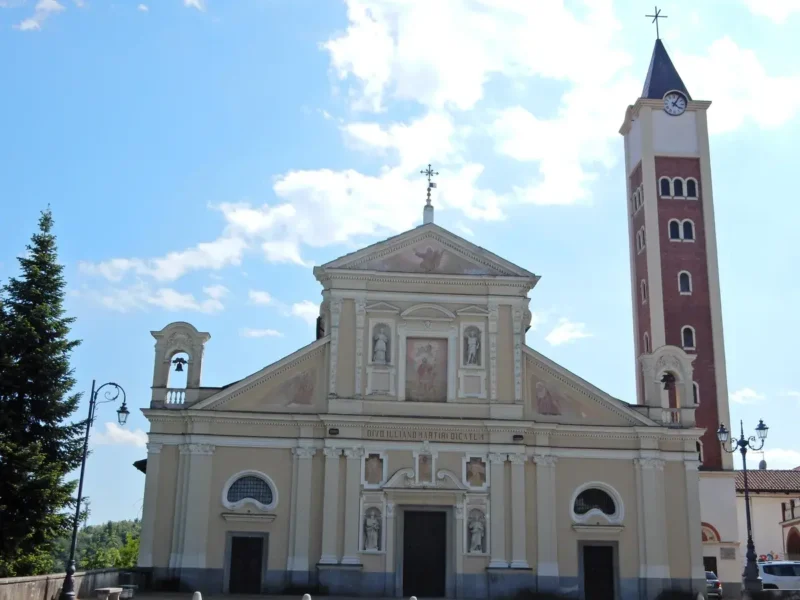
Barbania
Hills
What to see in Barbania: 5 attractions in this Piedmontese village, from the parish church to the castle. Discover the complete guide to plan your visit.
Salassa
Hills
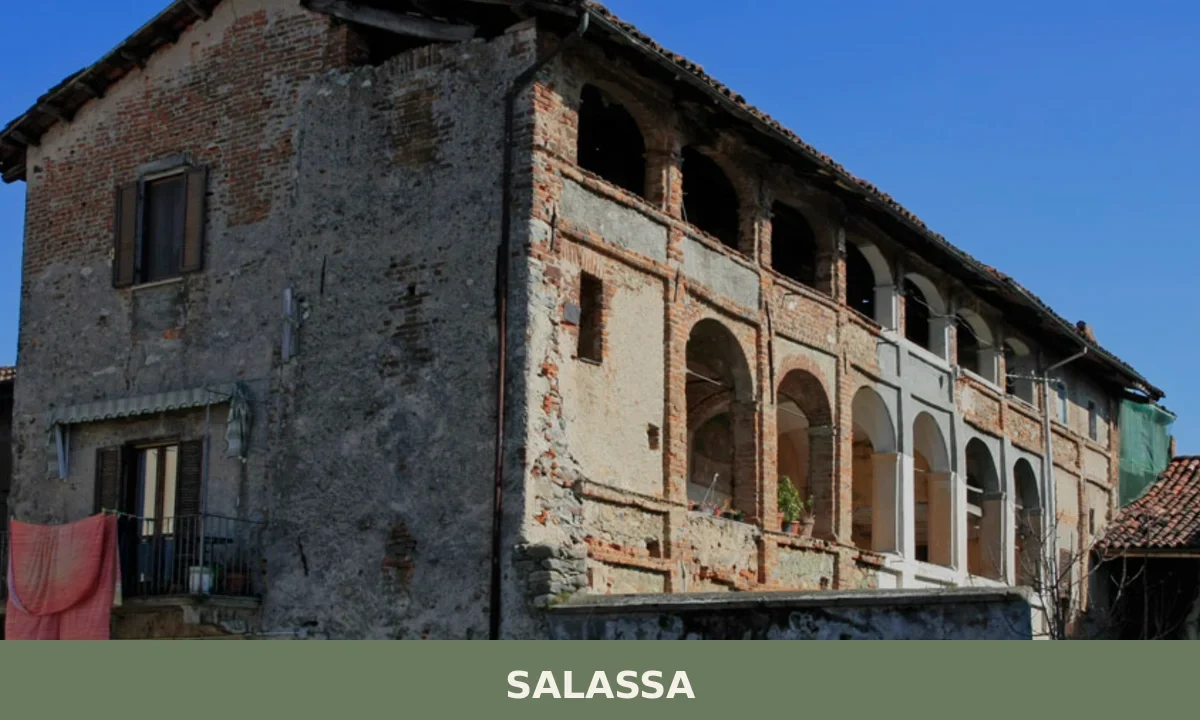
Population 1,862. A medieval comune with a 24-metre river-stone tower and 13th-century fortified enclosure, accessible by metro rail from Turin.

Pomaretto
Mountain
Discover what to see in Pomaretto, a 937-inhabitant Waldensian village in the Val Chisone near Torino — history, food, travel tips and local culture.
🏡 Know Banchette better than we do?
If you’re a local or have been there, your knowledge matters: add what’s missing or fix a detail on this page.