


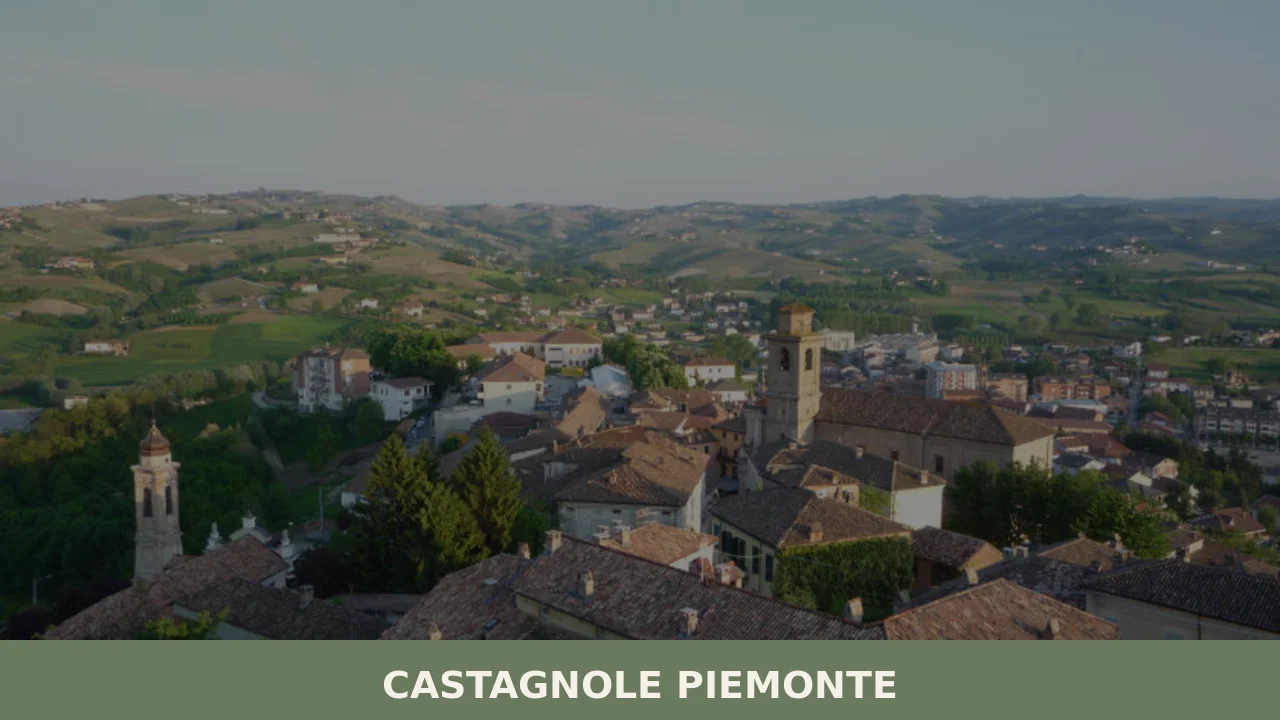
Castagnole Piemonte
 Plains
What to see in Castagnole Piemonte, Italy — 20 km from Turin. Explore 5 top attractions, local food traditions and practical travel tips. Discover Piemonte.
Discover Castagnole Piemonte
The plain southwest of Turin carries a particular quality of light in the early hours — flat, diffuse, rolling across rice paddies and maize fields without a hill to interrupt it. At 20 kilometres (12 mi) from the regional capital, the territory of Castagnole Piemonte sits at the edge of the Po plain where the lowlands of the Torinese countryside press against the first gentle rises toward the Saluzzo hills. The village is compact, its streets laid out in the measured grid of a comune — a municipality — that has organised itself around the rhythms of agriculture for generations.
Deciding what to see in Castagnole Piemonte starts with understanding its position in the Metropolitan City of Turin, Piemonte, Italy.
The municipality draws visitors looking for a day trip from Turin, an encounter with Piedmontese rural architecture, and the table traditions of the Po plain. Castagnole Piemonte highlights include its parish church, the surrounding agricultural landscape, and the local food culture tied to the crops and livestock of this lowland corridor. Visitors to Castagnole Piemonte find a working village that functions independently of the tourist circuits concentrated further south toward the Langhe.
History of Castagnole Piemonte
The name Castagnole derives from the Latin castanea, a reference to chestnut trees that once marked the local landscape. In the Piedmontese dialect and in Arpitan — the Franco-Provençal language historically spoken across parts of northwestern Italy and Savoy — the village is called Castagnòle, a form that preserves the older phonology of the region. This dual linguistic identity reflects the layered history of western Piedmont, a territory that passed through Lombard, Frankish, and eventually Savoyard control before becoming part of the unified Italian state in 1861.
During the medieval period, the plain southwest of Turin was divided among a series of small lordships tied to the more powerful ecclesiastical and noble families of the region.
The territory that includes today’s Castagnole Piemonte was part of the broader contest between the Marquisate of Saluzzo and the House of Savoy, a rivalry that shaped borders, road networks, and settlement patterns across this corridor for several centuries. Villages in the Torinese lowlands, including those along the Pellice and Chisone river systems, were repeatedly involved in military passages and administrative reorganisations as Savoy consolidated its control over Piedmont. Comparable dynamics affected neighbouring communities such as Andezeno, another Torinese comune that experienced the same cycles of Savoyard administration during the early modern period.
By the nineteenth century, Castagnole Piemonte had settled into its identity as a rural agricultural municipality. The unification of Italy brought administrative standardisation, and the village became part of the Province of Turin — now reorganised as the Metropolitan City of Turin. The twentieth century brought mechanisation to the surrounding fields, and the economy shifted from subsistence farming toward more specialised cereal and livestock production.
The population remained modest, as was typical for lowland Piedmontese communes of similar size, and the village retained the compact built form — a central parish, a main square, residential blocks of rendered brick — that characterises this part of the Po plain.
What to see in Castagnole Piemonte, Piemonte: top attractions
The Parish Church of Castagnole Piemonte
The parish church stands at the social centre of the village, its brick façade typical of the lowland Piedmontese religious architecture that developed between the seventeenth and eighteenth centuries. Brick was the dominant building material across the Po plain where stone was scarce and river clay abundant, and the church reflects this construction logic directly. Inside, the proportions follow the single-nave layout common to rural Piedmontese parishes, with side chapels inserted as the community expanded its devotional needs over time. Visit during morning hours when the light enters from the east-facing windows and the interior is at its clearest.
The Historic Village Centre
The built fabric of Castagnole Piemonte concentrates within a compact perimeter of a few hundred metres, organised around the main square and the streets radiating from the parish church. The rendered brick construction — characteristic of settlements on the Turin plain — gives the village a consistent material identity that distinguishes it from the stone villages of the Piedmontese hills 30 to 40 km (19 to 25 mi) to the south and west. Walking the central streets takes no more than twenty minutes, but the density of the built fabric rewards close observation: doorways, courtyard gates, and the proportions of the older residential blocks reflect the domestic architecture of rural Piedmont from the eighteenth and nineteenth centuries.
The Agricultural Landscape of the Turin Plain
Castagnole Piemonte sits at an elevation of approximately 280 m (919 ft) above sea level, on the flat lowland corridor that extends southwest of Turin toward the Cuneo plain.
The surrounding fields — used for cereal cultivation, maize, and in some areas rice — give the village its geographical context and explain the settlement’s historical orientation toward agricultural production rather than trade or manufacturing. The geometry of the fields, the irrigation channels, and the rows of poplars planted as windbreaks form a landscape type specific to the Po basin. Walking or cycling the minor roads that cross this territory in spring and early summer, when the fields are actively growing, provides the clearest reading of how the village relates to its land.
The Road Network and Connections to Nearby Villages
One practical attraction of Castagnole Piemonte is its position as a junction point in the network of minor roads connecting the smaller Torinese comuni of the southwest plain. The village lies roughly 20 km (12 mi) from Turin by road and is linked to several neighbouring municipalities by straight, flat provincial roads that cross the agricultural landscape.
This road structure, established during the Savoyard period and formalised in the nineteenth century, still organises movement across the plain. Travellers using Castagnole Piemonte as a base can reach the village of Busano in the Canavese area of Piemonte within an hour by car, combining the visit with a broader reading of the Metropolitan City of Turin’s rural geography.
Views Toward the Alpine Arc
On clear days — most reliably between October and March, when the Po plain fog has not yet settled — the western and northern skyline from Castagnole Piemonte opens toward the Alpine arc. The chain of peaks visible from the plain includes sections of the Cottian Alps to the southwest and the Graian Alps to the northwest, with the highest summits reaching above 3,000 m (9,843 ft). This view is not framed by a specific belvedere or designated viewpoint but is instead encountered from the open fields at the village edge, where the absence of elevation on the plain allows an unobstructed horizontal sightline of 60 to 80 km (37 to 50 mi) on the best days.
Autumn mornings, before the first fog banks of the season, typically offer the longest visibility.
Local food and typical products of Castagnole Piemonte
The food culture of the Turin plain is rooted in the agricultural economy that has shaped this territory for centuries. Castagnole Piemonte sits within the broader Piedmontese culinary tradition, which draws on the produce of the Po basin — cereals, maize, livestock — and on the more elaborate preparations associated with the Savoyard court that made Turin its capital from the sixteenth century onward. The local table reflects both registers: the peasant dishes built on polenta, slow-cooked meats, and preserved vegetables, and the refined preparations that filtered down from the urban tradition to become part of the regional repertoire across all social levels.
Among the dishes most closely associated with the Torinese lowland tradition, polenta concia stands out as a direct product of the maize cultivation that dominates the surrounding fields. Made with coarsely ground maize flour, cooked slowly in a copper pot and enriched with local butter and aged cheese, it is a preparation that requires time and a specific ratio of liquid to grain to achieve the correct texture — dense enough to hold a shape when turned out, soft enough to absorb the fat without becoming heavy.
Brasato al Barolo, beef braised for several hours in Barolo wine with vegetables and spices, appears across the Piedmontese lowlands and hills alike, though the wine itself originates from the Langhe hills approximately 60 km (37 mi) to the south. Tajarin, the Piedmontese egg pasta cut into thin ribbons, is typically served with a butter and sage dressing or with a meat sauce based on offal, and the very high egg yolk ratio — sometimes up to thirty yolks per kilogram of flour — distinguishes it from other Italian pasta traditions.
Among the certified products associated with the broader Piedmontese territory that encompasses the area around Castagnole Piemonte, the Nocciola Piemonte IGP (IGP — Indicazione Geografica Protetta, Protected Geographical Indication) is the most significant. This designation covers hazelnuts grown in specific Piedmontese provinces and is used extensively in confectionery, paste, and the regional chocolate tradition.
While the primary production zone for Nocciola Piemonte IGP concentrates in the Langhe and Monferrato hills, the product circulates throughout the region and is a standard reference point in Piedmontese pastry. The Grappa di Barolo, distilled from the grape pomace remaining after Barolo wine production, is another regionally certified spirit found across Piedmontese markets and producer outlets.
Local markets in the municipalities of the Turin metropolitan area typically run through the autumn months, coinciding with the harvest season. September and October bring the most active period for agricultural produce in the plain, when maize is harvested and the first cold nights begin to concentrate the flavour of root vegetables. For visitors specifically interested in local food products, the weekly markets of the larger nearby centres and the periodic food fairs of the Cuneo and Turin provinces offer the widest selection of Piedmontese regional produce within a short drive of Castagnole Piemonte.
Festivals, events and traditions of Castagnole Piemonte
Like most Piedmontese comuni of its size, Castagnole Piemonte organises its public calendar around the feast of its patron saint, an occasion that brings together the religious and civic dimensions of village life.
The patron saint festival typically involves a mass in the parish church, a procession through the main streets of the village, and an outdoor gathering in the central square. In the Torinese lowland tradition, these events are accompanied by music from the local band — the banda musicale, a brass and percussion ensemble that is a fixture of Piedmontese municipal life — and in many cases by fireworks in the evening.
The agricultural calendar also marks the rhythm of local traditions in Castagnole Piemonte, as it does across the plain southwest of Turin. The end of the harvest in October and the preparation for the winter season have historically been moments of collective activity, reflected in the sagre — traditional food festivals — that punctuate the calendar of the surrounding municipalities during autumn. These events centre on specific local products: polenta, mushrooms, chestnuts, and the first pressing of local grape varieties. Visitors planning a trip to the area in September or October are most likely to encounter this seasonal festival culture in the villages within a 20 to 30 km (12 to 19 mi) radius of Castagnole Piemonte.
When to visit Castagnole Piemonte, Italy and how to get there
The best time to visit Castagnole Piemonte depends on what a traveller is looking for.
Spring — from late March through May — brings the plain to full agricultural activity and offers the clearest Alpine views before the summer haze builds. Autumn, from September through November, combines the harvest landscape, the seasonal food culture of the surrounding area, and reliable periods of stable weather between the summer heat and the first winter fog. The Po plain fog, known locally as nebbia, can set in from November onward and reduce visibility significantly, which makes late autumn and winter visits less rewarding for those interested in the open landscape. Summer temperatures on the plain regularly exceed 30°C (86°F), making the early morning the most practical time for outdoor exploration.
Castagnole Piemonte is located approximately 20 km (12 mi) southwest of Turin, making it a straightforward day trip from the regional capital. By car, the village is accessible via the A6 Turin–Savona motorway or the SS23 state road, with journey times from central Turin of approximately 25 to 35 minutes depending on traffic. The nearest major rail hub is Torino Porta Nuova station, served by frequent connections from Milan (approximately 1 hour by high-speed train), Genoa (approximately 1 hour 45 minutes), and Florence (approximately 2 hours).
From Turin, local bus services connect the metropolitan area to the surrounding comuni, though service frequency to smaller villages like Castagnole Piemonte is limited and a car remains the most practical option. Turin Caselle Airport (TRN) lies approximately 40 km (25 mi) from the village, reachable in around 45 minutes by car. International visitors should be aware that English is not widely spoken in smaller shops and service points in this part of the Turin plain; carrying some euros in cash is advisable, as card payment infrastructure in smaller village businesses can be unreliable.
Travellers arriving from Milan can reach Turin in under an hour by high-speed rail and then continue by car to Castagnole Piemonte, making the village accessible as part of a wider Piedmontese itinerary that might also include stops in the Langhe wine country to the south. Those combining the visit with other Torinese comuni can extend the route northward toward the Canavese area, where villages such as Bairo in the Canavese district offer a contrast between the flat plain around Castagnole Piemonte and the moraine hills north of Turin.
Visitors to Castagnole Piemonte can extend their trip toward other parts of the Metropolitan City of Turin.
The village of Azeglio, situated near Lake Viverone in eastern Piedmont, shares the same administrative metropolitan context and offers a different landscape register — lake shore rather than open plain — within approximately one hour’s drive. Both destinations sit within the same broad circuit of Torinese comuni that rewards slower, road-based exploration rather than a single fixed itinerary.
Frequently asked questions about Castagnole Piemonte
What is the best time to visit Castagnole Piemonte?
The best time to visit Castagnole Piemonte depends on your interests. For experiencing the vibrant agricultural landscape, spring and early summer (April to July) are ideal for walking or cycling amidst actively growing fields. If you seek panoramic views of the Alpine arc, plan your visit between October and March on clear days, with autumn mornings often offering the longest visibility. Additionally, the village celebrates its patron saint, San Rocco, with a traditional festival on August 16th, providing a glimpse into local traditions.
What are the historical origins of Castagnole Piemonte?
Castagnole Piemonte's name is rooted in the Latin 'castanea,' referring to chestnut trees once abundant in the area. Historically, the village reflects western Piedmont's layered past, passing through Lombard, Frankish, and Savoyard control before Italy's unification in 1861. During the medieval period, it was part of the territorial contests between the Marquisate of Saluzzo and the House of Savoy. By the 19th century, it solidified its identity as a rural agricultural municipality, a character it largely retains today.
What to see in Castagnole Piemonte? Main monuments and landmarks
In Castagnole Piemonte, key attractions include the Parish Church, a prime example of 17th-18th century lowland Piedmontese brick architecture. It's best visited in the morning for optimal light. The Historic Village Centre offers a compact walk (around twenty minutes) through rendered brick residential blocks, showcasing rural Piedmontese domestic architecture from the 18th and 19th centuries. The surrounding Agricultural Landscape of the Turin Plain, with its cereal and maize fields, provides geographical context and is best explored by walking or cycling minor roads in spring and early summer.
What are the main natural or scenic attractions of Castagnole Piemonte?
Castagnole Piemonte's primary natural and scenic attractions revolve around its flat lowland setting. The Agricultural Landscape of the Turin Plain, characterized by its geometric fields, irrigation channels, and poplar windbreaks, offers a unique rural vista. From the open fields at the village edge, particularly on clear days between October and March, visitors can enjoy expansive Views Toward the Alpine Arc, encompassing sections of the Cottian and Graian Alps, with peaks reaching over 3,000 meters.
Where to take the best photos in Castagnole Piemonte?
For the best photos in Castagnole Piemonte, capture the distinctive rendered brick architecture of the Historic Village Centre, reflecting 18th and 19th-century rural Piedmont. The surrounding Agricultural Landscape of the Turin Plain, especially during spring and early summer when fields are actively growing, provides picturesque scenes of cereal and maize cultivation, irrigation channels, and poplar rows. On clear autumn mornings, the unobstructed views of the distant Alpine arc from the open fields at the village edge offer truly stunning photographic opportunities.
Are there museums, churches or historic buildings to visit in Castagnole Piemonte?
Yes, Castagnole Piemonte offers historical architectural sights. The Parish Church stands as the social center, showcasing typical 17th-18th century lowland Piedmontese religious architecture with its brick façade and single-nave layout. It is recommended to visit during morning hours for the best interior light. The Historic Village Centre itself is a collection of historic buildings, with its compact perimeter and rendered brick construction reflecting the domestic architecture of rural Piedmont from the 18th and 19th centuries. No specific museums are mentioned for the village.
What can you do in Castagnole Piemonte? Activities and experiences
In Castagnole Piemonte, visitors can immerse themselves in authentic rural Piedmontese life. Activities include exploring the compact Historic Village Centre and the Parish Church, walking or cycling the minor roads through the Agricultural Landscape of the Turin Plain, especially in spring/early summer. The village is also ideal for those interested in local food culture, offering a taste of traditional Po plain cuisine. Its strategic location makes it a convenient base for day trips to other small comuni in the Torinese southwest plain, such as Busano, within an hour's drive.
Who is Castagnole Piemonte suitable for? Families, couples, hikers, solo travelers?
Castagnole Piemonte is suitable for visitors seeking an authentic encounter with Piedmontese rural architecture and the table traditions of the Po plain. It appeals to day-trippers from Turin, those interested in agricultural landscapes, and food enthusiasts. The compact village and surrounding flat terrain make it ideal for walkers, cyclists, and families looking for a tranquil escape from urban tourist circuits. It also serves as a good base for solo travelers or couples wishing to explore the lesser-known comuni of the Metropolitan City of Turin.
What to eat in Castagnole Piemonte? Local products and specialties
The food culture of Castagnole Piemonte is deeply tied to the agricultural economy of the Turin plain. Local specialties include Polenta Concia, a hearty dish made from coarsely ground maize flour enriched with local butter and aged cheese. You can also find Brasato al Barolo, beef slow-cooked in Barolo wine, a regional classic. Tajarin, a rich egg pasta with a high yolk content, is typically served with butter and sage or a meat sauce. While primarily produced further south, the Nocciola Piemonte IGP (hazelnut) is a significant certified product used in confectionery across the broader Piedmontese territory.
📷 Photo Gallery — Castagnole Piemonte
Nearby Villages near Castagnole Piemonte
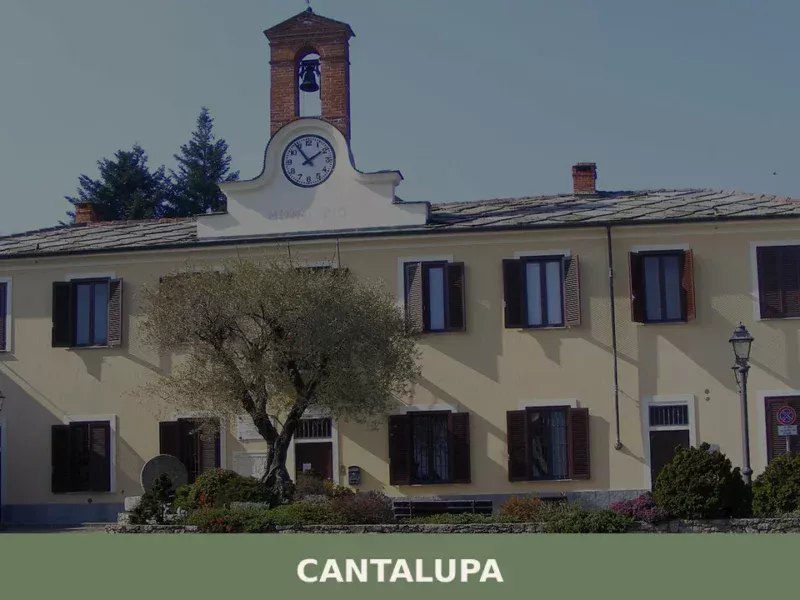
In Piedmont More villages to discover
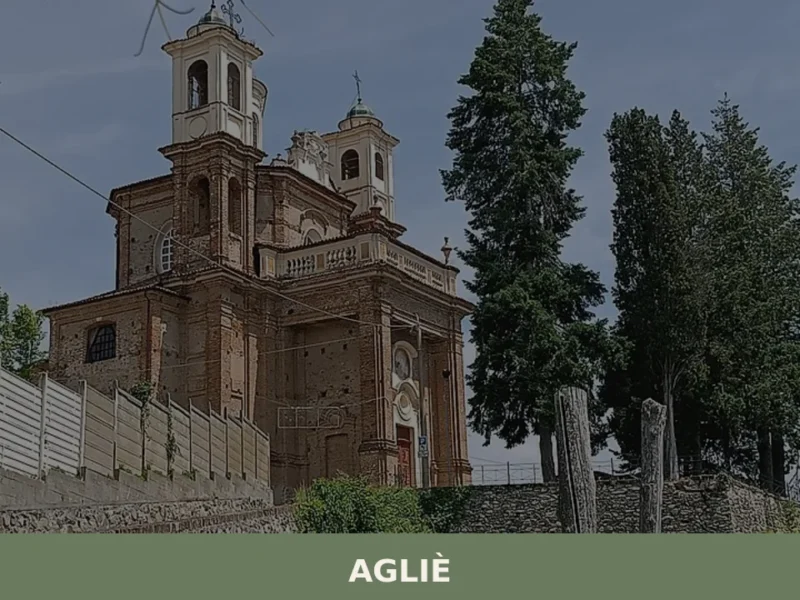
Agliè
 Hills
Hills
In 1646, Count Filippo San Martino d’Agliè — diplomat, poet, choreographer at the court of Christine of France — danced in the great hall of the castle that bears his name, directing baroque festivities destined to reshape Savoyard court ceremony. That castle still dominates the village’s skyline today with its eighteenth-century façade stretching over one […]
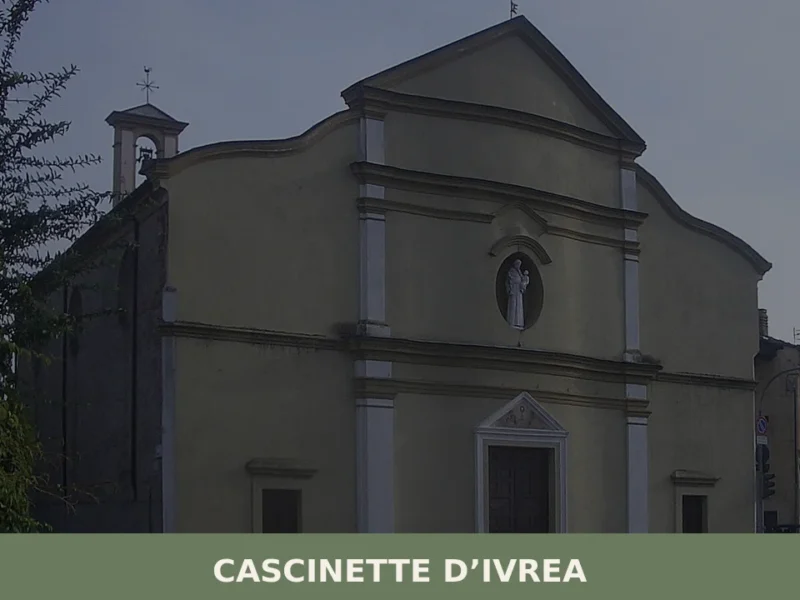
Cascinette d’Ivrea
Hills
Scopri Cascinette d'Ivrea, un incantevole borgo piemontese ricco di storia e paesaggi mozzafiato. Tutto quello che devi sapere su questo gioiello d'Italia.
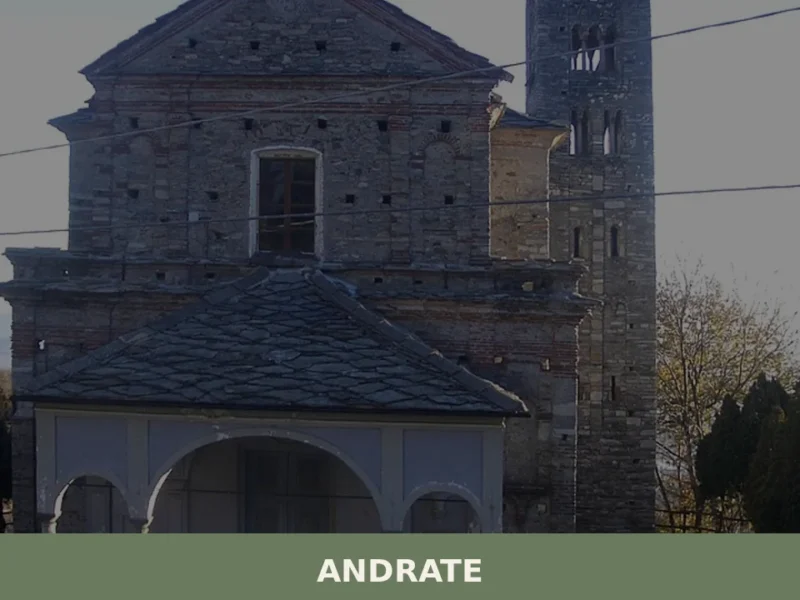
Andrate
 Mountain
What to see in Andrate in Piedmont: panoramic views over the Serra d'Ivrea, trails, chestnut groves, Canavese cuisine. Complete guide with history and practical information.
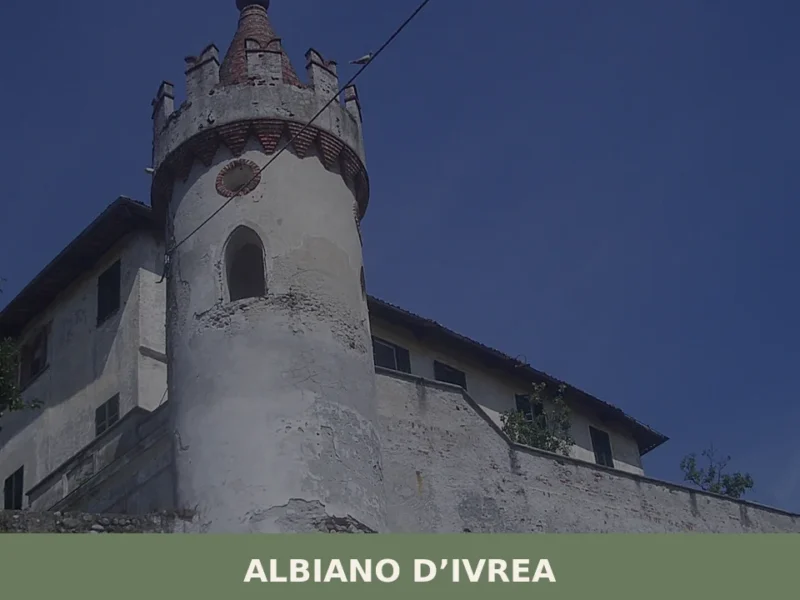
Albiano d’Ivrea
Hills
what to see ad Albiano d’Ivrea: con 1.628 abitanti, esplora la Chiesa Parrocchiale e i resti del ricetto medievale. Pianifica il tuo viaggio ora!

Rivarossa
Plains
Population 1,556. A small Piedmont village shaped by monastic settlement, noble conflicts and Swiss-French invasions—home to the Cluniac legacy of Santa Maria Maddalena.
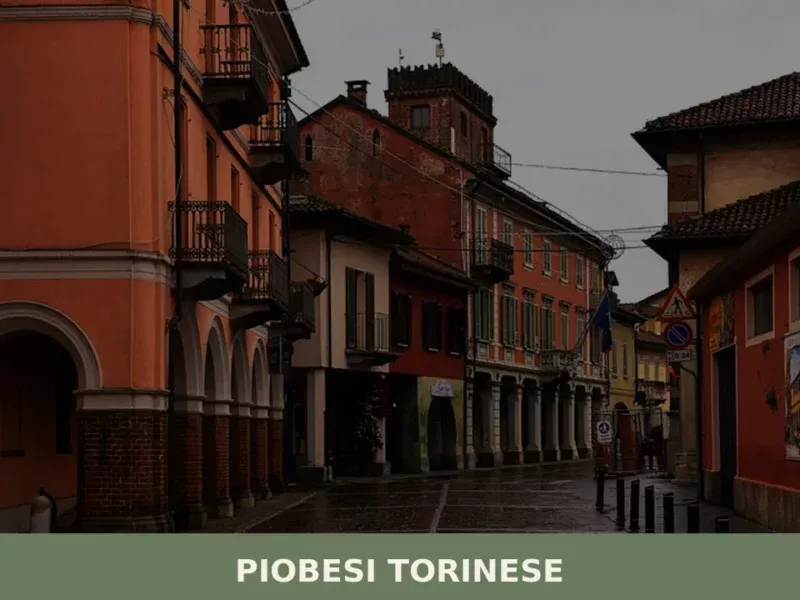
Piobesi Torinese
Plains
Scopri Piobesi Torinese, affascinante borgo piemontese: storia, attrazioni, tradizioni e consigli pratici per visitarlo al meglio.

Pont-Canavese
Hills
A village of 3,020 people where two rivers meet and medieval towers dominate the skyline. Ancient churches, ethnographic collections and industrial heritage reveal centuries of mountain life.
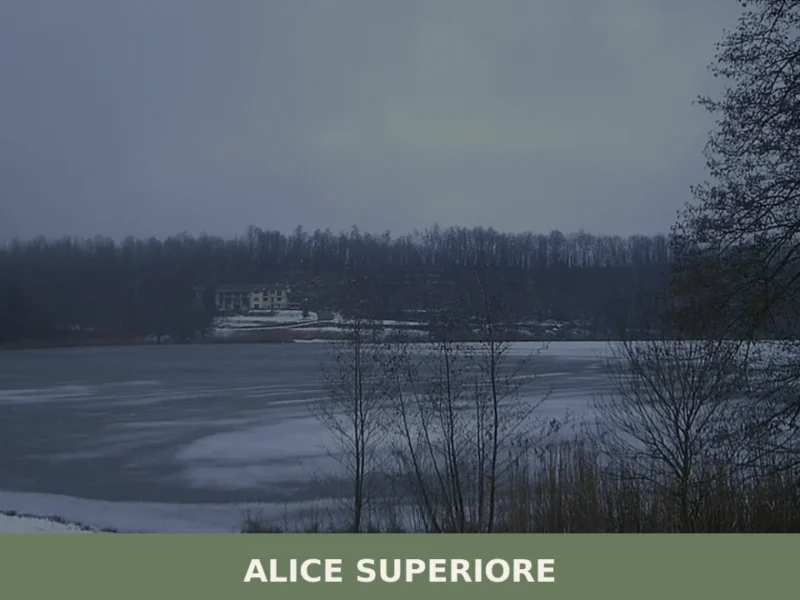
Alice Superiore
Mountain
Alice Superiore sits at 610 metres above sea level in the Chiusella Valley, a lateral branch of the Canavese district within the Metropolitan City of Torino. Home to 711 inhabitants, the village occupies a stretch of sloping terrain where chestnut woods give way to Alpine pasture. For anyone researching what to see in Alice Superiore, […]
Germagnano
Mountain
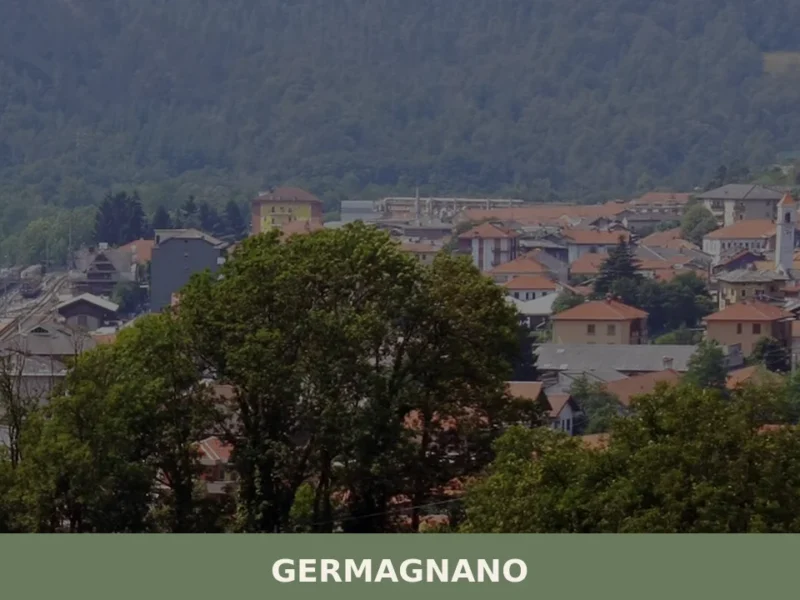
What to see in Germagnano, Italy: 30 km from Turin in the Valli di Lanzo. Discover the railway village, local cuisine and best times to visit. Read the guide.
Alessandria
Plains
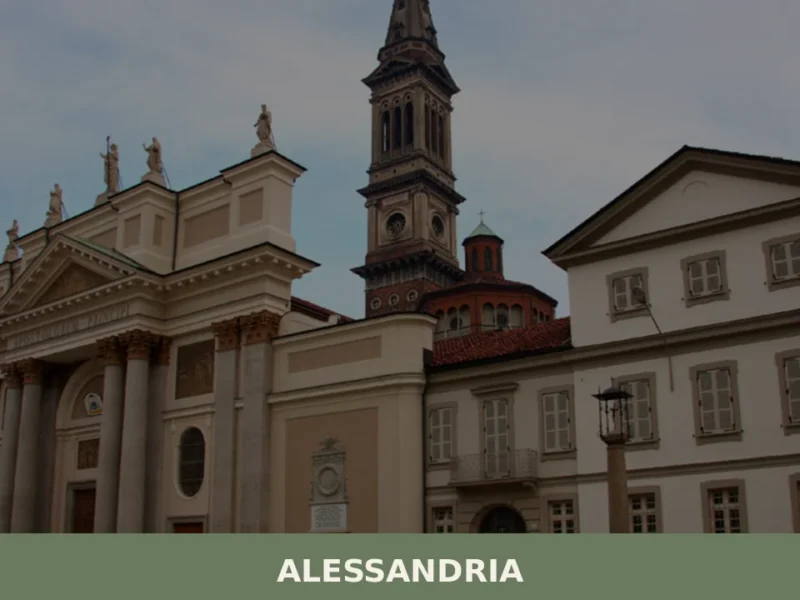
What to see in Alessandria: city at 95m in Piemonte with a military Citadel and Borsalino Museum. Explore 5 attractions, rabaton and Gavi DOCG wines.


🏡 Know Castagnole Piemonte better than we do?
If you’re a local or have been there, your knowledge matters: add what’s missing or fix a detail on this page.