


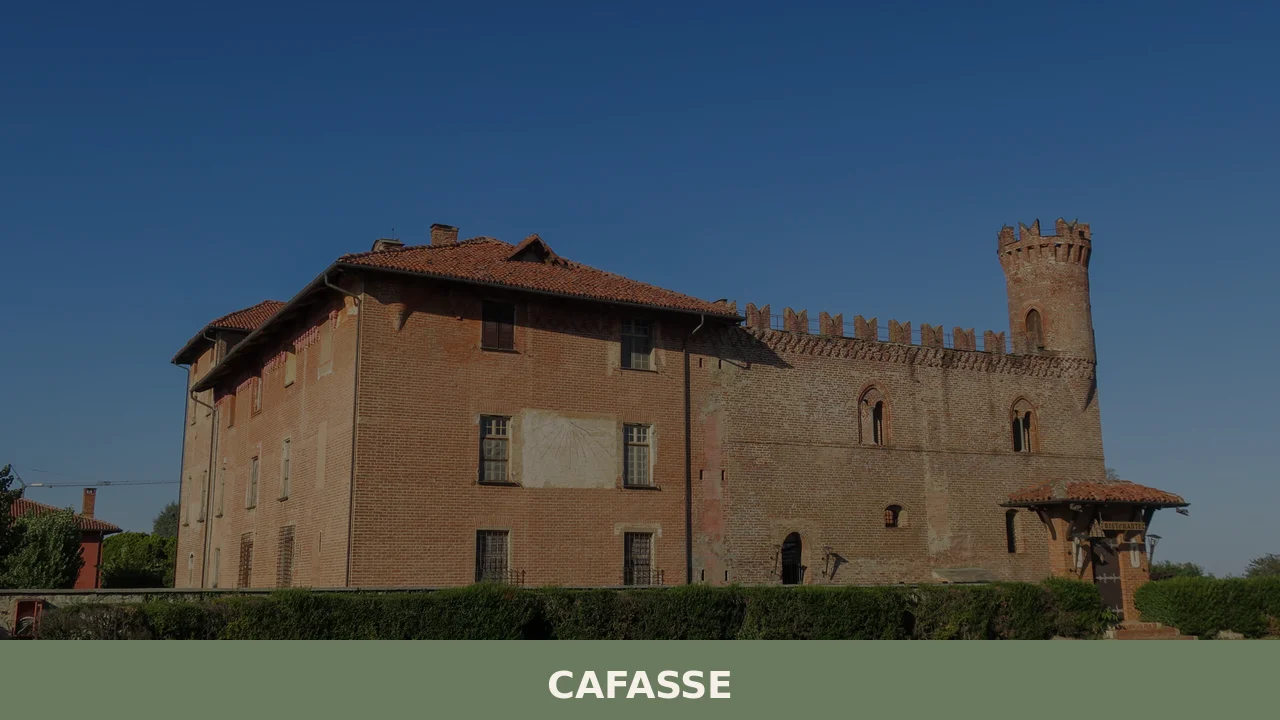
Cafasse
 Hills
Hills
What to see in Cafasse, Italy: 25 km from Turin, explore the Valli di Lanzo gateway, local cuisine and festivals. Discover the best of this Piemonte village.
Discover Cafasse
At the point where the flatlands of the Turin metropolitan area give way to the first serious inclines of the Valli di Lanzo, the road narrows and the light changes. The valley mouth frames a cluster of rooftops against a backdrop of forested ridges, and the air carries the mineral coolness that descends from the higher Graian Alps.
This is where the plain ends and where, for centuries, travellers have paused before committing to the mountain routes pressing northward.
Those planning what to see in Cafasse will find themselves 25 km (15.5 mi) northwest of Turin, in the Metropolitan City of Turin within the Italian region of Piedmont.
The position alone shapes the entire experience: Cafasse, Piemonte, Italy functions as the threshold of a mountain system, giving visitors access to valley landscapes, a compact historic centre, and the kind of local food culture that belongs to the agricultural-alpine border. Visitors to Cafasse find a town that combines practical convenience — quick rail and road connections from Turin — with a genuinely distinct geographic character.
History of Cafasse
The name Cafasse has roots that reflect the layered Latin and medieval linguistic sediment common to settlements in the Turin plain.
The suffix pattern found in the toponym is consistent with place names documented across the sub-alpine fringe of Piedmont, where Roman-era settlements were later reorganised under Lombard and Frankish administrative systems. Like many comuni — municipalities — in this corridor, Cafasse’s earliest documented identity is tied to the control of access routes into the Valli di Lanzo, a strategic concern for whoever governed the broader Turin basin.
During the medieval period, the territory around Cafasse fell within the sphere of influence of the great noble houses that contested control of the Piedmontese foothills.
The House of Savoy, which would eventually consolidate authority across the entire region and much later become the ruling dynasty of a unified Italy, extended its reach into these sub-alpine valleys progressively from the thirteenth century onward. Small communities at valley mouths like Cafasse served as fiscal and logistical checkpoints, collecting tolls and providing rest stops for merchants and soldiers moving between the Lanezzo valleys and the plain.
The town’s position 25 km (15.5 mi) from what is now the centre of Turin placed it within a half-day’s travel of the ducal capital, making it a regular waypoint on the network of secondary routes radiating from the city. Nearby settlements across the broader Piemonte province, such as the communities around Airasca in the southern Turin plain, developed under comparable Savoyard administrative frameworks, though in different geographic circumstances.
The nineteenth century brought administrative reorganisation under the unified Kingdom of Italy, and Cafasse was formalised as a comune within the Province of Turin.
The industrialisation of the Turin basin in the twentieth century transformed the broader metropolitan area dramatically, but Cafasse retained a character distinct from the industrial suburbs closer to the city.
Its position at the valley entrance meant that its economy remained oriented partly toward the mountain hinterland — timber, pastoralism, and the transit trade associated with the Valli di Lanzo — even as infrastructure improvements brought it within easy commuting distance of Turin. Today Cafasse belongs to the Metropolitan City of Turin, a governance structure created in 2015 that replaced the former province.
What to see in Cafasse, Piemonte: top attractions
The Parish Church of Cafasse
The parish church stands as the principal architectural fixed point in Cafasse’s historic centre, its bell tower marking the settlement’s position from the approach roads. Religious structures of this type in the Turin sub-alpine corridor typically accumulated their current form across several building phases between the sixteenth and eighteenth centuries, with Baroque interventions grafted onto earlier Romanesque or Gothic cores. The interior preserves devotional furnishings — altarpieces, carved woodwork, votive objects — that document the material religious culture of a community living at the agricultural and pastoral boundary.
Visiting in the morning provides better light for reading the details of the facade stonework.
The Historic Centre and Its Street Grid
The layout of central Cafasse reflects the compact, inward-facing logic of a sub-alpine market settlement where space was disciplined by topography rather than urban planning theory.
Streets narrow toward the older core, and the transition from the more recent residential periphery to the older fabric is legible within a short walk. The scale is entirely pedestrian: no single distance within the historic centre exceeds a few hundred metres. What to see in Cafasse within this compact zone includes the older residential buildings with their characteristic Piedmontese stone and render construction, courtyard gates, and the small piazzas that structured social life before the twentieth century.
The Valley Mouth of the Valli di Lanzo
Cafasse sits precisely at the mouth of the Valli di Lanzo, the point where three valleys — the Val Grande, Val d’Ala, and Val di Viù — converge before opening onto the Turin plain. This geographic fact is the single most defining feature of the town’s identity. Standing at the northern edge of the built area, the view up the valley system reveals the immediate transition from the flat agricultural plain to steep, forested slopes rising several hundred metres above the valley floor.
The Graian Alps visible at the head of the system include peaks exceeding 3,000 m (9,843 ft). For visitors using Cafasse as a base, the valley mouth is the practical starting point for excursions deeper into the Lanzo valleys.
The Agricultural Plain and Rural Landscape Around Cafasse
Immediately south of the town, the terrain flattens into the cultivated plain that connects Cafasse to the broader Turin metropolitan area.
This transition zone between mountain and plain, measurable over a horizontal distance of just a few kilometres, supports mixed agriculture — cereal crops, orchards, and vegetable cultivation — typical of the inner Piedmontese lowlands. Walking or cycling the rural roads south of the town provides direct observation of the productive landscape that historically supplied both the valley communities above and the urban market at Turin below.
The routes are level, and the distances between Cafasse and the next settlements are manageable within a half-day circuit on a bicycle.
Access Point to the Parco Naturale delle Valli di Lanzo
The Valli di Lanzo hold protected natural areas, and Cafasse’s position at the valley entrance makes it a practical access point for visitors heading toward the higher mountain zones. The protected landscape encompasses forested slopes, river corridors, and high-altitude terrain above 2,000 m (6,562 ft). Flora along the lower valley sections includes mixed deciduous woodland giving way to conifer stands above approximately 800 m (2,625 ft). The best season for this approach is between late May and early October, when the mountain roads are fully open and the valley paths are passable without specialist equipment.
For those arriving from Turin, Cafasse marks the last point of dense settlement before the valley narrows significantly.
Local food and typical products of Cafasse
The food culture of Cafasse belongs to the broader Piedmontese culinary tradition of the Turin sub-alpine zone, a tradition shaped by two distinct productive environments: the agricultural plain to the south, which supplies cereals, dairy cattle, and vegetables, and the mountain valleys to the north, which contribute game, mushrooms, chestnuts, and cured meats.
This dual geography is not incidental — it created a kitchen that is simultaneously of the pianura (the plain) and of the montagna (the mountain), with recipes that draw ingredients from both directions depending on the season. The result is a practical, ingredient-led approach to cooking where preservation techniques — curing, drying, pickling — remain central even in contemporary households.
Among the dishes most closely associated with this part of the Turin province, bagna cauda holds particular significance. This is a warm dipping sauce made from anchovies, garlic, and olive oil, served in a communal terracotta vessel over a low flame, accompanied by raw and cooked seasonal vegetables including cardoon, peppers, cabbage, and Jerusalem artichoke.
The dish is eaten slowly, with bread used to catch the oil, and its social function — it requires communal pots and shared table time — is as deliberate as its flavour.
Tajarin, a hand-cut egg pasta made with a high ratio of yolks to flour, is cut into very fine ribbons and served with butter and tartufo bianco (white truffle) when in season, or with a slow-cooked meat ragù. Brasato al Barolo, beef braised for several hours in Barolo wine with aromatic vegetables, represents the integration of the Piedmontese wine-producing tradition into everyday cooking rather than its restriction to formal cuisine.
The Piedmontese cheese tradition reaches into this part of the province through products made in the broader Turin metropolitan area and the surrounding valleys. Soft, fresh toma cheeses — firm-pressed wheels with a natural rind, produced from cow’s milk — are available from local producers and at periodic markets. The valley context also means that mushroom-based preparations are prominent in autumn: porcini dried or preserved in oil, and mixed woodland mushrooms sautéed with garlic, parsley, and a reduction of local wine.
These are not restaurant-only items; they appear in the weekly markets and in the botteghe (small food shops) that serve the local residential population as much as visitors.
The best time to find seasonal local products in concentrated form is late September through October, when the harvest cycle produces the highest variety of fresh and preserved goods simultaneously.
The autumn mushroom season, the grape harvest in the broader Piedmontese wine zone, and the first truffle finds of the season converge in this window. Markets in the Turin metropolitan area run weekly, and Cafasse’s proximity — 25 km (15.5 mi) from Turin — means that the full range of provincial products is accessible within a short drive or train journey during this period.
Festivals, events and traditions of Cafasse
Like most comuni in the Turin province, Cafasse organises its principal annual celebration around the feast day of its patron saint. This festa patronale — a patron saint festival — follows the traditional Piedmontese pattern of combining a religious ceremony, typically a solemn mass and a formal procession through the town centre, with a popular fair and outdoor food stalls. The procession carries the image or relics of the patron saint through the main streets, accompanied by the local band and representatives of civic associations.
Evening celebrations often include outdoor dining, music, and fireworks over the valley.
The broader calendar of the Valli di Lanzo area includes a series of sagre — traditional local food festivals — held in the communities of the valley system during summer and early autumn.
These events, spread across the municipalities at the valley mouth and further up into the mountains, celebrate specific local products: mushrooms, chestnuts, local cheeses, and cured meats. Cafasse’s position at the valley entrance means it is within easy reach of several of these events. The summer period from June to August also sees outdoor concerts and civic events in the town’s public spaces, consistent with the pattern found across the Turin sub-alpine belt.
When to visit Cafasse, Italy and how to get there
The best time to visit this part of Piemonte falls between late April and October. Spring brings clear air and green valley slopes after the winter snowmelt, with temperatures in Cafasse typically ranging from 15°C (59°F) to 22°C (72°F) in May and June. Summer is warm but moderated by the valley air movement, making the town more comfortable than the Turin urban core during July and August.
Autumn is the most productive season gastronomically and visually: the deciduous forest on the lower valley slopes turns between mid-October and early November, and the harvest cycle generates the highest concentration of local market activity.
Winter is quiet, and while the higher Valli di Lanzo receive snow, Cafasse itself sits low enough — well below 400 m (1,312 ft) — that road access is reliable year-round. For those focused on day trips from Turin, any season except deep January and February offers straightforward conditions.
Cafasse is easily reached from Turin by regional train. The town lies on the railway line connecting Turin (Porta Susa or Torino Porta Nuova station) with the Valli di Lanzo, operated by Trenitalia. Journey time from Turin is approximately 30 to 40 minutes, with regular departures throughout the day.
By car, the A32 motorway and the SS24 state road provide the primary connections from Turin, with Cafasse reachable in approximately 30 minutes under normal traffic conditions — the town is 25 km (15.5 mi) from the city centre.
The nearest major international airport is Turin Airport (Torino Caselle), located roughly 15 km (9.3 mi) from Cafasse; road transfer takes under 20 minutes. From Milan, the driving distance is approximately 130 km (81 mi), making Cafasse a feasible destination for a day trip from Piemonte’s neighbouring metropolis. International visitors should note that English is not widely spoken in smaller shops and local bars, and carrying cash in Euros is practical since not all local businesses accept card payments.
Visitors exploring the broader Turin province before or after a stop in Cafasse may find it useful to extend their itinerary toward other communities in the metropolitan area.
The village of Andezeno, on the eastern hills of the Turin province, offers a contrasting landscape of the Monferrato slopes, while Arignano, also in the Turin hill zone, sits within the same day-trip radius from the provincial capital and complements a Piedmontese itinerary focused on smaller communities.
For those heading further south, Cuneo in the southern Piedmont represents the other major sub-alpine gateway in the region, giving context to how Cafasse’s valley-mouth position relates to the wider pattern of Piedmontese settlement along the mountain front.
Frequently asked questions about Cafasse
What is the best time to visit Cafasse?
Cafasse is best visited from late May to early October, when the weather is ideal for exploring the Valli di Lanzo and its natural park. This period offers pleasant temperatures for hiking, cycling the rural roads, and enjoying the valley landscapes. A particularly vibrant time is around September 7th for the Festa Patronale di San Grato di Aosta, the village's patron saint, offering a glimpse into local traditions. Visiting in the morning is recommended for better light on the Parish Church's facade, enhancing the details of its stonework.
What are the historical origins of Cafasse?
Cafasse's history is deeply tied to its strategic position at the mouth of the Valli di Lanzo. Its name reflects ancient Latin and medieval linguistic influences, indicating its origins as a Roman-era settlement later reorganized under Lombard and Frankish systems. Historically, Cafasse served as a crucial checkpoint, controlling access routes into the valleys and functioning as a fiscal and logistical stop for travelers and merchants. Over centuries, it was influenced by powerful noble houses like the Savoy, evolving from a waypoint into a modern comune within the Metropolitan City of Turin, maintaining a distinct character despite regional industrialization.
What to see in Cafasse? Main monuments and landmarks
In Cafasse, visitors can explore the Parish Church, a central architectural landmark with Baroque elements grafted onto earlier cores, and historical devotional furnishings; morning light enhances facade details. Stroll through the compact Historic Centre, characterized by pedestrian-friendly streets, traditional Piedmontese stone buildings, courtyard gates, and small piazzas. Experience the unique geography at the Valley Mouth of the Valli di Lanzo, offering stunning views where the plain meets steep forested slopes and the Graian Alps are visible. The surrounding Agricultural Plain provides scenic routes for walking or cycling, showcasing local cultivation.
What are the main natural or scenic attractions of Cafasse?
Cafasse's primary natural attractions stem from its unique position as the gateway to the Valli di Lanzo. The Valley Mouth offers dramatic views where the flat plain abruptly transitions to the steep, forested slopes of the Val Grande, Val d'Ala, and Val di Viù, with the Graian Alps visible in the distance. The village is also an excellent access point to the protected natural areas within the Parco Naturale delle Valli di Lanzo, featuring diverse landscapes from mixed deciduous woodlands to high-altitude terrain. South of Cafasse, the gentle Agricultural Plain provides pleasant routes for observing rural Piedmontese cultivation.
Where to take the best photos in Cafasse?
For striking photographs in Cafasse, capture the Parish Church's facade and bell tower, especially in the morning light, which highlights its architectural details against the sky. The most iconic views are found at the Valley Mouth of the Valli di Lanzo, looking north towards the converging valleys and the distant Graian Alps, where the plain meets the mountains dramatically. Within the historic centre, seek out the charming narrow streets, traditional stone buildings, and small piazzas. Additionally, the rural roads south of Cafasse offer picturesque scenes of the agricultural plain and its cultivated landscapes.
Are there museums, churches or historic buildings to visit in Cafasse?
Yes, Cafasse offers the Parish Church as its main historic building to visit. This church showcases architectural elements from the sixteenth to eighteenth centuries, with Baroque additions, and houses devotional furnishings reflecting the local religious culture. Its bell tower is a prominent landmark. Beyond the church, the entire Historic Centre is a living architectural experience, featuring characteristic Piedmontese stone and render residential buildings, traditional courtyard gates, and small piazzas that reflect the compact, historic urban fabric of a sub-alpine market settlement, ideal for a leisurely pedestrian exploration.
What can you do in Cafasse? Activities and experiences
In Cafasse, visitors can enjoy a variety of activities. Explore the compact historic centre and its Parish Church on foot. Use Cafasse as a base for excursions into the Valli di Lanzo and hiking within the Parco Naturale delle Valli di Lanzo, especially from late May to early October when paths are accessible. Cycle or walk the level rural roads south of town to experience the agricultural plain and its productive landscape. Immerse yourself in the local food culture by sampling traditional Piedmontese dishes. If visiting around September 7th, participate in the Festa Patronale di San Grato di Aosta to experience local traditions.
Who is Cafasse suitable for? Families, couples, hikers, solo travelers?
Cafasse is ideal for visitors seeking a blend of cultural exploration and outdoor activities, particularly those interested in the transition between the Turin plain and the Valli di Lanzo. It suits hikers and nature enthusiasts using it as a gateway to the Parco Naturale delle Valli di Lanzo, as well as cyclists enjoying the rural plains. Food lovers will appreciate its unique agricultural-alpine cuisine. Its compact historic centre and easy access from Turin also make it suitable for couples or solo travelers looking for a distinct Piedmontese experience off the main tourist paths, combining convenience with authentic local character.
What to eat in Cafasse? Local products and specialties
Cafasse's cuisine is a rich blend of mountain and plain traditions. Must-try specialties include Bagna Cauda, a warm communal dipping sauce of anchovies, garlic, and olive oil served with seasonal vegetables like cardoon. Savor Tajarin, a delicate hand-cut egg pasta, often served with white truffle in season or a rich meat ragù. Another highlight is Brasato al Barolo, beef slow-braised in the renowned Barolo wine. Local products feature fresh Toma cheeses from cow's milk and various mushroom-based preparations, especially porcini, reflecting the valley's bounty and the local preservation techniques.
📷 Photo Gallery — Cafasse
Getting there
Piazza Vittorio Veneto, 10070 Cafasse (TO)
Nearby Villages near Cafasse
In Piedmont More villages to discover
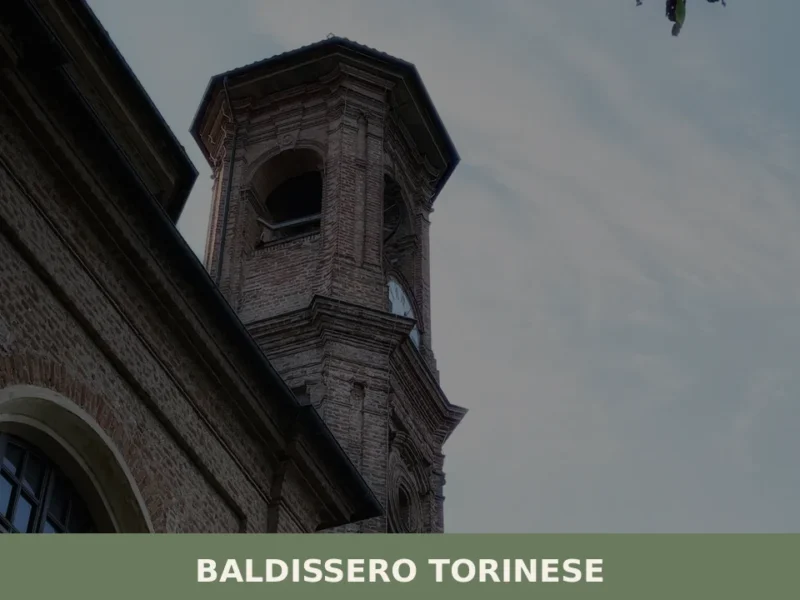
Baldissero Torinese
Hills
Baldissero Torinese stands at 421 metres above sea level, on the eastern slope of the Turin hills, less than fifteen kilometres from the Piedmontese regional capital. With a population of 3,789, the municipality belongs to the Metropolitan City of Turin and retains an urban layout that still reflects its historical layers, from the medieval core […]
San Raffaele Cimena
Hills
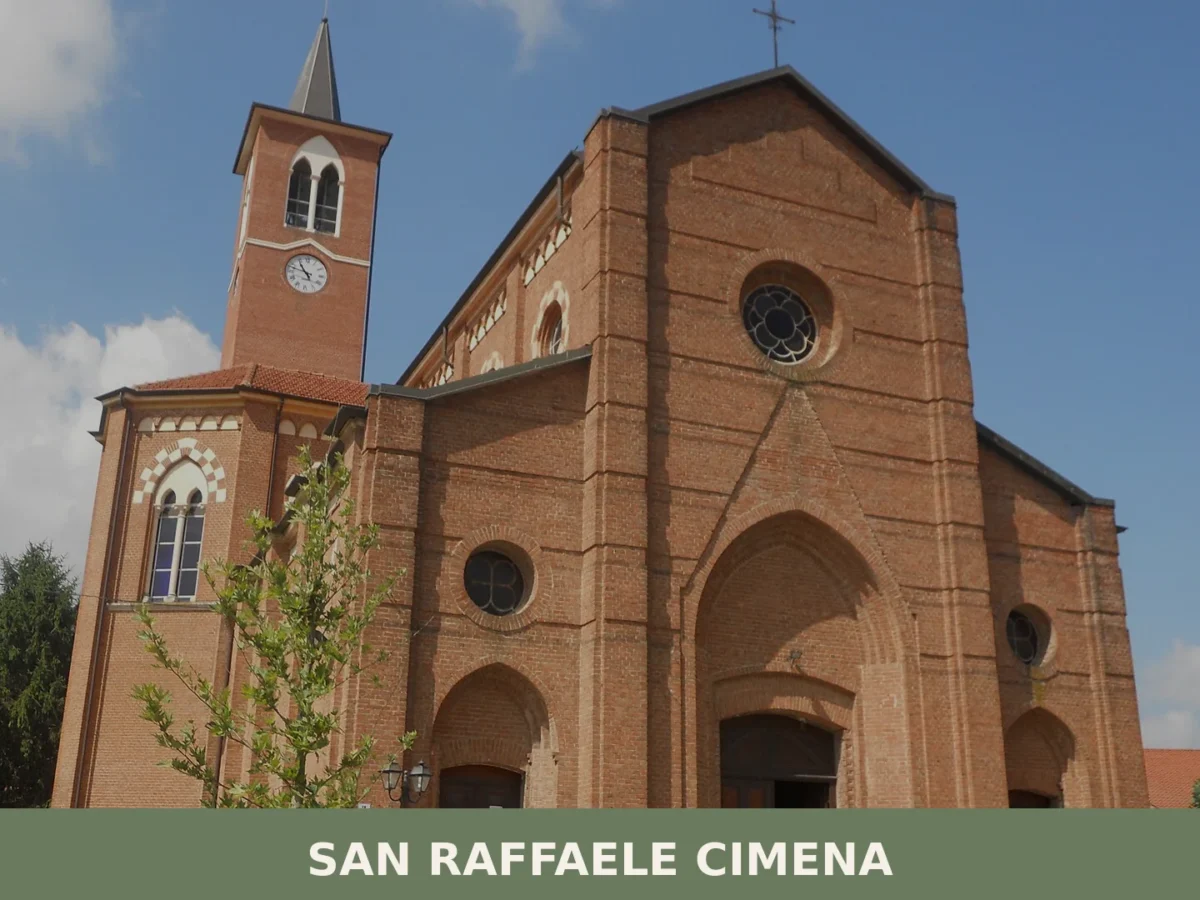
3,159 residents. Medieval settlement with Byzantine foundations, now a suburban village anchored by agricultural heritage and an extraordinary microclimate where tropical plants thrive.

Pomaretto
 Mountain
Discover what to see in Pomaretto, a 937-inhabitant Waldensian village in the Val Chisone near Torino — history, food, travel tips and local culture.
Sauze d’Oulx
Mountain
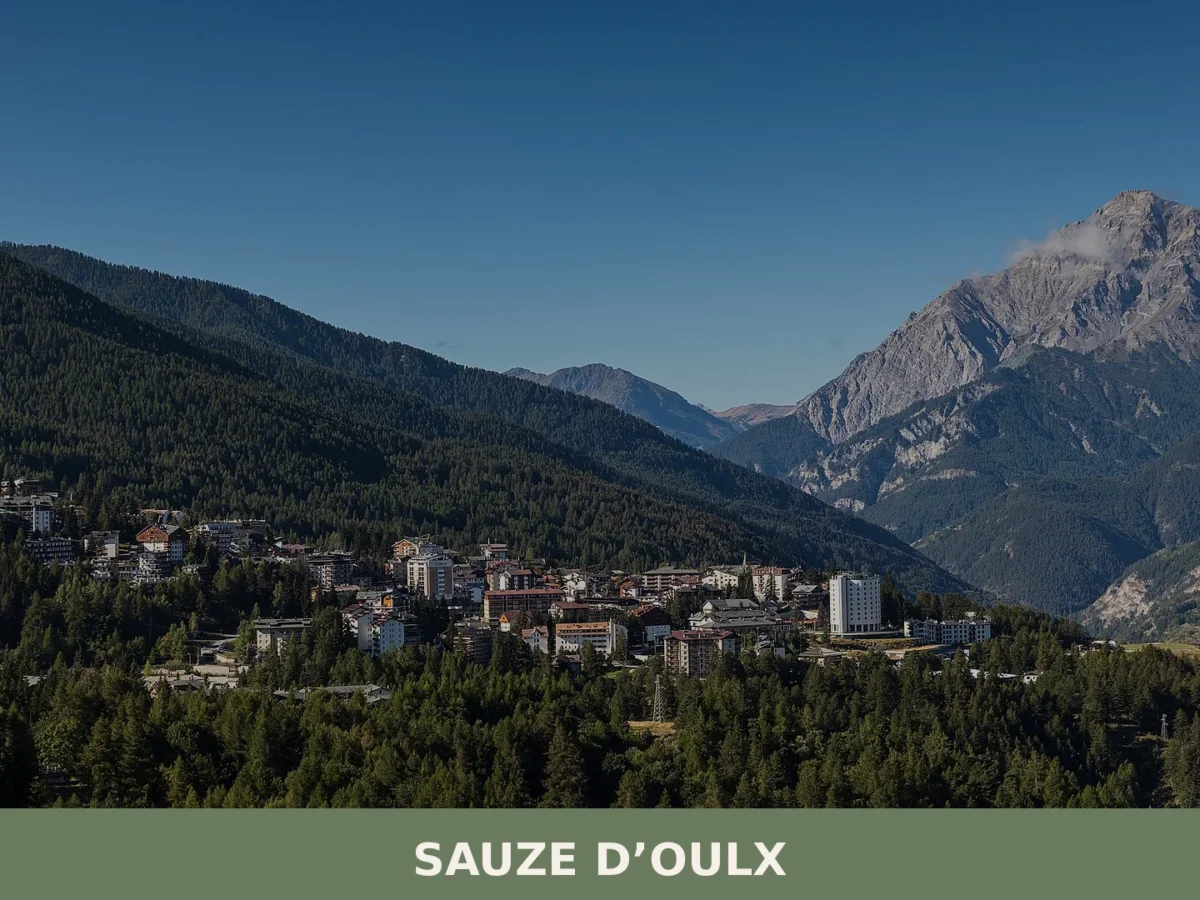
A mountain village of just over 1,000 residents at 1,509 metres altitude in the high Susa Valley. Winter sports and Alpine heritage define its identity.
Biella
Hills
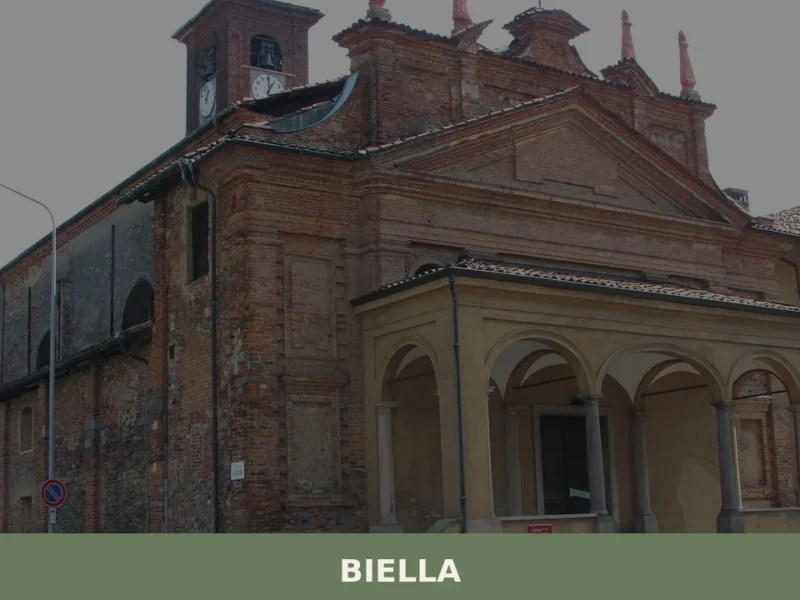
what to see in biella, Italy? Explore the UNESCO Sanctuary of Oropa and Biella's historic 420m altitude Piazzo quarter. Read our guide for top attractions.

Acceglio
Mountain
Discover what to see in Acceglio, a 170-resident mountain village at the head of Valle Maira in Cuneo, Piemonte — trails, churches, alpine pastures and local food.
Monteu da Po
Hills
Scopri Monteu da Po, affascinante borgo piemontese sulle rive del Po. Storia, natura e tradizioni in un angolo autentico del Piemonte da non perdere.

Balme
Mountain
Population 97. Balme stands at 1,432 metres in the Valli di Lanzo, where stone architecture and seasonal rhythms anchor a centuries-old mountain community.
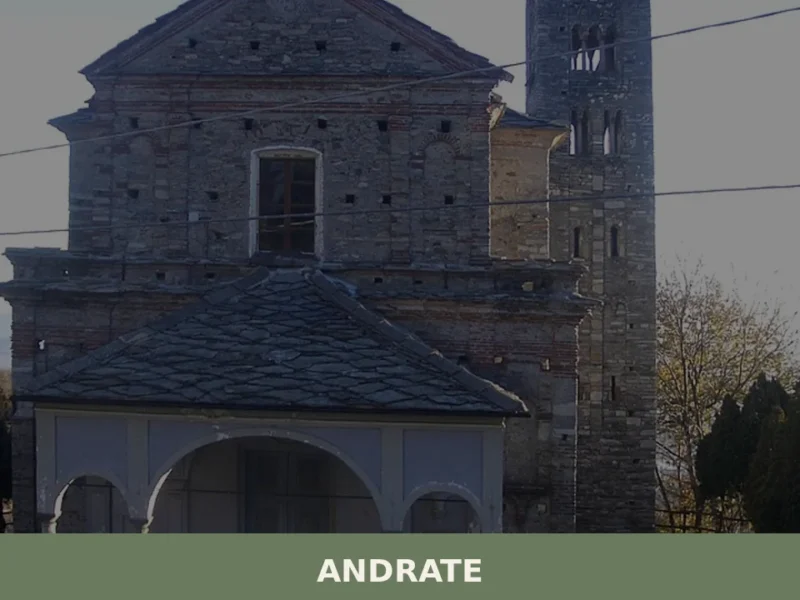
Andrate
Mountain
What to see in Andrate in Piedmont: panoramic views over the Serra d'Ivrea, trails, chestnut groves, Canavese cuisine. Complete guide with history and practical information.
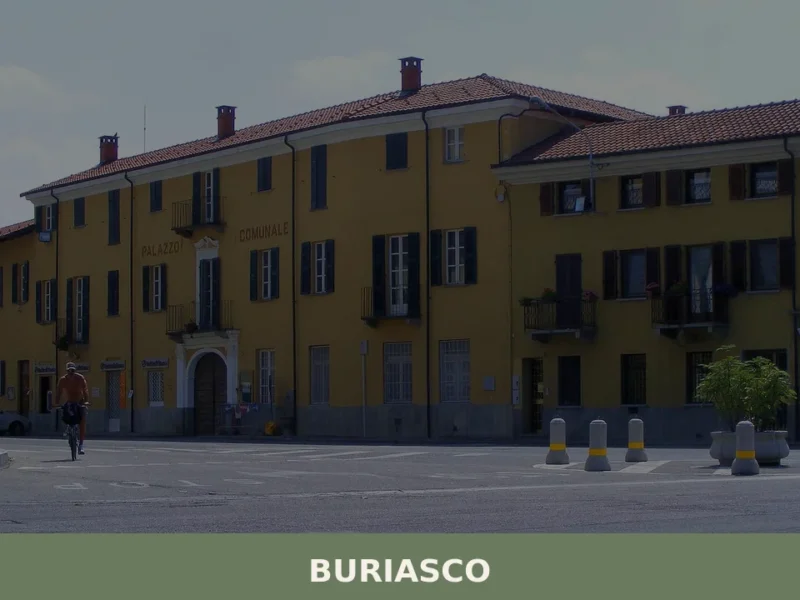
Buriasco
Hills
What to see in Buriasco, Italy: 5 top attractions, local food, festivals and how to get to this 301 m village near Turin. Discover Buriasco, Piemonte.


🏡 Know Cafasse better than we do?
If you’re a local or have been there, your knowledge matters: add what’s missing or fix a detail on this page.