


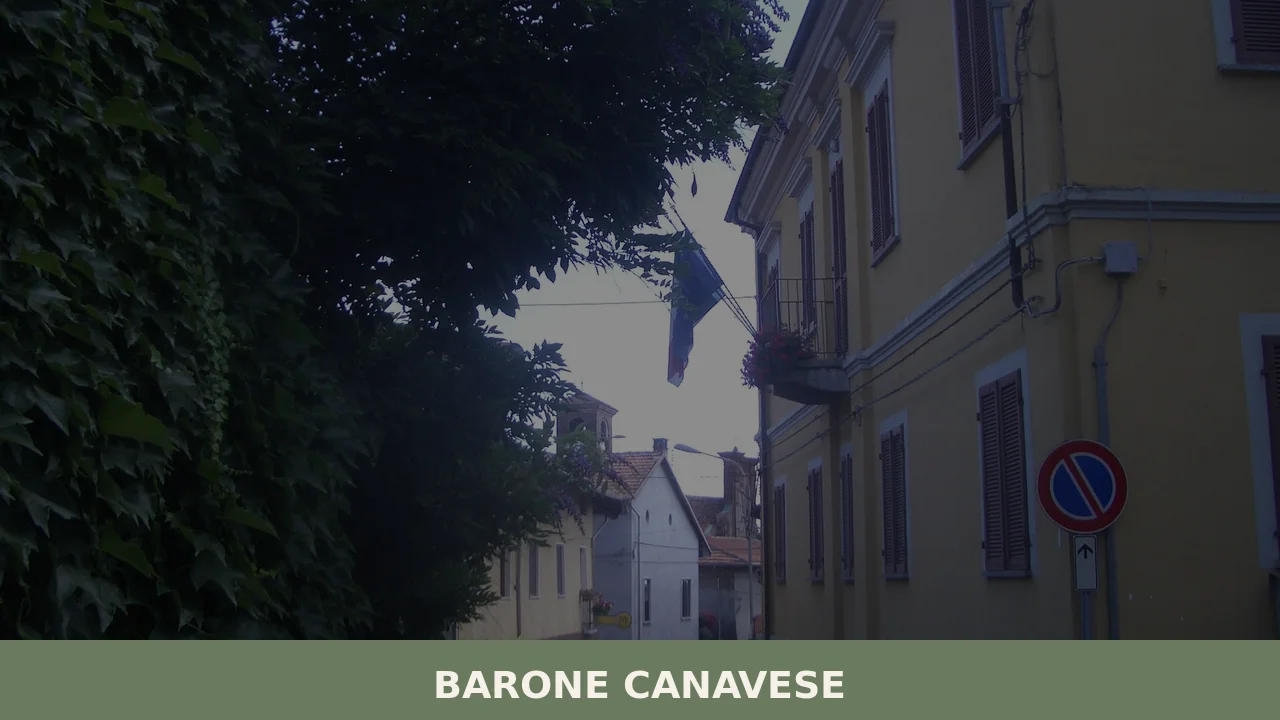
Barone Canavese
 Hills
Hills
Barone Canavese has 554 inhabitants and sits at 325 metres above sea level, on the hills of eastern Canavese in the province of Turin. Those wondering what to see in Barone Canavese will find a small municipality set within a well-defined hill landscape, notable for its historic religious buildings and a road network connecting the […]
Discover Barone Canavese
Barone Canavese has 554 inhabitants and sits at 325 metres above sea level, on the hills of eastern Canavese in the province of Turin. Those wondering what to see in Barone Canavese will find a small municipality set within a well-defined hill landscape, notable for its historic religious buildings and a road network connecting the village to the main centres of the Canavese area. The Feast of the Assumption of Mary, celebrated on 15 August, is the most important liturgical and community event of the year.
History and Origins of Barone Canavese
The place name “Barone” has medieval roots and most likely refers to a feudal dependency, consistent with the typical settlement pattern of the Canavese — a territory historically divided into small fiefdoms under Piedmontese noble families. The Canavese region, as documented in historical sources on medieval Piedmont, came under Savoy influence from the 13th and 14th centuries onwards, a period during which control over the network of hill villages between Ivrea and Turin gradually consolidated. Barone fits within this framework of rural settlements whose origins go back to the early Middle Ages, but whose administrative structure took definitive shape in the late medieval period.
In the modern era, the eastern Canavese — of which Barone is part — was affected by the institutional changes brought first by French rule and then by the unification of the Kingdom of Sardinia. With the establishment of municipalities under the Savoy system and later under the Kingdom of Italy, Barone Canavese gained the administrative autonomy it retains to this day, as recorded on the official website of the Municipality. The village’s urban layout is typical of medieval Piedmontese hill settlements: a compact core built around the parish church, extending linearly along the ridgelines.
The Canavese as a whole is one of the most clearly defined historic sub-regions of Piedmont, with a recognisable territorial identity already evident in late medieval sources. As described in the encyclopaedia entry on the Canavese, this is an area comprising over a hundred municipalities between the Alps and the Po plain, with Ivrea as its historic and cultural reference point. Within this context, Barone Canavese represents one of the smaller but established nodes in a settlement network that has not experienced significant depopulation, maintaining a population of around 554 inhabitants to the present day.
What to See in Barone Canavese: 5 Key Attractions
1. Parish Church of the Assumption of Mary
Dedicated to the Assumption of Mary, the parish church is the religious and architectural focal point of the village. On 15 August, the day of the patronal feast, the building becomes the centre of community celebrations. Like most rural parish churches in the Canavese, the structure retains architectural elements accumulated over the centuries, including Baroque modifications and nineteenth-century interventions.
2. The Historic Hill Village Core
The built-up area develops at 325 metres altitude along the hill system of eastern Canavese. The fabric of the historic centre consists of stone and brick buildings, with rural courtyards that reflect the agricultural character of the village. The elevated position provides views over the surrounding valleys towards the Po plain.
3. The Vine Landscape of the Canavese Hills
The hills around Barone Canavese fall within the Canavese DOC production zone, a controlled designation of origin covering white and red wines made from Erbaluce, Barbera and Nebbiolo grapes. The hillside slopes at elevations between 300 and 400 metres are planted with vineyards that define the visual character of the municipality’s agricultural landscape.
4. Hill Routes towards Eastern Canavese
The network of local roads and footpaths connecting Barone to neighbouring villages allows walking and cycling routes through the hill landscape. The minor road network, partly following historic rural tracks, passes through mixed woodland and cultivated land, with modest elevation changes suited to a half-day outing.
5. Proximity to Lake Viverone
Lake Viverone, located a short distance from Barone Canavese, is one of the glacial lakes of the Canavese and is home to a pile-dwelling site inscribed on the UNESCO World Heritage List in 2011 as part of the serial site “Prehistoric Pile Dwellings around the Alps.” It is a key destination for anyone exploring the area.
Local Food and Produce
The eastern Canavese, where Barone Canavese is located, has a culinary tradition firmly rooted in Piedmontese rural cooking. Among the most representative local products is Erbaluce di Caluso DOCG, a white wine made from the indigenous Erbaluce grape grown on the glacial moraine hills of the Canavese, whose production zone includes municipalities close to Barone. Within the same family of wine designations, Canavese DOC covers several types — red, rosé, white, Barbera and Nebbiolo — produced across an area that partially overlaps with the municipal territory. Tinca Gobba Dorata del Pianalto di Poirino, a traditional Piedmontese fish product with PAT status, and Bagnetto Verde Piemontese — the green sauce made with parsley, garlic and anchovies, also known as “bagnèt verd” — are preparations historically widespread across the entire Piedmontese sub-Alpine area.
The rural table of the Canavese features dishes such as risotto al Canavese prepared with local wine, paniscia in its Canavese variant made with rice, beans and vegetables, and apple fritters typical of autumn festivities. Salt-cured anchovies from the Cantabrian Sea — a cross-cutting ingredient in historic Piedmontese cooking, used in bagna càuda and bagnetto verde — are a widely recognised element of the culinary identity of this area as well. As the Touring Club Italiano’s Piedmont section explains, the gastronomy of the Canavese shares with the wider regional tradition the use of local produce combined with long-established rural preparations.
When to Visit Barone Canavese: the Best Time of Year
The period from May to September is the most favourable for visiting Barone Canavese and the hills of eastern Canavese. In spring the vineyards are in growth and the hill paths are walkable under settled weather conditions. On 15 August, the day of the patronal feast of the Assumption of Mary, the village concentrates its religious and civic celebrations: this is the date when the local community gathers most visibly over the course of the year. Autumn, between September and October, coincides with the Erbaluce grape harvest and offers the chance to observe agricultural activity on the hillside slopes. Winters are mild compared to the nearby Alpine areas, though the hills can be affected by persistent fog during the cold season — a common phenomenon across the northern Po plain.
How to Get to Barone Canavese
Barone Canavese is straightforwardly accessible by car via the Canavese road network. The nearest motorway exit is Ivrea on the A5 Turin–Aosta motorway, from which the village is roughly twenty kilometres away along provincial roads, a journey of approximately 20–25 minutes. From Turin, the drive via the SP2 or the fast road towards Ivrea covers around 40–45 kilometres, with an estimated travel time of 40 to 50 minutes depending on traffic.
- By car from Turin: approximately 40–45 km, 40–50 minutes via Chivasso or Ivrea
- Nearest motorway exit: Ivrea (A5 Turin–Aosta), approximately 20 km
- Nearest railway station: Ivrea, on the Turin–Aosta line, served by Trenitalia; from Ivrea continue by car or local transport
- Reference airport: Turin Caselle (TRN), approximately 50 km away, connected to Turin and Ivrea by bus and train
Where to Stay near Barone Canavese
A municipality of 554 inhabitants does not have an extensive accommodation offer within its own boundaries. Those choosing to stay overnight in the area will find the most options in nearby centres of eastern Canavese — particularly Ivrea, around 20 kilometres away — where a broader range of hotels, B&Bs and guest rooms is available. Alternatively, the hill territory around Barone offers some agriturismo and holiday home options in the surrounding hamlets and countryside, a type of accommodation widely found throughout the Piedmontese foothills.
For those wishing to explore eastern Canavese over several days, it is worth considering the shores of Lake Viverone as a base, given the availability of accommodation linked to lake tourism. Advance booking is advisable during the patronal feast on 15 August and on weekends in September and October, when demand for accommodation in the area increases in connection with wine events and local festivals.
Other Villages to Explore in Piedmont
The hills and mountains of Piedmont offer a variety of smaller historic centres worth exploring alongside Barone Canavese. Alice Superiore, in the Turin area, is a hill village in the Valle dell’Orco with settlement characteristics similar to those of eastern Canavese. Moving towards the Alpine arc, Bardonecchia is a good option for those who want to combine a visit to the Canavese hills with a high-altitude excursion, at elevations above 1,300 metres in the Val di Susa.
For those wishing to explore Piedmont heading south, Germagnano, in the Valle di Lanzo, offers a look at foothill mountain settlement a short distance from Turin. Further south still, Cuneo and its surrounding province open up a system of Alpine and hill villages with historical and landscape characteristics distinctly different from those of the Canavese, rounding out a broad itinerary across Piedmont’s geographical variety.
Frequently asked questions about Barone Canavese
What is the best time to visit Barone Canavese?
The ideal time to visit Barone Canavese is from May to September, when the weather is most pleasant for exploring the hills and vineyards. Spring (May-June) offers lush landscapes and comfortable temperatures for walking. A highlight is August 15th, the Feast of the Assumption of Mary, when the village celebrates its patron saint with religious ceremonies and community events, offering a unique cultural experience. Early autumn (September-October) is also charming, coinciding with the Erbaluce grape harvest, perfect for observing local agricultural traditions and enjoying mild weather.
What are the historical origins of Barone Canavese?
Barone Canavese boasts medieval origins, its name likely stemming from a feudal dependency characteristic of the Canavese region. Historical sources indicate the area came under Savoy influence from the 13th and 14th centuries. The village's administrative structure solidified in the late medieval period, evolving from early medieval roots. Its urban layout, centered around the parish church, reflects the typical compact design of Piedmontese hill settlements from that era, showcasing a rich historical continuity within the broader Canavese identity.
What to see in Barone Canavese? Main monuments and landmarks
In Barone Canavese, the primary landmark is the Parish Church of the Assumption of Mary, the architectural and religious heart of the village, especially vibrant during the patronal feast on August 15th. Explore the historic hill village core, with its characteristic stone and brick buildings and rural courtyards, offering panoramic views. The surrounding Vine Landscape of the Canavese Hills, part of the Canavese DOC zone, is visually striking. For nature lovers, the Hill Routes provide scenic walking and cycling opportunities. Additionally, Barone's proximity to Lake Viverone, a UNESCO World Heritage site, makes it an excellent base for exploring this important glacial lake.
What are the main natural or scenic attractions of Barone Canavese?
Barone Canavese is set within a beautiful hill landscape, offering several natural and scenic attractions. The historic village core itself provides elevated viewpoints with sweeping vistas over the surrounding valleys towards the Po plain. The Vine Landscape of the Canavese Hills, with its meticulously cultivated vineyards, creates a picturesque backdrop, especially during spring and autumn. The network of local Hill Routes invites leisurely walks and bike rides through mixed woodlands and agricultural fields. Furthermore, the nearby Lake Viverone, a glacial lake, offers a significant natural escape, making it a key attraction in the wider area.
Where to take the best photos in Barone Canavese?
For captivating photos in Barone Canavese, the historic hill village core is an excellent starting point, particularly from its elevated positions offering panoramic views over the surrounding valleys and towards the Po plain. The Vine Landscape of the Canavese Hills, especially during the spring growth or autumn harvest, provides quintessential Italian countryside scenes with rows of vineyards. The Parish Church of the Assumption of Mary, with its historic architecture, serves as a striking focal point, particularly on August 15th during the patronal feast. Additionally, the scenic hill routes offer charming shots of mixed woodland and cultivated fields.
Are there museums, churches or historic buildings to visit in Barone Canavese?
Yes, Barone Canavese offers historical and religious architecture. The main site is the Parish Church of the Assumption of Mary, the village's central religious building. It features architectural elements from various periods, including Baroque and 19th-century modifications, reflecting centuries of history. While specific opening hours for casual visits are not provided, the church is fully active, especially during the patronal feast on August 15th. The historic hill village core itself, with its traditional stone and brick buildings and rural courtyards, offers a fascinating glimpse into the past, best explored on foot.
What can you do in Barone Canavese? Activities and experiences
In Barone Canavese, visitors can enjoy various activities focused on nature, culture, and gastronomy. Explore the scenic Hill Routes, perfect for walking and cycling through vineyards, woodlands, and cultivated fields, ideal for a half-day outing. Immerse yourself in local traditions by visiting on August 15th for the patronal Feast of the Assumption of Mary. During autumn (September-October), observe the Erbaluce grape harvest, a key agricultural event. Indulge in local food and wine, sampling Erbaluce di Caluso DOCG. Additionally, its proximity to Lake Viverone, a UNESCO site, allows for further exploration of glacial lake environments and water-based leisure.
Who is Barone Canavese suitable for? Families, couples, hikers, solo travelers?
Barone Canavese is ideal for travelers seeking a tranquil, authentic Piedmontese hill village experience. It particularly appeals to hikers and cyclists who appreciate gentle routes through vineyards and woodlands. Culture enthusiasts will enjoy its medieval history and the Parish Church, especially during the patronal feast on August 15th. Food and wine lovers will find it a perfect base for exploring the Canavese DOC wines and local gastronomy. Its proximity to Lake Viverone makes it suitable for those combining hill exploration with lake activities. It's best for couples, solo travelers, or families looking for a peaceful, nature-oriented getaway rather than extensive tourist infrastructure.
What to eat in Barone Canavese? Local products and specialties
In Barone Canavese, the local gastronomy is deeply rooted in Piedmontese rural traditions. Key specialties include the renowned Erbaluce di Caluso DOCG, a distinctive white wine, and various Canavese DOC wines (red, rosé, white, Barbera, Nebbiolo). Culinary delights feature dishes like risotto al Canavese, paniscia in its local variant, and seasonal apple fritters. Don't miss the Tinca Gobba Dorata del Pianalto di Poirino, a traditional fish product, and the iconic Bagnetto Verde Piemontese, a delicious green sauce. Salt-cured anchovies are also a historical ingredient, reflecting the area's rich culinary heritage.
Nearby Villages near Barone Canavese
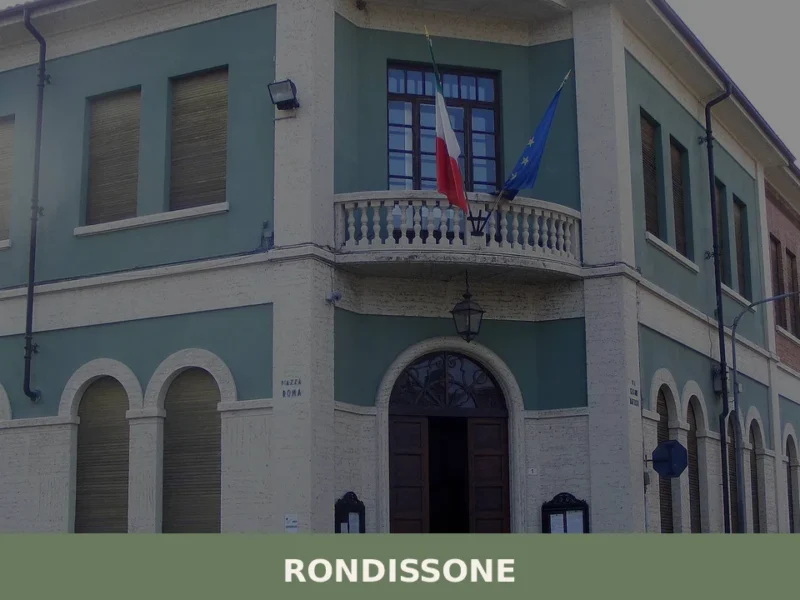
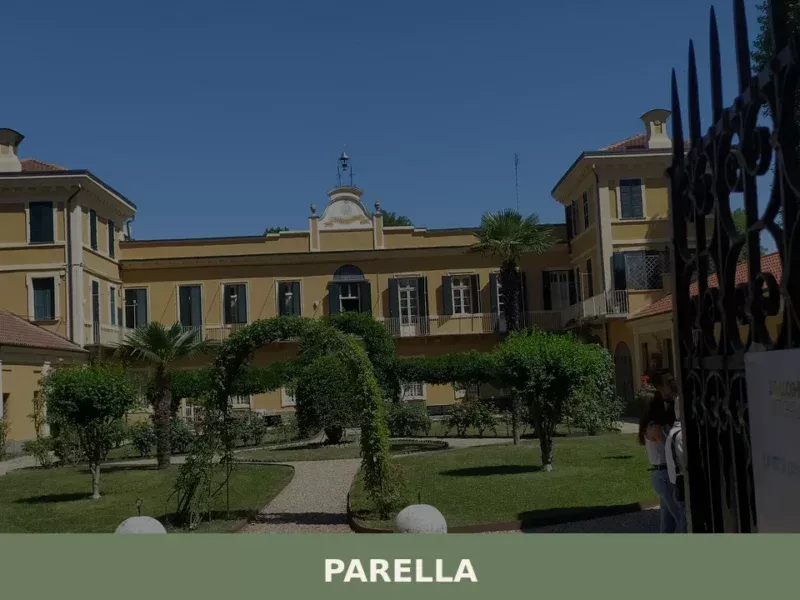
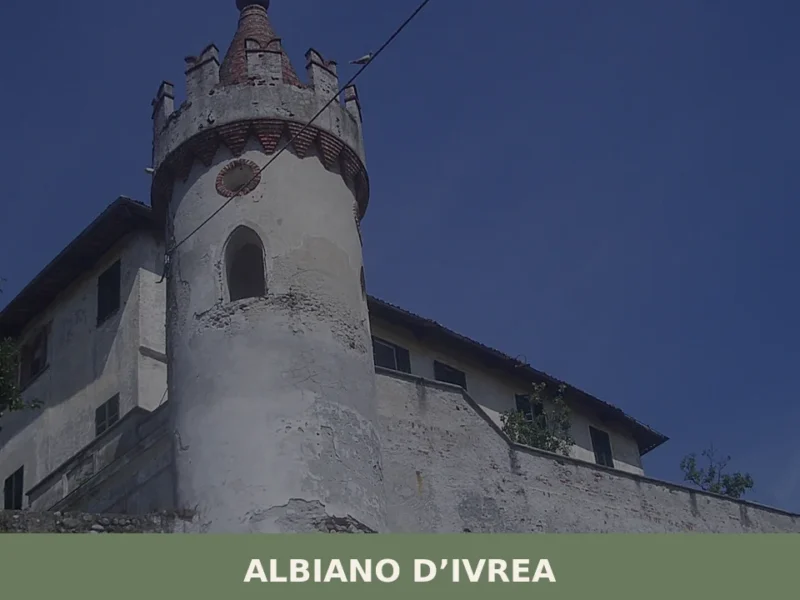
In Piedmont More villages to discover
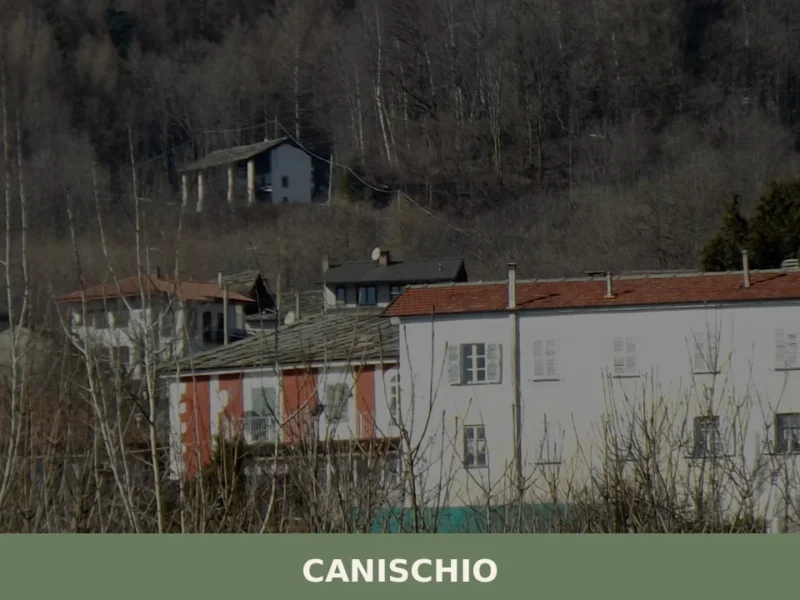
Canischio
 Mountain
Scopri Canischio borgo Piemonte: storia, tradizioni e paesaggi mozzafiato tra le colline canavesane. Una meta autentica da non perdere!
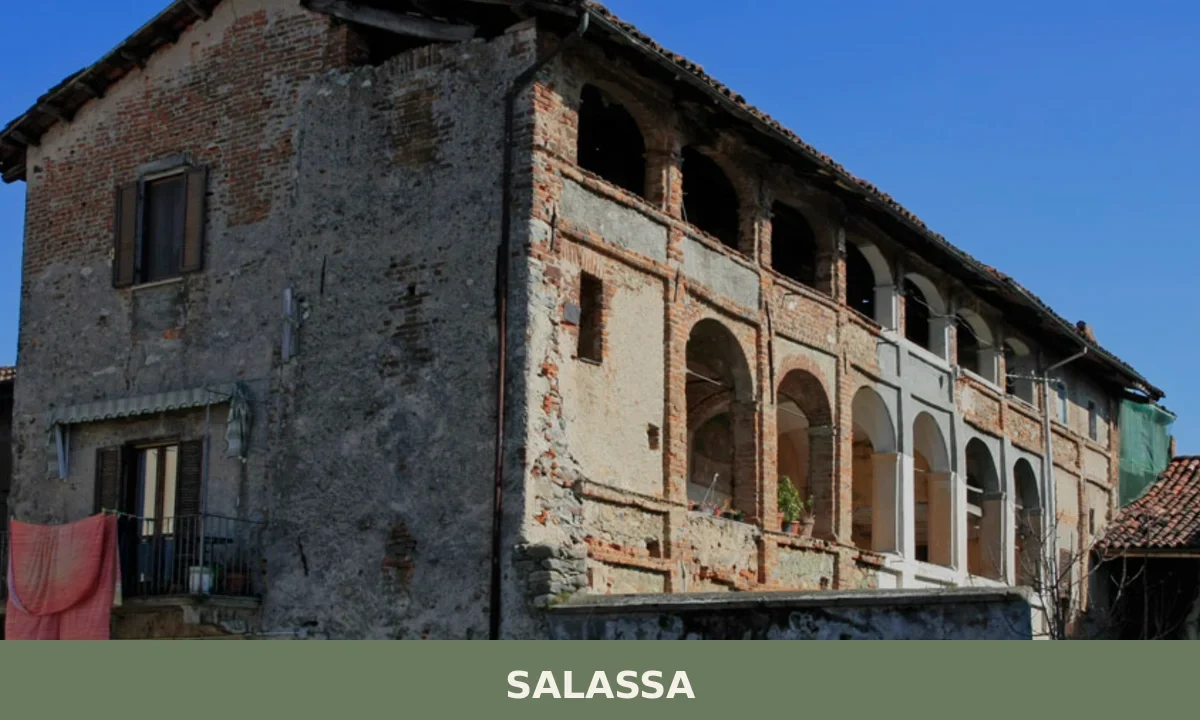
Salassa
Hills
Population 1,862. A medieval comune with a 24-metre river-stone tower and 13th-century fortified enclosure, accessible by metro rail from Turin.

Borgomasino
 Plains
Discover what to see in Borgomasino, a 776-inhabitant Canavese village near Turin: history, local food, best time to visit and practical travel tips.
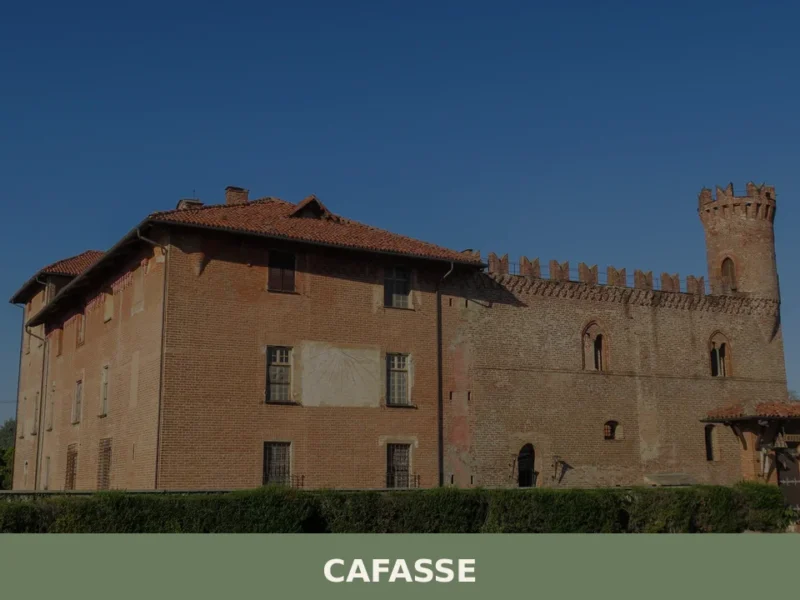
Cafasse
Hills
What to see in Cafasse, Italy: 25 km from Turin, explore the Valli di Lanzo gateway, local cuisine and festivals. Discover the best of this Piemonte village.
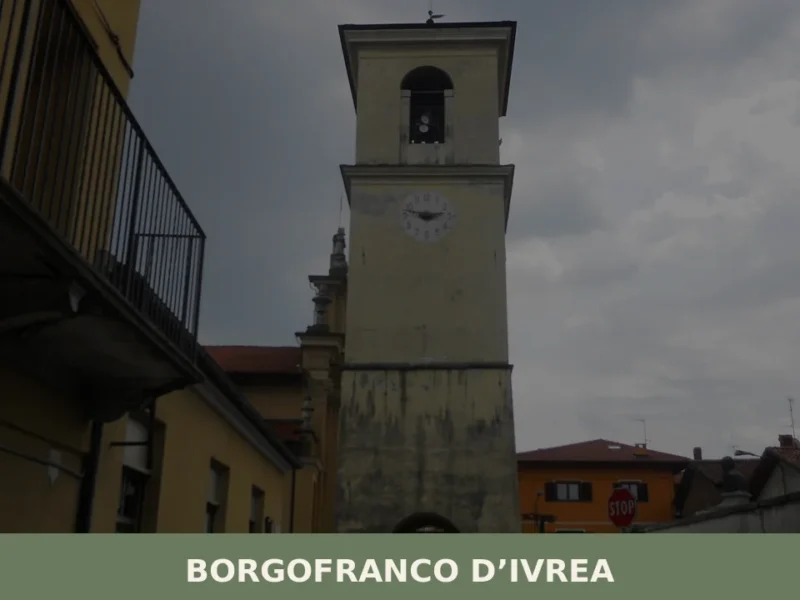
Borgofranco d’Ivrea
Hills
Discover what to see in Borgofranco d'Ivrea: medieval street grid, Serra d'Ivrea moraine, Canavese food and practical travel tips for this Piedmont village.
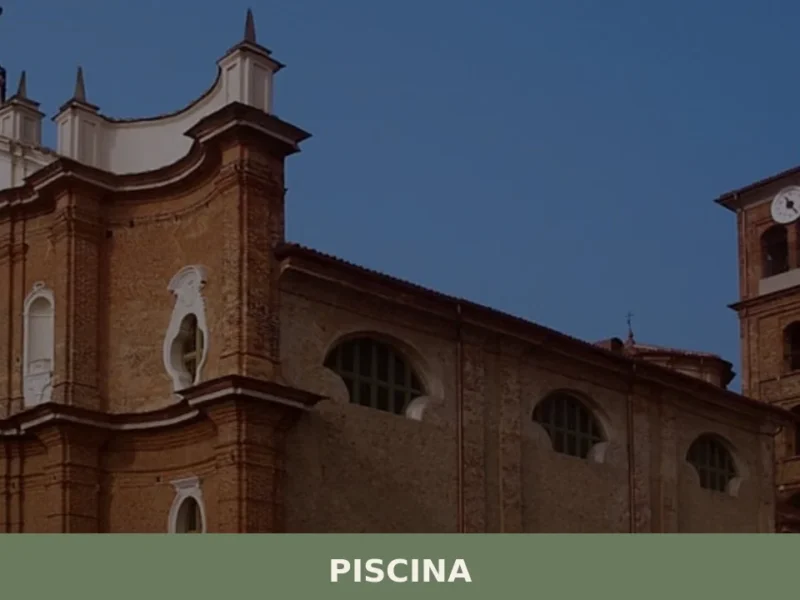
Piscina
Plains
Scopri Piscina borgo Piemonte: storia, tradizioni e attrazioni di questo affascinante comune piemontese tutto da esplorare.
Novara
Plains
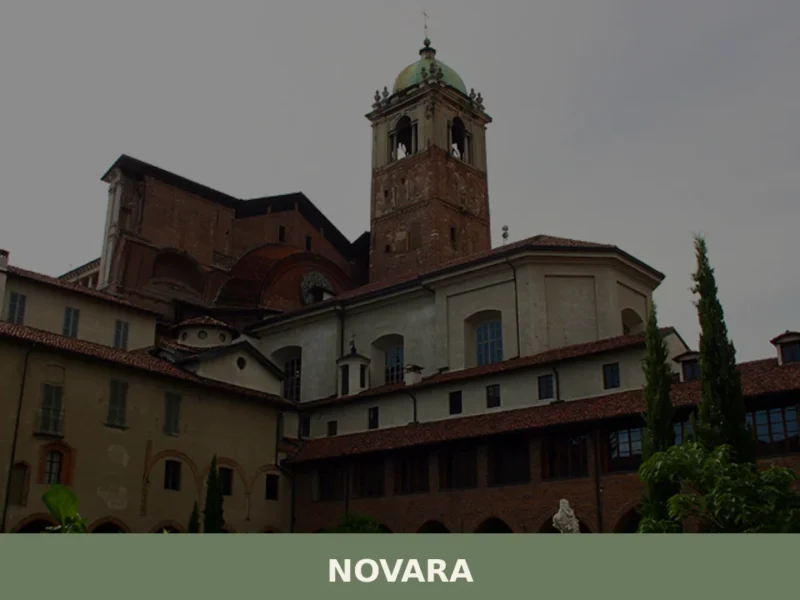
What to see in Novara: city at 162 m with 101,000 residents. Explore the Antonelli dome, 4th-century baptistery, paniscia and Colline Novaresi DOC wines.
Airasca
Hills
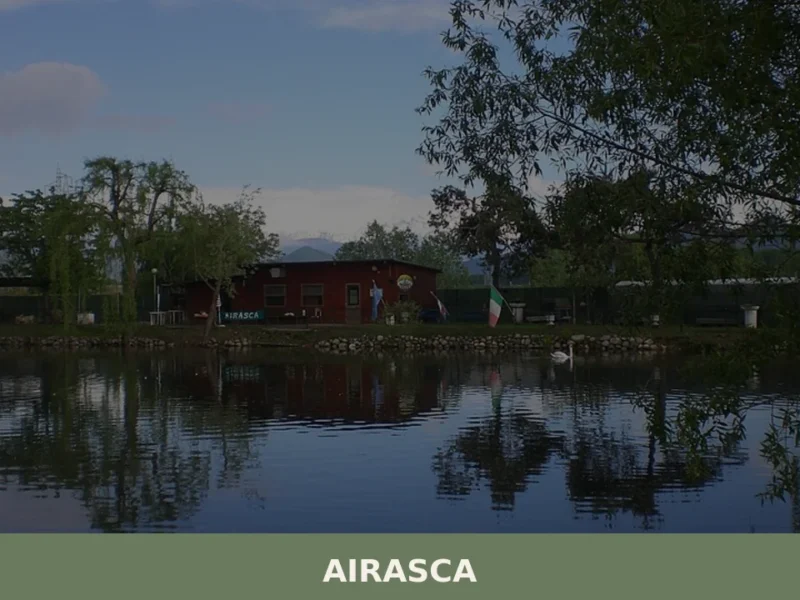
Arriving in Airasca along the provincial road that connects Pinerolo to Turin, the first thing you notice is the bell tower of the parish church of San Bartolomeo, a vertical landmark in a horizontal landscape of cultivated fields and rows of poplars. The municipality, home to 3,842 inhabitants at 257 metres above sea level, occupies […]
Bobbio Pellice
Mountain
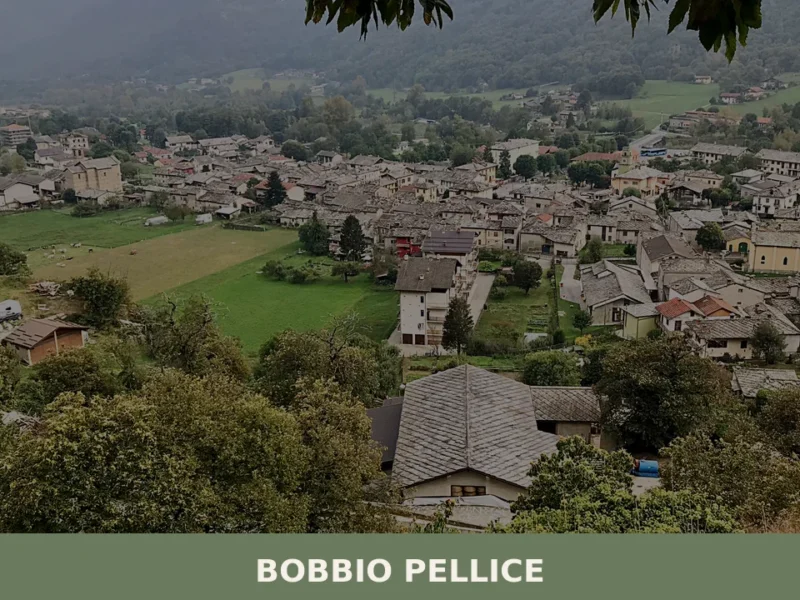
Bobbio Pellice has 536 inhabitants and lies in the Val Pellice, one of the Occitan and Waldensian valleys of southern Piedmont, in the Province of Turin. It is the highest municipality in the valley and the starting point for trails leading to the Colle Giulian and the Colle delle Traversette. Anyone looking to understand what […]
Moriondo Torinese
Hills
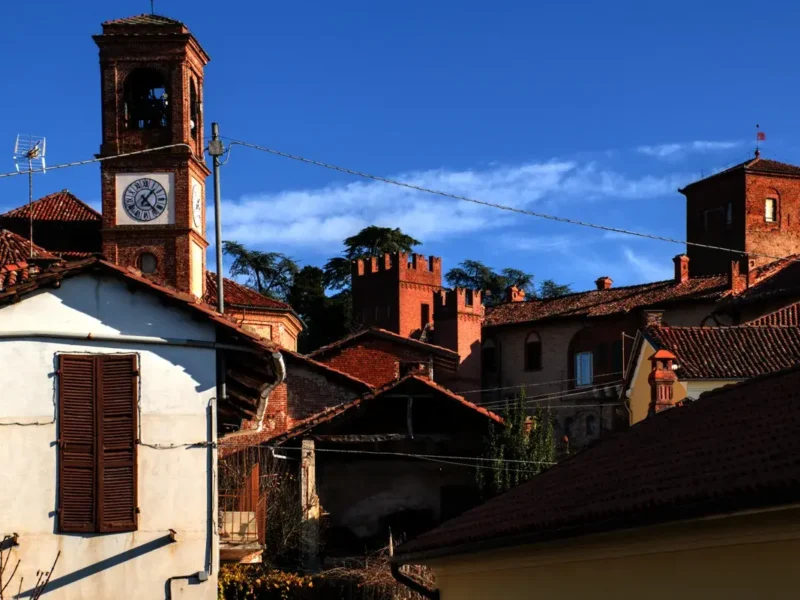
Scopri Moriondo Torinese, un affascinante borgo del Piemonte ricco di storia, natura e tradizioni. Lasciati conquistare dalla sua bellezza autentica!



🏡 Know Barone Canavese better than we do?
If you’re a local or have been there, your knowledge matters: add what’s missing or fix a detail on this page.