


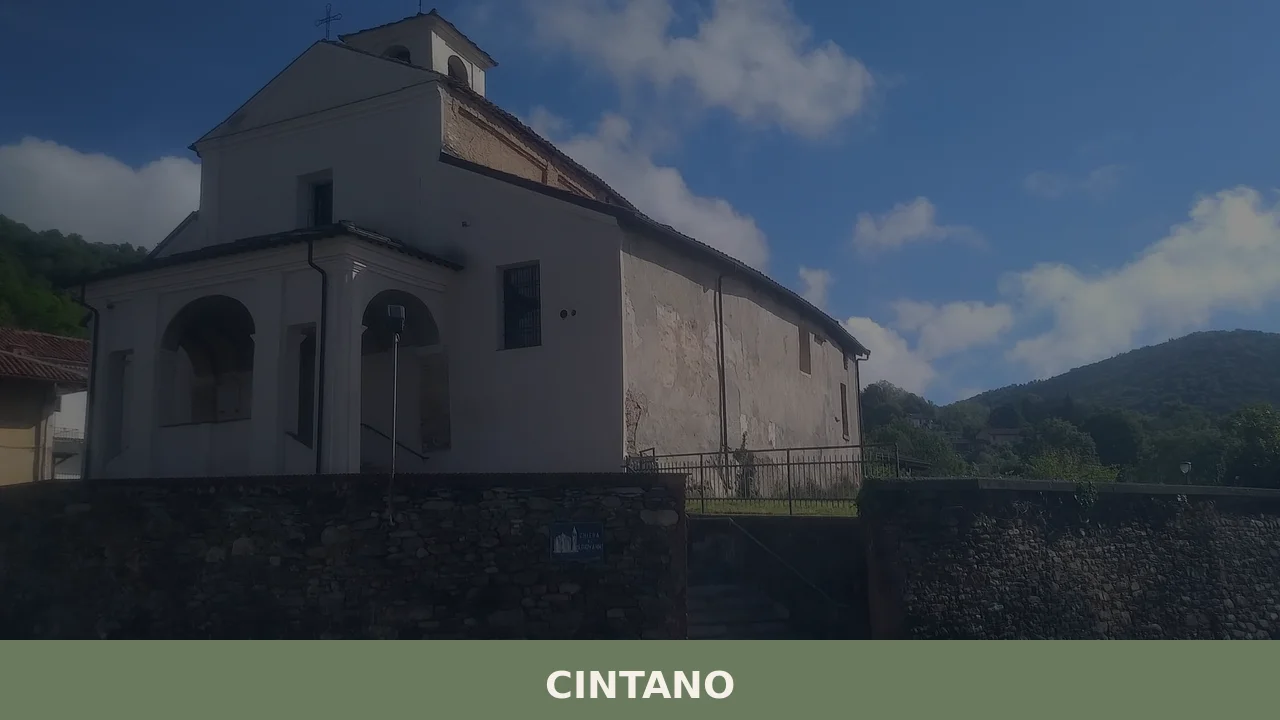
Cintano
 Mountain
Scopri Cintano, un affascinante borgo del Piemonte ricco di storia, natura e tradizioni. Lasciati conquistare dalla sua bellezza autentica!
Discover Cintano
The hills north of Turin close in gradually as the road climbs toward the Canavese area, a sub-region of Piemonte where the plain gives way to a sequence of ridges and small valleys. Cintano stands among municipalities that have shaped this corner of the Metropolitan City of Turin for centuries, bordering Castellamonte, Colleretto Castelnuovo, and Castelnuovo Nigra.
Each of those boundary lines follows a landscape of wooded slopes and narrow cultivated terraces that define the visual character of the place before any building comes into view.
For anyone planning a trip to this part of northern Italy, knowing what to see in Cintano means understanding a compact comune — the Italian term for a municipality — located about 40 kilometres (25 mi) north of Turin in the Piemonte region. Visitors to Cintano find a settlement that borders three neighbouring municipalities and sits within a wider network of Canavese villages worth exploring on foot or by car. The surrounding ridgeline offers orientation, and the historic core of the village concentrates most of what the area has to offer within a short walking distance.
History of Cintano
The name Cintano connects to a pattern common across the Canavese plain and its surrounding hills, where Roman-era settlement names evolved through Lombard and Frankish occupation into the medieval place names still in use today. The Canavese area, which encompasses this part of the Metropolitan City of Turin, was a contested zone between successive ruling powers from late antiquity onward. Control passed through the hands of local lords, the bishops of Ivrea, and eventually the House of Savoy, whose influence over Piemonte consolidated across the late medieval period and extended well into the nineteenth century.
During the medieval period, the territory around Cintano formed part of the broader feudal structure that organised rural Piemonte into a network of small lordships answerable to larger regional powers.
The village’s position among its neighbours — Castellamonte to one side, Castelnuovo Nigra and Colleretto Castelnuovo on the others — placed it within a cluster of settlements that shared administrative and ecclesiastical ties. The parish church, a recurring institutional anchor in villages of this size throughout Piemonte, would have served the population of surrounding hamlets as well as the central settlement itself, a pattern documented across the Canavese from the eleventh century onward.
The unification of Italy in 1861 reorganised these small municipalities under the new Kingdom of Italy, incorporating them into the province of Turin. Cintano, like dozens of comparable comuni in the Canavese, retained its independent municipal identity through the twentieth century. The Metropolitan City of Turin, established as an administrative unit in 2015 to replace the former Province of Turin, now provides the official jurisdictional framework within which Cintano operates.
That administrative continuity — from medieval lordship to modern metropolitan governance — reflects a pattern visible across this part of Andezeno and similar Piemontese villages, where local identity has persisted through repeated changes in the structures above it.
What to see in Cintano, Piemonte: top attractions
The Historic Village Core
The oldest part of Cintano occupies a compact area on the hillside, with stone buildings characteristic of Canavese construction: thick rubble walls, low-pitched roofs, and narrow passages between houses that channel wind and shade in equal measure. The village core sits within the triangle formed by its three bordering municipalities — Castellamonte, Colleretto Castelnuovo, and Castelnuovo Nigra — giving it a geographic centrality that shaped its role as a local reference point for surrounding hamlets.
Walking through the older streets, the visitor reads the building materials directly: local stone sourced from nearby slopes, with occasional brick infill from later periods. The best time to examine the streetscape closely is on a weekday morning in spring or autumn, when light is low and foot traffic minimal.
The Parish Church
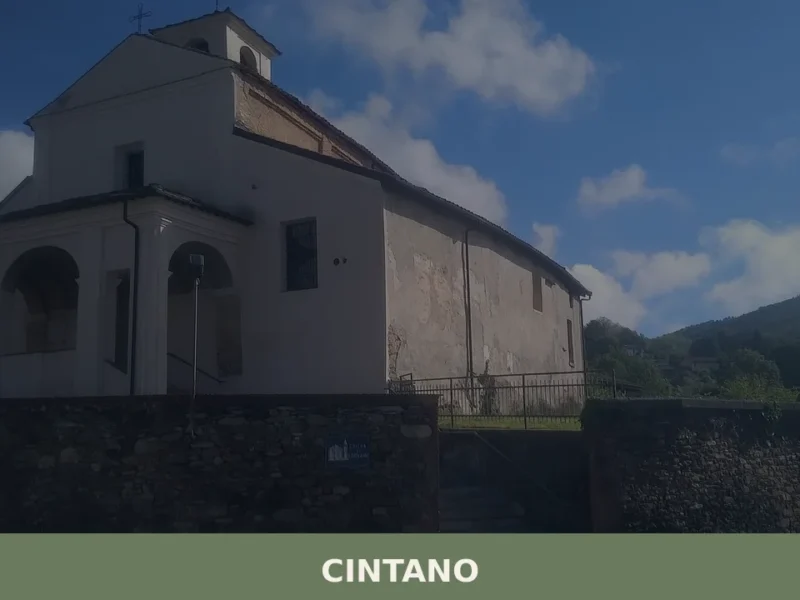
The parish church of Cintano follows the architectural typology common to rural Piemonte: a single nave, a campanile — the bell tower — rising above the roofline, and a façade oriented toward the village square. Churches of this type in the Canavese area were often rebuilt or significantly altered between the sixteenth and eighteenth centuries, incorporating Baroque decorative elements onto earlier Romanesque or Gothic structural cores.
The interior typically holds votive paintings and carved wooden furnishings produced by local workshops active in the region during those centuries. It is worth arriving at the church on a Sunday morning to observe how the building functions as a working place of worship rather than simply a historical structure; the liturgical calendar still governs its use in the same way it has for generations.
The Surrounding Canavese Hillside
The terrain immediately around Cintano rises through wooded slopes that connect the village to the higher ground shared with Castelnuovo Nigra and Colleretto Castelnuovo. Elevation in this part of the Canavese ranges from roughly 400 m (1,312 ft) in the valley floors to over 700 m (2,297 ft) on the adjacent ridgelines, giving walkers a meaningful change in altitude within a short horizontal distance. The paths that cross this landscape follow field boundaries and woodland edges established over centuries of agricultural use. Footwear with ankle support is practical here, as the paths are unpaved and can be slippery after rain; the best conditions for walking occur between April and June and again from September through October.
The View toward Castellamonte
From the upper part of Cintano, the town of Castellamonte is visible to the west, its profile defined by the ceramic manufacturing tradition for which it has been documented since at least the nineteenth century.
The distance between the two centres is short — roughly 5 km (3.1 mi) — and the visual connection between them illustrates how densely the Canavese was settled at the level of small municipalities. Standing at the edge of the village and looking toward Castellamonte, the visitor sees a sequence of cultivated fields, farmhouses, and tree lines that has not changed fundamentally in its basic structure over the past century. This viewpoint requires no special access; it is reachable on foot from the village centre in under ten minutes by following the road uphill toward the northern boundary.
The Municipal Territory Boundary Landscape
Cintano’s territorial borders with Colleretto Castelnuovo and Castelnuovo Nigra run through a landscape that shifts from open agricultural land to denser mixed woodland within a kilometre or two. This boundary zone, covering an area that a walker can cross in a single morning, concentrates the ecological and visual variety of the locality in a small space.
The transition from field to forest happens at an elevation of approximately 500 m (1,640 ft) on the eastern approach, where chestnut and oak begin to dominate the canopy. Visitors with an interest in rural Piemontese landscapes will find this sector of the municipality more rewarding than the road approach from the valley; reaching it requires a car or bicycle to cover the 3 km (1.9 mi) from the village centre to the eastern boundary path.
Local food and typical products of Cintano
The food culture of the Canavese area, within which Cintano sits, draws on a agricultural tradition shaped by the transition between the Turin plain and the pre-Alpine foothills. This geography produces a diet historically built around cereals, dairy from mountain pastures, and freshwater sources including the streams that cross the hillside territory. The influence of the Savoy court, which made Turin its capital from the sixteenth century onward, extended into the rural kitchen through the adoption of specific cooking techniques and the formalisation of local products for urban markets.
That connection between rural production and urban demand has defined what is grown and raised in villages like Cintano for several hundred years.
Among the dishes associated with this part of Piemonte, polenta concia occupies a central place: coarse cornmeal cooked slowly with butter and local cheese until it reaches a dense, layered consistency that bears no resemblance to its simplified versions. Bagna cauda, a cooked sauce of garlic and anchovies served warm in a terracotta vessel with raw vegetables for dipping, is the most documented communal dish of the Canavese tradition; the garlic comes from local cultivation and the anchovies from the Ligurian coast, a trade route established over centuries. Brasato al Barolo — beef slow-braised in Nebbiolo-based wine — appears on tables in this part of Piemonte in the colder months, when the wine harvest has been completed and the kitchens are operating at full capacity.
The Canavese area also produces toma piemontese, a semi-hard cow’s milk cheese with a pale yellow paste and a natural rind that develops over a minimum ageing period of fifteen days for the fresh version and sixty days for the aged version. This cheese holds DOP status — Denominazione di Origine Protetta, the European protected designation of origin — and its production zone covers a large part of Piemonte including the Metropolitan City of Turin.
Local farmers in the hill zone around Cintano have historically contributed milk to the small dairies that produce this cheese, connecting the village’s agricultural output to a documented regional product. The aged version has a firmer texture and a more pronounced flavour, suitable for grating over the polenta dishes described above.
For those wanting to buy directly from producers, the weekly markets in Castellamonte — approximately 5 km (3.1 mi) from Cintano — offer seasonal vegetables, local cheeses, and cured meats from the surrounding hill farms. Autumn is the most productive season for purchases, when the harvest has come in and producers bring their full range to market. Cash remains the most practical payment method at smaller stalls and farm gates throughout this part of Piemonte; international visitors should carry euros rather than relying on card acceptance at rural points of sale.
Festivals, events and traditions of Cintano
The annual calendar of a comune of this size in Piemonte follows the Catholic liturgical year closely, with the patron saint’s feast day serving as the primary civic and religious event of the year.
In villages across the Canavese, these celebrations typically involve a morning Mass, an outdoor procession through the village streets, and an afternoon gathering that includes local food, music, and in many cases a sagra — a traditional food fair organised around one or more local products. The specific date of Cintano’s patron saint feast follows the church calendar assigned to the village’s dedicated saint, and the format mirrors what is documented across dozens of comparable municipalities in the Metropolitan City of Turin.
The broader Canavese calendar includes a number of well-documented seasonal events that draw visitors from Turin and the surrounding area. The chestnut harvest in October generates local sagre in several neighbouring municipalities, and these events often extend their reach to include villages like Cintano through informal participation. Winter brings the traditions associated with the Carnival season, which in Piemonte involves masked processions and the preparation of fried sweets including bugie — thin strips of dough fried in oil and dusted with powdered sugar — a preparation consistent across the entire region and documented in Canavese villages from at least the eighteenth century.
When to visit Cintano, Italy and how to get there
The best time to visit Cintano and the surrounding Canavese hill zone falls in two distinct windows: late spring, from mid-April through June, when the hillside vegetation is at full growth and temperatures in the 15–22°C (59–72°F) range make walking comfortable; and early autumn, from September through October, when the harvest season is active and the deciduous woodland begins to turn.
Summer in this part of Piemonte can bring heat and occasional thunderstorms, while winter, though manageable at these elevations, reduces access to some of the unpaved paths crossing the municipal territory. For visitors primarily interested in the village architecture and the food market at Castellamonte, any season outside peak summer works well.
Getting to Cintano from Turin is straightforward by car. The A5 motorway connects Turin to the Aosta Valley and passes through the northern part of the metropolitan area; from there, provincial roads branch into the Canavese hill zone. The drive from central Turin covers approximately 40 km (25 mi) and takes between 45 and 60 minutes depending on the route through the intermediate towns. The nearest significant rail hub is Ivrea, roughly 15 km (9.3 mi) to the northeast, served by Trenitalia regional trains from Turin Porta Nuova; from Ivrea, reaching Cintano requires a local bus or taxi, as no direct train service covers the final stretch into the hill municipalities.
Turin Airport (Torino Caselle), located approximately 45 km (28 mi) from Cintano, is the closest international gateway, with connections to major European hubs; ground transfer from the airport to Cintano takes roughly one hour by car. For day trips from Milan, the distance is approximately 130 km (81 mi) via the A4 motorway, a journey of around 90 minutes that makes Cintano and the broader Canavese area reachable within a standard day-trip range. International visitors should be aware that English is not widely spoken in smaller shops and farm stalls in this part of Piemonte; carrying euros in cash is advisable for any purchase outside the main tourist centres.
Visitors arriving from the direction of Bairo, a neighbouring Canavese municipality to the east, will find that the road connecting the two settlements passes through the same hill landscape that defines the Cintano territory, making a combined visit to both centres practical within a single morning.
Those approaching from the Turin plain through Cuneo province in the south can use the journey through the Piemonte interior as a way to observe the shift in terrain from flat agricultural land to the hill zone — a geographic transition that explains much of what makes the Canavese municipalities distinct from the rest of the metropolitan area.
What to see in Cintano rewards the visitor who moves slowly and uses the village as a base for the surrounding municipal territory rather than treating it as a single-stop destination. The combination of the historic core, the open hillside paths, and the proximity to Castellamonte’s market and ceramic tradition gives the area enough substance for a full day. Anyone planning a longer stay in this part of Piemonte will find that Cintano, together with its bordering municipalities, covers the essential character of the Canavese hill zone without requiring travel to more distant or crowded sites.
Frequently asked questions about Cintano
What is the best time to visit Cintano?
The ideal times to visit Cintano are spring (April to June) and autumn (September to October). These seasons offer the best conditions for walking and exploring the surrounding Canavese hillside paths, with comfortable temperatures and vibrant natural scenery. Spring and autumn mornings are also perfect for observing the historic village core. Additionally, plan your visit around June 24th to experience the traditional Festa Patronale dedicated to San Giovanni Battista, the village's patron saint, offering a glimpse into local traditions.
What to see in Cintano? Main monuments and landmarks
In Cintano, visitors should explore the Historic Village Core, characterized by compact stone buildings and narrow passages that reflect traditional Canavese architecture. The Parish Church, a central landmark, showcases a typical rural Piemontese typology with a single nave and a prominent campanile. Its interior may feature Baroque decorative elements, votive paintings, and carved wooden furnishings. To fully appreciate its role, consider visiting on a Sunday morning when it functions as a working place of worship, illustrating its enduring community significance.
What are the main natural or scenic attractions of Cintano?
Cintano offers several natural attractions, primarily its Surrounding Canavese Hillside, ideal for walking along paths that crisscross wooded slopes and cultivated terraces. From the upper part of the village, a scenic View toward Castellamonte provides a panorama of fields and farmhouses, reachable on foot in under ten minutes. The Municipal Territory Boundary Landscape, especially the eastern approach, presents a striking transition from open agricultural land to dense mixed woodlands dominated by chestnut and oak, offering varied ecological and visual interest for nature enthusiasts.
Where to take the best photos in Cintano?
For captivating photos in Cintano, head to the upper part of the village to capture the panoramic View toward Castellamonte, showcasing cultivated fields and distant farmhouses. The Historic Village Core with its characteristic stone buildings and narrow passages offers excellent opportunities, particularly on a weekday morning in spring or autumn when the light is low and foot traffic is minimal. Additionally, the Municipal Territory Boundary Landscape, especially the eastern boundary path (accessible by car or bicycle), provides stunning shots of the transition from open fields to dense chestnut and oak forests.
Are there museums, churches or historic buildings to visit in Cintano?
Cintano features the Parish Church as its primary historic building, which is worth visiting to observe its architectural elements, including a campanile and potentially Baroque interior decorations. While not a museum, its function as a working place of worship provides insight into local culture and history. The entire Historic Village Core acts as an open-air exhibition of traditional Canavese construction, with stone buildings and narrow streets dating back centuries, offering a tangible connection to the region's past.
What can you do in Cintano? Activities and experiences
In Cintano, you can immerse yourself in outdoor activities and local culture. Explore the compact Historic Village Core on foot, appreciating its traditional stone architecture. Engage in hiking and walking along the paths of the Surrounding Canavese Hillside, particularly between April-June and September-October, remembering to wear appropriate footwear. Experience the local food culture by tasting traditional Canavese dishes such as Polenta Concia, Bagna Cauda, and Brasato al Barolo, and sampling the DOP Toma Piemontese cheese, connecting with the area's rich culinary heritage.
Who is Cintano suitable for? Families, couples, hikers, solo travelers?
Cintano is particularly suitable for hikers and nature lovers seeking tranquil, authentic rural Piemontese landscapes. Its surrounding Canavese hillside paths offer rewarding walks for active travelers. Couples and solo travelers will appreciate the quiet charm of the historic village core and the opportunity to experience local traditions and food culture without large crowds. It's also ideal for those interested in exploring the wider network of Canavese villages, offering a base for cultural and gastronomic excursions into this unique sub-region of Piemonte.
What to eat in Cintano? Local products and specialties
Cintano, nestled in the Canavese area, offers a rich culinary experience rooted in its agricultural traditions. Must-try specialties include Polenta Concia, a hearty dish of coarse cornmeal cooked with butter and local cheese. Bagna Cauda, a warm garlic and anchovy sauce served with raw vegetables for dipping, is another iconic communal dish. During colder months, Brasato al Barolo, slow-braised beef in Nebbiolo wine, is a regional staple. Don't miss Toma Piemontese, a DOP semi-hard cow's milk cheese, produced with milk from local dairies in the area.
📷 Photo Gallery — Cintano
Nearby Villages near Cintano
In Piedmont More villages to discover
Baldissero Torinese
 Hills
Hills
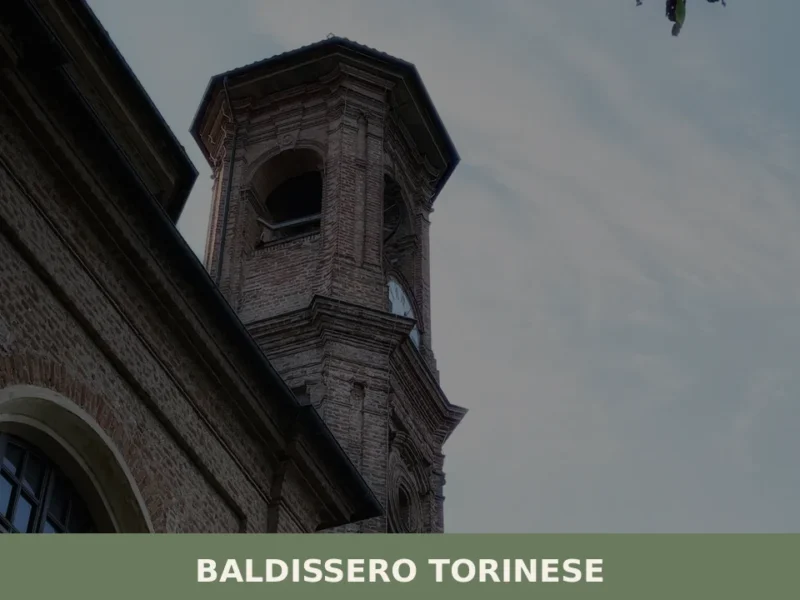
Baldissero Torinese stands at 421 metres above sea level, on the eastern slope of the Turin hills, less than fifteen kilometres from the Piedmontese regional capital. With a population of 3,789, the municipality belongs to the Metropolitan City of Turin and retains an urban layout that still reflects its historical layers, from the medieval core […]
Canischio
Mountain
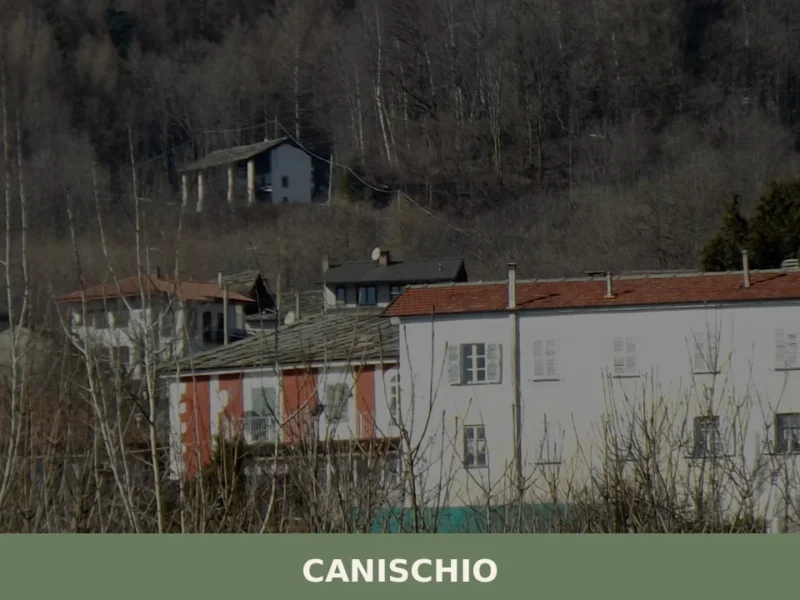
Scopri Canischio borgo Piemonte: storia, tradizioni e paesaggi mozzafiato tra le colline canavesane. Una meta autentica da non perdere!
Sauze di Cesana
Mountain
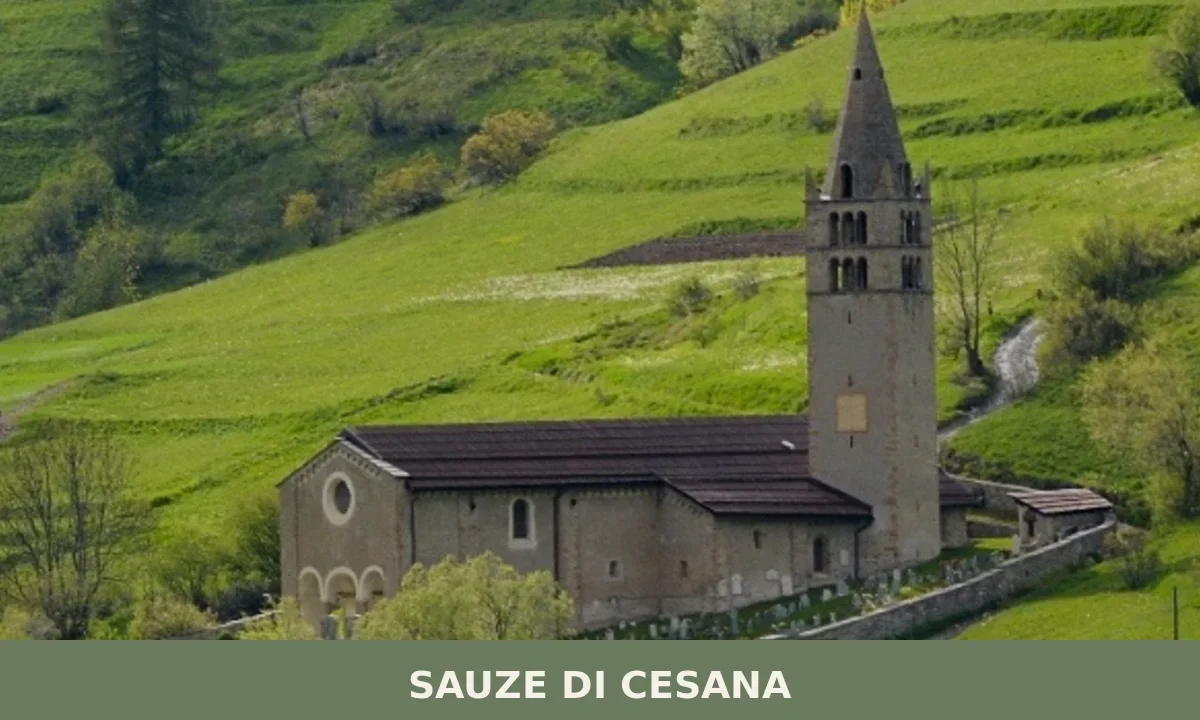
Population 226. A high-altitude mountain village in Val di Susa where stone architecture and a century of territorial struggle have shaped identity more than monuments.

Riva presso Chieri
 Plains
A village of 4,700 inhabitants shaped by plague, fire and noble patronage. Visit for 18th-century churches, a noble palazzo, and the sanctuary tied to miraculous escape.
Sant’Ambrogio di Torino
Mountain
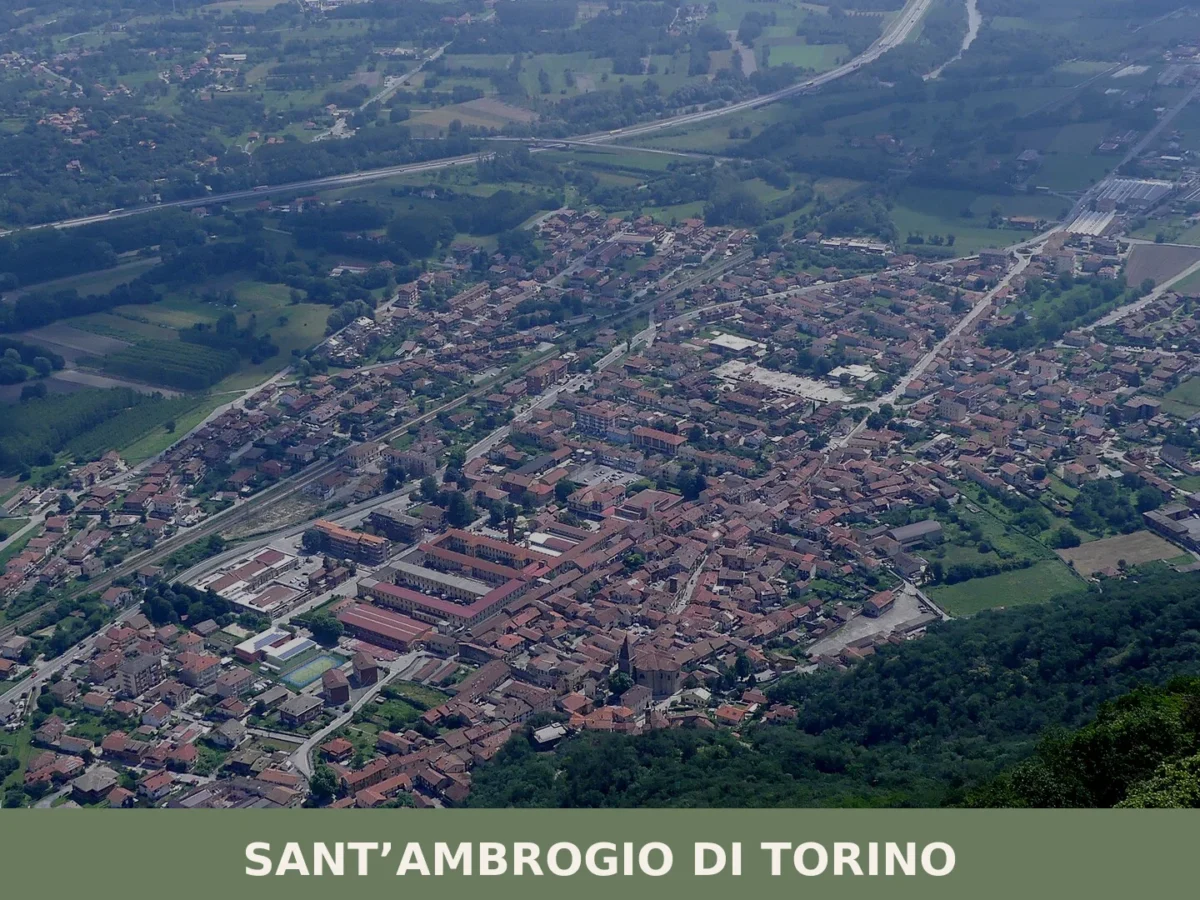
A village of 4,518 inhabitants at the threshold of the Turin foothills. Sant'Ambrogio di Torino stands on two major pilgrimage routes: the Via Francigena and the Cammino di San Michele.
Roure
Mountain
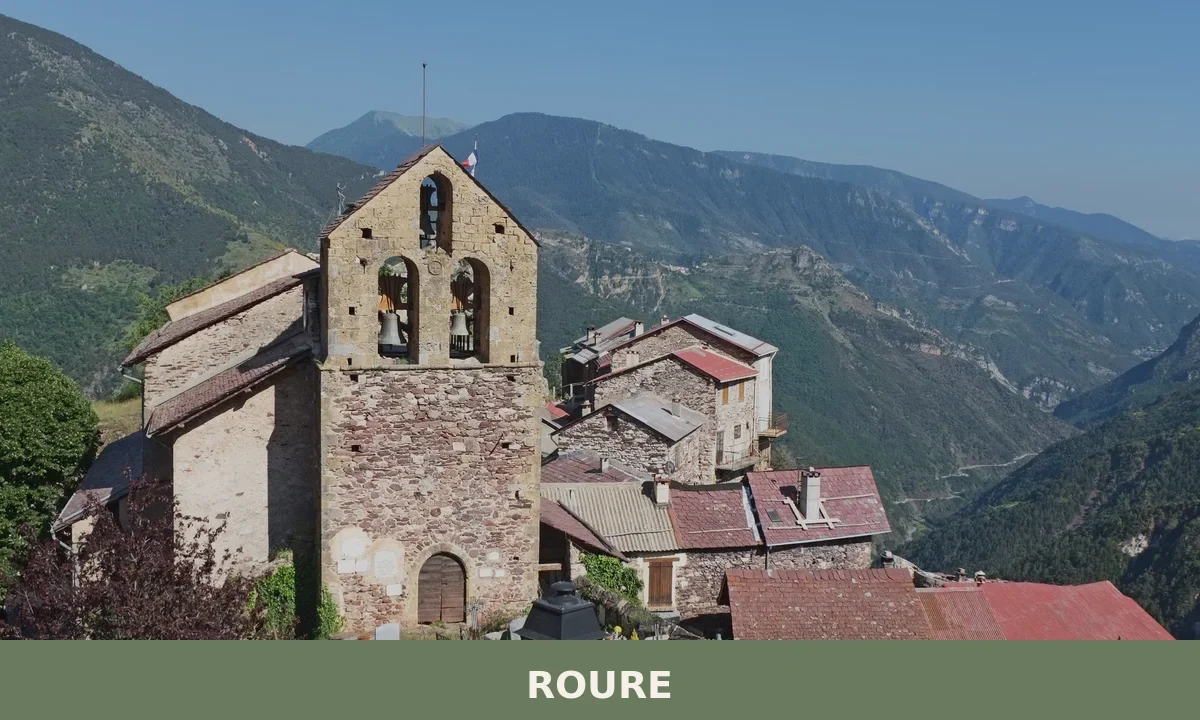
A dispersed mountain commune of 752 residents in Turin province. Stone hamlets linked by valley pathways, climbing crags and 2000-metre drops into wilderness.
Arona
 Lake
Plains
Lake
Plains
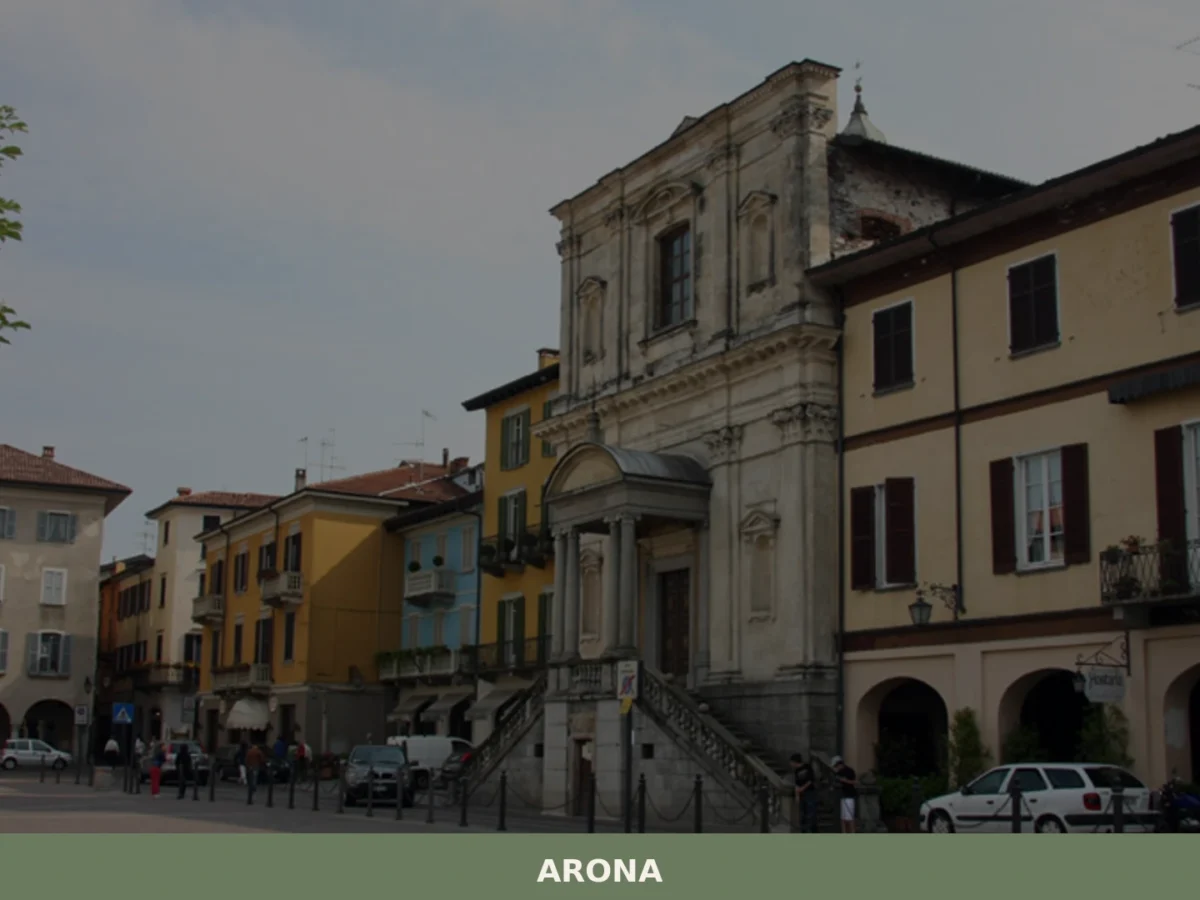
what to see in arona, Italy: Discover Arona, a town of 13,694 inhabitants in Piemonte, home to a notable railway station. Explore this region's travel tips.
Cascinette d’Ivrea
Hills
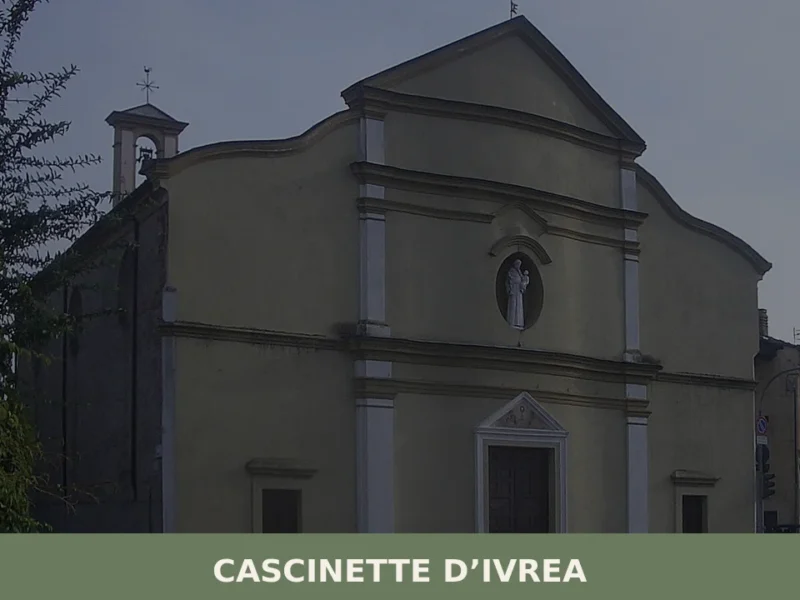
Scopri Cascinette d'Ivrea, un incantevole borgo piemontese ricco di storia e paesaggi mozzafiato. Tutto quello che devi sapere su questo gioiello d'Italia.

San Benedetto Belbo
Hills
145 residents, one literary trail, one medieval monastery legacy. San Benedetto Belbo rewards slow travellers with Fenoglio's landscape and Langa hilltop views.

San Bernardino Verbano
Mountain
San Bernardino Verbano unites 3 historic hamlets at 304 m above Lake Maggiore, offering Val Grande trails, partisan history, and genuine Piedmontese cuisine.


🏡 Know Cintano better than we do?
If you’re a local or have been there, your knowledge matters: add what’s missing or fix a detail on this page.