


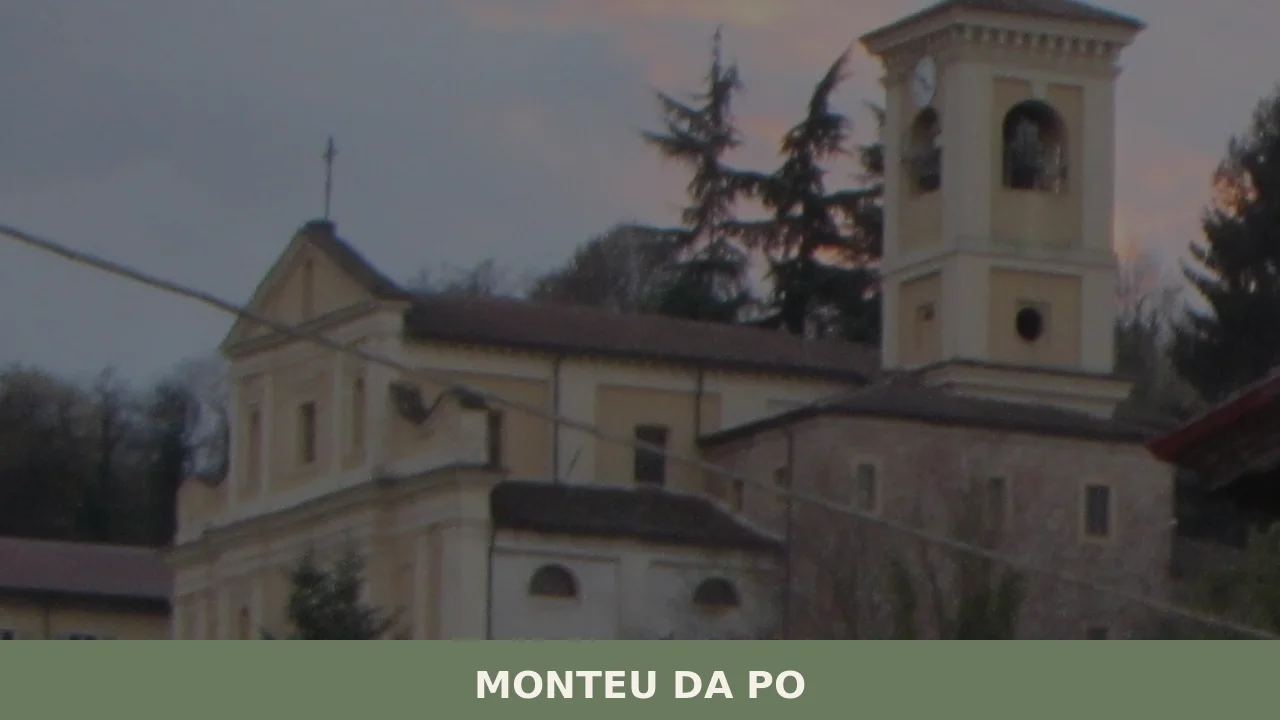
Monteu da Po
 Hills
Hills
Scopri Monteu da Po, affascinante borgo piemontese sulle rive del Po. Storia, natura e tradizioni in un angolo autentico del Piemonte da non perdere.
Discover Monteu da Po
Sitting 40 kilometres east of Turin along Provincial Road 590, Monteu da Po is a municipality of 813 inhabitants in the Metropolitan City of Turin. Its position along the Po corridor — one of northern Italy’s oldest overland and river routes — gives the village a geographic logic that explains much of what to see in Monteu da Po today. The landscape is defined by low hills meeting the river plain, with agriculture and the slow rhythms of a small Piedmontese commune setting the tone for any visit.
History of Monteu da Po
The name Monteu da Po distinguishes this village from several other Piedmontese localities sharing the root toponym, the suffix “da Po” added specifically to identify its position along the river. In the local Piedmontese dialect, the village is known simply as Montèu. The place name itself belongs to a category of Latin-derived settlements common across the Po Valley, where mons or elevated ground served as a marker for habitation sites chosen for their visibility and relative protection from seasonal flooding. Documentary references to settlements in this stretch of the Torinese plain trace back to medieval land management under ecclesiastical and feudal powers that controlled movement along the Po.
During the medieval period, the territory around Monteu da Po fell within the broader sphere of influence of the Marquisate of Monferrato, a political entity that dominated much of the eastern Piedmontese plain from the 12th century onward. Control of river-adjacent communes like this one carried strategic and economic weight: the Po was not merely a geographic feature but a working artery for grain, timber and goods moving between the Alps and the Adriatic. Feudal administration shaped the pattern of rural settlements in this area, with agricultural smallholdings and the parish church forming the nucleus around which village life organised itself over successive centuries.
The 19th century brought administrative reorganisation under the Kingdom of Sardinia and, after 1861, the unified Italian state. Monteu da Po was formally constituted as a comune within the Province of Turin — an administrative boundary that persisted through the 20th century and into the present, when the province was restructured as the Metropolitan City of Turin. Like many small Piedmontese communes in the postwar decades, Monteu da Po experienced gradual rural depopulation as residents moved toward Turin’s industrial economy, a demographic pattern reflected in its current population of 813.
What to see in Monteu da Po: the main attractions
The Parish Church
The village parish church forms the architectural and civic centrepiece of Monteu da Po, as is typical of settlements along the Piedmontese plain. Built in a style consistent with the Baroque vernacular architecture widespread across the Turin metropolitan area from the 17th century onward, it anchors the village square and retains its role as an active place of worship for the local community.
The Po Riverbank and Natural Corridor
The Po riverbank accessible from Monteu da Po offers one of the most direct encounters with the river as a living ecosystem. This stretch of the Po falls within the broader Po Torinese Regional Park system, a protected zone characterised by riparian woodland, sandbanks and seasonal wetlands that support migratory bird populations throughout spring and autumn.
Provincial Road 590 Heritage Corridor
The SP 590 that runs through Monteu da Po follows a route with roots in pre-Roman and Roman road infrastructure connecting Turin eastward through the plain. Travelling this road at a deliberate pace reveals the sequence of rural communes, cultivated fields and isolated farmsteads that constitute the working agricultural landscape of this part of the Metropolitan City of Turin.
Rural Agricultural Landscape
The countryside immediately surrounding the village is characterised by cereal cultivation, vineyards and mixed smallholdings on gentle slopes descending toward the river. This is the eastern edge of the Canavese and lower Monferrato agricultural zone, where traditional Piedmontese farming practice — including viticulture — remains visible in the field patterns and rural buildings encountered along local tracks.
The Village Centre and Communal Spaces
Monteu da Po’s historic centre, compact even by the standards of a comune of 813 people, preserves the spatial logic of a Piedmontese rural village: a central piazza, the municipal building (municipio), and the church in close proximity. The scale is domestic and unhurried, offering a direct experience of how small-community civic life functions in contemporary rural Piedmont.
What to see in Monteu da Po: local food and typical products
The food culture of Monteu da Po is rooted in the broader Piedmontese culinary tradition of the Turin metropolitan plain. Expect dishes built around locally grown cereals, river fish from the Po, and the cured meats and aged cheeses that define the Piedmontese table. Tajarin — the fine egg-yolk pasta native to this region — and brasato al Barolo appear regularly in the trattorias of surrounding communes, and any table within this territory tends to reflect the same disciplined, ingredient-focused cooking philosophy that characterises Piedmontese cuisine at large. The Visit Piemonte regional tourism authority documents the full range of DOP and IGP products specific to this province, including Piedmontese beef, Toma Piemontese DOP cheese and local honey varieties.
Viticulture in the hills east of Turin produces wines that, while less celebrated than Barolo or Barbaresco, are honest expressions of local Piedmontese grape varieties including Freisa, Barbera and Grignolino. Visitors with a specific interest in local food and wine are best served by combining a stay in Monteu da Po with exploration of nearby agricultural estates and the weekly markets held in larger nearby centres, where producers from across the eastern Torinese plain bring seasonal produce directly to consumers.
Best time to visit Monteu da Po
The most practical window for visiting this part of the Piedmontese plain runs from late April through June and again from September through October. Spring brings the full foliage of the Po riparian corridor and temperatures that make walking the riverbank and surrounding countryside comfortable — daytime readings typically settle between 15°C and 22°C. Autumn introduces the grape harvest across the Piedmontese hills, a period when agricultural activity along this stretch of the Po Valley reaches its peak visibility and the light across the plain takes on a particular clarity that photographers working in this region specifically seek out.
July and August are functional but warm, with temperatures on the plain regularly exceeding 30°C and the Po at its lowest seasonal level. Winter visits are possible but quiet — the village reduces to its working rhythms and the landscape turns spare. The broader Piedmontese festival calendar, including events connected to the white truffle season centred on Alba (roughly October to December), provides additional cultural context for visits in the autumn months.
How to get to Monteu da Po
Monteu da Po sits approximately 40 kilometres east of Turin along Provincial Road 590, making it straightforwardly accessible by car from the regional capital. The most direct road connection from Turin follows the SP 590 east through the Po corridor without requiring motorway travel, though the A4 Turin–Milan motorway and its exits toward Chivasso offer an alternative approach from the north. Journey time from central Turin by car is approximately 45 to 55 minutes depending on traffic through the eastern suburbs.
- By car from Turin: approximately 40 km via SP 590, 45–55 minutes
- Nearest railway station: Chivasso, on the Turin–Milan main line, approximately 10 km to the north — local road connection required for the final leg
- Nearest airport: Turin Airport (Caselle), approximately 50 km by road
- From Milan: approximately 100 km via A4 motorway to Chivasso exit, then south via local roads
A private vehicle is the most practical option for exploring Monteu da Po and its surrounding countryside. Public transport connections to the village itself are limited, as is typical for communes of this size in the Piedmontese plain. Travellers arriving by train at Chivasso will need to arrange onward transport by taxi or rental car.
Where to stay in Monteu da Po
Accommodation directly within Monteu da Po is limited, as is typical for a rural Piedmontese comune of under a thousand residents. The practical options for visitors centre on agriturismo properties in the surrounding countryside — working farms that offer rooms or apartments alongside meals prepared from their own produce — and small B&B establishments in the village or in nearby communes along the SP 590 corridor. Chivasso, roughly 10 kilometres to the north, provides the nearest concentration of hotel accommodation with standard amenities, and serves as a functional base for day visits to Monteu da Po and the surrounding area.
For those specifically interested in the Po riverbank and rural landscape, an agriturismo within the Po park zone offers the most immediate access to the natural environment. Booking directly through the property or via the regional agriturismo association is advisable, particularly for visits during the autumn harvest period when demand across rural Piedmont increases noticeably. Weekend stays tend to book faster than midweek periods, which remain the quieter and often more economical option.
More villages to discover in Piemonte
The Metropolitan City of Turin contains a range of rural communes that reward the same deliberate, observational approach useful in Monteu da Po. To the northeast, in the Canavese hills above the plain, Brosso occupies elevated ground with a markedly different character from the river corridor — its history shaped by the iron mining industry that once defined economic life across the Canavese. Further along the western arc of the Turin hills, Andezeno represents the compact wine-producing communes of the Chieri area, where viticulture and proximity to Turin have produced a landscape of carefully maintained vineyards and stone farmhouses.
Beyond the immediate Turin metropolitan territory, Piedmont offers further contrasts worth incorporating into a longer itinerary. Azeglio, in the Canavese lake district, brings the moraine hills and lakeside villages of the Viverone area into play — a geographically distinct environment from the Po plain. To the west of Turin, Almese marks the point where the Susa Valley begins its Alpine ascent, offering the first mountain perspectives visible from the Piedmontese plain. Together these four villages trace a rough compass around Turin, each representing a different facet of what the broader Piedmontese territory contains beyond the regional capital.
Frequently asked questions about Monteu da Po
What is the best time to visit Monteu da Po?
The ideal times to visit Monteu da Po are late April to June and again from September to October. Spring offers comfortable temperatures (15-22°C) perfect for exploring the Po riverbank's full foliage and the surrounding countryside. Autumn coincides with the grape harvest, showcasing peak agricultural activity and providing excellent light for photography. While July and August are warm, they are functional. The village celebrates its patron, Madonna del Rosario, but specific feast dates are not available, so it's best to check local calendars for any related events.
What to see in Monteu da Po? Main monuments and landmarks
Monteu da Po's main architectural landmark is its Parish Church, a prime example of Baroque vernacular style that serves as the village's civic and spiritual heart. Visitors can explore the compact historic centre, including the central piazza and municipal building, experiencing the unhurried pace of rural Piedmontese life. The accessible Po Riverbank, part of the Po Torinese Regional Park, offers a direct encounter with the river's ecosystem, featuring riparian woodlands and sandbanks, ideal for quiet contemplation of nature.
What are the main natural or scenic attractions of Monteu da Po?
The primary natural attraction in Monteu da Po is the Po Riverbank and its natural corridor, which forms part of the Po Torinese Regional Park. This area is characterized by riparian woodlands, sandbanks, and seasonal wetlands, providing a habitat for migratory birds, especially during spring and autumn. Beyond the river, the rural agricultural landscape surrounding the village, with its cereal fields, vineyards, and smallholdings, offers gentle slopes descending towards the Po, showcasing traditional Piedmontese farming practices and a serene countryside experience.
Are there museums, churches or historic buildings to visit in Monteu da Po?
In Monteu da Po, the main historic building to visit is the Parish Church, built in a Baroque vernacular style. It stands as the architectural and civic centrepiece of the village and remains an active place of worship. While specific visitor hours are not universally published for active parish churches, it is generally accessible during daylight hours, especially before and after mass, reflecting its role in the local community. There are no documented museums or other historic buildings open for public visitation.
What can you do in Monteu da Po? Activities and experiences
Visitors to Monteu da Po can immerse themselves in the tranquil pace of rural Piedmontese life. Key activities include walking along the Po Riverbank within the Po Torinese Regional Park, ideal for enjoying riparian landscapes and birdwatching. Exploring the surrounding agricultural countryside offers views of cereal fields and vineyards. For food and wine enthusiasts, the experience extends to visiting nearby agricultural estates and weekly markets in larger centres to discover local products and wines like Freisa and Barbera, deepening the connection to the region's culinary heritage.
Who is Monteu da Po suitable for? Families, couples, hikers, solo travelers?
Monteu da Po is ideally suited for travellers seeking a tranquil, authentic rural Piedmontese experience away from the bustling tourist routes. It appeals to nature lovers and hikers interested in exploring the Po Riverbank and the gentle agricultural landscape. Couples and solo travellers will appreciate the slow rhythms and quiet charm of its village centre. Food and wine enthusiasts can use it as a base to discover local products and vineyards in the broader eastern Torinese plain. It's less about high-action tourism and more about immersion in local culture and natural beauty.
What to eat in Monteu da Po? Local products and specialties
The culinary identity of Monteu da Po is deeply rooted in the broader Piedmontese tradition, featuring dishes crafted from locally grown cereals, fresh river fish from the Po, and a variety of cured meats and aged cheeses. Specialties to seek out include fine egg-yolk pasta like Tajarin, and rich brasato al Barolo often found in nearby trattorias. The region is also known for DOP and IGP products such as robust Piedmontese beef, creamy Toma Piemontese DOP cheese, and diverse local honey varieties. Local vineyards contribute honest wines from Freisa, Barbera, and Grignolino grapes.
📷 Photo Gallery — Monteu da Po
Nearby Villages near Monteu da Po
In Piedmont More villages to discover

Acceglio
 Mountain
Discover what to see in Acceglio, a 170-resident mountain village at the head of Valle Maira in Cuneo, Piemonte — trails, churches, alpine pastures and local food.
Baldissero Torinese
Hills
Baldissero Torinese stands at 421 metres above sea level, on the eastern slope of the Turin hills, less than fifteen kilometres from the Piedmontese regional capital. With a population of 3,789, the municipality belongs to the Metropolitan City of Turin and retains an urban layout that still reflects its historical layers, from the medieval core […]
Banchette
Hills
Banchette is a municipality of 3,087 inhabitants in the province of Turin, situated at 266 metres above sea level on the Canavese plain, a few kilometres from Ivrea. Those wondering what to see in Banchette will find a settlement whose modern identity owes more to industry than to the Middle Ages: the area underwent significant […]
Campiglione Fenile
 Plains
Fifteen kilometres separate Campiglione Fenile from Pinerolo, and that distance is enough to create a perceptible shift: the noise of the city gives way to the compact silhouette of Piedmontese farmsteads, to the double-pitched roofs that cut across the Po Valley sky towards the Cottian Alps. In this article History and origins of Campiglione Fenile […]
Caselette
Hills
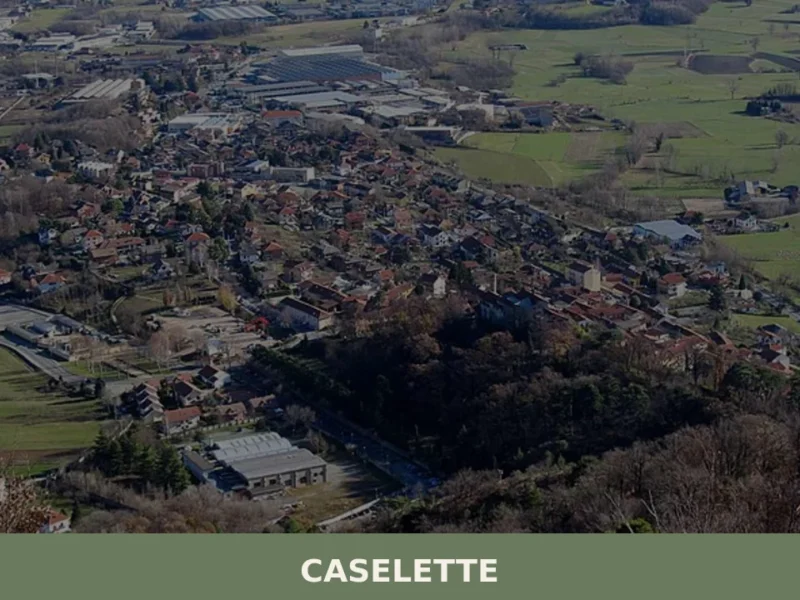
At the foot of Monte Musinè, where the plain of Turin gives way to the first folds of the Val di Susa, a mass of rock the size of a house sits in open ground. The Pietra Alta, one of the largest glacial erratics in the whole of Piedmont, was deposited here by glacial movement […]
Bardonecchia
Mountain
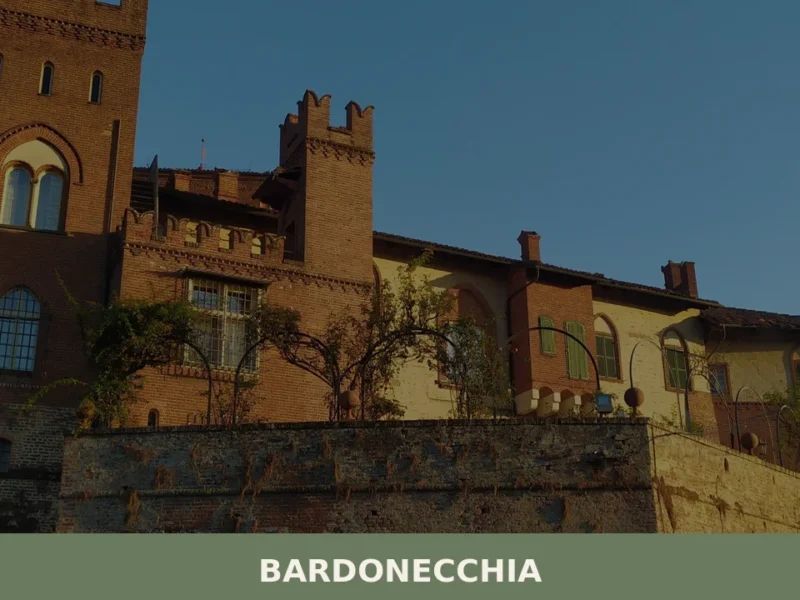
Bardonecchia is the westernmost municipality in Piedmont and one of the historic Alpine crossing points into France, via the Colle della Scala and the Fréjus pass. Located in the upper Val di Susa at an altitude of over 1,300 metres, the town can be reached from Turin in around an hour and a half by […]

Balme
Mountain
Population 97. Balme stands at 1,432 metres in the Valli di Lanzo, where stone architecture and seasonal rhythms anchor a centuries-old mountain community.

Volpiano
Plains
3 Baroque churches and a Roman centuriation grid still visible in the fields make Volpiano a rewarding stop in the Canavese between Turin and the Alps.

San Benedetto Belbo
Hills
145 residents, one literary trail, one medieval monastery legacy. San Benedetto Belbo rewards slow travellers with Fenoglio's landscape and Langa hilltop views.

Salbertrand
Mountain
A 627-soul mountain village at 1,032 metres, rooted in Occitan tradition and medieval pilgrimage routes. Stone fountains, frescoed churches and views of the Ambin peaks define its character.
🧀 Italian traditional products

🏡 Know Monteu da Po better than we do?
If you’re a local or have been there, your knowledge matters: add what’s missing or fix a detail on this page.