


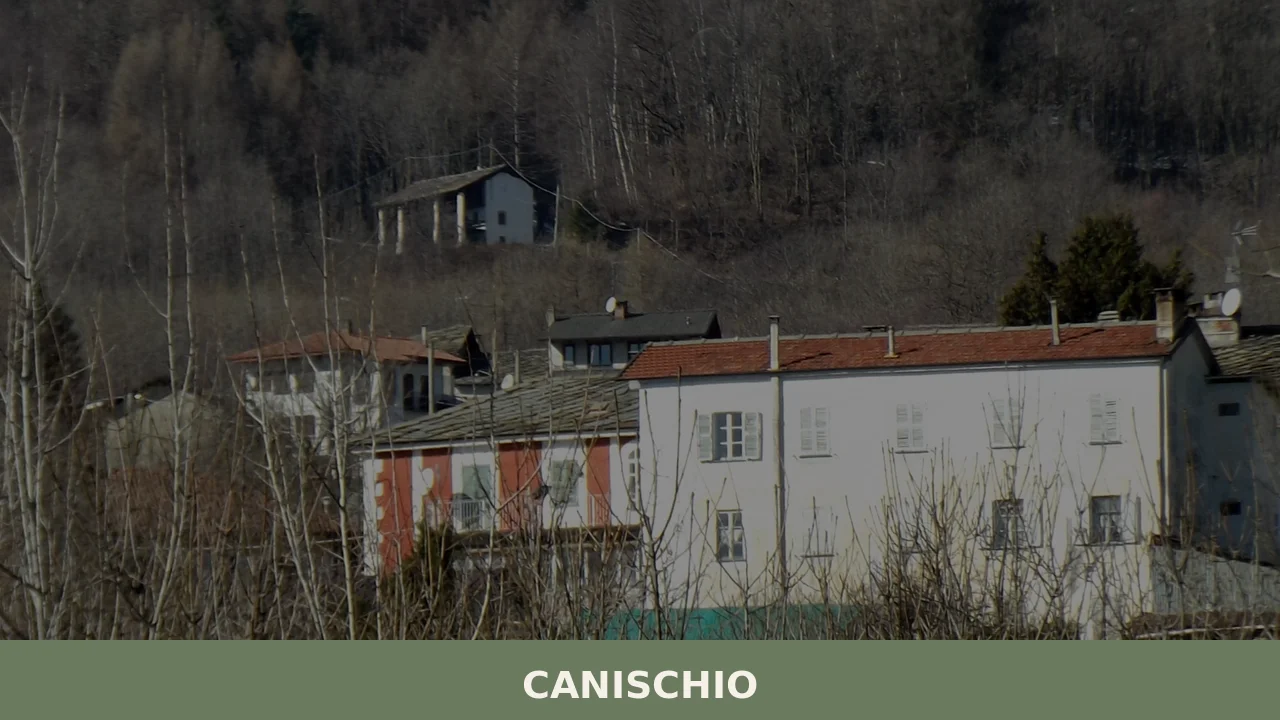
Canischio
 Mountain
Scopri Canischio borgo Piemonte: storia, tradizioni e paesaggi mozzafiato tra le colline canavesane. Una meta autentica da non perdere!
Discover Canischio
The Gallenca river valley cuts a narrow corridor through the hills north of Turin, and the comune of Canischio sits within that corridor, bordered by six municipalities: Sparone, Cuorgnè, Alpette, San Colombano Belmonte, Pratiglione, and Prascorsano. The surrounding ridgelines keep the settlement compact, the kind of place where the road in is also the road out, and the landscape does most of the talking before any building comes into view.
For visitors asking what to see in Canischio, the answer begins with geography: the village lies approximately 35 km (22 mi) north of Turin within the Metropolitan City of Turin, Piemonte, Italy.
Visitors to Canischio find a rural comune shaped by its river valley setting, with access to the surrounding hills, neighbouring medieval settlements, and the broader network of Canavese-area routes. The Canischio highlights include its valley position, its border communities, and the agricultural and natural landscape that defines daily life here.
History of Canischio
The name Canischio carries the linguistic imprint of medieval Latin settlement patterns common across the Canavese area of Piemonte. Place names ending in similar suffixes across this zone of the Metropolitan City of Turin often derive from the names of early landholding families or from descriptors of land use, a naming convention documented across northern Italy from the early medieval period onward. The Canavese territory, which encompasses Canischio and its neighbouring municipalities, was a contested zone during the fragmentation of Carolingian authority in the ninth and tenth centuries, when local lords and ecclesiastical institutions competed to consolidate control over river valleys and high-ground routes.
During the communal period of northern Italian history, the smaller settlements of the Canavese, including those along the Gallenca valley, fell under the shifting influence of the County of Canavese and later into the orbit of the House of Savoy.
The Savoy dukes progressively absorbed the hill territories of Piemonte from the eleventh century onward, and communities like Canischio became integrated into the administrative and fiscal structures of what would eventually become the Duchy of Savoy and, centuries later, the Kingdom of Sardinia. This territorial consolidation left traces across the valley in the form of local governance structures, ecclesiastical foundations, and the layout of rural land holdings.
By the nineteenth century, the unification of Italy in 1861 folded Canischio into the newly formed Kingdom of Italy as a comune within the Province of Turin. The administrative geography has shifted over subsequent decades — the province was reconstituted as the Metropolitan City of Turin in 2015 — but the village’s physical boundaries and its relationships with neighbouring municipalities such as Cuorgnè and Sparone have remained structurally consistent. Cuorgnè, the closest significant urban centre in the immediate area, has historically served as the commercial and administrative hub for the smaller comuni of the Gallenca valley, a role it retains today.
What to see in Canischio, Piemonte: top attractions
The Gallenca River Valley Landscape
The valley floor follows the Gallenca watercourse through a corridor of hillside terrain that is the defining physical feature of Canischio’s territory.
The river gives the settlement its geographical logic: roads, field boundaries, and built clusters all orient themselves around the water’s path. Standing at any elevated point on the valley rim, the visitor can read the entire relationship between the comune and its natural setting in a single sweep. The best conditions for observing the valley are in late spring and early autumn, when vegetation cover is either fully established or beginning to thin, making the contours of the terrain readable from a distance.
The Municipal Boundary Network and Neighbouring Comuni
Canischio shares its perimeter with six distinct municipalities, a density of administrative borders unusual for a comune of this scale in Piemonte. Each border represents a different historical negotiation over land use, water rights, and communal identity. The contact zone with Alpette to the north marks a shift toward higher elevation, while the border with Pratiglione and Prascorsano to the south leads into gentler agricultural terrain. Walking the outer margins of Canischio’s territory, particularly on the tracks connecting toward San Colombano Belmonte, provides a direct way to understand the scale and topographic variety of the village’s land.
Sturdy footwear is advisable, as paths can become uneven over elevation changes.
The Village Core and Rural Architecture
The built fabric of Canischio reflects the construction materials and methods common to the Canavese hill zone: locally quarried stone, compact house volumes designed to retain heat through long winters, and narrow circulation routes between buildings. The village core does not extend over a large area, which means the transition from built environment to open countryside happens within a short walking distance from the centre. Details worth examining include the stonework of older structures, the proportions of doorways and window openings typical of the region’s vernacular style, and the way buildings step with the natural slope of the terrain rather than levelling it. Early morning light from the east illuminates the stone facades most effectively.
The Surrounding Hill Paths and Natural Terrain
The hills enclosing the Gallenca valley offer paths that gain elevation quickly from the valley floor, rewarding the effort with unobstructed views across the Metropolitan City of Turin’s northern territory. The gradient of these routes varies, but most involve a consistent climb of between 100 m (328 ft) and 200 m (656 ft) from the valley floor to the first significant ridgeline. The terrain is characteristic of the pre-Alpine Canavese foothills: mixed woodland, rocky outcrops, and open grassland at higher points. Spring brings the most consistent trail conditions; summer paths can be dry and hard underfoot, while autumn introduces mud after rain.
No technical equipment is required for the main routes.
The Parish Church of Canischio
Like virtually every comune in the Canavese area, Canischio organises its civic and social calendar around its parish church, the architectural and institutional centre of the village. The building follows the typology of rural Piemontese ecclesiastical construction: a single-nave structure with a bell tower rising above the roofline of the surrounding houses, visible from the approach roads into the village. The interior proportions reflect the scale of the community it was built to serve — modest in floor area, functional in decoration, with the characteristic whitewashed walls of the Canavese rural church tradition. The church square, where it exists, functions as the primary public gathering space, particularly during the patron saint festival period in the summer months.
Local food and typical products of Canischio
The food traditions of Canischio are rooted in the agricultural economy of the Canavese hill zone, a sub-region of Piemonte where subsistence farming, livestock keeping, and seasonal foraging have historically shaped what goes onto the table. The valley position, with its access to both river-bottom fields and elevated pasture, meant that communities here worked with a relatively varied but never abundant set of ingredients: grains, root vegetables, dairy animals, pigs raised through the winter, and woodland produce gathered in season. This combination of scarcity and variety produced a cuisine that is technically straightforward but specific in its flavour profiles, built on slow cooking, preserved fats, and the kind of seasoning that comes from cured meats rather than fresh spices.
The dishes most closely associated with the Canavese tradition, within which Canischio sits, include polenta concia, a preparation of cornmeal cooked long and then stirred through with local cheese and butter until the mixture becomes dense and cohesive — it is served as a main dish rather than a side, reflecting its origins as a calorie-dense working meal.
Friciula, a fried dough made with lard and sometimes enriched with raisins or other dried fruit, appears during winter and festival periods. Bagna caöda, the emblematic Piemontese sauce of anchovies and garlic cooked in olive oil, is prepared communally in colder months and eaten with raw or boiled vegetables dipped directly into the hot vessel kept warm at the table. The use of anchovies this far inland reflects the historic role of Alpine salt-and-fish trade routes that crossed Piemonte from the Ligurian coast.
Preserved meats produced from the pig — salame, lardo, and various forms of cured shoulder — remain central to the antipasto tradition in households and at local events throughout the area. Dairy production in the Canavese generates a range of fresh and semi-aged cheeses, including toma piemontese, a semi-cooked pressed cheese produced across much of Piemonte’s hill and mountain zone. The milk used comes principally from cows kept on small farms, and the flavour of the resulting cheese varies with altitude and season, becoming more pronounced as animals move to higher pasture in summer.
Fresh toma eaten within days of production has a lactic, slightly acidic quality; aged examples develop a firmer texture and more complex rind.
Local markets and seasonal fairs in the broader Canavese area, particularly in Cuorgnè which serves as the commercial hub for the Gallenca valley, offer the most reliable access to these products for visitors passing through in autumn and early winter. Autumn is when the preserved meat cycle begins and when local producers bring fresh-harvest products — dried beans, chestnuts, and the first pressed olive oils from further south — into the local supply chain. Carrying cash is advisable at smaller stalls and farm-gate sales, as card payment infrastructure is inconsistent across the area.
Festivals, events and traditions of Canischio
The liturgical calendar governs the rhythm of public life in Canischio as it does in most small Piemontese comuni. The patron saint festival, celebrated in the summer months around the feast day of the village’s patron, brings the community together for a processione — a religious procession in which the statue or image of the saint is carried through the village streets by members of the parish confraternity — followed by an outdoor gathering in the church square.
These events typically include a communal meal organised by the local Pro Loco, the volunteer civic association responsible for local cultural and tourism promotion in Italian villages, and in many cases end with fireworks after nightfall.
The agricultural calendar produces its own cycle of informal gatherings tied to harvest periods and the slaughter season in late autumn, when families and neighbours traditionally cooperate in the preparation of preserved meats. These events are not formally advertised to outside visitors but are part of the social fabric of the comune and may be encountered by anyone spending time in the village during October and November. The broader Canavese area hosts a number of documented food and craft fairs in autumn, and Canischio residents participate in the regional fair circuit that connects smaller comuni to the larger events held in Cuorgnè and neighbouring towns.
When to visit Canischio, Italy and how to get there
The best time to visit Canischio and the surrounding Canavese hill zone is late spring, between May and June, when the valley floor is green, paths are dry, and temperatures in the hills stay below 25°C (77°F). Early autumn, September through October, offers a second productive window: harvest activity is visible across the agricultural land, the hillside woodland shifts colour over the course of several weeks, and the festival calendar in the broader area is at its most active.
Summer in the valley can be warm and relatively humid; winter brings cold temperatures and the possibility of snow above 500 m (1,640 ft), which affects road and path conditions. International visitors — particularly those travelling from northern Europe or North America — tend to find the spring and autumn windows the most comfortable in terms of both climate and local activity.
Canischio lies approximately 35 km (22 mi) north of Turin, making it a feasible day trip from the city. By car, the most practical route follows the SS460 northward from Turin through Cuorgnè before taking local roads into the Gallenca valley. The drive from Turin takes approximately 50 to 60 minutes under normal traffic conditions. Cuorgnè, roughly 5 km (3.1 mi) from Canischio, is the nearest town with a train station served by the regional rail network; Trenitalia operates services on the Turin–Cuorgnè line, with journey times from Turin Porta Nuova of approximately 50 minutes.
From Cuorgnè station, reaching Canischio requires a local bus or taxi, as no direct rail connection exists to the village. Turin Airport (Torino Caselle), located approximately 50 km (31 mi) from Canischio, is the nearest international gateway, with connections to major European hubs. For those arriving from Milan, the journey by car covers roughly 120 km (75 mi) via the A4 motorway and then the SS460 north from Turin, taking approximately 90 minutes. English is not widely spoken in smaller shops and at local services in the area, and carrying euros in cash is practical for farm-gate purchases, fuel stops, and village bars.
Visitors who want to extend their time in the Canavese area will find that the villages along the SS460 corridor each have distinct characters. Those travelling by car can reach Almese, another Piemontese comune in the Metropolitan City of Turin, within a reasonable driving distance, making it a logical stop on a broader circuit of the area’s smaller settlements. The road network connecting these villages runs through terrain that shifts from flat valley floor to hillside switchbacks, so allow more time than direct-distance calculations suggest.
Where to stay near Canischio
Canischio itself is a small comune without documented hotel infrastructure.
The most practical base for visitors exploring the Gallenca valley is Cuorgnè, approximately 5 km (3.1 mi) away, which offers a small number of hotels and bed-and-breakfast options consistent with a provincial Piemontese town. For those preferring rural accommodation, the broader Canavese area has a documented tradition of agriturismo — farm-stay accommodation, often combined with meals prepared from the farm’s own produce — though specific properties should be verified through the Piemonte regional tourism portal before travel, as availability changes seasonally. Booking in advance is advisable for the autumn festival period.
Visitors to Canischio looking to explore more of the Metropolitan City of Turin’s northern municipalities can pair their stay with a visit to Arignano, a village in Piemonte that sits within the same broader provincial network and offers further context on the region’s rural settlement patterns. Those with a wider itinerary across Piemonte might also consider routing through Novara, which functions as a regional transport node on the western Po plain and connects the northern hill zone to the broader rail and road network of the region.
📷 Photo Gallery — Canischio
Nearby Villages near Canischio
In Piedmont More villages to discover
Rondissone
 Plains
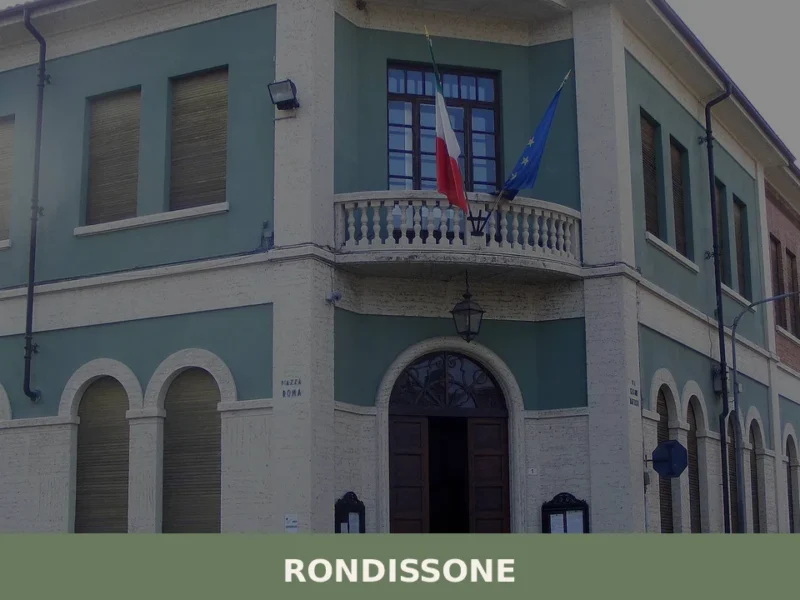
Discover what to see in Rondissone, a Po plain comune near Turin inside the Parco Fluviale del Po torinese. History, food, travel tips and more.

Salbertrand
Mountain
A 627-soul mountain village at 1,032 metres, rooted in Occitan tradition and medieval pilgrimage routes. Stone fountains, frescoed churches and views of the Ambin peaks define its character.
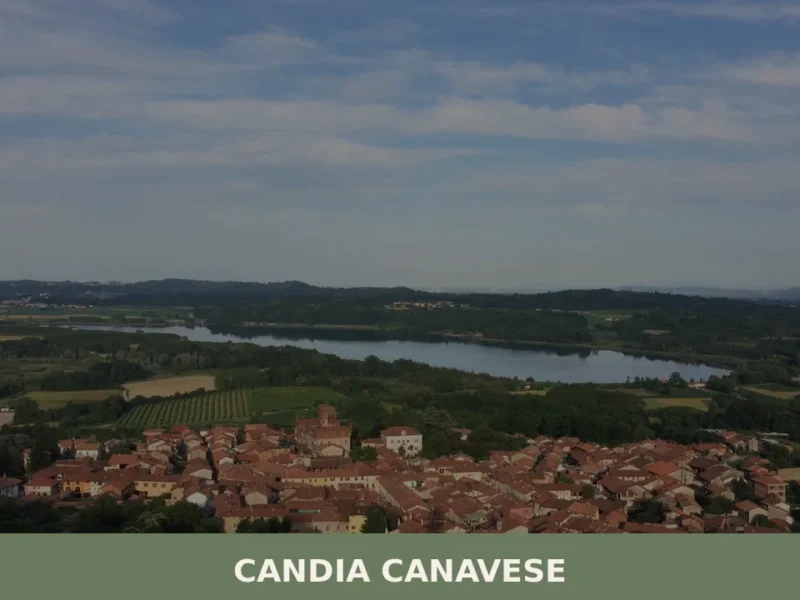
Candia Canavese
 Hills
Hills
Scopri Candia Canavese, il gioiello del Piemonte affacciato sul lago. Storia, natura e tradizioni ti aspettano in questo borgo incantevole del Canavese.
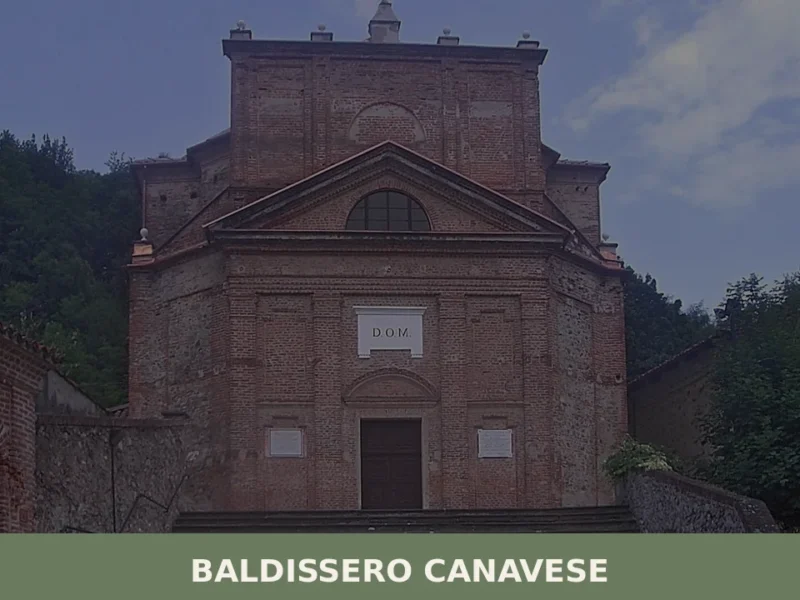
Baldissero Canavese
Hills
Baldissero Canavese has a population of 515 and stands at 392 metres on the hillside of the Canavese area, in the north-eastern corner of the Province of Turin, a short distance from the Piedmontese regional capital. The village is part of the Canavese settlement system, one of the historically densest areas in the region for […]
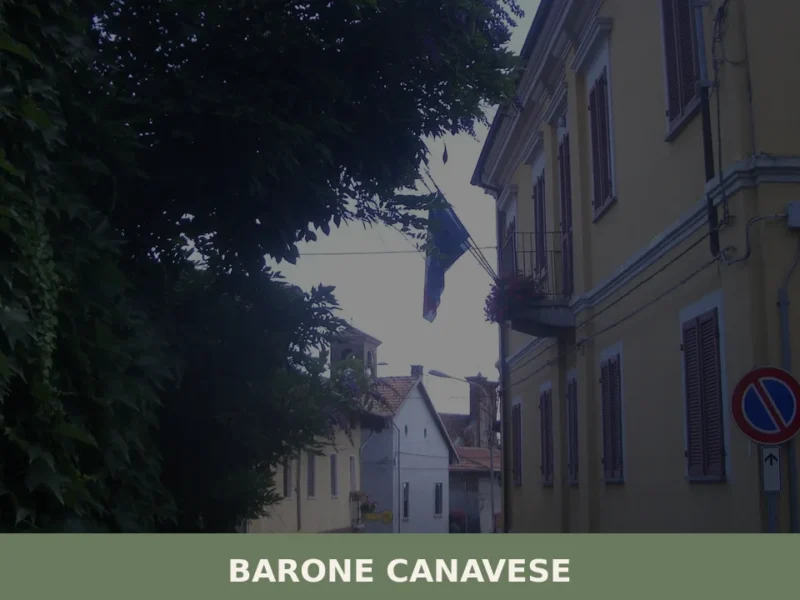
Barone Canavese
Hills
Barone Canavese has 554 inhabitants and sits at 325 metres above sea level, on the hills of eastern Canavese in the province of Turin. Those wondering what to see in Barone Canavese will find a small municipality set within a well-defined hill landscape, notable for its historic religious buildings and a road network connecting the […]
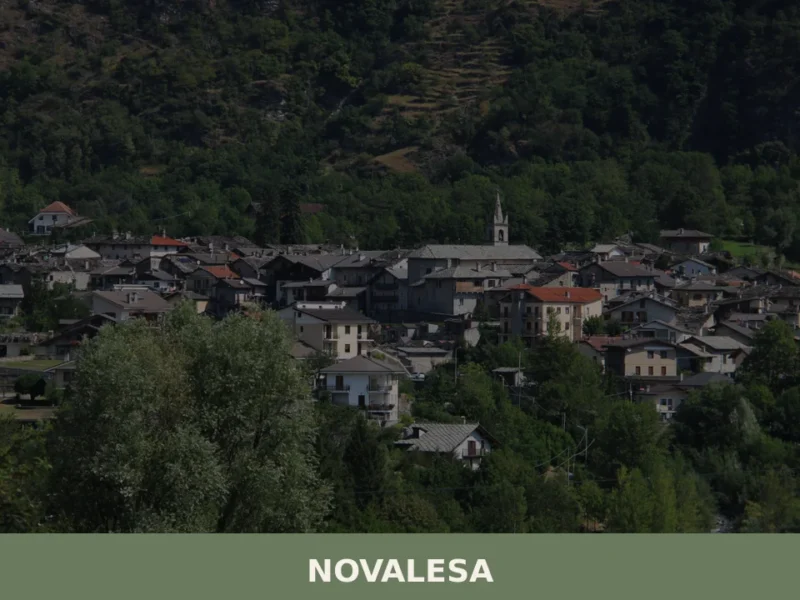
Novalesa
Mountain
Scopri Novalesa, affascinante borgo medievale del Piemonte: storia, abbazia e paesaggi mozzafiato in Valle di Susa. Visita questo gioiello nascosto!
Alice Superiore
Mountain
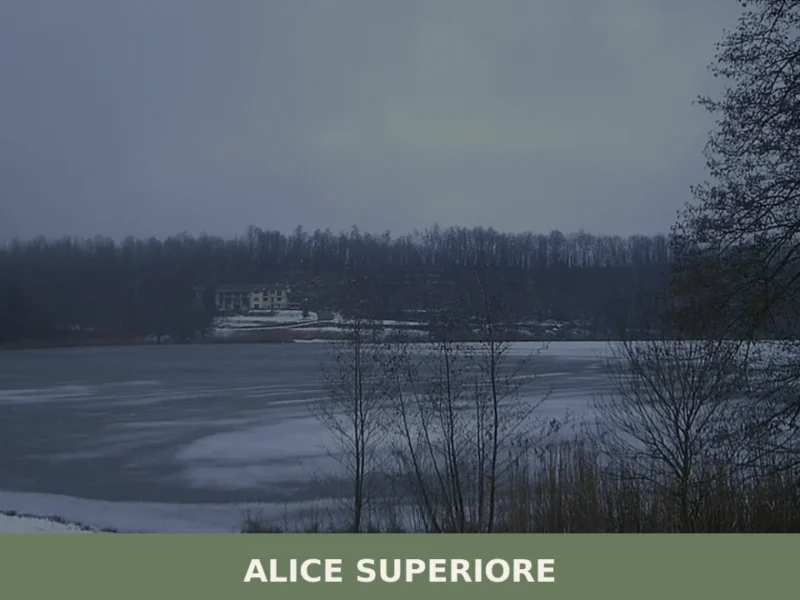
Alice Superiore sits at 610 metres above sea level in the Chiusella Valley, a lateral branch of the Canavese district within the Metropolitan City of Torino. Home to 711 inhabitants, the village occupies a stretch of sloping terrain where chestnut woods give way to Alpine pasture. For anyone researching what to see in Alice Superiore, […]
Albiano d’Ivrea
Hills
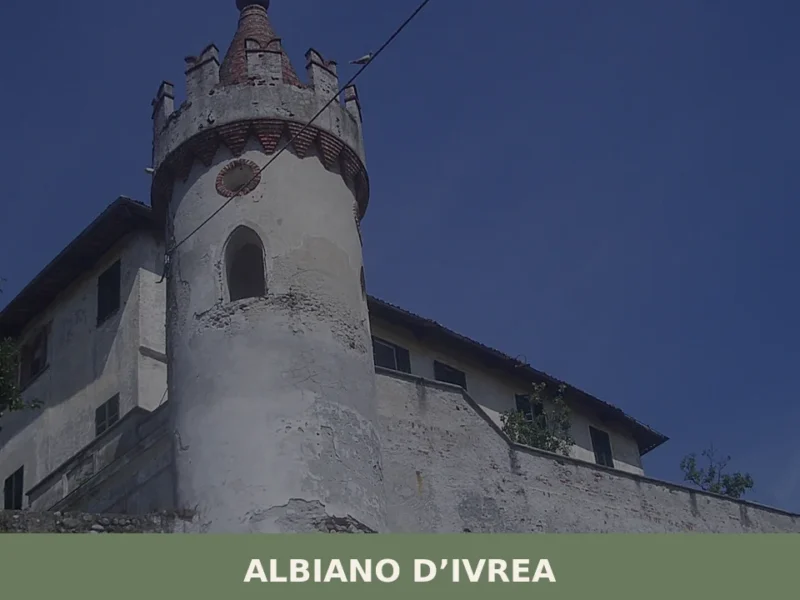
what to see ad Albiano d’Ivrea: con 1.628 abitanti, esplora la Chiesa Parrocchiale e i resti del ricetto medievale. Pianifica il tuo viaggio ora!
Piscina
Plains
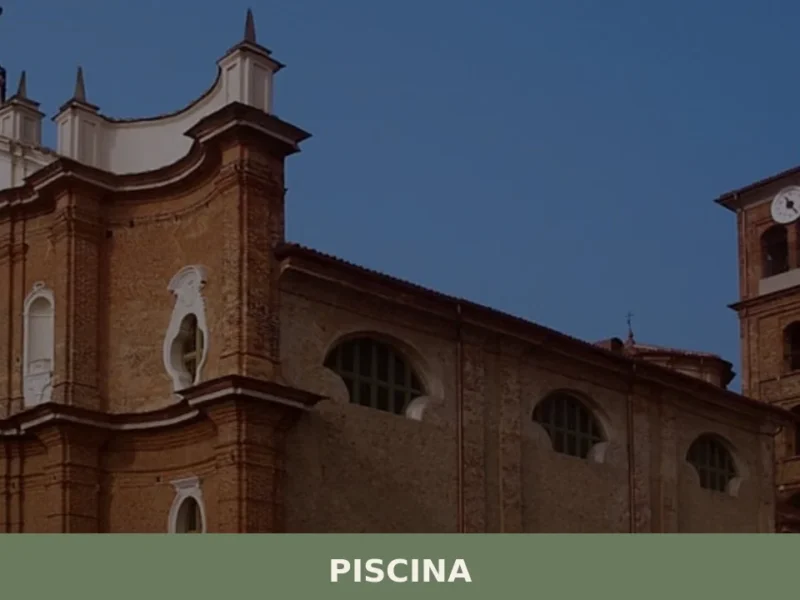
Scopri Piscina borgo Piemonte: storia, tradizioni e attrazioni di questo affascinante comune piemontese tutto da esplorare.
Caselette
Hills
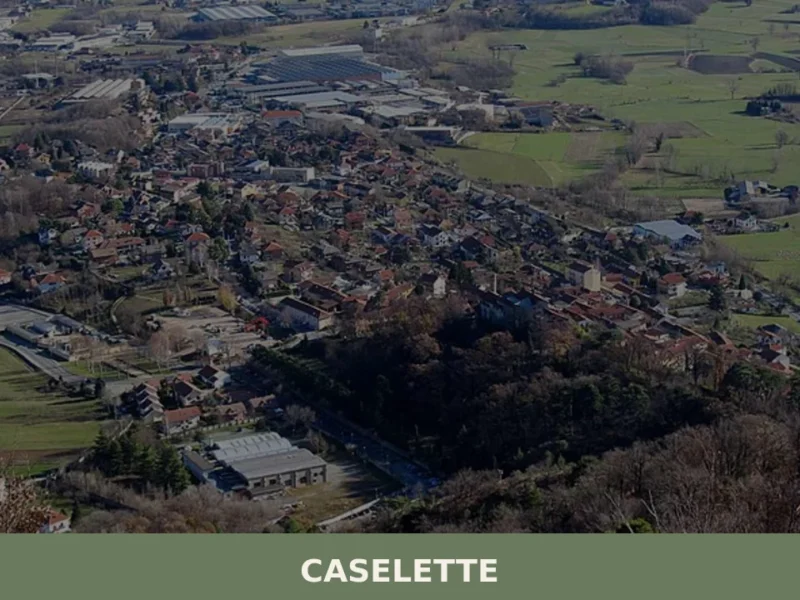
At the foot of Monte Musinè, where the plain of Turin gives way to the first folds of the Val di Susa, a mass of rock the size of a house sits in open ground. The Pietra Alta, one of the largest glacial erratics in the whole of Piedmont, was deposited here by glacial movement […]
🏡 Know Canischio better than we do?
If you’re a local or have been there, your knowledge matters: add what’s missing or fix a detail on this page.