


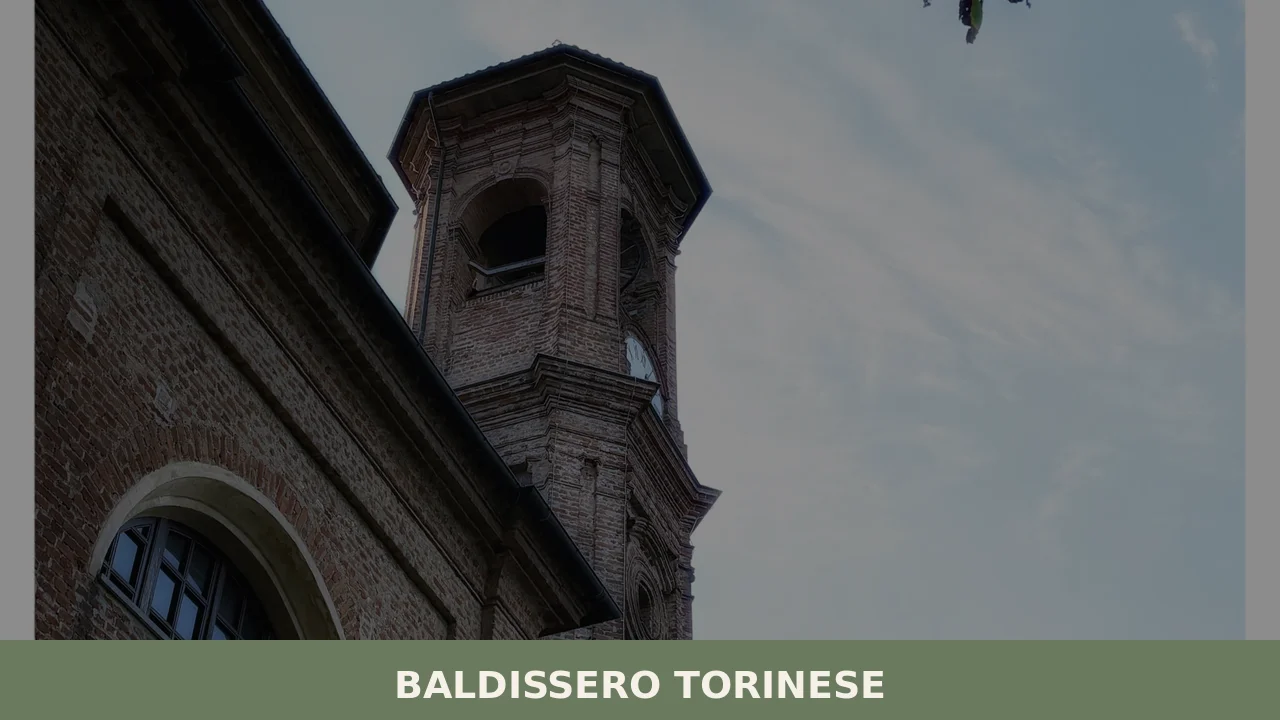
Baldissero Torinese
 Hills
Hills
Baldissero Torinese stands at 421 metres above sea level, on the eastern slope of the Turin hills, less than fifteen kilometres from the Piedmontese regional capital. With a population of 3,789, the municipality belongs to the Metropolitan City of Turin and retains an urban layout that still reflects its historical layers, from the medieval core […]
Discover Baldissero Torinese
Baldissero Torinese stands at 421 metres above sea level, on the eastern slope of the Turin hills, less than fifteen kilometres from the Piedmontese regional capital. With a population of 3,789, the municipality belongs to the Metropolitan City of Turin and retains an urban layout that still reflects its historical layers, from the medieval core to twentieth-century expansion. Anyone seeking to understand what to see in Baldissero Torinese must first get their bearings in a territory where proximity to Turin has not erased the agricultural and hill-country identity, but transformed it into a coexistence that remains perceptible to this day.
History and origins of Baldissero Torinese
The place name “Baldissero” most likely derives from the Lombard name Baldachar or related variants, with a Germanic suffix indicating ownership or settlement by an individual. The first documented record of the village dates to the medieval period, when the territory fell within the orbit of Savoy holdings that were consolidating across the hill country east of Turin. As documented in the historical sources gathered by Wikipedia, the municipality was already recorded as a distinct entity within the Piedmontese feudal system during the Middle Ages.
During the fourteenth and fifteenth centuries, Baldissero Torinese followed the political fortunes of Savoy-ruled Piedmont, passing through several phases of feudal control before establishing itself as an autonomous rural community. The devotion to San Giuliano di Brioude, a Gallic martyr of the fourth century, as the village’s patron saint is a point of particular historical interest: the choice of a saint of French origin reflects the cultural and religious ties that crossed the Alps in the medieval period, when devotional currents followed the commercial and military routes between Piedmont and Provence.
The village’s economy was historically built around viticulture and hill farming, activities that shaped the agricultural landscape still visible on the slopes today. During the nineteenth century, with Italian unification and the industrial growth of Turin, Baldissero Torinese gradually took on the role of a satellite municipality of the regional capital, while retaining its own administration and communal identity. The official municipal website documents the current administrative structure and services provided to the community.
What to see in Baldissero Torinese: 5 key attractions
1. The Parish Church of San Giuliano di Brioude
The parish church dedicated to the village’s patron saint is the architectural focal point of the historic centre. The building, in its current form, preserves elements from several different periods of intervention. Its dedication to San Giuliano di Brioude, a Christian martyr of the fourth century venerated in Gaul, is a historically curious detail that sets this church apart within the broader landscape of Piedmontese religious devotion.
2. The Viewpoint over the Po Plain
Situated at 421 metres, the hillside of Baldissero offers vantage points from which the Po Plain opens out to the horizon, with Turin visible on clear days. This visual relationship with the regional capital explains the village’s historical function as a control and observation post over the eastern approach to the city.
3. The Historic Town Centre
The built fabric of the centre retains traces of its original medieval structure: enclosed courtyards, access passages to rural farmyards, and brick and local stone façades that document the minor vernacular architecture of Piedmont from the sixteenth to eighteenth centuries. Reading the street layout makes it possible to reconstruct the settlement logic of a pre-industrial hill village.
4. The Farmsteads and Hill Agricultural Landscape
The municipal territory is dotted with historic farmsteads that formed the productive backbone of the local agricultural past. Some of these buildings, typical of Piedmontese rural architecture from the eighteenth and nineteenth centuries, are still in use or have been converted into residences. The vineyard landscape on the slopes remains one of the most legible elements of local identity.
5. The Network of Hill Paths
The territory of Baldissero Torinese is crossed by a network of walking routes linking the village to neighbouring municipalities along the hill ridges. These tracks, in part coinciding with old mule paths that once connected rural communities, allow visitors to read the agricultural and woodland landscape of the Turin metropolitan area from close range.
Local cuisine and food products
Baldissero Torinese sits within a gastronomic area that aligns with the culinary tradition of the Turin hills, closely interwoven with the broader Piedmontese food culture. Local traditional dishes draw from the inland peasant repertoire: bagna caôda, a hot sauce made from salted anchovies, oil and garlic, eaten by dipping raw and cooked vegetables, is one of the most representative dishes of the entire area. Equally well established is the tradition of tajarin, a thinly cut egg pasta typical of the Langhe and Monferrato but widespread across the Turin hills, served with a meat ragù or butter and sage. Acciughe al verde, anchovies prepared with parsley, garlic, oil and vinegar, appear on the table as a starter.
The territory falls within the production zone of Freisa di Chieri DOC, a Piedmontese red wine made from the indigenous grape variety of the same name, grown on the hillsides east of Turin, including the municipalities around Baldissero. Freisa, a controlled designation of origin wine, is produced in both dry and medium-sweet versions, with a characteristic aroma of raspberry and rose. More broadly, the Turin hills form part of the production area for Collina Torinese DOC, a designation covering several white and red wines from the metropolitan area. Piedmontese cheeses such as Robiola di Roccaverano PDO and Castelmagno PDO, though produced in different areas, appear on local tables as part of the regional gastronomic repertoire.
When to visit Baldissero Torinese: the best time of year
At 421 metres on the hillside, Baldissero enjoys cooler summers than the Turin plain, with generally lower temperatures and frequent breezes. The period from May to September offers the best conditions for walking the hill paths and taking in the views over the Po Plain. The feast of San Giuliano di Brioude, celebrated on 28 August, is the main civic and religious event of the year: a date that falls at the height of summer, when the village sees the greatest number of visitors arriving from Turin.
Autumn, between October and November, is harvest season on the vineyard slopes and brings a varied palette of colours, as the vines turn red and orange. The hill winter can bring frosts and occasional snowfall, which give the landscape a sharply defined quality but make travel along the walking routes more difficult. Spring, from April onwards, is well suited to those who want to combine a visit to the village with excursions across the surrounding hills.
How to get to Baldissero Torinese
Baldissero Torinese is easily reached from Turin, approximately 14 kilometres to the east. Its proximity to the regional capital makes the village straightforward to visit in half a day, including as a day trip from the city.
- By car from Turin: take the provincial road towards Chieri–Baldissero, with an estimated journey time of 25–30 minutes depending on urban traffic. The A21 Turin–Brescia motorway provides a reference for those approaching from the east, with the exit at Chieri followed by the road towards Baldissero.
- By car from the A6 motorway (Turin–Savona): return towards Turin and reach the village by following the hill roads eastward.
- By air: Turin Caselle International Airport (TRN) is approximately 35–40 kilometres from the village, reachable by car in around 40–50 minutes.
- By train: the nearest railway station is Chieri, served by the Turin–Chieri line. From Chieri, continue by car or local transport to Baldissero Torinese, approximately 5 kilometres away.
- By public transport: the Municipality of Baldissero Torinese provides up-to-date information on local public transport connections linking the village with Turin and neighbouring municipalities.
Where to stay in Baldissero Torinese
Given its proximity to Turin, Baldissero Torinese frequently serves as an alternative base to the city for those who want to stay in a hill setting while keeping quick access to the urban centre. The accommodation offer in the village and its immediate surroundings consists mainly of agriturismi, bed and breakfasts and holiday rentals — options that reflect the rural character of the territory. Farm stays on the hillside slopes are the most fitting choice for the setting, offering the chance to sleep in restored rural buildings with direct access to the agricultural landscape.
Those looking for a wider range of hotel accommodation will find a more varied offer in Chieri, just a few kilometres away. Turin, with its full range of hotels across every category, remains the natural alternative for visitors who want to combine a trip to Baldissero with a city stay. Arriving without a reservation on August weekends is not advisable, particularly around the patron saint’s feast on 28 August, when demand for places in accommodation across the Turin hill area tends to rise.
Other villages to discover in Piedmont
The Turin hills and eastern Piedmont offer a number of villages that share a similar historical background and landscape with Baldissero. Nearby, Moriondo Torinese is another example of a hill settlement within Turin’s orbit, with comparable territorial characteristics in terms of altitude and agricultural structure. Towards the Canavese, Busano offers a different vantage point on pre-Alpine Piedmont, in a landscape where the plain gradually gives way to the first upland terrain.
Those extending their itinerary westward will find in Avigliana a larger medieval village, known for its lakes and its strategic position at the foot of the Val di Susa, with a historical layering that stretches back to the earliest period of Savoy rule. Heading east, the Novara area gives way to the territory of Vercelli, a plains city that stands as one of the cultural and gastronomic poles of eastern Piedmont, and an essential reference point for understanding the region’s rice-growing landscape.
Frequently asked questions about Baldissero Torinese
What is the best time to visit Baldissero Torinese?
The ideal time to visit Baldissero Torinese is between May and September when the weather is mild and perfect for exploring the hill paths and scenic views. The peak visitor period coincides with the feast of San Giuliano di Brioude on August 28, a significant local festival. Autumn offers a beautiful backdrop as vineyards change color, while spring is perfect for combining sightseeing with hill excursions.
What to see in Baldissero Torinese? Main monuments and landmarks
Baldissero Torinese boasts several notable attractions. The Parish Church of San Giuliano di Brioude, dedicated to the village's patron saint, stands as an architectural gem with elements from various historical periods. The historic town center retains its medieval street layout, while farmsteads dotting the hillsides provide a glimpse into the area's agrarian past.
Who is Baldissero Torinese suitable for? Families, couples, hikers, solo travelers?
Baldissero Torinese caters to a diverse range of visitors. Nature enthusiasts and hikers will appreciate the hill paths offering panoramic views. Couples and solo travelers might enjoy the village's historical sites and tranquil setting, while families can engage in outdoor activities and explore the rural landscape. It's a perfect destination for those looking to combine history with nature.
Getting there
Piazza Umberto I, 10020 Baldissero Torinese
Nearby Villages near Baldissero Torinese
In Piedmont More villages to discover
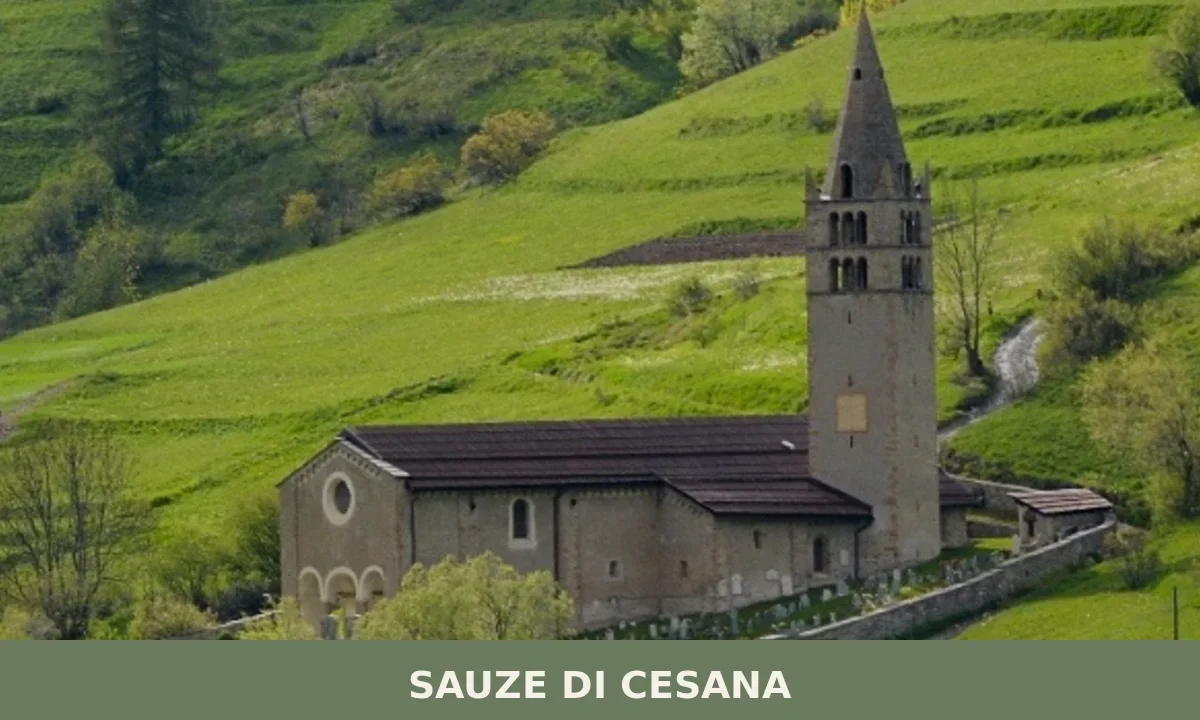
Sauze di Cesana
 Mountain
Population 226. A high-altitude mountain village in Val di Susa where stone architecture and a century of territorial struggle have shaped identity more than monuments.
Castagnole Piemonte
 Plains
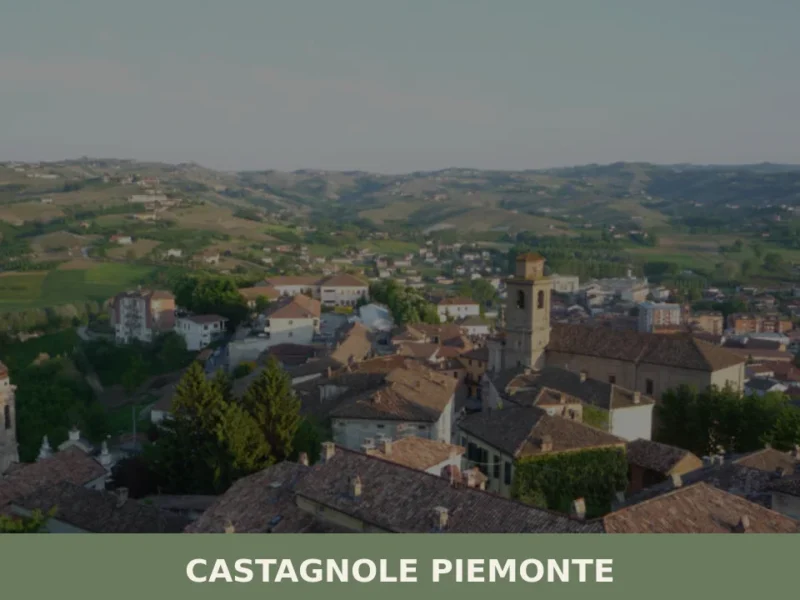
What to see in Castagnole Piemonte, Italy — 20 km from Turin. Explore 5 top attractions, local food traditions and practical travel tips. Discover Piemonte.

Salza di Pinerolo
Mountain
Population 61. A high-altitude Piedmont village where stone fractions cluster around alpine pasture and white fir woods; patron feast on 8 September.

Balme
Mountain
Population 97. Balme stands at 1,432 metres in the Valli di Lanzo, where stone architecture and seasonal rhythms anchor a centuries-old mountain community.

Strambino
Plains
6,000 residents, one castle on a hill, and a church whose floor plan mirrors a frog. Strambino offers a layered Canavese identity few visitors expect.
Albiano d’Ivrea
Hills
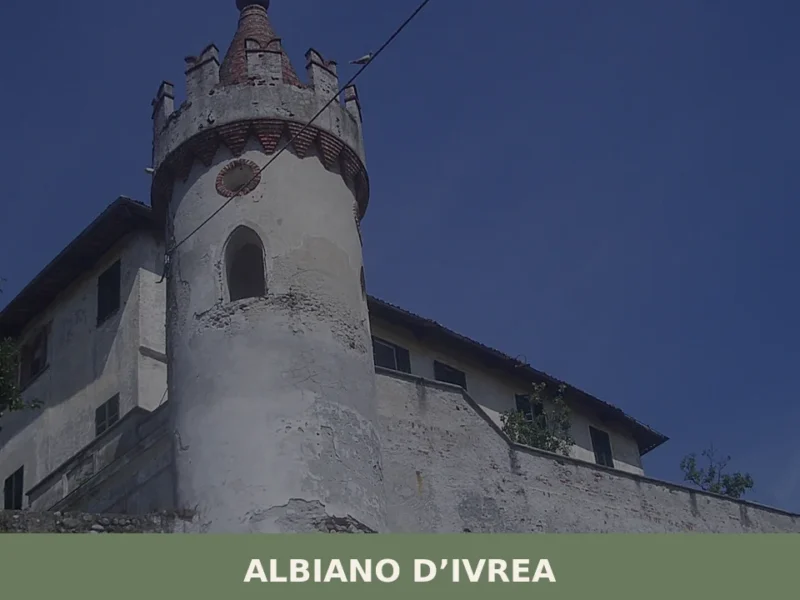
what to see ad Albiano d’Ivrea: con 1.628 abitanti, esplora la Chiesa Parrocchiale e i resti del ricetto medievale. Pianifica il tuo viaggio ora!

Quincinetto
Hills
A mountain comune of 976 inhabitants where Roman roads once connected the Po Valley to Gaul. Medieval castles and seven fountains mark this Piemontese village.
Cantalupa
Hills
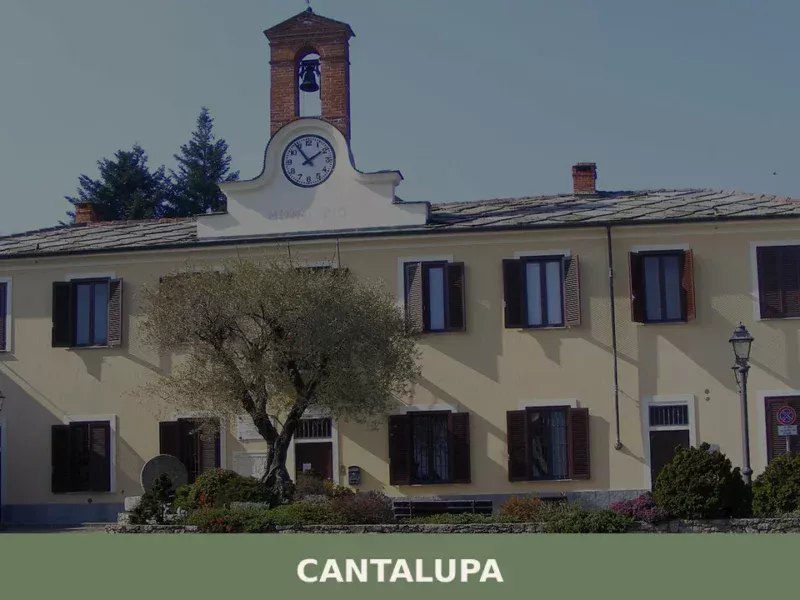
Scopri Cantalupa borgo Piemonte: storia, tradizioni e attrazioni di uno dei gioielli nascosti delle colline piemontesi. Visita questo angolo autentico d'Italia!

Castelletto Molina
Hills
137 residents, one patron saint and a golden civic banner: Castelletto Molina rewards slow travellers with genuine Monferrato countryside and Piedmontese village life.
Barone Canavese
Hills
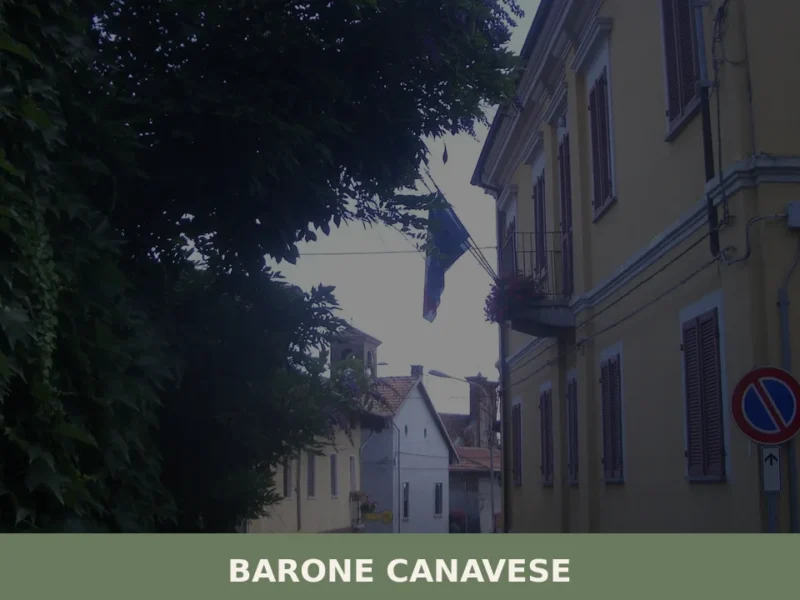
Barone Canavese has 554 inhabitants and sits at 325 metres above sea level, on the hills of eastern Canavese in the province of Turin. Those wondering what to see in Barone Canavese will find a small municipality set within a well-defined hill landscape, notable for its historic religious buildings and a road network connecting the […]



🏡 Know Baldissero Torinese better than we do?
If you’re a local or have been there, your knowledge matters: add what’s missing or fix a detail on this page.