


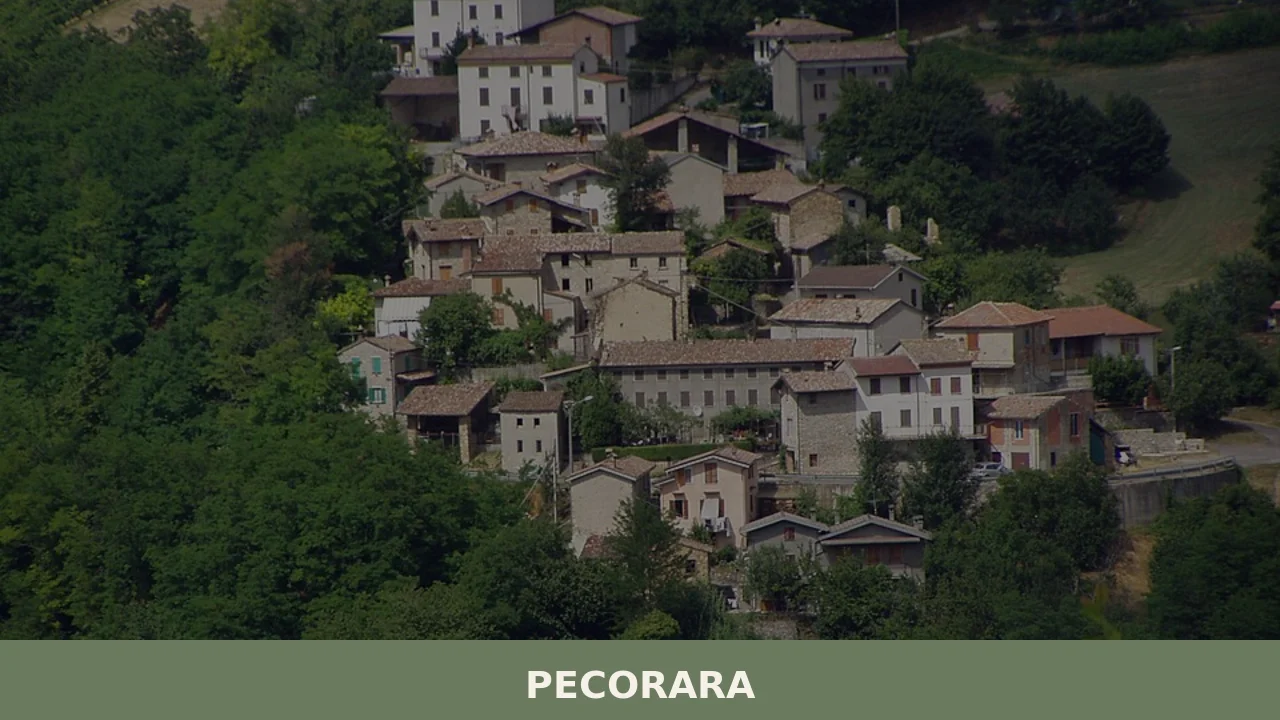

Pecorara is a small hillside municipality in the province of Piacenza, Emilia-Romagna, with around 780 inhabitants and a history reaching back to prehistoric times.
Discover Pecorara
Pecorara is a small Apennine comune of roughly 780 residents, covering about 53.7 square kilometres in the province of Piacenza, Emilia-Romagna, at a municipal centre elevation of 589 metres. Positioned in the hill country where the Val Tidone meets the Val Tidoncello, it has served for centuries as a waypoint on routes linking the valley lowlands to the upland passage toward Bobbio, a geography that shaped its entire feudal and social history. Its patron saint is San Giorgio, honoured each year on 23 April.
Pecorara village in Emilia-Romagna carries the marks of a layered past — prehistoric traces at Cicogni, Carolingian-era documentation, a succession of noble families including the Malaspina, and the rise of a local dynasty whose most distinguished member reached the rank of cardinal and papal legate. Today the comune belongs to a wider territorial area whose food and wine traditions include Piacenza’s celebrated cured meats and the Colli Piacentini DOC wines produced across the surrounding hills.
Pecorara village in Emilia-Romagna: history and origins
Pecorara village in Emilia-Romagna has roots stretching back to prehistory, with traces of early settlement discovered near the locality of Cicogni, and its documented medieval history encompasses feudal rule by the Malaspina family from around the mid-twelfth century, successive lordships under the Visconti, Dal Verme, Scotti and Fulgosi dynasties, and final absorption into the Duchy of Parma and Piacenza after the Congress of Vienna in 1815.
During the early medieval period, following the Carolingian reorganisation of the territory, the area was drawn into the Marca Obertenga. Around the middle of the twelfth century, Emperor Frederick Barbarossa assigned Pecorara and surrounding lands to the noble Malaspina family, who constructed several castles across the territory to control the communication route linking the Val Tidone with Bobbio via the pass known as the Colle della Crocetta. As communal power grew, the Malaspina yielded their holdings and a local family, the Da Pecorara, rose to prominence — their most noted member being Cardinal Jacopo da Pecorara, reportedly born at Cicogni, who served as bishop of Palestrina, abbot of the Abbey of the Three Fountains in Rome, and papal legate under Pope Gregory IX.
Toward the end of the fourteenth century the territory passed to Jacopo Dal Verme, a counsellor and military captain who received it from Gian Galeazzo Visconti, becoming part of the so-called stato Vermesco. In subsequent decades Pecorara changed hands several times among the Scotti, Fulgosi and Dal Verme families before settling again under the Scotti. During the Second World War the area served as a base for partisan brigades of Giustizia e Libertà, and on the last day of 1944 thirteen partisans were killed by Nazi-Fascist forces at the locality of Aie di Busseto.
In more recent times, a referendum held in May 2017 resulted in approval for the merger of Pecorara with the neighbouring communes of Caminata and Nibbiano, leading to the establishment of the new municipality of Alta Val Tidone from 1 January 2018.
Church and Castle: Pecorara’s Built Heritage
Pecorara’s principal sites of interest are the neoclassical Church of San Giorgio Martire and the Castello di Montemartino.
Church of San Giorgio Martire
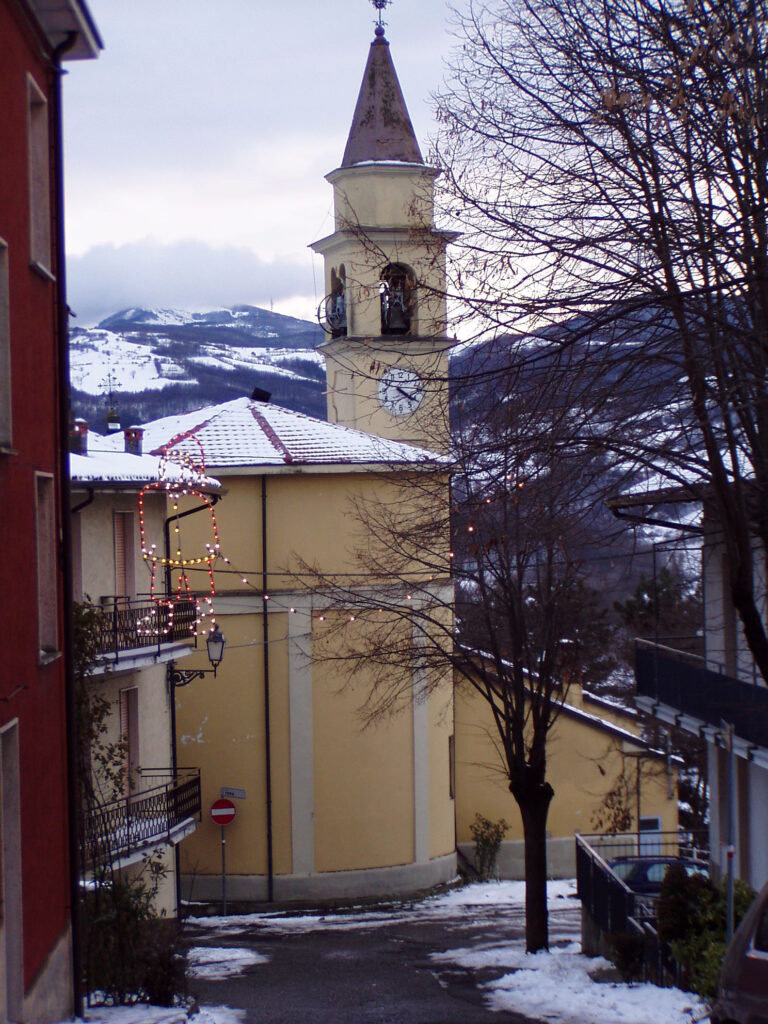
Built between the late eighteenth century in neoclassical style, the church was designed by Pietro Speltini and completed in the 1790s. It stands behind a broad stone-paved forecourt, and its facade is divided into three sections in a gabled arrangement, with pilaster strips at the corners. A single portal, reached by five steps, gives access to the interior; above it are a marble tablet, a lunette window, and a niche containing a statue of Saint George by sculptor Paolo Perotti.
Inside, the plan is basilican with a single nave articulated by Doric-order pilasters across four bays, covered by a barrel vault. The first three bays open on each side into rectangular lateral votive chapels. The presbytery is raised above the nave floor and is likewise roofed with a barrel vault.
Castello di Montemartino
The Castello di Montemartino is recorded in the sources as a site within Pecorara’s territory. No further architectural or historical detail is available in the verified sources.
Pecorara and the Piacenza Hills: What to Eat and Drink
Pecorara sits within the Piacenza food and wine heartland, where the cured meats and cheeses carrying the province’s name are among Italy’s most recognised certified products. The area is home to two pork-based DOP specialities — Coppa Piacentina and Pancetta Piacentina — alongside the hard cow’s-milk cheese Grana Padano DOP, the IGP-certified Mortadella Bologna, and Cotechino Modena. Provolone Valpadana DOP rounds out the dairy tradition of the wider Po Valley to which this mountain territory belongs.
On the wine side, the vineyards of the Colli Piacentini DOC frame the lower valleys surrounding Pecorara. Within that umbrella denomination, Gutturnio DOC and Ortrugo DOC are the names most closely tied to this corner of Piacenza, while the Terre di Veleja IGT covers lighter, often experimental bottlings from the same hills. These are provincial and regional designations rather than wines exclusive to Pecorara itself, but they are the natural accompaniment to any meal in the area.
Regional craft liqueurs also belong to this tradition: distillates based on wild sloe berries (Bargnolino), anise-flavoured spirits, and grape-based macerations with local fruit such as pears are cited among the PAT-listed preparations of the Emilia-Romagna area, though they should be treated as a broad territorial heritage rather than a Pecorara speciality alone.
Planning your visit and getting there
Pecorara can be reached using the practical reference points below. Distances and journey times are kept concise so the access information stays clear and consistent.
| Departure | Distance | Time |
|---|---|---|
| Piacenza | approx. 45 km | approx. 50 min |
| Bobbio | approx. 35-40 km | approx. 35 min |
| Milano | approx. 100 km | approx. 1 h 30 min |
These practical reference points are enough to plan the journey without overloading the text with unstable logistics. Once on site, the village is best understood slowly, on foot and in relation to the surrounding landscape.
Frequently asked questions about Pecorara
How do you get to Pecorara by car, and what is the nearest motorway exit?
The most convenient motorway exit is Castel San Giovanni on the A21 (Turin–Piacenza–Brescia motorway), roughly 20 kilometres north of Pecorara. From there, follow provincial road SP37 southward into the Val Tidone toward Alta Val Tidone. The village is not served by a railway station; the nearest one is at Castel San Giovanni, connected to Piacenza by regional rail. From Piacenza city centre, the drive takes approximately 45 minutes via the SP412.
When is the best time to visit Pecorara, and what is the patron saint feast?
Late spring and early autumn are the most pleasant seasons, with mild temperatures at the village's 589-metre elevation. The principal annual celebration is the feast of San Giorgio on 23 April, honouring the community's patron saint with local festivities. Summer weekends also bring the Colli Piacentini hill country to life with food fairs and wine events tied to the DOC wine-producing area surrounding Pecorara, making June through September a lively period for visitors.
Are there hiking or cycling routes around Pecorara?
The Val Tidone and Val Tidoncello area is crossed by waymarked trails maintained by CAI (Club Alpino Italiano), with paths connecting Pecorara to neighbouring upland villages and toward the ridge routes leading to Bobbio. The surrounding hills are also popular with gravel and road cyclists following the scenic Colli Piacentini wine roads. Detailed trail maps are available from the CAI Piacenza section and the Unione Montana Alta Val Tidone, the local mountain community authority.
What local food and wine products should visitors look for near Pecorara?
Pecorara sits within the territory associated with Piacenza's celebrated cured meats — coppa piacentina, pancetta piacentina and salame piacentino — all protected by DOP status. The surrounding hills fall within the Colli Piacentini DOC wine zone, producing Gutturnio, Ortrugo and Malvasia among others. Local agriturismos and small producers in the Val Tidone area offer direct tastings and sales, making a visit an excellent opportunity to purchase certified regional specialities directly from the source.
How long should visitors plan to spend in Pecorara, and is parking available?
Pecorara is a compact Apennine village best explored in half a day, allowing time to visit the historic centre, the parish church dedicated to San Giorgio, and the surrounding countryside. Free roadside parking is generally available along the main access roads into the village centre. Visitors combining Pecorara with nearby localities such as Pianello Val Tidone or Zavattarello across the border in Pavia province can easily plan a full-day itinerary through the Oltrepò and Colli Piacentini hill country.
📷 Photo Gallery — Pecorara
Nearby Villages near Pecorara
 Mountain
 In Emilia-Romagna More villages to discover
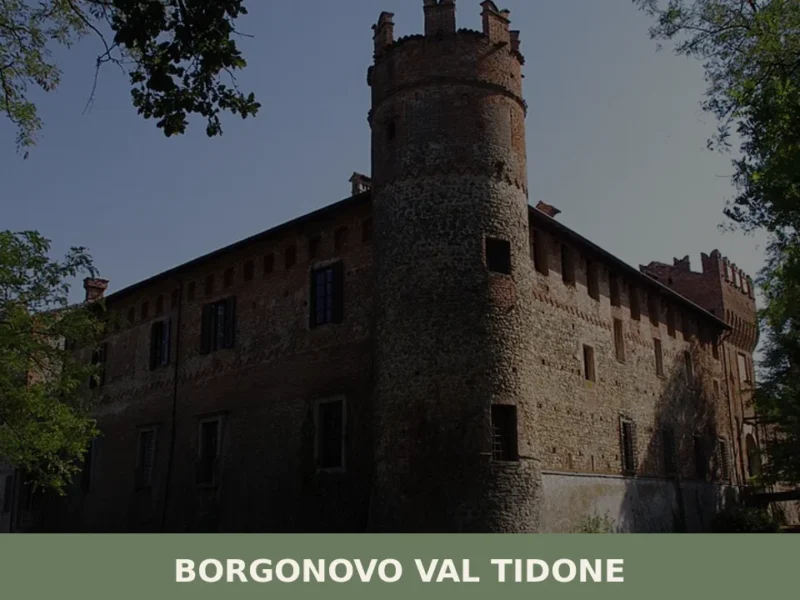
Borgonovo Val Tidone
 Plains
What to see in Borgonovo Val Tidone: 7,774 residents, a medieval castle, the Santa Maria Assunta church and Piacenza cuisine. Plan your visit with this complete guide.
Ferrara
Plains
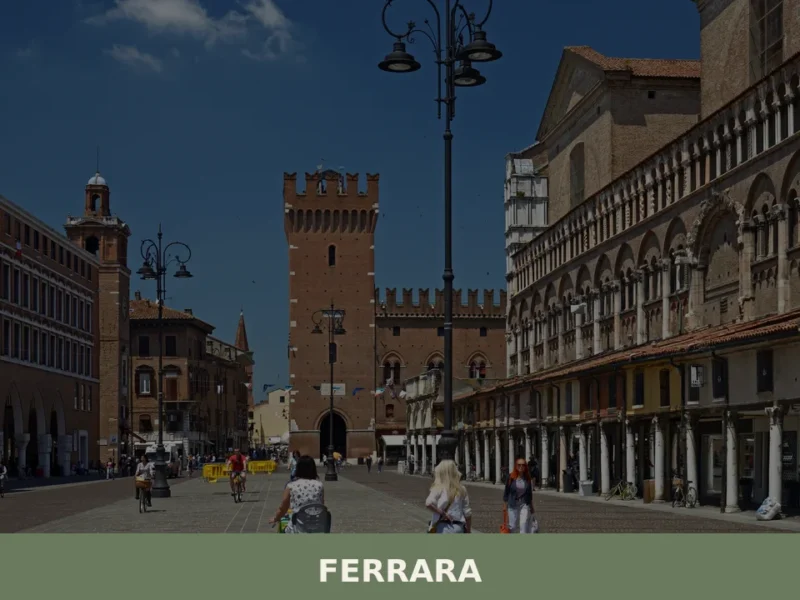
What to see in Ferrara? Explore 6 attractions, from the Estense Castle to the Palio at this city of 135,000. Discover Ferrara’s unique architecture today!
Bologna
Plains
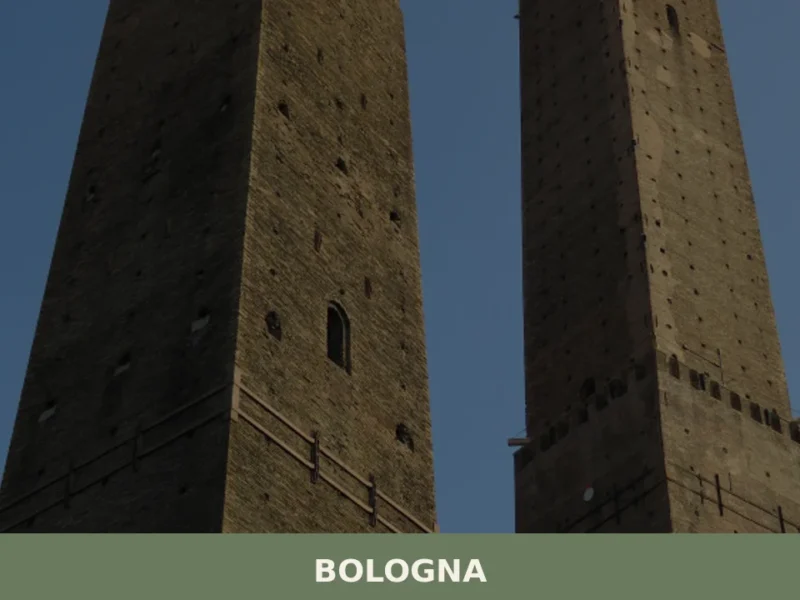
What to see in Bologna: 388,000 inhabitants, UNESCO porticoes and the Two Towers. Plan your visit with our guide to tortellini, Mortadella IGP and top museums.
Corte Brugnatella
 Hills
Hills
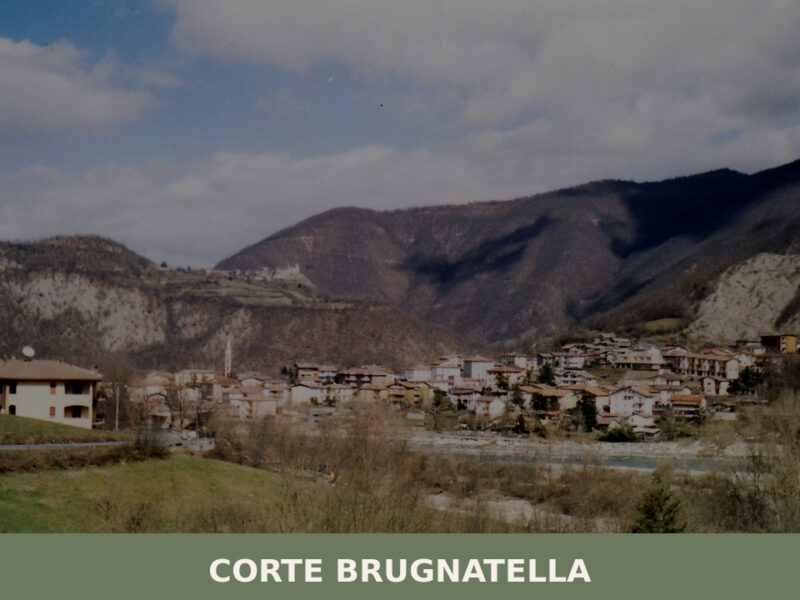
Corte Brugnatella scatters its stone hamlets above the Trebbia River in the Piacenza Apennines. A guide to its medieval settlements, river gorge, and mountain food.
Calendasco
Plains
What to see in Calendasco, a village of 2,485 residents on the Po plain at 55 m elevation. Discover the medieval castle, the 19 February Saint Conrad festival and Piacenza cured meats.
Borgo Tossignano
Plains
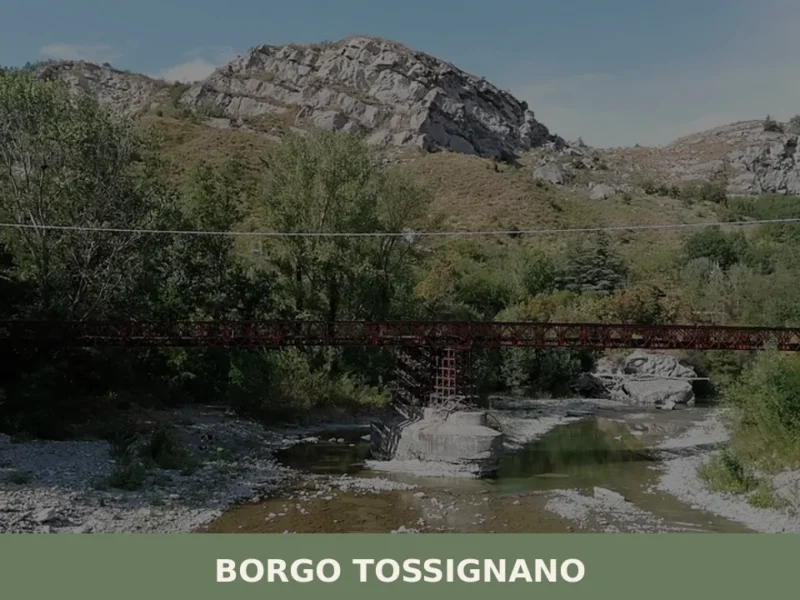
What to see in Borgo Tossignano: a complete guide to the village in the Santerno Valley In February 1945, Allied troops and retreating German units fought over every metre of the Santerno Valley, and Borgo Tossignano paid a devastating price: much of the settlement was levelled by bombing, and the post-war reconstruction reshaped the village […]
Bobbio
Hills
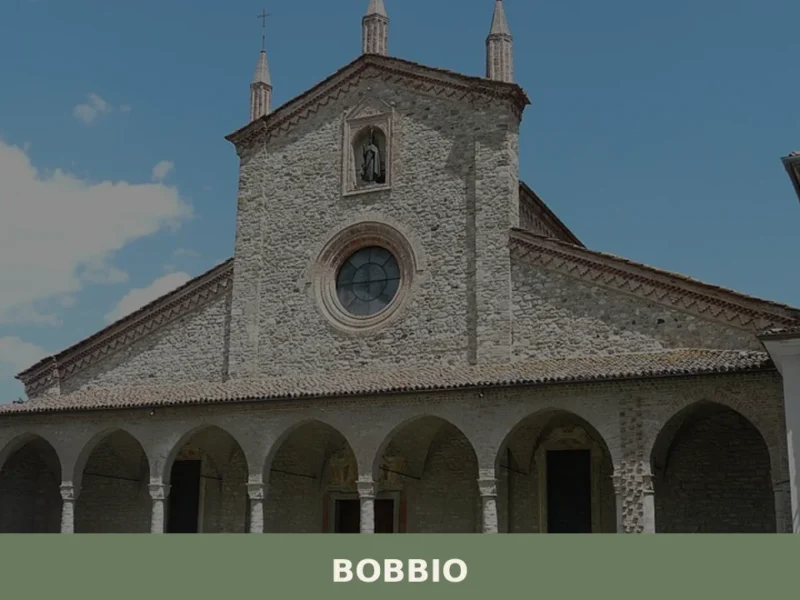
What to see in Bobbio: a town of 3,710 at 272 m in the Trebbia valley, with a 614 AD abbey, the medieval Ponte Gobbo and a hilltop castle. Plan your visit now.
Castel Guelfo di Bologna
Plains
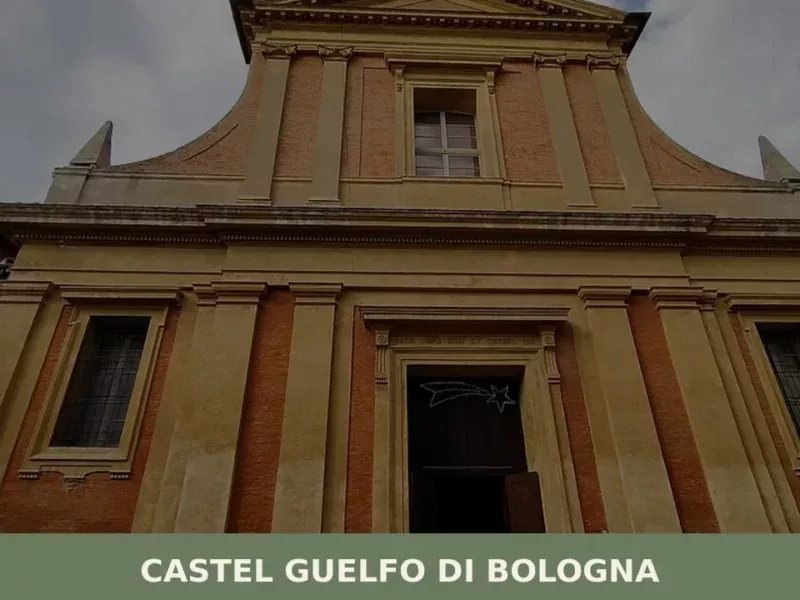
In 1388, the Council of the Six Hundred in Bologna ordered the construction of a fortress on the plain southeast of the city, along the road leading towards Romagna. That military outpost, built to defend the borders of the contado from the ambitions of the Visconti, took its name from the Guelph faction that governed […]
Cadelbosco di Sopra
Plains
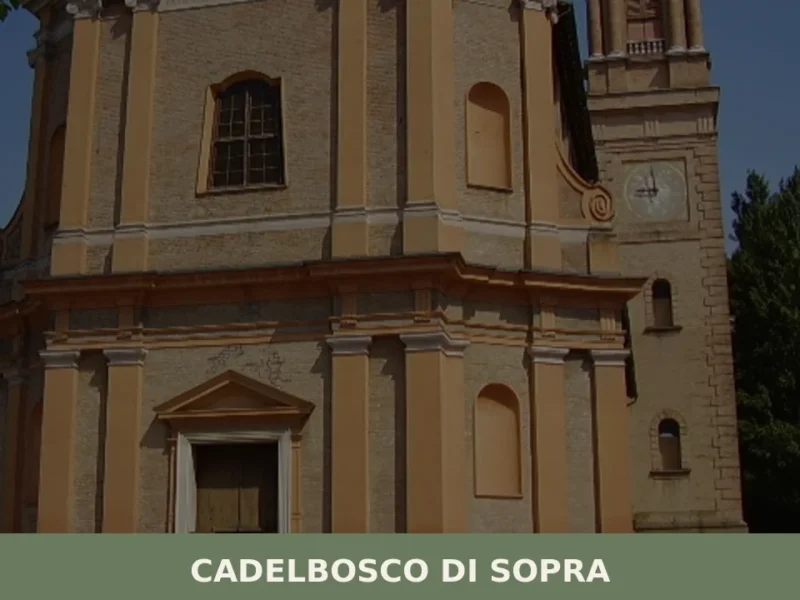
Cadelbosco di Sopra is a historic comune on the Po Plain near Reggio Emilia, shaped by Benedictine monks and centred on the Church of San Celestino.
Bagnara di Romagna
Plains
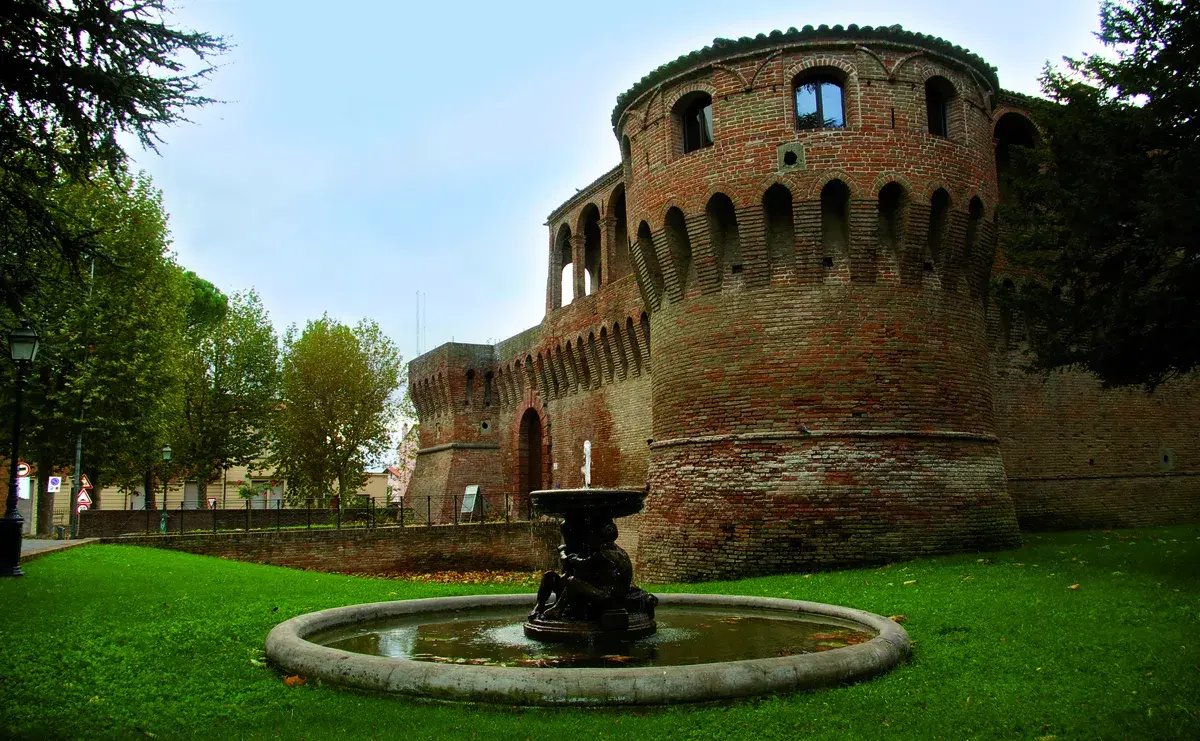
What to see in Bagnara di Romagna, Italy? Explore this 'Borgo più bello' at 22 m (72 ft) altitude. Discover its historical charm and annual Patron Saint's Feast.

🏡 Know Pecorara better than we do?
If you’re a local or have been there, your knowledge matters: add what’s missing or fix a detail on this page.