


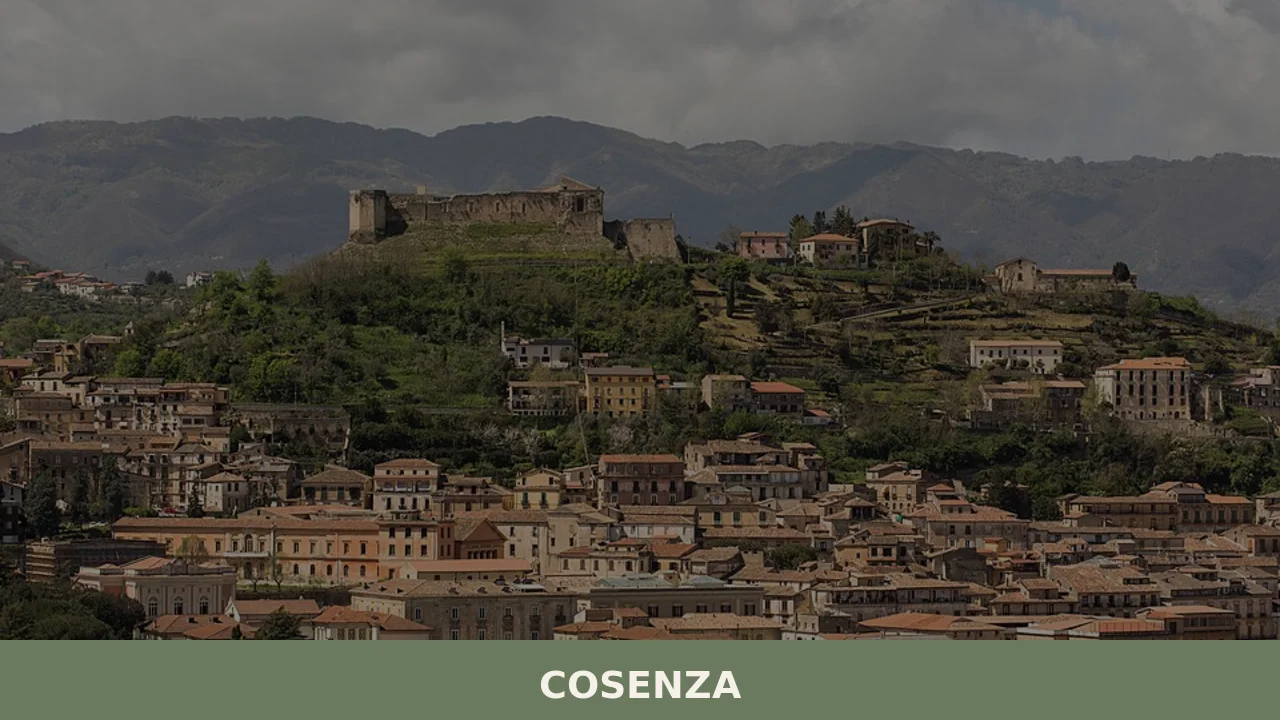
Cosenza
 Hills
Hills
What to see in Cosenza, Italy: explore 5 key attractions from the 1239 Swabian Castle to the medieval Duomo. Discover events, food and how to get there.
Discover Cosenza
Two rivers meet at the foot of a castle that has stood since around the year 1000. The Busento and the Crati converge at 238 m (781 ft) above sea level, channelling cold winters and hot summers into a valley pressed between the Sila plateau and the coastal mountain range.
The Castello Svevo, the Swabian fortress that Frederick II of Hohenstaufen expanded in 1239, still dominates the old town from above, its ogival arches and fleur-de-lis carvings surviving centuries of conquest and reconstruction.
Deciding what to see in Cosenza is made easier by how compactly the city organises its landmarks.
At 238 m (781 ft) above sea level and home to a municipal population of 63,240, Cosenza, Calabria, Italy holds one of the oldest philosophical academies in Europe, a cathedral consecrated by a Holy Roman Emperor, and the legendary burial site of a Visigoth king. Visitors to Cosenza find a city that rewards walking: the cathedral, the Swabian castle, and several significant churches sit within the historic centre on the south bank of the Busento.
History of Cosenza
The ancient settlement of Consentia served as the capital of the Brettii, an Italic people who resisted the Hellenic influence of the Ionian colonies along Calabria’s coast. It was in this territory that the Battle of Pandosia was fought, in which a combined Brettii and Lucanian force defeated Alexander of Epirus, the uncle of Alexander the Great.
Under Emperor Augustus, the town was integrated into the Roman administration as an important staging post on the via Popilia, the consular road linking Calabria to Sicily, and it received full municipal privileges during the Roman Empire.
The most dramatically documented episode in the city’s early medieval history dates to 410 AD. Alaric I, king of the Visigoths, had sacked Rome and was moving south through the peninsula when he died in the area of Cosenza.
The historian Jordanes recorded what followed: his troops diverted the waters of the Busento, dug a tomb large enough to hold Alaric, his horse, and the treasure taken from Rome, buried him, then restored the river to its course. Every slave who had worked on the tomb was killed to preserve the secret. The burial place is said to be at the confluence of the Busento and the Crati, beneath the current riverbed. After the fall of the Western Roman Empire, the town passed through Saracen and Lombard control, was destroyed, and was rebuilt around 988, only to be devastated again in the early eleventh century.
The population dispersed to hamlets on the surrounding hills, some of which survive today as casali, small rural settlements.
Norman rule in the first half of the eleventh century made Cosenza the capital of a feudal dukedom, though the town resisted Roger Guiscard and was retaken only after a prolonged siege. Under the Hohenstaufen dynasty, it became the seat of the Court of Calabria, and Frederick II promoted building works and organised an annual trade fair. In 1432, Louis III of Anjou and his wife Margaret of Savoy established themselves in the castle; when Louis died in 1434, he was buried in the cathedral.
Spanish occupation followed in 1500 under Gonzalo Fernández de Córdoba, and the sixteenth century brought the foundation of the Accademia Cosentina, one of Italy’s oldest academies of philosophical and literary study, whose members included the philosopher Bernardino Telesio and the humanist Aulo Gianni Parrasio. The city’s revolutionary history continued into the nineteenth century: it was a cradle of the Carbonari secret societies, and in 1844 the Bandiera Brothers were executed in the Vallone di Rovito following an ill-fated uprising.
The plebiscite of 1860 formally joined Calabria to the new Kingdom of Italy.
What to see in Cosenza, Calabria: top attractions
Hohenstaufen Castle (Castello Svevo)
The entrance hall of the Castello Svevo is covered by ogival arches with engraved brackets, and a wide internal corridor displays fleur-de-lis carved into the stonework — the heraldic mark of the House of Anjou. The castle was originally built by the Saracens on the ruins of the ancient Rocca Brutia around the year 1000, and was significantly rebuilt by Frederick II in 1239, who added an octagonal tower to the existing structure.
Louis III of Naples and Margaret of Savoy married within its walls and settled there in 1432. The Bourbons later converted sections into a prison, and the evidence of those modifications is still visible in the internal cloister. When visiting what to see in Cosenza, the castle is the logical starting point because it overlooks the entire historic centre and the river confluence below.
Cathedral of Santa Maria Assunta (the Duomo)
An earthquake on 9 June 1184 destroyed the original structure, and the rebuilt cathedral was consecrated in 1222 by Frederick II himself — a fact that gives the building a direct biographical link to one of the most powerful medieval rulers.
In the transept lies the tomb of Isabella of Aragon, wife of King Philip III of France.
The cathedral also holds a Stauroteca, a reliquary containing fragments of wood attributed to the cross of Christ, gifted by Frederick II at the consecration and produced in royal workshops that blended Arabic, Byzantine, and Western craft traditions. The adjacent Palazzo Arcivescovile houses a painting of the Immacolata by Luca Giordano. The façade underwent neo-gothic transformation in the first half of the nineteenth century and restoration work from the late nineteenth century through the 1940s recovered the original Romanesque arches.
Church of San Domenico
The rose window of San Domenico is defined by sixteen small columns of tufo (a locally quarried volcanic stone), a structural detail that distinguishes it from the city’s other medieval churches. Founded in 1448, the building combines late medieval and early Renaissance elements in a way that reflects the transitional architecture of mid-fifteenth-century Calabria.
The wooden portal, inlaid in 1614 with floral motifs, figures of saints, and coats of arms, opens onto an interior where the high altar is faced in polychrome marble (1767).
Works inside include a canvas by the painter Antonio Granata depicting the Madonna of the Rosary between Saints Dominic and Agnes of Montepulciano. The sacristy is worth examining for its ribbed vault, double lancet window, and wooden choir installed in 1635.
Monastero delle Vergini
The main entrance of the Monastero delle Vergini, the Convent of the Virgins, presents two contrasting faces: the exterior carved in decorated tufo, the interior surface in worked wood. The building’s principal artistic focus is a thirteenth-century image of the Madonna del Pilerio, attributed to Giovanni da Taranto, which is also the patron image of the city.
Surrounding it on the walls are four anonymous sixteenth-century canvases — the Visitation, the Circumcision, the Adoration of the Shepherds, and the Adoration of the Magi.
The apse contains an altarpiece known as the Transit of the Virgin dating to 1570, while two columns at the base carry paintings of unidentified saints attributed to Michele Curia, documented as the Master of Montecalvario. The wooden choir in the convent dates to the seventeenth century.
Church and Monastery of Saint Francis of Assisi (Giostra Vecchia)
At Palazzo Falvo in the quarter known as Giostra Vecchia, the Renaissance arrived in Cosenza in the fifteenth century. The church follows a Latin cross plan with a nave and two aisles. Standing in the nave, the eye goes immediately to the high wooden altar built in 1700, above which hangs a large canvas by Daniele Russo depicting the Perdono d’Assisi, completed in 1618.
The left aisle holds a seventeenth-century wooden crucifix, the altar of the Madonna della Febbre, and a sixteenth-century marble statue of the Madonna with Child.
The sacristy ceiling is painted wood, and the walls carry frescoes that date to the beginning of the fifteenth century, making them among the oldest surviving painted surfaces in the city. Those visiting Cosenza with an interest in Franciscan artistic heritage will find this complex the most layered site in the historic centre.
Local food and typical products of Cosenza
Cosenza’s culinary tradition reflects its geographic position: a mountain-valley city cut off from direct coastal influence by the Sila plateau to the east and the coastal range to the west. Its microclimate, with cold winters and pronounced summers, determined what could be grown, preserved, and eaten over the centuries.
The Spanish and Bourbon periods introduced ingredients and techniques that blended with older Italic and Norman food cultures, producing a kitchen that relies heavily on cured pork, dried legumes, hand-shaped pasta, and preserved vegetables.
Among the most documented preparations of the Cosenza area is pasta ‘mpastata, a thick hand-rolled pasta served with slow-cooked pork ragù built from lard-rendered fat, tomato, and local chilli (peperoncino), a spice introduced during the Spanish period and now fundamental to Calabrian cooking.
Pitta ‘mpigliata is a baked pastry specific to the area, formed from a disc of dough wrapped around a filling of figs, raisins, honey, walnuts, and cinnamon — the proportions varying by family and by village. Cured meats from the Cosenza province include soppressata, a compressed salami of coarsely ground pork seasoned with black pepper and dried chilli, pressed under weights for several days to achieve its characteristic flattened form.
The province of Cosenza is home to several products with official European certification.
The Clementine di Calabria (IGP) includes production areas across the Cosenza province, where the thin-skinned, seedless variety of clementine has been cultivated on the Tyrrhenian-facing terraces since the early twentieth century. The Liquirizia di Calabria (DOP) is produced from wild licorice root (Glycyrrhiza glabra) extracted in the Crati river valley, including areas immediately around Cosenza; the root is boiled down to a dense black paste sold in sticks or discs.
The Cipolla Rossa di Tropea Calabria (IGP) is cultivated further south along the Tyrrhenian coast but is widely used in Cosenza’s markets and kitchens as a raw ingredient in salads and slow-braised meat dishes. Visitors can find these products at the city’s covered market and at specialist food shops in the historic centre.
The broader Cosenza province also produces a documented tradition of fresh cheeses.
Caciocavallo Silano (DOP) is a stretched-curd cheese whose production zone covers much of the Sila plateau to the east of the city; it is aged for a minimum of 30 days in its dolce (mild) version and for longer periods to produce the sharper piccante. The cheese is pear-shaped and tied with cord at the neck — a form that reflects the traditional practice of hanging paired forms to dry over wooden beams.
Festivals, events and traditions of Cosenza
The civic and religious calendar of Cosenza centres on the feast of the Madonna del Pilerio, the city’s patron, celebrated on 12 February each year.
The image venerated is the thirteenth-century icon held at the Monastero delle Vergini, attributed to Giovanni da Taranto, and the feast involves a solemn procession through the streets of the historic centre. The date in February corresponds to a winter feast, distinct from the summer patron festivals common in southern Italian towns, and draws residents from across the province to the city centre.
The academic and cultural life of the city, rooted in the Accademia Cosentina founded in the sixteenth century, generates a calendar of lectures, exhibitions, and public events centred on the historic centre’s institutions.
The university, housed in the adjacent municipality of Rende, contributes to a regular schedule of cultural programming in the city. Market activity in Cosenza follows a weekly rhythm, with specialist food producers from the Sila and the Crati valley bringing cured meats, cheeses, and preserved vegetables to the city’s markets throughout the autumn and winter months, when the licorice harvest and pig slaughter seasons align.
When to visit Cosenza, Italy and how to get there
Cosenza’s microclimate sets it apart from the coastal resorts of Calabria.
Almost entirely enclosed by mountains, the city experiences cold winters and hot summers with limited moderating influence from the sea. The most practical periods for visiting are late spring (May to early June) and early autumn (September to October), when temperatures in the valley are moderate and the Sila plateau above the city remains accessible for day excursions.
For those whose primary interest is the patron feast and the historic procession of the Madonna del Pilerio, February requires warm clothing but offers the city in a mode rarely seen by international visitors. Summer draws more activity to the coast, and the city centre is quieter than its population figure might suggest. This is broadly the best time to visit Calabria for those who want to combine city monuments with upland landscape without extreme heat.
Cosenza functions well as a day trip from Naples, which lies approximately 310 km (193 mi) to the north. By high-speed rail, the journey from Naples to Cosenza takes roughly two and a half to three hours via Salerno, using Trenitalia services to Cosenza Centrale station. From Rome, the journey is approximately 430 km (267 mi) and around four hours by rail with a connection. By car from Naples, the A3 Salerno–Reggio Calabria motorway provides direct access; the recommended exit is Cosenza Nord, which delivers drivers into the north of the modern city.
Those arriving from the north should note that the A3 is a toll motorway and the route through the Aspromonte passes can add time.
The nearest commercial airport is Lamezia Terme International Airport (SUF), approximately 60 km (37 mi) southwest of Cosenza, with connections to several Italian and European cities. Shuttle bus services link the airport to the city. International visitors should carry some euro cash, as smaller shops and bars in the historic centre may not accept card payments, and English is not widely spoken outside hotels and tourist offices.
The surrounding area of Cosenza province rewards those who extend their visit beyond the city. Travellers heading northwest along the Tyrrhenian coastal route will pass through Altomonte, a hilltop settlement in the Esaro river valley that preserves a significant Gothic church and a small regional museum of medieval art.
Further north along the same coast, the territory of Bonifati offers a contrasting landscape where the mountains fall steeply to the Tyrrhenian, and the historic centre sits above a narrow coastal strip.
Visitors who plan to move through the inland valleys south of Cosenza may want to include Belsito, a small comune in the Savuto valley whose territory lies within easy driving distance of the provincial capital. Those following the coastal road north toward the border with Basilicata will find that Buonvicino makes a logical stop, positioned above the Tyrrhenian coast with views across to the Calabrian headlands.
For full practical and administrative information about the city, the official municipality of Cosenza website provides up-to-date details on transport, local services, and civic events.
Frequently asked questions about Cosenza
What is the best time to visit Cosenza?
Spring (April–June) and early autumn (September–October) offer the most comfortable conditions, with mild temperatures ideal for walking the historic centre. Summer is hot but lively, with outdoor events filling the city's squares. Winter is cold, with the patron feast of the Madonna del Pilerio celebrated on 12 February — a deeply felt local tradition centred on the venerated image housed in the Monastero delle Vergini. Avoid August if you prefer smaller crowds, as the city hosts both tourists and Calabrian residents returning from the coast.
What are the historical origins of Cosenza?
Cosenza was the capital of the Brettii, an Italic people who predated Roman rule and resisted Greek coastal colonies. It became a Roman municipium and a staging post on the Via Popilia. Its most dramatic early medieval episode: in 410 AD, Visigoth king Alaric I died near Cosenza after sacking Rome, and was reportedly buried — along with his horse and Roman treasure — beneath the diverted Busento river. The burial site, at the confluence of the Busento and Crati, has never been found. Norman, Swabian, Angevin, and Spanish rule each left architectural and cultural traces still visible today.
What to see in Cosenza? Main monuments and landmarks
The compact historic centre on the south bank of the Busento contains the key sites. The Castello Svevo (Swabian Castle), rebuilt by Frederick II in 1239, crowns the hilltop and offers panoramic views. The Cathedral of Santa Maria Assunta, consecrated in 1222, holds the tomb of Isabella of Aragon and a rare Stauroteca reliquary gifted by Frederick II. The Monastero delle Vergini houses the 13th-century Madonna del Pilerio. The Church of San Domenico features a distinctive rose window with 16 tufo columns. All four sites are walkable from each other within the historic centre.
Where to take the best photos in Cosenza?
The confluence of the Busento and Crati rivers, viewed from the riverside walkways, frames the old town and the Castello Svevo together — the classic shot associated with Cosenza. The castle itself offers elevated views over the medieval roofline and the valley below. The cathedral façade, with its restored Romanesque arches, photographs well in morning light. The rose window of San Domenico, with its ring of tufo columns, makes a strong architectural detail shot. The old town's narrow lanes between the Duomo and the Monastero delle Vergini are scenic at any time of day.
Are there museums, churches or historic buildings to visit in Cosenza?
Yes. The Cathedral (Duomo) contains the Stauroteca reliquary and the tomb of Isabella of Aragon; the adjacent Palazzo Arcivescovile holds a Luca Giordano painting of the Immacolata. The Castello Svevo is accessible and displays Angevin carvings and Norman-era foundations. The Church of San Domenico (founded 1448) features a carved tufo rose window and a polychrome marble high altar. The Monastero delle Vergini holds the venerated Madonna del Pilerio icon and 16th-century canvases. The Church of Saint Francis of Assisi in Giostra Vecchia contains frescoes from the early 15th century, among the oldest painted surfaces in the city.
What can you do in Cosenza? Activities and experiences
Cosenza rewards walking: a self-guided tour linking the castle, cathedral, and main churches covers the historic centre in half a day. The city is a base for excursions to the Sila plateau — a national park with trails, lakes, and forests — situated immediately to the east. Food and wine experiences include tasting local cured meats such as soppressata, trying pitta 'mpigliata pastry, and exploring the street-food culture of the historic centre. The Accademia Cosentina, one of Italy's oldest philosophical academies, reflects a long tradition of cultural life still active in the city today.
Who is Cosenza suitable for? Families, couples, hikers, solo travelers?
Cosenza suits history enthusiasts drawn to medieval and Swabian heritage, architecture lovers interested in Romanesque and Norman-Angevin buildings, and travellers exploring Calabria beyond its coastline. Couples will find the atmospheric old town and riverside setting appealing. Solo travellers benefit from a walkable, culturally dense centre. Families with older children can engage with the Alaric legend and castle history. Hikers use the city as a gateway to Sila National Park. It is less suited to beach-focused visitors, who should combine it with a stay on the Tyrrhenian or Ionian coast.
What to eat in Cosenza? Local products and specialties
Cosenza's kitchen centres on cured pork, legumes, hand-shaped pasta, and preserved vegetables shaped by centuries of Spanish, Norman, and Italic influences. Pasta 'mpastata is a thick hand-rolled pasta served with slow-cooked pork ragù seasoned with local peperoncino. Pitta 'mpigliata is a baked pastry filled with figs, raisins, honey, walnuts, and cinnamon — proportions varying by family. Soppressata, a coarsely ground compressed salami from the Cosenza province, is a reference cured meat of the area. Peperoncino (chilli), introduced during the Spanish period, is fundamental to virtually all local preparations.
Nearby Villages near Cosenza
In Calabria More villages to discover
Belvedere Marittimo
 Sea
Sea
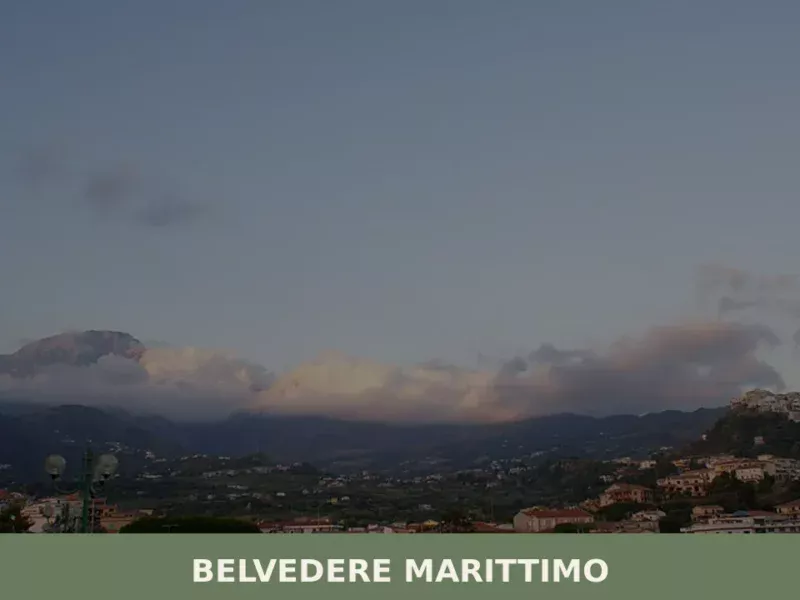
Belvedere Marittimo, a village in the province of Cosenza, stands at 150 meters above sea level and has a population of 9,292 inhabitants. This Calabrian location, classified among the lowland villages, offers a view of the Cosenza Tyrrhenian coast, combining historical elements with its proximity to the coast. Its geographical position has shaped its identity […]
Agnana Calabra
 Mountain
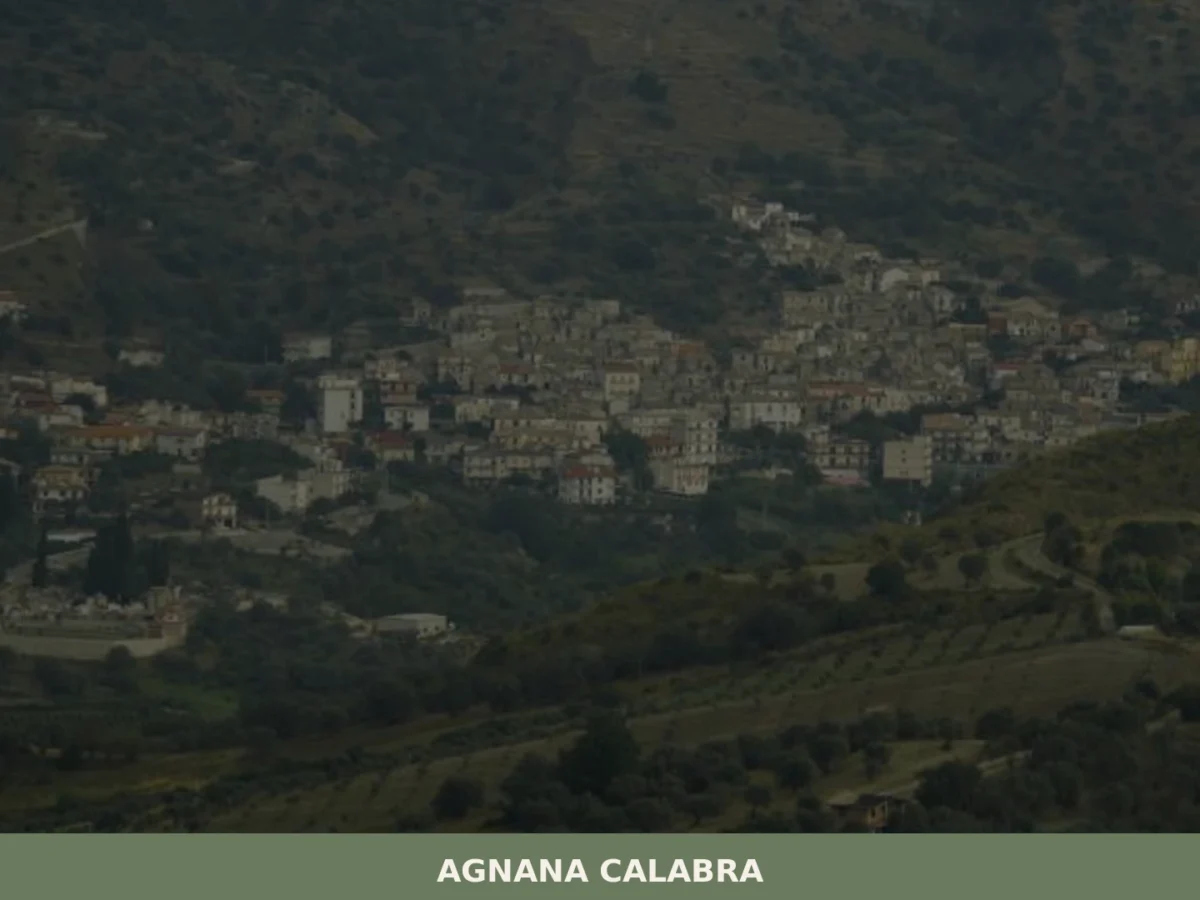
Planning a visit? Discover what to see in Agnana Calabra u2014 history, local food, best time to visit and how to reach this Reggio Calabria village.
Bova
Mountain
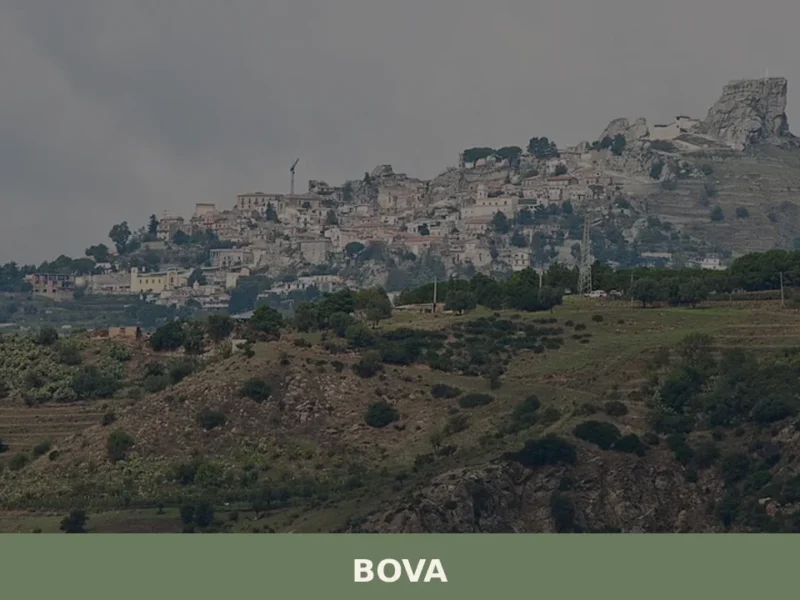
What to see in Bova, Calabria, Italy: a hilltop comune at 900 m with Greek-Bovesian heritage, Norman history and local cuisine. Discover top attractions and travel tips.
Ardore
Sea
what to see in ardore: Discover Italy with Ardore’s altitude at 250 m, explore scenic landscapes and local festivals in Calabria.
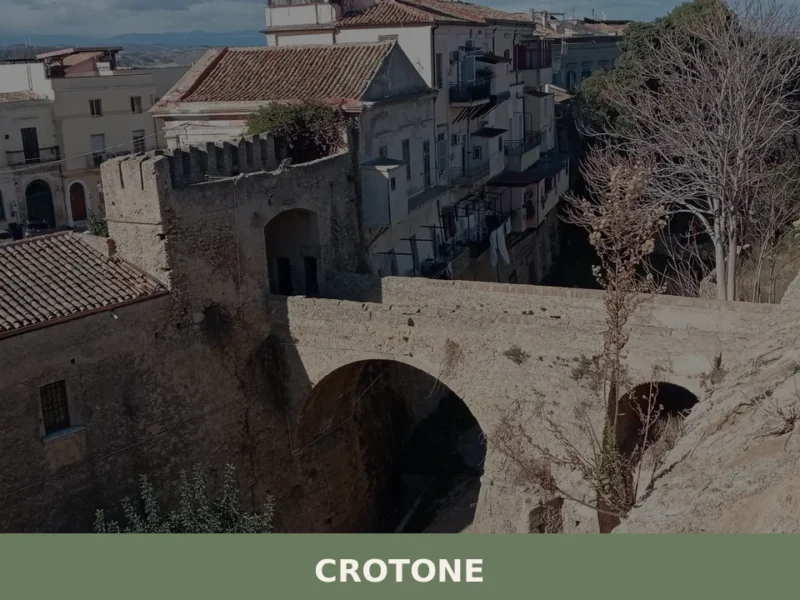
Crotone
Sea
What to see in Crotone, Italy: explore this historic city, 8 meters above sea level. Discover the ancient city walls and the 16th-century Castle of Charles V. Read our complete guide.
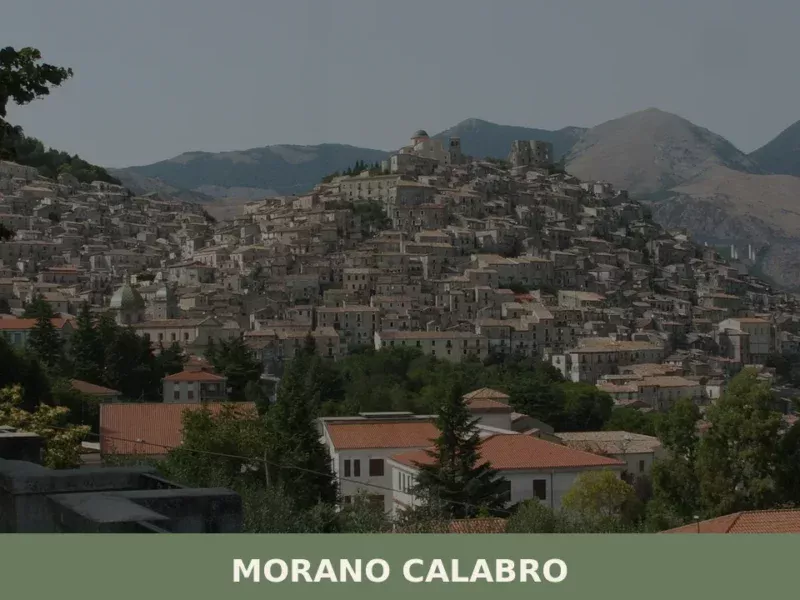
Morano Calabro
Sea
What to see in Morano Calabro, Italy: a village at 680 m altitude, listed among I Borghi più belli d'Italia. Discover top attractions, local food and how to get there.
Bianchi
Mountain
Bianchi is home to 1,358 residents spread across a hilly area in the province of Cosenza, at roughly 500 metres above sea level along the middle valley of the Savuto river. Anyone looking into what to see in Bianchi will find a medieval urban core, a mother church documented since the 16th century, and a […]
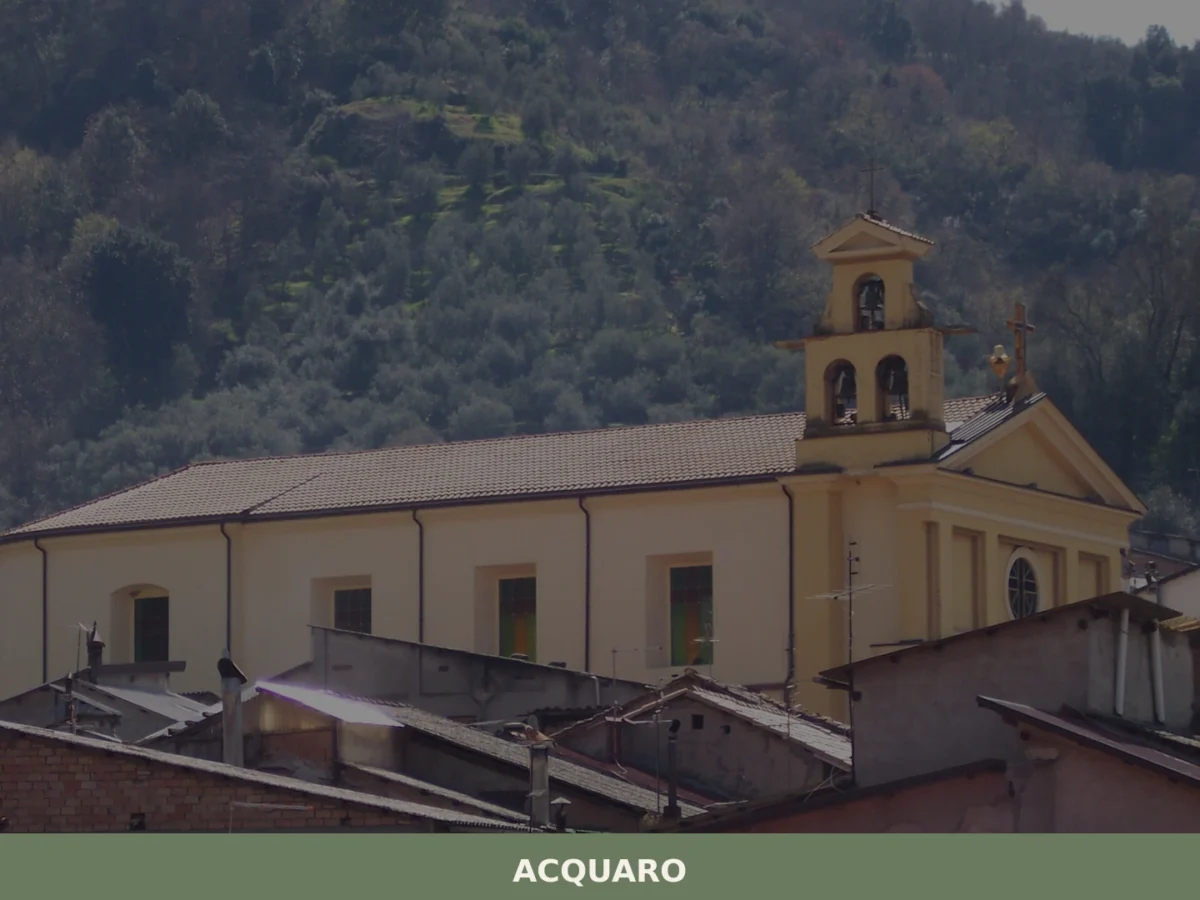
Acquaro
Hills
Discover what to see in Acquaro, a village of 1,778 inhabitants in Vibo Valentia, Calabria. History, food, travel tips and the Alto Mesima valley landscape.
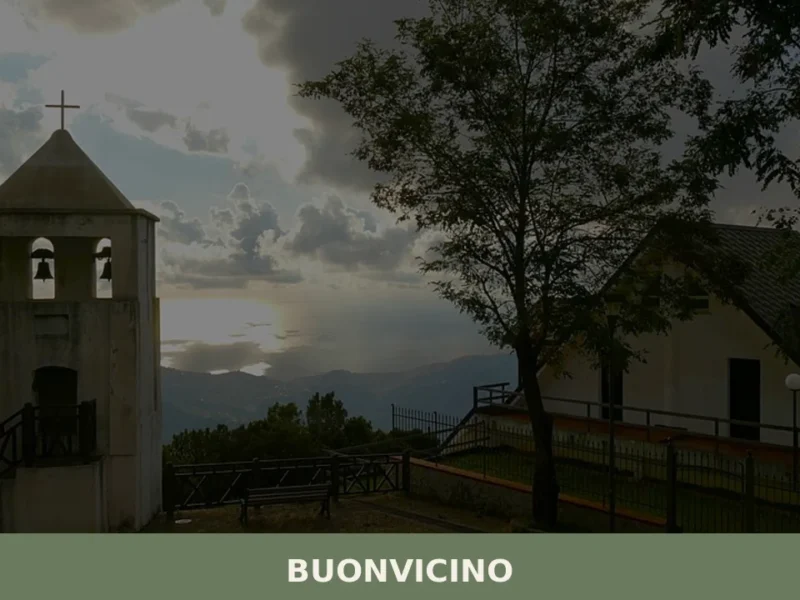
Buonvicino
Hills
what to see in buonvicino: Explore this Calabrian village at 400m above sea level. Discover its historic center and traditional cuisine, including homemade pasta.
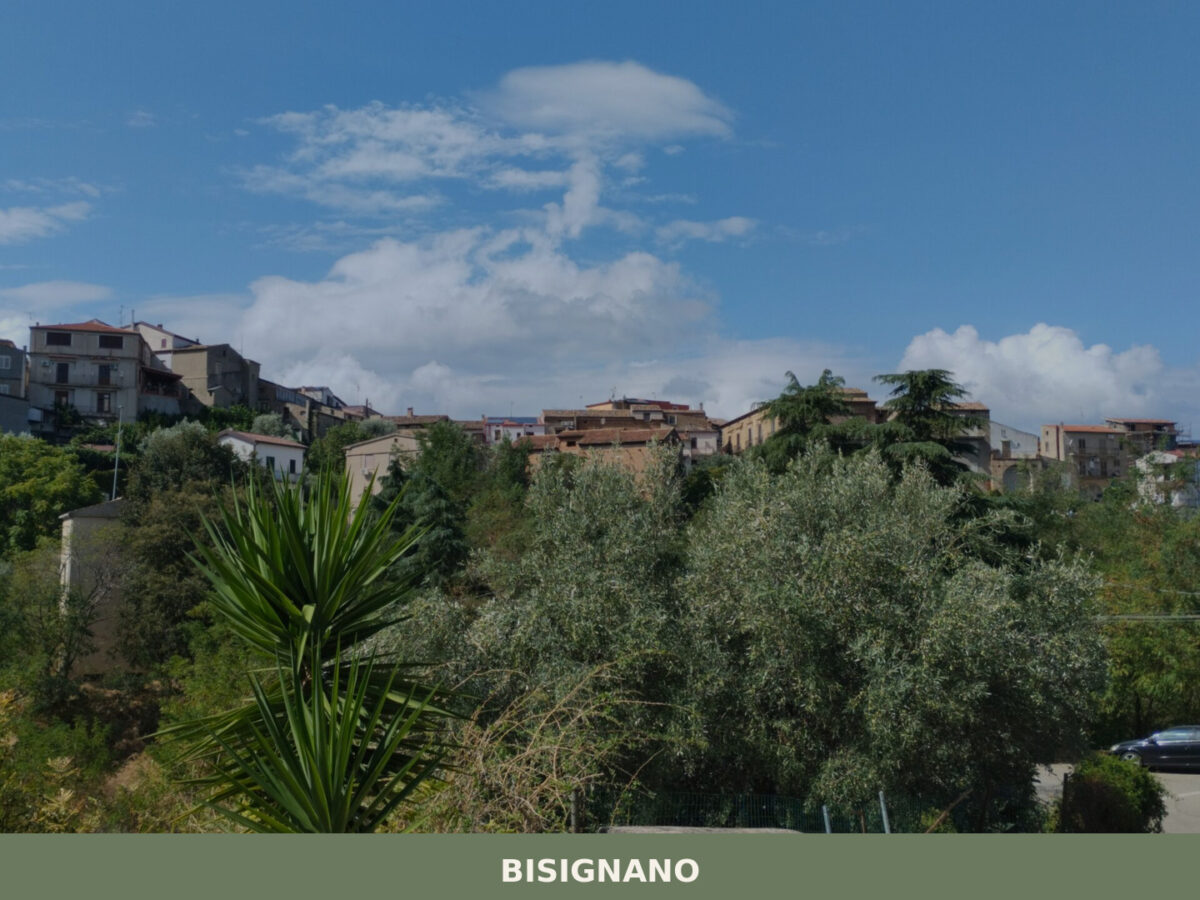
Bisignano
Hills
What to see in Bisignano: Discover 5 top attractions. This village (pop. 9,501) features the Ducal Castle and Sant'Umile Sanctuary for rich history.

🏡 Know Cosenza better than we do?
If you’re a local or have been there, your knowledge matters: add what’s missing or fix a detail on this page.