


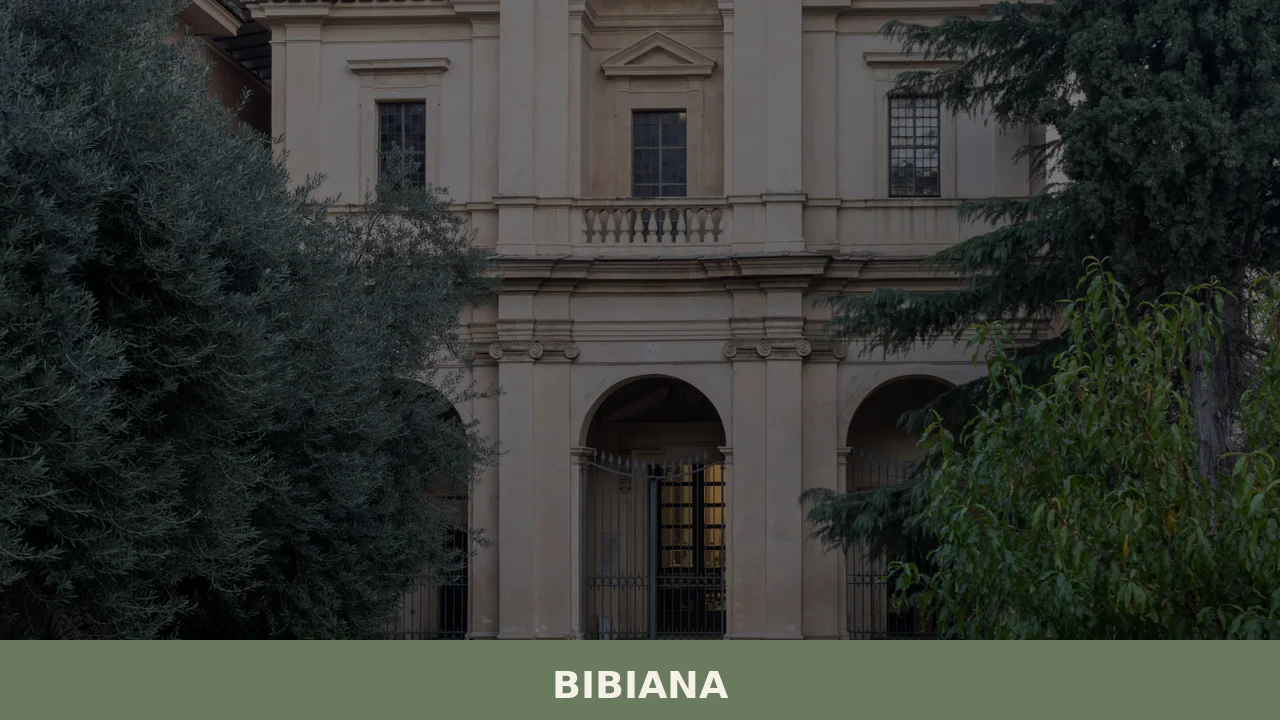
Bibiana
 Hills
Hills
Bibiana sits at the entrance to the Val Pellice, a valley that cuts into the Cottian Alps southwest of Turin, and counts just over 3,300 residents within the metropolitan city of Torino. The village belongs to the Unione Montana del Pinerolese, a grouping of mountain and foothill municipalities that share administrative and territorial planning functions. […]
Discover Bibiana
Bibiana sits at the entrance to the Val Pellice, a valley that cuts into the Cottian Alps southwest of Turin, and counts just over 3,300 residents within the metropolitan city of Torino. The village belongs to the Unione Montana del Pinerolese, a grouping of mountain and foothill municipalities that share administrative and territorial planning functions. Knowing what to see in Bibiana means understanding this position first: a community where the Piedmontese plain gives way to an Alpine approach, with all the cultural and economic layering that such a threshold location produces over centuries.
History of Bibiana
The name Bibiana has roots that linguists connect to a personal name of Latin origin — likely from the Roman martyr Saint Bibiana, whose cult spread through the early medieval church — though the Occitan form, identical to the Italian, points to the long presence of Occitan-speaking communities in the Val Pellice and the surrounding Pinerolese valleys. This Occitan linguistic heritage is not incidental: the Val Pellice was historically one of the principal corridors connecting the Piedmontese foothills to the French-speaking world across the Alpine passes, and Bibiana stood at its gateway. The Piedmontese form, Bibian-a, reflects the local phonological adaptation that distinguishes the Gallo-Italic dialects of the region.
During the medieval and early modern periods, the Pinerolese — the broader district centred on Pinerolo — was a contested territory between the House of Savoy and the Dauphiné of France. Bibiana, positioned at the mouth of the Val Pellice, fell within the sphere of Savoyard control as the dynasty consolidated its hold over the western piedmont from the fourteenth century onward. The valley itself was also the historic refuge of the Waldensian communities, a Protestant minority whose presence shaped the religious and social character of the entire area from the twelfth century. While Bibiana’s own Waldensian history requires careful, site-specific documentation, the proximity to the Waldensian heartland villages further up the valley — places such as Angrogna, which sits directly within that tradition — is an inescapable part of the territorial context.
The economic life of Bibiana through the modern era was tied to the agricultural transition of the Pinerolese plain and, from the nineteenth century onward, to the light industrialisation characteristic of the Piedmontese foothills. The construction of rail and road infrastructure linking Turin to Pinerolo and the Val Pellice brought Bibiana into closer contact with the regional capital, transforming it from a purely agricultural settlement into a commuter and service village within the metropolitan orbit of Turin. This shift, common across the Pinerolese municipalities, accounts for the current population of around 3,363 — a figure that reflects both residential stability and the absorption of families seeking a base within reach of the city while remaining connected to the mountain valleys.
What to see in Bibiana: 5 must-visit attractions
The Parish Church of Bibiana
The parish church serves as the architectural focal point of the village centre. As with most Piedmontese foothill communities of medieval origin, the church was rebuilt and enlarged during the Baroque period, reflecting the Counter-Reformation investment in church architecture across the Savoyard territories. Its bell tower and façade mark the historic core of the settlement and remain the primary orientation point for visitors arriving from the valley road.
The Historic Village Centre
Bibiana’s older residential fabric consists of the low-rise stone and render construction typical of the Pinerolese plain, with covered porticos in some sections — a practical architectural response to the seasonal rainfall of the Alpine foothills. The street pattern of the historic centre reflects the medieval organisation of the settlement, with lanes connecting the main road to the agricultural periphery of the village.
The Val Pellice Gateway Landscape
The most immediately legible feature of Bibiana’s position is its function as the opening of the Val Pellice. Standing at the edge of the village, the valley entrance frames a direct visual corridor toward the Cottian Alps, with the valley floor and its riparian vegetation visible ahead and the first ridge lines rising on either side. This viewpoint requires no infrastructure — it is simply the geography of the place read from the road.
The Unione Montana del Pinerolese Territory
Bibiana is an administrative member of the Unione Montana del Pinerolese, and the network of rural roads and footpaths connecting it to neighbouring municipalities forms a navigable itinerary for visitors on foot or by bicycle. The Unione Montana del Pinerolese coordinates trail maintenance and local territory promotion across member communes, including Bibiana.
Proximity to the Waldensian Cultural Circuit
Although the principal Waldensian sites — the museum at Torre Pellice, the temples, and the historic villages further up the valley — lie beyond Bibiana’s own boundaries, the village is the last foothill settlement before entering that documented cultural landscape. Torre Pellice, reachable in a few kilometres along the valley road, houses the Museo Valdese, which documents the history of the Waldensian communities across the Val Pellice from their medieval origins to the present day.
Local food and typical products
The gastronomy of Bibiana belongs to the broader culinary tradition of the Pinerolese and the Piedmontese foothill zone. This means a table organised around raw-milk cheeses from the valley herds, cured meats from local pig farming, and the fresh egg pasta — tajarin — that runs through Piedmontese cooking from the Langhe to the alpine foothills. Vitello tonnato, the cold sliced veal with tuna sauce that is arguably the most representative Piedmontese antipasto, appears on local menus alongside bagna cauda, the warm anchovy and garlic dip served with seasonal raw vegetables. The wines of the Pinerolese DOC designation, produced from Barbera, Bonarda, and other local varietals grown on the foothill slopes, accompany most meals in the area.
For a broader picture of Piedmontese food geography, the Visit Piemonte regional tourism platform documents the DOP and IGP designations active across the region, including the cheeses and cured meats relevant to the Pinerolese territory. In practical terms, the most reliable access to local products in Bibiana and its immediate area is through the weekly market and the small alimentari and agricultural suppliers operating within the village and in nearby Pinerolo, the main market town of the zone. Pinerolo, roughly ten kilometres from Bibiana, has a more developed restaurant offer for visitors who want a broader selection.
Best time to visit Bibiana
The climate of the Pinerolese foothills follows the continental pattern modified by Alpine proximity: winters are cold and can bring snow, particularly from December to February; summers are warm with temperatures frequently reaching 28–30°C in July and August, accompanied by afternoon thunderstorms generated by the mountains. The most comfortable periods for a visit are late spring — April to June — when the valley vegetation is at its densest and the snowmelt makes the upper valley trails accessible, and early autumn — September to October — when harvests are underway, temperatures are moderate, and the light on the Alpine ridges is clear. The Waldensian communities of the Val Pellice hold their most significant public commemoration on 17 February, the date marking the Edict of Emancipation of 1848 by which Carlo Alberto granted civil rights to Waldensians and Jews in the Savoyard kingdom — a date known locally as the Fiaccolata, marked with torchlight processions in the valley villages.
How to get to Bibiana
Bibiana is accessible from Turin along the state road toward Pinerolo, a distance of approximately 45 kilometres from the Piedmontese capital. The most practical road approach from Turin uses the A55 motorway toward Pinerolo, exiting and continuing south and west on the SP161 toward the Val Pellice. Journey time by car from Turin city centre is typically 45 to 60 minutes depending on traffic. The nearest airport is Turin Caselle (Torino Airport, IATA: TRN), approximately 65 kilometres to the north by road.
- By car: A55 motorway from Turin, exit toward Pinerolo, then SP161 toward Val Pellice — approximately 45 km from Turin
- By train: The Torino–Torre Pellice rail line, operated by GTT, serves Bibiana with a local station; the line departs from Torino Porta Susa and Torino Porta Nuova with a change at Pinerolo
- Nearest airport: Turin Caselle (TRN), approximately 65 km; car hire at the airport provides the most direct access
- From Pinerolo: Bibiana is approximately 10 km west of Pinerolo along the Val Pellice road — a short drive or a local bus connection
Where to stay in Bibiana
Bibiana itself offers a modest accommodation base typical of a Piedmontese foothill village of its size — expect agriturismo properties in the agricultural periphery and occasional bed-and-breakfast rooms in the village centre rather than hotel infrastructure. The agriturismo option is generally the most practical for visitors, as these working farm establishments provide both lodging and direct access to local food production. Booking platforms covering the Pinerolese territory will return results for Bibiana and its immediate surroundings; it is worth filtering specifically for agriturismo listings to find properties with the most direct connection to the landscape.
For visitors who want a wider choice of hotels and restaurants as a base, Pinerolo — approximately ten kilometres away — is the natural alternative, with a fuller range of accommodation categories from two-star family-run hotels to more structured three-star properties. From Pinerolo, Bibiana and the Val Pellice are easily reachable as day itineraries. Booking in advance is advisable for the period around 17 February, when Waldensian commemorations in the valley generate a seasonal spike in local demand.
More villages to discover in Piemonte
The territories surrounding Bibiana offer considerable variety for anyone willing to extend a visit into the broader Piedmontese landscape. The Val Pellice immediately to the west leads to communities with documented Waldensian heritage, while the Pinerolese plain to the east connects toward the agricultural lowlands of the Turin metropolitan area. Airasca, a village on the Pinerolese plain between Bibiana and Turin, represents the flatter, more agricultural face of the same metropolitan territory — a useful contrast in landscape and settlement type. Further north, Bairo sits in the Canavese district, a different Piedmontese sub-region with its own distinct historical layering and architectural character.
For those drawn to the wider sweep of Piedmontese territory, the provincial capital of Cuneo anchors the southern part of the region and serves as the gateway to the Maritime Alps and the Langhe wine country — a useful reference point for building a longer Piedmontese itinerary that moves from the Pinerolese foothills southward through the region’s varied geography. Each of these destinations sits within the same administrative region but presents a sufficiently different physical and cultural environment to justify the journey between them.
Frequently asked questions about Bibiana
What is the best time to visit Bibiana?
The ideal time to visit Bibiana is in late spring or early autumn. These seasons offer moderate weather, making it comfortable to explore the village and its surroundings. The patronal festival on December 2nd, in honor of the patron saint Bibiana martire, is an excellent occasion to visit, as it includes local cultural events and traditional celebrations.
What to see in Bibiana? Main monuments and landmarks
One of the main attractions in Bibiana is the Parish Church of Bibiana, located at the core of the village. Its Baroque architecture and significant historical roots make it a must-visit. The church is accessible to visitors throughout the day, serving as both a spiritual and historical hub of Bibiana.
Who is Bibiana suitable for?
Bibiana is ideal for history enthusiasts and culture lovers, offering insights into its rich past and strategic location at the entrance of Val Pellice. It also appeals to hikers and nature enthusiasts, thanks to its proximity to scenic trails and picturesque mountain landscapes. Families may enjoy the tranquil village atmosphere and local festivities.
Getting there
Via Camillo Benso Conte di Cavour, 10060 Bibiana
Nearby Villages near Bibiana
In Piedmont More villages to discover
Bardonecchia
 Mountain
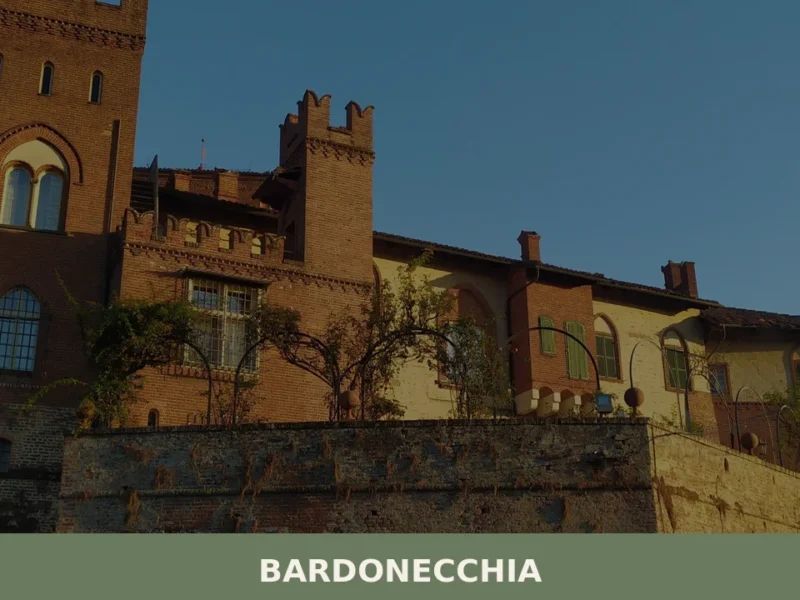
Bardonecchia is the westernmost municipality in Piedmont and one of the historic Alpine crossing points into France, via the Colle della Scala and the Fréjus pass. Located in the upper Val di Susa at an altitude of over 1,300 metres, the town can be reached from Turin in around an hour and a half by […]
Borgiallo
Hills
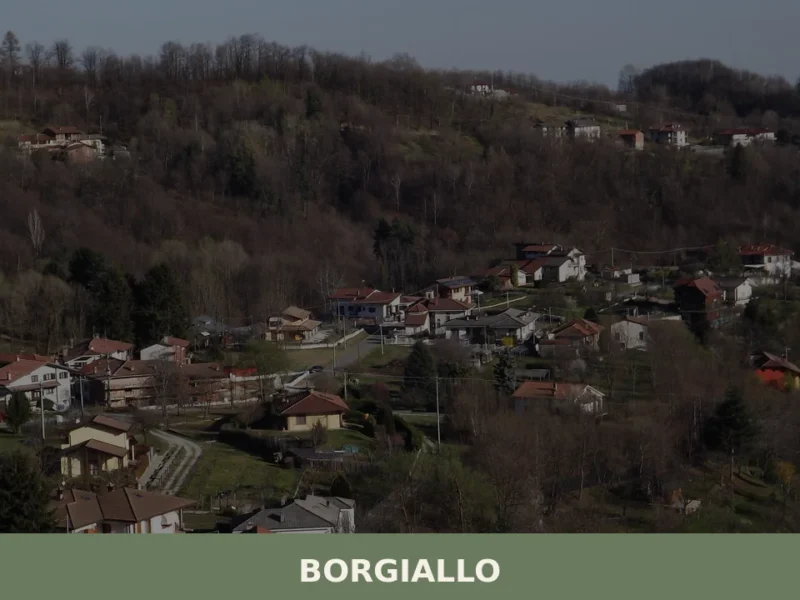
Borgiallo has 579 inhabitants and sits at 540 metres above sea level on the hills of the Valle Sacra, in the province of Turin. Travellers who take the road climbing from Castellamonte towards the Canavese uplands find a compact settlement of stone and brick houses that follow the line of the ridge. Understanding what to […]
Alessandria
 Plains
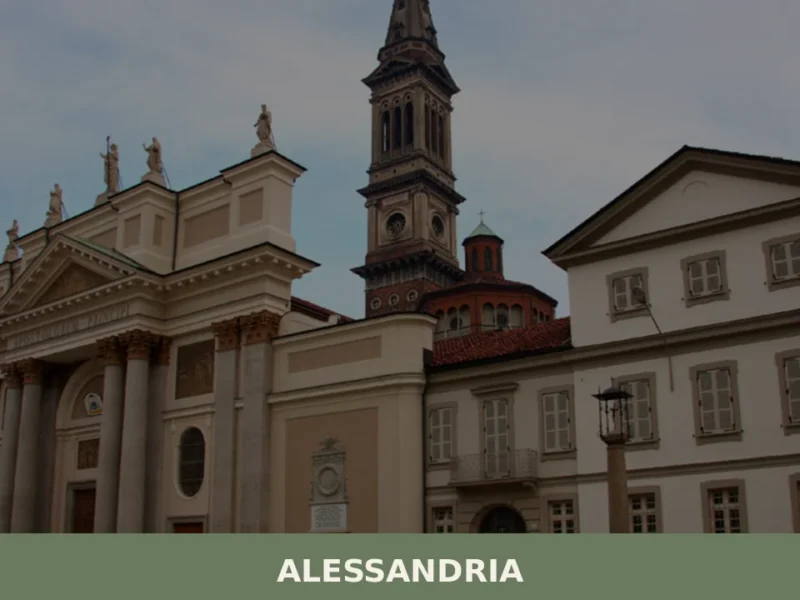
What to see in Alessandria: city at 95m in Piemonte with a military Citadel and Borsalino Museum. Explore 5 attractions, rabaton and Gavi DOCG wines.
Sant’Antonino di Susa
Mountain
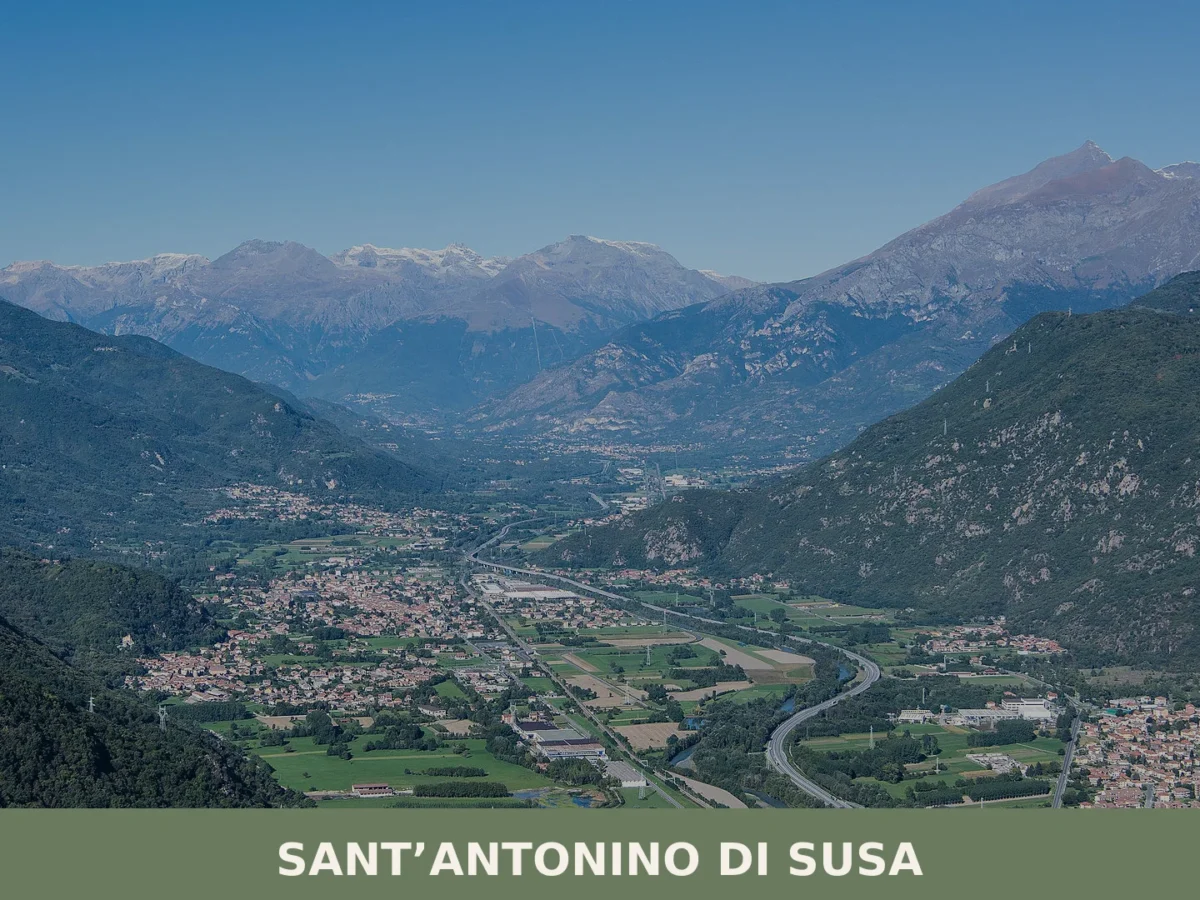
Sant'Antonino di Susa (population 4,074) occupies the right bank of the Dora Riparia at 380 metres. Medieval churches, partisan memory and the echoes of early industrial labour define this Piedmontese comune.

Salbertrand
Mountain
A 627-soul mountain village at 1,032 metres, rooted in Occitan tradition and medieval pilgrimage routes. Stone fountains, frescoed churches and views of the Ambin peaks define its character.
Biella
Hills
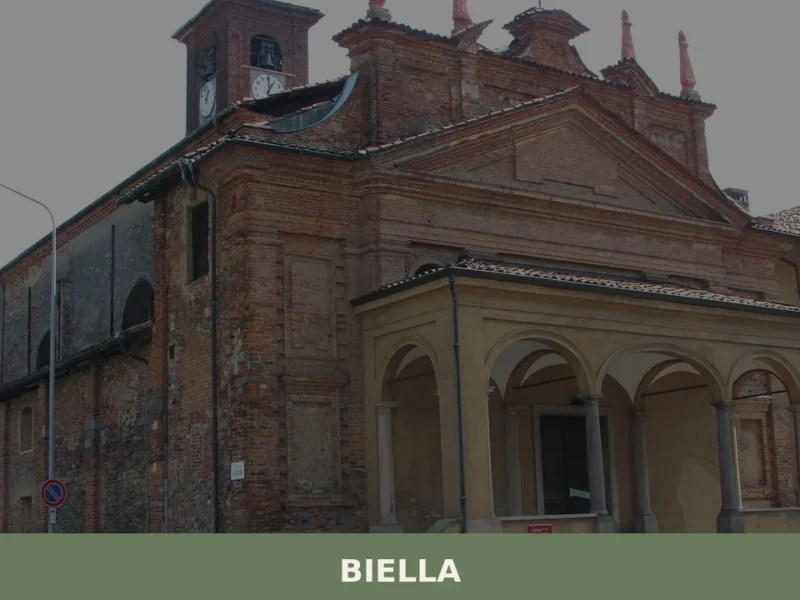
what to see in biella, Italy? Explore the UNESCO Sanctuary of Oropa and Biella's historic 420m altitude Piazzo quarter. Read our guide for top attractions.
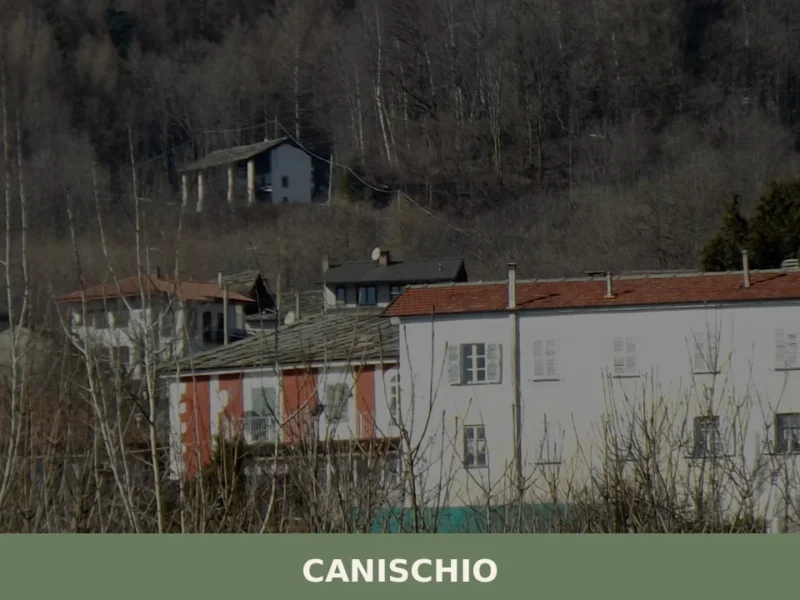
Canischio
Mountain
Scopri Canischio borgo Piemonte: storia, tradizioni e paesaggi mozzafiato tra le colline canavesane. Una meta autentica da non perdere!

Salza di Pinerolo
Mountain
Population 61. A high-altitude Piedmont village where stone fractions cluster around alpine pasture and white fir woods; patron feast on 8 September.
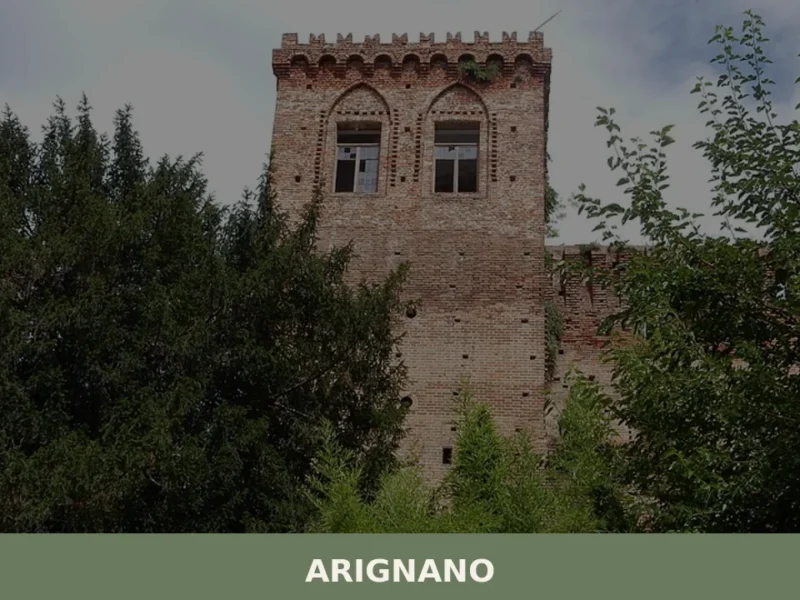
Arignano
Hills
What to see in Arignano in Piedmont: castle, church, hill trails, traditional cuisine, and practical information for visiting the village at 321 m a.s.l.
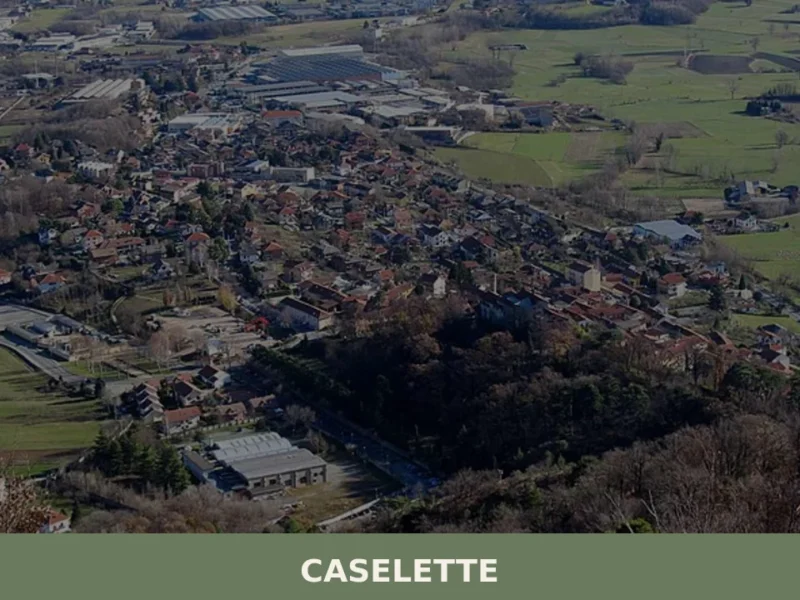
Caselette
Hills
At the foot of Monte Musinè, where the plain of Turin gives way to the first folds of the Val di Susa, a mass of rock the size of a house sits in open ground. The Pietra Alta, one of the largest glacial erratics in the whole of Piedmont, was deposited here by glacial movement […]


🏡 Know Bibiana better than we do?
If you’re a local or have been there, your knowledge matters: add what’s missing or fix a detail on this page.