


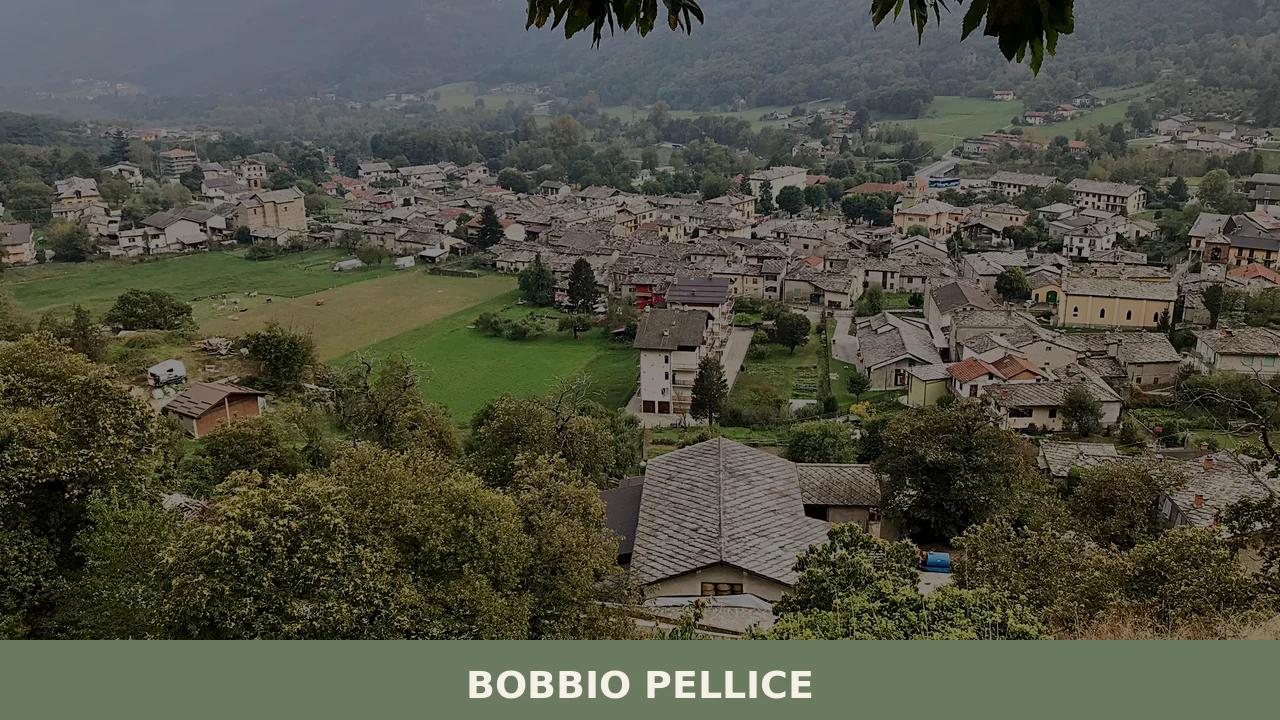
Bobbio Pellice
 Mountain
Bobbio Pellice has 536 inhabitants and lies in the Val Pellice, one of the Occitan and Waldensian valleys of southern Piedmont, in the Province of Turin. It is the highest municipality in the valley and the starting point for trails leading to the Colle Giulian and the Colle delle Traversette. Anyone looking to understand what […]
Discover Bobbio Pellice
Bobbio Pellice has 536 inhabitants and lies in the Val Pellice, one of the Occitan and Waldensian valleys of southern Piedmont, in the Province of Turin. It is the highest municipality in the valley and the starting point for trails leading to the Colle Giulian and the Colle delle Traversette. Anyone looking to understand what to see in Bobbio Pellice should expect a mountain community where Protestant religious history, Alpine landscape and a minority culture that survived centuries of persecution all come together.
History and origins of Bobbio Pellice
The name “Bobbio” almost certainly points to a Lombard or early medieval presence in the area, with the suffix recurring in other settlements across northern Italy associated with that people’s expansion. The Val Pellice, of which Bobbio is the uppermost municipality, was one of the territories where the Waldensians — a religious movement born in the twelfth century from the preaching of Waldo of Lyon — found lasting refuge in the centuries following their formation. The Waldensian presence in these territories is documented from the Middle Ages, with the valley becoming one of the main centres of their cultural and religious resistance.
In 1655, the Val Pellice was the scene of what became known as the “Piedmontese Easter,” the violent repression ordered by Charles Emmanuel II of Savoy against the Waldensian communities of the valleys. The event, which caused massacres and deportations, reverberated across Protestant Europe and prompted Oliver Cromwell to intervene diplomatically. Bobbio Pellice, like the other municipalities in the valley, suffered the direct consequences of those events. In 1848, with the Letters Patent issued by Charles Albert, the Waldensians finally obtained civil and religious emancipation, opening a new chapter for the entire valley community.
In administrative terms, the municipality belongs to the Metropolitan City of Turin and forms part of the Comunità Montana del Pinerolese. The patron feast is the Annunciation of Mary, celebrated on 25 March — a date that in the Catholic calendar falls nine months before Christmas and that in many Alpine communities also served as a marker of the agricultural year. The layout of the village reflects the typical Piedmontese mountain settlement pattern, with local stone buildings distributed along the valley floor and the lower slopes.
What to see in Bobbio Pellice: 5 key attractions
The Waldensian Temple
The Waldensian presence in the valley has left its most visible mark in the Reformed religious architecture. The Waldensian temple in Bobbio Pellice, with its plain façade and interior free of Baroque ornamentation, reflects the Calvinist aesthetic that places the word above the image. It is a working building, still a point of reference for the local community.
The Colle Giulian
At 2,536 metres above sea level, the Colle Giulian is the main pass accessible from Bobbio Pellice into French territory. Reachable on foot via marked trails, it offers a direct view of the Alpine ridge along the Italian-French border. The route is used by hikers from June to September, when snow cover allows passage.
The Pellice stream and its confluence
The Pellice torrent rises near Bobbio itself, collecting water from the surrounding Alpine slopes. The point where the main branches of the watercourse meet is clearly visible in the valley floor landscape and is historically significant as the valley’s main transport and productive axis, with mills and water-based activities documented since the early modern period.
The trails of the Monviso Park
Bobbio Pellice lies within the connecting area of the Parco del Monviso, the Piedmontese regional nature park that protects the area around the Re di Pietra. From the hamlet of Villanova, a trail network gives access to summer pastures that are still active in the warm months, with documented departures also towards the Rifugio Barbara Lowrie, the key mountaineering refuge for this section of the valley.
The historic hamlets
The municipal territory includes mountain hamlets with buildings in local grey stone constructed between the seventeenth and nineteenth centuries. Some still retain the characteristic wooden balconies where grain was spread out to dry. The hamlet of Villanova is the most easily reached and maintains a settlement structure consistent with the Occitan-Waldensian Alpine type.
Local cuisine and food products
The cuisine of the Val Pellice belongs to the Alpine Piedmontese tradition with Occitan influences. Among the dishes documented in the valley’s gastronomic culture is polenta concia, made with maize flour and dressed with alpine butter and semi-hard local cheeses. The tome di malga produced at the valley’s summer pastures — belonging to the Piedmontese toma family — are whole cow’s milk cheeses, aged from a few days to several months, with a natural rind and a firm paste. In autumn, the gathering of porcini mushrooms in the valley’s larch and fir woods feeds a seasonal kitchen built around risottos and soups. The tartrà, a savoury egg and vegetable flan typical of the Pinerolese and the surrounding valleys, still appears on local tables as a dish of the peasant tradition.
Among products recognised at regional and national level, the area falls within the production zone of Miele delle Alpi Piemontesi (Piedmontese Alpine Honey) and of the dairy products protected under the designation of Toma Piemontese PDO, the EU-recognised whole or partially skimmed cow’s milk cheese whose production specifications include the mountain areas of the Province of Turin. Trout from the Pellice, caught using traditional methods, were historically a key element of the local food economy and still appear in some preparations at valley restaurants.
When to visit Bobbio Pellice: the best time of year
The hiking season opens fully between June and September, when the high-altitude passes and trails are passable. Summer in the Val Pellice brings moderate temperatures, with highs that rarely exceed 25°C in the village, making the area particularly well suited to those looking for an alternative to the Piedmontese plains during the hot months. The Bobbio Pellice municipal website publishes an updated calendar of local events, including those tied to the Waldensian tradition and the patron feast. The Feast of the Annunciation on 25 March falls in full spring, though at higher altitudes snow may still be present.
Autumn, between September and October, is the season for mushroom gathering and offers remarkable colour in the woods, with the larches turning orange. Winter allows snowshoe excursions on the valley floor and the more accessible slopes, but tourist services are significantly reduced. Those visiting the area for the Waldensian historical commemorations — particularly felt in February, around the “17 February” anniversary of the 1848 Emancipation — will find a calendar of cultural and religious events spread throughout the Val Pellice.
How to get to Bobbio Pellice
Bobbio Pellice can only be reached by car or local bus services, as the railway line terminates at Torre Pellice, the main town of the lower and middle Val Pellice. From Torre Pellice, approximately 10 kilometres away, the road follows the valley upward along the provincial road SP161.
- By car from Turin: approximately 70 km, taking the A6 motorway to Pinerolo or the SS23 towards Pinerolo, then the SP161 along the Val Pellice. Journey time is around 1 hour and 15 minutes under normal conditions.
- From Pinerolo: approximately 30 km, entirely along the provincial road through the valley floor. Pinerolo is the nearest centre with a full range of services.
- By train: the nearest station is Torre Pellice, served by the regional Turin–Torre Pellice line (with a change at Pinerolo). From Torre Pellice, a local bus or taxi is needed to complete the journey to Bobbio.
- By air: the nearest airport is Turin Caselle, approximately 90 km away. From there the connection is entirely by road.
For bus timetables and routes in the Val Pellice, the Piedmont Region’s Muoversi in Piemonte website provides up-to-date information on the out-of-town lines serving the valley.
Where to stay in Bobbio Pellice
Accommodation in Bobbio Pellice is limited and in keeping with the size of the village. Small-scale options prevail: rooms for rent, bed and breakfasts and holiday apartments, often run by local residents who make their properties in the hamlets available. The Rifugio Barbara Lowrie, in an Alpine position above the village, is an option for hikers who want to spend the night at altitude before tackling routes towards the border passes. For those who prefer a base with more services, Torre Pellice offers a slightly wider hotel selection, with the option of travelling to Bobbio on a day-trip basis.
In summer, during July and August, availability fills up quickly: booking at least three or four weeks in advance is advisable, particularly for weekends. For an up-to-date overview of accommodation in the area, the italia.it Piedmont section lists a number of registered properties in the Turin valleys.
Other villages to explore in Piedmont
The Val Pellice stands out within the broader landscape of Piedmont’s more characterful villages. Just a few kilometres away as the crow flies, Angrogna is another municipality in the valley with an equally well-documented Waldensian history: its hamlets scattered across the hillsides reflect the dispersed settlement pattern typical of Reformed communities that avoided urban concentration for reasons of security. A visit to both municipalities can be organised as a single half-day valley itinerary.
Looking further across northern Piedmont’s mountain territory, Germagnano, in the Val di Lanzo, is another example of a village that retains the features of Piedmontese Alpine settlement. Those who want to compare the mountain environment with the Piedmontese hill country can head towards Andezeno, in the Turin hills, or towards Biella, a pre-Alpine town-village that built its identity around the wool textile industry, offering a historical and economic profile radically different from that of the Waldensian valleys.
Getting there
Piazza Caduti Per La Libertà, 10060 Bobbio Pellice
Nearby Villages near Bobbio Pellice
In Piedmont More villages to discover
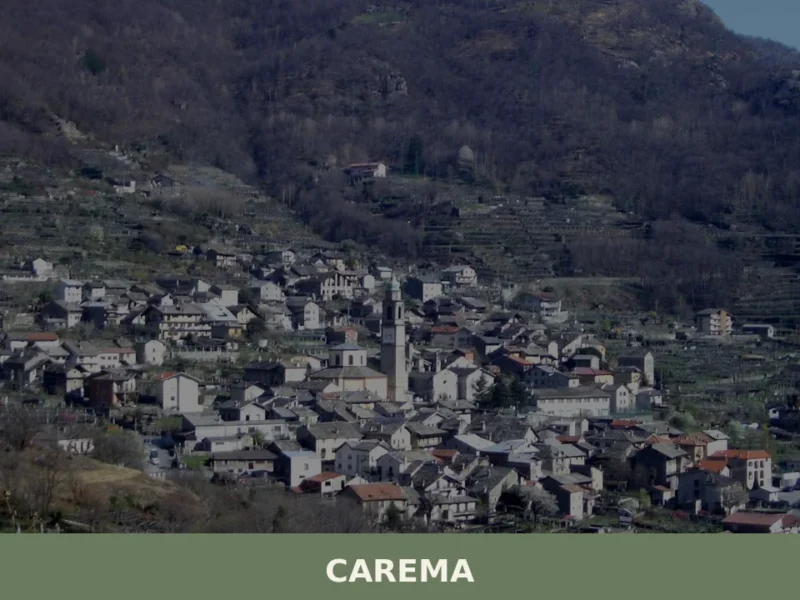
Carema
Mountain
Scopri Carema borgo medievale: un gioiello del Piemonte tra vigneti storici, torri antiche e tradizioni millenarie. Visita questo angolo unico d'Italia!

Rivarossa
 Plains
Population 1,556. A small Piedmont village shaped by monastic settlement, noble conflicts and Swiss-French invasions—home to the Cluniac legacy of Santa Maria Maddalena.
Borgofranco d’Ivrea
 Hills
Hills
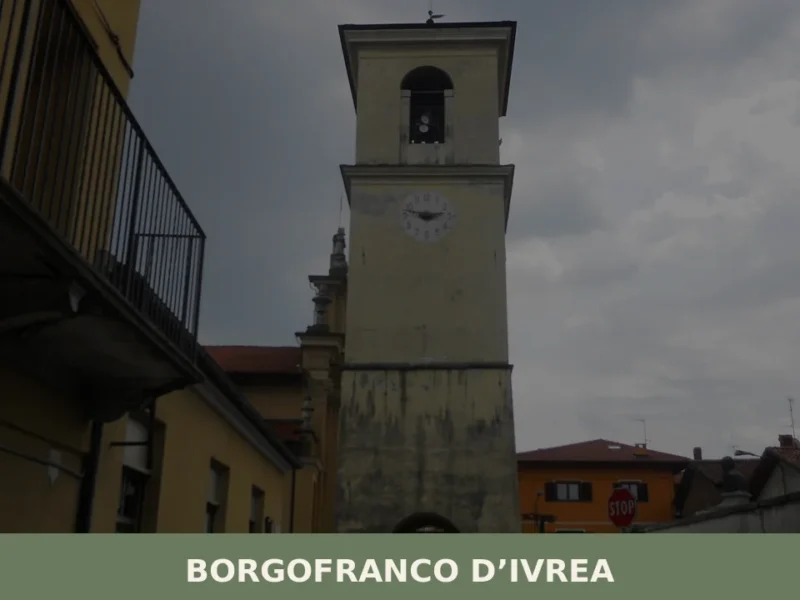
Discover what to see in Borgofranco d'Ivrea: medieval street grid, Serra d'Ivrea moraine, Canavese food and practical travel tips for this Piedmont village.
Novara
Plains
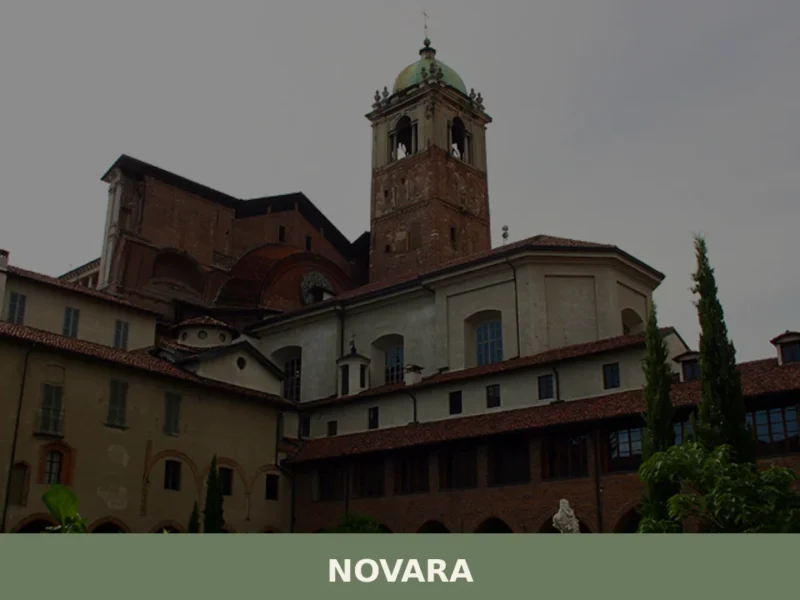
What to see in Novara: city at 162 m with 101,000 residents. Explore the Antonelli dome, 4th-century baptistery, paniscia and Colline Novaresi DOC wines.
Caselette
Hills
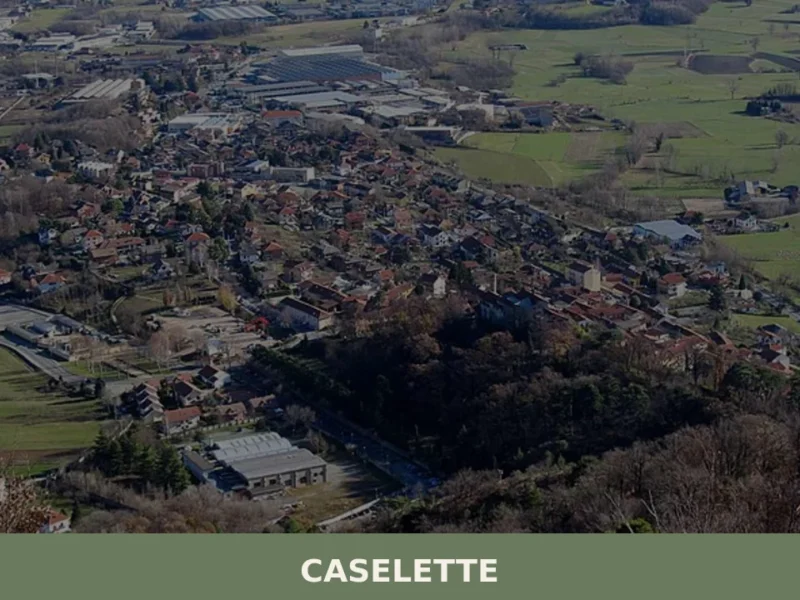
At the foot of Monte Musinè, where the plain of Turin gives way to the first folds of the Val di Susa, a mass of rock the size of a house sits in open ground. The Pietra Alta, one of the largest glacial erratics in the whole of Piedmont, was deposited here by glacial movement […]

Rivara
Hills
A comune of 2,456 inhabitants north of Turin, Rivara preserves two castle complexes and Villa Ogliani, birthplace of the Scuola di Rivara artistic movement.
Barbania
Hills
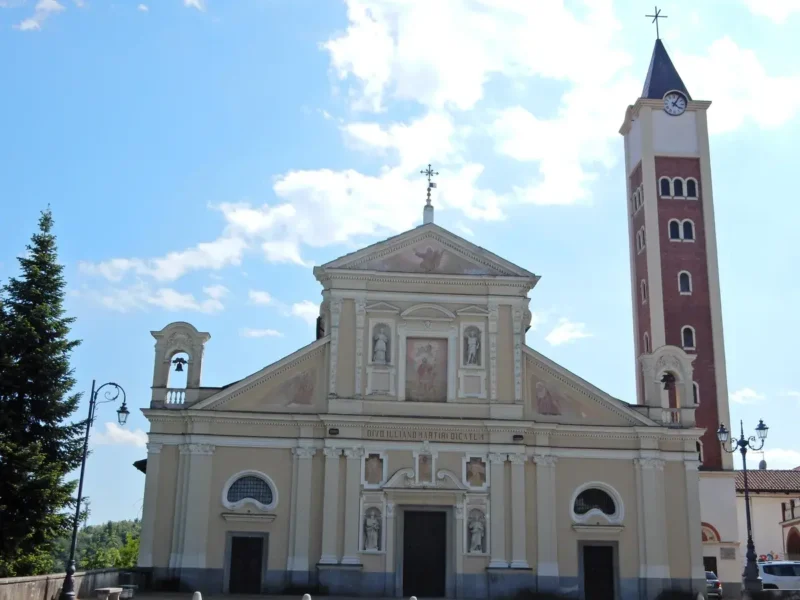
What to see in Barbania: 5 attractions in this Piedmontese village, from the parish church to the castle. Discover the complete guide to plan your visit.
Piverone
Hills
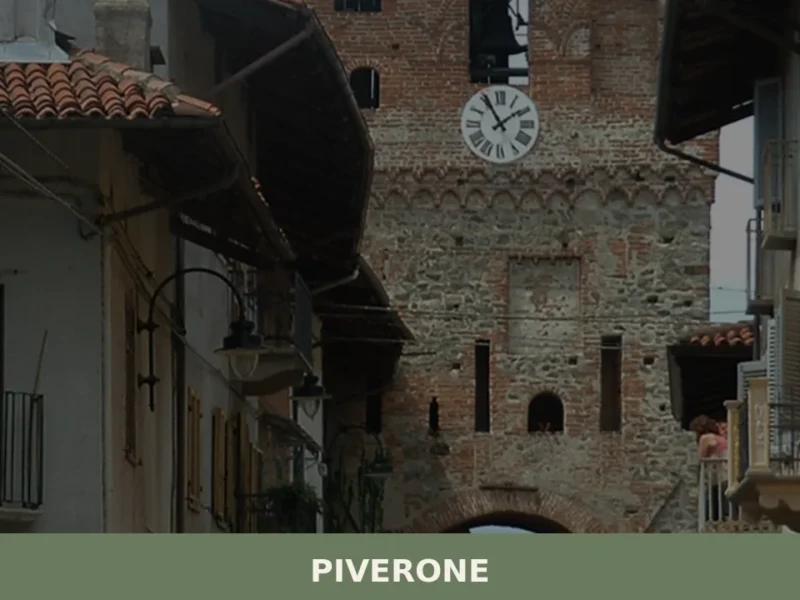
Piverone is a comune of 1,225 inhabitants in the Metropolitan City of Turin, sitting in the Canavese district of Piemonte at the foot of the Monferrato hills. Its Piedmontese name, Pivron, pronounced /pɪw’rʊŋ/, signals a linguistic heritage rooted deep in the region’s Franco-Provençal and Occitan-influenced dialects. For anyone researching what to see in Piverone, the […]

Pomaretto
Mountain
Discover what to see in Pomaretto, a 937-inhabitant Waldensian village in the Val Chisone near Torino — history, food, travel tips and local culture.
Sant’Antonino di Susa
Mountain
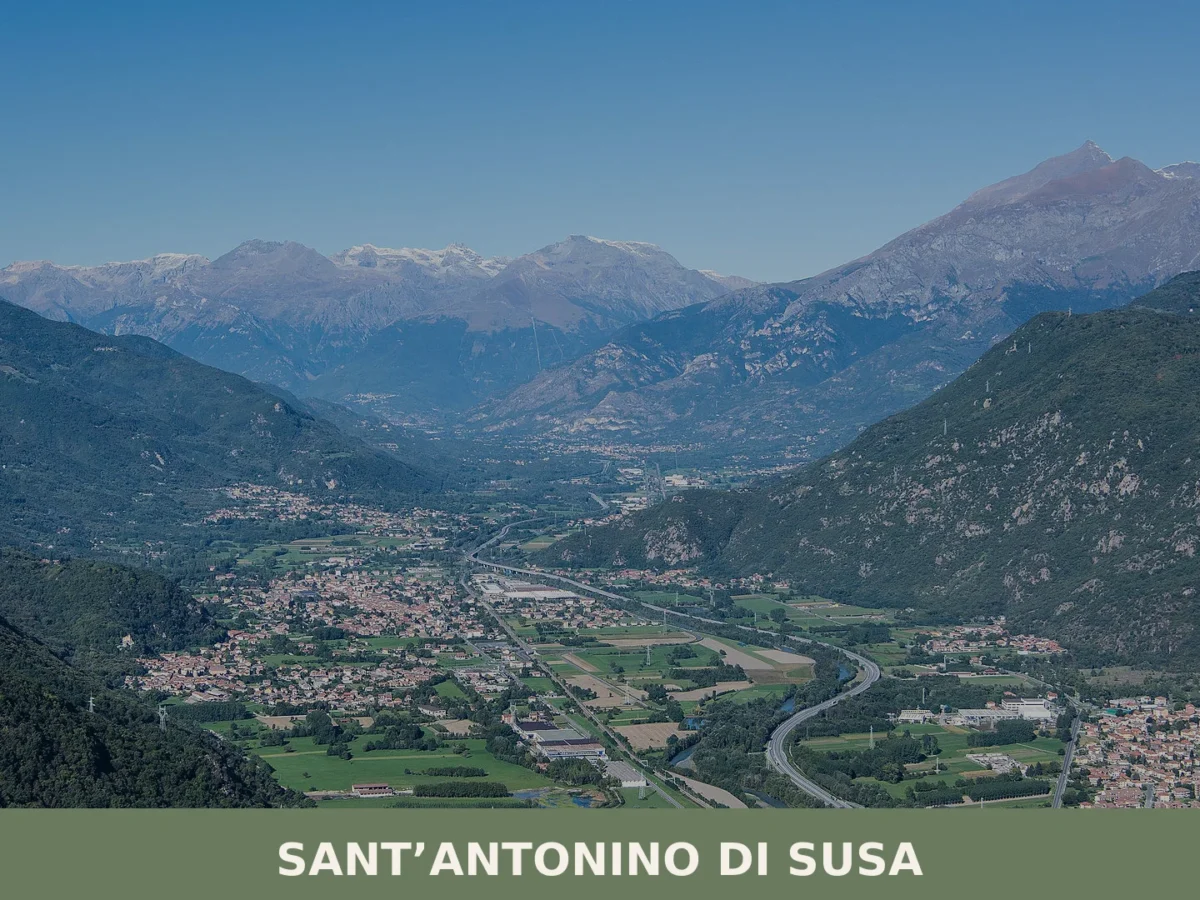
Sant'Antonino di Susa (population 4,074) occupies the right bank of the Dora Riparia at 380 metres. Medieval churches, partisan memory and the echoes of early industrial labour define this Piedmontese comune.

🏡 Know Bobbio Pellice better than we do?
If you’re a local or have been there, your knowledge matters: add what’s missing or fix a detail on this page.