


Balangero
 Hills
Hills
Balangero has just over 3,000 inhabitants and sits at 440 metres above sea level on a hillside in the northern part of the province of Turin. The village is known for having hosted, within its municipal territory, one of the largest asbestos mines in Europe — an extractive operation that left a deep mark on […]
Discover Balangero
Balangero has just over 3,000 inhabitants and sits at 440 metres above sea level on a hillside in the northern part of the province of Turin. The village is known for having hosted, within its municipal territory, one of the largest asbestos mines in Europe — an extractive operation that left a deep mark on the local economy and landscape for much of the twentieth century. Those wondering what to see in Balangero will find a place where industrial history overlaps with a medieval hillside settlement, its religious buildings still clearly readable within the urban fabric.
History and Origins of Balangero
The place name Balangero appears in medieval documentary sources in Latin variants that most likely derive from a Lombard personal name, a naming pattern common among the foothills municipalities of the Turin area. The first reliable recorded instance of the name in a recognisable form dates to the medieval period, when the territory formed part of the feudal network that gravitated around Savoy control of the plain and the Alpine valleys. Like many villages in the northern hill belt around Turin, Balangero belonged to local lordships before being definitively absorbed into Savoyard administrative institutions. The official website of the Municipality of Balangero documents the institutional continuity of the settlement through to its current municipal structure.
The most significant and verifiable historical fact of the last two centuries concerns mining activity. Within the municipal territory stood the Balangero asbestos mine, active throughout the twentieth century and considered one of the largest in Europe by extraction volume. The asbestos mined — predominantly chrysotile — was used in Italian and international manufacturing industries. The mine’s definitive closure in 1990 brought about a major economic adjustment for the local community and opened the question of environmental remediation of the site, which continues to be the subject of intervention today. As noted in the Wikipedia entry for Balangero, the mining facility stands as one of the principal identifying features of the municipality within the broader context of Piedmontese industrial history.
On the religious side, Balangero’s parish church is dedicated to Saint James the Greater, whose feast day falls on 25 July and constitutes the main devotional event in the local liturgical calendar. The parish structure reflects a pattern typical of the hill municipalities around Turin, with a place of worship that has undergone successive architectural modifications layered over its original medieval core. The ecclesiastical organisation of the village formed part of the complex Piedmontese diocesan network, which repeatedly redefined its pastoral boundaries across the pre-Alpine area during the early modern period.
What to See in Balangero: 5 Key Attractions
1. Parish Church of Saint James the Greater
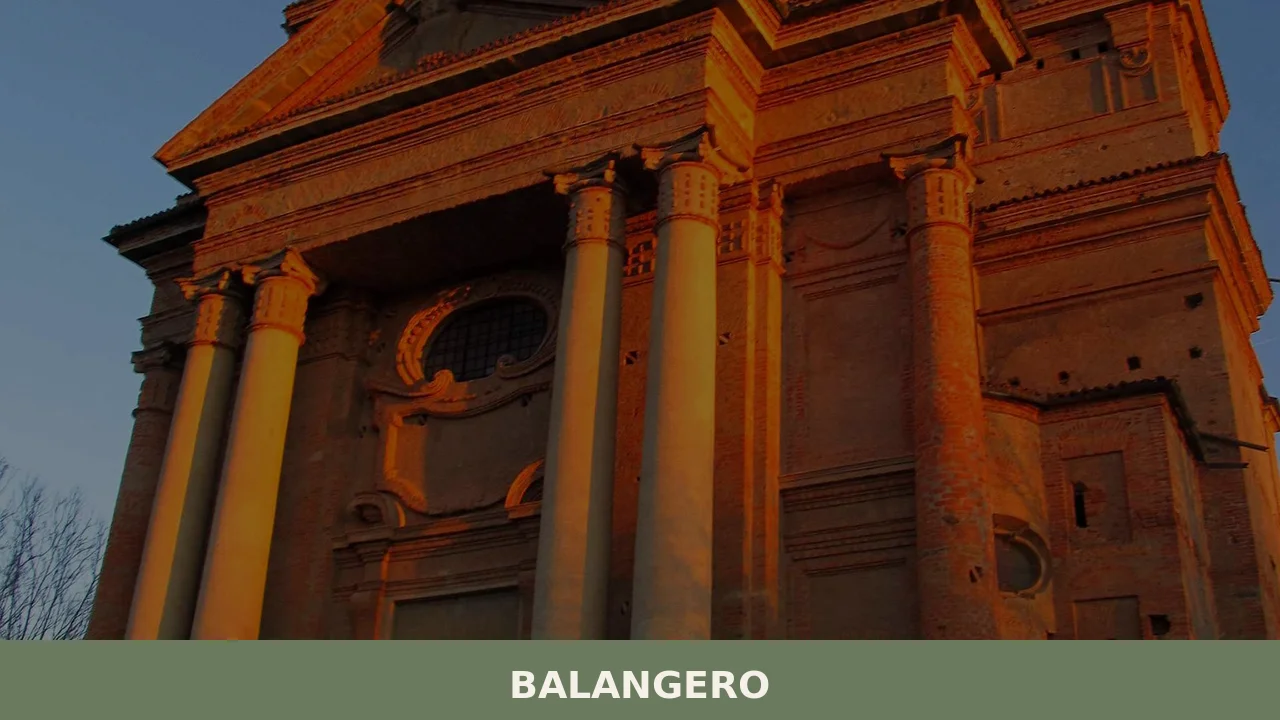
The village’s main religious building is dedicated to the apostle James the Greater, patron of the community. The church retains the volumetric layout typical of Piedmontese hillside parish churches, with its facade facing the inhabited centre. On 25 July, the feast day of the patron saint, the building becomes the focal point of the village’s religious and civic celebrations.
2. The Former Asbestos Mine Site
The extraction area, decommissioned in 1990, is one of the most significant industrial sites in the province of Turin in terms of scale and territorial impact. The altered terrain produced by open-cast mining operations remains visible in the surrounding landscape. The site is currently undergoing a lengthy environmental remediation process that has reshaped its public accessibility.
3. The Historic Hilltop Centre
Balangero’s old core sits at an elevation of 440 metres, with an urban layout that reflects the medieval logic of hillside settlement. The streets of the centre maintain the compact structure typical of the Turin foothills villages, with local stone buildings arranged to form continuous frontages along the main routes.
4. The Hill Landscape of the Valli di Lanzo
Balangero lies close to the foothill area that leads into the Valli di Lanzo, an Alpine system of lateral valleys to the north of Turin. From the hillside slopes of the municipality, views open southward across the Po Plain and northward toward the Alpine ridges, with the Gran Paradiso massif recognisable on clear days.
5. The Hamlets and Surrounding Agricultural Land
The municipal territory includes smaller outlying hamlets scattered across the hillside, each with its own votive chapel or roadside shrine. The remaining agricultural land — vineyards, permanent meadows and downy oak woodland — defines the texture of the landscape in areas unaffected by the historic mining operations.
Local Food and Produce
Balangero belongs to the gastronomic tradition of the Canavese and the northern Turin hill area, where rural cooking has maintained a continuity of preparations tied to seasonal produce and livestock farming. Traditional local first courses include cardo gobbo soup — made with a thistle variety characteristic of Piedmont — and filled pasta such as agnolotti del plin, whose name is protected as a traditional Piedmontese product. The production of Canavese DOC wine, a denomination covering a stretch of territory that includes the Balangero hill area, provides a concrete point of enological reference for the zone.
Among the products associated with the wider territory, Toma Piemontese DOP cheese is available at local markets and is produced in mountain pastures near the municipality, while acacia honey benefits from an established production tradition across the Turin plain and hills. The summer festivals, concentrated around the feast of Saint James on 25 July, are the main occasion for finding traditional preparations. Local restaurant provision is typical of small Piedmontese hill municipalities, with family-run trattorias serving the classic regional repertoire.
When to Visit Balangero: The Best Time of Year
The most suitable time to visit Balangero is late spring and early autumn, when hillside temperatures — moderated by the 440-metre elevation relative to the plain — make both a visit to the village centre and excursions into the surrounding territory comfortable. July is the month of the feast of Saint James the Greater, on the 25th: the occasion brings the village to life with religious and civic events and is the moment when local community participation is most visible. Autumn, with the grape harvest in the vineyards of the Canavese, offers a landscape setting of particular interest for those travelling through the Turin hills.
How to Get to Balangero
Balangero is easily reached from Turin, approximately 30 kilometres to the north. The main route runs along the main road connecting the Piedmontese regional capital to the Valli di Lanzo via Lanzo Torinese. By car, from the A55 motorway (Turin–Pinerolo) or from the northern Turin ring road, drivers join the ordinary road network heading north towards Ciriè and Lanzo Torinese.
- By car from Turin: approximately 30 km, taking 35–45 minutes via Ciriè or via Lanzo Torinese
- By train: the nearest railway station is Ciriè, served by the Turin–Ceres line (operated by GTT); from Ciriè, onward travel is by car or local services
- Nearest airport: Turin-Caselle Airport (TRN), approximately 15 km to the south-east, is the closest air arrival point
- From Milan: approximately 130 km via the A4 motorway to Turin, then ordinary roads heading north
Where to Stay in Balangero
The accommodation offer in Balangero reflects the scale of a hillside municipality of around 3,000 inhabitants: it consists mainly of small-scale options such as bed and breakfasts, rooms for rent and agriturismi in the surrounding territory. Those looking for a wider range of facilities can look to Lanzo Torinese or Ciriè, nearby centres with a broader choice of accommodation including mid-category hotels.
For stays focused on exploring the pre-Alpine hill area and the Valli di Lanzo, agriturismi and rural holiday homes in the outlying hamlets are the option most in keeping with the landscape and the pace of the territory. It is advisable to check availability in advance during the week of 25 July, around the feast of the patron saint, when local demand increases. The proximity of Turin-Caselle Airport makes Balangero a viable base even for short stays of one or two days as part of broader itineraries through the Turin hills and valleys.
Other Villages to Explore in Piedmont
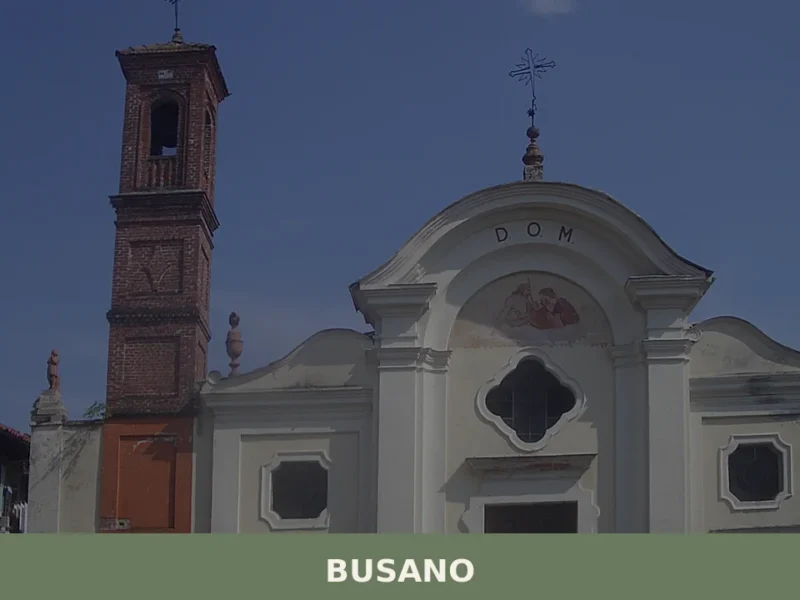
The hills and pre-Alpine foothills of Piedmont contain a number of smaller centres that share with Balangero a position in the transitional belt between plain and mountain. Busano, in the Canavese, is one of the closest in territorial character, with a similar hillside landscape and small-scale settlement pattern. Moving toward the Vercelli plain, Vercelli offers a completely different setting, with its Romanesque cathedral and the rice field environment that defines the landscape in a wholly distinctive way.
For those wishing to extend their itinerary into the Waldensian valleys and the Cottian Alps, Angrogna is a stop of historical and natural interest in the Val Pellice. To the east, Monteu da Po, in the eastern Turin area, presents a riverside landscape along the Po with traces of Roman settlement still visible in the territory. These four villages, for all their differences, reflect the geographic and historical variety of northern and central Piedmont.
Frequently asked questions about Balangero
What is the best time to visit Balangero?
The ideal time to visit Balangero is during late spring and early autumn when temperatures are comfortable for exploring the village and its surroundings. A key event is the feast of Saint James the Greater, the patron saint, celebrated on 25 July. This day is marked by religious and civic festivities that showcase the local community spirit, making it an excellent time for cultural immersion.
What to see in Balangero? Main monuments and landmarks
In Balangero, the Parish Church of Saint James the Greater is a significant landmark and focal point of the village. Its celebration on 25 July brings the local community together for religious events. Visitors should also explore the historic hilltop centre to enjoy the medieval urban layout. Access to these sites is generally open, but checking local listings during the patronal feast is advisable.
Who is Balangero suitable for? Families, couples, hikers, solo travelers?
Balangero is ideal for travelers who appreciate both historical exploration and natural landscapes. Couples and families will enjoy the village's cultural festivities, especially during the patronal feast. Hikers and solo travelers can make the most of the surrounding hill landscapes and the nearby Valli di Lanzo, offering picturesque scenery for nature enthusiasts.
Getting there
Viale Giuseppe Copperi, 10070 Balangero (TO)
Nearby Villages near Balangero
In Piedmont More villages to discover

Porte
Hills
Discover what to see in Porte, a 1,108-inhabitant comune in the Metropolitan City of Turin with Occitan heritage, foothill walks, and Piedmontese food culture.

Castelletto Molina
Hills
137 residents, one patron saint and a golden civic banner: Castelletto Molina rewards slow travellers with genuine Monferrato countryside and Piedmontese village life.
Scalenghe
Hills
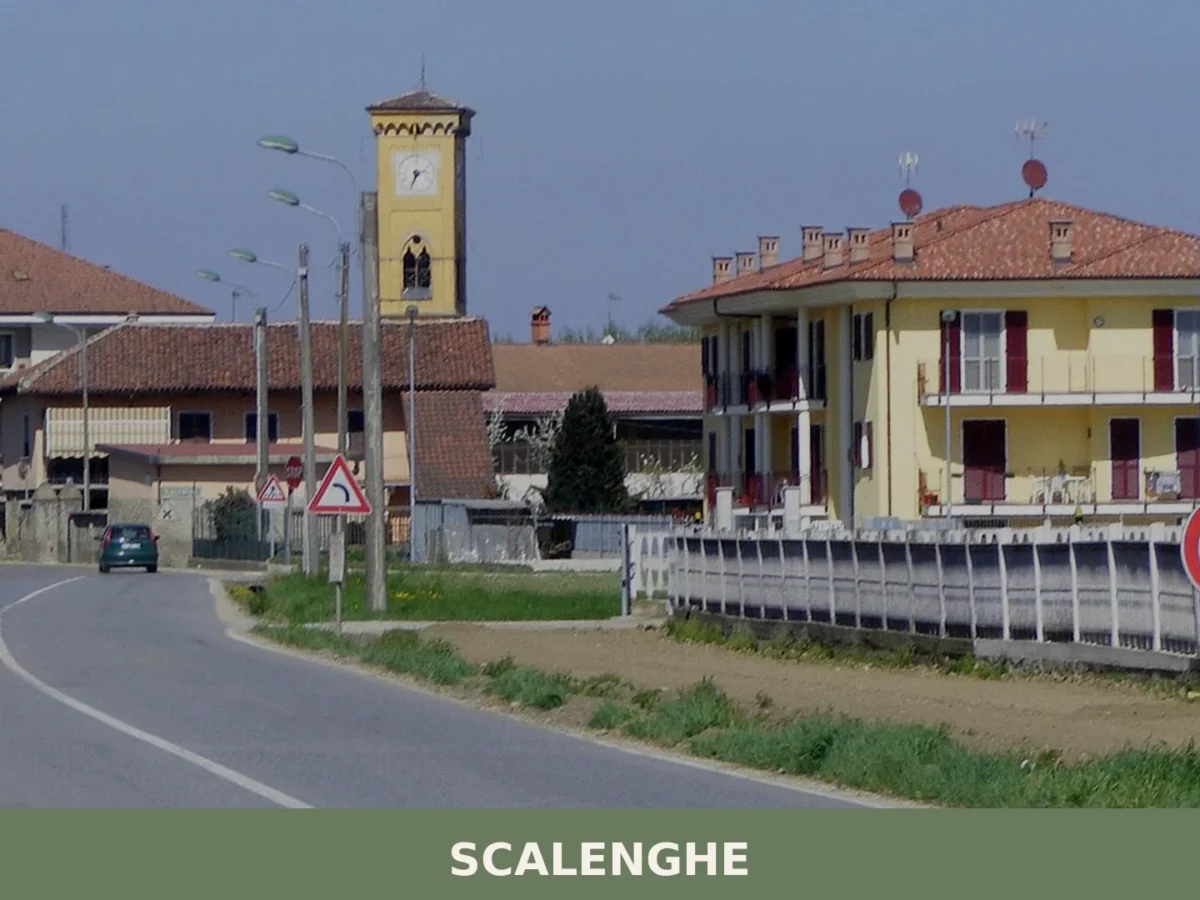
A comune of 3,195 residents where centuries-old churches meet a landscape shaped by cattle and grain. Medieval roots and modern farming define this territorial landmark.
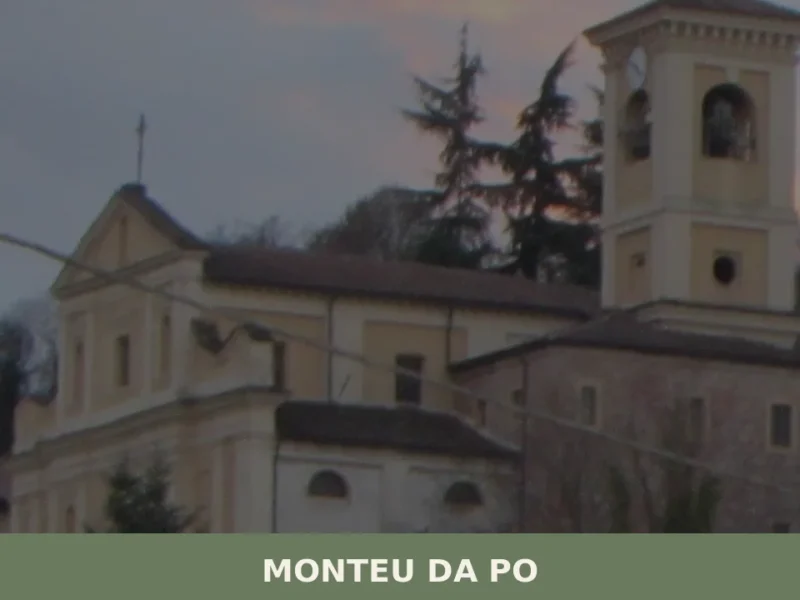
Monteu da Po
Hills
Scopri Monteu da Po, affascinante borgo piemontese sulle rive del Po. Storia, natura e tradizioni in un angolo autentico del Piemonte da non perdere.

Montà
Hills
4 distinct hamlets, one medieval castle and over 35 km of trails make Montà a rewarding base for exploring the Roero hills of Cuneo province.

Balme
 Mountain
Population 97. Balme stands at 1,432 metres in the Valli di Lanzo, where stone architecture and seasonal rhythms anchor a centuries-old mountain community.

Brandizzo
 Plains
A plains settlement shaped by centuries of feudal rule and 20th-century industry. Discover baroque architecture, carnival traditions, and the Po river landscape.

Strambino
Plains
6,000 residents, one castle on a hill, and a church whose floor plan mirrors a frog. Strambino offers a layered Canavese identity few visitors expect.
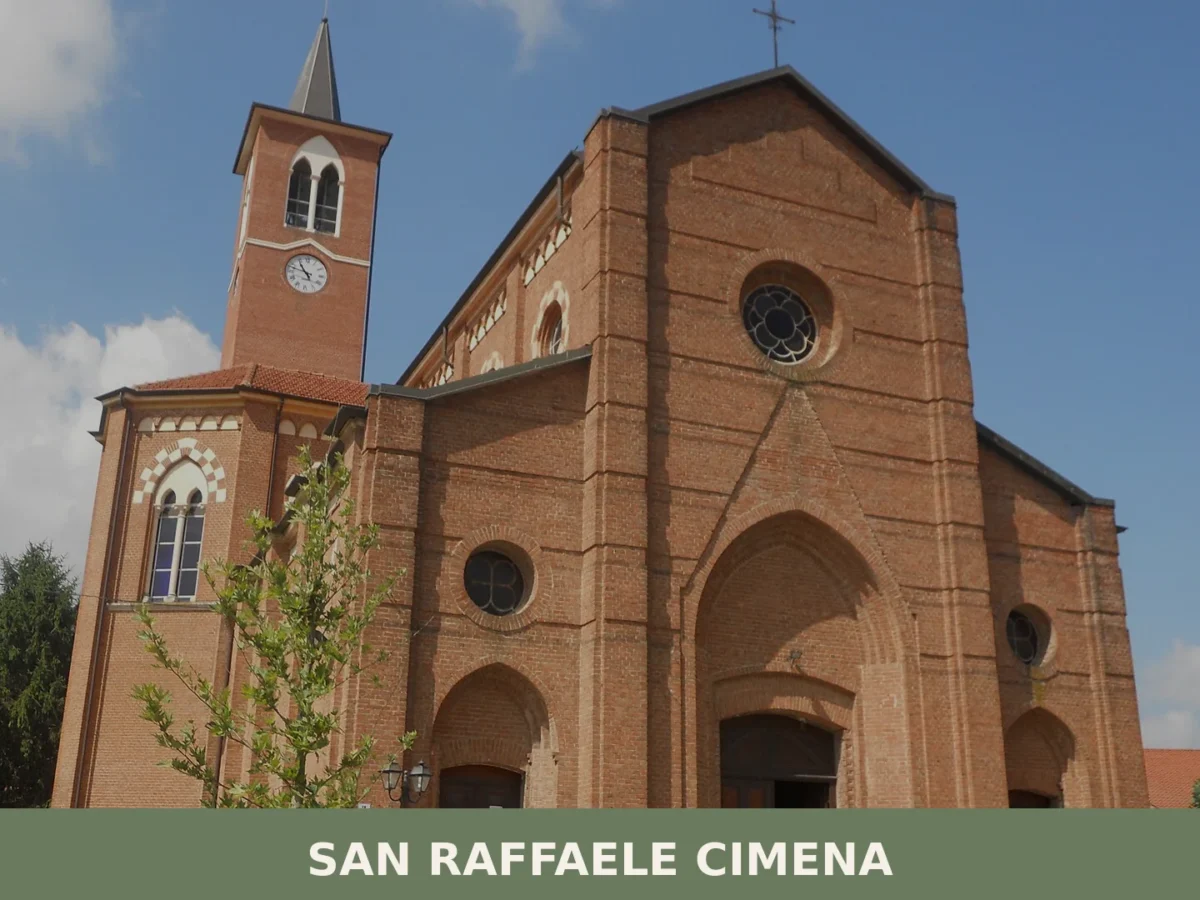
San Raffaele Cimena
Hills
3,159 residents. Medieval settlement with Byzantine foundations, now a suburban village anchored by agricultural heritage and an extraordinary microclimate where tropical plants thrive.
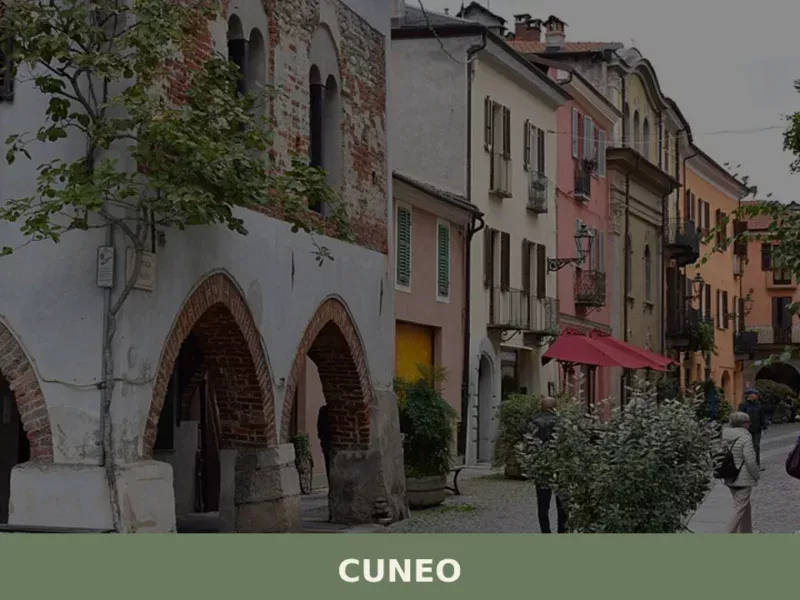
Cuneo
Hills
What to see in Cuneo: 55,744 residents at 534m, historic arcades, Piazza Galimberti and the Cuneese al Rum. Plan your visit with this complete city guide.





🏡 Know Balangero better than we do?
If you’re a local or have been there, your knowledge matters: add what’s missing or fix a detail on this page.