


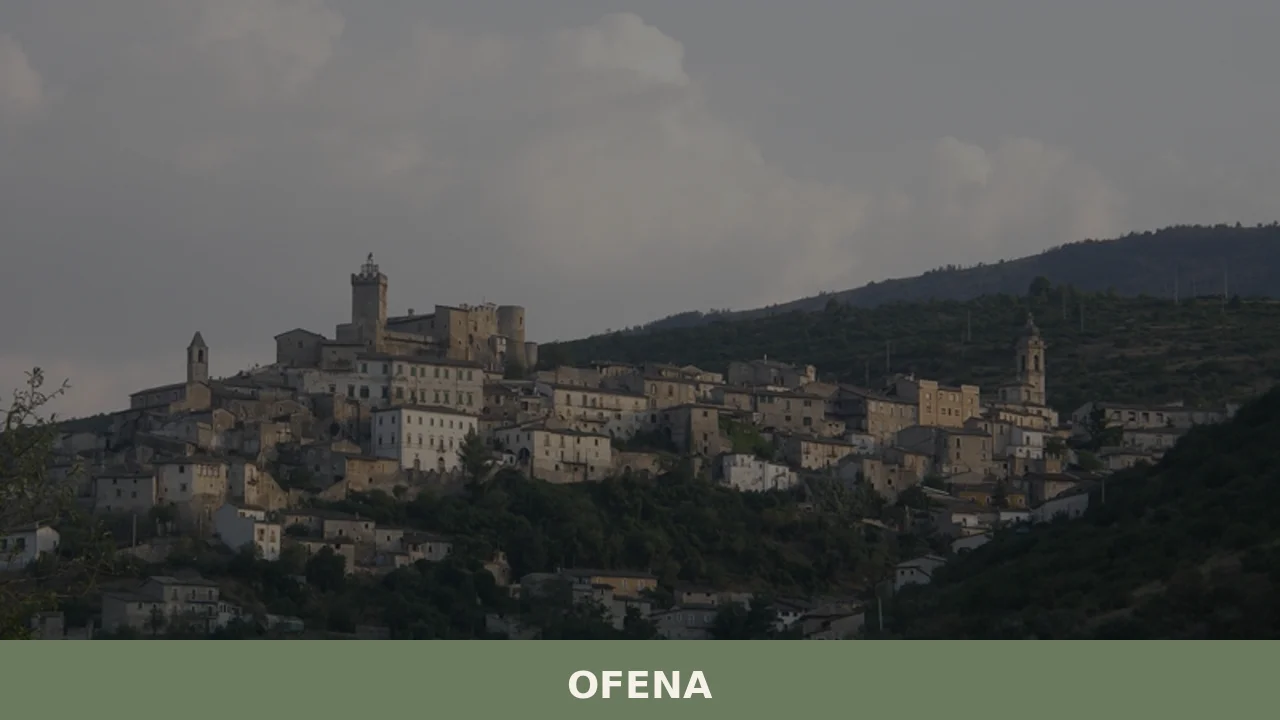
Ofena
 Mountain
What to see in Ofena, Italy: Explore its historical significance as Aufinium and the Gran Sasso e Monti della Laga National Park. This village of 517 inhabitants offers a journey into Abruzzo’s past. Read our guide.
Discover Ofena
The rugged terrain of the Gran Sasso e Monti della Laga National Park forms the immediate backdrop to Ofena, a small comune in the Province of L’Aquila, Abruzzo, Italy. This village, with its long history, reflects centuries of human settlement within a dramatic natural environment.
From its ancient origins as Aufinium to its present-day status, Ofena stands as a testament to the enduring presence of communities in the central Apennines.
The landscape, marked by both natural grandeur and historical traces, invites contemplation of its deep past.
For those seeking what to see in Ofena, this guide offers an exploration of the village’s significant historical and natural points of interest. With a recorded population of 517 inhabitants, Ofena provides a tranquil setting to uncover its early Christian heritage and its integral position within a major national park.
Visitors to Ofena can discover the remnants of its ancient past and appreciate the serene beauty of the surrounding Abruzzese landscape, making it a compelling destination for cultural and natural exploration.
History of Ofena
The historical record of Ofena begins with its Latin name, Aufinium, prominently featured in a letter from Pope Simplicius dated November 19, 475 AD. This document details a significant ecclesiastical dispute involving a Bishop Gaudentius of Aufinium, against whom three neighboring bishops had lodged complaints. Such an early mention firmly places Ofena within the administrative and religious framework of the late Roman Empire and early Christian Italy.
The existence of a bishopric here underscores the town’s importance as a regional center during a formative period of European history, indicating a well-established community at that time.
While Aufinium no longer functions as a residential bishopric, its historical legacy is preserved through its listing by the Catholic Church as a titular see.
This designation acknowledges its past ecclesiastical prominence, maintaining a connection to its ancient spiritual heritage. The community of Ofena itself has thrived for many hundreds of years, adapting through various historical shifts and regional developments. This long continuity of settlement suggests a resilient population that has shaped and been shaped by the unique environment of the Abruzzo region, maintaining its identity over a millennium.
In more recent times, the administration of Ofena has been managed by a succession of mayors, with records available since 1998, detailing the civic leadership of the comune. This administrative structure supports the ongoing life of the village, which operates within the broader Province of L’Aquila. Ofena’s location within the Gran Sasso e Monti della Laga National Park further defines its modern context, blending historical depth with natural preservation efforts.
This integration with the natural environment is a common thread among many Abruzzese settlements, including Capestrano, which also boasts a rich historical narrative intertwined with its landscape.
What to see in Ofena, Abruzzo: top attractions
The Ancient Village of Ofena (Aufinium)
A visit to Ofena allows one to experience the physical presence of a village with an exceptionally long history, dating back to its mention as Aufinium in 475 AD.
The layout of its streets and the construction of its older buildings subtly convey the passage of time and the evolution of a community over many centuries. While specific ancient monuments are not detailed, the very fabric of the village speaks to its enduring past, offering a sense of historical depth. Observing the architectural styles and materials used in various parts of the village can provide clues to its continuous development from early medieval times to the present day.
Gran Sasso e Monti della Laga National Park
Ofena serves as a gateway to the expansive Gran Sasso e Monti della Laga National Park, a protected area renowned for its dramatic mountain scenery and ecological diversity.
The park encompasses the highest peaks of the Apennines, including Gran Sasso d’Italia, and features vast plateaus, deep valleys, and diverse flora and fauna. Visitors can engage in various outdoor activities such as hiking, nature photography, or simply enjoying panoramic drives through the rugged landscape.
The park’s proximity means that Ofena offers a convenient base for exploring this significant natural preserve, which spans over 150,000 hectares (370,000 acres).
The Titular See of Aufinium
The historical status of Ofena as the former residential bishopric of Aufinium represents a key element of its cultural heritage.
Although it transitioned into a titular see, a distinction granted to historical dioceses without current active episcopal oversight, this fact highlights its past importance in the ecclesiastical geography of Italy. Scholars and history enthusiasts can trace its significance back to the papal letter of 475 AD, which firmly establishes its role in the early Christian church. This historical context offers a unique perspective on the village’s identity and its enduring connection to a broader religious narrative.
Campo Sportivo Comunale di Ofena
Located in the southern sector of the village, the Campo Sportivo Comunale di Ofena is a public football field that serves as a modern community hub. This facility provides a space for local residents to engage in sports and recreational activities, embodying a contemporary aspect of village life. While its historical significance differs from ancient ruins, it offers a direct insight into the daily routines and social interactions of Ofena’s 517 inhabitants.
Visitors might witness local matches or community gatherings, providing a glimpse into the present-day culture and collective spirit of this Abruzzese comune.
Exploring Ofena’s Historical Layers
Beyond specific sites, one of the most rewarding aspects of what to see in Ofena is simply to wander its streets and absorb the atmosphere of a community that has existed for many centuries.
The continuous habitation since at least the 5th century AD has layered history into its very foundations, creating a subtle but profound sense of continuity. This exploration allows visitors to appreciate the slow accumulation of time and experience the quiet resilience inherent in such ancient settlements.
It provides a deeper understanding of the region’s historical patterns, much like discovering the enduring character of Villa Celiera, another village with a long history in Abruzzo.
Local food and typical products of Ofena
The provided sources do not offer specific information regarding the local food traditions, unique dishes, or typical products directly associated with Ofena. While the Abruzzo region is widely recognized for its diverse and robust culinary heritage, encompassing both mountain and coastal influences, no particular gastronomic specialties are explicitly attributed to Ofena in the available data.
This means that any discussion of local cuisine would necessarily be generalized to the broader regional context rather than specific to the village itself.
Consequently, this guide cannot detail specific traditional dishes, their authentic ingredients, or traditional preparation techniques that are verifiable for Ofena. Furthermore, the sources do not mention any certified products, such as those with a Protected Designation of Origin (DOP) or Protected Geographical Indication (IGP), originating from the municipality of Ofena.
Therefore, without specific data, it is not possible to highlight unique culinary offerings or identify local food producers within the village.
Festivals, events and traditions of Ofena
Based on the available sources, there is no specific information detailing festivals, annual events, or established traditions unique to Ofena. Details regarding a patron saint festival, its specific date, or the customary activities such as processions, rituals, music, or fireworks that might accompany it are not provided.
This absence means that visitors seeking to experience particular local cultural celebrations directly related to Ofena will not find them documented in the current information.
Moreover, the sources do not mention any recurring food fairs, local markets, or other verified community traditions that take place in Ofena during specific months or seasons. While many Italian villages celebrate their heritage through various annual gatherings, the provided data for Ofena does not confirm any such occurrences.
Therefore, this section cannot offer insights into a calendar of events or traditional practices that visitors might encounter during their stay.
When to visit Ofena, Italy and how to get there
The optimal period to visit Ofena, Italy, is heavily influenced by its location within the Gran Sasso e Monti della Laga National Park and the desire to engage in outdoor activities. Spring, from April to June, offers mild temperatures and blossoming landscapes, making it ideal for exploring the village and gentle hikes. Early autumn, specifically September and October, also provides pleasant weather, vibrant foliage, and fewer crowds, which is perfect for scenic drives and enjoying the natural beauty of Abruzzo. Summer months (July and August) are suitable for those who prefer warmer weather and wish to undertake more strenuous mountain excursions.
For visitors planning a day trip from a major Italian city, Ofena is most conveniently reached by car.
From Rome, the journey covers approximately 150 km (93 mi) and typically requires about 2 hours of driving, making it a viable option for a full-day excursion or a weekend visit. The provincial capital, L’Aquila, is the nearest significant urban center, located around 40 km (25 mi) from Ofena.
While L’Aquila has a train station (Trenitalia), direct public transport connections to Ofena from there are generally limited, often requiring a bus or taxi.
International travelers will find Abruzzo Airport (PSR) in Pescara to be the closest air travel hub, situated approximately 75 km (47 mi) from Ofena. The drive from the airport to the village usually takes about 1 hour and 15 minutes. Renting a car at the airport is highly recommended for maximum flexibility in exploring Ofena and the surrounding Abruzzo region.
It is practical for international visitors to note that English proficiency may be limited in smaller local establishments, and carrying a small amount of Euros cash can be beneficial for purchases in shops or cafes where card payment options might not be available.
For those wishing to explore more of Abruzzo’s diverse villages after experiencing what to see in Ofena, options include Morino, known for its natural reserves and historical sites, and Colledimacine, which offers a different perspective on the region’s mountain communities.
Frequently asked questions about Ofena
What is the best time to visit Ofena?
The optimal period to visit Ofena largely depends on your desired activities. Spring (April to June) offers mild temperatures and blossoming landscapes, perfect for exploring the village and enjoying gentle hikes. Early autumn (September and October) provides pleasant weather, vibrant foliage, and fewer crowds, ideal for scenic drives and nature photography. Summer months (July and August) are suitable for those who prefer warmer weather and wish to undertake more strenuous mountain excursions. Additionally, consider visiting on May 8th to experience the traditional festivities celebrating Ofena's patron saint, San Nicola.
What to see in Ofena? Main monuments and landmarks
In Ofena, visitors can explore the Ancient Village (Aufinium), where the layout of its streets and older buildings offer a tangible sense of its continuous history dating back to 475 AD. While specific ancient monuments are not detailed, the very fabric of the village speaks to its enduring past. You can also appreciate its historical status as the Titular See of Aufinium, highlighting its past importance in the early Christian church. The village also serves as a gateway to the expansive Gran Sasso e Monti della Laga National Park, perfect for scenic drives and appreciating the dramatic mountain scenery.
What are the main natural or scenic attractions of Ofena?
Ofena is strategically located as a gateway to the Gran Sasso e Monti della Laga National Park, which is its primary natural attraction. This protected area is renowned for its dramatic mountain scenery, encompassing the highest peaks of the Apennines, vast plateaus, deep valleys, and diverse flora and fauna. Visitors can engage in activities like nature photography, panoramic drives through the rugged landscape, and various levels of hiking, making it an ideal base for exploring this significant natural preserve.
What can you do in Ofena? Activities and experiences
In Ofena, you can immerse yourself in both natural beauty and deep history. Explore the Gran Sasso e Monti della Laga National Park, ideal for hiking, nature photography, and scenic drives through its dramatic mountain landscapes. Within the village, wander the ancient streets of Aufinium, absorbing centuries of history embedded in its architecture and experiencing the quiet resilience of an ancient settlement. Visitors can also observe local life at the Campo Sportivo Comunale, a modern community hub for sports and recreational activities.
Who is Ofena suitable for? Families, couples, hikers, solo travelers?
Ofena is an excellent destination for those seeking a tranquil setting combined with cultural and natural exploration. It particularly appeals to history enthusiasts interested in its ancient Roman and early Christian heritage, as well as nature lovers and hikers eager to explore the dramatic landscapes of the Gran Sasso e Monti della Laga National Park. Its serene atmosphere makes it ideal for couples or solo travelers looking for a peaceful escape, while families can enjoy gentle outdoor activities and discover the village's rich past.
📷 Photo Gallery — Ofena
Nearby Villages near Ofena
In Abruzzo More villages to discover
Civitella Roveto
 Hills
Hills
At 528 metres above sea level, on the eastern side of the Valle Roveto, Civitella Roveto has a current population of 3,327, spread between the old town and the hamlets along the River Liri. The valley, a natural corridor between the Marsica and Lazio, determined the strategic role of this settlement for centuries. Understanding what […]
Villa Sant’Angelo
Mountain
What to see in Villa Santu2019Angelo? Discover 5 must-see attractions and the history of the ancient village. Plan your guided visit now!
Castelvecchio Calvisio
Mountain
At 1045 meters above sea level, in the L’Aquila hinterland, stands Castelvecchio Calvisio, a village that retains the structure of an ancient *castrum* medieval. With a population of 118 inhabitants, the historic center develops on a rocky ridge, overlooking the basin below. Its elevated position and stone architecture offer an insight into Abruzzo’s fortifications. For […]
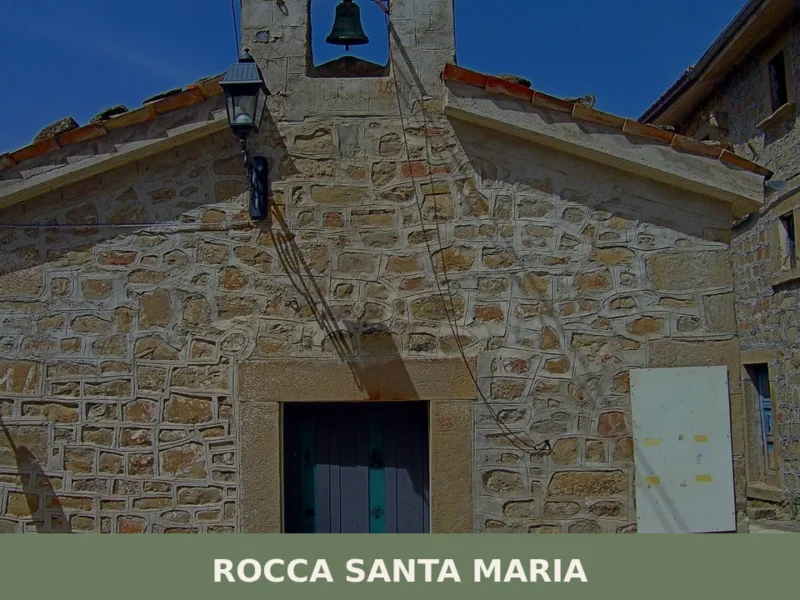
Rocca Santa Maria
Mountain
what to see in rocca santa maria, Italy. Explore a village of 560 inhabitants within Gran Sasso e Monti della Laga National Park. Discover its mountain frazioni and natural beauty.
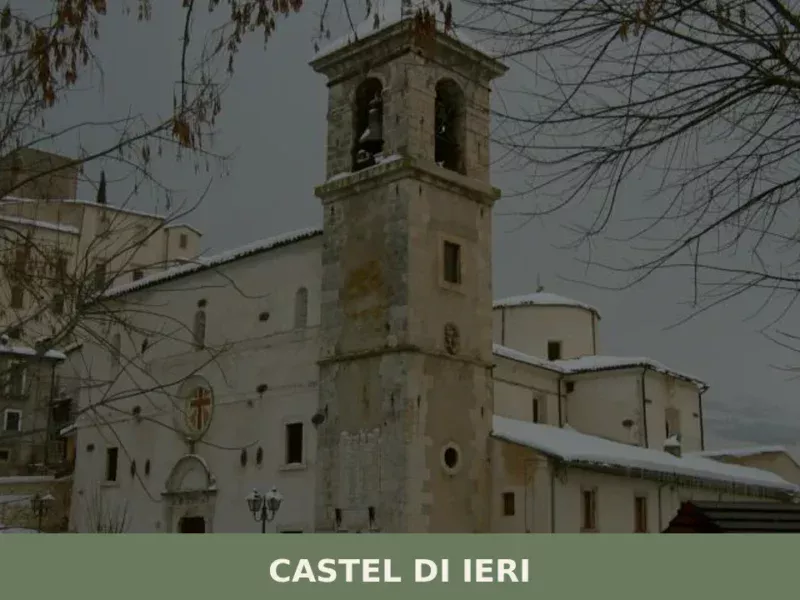
Castel di Ieri
Hills
In Castel di Ieri, a village of 289 registered inhabitants at 519 metres above sea level in the Valle Subequana, the most significant feature lies underground: an Italic temple from the 1st century BC, unearthed during the 1980s, which redrew the archaeological map of inland Abruzzo. Anyone looking into what to see in Castel di […]

Cappelle sul Tavo
Hills
What to see in Cappelle sul Tavo, Abruzzo, Italy: discover 5 top attractions, local food traditions and how to get there. Explore this Pescara province comune.
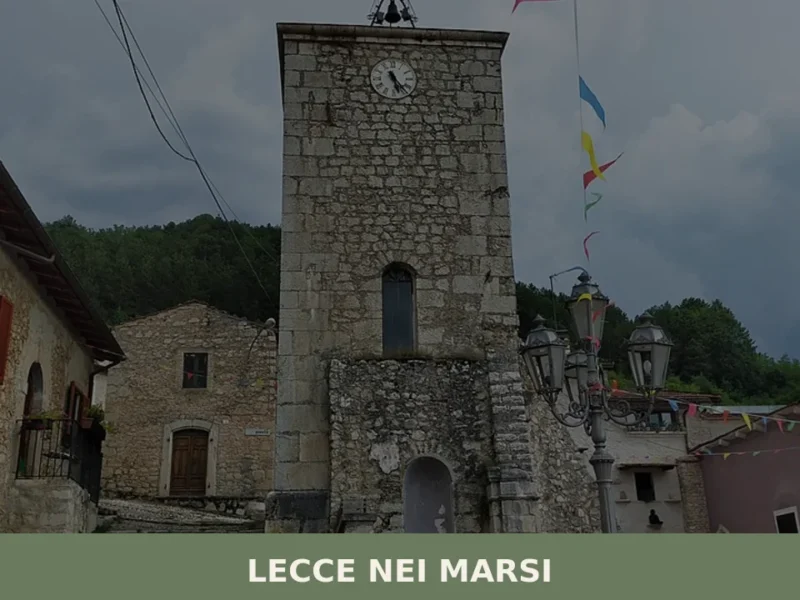
Lecce nei Marsi
Mountain
Lecce nei Marsi has 1,534 inhabitants spread between the main centre and outlying hamlets along the eastern slope of the Marsica area, at 740 metres above sea level. The municipal territory borders the Abruzzo, Lazio and Molise National Park and falls within the province of L’Aquila. Anyone looking into what to see in Lecce nei […]
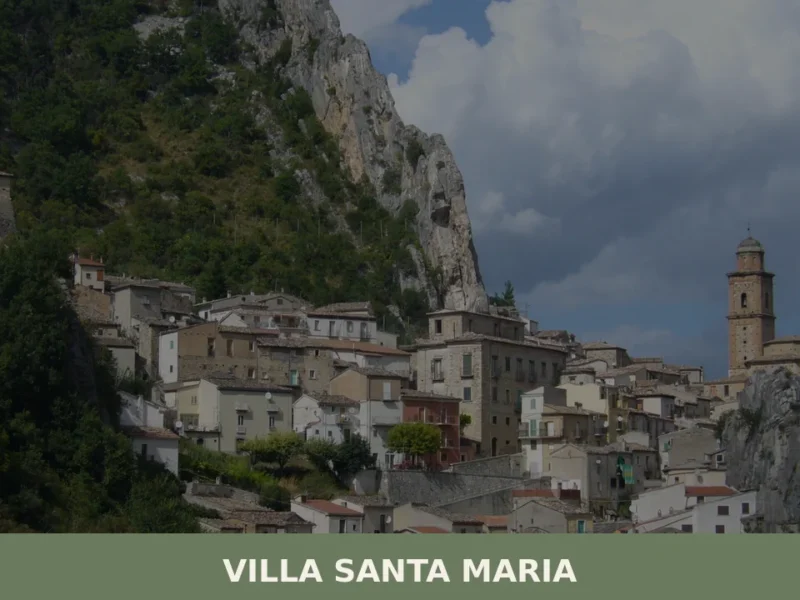
Villa Santa Maria
Mountain
What to see in Villa Santa Maria, Abruzzo, Italy: explore 5 top attractions, local cuisine, and the legacy of Saint Francis Caracciolo. Discover this village of 1,431 inhabitants.
Santo Stefano di Sessanio
Mountain
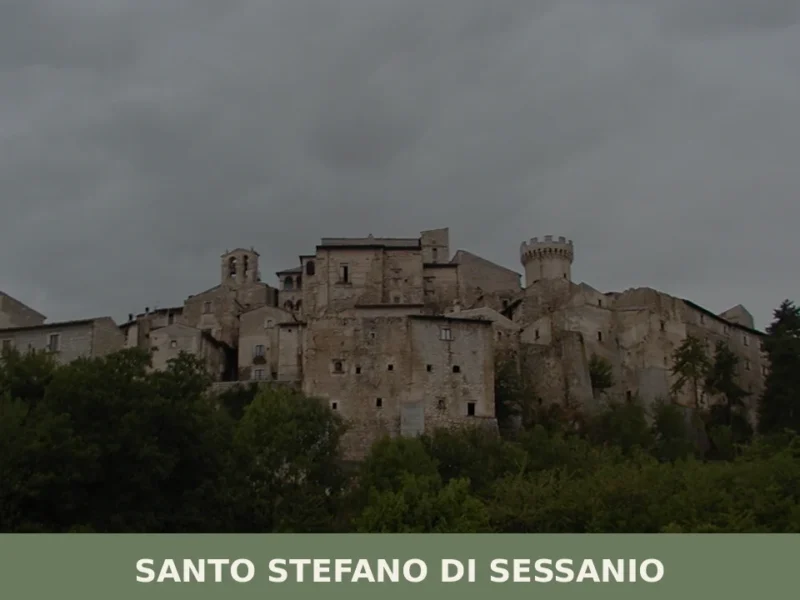
What to see in Santo Stefano di Sessanio, Italy: Discover this medieval hill town at 1,250 m (4,101 ft) altitude. Explore its restored Sextantio Albergo Diffuso and taste the renowned gourmet lentils.
Pescocostanzo
Mountain
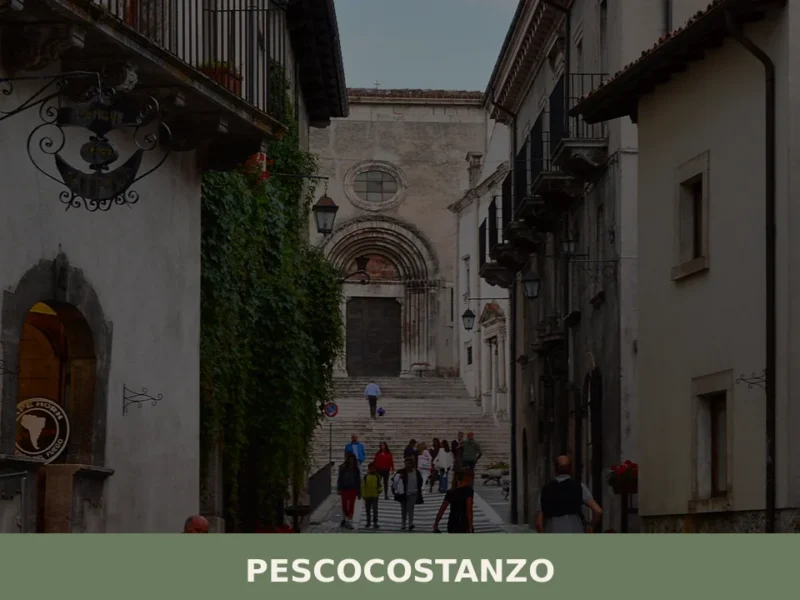
what to see in pescocostanzo offers a blend of mountain beauty and historical charm in Italy. Discover its 1,138 inhabitants, the Maiella National Park, and the Basilica di Santa Maria del Colle. Explore Abruzzo's heart.





🏡 Know Ofena better than we do?
If you’re a local or have been there, your knowledge matters: add what’s missing or fix a detail on this page.