


Campegine
 Plains
What to see in Campegine, Emilia-Romagna, Italy: explore the hometown of the Cervi Brothers, local food traditions and festivals. Population 5,078. Discover now.
Discover Campegine
The Po Valley plain stretches flat and wide around Campegine, a comune (municipality) in the Province of Reggio Emilia where the horizon is marked by rows of poplars and the geometry of agricultural fields rather than by any hill or escarpment.
At 35 m (115 ft) above sea level, the land here is essentially level, shaped over centuries by river deposits and the disciplined hand of farming communities.
The village borders five municipalities — Cadelbosco di Sopra, Castelnovo di Sotto, Gattatico, Reggio Emilia, and Sant’Ilario d’Enza — each within a short drive across the same flat, cultivated terrain.
Knowing what to see in Campegine means starting with the story that put this village on the national map: the Cervi Brothers, seven sons of a local farming family who became central figures in the Italian Resistance during the Second World War.
Campegine, Emilia-Romagna, Italy, sits about 12 km (7.5 mi) northwest of Reggio Emilia and about 70 km (43 mi) northwest of Bologna, making it accessible as a focused day trip from either city.
With a population of 5,078 inhabitants, this is a working agricultural settlement where the Cervi family history, local food traditions, and the feast of San Pietro apostolo give visitors concrete reasons to come.
History of Campegine
The name Campegine derives from the Latin campus, meaning open field or plain, a reference that accurately describes the territory the settlement occupies. In the local Reggiano dialect it is called Campéṣen, a form that reflects the linguistic evolution of the Po Valley communities over many generations. The municipality’s position in the lower Reggio Emilia plain placed it within the orbit of the great medieval and early modern powers that contested control of Emilia: the Este family, the Papal States, and later the Duchy of Modena all exercised influence over the territory of which Campegine formed a part.
The twentieth century gave Campegine a place in Italian collective memory that no earlier period had managed to secure.
The Cervi Brothers — Gelindo, Antenore, Aldo, Ferdinando, Agostino, Ovidio, and Ettore, sons of farmer Alcide Cervi — were born and raised in this municipality.
Arrested by Fascist authorities in 1943, all seven brothers were executed on 28 December 1943 at the Poligono di tiro in Reggio Emilia.
Their father Alcide Cervi, who survived them, later wrote a memoir that became one of the most widely read accounts of rural Resistance in Italy. The episode transformed the family’s farmstead, the Casa Cervi, into a site of historical documentation and public memory.
In more recent decades, Campegine has maintained an identity rooted in agricultural production and local civic life. The municipality was twinned with Montry, in France, from 1979 to 1996, a partnership that reflected the broader European connections forged by Emilian municipalities during the postwar period.
Today the village functions as a residential and agricultural community within the wider economic and cultural sphere of Reggio Emilia, a city whose food industry — centred on Parmigiano Reggiano and Lambrusco — defines much of the provincial identity that Campegine shares.
Visitors interested in the history of the Italian plains will find in Campegine a concentrated, well-documented example of how rural Emilia experienced the twentieth century.
What to see in Campegine, Emilia-Romagna: top attractions
Casa Cervi and the Museo Cervi
The farmstead known as Casa Cervi stands as the primary historical site in the municipality, a working farm building converted into a museum and research centre dedicated to the Cervi family and the rural Resistance.
The structure retains the material character of a mid-twentieth-century Po Valley farmhouse: exposed brick, wide internal courtyards, and agricultural outbuildings that once housed livestock and equipment.
The seven brothers who lived here were arrested in 1943, and all were executed that same year. The museum documents not only their story but also the broader context of peasant life, Fascism, and partisan activity in Emilia-Romagna. Visiting in spring or early autumn, when the surrounding fields are active, gives the agricultural setting its fullest meaning.
Parish Church of San Pietro Apostolo
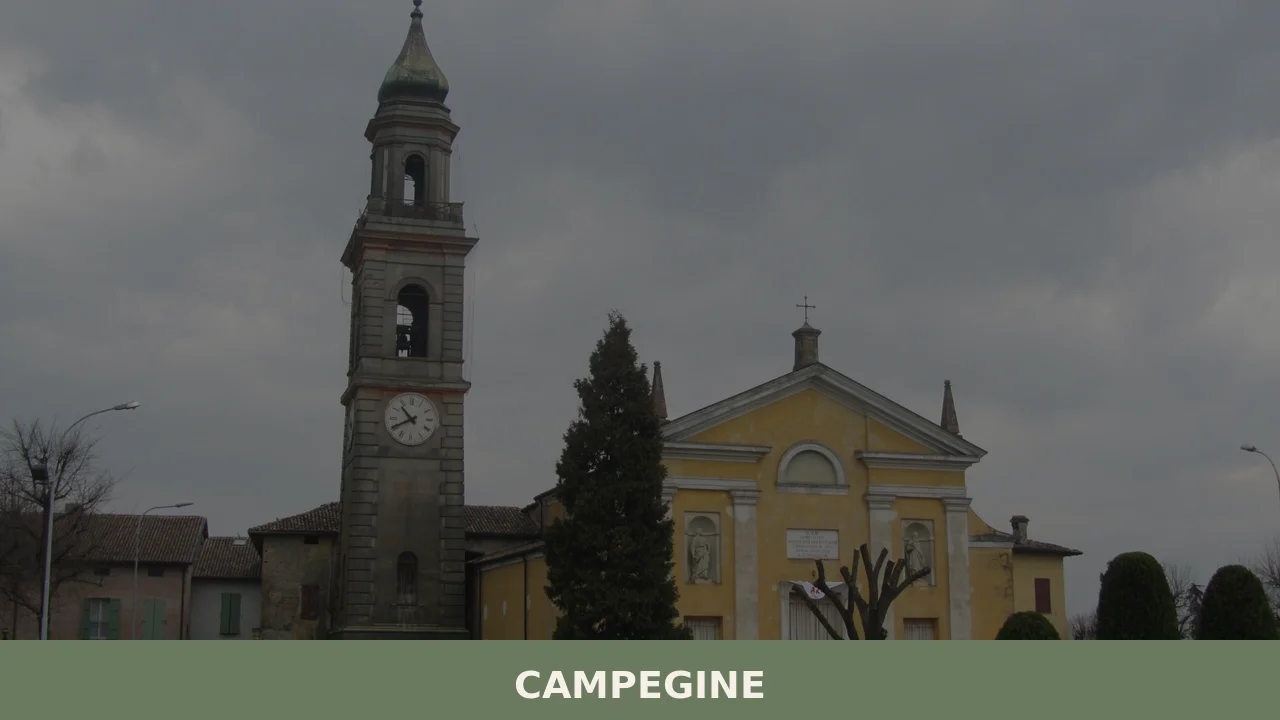
The parish church dedicated to San Pietro Apostolo stands at the centre of Campegine’s civic and religious life, its brick facade consistent with the Romanesque-influenced ecclesiastical architecture common to the lower Reggio Emilia plain.
The feast of the patron saint falls on 29 June each year, marking the single most significant liturgical and communal event in the village calendar.
Inside, the church preserves furnishings and votive elements accumulated over several centuries of parish life.
The building’s proportions reflect the scale of a rural community rather than an urban centre, making its interior accessible and easy to read in a single visit. Arriving in late June allows visitors to see the church in its festive context, when the surrounding streets are prepared for the patron saint celebrations.
The Agricultural Landscape of the Po Valley Plain
At 35 m (115 ft) above sea level, Campegine occupies a section of the Po Valley plain where the land has been continuously farmed for well over a millennium.
The visual character of the territory is defined by straight irrigation canals, rows of poplars planted as windbreaks, and large cultivated plots alternating between maize, wheat, and fodder crops for the dairy sector.
This landscape is not incidental to the village’s history — it is the reason the Cervi family settled here and the economic foundation on which the entire municipality has been built.
Walking or cycling the rural roads that radiate from the village centre gives a ground-level understanding of the flat, open geography that shaped both the agricultural economy and the wartime events of 1943. Early morning light in autumn, when harvest is underway, makes the scale of the plain most legible.
The Municipal Territory and Its Border Villages
Campegine shares boundaries with five municipalities, each reachable within a few kilometres by road: Cadelbosco di Sopra to the south, Castelnovo di Sotto to the west, Gattatico to the north, Reggio Emilia to the east, and Sant’Ilario d’Enza to the northeast. Exploring these borders on a single day gives a precise sense of how the lower Reggio Emilia plain is organised into compact agricultural communities, each with its own parish, market, and civic identity.
The road network connecting them is flat and straightforward, suitable for cycling.
Sant’Ilario d’Enza, at approximately 6 km (3.7 mi) from Campegine, sits on the Enza river and offers a slightly different riverside character to complement the inland plainscape of Campegine itself.
Civic Centre and Village Core
The built core of Campegine concentrates its public functions — municipal offices, the main square, commercial streets, and the parish church — within a compact area typical of a Po Valley comune of just over 5,000 inhabitants.
The architecture is predominantly late nineteenth and early twentieth century brick construction, rebuilt and expanded during the periods of agricultural prosperity that followed Italian unification.
The official website of the Comune di Campegine maintains updated information on local events, office hours, and civic services for residents and visitors. Reading the local notices posted outside the municipal building often reveals seasonal markets, commemorative events, and practical details not listed elsewhere.
The village core is walkable end to end in under twenty minutes, making it easy to combine with a visit to Casa Cervi in a single morning.
Local food and typical products of Campegine
Campegine sits within one of the most productive food zones in Italy: the Province of Reggio Emilia, which is part of the larger territory covered by two of the country’s most closely regulated food designations.
The flat, fertile land around the village has supported dairy and grain farming for centuries, and the culinary tradition of this area is built on ingredients produced within a few kilometres of any given table. The influence of Reggio Emilia’s food culture is direct and unmediated here — this is not a border territory between competing regional traditions but a firmly Emilian plain where the same techniques and the same raw materials appear in every kitchen.
The most representative dish of the local table is tortelli d’erbetta, a fresh pasta filled with ricotta and cooked leafy greens — typically chard — finished with butter and Parmigiano Reggiano grated directly at the table.
The pasta dough is rolled thin, hand-cut into squares, and folded around the filling before being sealed by pressing the edges together: a technique that requires practice and that local households still perform for Sunday meals and celebrations.
Erbazzone, a savoury pie made with the same chard or spinach filling bound with eggs and cheese and enclosed in a lard-based pastry, is another staple of the Reggio Emilia plain that appears regularly in Campegine’s local osterie (traditional taverns).
Bollito misto, a slow-boiled selection of beef cuts, cotechino sausage, and tongue, served with green sauce made from parsley, capers, and bread soaked in vinegar, represents the area’s approach to meat cookery: long cooking times, economical use of the whole animal, and condiments that cut through richness.
Two certified products dominate the food identity of the Province of Reggio Emilia and, by extension, of Campegine itself.
Parmigiano Reggiano (PDO) is produced in a defined zone that includes the Province of Reggio Emilia among its core municipalities; each wheel weighs a minimum of 30 kg (66 lb) and must age for at least 12 months before sale, with 24-month and 36-month wheels commanding the highest regard for their granular texture and concentrated flavour.
Lambrusco Reggiano (DOC) is the sparkling red wine produced from Lambrusco grape varieties across the Reggio Emilia plain; dry or slightly sweet depending on the producer, it is the conventional table wine of this territory and pairs directly with the fatty, cheese-rich dishes described above.
Local agricultural markets in the Province of Reggio Emilia operate on weekly cycles throughout the year, with the autumn months bringing the largest volumes of seasonal produce including squash, root vegetables, and newly pressed grape must. Visitors looking to purchase Parmigiano Reggiano directly from producers will find dairy cooperatives and farm shops within a short drive of Campegine, many of which allow informal visits during morning production hours.
Carrying cash is advisable at smaller farm outlets, as card payment is not universally available.
Festivals, events and traditions of Campegine
The central annual event in Campegine is the feast of San Pietro Apostolo, celebrated on 29 June.
As is customary in Emilian villages of this size, the feast combines a solemn religious programme — a morning Mass in the parish church, a procession through the main streets of the village, and evening prayers — with communal outdoor activities that draw residents from the surrounding countryside. The 29 June date coincides with a period of warm, stable weather on the Po Valley plain, which allows the outdoor elements of the celebration to take place reliably and makes the evening gatherings comfortable.
Beyond the patron saint feast, Campegine participates in the cycle of commemorative events associated with the Cervi Brothers, particularly around 28 December, the anniversary of their execution in 1943.
These commemorations are civic rather than festive in character, organised by local associations and attended by school groups, officials from Reggio Emilia, and individuals with a documented interest in the history of the Italian Resistance.
The Casa Cervi museum coordinates these events and publishes its annual programme through the municipal website. Visitors planning a trip around either the June feast or the December commemoration should check the current year’s schedule directly with the municipality or the museum, as specific times and auxiliary events vary.
When to visit Campegine, Italy and how to get there
The best time to visit Campegine aligns with the broader seasonal pattern of Emilia-Romagna: late spring (May and early June) and early autumn (September and October) offer the most practical conditions.
Summer temperatures on the Po Valley plain regularly exceed 32°C (90°F) with high humidity, which makes outdoor movement uncomfortable for much of July and August.
Spring brings the agricultural landscape to its most active state, with planting underway and the dairy sector at full production. Autumn is harvest season for maize and grapes, and the light across the flat plain is clear and long-lasting in the mornings. The patron saint feast on 29 June falls at the very opening of summer, making late June a concentrated window for those wanting both good weather and a local event.
Campegine lies approximately 70 km (43 mi) northwest of Bologna, which is served by Bologna Guglielmo Marconi Airport — Italy’s seventh busiest — and by high-speed rail connections to Milan (approximately 65 minutes), Florence (approximately 35 minutes), and Rome (approximately 2 hours 10 minutes).
From Bologna, reaching Campegine takes roughly 50-60 minutes by car via the A1 motorway toward Milan, exiting at Reggio Emilia and continuing northwest on local roads for approximately 12 km (7.5 mi).
If you arrive by car from Reggio Emilia, the SP63 provincial road provides the most direct route, covering the 12 km (7.5 mi) in under 20 minutes under normal traffic conditions.
For those who prefer public transport, Trenitalia operates frequent services between Bologna and Reggio Emilia, with regional buses connecting Reggio Emilia to Campegine. International visitors should note that English is not widely spoken in smaller local shops and farm outlets; carrying euro cash is advisable for purchases at markets and farm-gate stores.
A day trip from Reggio Emilia to Campegine is entirely feasible and leaves time for a visit to Casa Cervi, a walk through the village core, and a meal at a local osteria before returning to the city by early evening.
Those travelling from further afield — for instance, from Milan, approximately 140 km (87 mi) to the northwest — can reach Campegine in under 90 minutes by car, making it viable as part of a longer Emilia-Romagna itinerary that includes Reggio Emilia, Parma, and other provincial centres.
Visitors to Campegine can extend their route south to include Borgonovo Val Tidone, a municipality in the Piacenza plain that shares the same agricultural character and Emilian food tradition, or continue east toward Caorso, another Po Valley comune where the river landscape provides a different perspective on the same flat territory.
Frequently asked questions about Campegine
What is the best time to visit Campegine?
Late June is the ideal time to visit Campegine, when the feast of San Pietro Apostolo (29 June) brings the village to life with liturgical celebrations and street festivities centred on the parish church. Early autumn — September and October — is excellent for experiencing the Po Valley harvest landscape at its most atmospheric, with morning mist over the fields and agricultural activity in full swing. Spring offers pleasant cycling conditions along the flat rural roads. Summer is warm and humid, typical of the Po Plain, so morning visits to Casa Cervi are advisable to avoid afternoon heat.
What are the historical origins of Campegine?
The name Campegine derives from the Latin campus, meaning open field or plain, directly referencing the flat Po Valley territory the settlement occupies. In the local Reggiano dialect it is known as Campéṣen. During the medieval and early modern periods, the area fell within the sphere of major regional powers including the Este family, the Papal States, and the Duchy of Modena. The village's most significant chapter came in the twentieth century, when the Cervi Brothers — seven sons of local farmer Alcide Cervi — became emblematic figures of the Italian Resistance before being executed by Fascist authorities on 28 December 1943.
What to see in Campegine? Main monuments and landmarks
The primary site is Casa Cervi, the farmstead turned museum and research centre dedicated to the Cervi Brothers and the rural Resistance. The building preserves the original structure of a mid-twentieth-century Po Valley farmhouse with courtyards and agricultural outbuildings. The Parish Church of San Pietro Apostolo, located in the village centre, is the main religious landmark, with a brick facade consistent with Romanesque-influenced architecture of the lower Reggio Emilia plain and centuries of accumulated interior furnishings. The compact village core is walkable in under twenty minutes and can be combined with a Casa Cervi visit in a single morning.
Are there museums, churches or historic buildings to visit in Campegine?
Casa Cervi is the village's principal museum: a documented research centre and memorial site housed in the original Cervi family farmstead, dedicated to peasant life, Fascism, and partisan resistance in Emilia-Romagna. The Parish Church of San Pietro Apostolo, at the heart of the village, contains votive elements and furnishings accumulated over several centuries of parish life. For current opening hours and admission details for the Museo Cervi, it is advisable to check directly with the museum or the Comune di Campegine's official website, as seasonal schedules may vary.
What can you do in Campegine? Activities and experiences
Cycling and walking the flat rural roads radiating from the village centre are the most rewarding active pursuits in Campegine, offering a ground-level experience of the Po Valley landscape that directly shaped the area's history. The network of straight roads connecting Campegine to its five neighbouring municipalities — Cadelbosco di Sopra, Castelnovo di Sotto, Gattatico, Reggio Emilia, and Sant'Ilario d'Enza — is entirely flat and well-suited to a half-day cycling loop. A visit to Casa Cervi combined with a meal at a local osteria sampling Parmigiano Reggiano, tortelli d'erbetta, and Lambrusco constitutes the essential Campegine experience.
Who is Campegine suitable for? Families, couples, hikers, solo travelers?
Campegine suits culturally curious visitors drawn to twentieth-century Italian history, particularly those with an interest in World War II, the Resistance, and rural Emilian life — the Museo Cervi makes it a meaningful stop for adult travellers and older students. Food and wine enthusiasts will appreciate its position at the heart of Parmigiano Reggiano and Lambrusco territory. The flat terrain and safe rural roads make it ideal for cyclists of all levels and for families with children. It rewards independent travellers who prefer authentic, non-touristy destinations over heavily visited sites, and those combining it with nearby Reggio Emilia as a focused half-day excursion.
What to eat in Campegine? Local products and specialties
Campegine sits firmly within the Parmigiano Reggiano PDO and Lambrusco DOC production zones, two products that define the provincial food identity shared by the entire lower Reggio Emilia plain. The most representative local pasta is tortelli d'erbetta, hand-made squares filled with ricotta and chard, dressed with butter and freshly grated Parmigiano Reggiano. Erbazzone, a savoury pie of chard or spinach with eggs and cheese in a lard pastry, is a staple of local osterie. Bollito misto — slow-boiled beef cuts, cotechino sausage, and tongue served with green parsley sauce — represents the area's traditional approach to meat cookery.
Nearby Villages near Campegine
In Emilia-Romagna More villages to discover
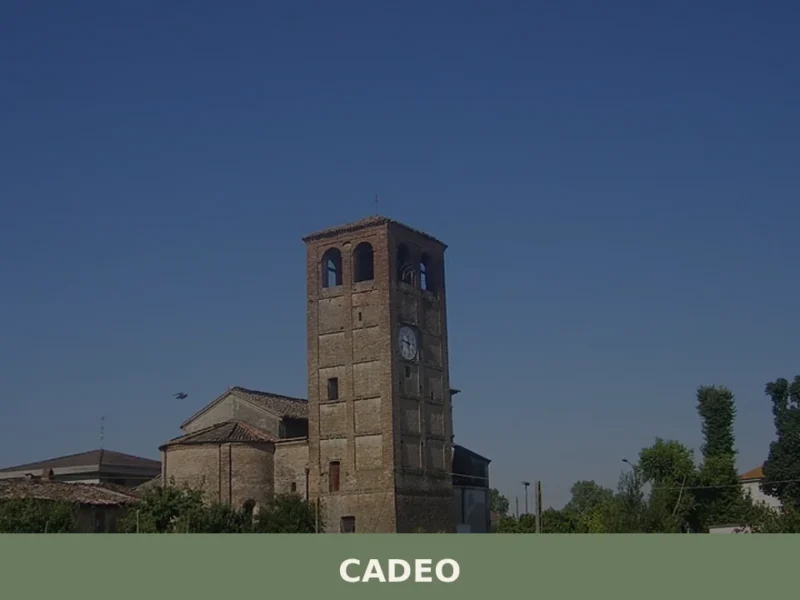
Cadeo
Plains
What to see in Cadeo: a Piacenza plain town at 65m with 6,035 residents. Discover Romanesque churches, historic villas and DOP cured meats. Plan your visit.
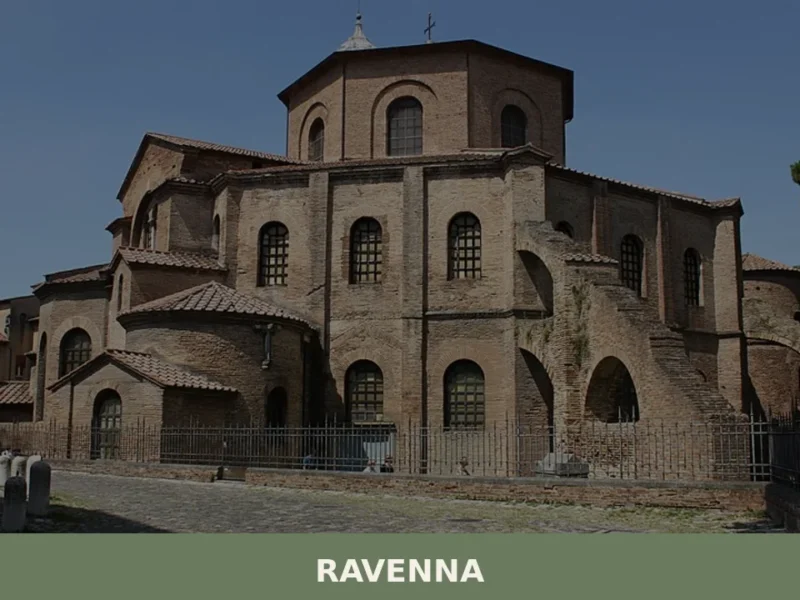
Ravenna
 Sea
Sea
With a population of 155,751 inhabitants and located just 4 m above sea level, Ravenna stands out as one of Emilia-Romagna’s most significant centers, a historical crossroads that has shaped the region’s identity. In this article History and origins of Ravenna What to see in Ravenna: main attractions Typical cuisine and products of Ravenna Festivals, […]
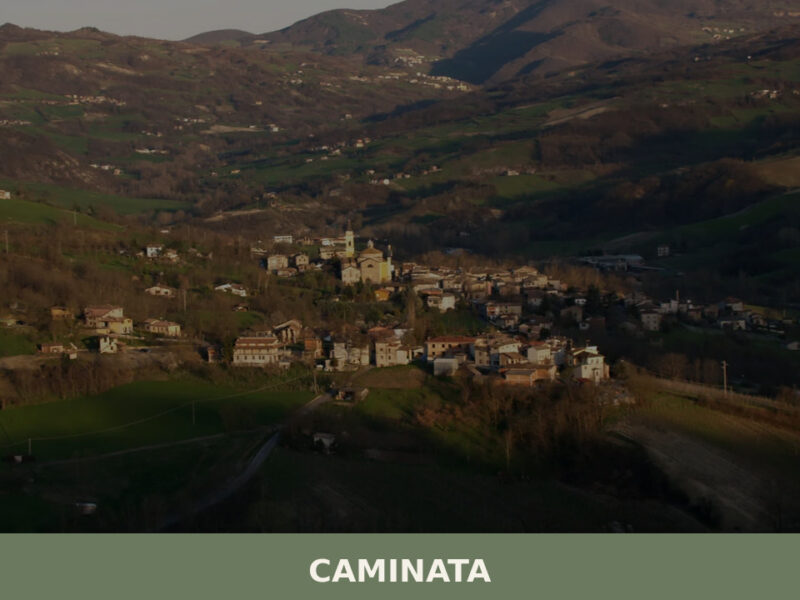
Caminata
 Hills
Hills
Caminata sits at 364 metres in the Val Tidone, Piacenza province. A guide to its church, trails, Apennine food traditions, and surrounding landscape.
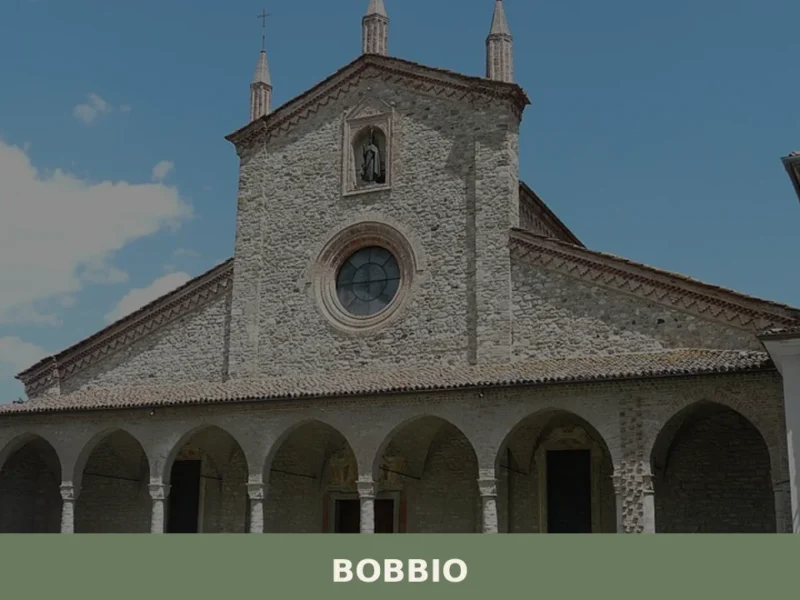
Bobbio
Hills
What to see in Bobbio: a town of 3,710 at 272 m in the Trebbia valley, with a 614 AD abbey, the medieval Ponte Gobbo and a hilltop castle. Plan your visit now.
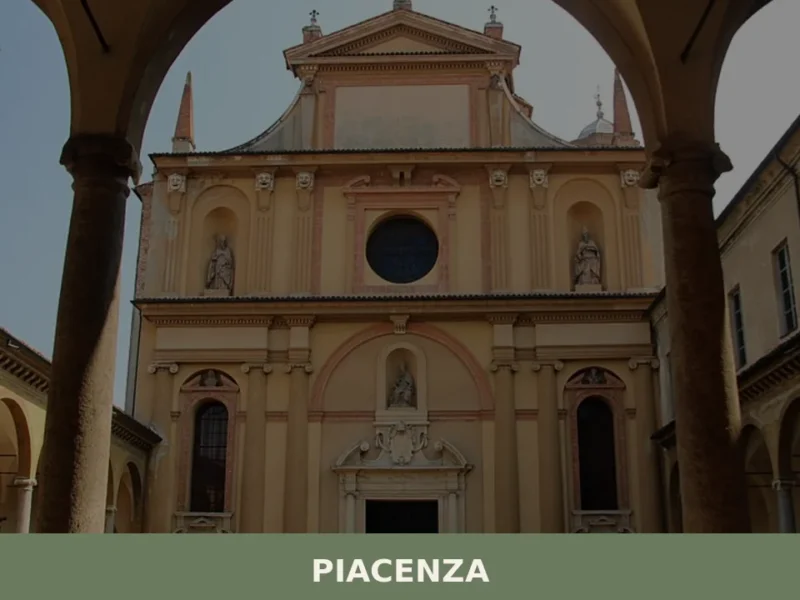
Piacenza
Plains
Piacenza, with its 100,843 inhabitants and an altitude of 62 m a.s.l., presents itself as a significant urban center in the heart of Emilia-Romagna, strategically positioned among the communication routes connecting Northern Italy. In this article History and Origins of Piacenza What to see in Piacenza: main attractions Typical cuisine and products of Piacenza Festivals, […]
Fontanelice
Plains
The provincial road climbing the Santerno valley passes through Imola and, after a few kilometres, reaches a compact settlement along the right bank of the river: this is Fontanelice, a municipality of 1,951 inhabitants at 165 metres above sea level, in the province of Bologna. The very name of the village refers to water — […]
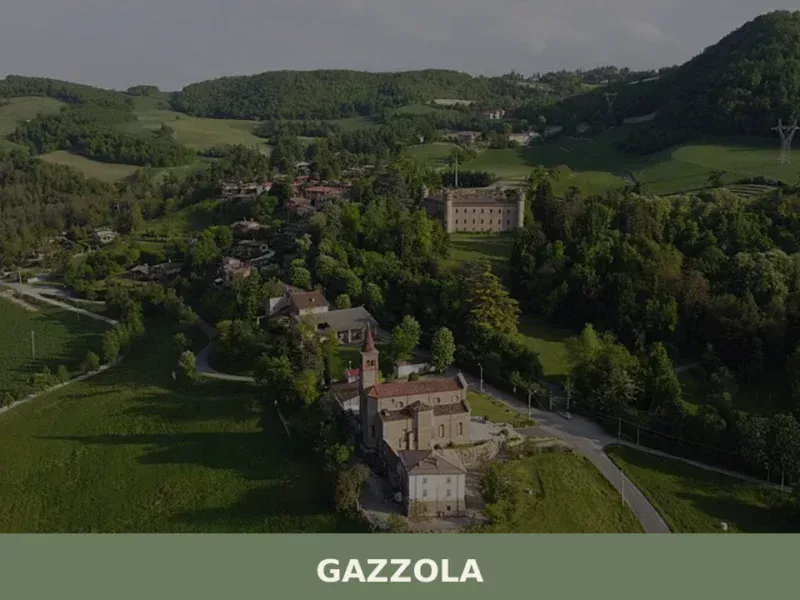
Gazzola
Plains
What to see in Gazzola, a Piacenza hill village at 146 m with 2,050 residents. Explore Rivalta Castle, the Luretta valley and Colli Piacentini DOC wines. Plan your visit.
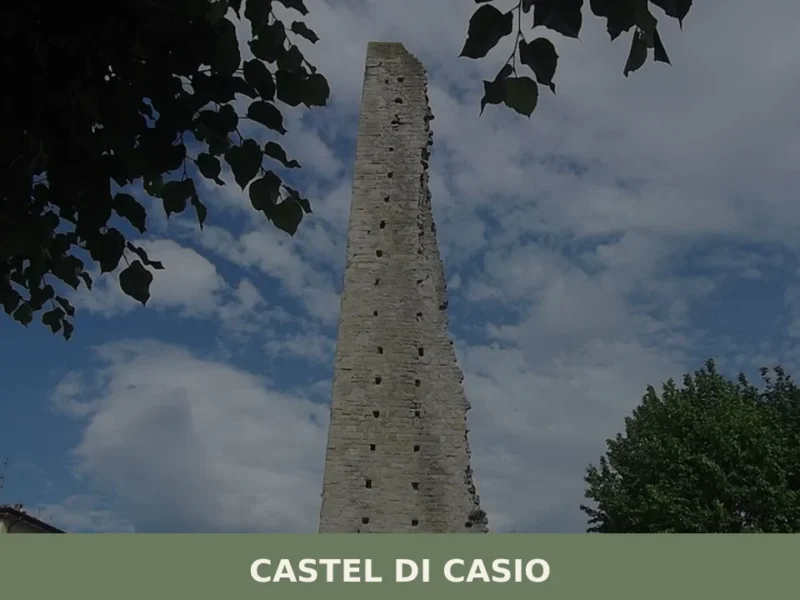
Castel di Casio
Hills
In February 1944, during the German retreat along the Gothic Line, the bridges over the Limentra di Treppio torrent were blown up one by one, cutting the territory of Castel di Casio in two. That act of destruction left a lasting mark on the collective memory of a mountain municipality that, as far back as […]
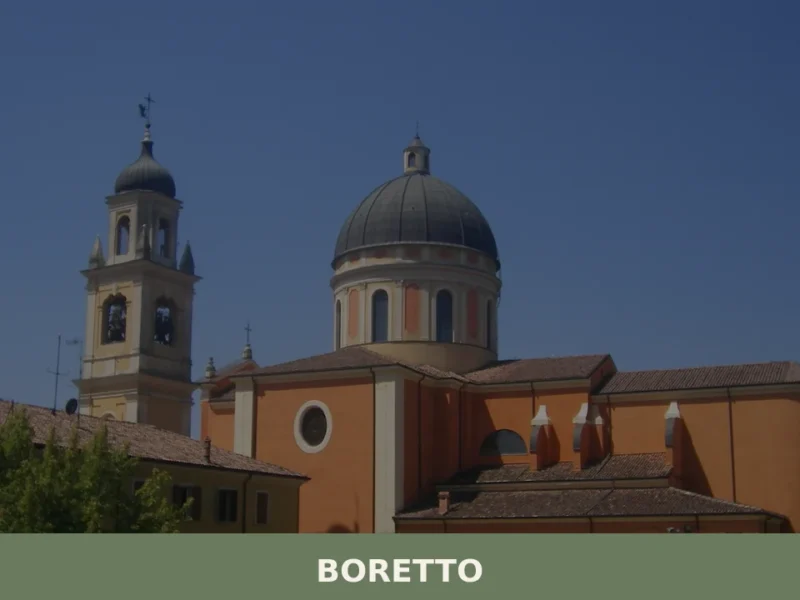
Boretto
Plains
What to see in Boretto, Italy: explore the Basilica Minore of San Marco, the Po riverfront, and local food traditions. Population 5,402. Discover Emilia-Romagna.
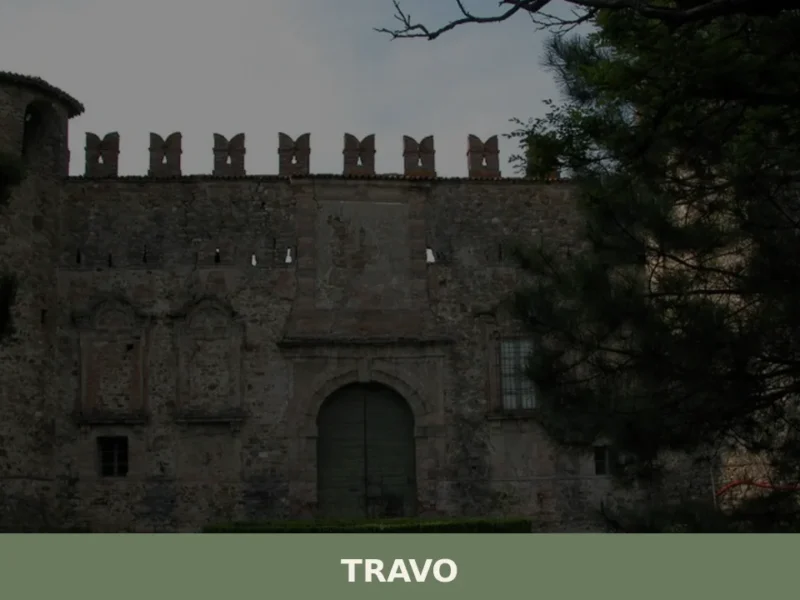
Travo
Plains
At 171 metres above sea level, in the lower Val Trebbia, Travo is one of those centres in the province of Piacenza where the historical layers of the past surface in visible, tangible ways: from pre-Roman foundations to the medieval domains of the Malaspina and Landi families, with traces of the Matildine Middle Ages in […]
🏡 Know Campegine better than we do?
If you’re a local or have been there, your knowledge matters: add what’s missing or fix a detail on this page.