


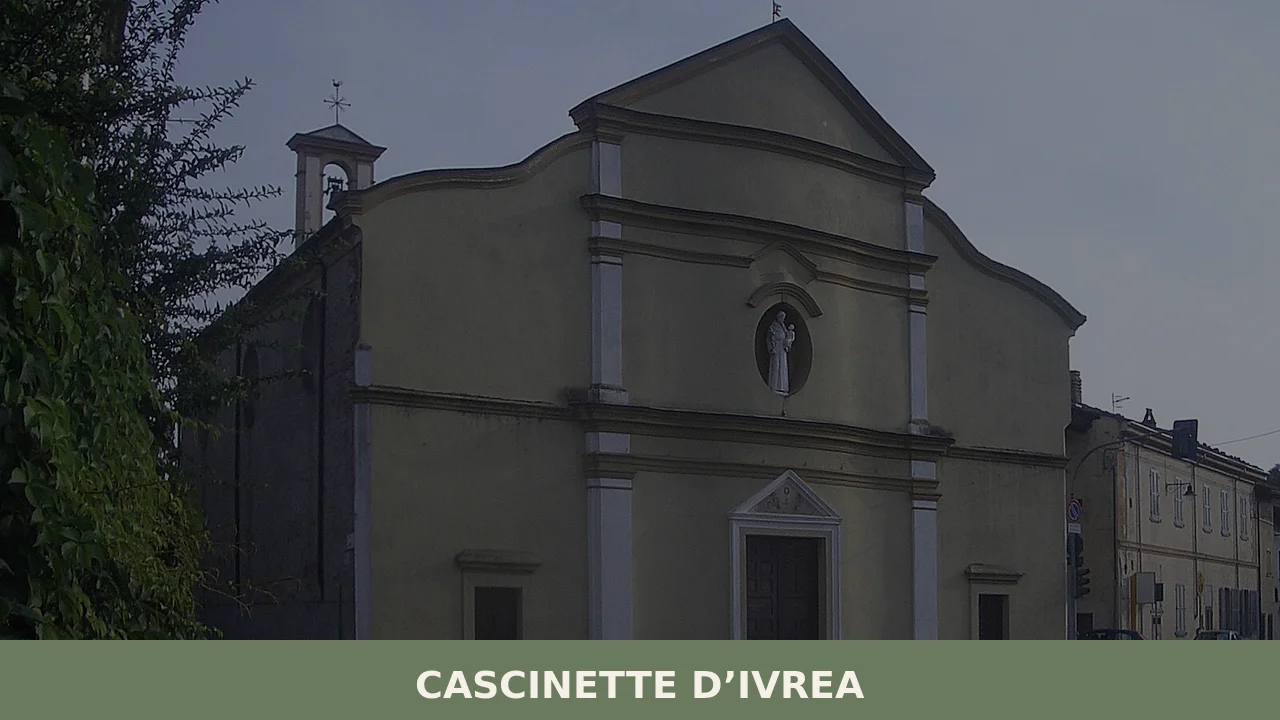
Cascinette d’Ivrea
 Hills
Hills
Scopri Cascinette d’Ivrea, un incantevole borgo piemontese ricco di storia e paesaggi mozzafiato. Tutto quello che devi sapere su questo gioiello d’Italia.
Discover Cascinette d’Ivrea
One thousand four hundred and ninety-seven inhabitants, the metropolitan city of Turin at its back and the Canavese plain opening northward. Cascinette d’Ivrea carries in its name the trace of its rural origins: the cascine, the agricultural settlements that for centuries shaped the landscape of this part of eastern Piedmont.
The municipality fits into a territorial context where fertile lands alternate with the first morainic ridges left by the Ivrea glacier, one of the most studied Pleistocene glacial systems in Europe.
In Piedmontese dialect, this place is called Cassinëtte d’Ivrèja, and that dialectal spelling preserves a cadence that official maps tend to flatten.
What to see in Cascinette d’Ivrea is the right question to ask before organising a day in the Canavese: the municipality offers direct contact with the morainic landscape surrounding Ivrea, the opportunity to explore the local parish church, to walk the country roads through the agricultural land characteristic of the Turin plain, and to use the village as a starting point for the Serra d’Ivrea area. Those who choose this corner of the metropolitan city of Turin find an authentic territory, far from mass tourist circuits, with a landscape structure shaped by glacial geology that makes the entire Canavese area unique.
History and Origins of Cascinette d’Ivrea
The municipality’s name is the most immediate historical source: Cascinette derives from cascina, a term that in rural Piedmont referred to the colonial farm, often large in scale, with buildings used for work, housing animals and accommodating labourers. The diminutive suffix -ette suggests settlements of a smaller scale compared to the great Po Valley farms, probably autonomous agricultural nuclei that developed around land owned by ecclesiastical or feudal lords.
The geographical reference to Ivrea in the municipality’s full name indicates the historical dependence of this territory on the urban and commercial area of Ivrea, the capital of the Canavese, a bishopric seat since late antiquity and a centre of power throughout the Middle Ages.
The Canavese, of which Cascinette d’Ivrea forms part, was a territory contested between the Bishopric of Ivrea and the House of Savoy during the late Middle Ages.
The Counts of Savoy progressively extended their control over this portion of Piedmont between the 13th and 14th centuries, integrating rural municipalities into an administrative system that would last until the Unification of Italy. Cascinette d’Ivrea, like other small settlements of the Canavese plain, followed the fortunes of the Eporediese county, sharing the fiscal, military and land-ownership transformations imposed by successive rulers.
Those wishing to deepen their knowledge of Savoyard rule in the Canavese can find comparable contexts by exploring Avigliana, a Piedmontese municipality also linked to the historical events of the House of Savoy, where medieval structures preserve material traces of that long period.
With the Unification of Italy and the subsequent industrialisation of the Canavese, the territory of Cascinette d’Ivrea underwent profound transformations. In the 20th century, Ivrea became a nationally significant industrial hub, thanks to the presence of Olivetti, and the surrounding area experienced urbanisation and the transformation of the agricultural economy. The municipality nevertheless retained its distinct administrative identity, preserving the characteristics of a settlement with a predominantly rural vocation in relation to the Eporediese urban hub.
The population of 1,497 inhabitants recorded in the most recent data bears witness to a modest size, consistent with the nature of the territory and with its historical function as an agricultural outpost of the plain.
What to see in Cascinette d’Ivrea: main attractions
The moraine landscape of the Serra d’Ivrea
The Serra d’Ivrea is the geomorphological structure that visually dominates the entire territory surrounding Cascinette d’Ivrea: it is a lateral moraine approximately 25 kilometres long, deposited by the Balteo glacier during the Pleistocene glaciations, and is considered one of the most extensive in Europe. The moraine walls rise steeply above the plain, with profiles ranging from gravel deposits to broadleaf woodland cover.
Standing on the Canavese plain, the arcuate shape of the Serra is clearly perceptible, closing the horizon to the west like a natural embankment. The territory of Cascinette d’Ivrea lies in close proximity to this system, and a geological understanding of the landscape is an integral part of any visit to the area.
The paths that climb the moraine offer vantage points over the plain and Lake Viverone, which formed in the glacial depression to the east of the Serra.
The parish church of Cascinette d’Ivrea
As with the vast majority of rural Canavese municipalities, the historic gathering point of Cascinette d’Ivrea is the parish church, a building that over the centuries has served not only as a place of worship but as a civic reference point for the local farming community. Religious buildings on the Eporediese plain often feature construction characteristics linked to the use of local materials, with masonry structures in brick and stone quarried from the moraines, and square-section bell towers typical of Piedmontese rural architecture of the 17th and 18th centuries.
A visit to the building allows one to observe the decorative elements accumulated over time by the parish community, often including devotional paintings and wooden furnishings of local artisan manufacture. For up-to-date opening hours, it is advisable to contact the parish directly or consult the official website of the municipality of Cascinette d’Ivrea.
The canals and irrigation network of the Canavese plain
The plain in which Cascinette d’Ivrea is set is traversed by a network of irrigation canals that structure the agricultural landscape with a geometric precision already legible from close range.
This irrigation system, developed and expanded between the Middle Ages and the modern era to enable the cultivation of rice and cereals in the flat areas of the Canavese, represents a hydraulic infrastructure of considerable historical and territorial interest.
The canals draw water from the Dora Baltea and from the moraine streams, distributing it through a capillary network that has shaped the land management and settlement organisation of the plain for centuries. Walking or cycling along the banks of these canals allows one to read the agricultural logic of the territory with a clarity that no written source conveys equally well.
The raking afternoon light reflected on the water surfaces, with the profile of the Serra in the background, composes a characteristic view of this corner of Piedmont.
Ivrea and its historic centre a few kilometres away
Just a few kilometres from Cascinette d’Ivrea lies Ivrea, the chief town of the Canavese and a city inscribed in 2018 on the UNESCO World Heritage List as an “Industrial City of the 20th Century”. The castle of Ivrea, built on the orders of the House of Savoy in the 14th century with its four cylindrical towers, dominates the city from the hilltop and is already visible from the plain below.
The historic centre preserves the Romanesque cathedral with its pre-Romanesque crypt, the medieval bridge over the Dora Baltea, and the rationalist architecture of the Olivetti complex, designed by architects such as Figini, Pollini and Gardella between the 1930s and 1970s. The proximity to Ivrea makes Cascinette d’Ivrea a logically positioned base for those wishing to explore this urban heritage without staying in the city centre.
The short distance between the two municipalities can be covered in just a few minutes by car or bicycle along the roads of the plain.
Lake Viverone and the area of moraine lakes
The system of moraine lakes of eastern Canavese, of which Lake Viverone is the largest example with a surface area of approximately 5.8 square kilometres, is easily reached from Cascinette d’Ivrea and represents one of the most significant natural features of the entire area. The lake, formed in the barrier created by Balteo glacial deposits, reaches a maximum depth of approximately 50 metres and hosts a lakebed that has yielded, through underwater archaeological surveys, remains of Bronze Age pile dwellings.
The shoreline can be followed along a cycle path that runs alongside the water for several kilometres. In summer the lake temperature allows swimming; in spring and autumn the light filtered through the chestnut and oak woods covering the surrounding moraine hills transforms the landscape into something substan
Typical cuisine and products of Cascinette d’Ivrea
The cuisine of the Canavese area, whose gastronomic tradition Cascinette d’Ivrea shares, is rooted in a farming culture shaped by the availability of local agricultural products and by the influence of Alpine and Po Valley cooking traditions that converge in this part of Piedmont.
The municipality’s geographical position, between the irrigated plain and the first morainic hills, has historically guaranteed access to a diverse range of raw materials: cereals, dairy products, beef and pork, game from the hills, and freshwater fish from the lakes and the Dora Baltea river. This variety of resources has produced a rich and varied table, where simple, hearty preparations coexist with more elaborate recipes tied to the traditions of the great Canavese families.
Among the dishes that Canavese cuisine offers with the greatest consistency, zuppa canavesana stands out as a preparation made with stale bread, meat broth, savoy cabbage and local cheese gratinated in the oven, widespread during the cold months throughout the area between Ivrea and the surrounding municipalities.
Polenta, made with stone-ground cornmeal, accompanies braised meats and porcini mushroom sauces gathered from the morainic hills.
Salame di turgia, a traditional cured meat from the Canavese made from pork, is documented as a product of local tradition, although its production today remains artisanal and unevenly distributed across the territory. The cuisine of this area has no DOP or IGP certifications specifically associated with the municipality of Cascinette d’Ivrea, but it forms part of the broader gastronomic heritage of the Piedmontese tradition.
The cheeses of the Canavese tradition deserve a separate mention: toma canavesana, a semi-hard cheese made from whole or partially skimmed cow’s milk, is one of the most deeply rooted dairy products in the area. The ageing period ranges from a few weeks to several months, profoundly altering the texture and aromatic intensity of the product.
Those wishing to purchase traditional local cheeses and cured meats can turn to the weekly markets in Ivrea, where producers from the surrounding area, including the territory of Cascinette d’Ivrea, regularly bring their products.
A gastronomically comparable context, sharing the same agricultural roots and Alpine influences, can also be found by exploring the territories around Asti, where the culture of Piedmontese wine and cheese expresses different nuances of the same regional tradition.
Festivals, events and traditions of Cascinette d’Ivrea
The liturgical and civic calendar of Cascinette d’Ivrea fits within the system of festivals that marks the life of the Canavese municipalities. The patron saint’s feast day, as in the majority of rural Piedmontese villages, represents one of the most deeply felt moments of community gathering throughout the year, with religious services in the parish church followed by convivial celebrations.
The municipality falls within the direct sphere of influence of Ivrea, and this means that the most famous and well-attended event in the entire area is the Historic Carnival of Ivrea, listed in the Register of Intangible Heritage of the Piedmont Region.
The Battle of the Oranges, which takes place over the three days preceding Shrove Tuesday, involves thousands of participants and spectators from across Piedmont and beyond. The municipalities bordering Ivrea, including Cascinette d’Ivrea, take part indirectly in the event as a reception and transit area for visitors.
Agricultural festivals tied to seasonal products represent another form of documented community gathering in the Canavese area. The autumn months, from September to November, correspond to the period of fairs dedicated to mushrooms, chestnuts and Piedmontese wines in the municipalities of the Serra and the morainic lakes.
Those visiting Cascinette d’Ivrea during this period have access to a calendar of local events spread across the entire Eporediese area.
To check up-to-date event dates, it is advisable to consult the municipality’s official website or the pages of the Metropolitan City of Turin dedicated to tourism in the Canavese. If you are researching what to see in Cascinette d’Ivrea, keeping an eye on the local events calendar is a practical way to time your visit and experience the area’s living traditions firsthand.
When to Visit Cascinette d’Ivrea and How to Get There
The most favourable period for a visit to Cascinette d’Ivrea and the Canavese area falls between April and October. Spring brings the irrigated fields of the plain to a deep green colouring, while the morainic hills are covered in blossom. Summer allows swimming at Lake Viverone and hikes along the Serra trails during the morning hours. Autumn is the best time for those who wish to combine a visit to the area with agricultural markets and the food festivals of neighbouring villages.
The Ivrea Carnival period, which falls between January and February depending on the liturgical calendar, is the only winter moment when the flow of visitors to the area increases significantly.
Those arriving by car from Turin take the A5 Turin-Aosta motorway, exiting at the Ivrea toll gate, approximately 50 kilometres from the Piedmontese regional capital.
From Ivrea, Cascinette d’Ivrea is reached in just a few minutes along the provincial roads of the plain. The rail alternative involves using the Trenitalia line on the Turin-Aosta route, with a stop at Ivrea station; from there you continue by local transport or bicycle. The nearest airport is Turin Caselle, approximately 55 kilometres from Cascinette d’Ivrea, connected to the Canavese area via the motorway network and regional rail. For up-to-date timetables and fares, it is recommended to check directly on the official carrier portals.
| Departure point | Distance | Estimated time |
|---|---|---|
| Turin (A5, Ivrea toll gate) | approx. 50 km | 40–50 minutes by car |
| Turin Caselle Airport | approx.
55 km |
50–60 minutes by car |
| Ivrea railway station | approx. 4 km | 10 minutes by car or bicycle |
| Milan (A4/A5 via Turin) | approx. 130 km | 1 hour 30 minutes by car |
Those planning a broader itinerary through southern Piedmont can integrate what to see in Cascinette d’Ivrea with a stop at Airasca, a municipality in the metropolitan city of Turin that shares the same rural character and location in the Piedmontese plain. For those arriving instead from the south, departing from Turin, the regional capital represents the natural hub for accessing the entire Canavese area, with direct motorway and rail connections to Ivrea and the surrounding municipalities.
Frequently asked questions about Cascinette d’Ivrea
What is the best time to visit Cascinette d'Ivrea?
The best times to visit Cascinette d'Ivrea are spring and early autumn. These seasons offer ideal weather for exploring the moraine landscape of the Serra d'Ivrea, walking or cycling along the irrigation canals, and enjoying the scenic views of Lake Viverone without the summer heat. The changing foliage in autumn and the blooming nature in spring create picturesque settings. Additionally, visiting around June 13th allows you to experience the local festa patronale in honor of Sant'Antonio di Padova, providing a glimpse into the village's traditions. Summer is also pleasant, especially for activities at nearby Lake Viverone.
What to see in Cascinette d'Ivrea? Main monuments and landmarks
In Cascinette d'Ivrea, the primary local landmark is the historic parish church, which has served as a central point for the farming community for centuries. While specific opening hours vary, it's advisable to check with the parish or municipality's website for current access information. Beyond the church, the village offers direct immersion into its unique morainic landscape, part of the extensive Serra d'Ivrea, and the intricate network of irrigation canals that define the agricultural plain. These natural and infrastructural elements are best explored on foot or by bicycle, offering scenic views and a glimpse into the area's heritage.
What are the main natural or scenic attractions of Cascinette d'Ivrea?
Cascinette d'Ivrea is surrounded by significant natural and scenic attractions. The most prominent is the moraine landscape of the Serra d'Ivrea, a geological marvel that offers numerous paths with breathtaking vantage points over the Canavese plain and Lake Viverone. The village itself is interlaced with a historical network of irrigation canals, perfect for leisurely walks or bike rides, revealing the agricultural logic of the territory. Just a short distance away, Lake Viverone, the largest of the moraine lakes, provides opportunities for swimming in summer and scenic cycling along its shores through chestnut and oak woods in other seasons.
Where to take the best photos in Cascinette d'Ivrea?
For captivating photographs in Cascinette d'Ivrea, head to the paths that ascend the Serra d'Ivrea moraine. These elevated points offer expansive panoramic views of the Canavese plain and the shimmering Lake Viverone, especially beautiful at sunrise or sunset. Another excellent spot is along the banks of the irrigation canals, particularly in the late afternoon when the 'raking light' creates stunning reflections on the water, with the distinct profile of the Serra d'Ivrea in the background. The historic parish church also provides a charming subject, capturing the village's rural essence.
Are there museums, churches or historic buildings to visit in Cascinette d'Ivrea?
In Cascinette d'Ivrea, the main historic building to visit is the parish church, a traditional gathering point for the local community. This religious edifice showcases typical Piedmontese rural architecture from the 17th and 18th centuries, built with local brick and moraine stone. Inside, visitors can admire devotional paintings and wooden furnishings crafted by local artisans. For precise visiting hours and access information, it is recommended to contact the parish directly or consult the official website of the Municipality of Cascinette d'Ivrea. There are no documented museums directly within the village.
What can you do in Cascinette d'Ivrea? Activities and experiences
Cascinette d'Ivrea offers a range of authentic activities centered on its natural beauty and proximity to cultural sites. You can enjoy walking or cycling along the country roads and irrigation canals, immersing yourself in the agricultural landscape. The village serves as an excellent starting point for exploring the Serra d'Ivrea, with its panoramic paths. A visit to the local parish church provides insight into the community's heritage. Furthermore, its strategic location allows for easy excursions to nearby Ivrea, a UNESCO site, and Lake Viverone, where you can cycle along the shores or swim in summer.
Who is Cascinette d'Ivrea suitable for? Families, couples, hikers, solo travelers?
Cascinette d'Ivrea is ideal for travelers seeking an authentic, tranquil experience away from mass tourism. It particularly appeals to nature lovers, including hikers and cyclists, who will appreciate the morainic landscape of the Serra d'Ivrea, the country roads, and the scenic paths around Lake Viverone. Families and couples looking for a peaceful retreat with opportunities for outdoor activities and cultural exploration will find it suitable. It also serves as an excellent base for solo travelers interested in delving into the history and unique geology of the Canavese area, or for those wanting to visit nearby UNESCO-listed Ivrea without staying in the city center.
What to eat in Cascinette d'Ivrea? Local products and specialties
In Cascinette d'Ivrea, visitors can savor the rich gastronomic traditions of the Canavese area. A standout local specialty is the 'Zuppa Canavesana,' a hearty and traditional soup prepared with stale bread, flavorful meat broth, savoy cabbage, and local cheese, reflecting the region's farming heritage. The local cuisine also features products from the fertile plain and hills, including various cereals, fresh dairy products, quality beef and pork, game from the surrounding hills, and freshwater fish sourced from nearby lakes and the Dora Baltea river. These ingredients form the basis of many simple yet delicious, authentic Piedmontese dishes.
📷 Photo Gallery — Cascinette d’Ivrea
Getting there
Piazza del Municipio, 10010 Cascinette d'Ivrea
Nearby Villages near Cascinette d’Ivrea
In Piedmont More villages to discover
Airasca
Hills
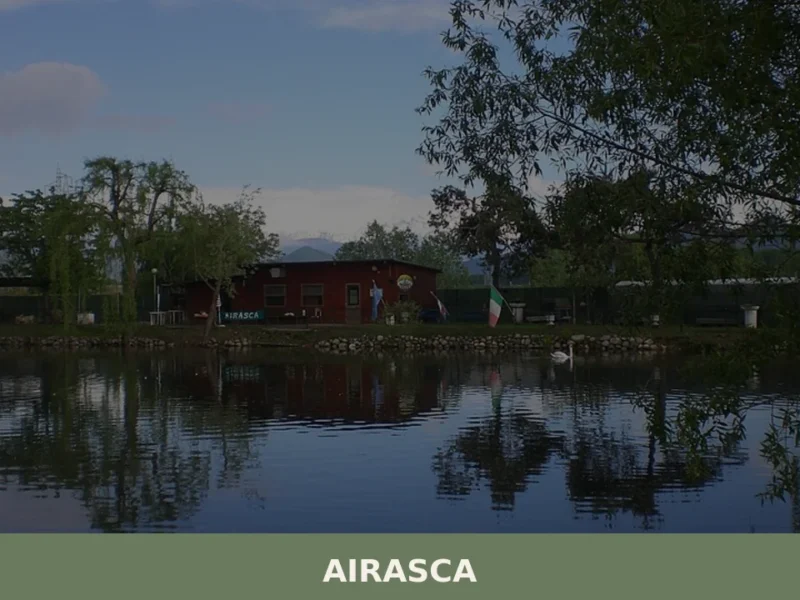
Arriving in Airasca along the provincial road that connects Pinerolo to Turin, the first thing you notice is the bell tower of the parish church of San Bartolomeo, a vertical landmark in a horizontal landscape of cultivated fields and rows of poplars. The municipality, home to 3,842 inhabitants at 257 metres above sea level, occupies […]
Pecco
 Mountain
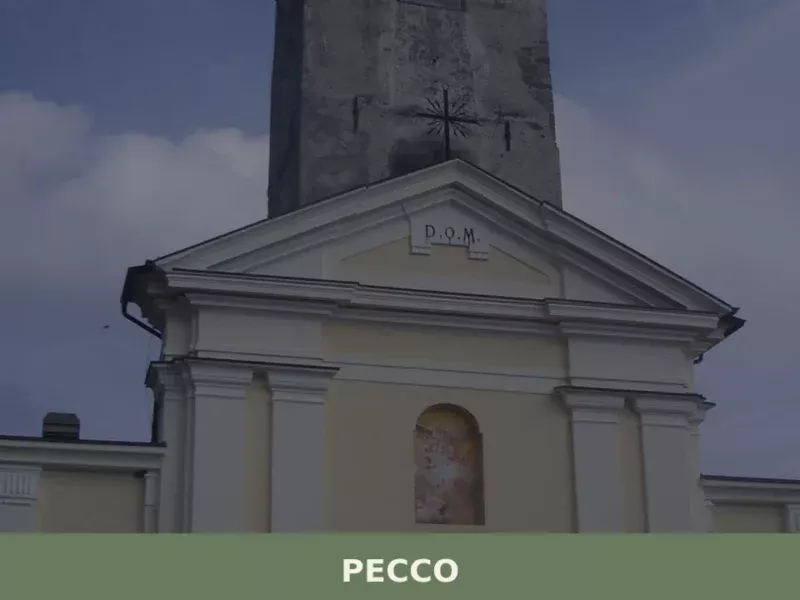
On 1 January 2019, Pecco ceased to exist as an independent municipality when it merged with Alice Superiore and Lugnacco to form the new comune of Val di Chy, in the metropolitan city of Torino. Before that administrative change, Pecco — known in Piedmontese dialect as Pech — held its own civic identity, governing a […]

Borgomasino
 Plains
Discover what to see in Borgomasino, a 776-inhabitant Canavese village near Turin: history, local food, best time to visit and practical travel tips.
San Secondo di Pinerolo
Hills
Population 3,643. A small Piedmont comune where 18th-century terracotta crafts shaped the landscape and baroque architecture anchors memory.
Novara
Plains
What to see in Novara: city at 162 m with 101,000 residents. Explore the Antonelli dome, 4th-century baptistery, paniscia and Colline Novaresi DOC wines.
Castagnole Piemonte
Plains
What to see in Castagnole Piemonte, Italy — 20 km from Turin. Explore 5 top attractions, local food traditions and practical travel tips. Discover Piemonte.
Borgofranco d’Ivrea
Hills
Discover what to see in Borgofranco d'Ivrea: medieval street grid, Serra d'Ivrea moraine, Canavese food and practical travel tips for this Piedmont village.

Pratiglione
Mountain
A village of 445 souls near Turin with roots reaching back to 1014. Home to the ancestral past of Rage Against the Machine's Tom Morello.
Piverone
Hills
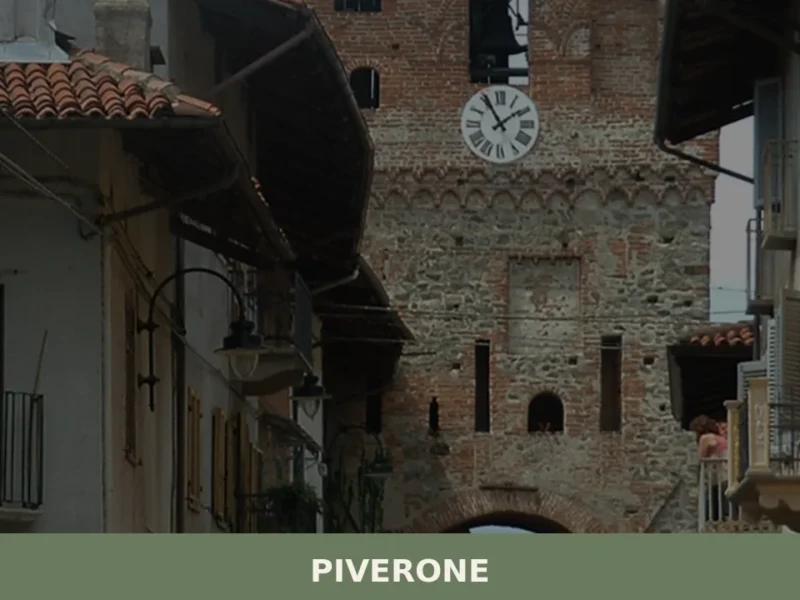
Piverone is a comune of 1,225 inhabitants in the Metropolitan City of Turin, sitting in the Canavese district of Piemonte at the foot of the Monferrato hills. Its Piedmontese name, Pivron, pronounced /pɪw’rʊŋ/, signals a linguistic heritage rooted deep in the region’s Franco-Provençal and Occitan-influenced dialects. For anyone researching what to see in Piverone, the […]
Piscina
Plains
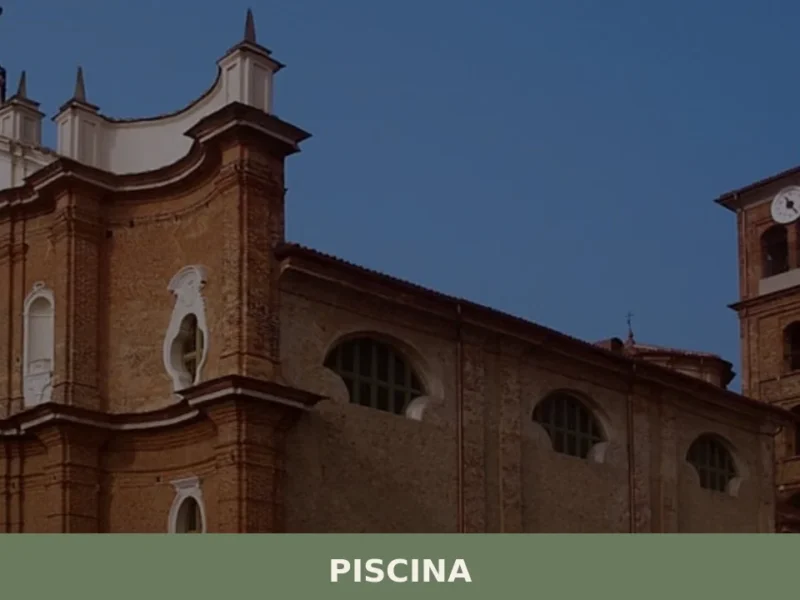
Scopri Piscina borgo Piemonte: storia, tradizioni e attrazioni di questo affascinante comune piemontese tutto da esplorare.

🏡 Know Cascinette d’Ivrea better than we do?
If you’re a local or have been there, your knowledge matters: add what’s missing or fix a detail on this page.