


San Pio delle Camere
 Mountain
What to see in San Pio delle Camere, Abruzzo, Italy: explore 5 top attractions including a medieval castle and Peltuinum ruins. Discover this L’Aquila village.
Discover San Pio delle Camere
The Latin cross plan of the parish church cuts across the skyline at the upper edge of the village, its nave flanked by two aisles whose proportions shift between Renaissance precision and Baroque ornament. Below the church, the lanes of the medieval borough of Castelnuovo follow a tight grid pressed against the hillside, the stone walls worn to a pale ochre where centuries of wind have stripped the render.
At 671 inhabitants, the village occupies a concentrated footprint in the province of L’Aquila, in central Abruzzo, sitting within reach of the broad plateau known historically as the Piano delle Cinque Miglia.
Deciding what to see in San Pio delle Camere is straightforward once you understand the site’s three distinct layers: a Roman settlement, a medieval fortified core, and a Baroque church rededicated to one of Italy’s most politically consequential popes.
Visitors to San Pio delle Camere find a village of 671 people where the archaeological site of Peltuinum, the medieval castle, and the church of San Pietro Celestino can all be reached on foot within a short walk.
The San Pio delle Camere highlights span roughly two millennia of documented occupation, making the site denser in historical content than its population might suggest. This guide covers what to see in San Pio delle Camere, Abruzzo, Italy, together with practical information on how to get there and when to go.
History of San Pio delle Camere
The name of the village carries two distinct references. San Pio refers to Pope Celestine V, born Pietro da Morrone, who was canonised as a saint and to whom the parish church is dedicated.
The second element, delle Camere, is interpreted by local historians in relation to the administrative or civic structures that existed in this part of the L’Aquila plateau during the medieval period.
The settlement sits in a zone of the Abruzzo interior that was already occupied well before the medieval founding of the village, as the presence of Peltuinum — an ancient Roman town immediately adjacent to the modern comune — confirms. That site was a functioning urban centre in the Roman period, and its visible remains anchor the long chronology of human presence in this specific corner of the province of L’Aquila.
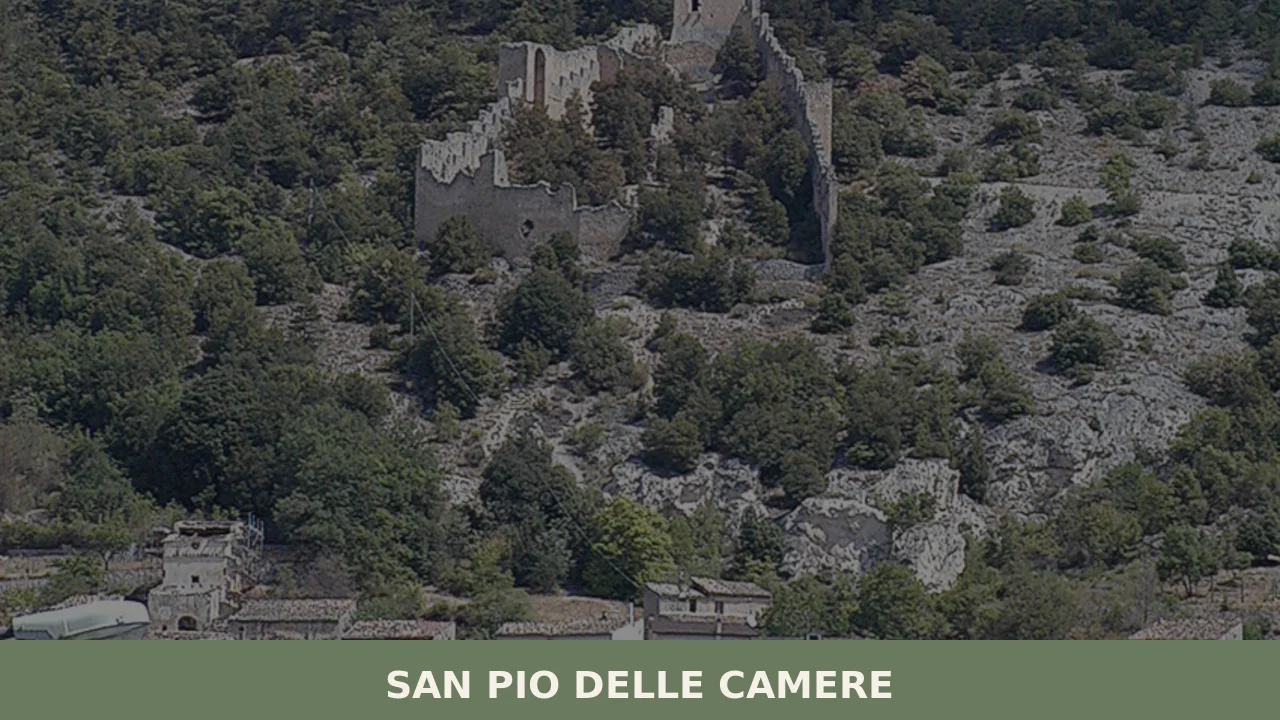
During the medieval period, the territory around what is now San Pio delle Camere was subject to the cycles of castle-building and fortified settlement that defined the organisation of communities across central Abruzzo. The medieval castle that dominates the village today, and the borough of Castelnuovo that developed around it, both reflect this phase of defensive urbanism.
Castelnuovo — the name literally meaning “new castle” — was a common medieval toponym applied to settlements that grew up in the shadow of a fortification, and its presence here points to an organised phase of construction and population consolidation that likely corresponds to the high medieval centuries between the 10th and 13th centuries.
The village of Castiglione a Casauria, situated in the same region of Abruzzo, shares a comparable pattern of medieval fortified settlement tied to ecclesiastical and feudal authority during this same period.
The religious dimension of the village’s identity sharpened with the cult of Pope Celestine V, whose renunciation of the papacy in 1294 — the first voluntary abdication in the history of the Catholic Church — made him a central figure in the devotional geography of Abruzzo.
His canonisation in 1313 gave communities across the region a powerful patron saint to rally around, and San Pio delle Camere formalised this connection through the dedication of its parish church.
Through the early modern period, the village maintained its position as a small but stable agricultural community within the province of L’Aquila, surviving the seismic events and population shifts that periodically altered settlement patterns across the central Apennines. The population today stands at 671, a figure consistent with the demographic contraction that has affected most small inland comuni in Abruzzo over the past century.
What to see in San Pio delle Camere, Abruzzo: top attractions
The Medieval Castle
The castle rises over the historic core of the village with walls that retain their defensive mass despite the modifications of successive centuries. Structures of this type in the L’Aquila province typically date their original construction to the period between the 10th and 13th centuries, when Norman and Swabian lords reorganised the hill settlements of central Abruzzo around fortified nuclei. Standing at the base of the tower, the visitor can read the different building phases in the masonry: lower courses of irregular rubble, upper sections where the stonework becomes more regular.
The castle is most legible in the morning light, when the angle of the sun throws the surface texture of the walls into relief, making the structural phases visible without specialist knowledge.
Medieval Borough of Castelnuovo
Castelnuovo is the fortified medieval quarter that developed in direct relationship with the castle, its street plan following the defensive logic of a community organised around a central stronghold.
The lanes are narrow and the building heights are consistent, reflecting the controlled development typical of planned medieval settlements rather than organic growth. Walking through the borough, it is possible to identify the original property boundaries in the rhythm of the doorways, many of which retain stone frames carved in a style consistent with late medieval craftsmanship of the L’Aquila area.
The best season to visit is late spring, when the stone stays dry and the light lasts long enough in the evening to illuminate the upper sections of the facades without the harshness of summer midday glare.
Parish Church of San Pietro Celestino
The church is dedicated to Pope Celestine V, who abdicated the papacy on 13 December 1294 after only five months in office and was canonised by Pope Clement V in 1313. Its interior follows a Latin cross plan with a nave and two aisles, a layout that signals a congregation of sufficient size and resources to commission a multi-aisle structure rather than a simple single-nave building.
The stylistic fabric of the interior mixes Renaissance proportional thinking — visible in the column spacing and the handling of the arch profiles — with Baroque decorative elements added in later campaigns.
The church is the primary devotional focus of the village and its dedication to Celestine V places it within a network of sanctuaries and churches across Abruzzo that document the regional cult of this pope-saint.
Peltuinum
Peltuinum is the archaeological site of an ancient Roman town located immediately adjacent to the modern village, making it one of the most accessible Roman urban sites in the province of L’Aquila. The site sits on the plateau at an elevation of approximately 900 m (2,953 ft) above sea level, a position that reflects its function as a road settlement on the routes crossing the central Apennines.
Visible remains include structural foundations and elements of the original urban plan, which allow visitors to read the basic organisation of a Roman municipium — a self-governing Roman town — without excavation or specialist interpretation. The site is best visited between April and October, when ground conditions are dry and the plateau vegetation has not obscured the surface features.
For those interested in the Roman road network of central Italy, Peltuinum is a direct and concrete reference point rather than an abstract historical subject.
The Wider Plateau Landscape around San Pio delle Camere
The village sits within a section of the Abruzzo interior plateau at an elevation of roughly 900 m (2,953 ft), a position that opens views across a landscape shaped by a combination of agricultural use and natural topography. The plateau in this part of the province of L’Aquila extends for several kilometres in each direction, and the visual field from the upper parts of the village takes in a horizon of low ridgelines with the higher Apennine chain visible to the east.
This landscape context is not incidental: understanding what to see in San Pio delle Camere requires taking the terrain into account, since the village was sited for visibility and defensibility, and both qualities remain evident from the upper streets.
The terrain is moderately steep within the historic centre but the plateau approaches are level and accessible.
Local food and typical products of San Pio delle Camere
The food culture of the L’Aquila plateau reflects an inland agricultural economy built around grain cultivation, sheep farming, and the preservation techniques that were essential in a zone cut off from coastal markets by the Apennine ridgelines. Villages at this elevation traditionally produced their own cured meats, hard cheeses, and dried pulses, and San Pio delle Camere fits within this broader pattern of the Abruzzo interior.
The cuisine of this part of Abruzzo is direct and ingredient-focused: the cooking techniques involve slow braising, wood-fire roasting, and the use of locally grown legumes as both a base and a primary flavour.
Nearby villages such as Cugnoli, in the Pescara province, share a comparable tradition of upland pastoral cooking rooted in the same Apennine agricultural logic.
Among the dishes that appear consistently in the cooking of the L’Aquila area, pasta alla chitarra is the most technically distinctive: a square-section egg pasta cut by pressing a sheet of dough against a frame strung with metal wire — the chitarra, literally “guitar” — producing a strand with a firm bite that absorbs meat-based sauces more efficiently than smooth-surface pasta.
Agnello alla cacciatora, a hunter-style braised lamb prepared with rosemary, garlic, and white wine, draws on the tradition of sheep farming that has defined upland Abruzzo for centuries.
Lenticchie di Santo Stefano di Sessanio, small-seeded mountain lentils grown at high altitude in the L’Aquila province, are a staple pulse ingredient across this part of the region, used in soups thickened with nothing more than cooking liquid and a finish of local olive oil.
The province of L’Aquila sits within the production zones of several certified Italian food products, though the sources available for San Pio delle Camere specifically do not confirm certified DOP or IGP designations attached directly to this comune.
What the sources do confirm is the village’s integration into the food geography of the L’Aquila plateau, where the combination of altitude, pasture quality, and traditional technique produces ingredients — lamb, grain, legumes, pork-based cured meats — that are consistent with the documented culinary identity of central Abruzzo.
Visitors seeking certified products from this zone are best directed to the markets of L’Aquila, approximately 30 km (18.6 mi) to the northwest, where the full range of provincial certified products is reliably available.
Festivals, events and traditions of San Pio delle Camere
The village’s primary religious reference point is Pope Celestine V, canonised in 1313, to whom the parish church is dedicated. His feast day falls on 19 May in the Catholic calendar, and communities across Abruzzo that maintain a devotion to this saint — particularly those with churches dedicated to him — mark the date with liturgical celebrations.
In San Pio delle Camere, the dedication of the parish church to San Pietro Celestino establishes this feast as the central event of the village’s devotional year.
The celebrations typically follow the pattern of Abruzzo village feste patronali — patron saint festivals — which combine a solemn Mass, a procession through the village streets carrying the image or relic of the saint, and communal gathering in the main public space of the historic centre.
The broader calendar of the L’Aquila plateau also includes summer and early-autumn sagre — traditional food festivals tied to specific local products or harvests — though the sources available for San Pio delle Camere do not confirm a specific named sagra with a fixed date attached to this comune.
What is documented is the village’s position within a regional festive tradition that intensifies between June and September, when the plateau climate is most suitable for outdoor events and the agricultural calendar creates natural moments of collective celebration around harvests and livestock movements. Visitors planning a trip around local events should check the municipal calendar in advance, as smaller comuni in the L’Aquila province often announce their summer programming on short notice.
When to visit San Pio delle Camere, Italy and how to get there
The best time to visit San Pio delle Camere is between late April and early October.
The village sits at approximately 900 m (2,953 ft) above sea level, which means winters are cold and snowfall is possible from December through March — conditions that can limit access to the archaeological site at Peltuinum and make the castle exterior difficult to appreciate. Spring brings stable temperatures in the range of 12–18°C (54–64°F) and clear air that extends the views across the plateau.
Summer on the plateau is warm but not extreme, with temperatures generally staying below 28°C (82°F) even in July and August, making it a practical period for those travelling from Rome to escape the heat of the lower-elevation city. Autumn, from September through October, is equally workable: the light is low and directional, which benefits visits to the archaeological site and the medieval borough.
San Pio delle Camere is located approximately 30 km (18.6 mi) east of L’Aquila and roughly 110 km (68.4 mi) east of Rome.
If you arrive by car from Rome, the most direct route uses the A24 motorway — the Autostrada dei Parchi — exiting at L’Aquila Est and then following the SS17 eastward across the plateau. The drive from Rome takes approximately 1 hour 40 minutes under normal traffic conditions, making a day trip from the capital feasible though not rushed. The nearest train station is at L’Aquila, served by Trenitalia regional services from Rome Tiburtina; from L’Aquila station, the village is accessible by local bus or taxi for the remaining 30 km (18.6 mi).
The nearest international airport is Rome Fiumicino (Leonardo da Vinci), approximately 150 km (93.2 mi) to the west; Rome Ciampino is slightly closer at around 140 km (87 mi). For international visitors arriving by air, renting a car at the airport is the most practical option, as public transport connections between the airports and the L’Aquila plateau require multiple transfers.
English is not widely spoken in smaller shops and bars in the village, and carrying euros in cash is practical for any transactions in the historic centre.
Travellers with an interest in extending their visit beyond San Pio delle Camere can consider the nearby village of Bolognano, in the Pescara province, which offers a different topographic profile — a river gorge rather than a plateau — and broadens the geographic range of an Abruzzo itinerary.
Those travelling further south in Abruzzo may also include Castiglione Messer Marino, a hill village in the Chieti province that shares the pattern of medieval fortified settlement visible at San Pio delle Camere but in a markedly different landscape context. Combining two or three villages of this type across a two-day itinerary based in L’Aquila gives a more complete picture of what to see in San Pio delle Camere and the surrounding Abruzzo interior than a single-stop visit can provide.
Frequently asked questions about San Pio delle Camere
What is the best time to visit San Pio delle Camere?
The ideal time to visit San Pio delle Camere is during late spring, particularly April and May, or extending into early autumn (September-October). Late spring offers pleasant weather for exploring the medieval borough of Castelnuovo, with dry conditions and good evening light. For the archaeological site of Peltuinum, the period from April to October is recommended, ensuring dry ground and clear views of the remains on the plateau. Due to its mountain setting at 830m altitude, winters can be cold, while summer midday glare might be intense for photography, though the region remains accessible.
What are the historical origins of San Pio delle Camere?
San Pio delle Camere boasts a rich history spanning millennia. The area was first settled by the Romans, as evidenced by the ancient town of Peltuinum adjacent to the modern village. The medieval period saw the rise of the fortified core, including the castle and the Castelnuovo borough, likely between the 10th and 13th centuries. The village's name reflects a religious dimension, with 'San Pio' referring to Pope Celestine V, to whom the parish church is dedicated, solidifying its identity within the devotional landscape of Abruzzo after his canonization in 1313.
What to see in San Pio delle Camere? Main monuments and landmarks
San Pio delle Camere offers several historical attractions. Explore the imposing Medieval Castle, best appreciated in the morning light to discern its building phases. Wander through the Medieval Borough of Castelnuovo, with its narrow lanes and preserved stone doorways, ideally visited in late spring. The Parish Church of San Pietro Celestino, dedicated to Pope Celestine V, showcases a blend of Renaissance and Baroque styles. Immediately adjacent to the village, the archaeological site of Peltuinum reveals the remains of an ancient Roman town, best visited between April and October for optimal viewing conditions.
What are the main natural or scenic attractions of San Pio delle Camere?
The primary natural attraction of San Pio delle Camere is its wider plateau landscape. Situated at an elevation of approximately 830-900 meters, the village offers expansive panoramic views across an agricultural terrain framed by low ridgelines. From the upper parts of the village, visitors can admire the distant Apennine chain to the east. The strategic elevated position, originally chosen for visibility and defensibility, provides stunning vistas of the Abruzzo interior, making the landscape itself a key scenic highlight for those appreciating natural topography.
Where to take the best photos in San Pio delle Camere?
For captivating photos in San Pio delle Camere, focus on the Medieval Castle in the morning light, when the sun's angle highlights its masonry. The Medieval Borough of Castelnuovo offers picturesque narrow lanes and historic stone doorways, particularly charming in late spring light. Additionally, the upper streets of the village provide excellent vantage points for panoramic shots of the surrounding plateau, capturing the agricultural landscape, low ridgelines, and the distant Apennine chain. The archaeological site of Peltuinum, especially between April and October, also offers unique photographic opportunities of ancient Roman ruins against a natural backdrop.
Are there museums, churches or historic buildings to visit in San Pio delle Camere?
Yes, San Pio delle Camere features several significant historical sites. The Parish Church of San Pietro Celestino is a prominent church dedicated to Pope Celestine V, showcasing Renaissance and Baroque architectural elements. The village is also home to a well-preserved Medieval Castle, dating back to between the 10th and 13th centuries. Adjacent to the castle, the Medieval Borough of Castelnuovo offers a network of historic buildings and lanes that reflect medieval urban planning. Furthermore, the archaeological site of Peltuinum provides visible remains of an ancient Roman town, offering a glimpse into its long history.
What can you do in San Pio delle Camere? Activities and experiences
In San Pio delle Camere, visitors can immerse themselves in history and local culture. Explore the village's three distinct historical layers: the Roman archaeological site of Peltuinum, the medieval castle and its borough of Castelnuovo, and the Baroque Parish Church of San Pietro Celestino, all easily reachable on foot. Enjoy leisurely walks through the historic center and around the surrounding plateau to appreciate the panoramic mountain landscape. Additionally, savor the local food culture, which includes traditional cured meats, hard cheeses, dried pulses, and ingredient-focused cuisine with slow braising and local legumes.
Who is San Pio delle Camere suitable for? Families, couples, hikers, solo travelers?
San Pio delle Camere is ideal for history enthusiasts, culture seekers, and those looking for a tranquil, authentic Italian village experience. Its accessible historical sites, including a Roman town, medieval castle, and historic church, are perfect for families and couples interested in exploring the past on foot. Solo travelers will appreciate the quiet atmosphere and rich historical content. While not explicitly a hiking destination, the surrounding plateau offers opportunities for gentle walks and appreciating nature, making it suitable for visitors who enjoy scenic landscapes and local food culture.
What to eat in San Pio delle Camere? Local products and specialties
The cuisine of San Pio delle Camere, rooted in the L'Aquila plateau's inland agricultural economy, features direct, ingredient-focused dishes. Local specialties include cured meats and hard cheeses, traditionally produced from sheep farming. Dried pulses, such as various types of legumes, are a staple, often forming the base or primary flavor in meals. Cooking techniques frequently involve slow braising and wood-fire roasting, reflecting the region's traditional methods and making for hearty, authentic Abruzzese flavors from locally grown produce.
📷 Photo Gallery — San Pio delle Camere
Nearby Villages near San Pio delle Camere
In Abruzzo More villages to discover
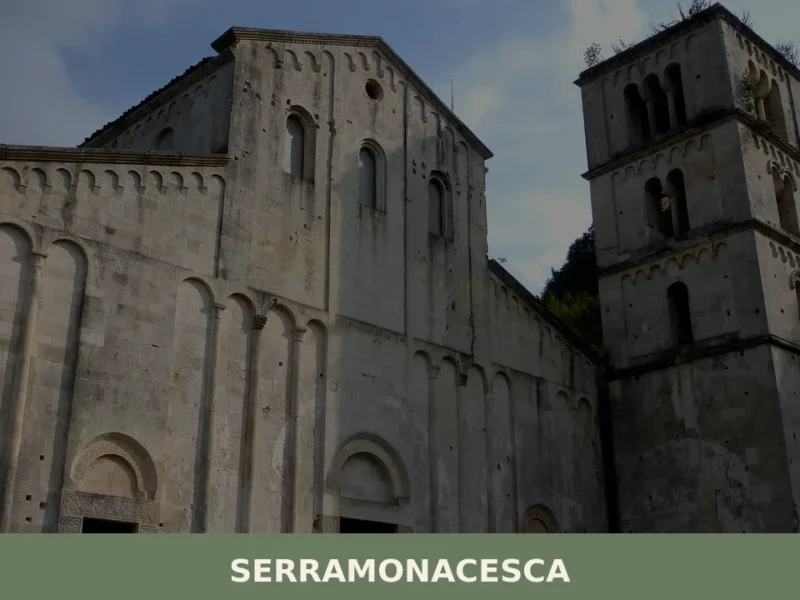
Serramonacesca
 Hills
Hills
What to see in Serramonacesca, Abruzzo, Italy: discover 6 top attractions including the Abbey of San Liberatore, rock-cut tombs, and a medieval tower. Population 560.
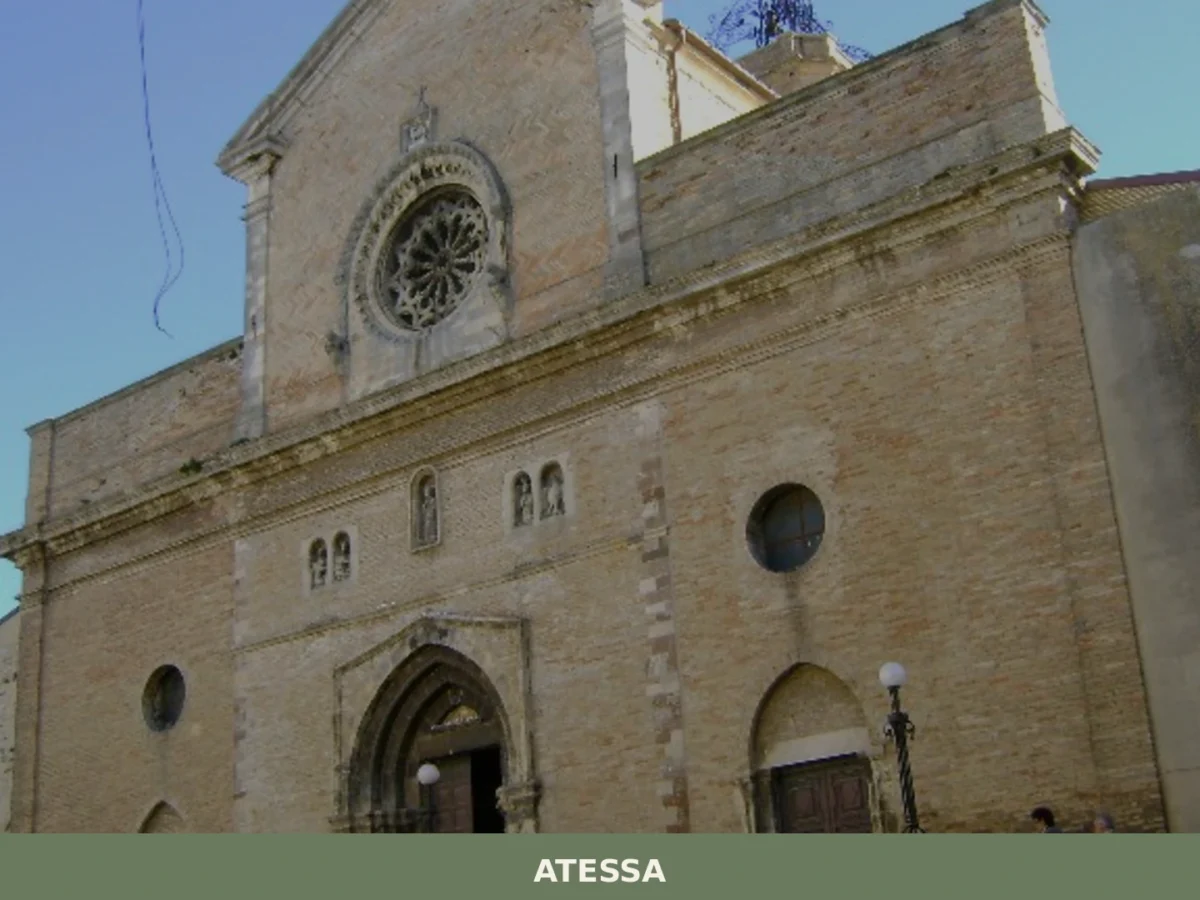
Atessa
Hills
What to see in Atessa, Abruzzo, Italy: explore the Cathedral of San Leucio, the Pallanum archaeological park, and a 17th-century historic centre spanning 11,003 hectares. Discover it all.
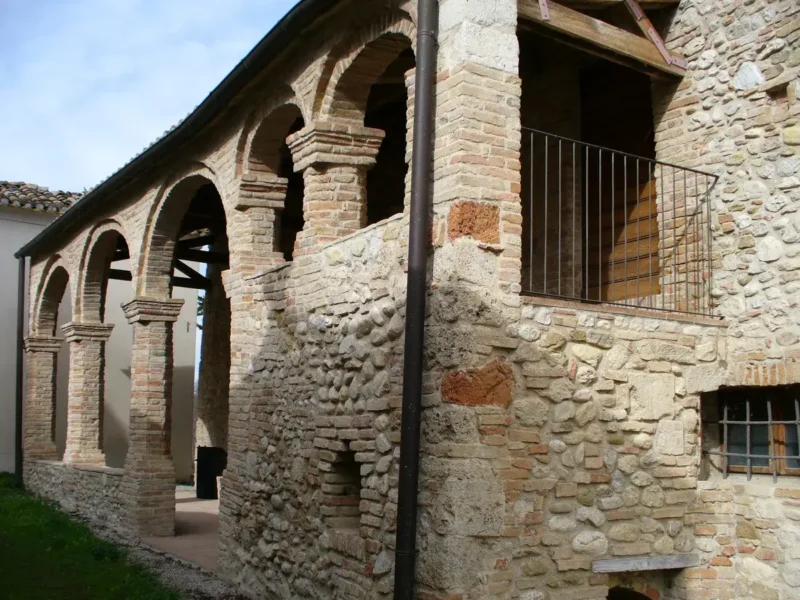
Torano Nuovo
 Sea
Sea
What to see in Torano Nuovo: 5 attractions including historic village, churches and Abruzzo vineyards. Discover the complete guide to visit in one day.

Casoli
Hills
What to see in Casoli, Abruzzo, Italy: explore Castello Masciantonio, Lake Casoli 4 mi away, and a medieval town listed among Italy's most beautiful villages. Discover it now.
Bolognano
Hills
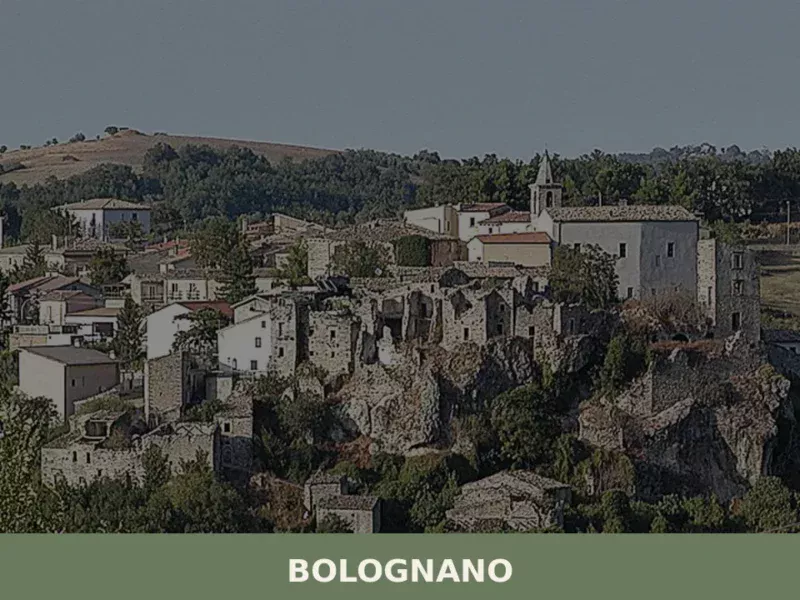
At 276 metres above sea level, along the Orta valley, Bolognano has a current population of 1,002 and occupies a stretch of flatland in the province of Pescara that served, between 1989 and 1992, as the site of an international art experiment conceived by the German artist Joseph Beuys. Asking what to see in Bolognano […]
Basciano
Hills
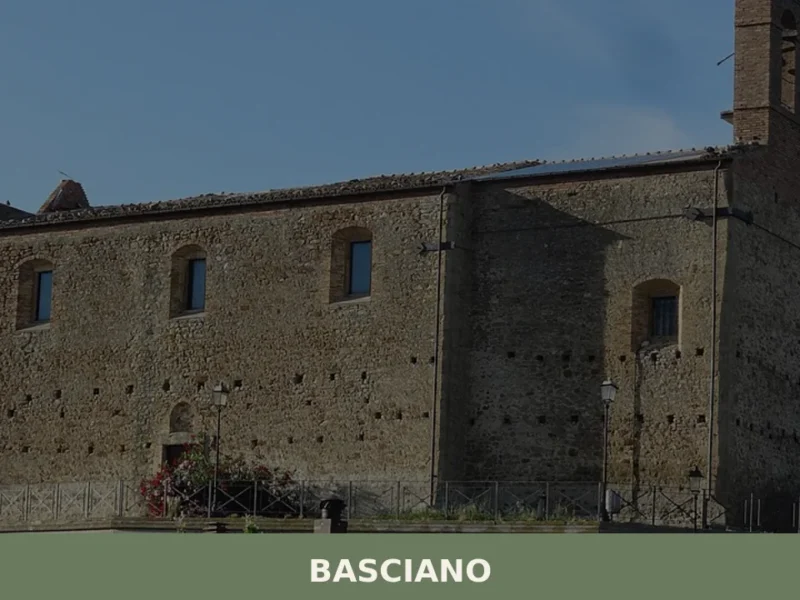
What to see in Basciano (Italy) at an altitude of 400m. Explore the historic church and medieval tower. Discover local traditions and festivals.
Corfinio
Hills
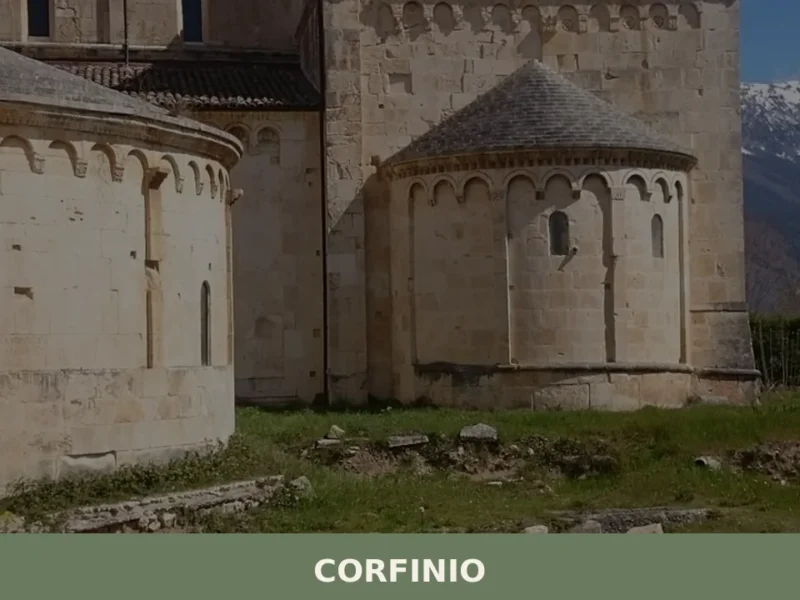
what to see in Corfinio, Italy: Explore this Abruzzese village at 346 m a.s.l., from its Roman past to the Museo Antonio De Nino. Discover Corfinio.
Alanno
Hills
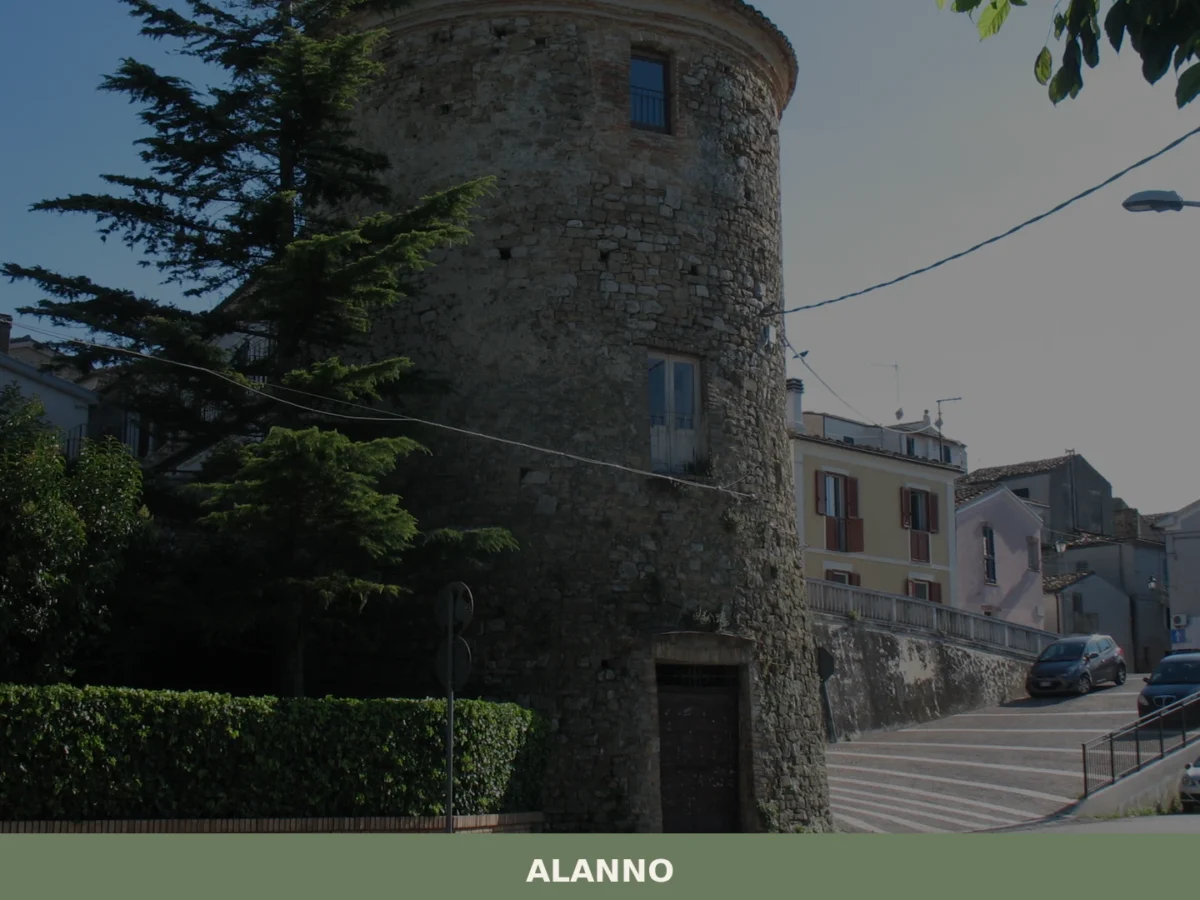
what to see in alanno: Discover Italy's Abruzzo region, a comune recorded with 114 families in 1443. Explore the 1485 Santa Maria delle Grazie church and the Wildlife Oasis. Read more.
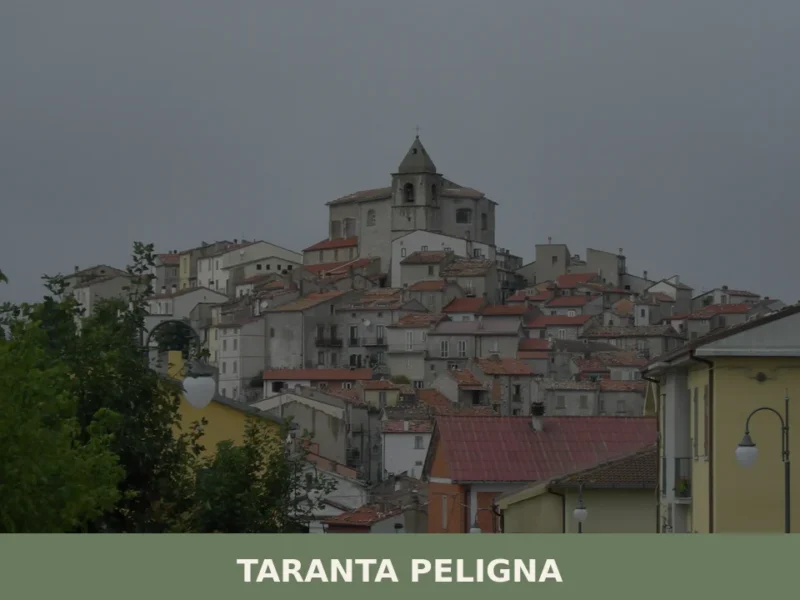
Taranta Peligna
Mountain
What to see in Taranta Peligna, Italy: explore the Maiella mountains from this village of 384 inhabitants. Discover Cavallone Cave and the Military Shrine. Read more.
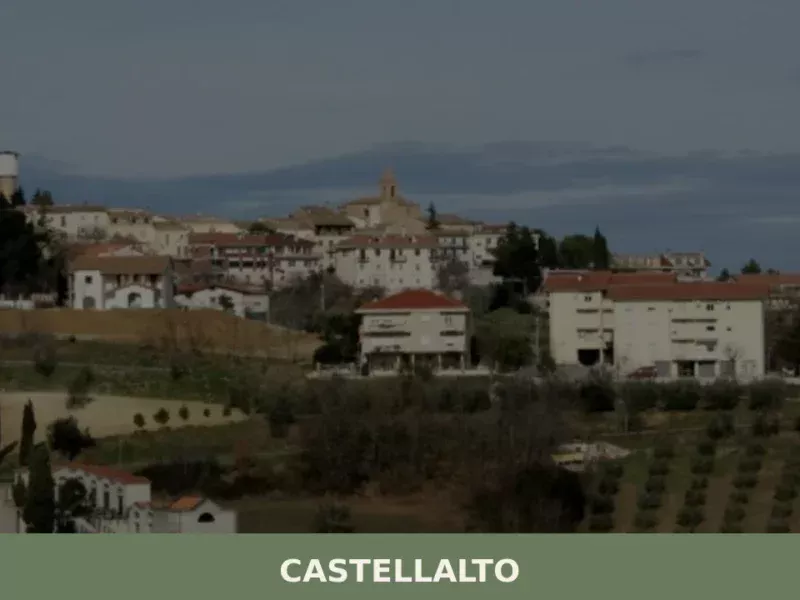
Castellalto
Sea
Scopri cosa vedere a Castellalto: borghi medievali, panorami mozzafiato e tesori nascosti dell'Abruzzo. La guida completa alle 5 tappe imperdibili!






🏡 Know San Pio delle Camere better than we do?
If you’re a local or have been there, your knowledge matters: add what’s missing or fix a detail on this page.