


Borgiallo
 Hills
Hills
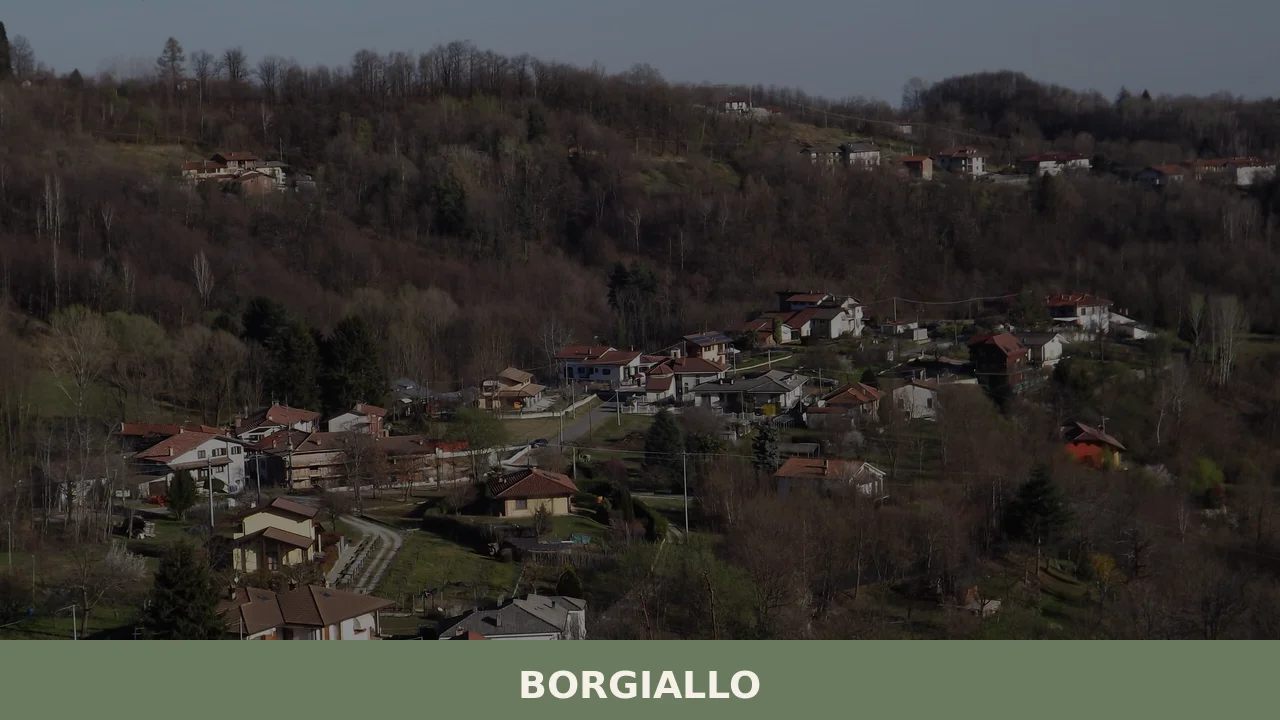
Borgiallo has 579 inhabitants and sits at 540 metres above sea level on the hills of the Valle Sacra, in the province of Turin. Travellers who take the road climbing from Castellamonte towards the Canavese uplands find a compact settlement of stone and brick houses that follow the line of the ridge. Understanding what to […]
Discover Borgiallo
Borgiallo has 579 inhabitants and sits at 540 metres above sea level on the hills of the Valle Sacra, in the province of Turin. Travellers who take the road climbing from Castellamonte towards the Canavese uplands find a compact settlement of stone and brick houses that follow the line of the ridge. Understanding what to see in Borgiallo means first grasping the context: a hill village that remained outside the major industrial currents of the twentieth century, with an urban fabric that retains the scale of Piedmontese rural building and a patron saint — San Nicolao della Flüe — who alone says a great deal about this community’s ties to the Swiss Alpine world.
History and origins of Borgiallo
The place name Borgiallo is of uncertain origin, but the root burg — found in many settlements across the Alpine and pre-Alpine arc — points to an inhabited nucleus with a defensive or territorial control function, typical of the medieval feudal organisation of the Canavese. The Valle Sacra, to which Borgiallo belongs both geographically and historically, was an area of contention between the bishops of Ivrea and the great noble families of eastern Piedmont — in particular the San Martino family, who exercised control over several local municipalities for centuries. The layout of the municipal territory, with its main nucleus and a number of hamlets spread across the hillsides, still reflects the settlement logic of that era.
From an administrative standpoint, Borgiallo belonged for centuries to the extensive network of Canavese communities that revolved around the episcopal feudal system of Ivrea. With the Napoleonic reorganisation of departments (1801–1814) and the subsequent restructuring of the Kingdom of Sardinia into provinces, the municipality was placed within the province of Turin, the administrative unit it has remained part of to this day. The choice of patron saint — San Nicolao della Flüe, the Swiss mystic who lived in the fifteenth century, canonised in 1947 and declared patron of Switzerland — is a precise marker of local identity: the cult spread through Savoyard Piedmont via commercial and religious contacts with the Swiss cantons, leaving traces in several communities across the Alpine and pre-Alpine area.
The economic structure of Borgiallo, like that of most hill municipalities in the Canavese, was based for centuries on mixed farming — cereals, vines, chestnut groves — and cattle rearing. During the nineteenth century, as textile activities expanded across the Canavese plain around Ivrea, part of the local population became involved in seasonal labour or commuting to manufacturing centres. This dynamic contributed to the gradual depopulation of the hill villages, a process that in Borgiallo’s case is still evident today in the figure of 579 current residents.
What to see in Borgiallo: 5 key attractions
1. Parish church of San Nicolao della Flüe
The village’s main place of worship is dedicated to its patron saint, the Swiss mystic canonised in 1947. The church, built in the eighteenth-century style common to many Canavese parish churches, is the visual focal point of the settlement and preserves the liturgical furnishings typical of the local religious tradition, including stucco altars and wall decorations that reward a close look.
2. The historic centre and rural stone architecture
The centre of Borgiallo retains a coherent built fabric of rural houses in local stone and brick, with arched doorways and partially accessible internal courtyards. The altitude of 540 metres and the ridge-top position mean that south-facing facades receive full light for much of the day, bringing out the texture of the traditional building materials.
3. Views over the Valle Sacra and towards the Gran Paradiso
From the highest points of the municipal territory, on clear days the Alpine chain is visible from the Valle d’Aosta across to the Graian Alps. The Valle Sacra, with its terraced slopes and chestnut woodland, opens northward into a succession of ridges that includes — on days with excellent visibility — the summits of the Gran Paradiso at over 4,000 metres.
4. The chestnut woods and hill paths
The territory of Borgiallo includes extensive chestnut forests, a defining feature of the Canavese mountain economy for centuries. The paths that cross these areas, walkable on foot or by mountain bike, connect the village to the surrounding hamlets and give direct access to mid-altitude hill vegetation, with natural surfaces and moderate gradients.
5. The hamlets and rural nuclei of the territory
The municipality of Borgiallo includes several smaller hamlets spread across the hillsides, reachable on short walks from the centre. These secondary settlements, often made up of just a few dwellings, document the scattered rural settlement pattern typical of the hilly Canavese, with barns, stables and living quarters integrated into a single building structure.
Local cuisine and food products
The cuisine of the hilly Canavese, of which Borgiallo forms part, is built on a vocabulary of simple ingredients handled with skill. The most representative dish of the area is polenta concia, made with coarsely ground maize flour, butter, fontina and local toma cheese, cooked slowly and served thick. Alongside it, local tradition includes chestnut soup, made from dried chestnuts harvested in the local woods — known as biove or marroni essiccati — rehydrated and cooked in milk or broth. Lardo di Colonnata belongs to a different region, but its local equivalent is cured lard aged in stone troughs, still produced by some farming families in the Canavese according to practices documented at least as far back as the eighteenth century.
Among the nationally recognised products present in or close to this territory, Toma Piemontese PDO deserves mention: its production specification covers the provinces of Turin, Novara, Vercelli, Biella, Verbano-Cusio-Ossola and part of Cuneo, and the cheese is a semi-firm variety made from whole or partially skimmed cow’s milk, with a minimum ageing period of 60 days for a whole wheel. Also widespread across the same Canavese hill area are Salame di turgia — a typical Canavese pork sausage made from lean meat and pork fat, cased in natural gut and aged — and acciughe al verde, a condiment of salt-cured anchovies, garlic, parsley and vinegar that in the Canavese traditionally accompanies boiled meats and raw vegetables.
When to visit Borgiallo: the best time of year
The most favourable window for visiting Borgiallo runs from late April to mid-October. In spring, between May and June, the hill vegetation is at its fullest and the paths through the chestnut woods are dry and walkable without particular difficulty. Summer at 540 metres brings temperatures that average 4–6 degrees cooler than the Turin plain, a tangible advantage for anyone who wants to get around on foot. Autumn — September and October — coincides with the chestnut harvest in the local woods, the period when food events across the Canavese area focused on this product are at their most concentrated. January and February can bring snowfall that makes access to the smaller hamlets along secondary roads more difficult. Anyone planning to visit the parish church and communal spaces is advised to check opening times directly with the Municipality of Borgiallo, which publishes updates on local events.
How to get to Borgiallo
Borgiallo is reached primarily by car. The main road connection passes through Castellamonte, a town on the Canavese plain accessible from Turin by taking the SS565 state road in a north-easterly direction, a distance of roughly 45–50 kilometres from the regional capital. From Castellamonte, provincial roads climb into the Valle Sacra and serve the hill municipalities of the area. Journey times from Turin under normal traffic conditions are between 55 and 70 minutes.
- From Turin by car: approximately 50 km, estimated journey time 60–70 minutes via the SS565 to Castellamonte
- Nearest motorway exit: Ivrea (A5 Turin–Aosta motorway), approximately 20–25 km from Borgiallo
- Nearest railway station: Castellamonte, on the Turin–Aosta line (Canavese stop), also served by local bus connections; from there a private vehicle or local shuttle service is required
- Nearest airport: Turin Caselle (TRN), approximately 55 km by car
There are no direct public transport links to the centre of Borgiallo. For those without a car, the most practical option is to hire a vehicle from Turin or Ivrea. For information on local public transport in the Canavese, the Visit Piemonte portal provides updates on wider area connections.
Where to stay in Borgiallo
Accommodation in the municipality of Borgiallo is typical of small hill villages: the options are mainly rooms to let, holiday apartments and small agriturismi, often family-run, set within the local rural building stock. There are no higher-category hotel facilities in the municipality. Those looking for a broader range of services and accommodation can look to Castellamonte or Cuorgnè, valley-floor centres 15–20 minutes away by car, where the offer is more varied and includes small and medium-sized hotels.
For stays during the autumn period — which coincides with the chestnut season and the Canavese hill food events — booking at least three or four weeks in advance is advisable, as demand tends to concentrate in the October weekends. Agriturismo facilities in the area often also provide meals, making them a practical base for exploring the territory without having to return to the valley for every meal. An overview of registered accommodation in the area is available through the Touring Club Italiano.
Other villages to explore in Piedmont
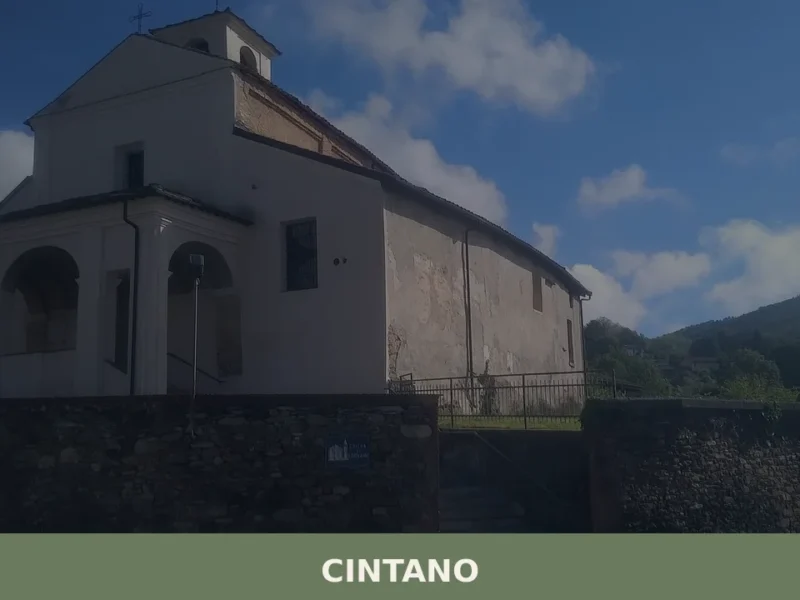
The hilly Canavese surrounding Borgiallo offers a series of inhabited centres that share the same geographical and historical background, each with its own distinct character. Parella, a few kilometres away, is known for its medieval castle, one of the best-preserved examples of fourteenth-century Canavese noble architecture. Cintano, also in the Valle Sacra, has a similar demographic profile to Borgiallo and a comparable hill settlement structure, with a historic built fabric that remains largely legible. These two municipalities, which can be visited in a single day alongside Borgiallo, give a coherent picture of how the built landscape of the Canavese is organised at mid altitude.
Looking further across Piedmont, two very different contexts round out the regional picture. Casalborgone, in the Chivassese area, represents a hill settlement overlooking the Po plain, with a territorial logic and agricultural economy quite different from those of the Canavese. For those who want to set Borgiallo’s hill altitude against a genuinely mountain context, Pragelato, in the Val Chisone, offers a precise point of comparison: the same Piedmont, the same province of Turin, but a landscape and history that change radically once you are above 1,500 metres.
Frequently asked questions about Borgiallo
What is the best time to visit Borgiallo?
The ideal time to visit Borgiallo is from late April to mid-October, when the weather is pleasant for exploring the outdoors. Spring offers vibrant vegetation, while summer provides cooler temperatures compared to the plains. Autumn, especially September and October, is perfect for experiencing local food events and the chestnut harvest. Note that the feast of San Nicolao della Flüe, the patron saint, is also a notable event, though specific dates may vary and should be checked closer to your visit.
What to see in Borgiallo? Main monuments and landmarks
Visitors to Borgiallo should not miss the Parish Church of San Nicolao della Flüe, a significant landmark dedicated to the Swiss patron saint. This eighteenth-century church showcases typical Canavese style with stucco altars and wall decorations. The church serves as the central visual point of the village and represents its historical and cultural ties to the region.
Who is Borgiallo suitable for?
Borgiallo is ideal for travelers who enjoy exploring rural landscapes and small, historic villages. It's perfect for couples and solo travelers interested in cultural heritage and serene environments. Hikers and nature enthusiasts will appreciate the scenic paths and chestnut woods, while food lovers can indulge in local specialties during the chestnut harvest season. Families might find the village's quiet charm appealing for a peaceful retreat.
Nearby Villages near Borgiallo
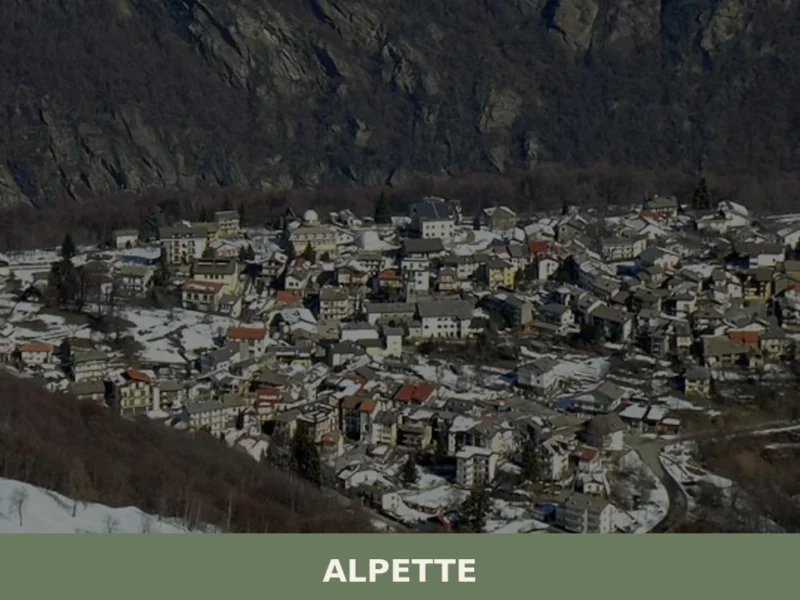
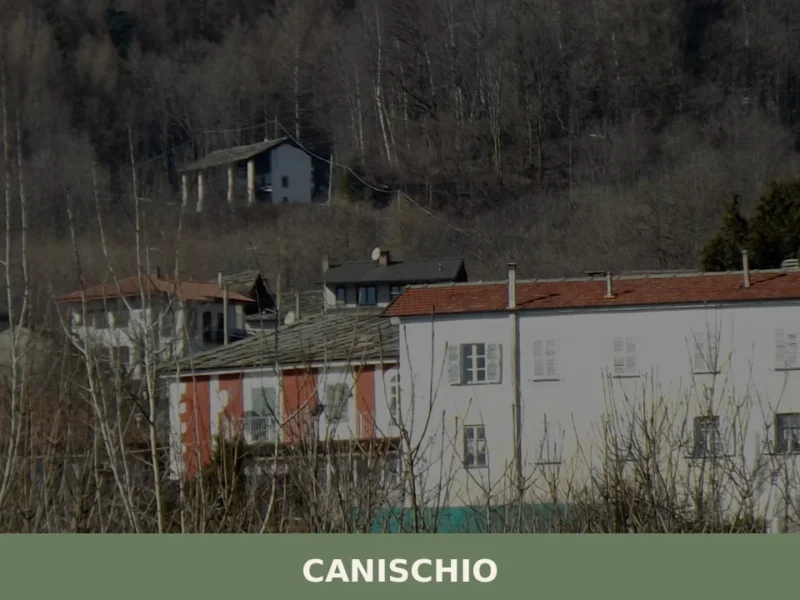
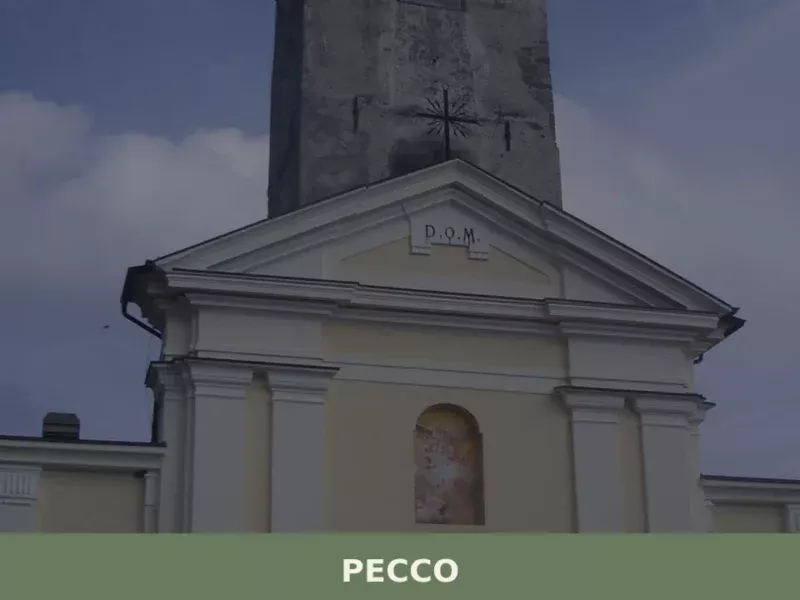
In Piedmont More villages to discover
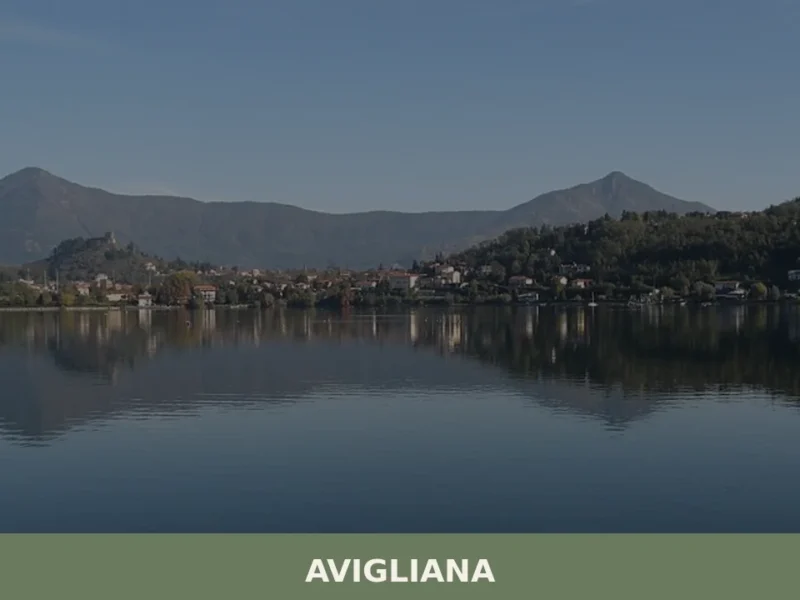
Avigliana
Hills
In 1092, a donation charter by Countess Adelaide of Susa mentioned for the first time the castrum Avillianae, a fortified settlement on the hill overlooking two moraine-origin lake basins in the lower Susa Valley. Anyone wondering what to see in Avigliana today will find an urban fabric preserving precise layers of history: thirteenth-century towers, Gothic […]

Porte
Hills
Discover what to see in Porte, a 1,108-inhabitant comune in the Metropolitan City of Turin with Occitan heritage, foothill walks, and Piedmontese food culture.
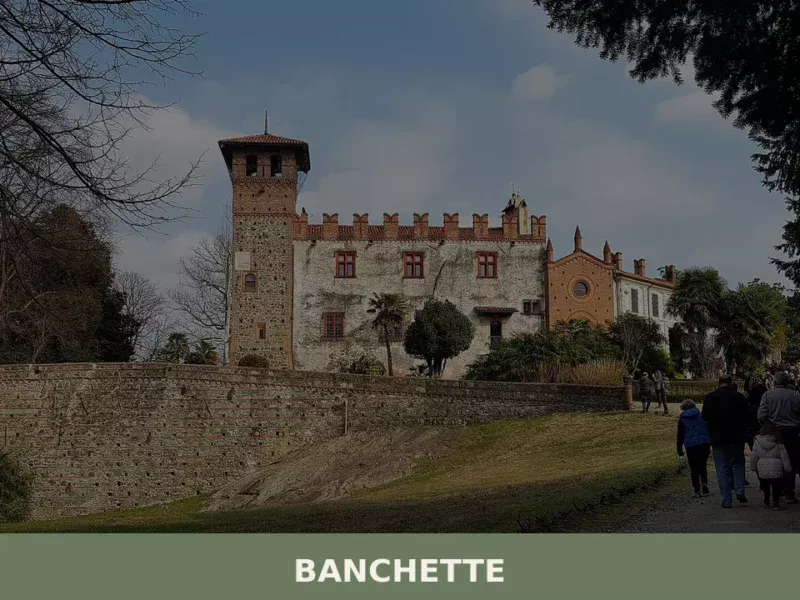
Banchette
Hills
Banchette is a municipality of 3,087 inhabitants in the province of Turin, situated at 266 metres above sea level on the Canavese plain, a few kilometres from Ivrea. Those wondering what to see in Banchette will find a settlement whose modern identity owes more to industry than to the Middle Ages: the area underwent significant […]
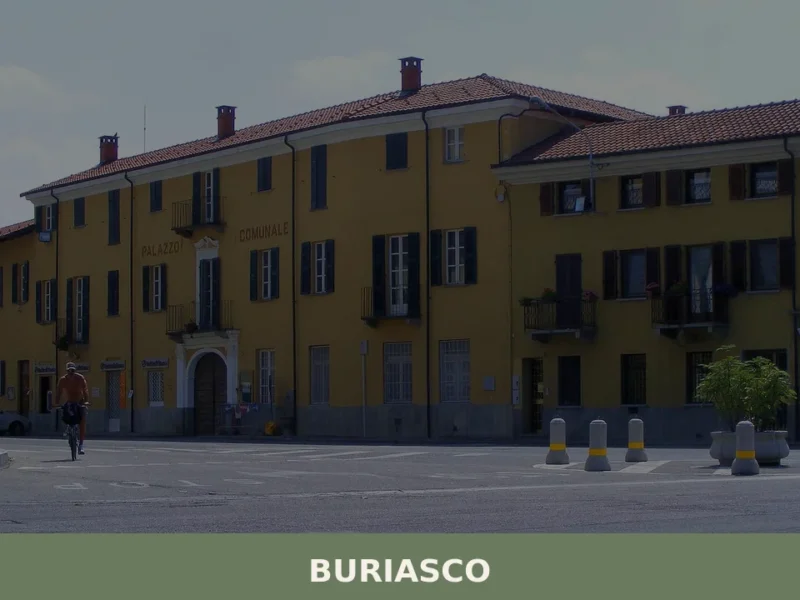
Buriasco
Hills
What to see in Buriasco, Italy: 5 top attractions, local food, festivals and how to get to this 301 m village near Turin. Discover Buriasco, Piemonte.

Pratiglione
 Mountain
A village of 445 souls near Turin with roots reaching back to 1014. Home to the ancestral past of Rage Against the Machine's Tom Morello.

Riva presso Chieri
 Plains
A village of 4,700 inhabitants shaped by plague, fire and noble patronage. Visit for 18th-century churches, a noble palazzo, and the sanctuary tied to miraculous escape.
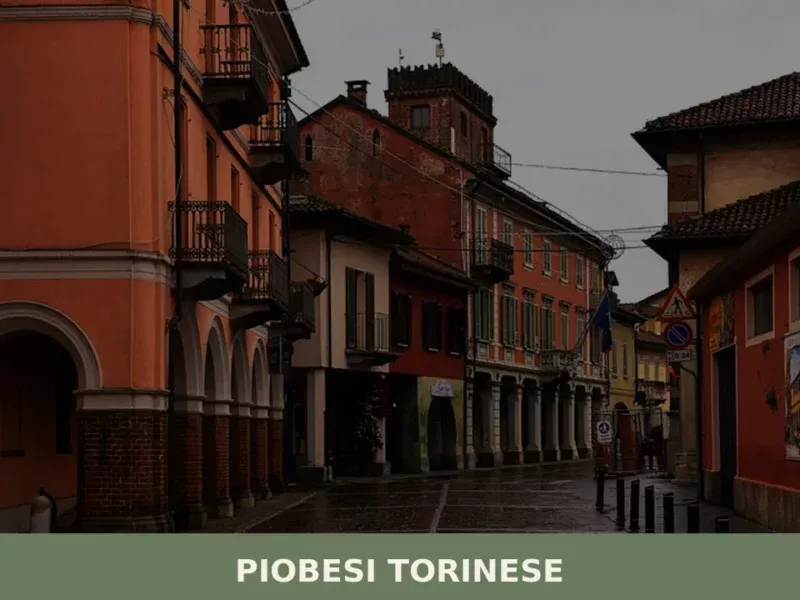
Piobesi Torinese
Plains
Scopri Piobesi Torinese, affascinante borgo piemontese: storia, attrazioni, tradizioni e consigli pratici per visitarlo al meglio.
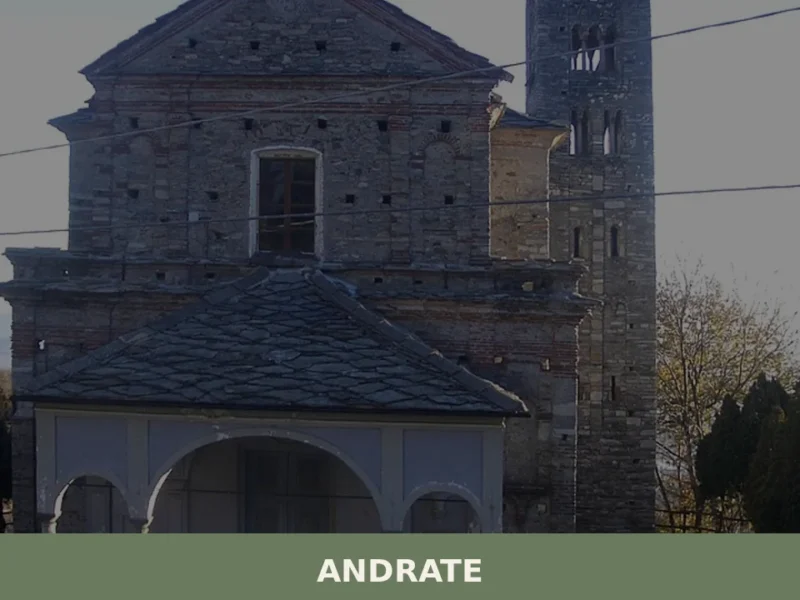
Andrate
Mountain
What to see in Andrate in Piedmont: panoramic views over the Serra d'Ivrea, trails, chestnut groves, Canavese cuisine. Complete guide with history and practical information.
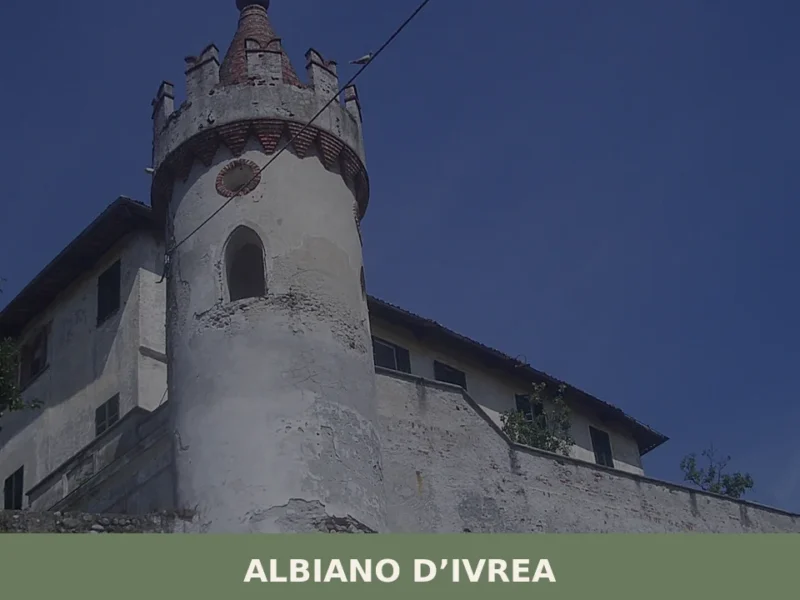
Albiano d’Ivrea
Hills
what to see ad Albiano d’Ivrea: con 1.628 abitanti, esplora la Chiesa Parrocchiale e i resti del ricetto medievale. Pianifica il tuo viaggio ora!
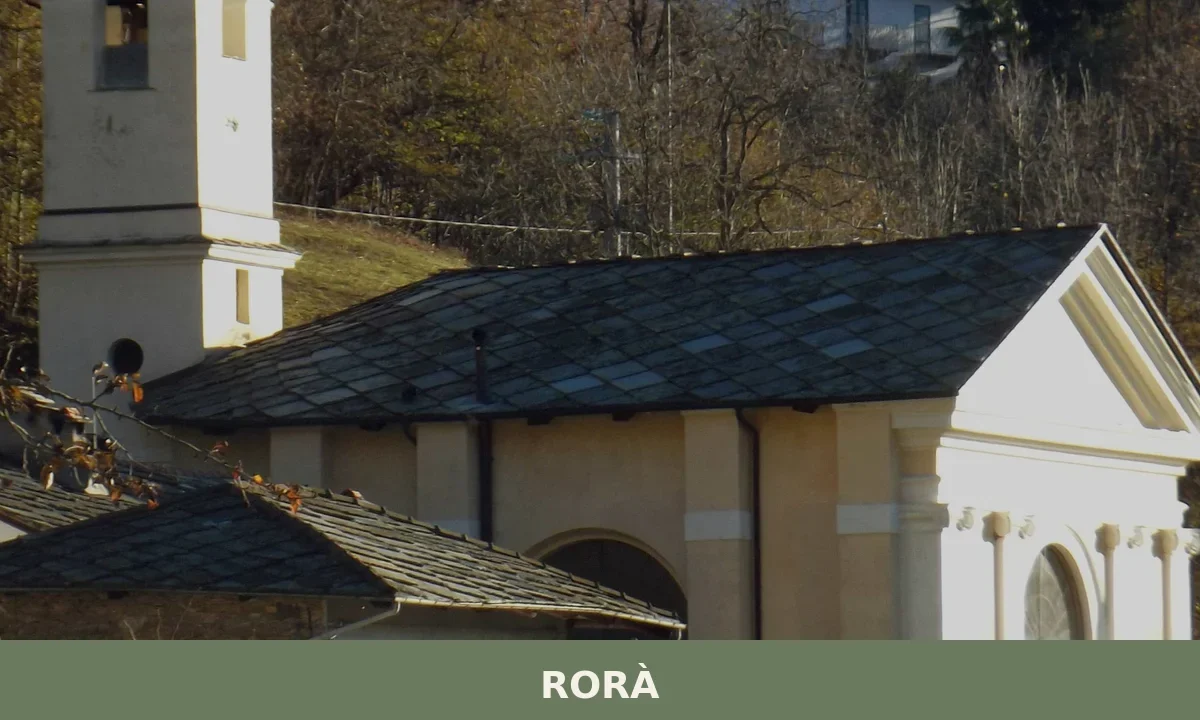
Rorà
Mountain
Population 221. Altitude 967 metres. Stone houses, Alpine silence, and a rhythm set by seasons and territorial links that connect to the Pellice valley network.
🏡 Know Borgiallo better than we do?
If you’re a local or have been there, your knowledge matters: add what’s missing or fix a detail on this page.