


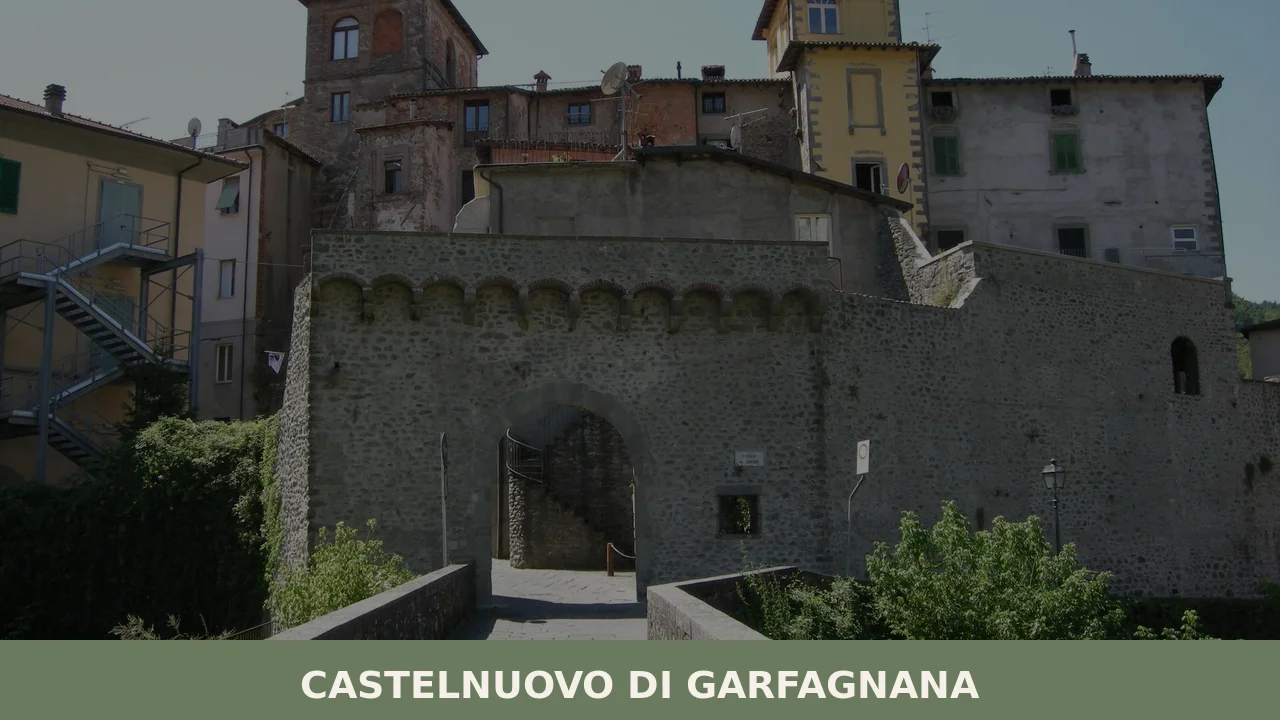
Castelnuovo di Garfagnana
 Hills
Hills
What to see in Castelnuovo di Garfagnana: Rocca Ariostesca, the Cathedral and the historic centre. Discover the guide to plan your visit to this Tuscan village.
Discover Castelnuovo di Garfagnana
Two rivers meet at the base of the old fortified walls: the Serchio and the Turrite Secca converge here, at 270 m (886 ft) above sea level, where roads cut through both the Apennine Mountains and the Apuan Alps.
The Rocca Ariostesca — a medieval castle whose stone keep dominates the roofline — takes its name from Ludovico Ariosto, the Italian Renaissance poet who served as governor of the Garfagnana from 1522 to 1525.
The town counts 6,026 inhabitants and sits at a crossroads that has shaped its entire recorded history since the 8th century.
What to see in Castelnuovo di Garfagnana spans more than a thousand years of documented history condensed into a compact town centre in the province of Lucca, Toscana.
The Rocca Ariostesca houses an archaeological museum, the 16th-century Duomo contains a canvas attributed to Domenico Ghirlandaio, and the Parco dell’Orecchiella offers a nature park and botanical garden a short drive from the town centre.
Visitors to Castelnuovo di Garfagnana find a place where medieval fortifications, Baroque interiors, and Alpine terrain coexist within walking distance of each other.
History of Castelnuovo di Garfagnana
The name itself encodes the settlement’s origin. An official document from the 8th century records the locality as Castro Novo, meaning “new fortified settlement” in Latin — a designation that distinguished it from older defensive structures in the surrounding Garfagnana valley. From this early administrative mention, the town grew steadily, benefiting from its position at the confluence of two rivers that functioned as natural trading routes through otherwise difficult mountain terrain.
By the 13th century, Castelnuovo di Garfagnana had developed into a functioning market town, its commercial role inseparable from its geography.
The 14th century brought it under the jurisdiction of Lucca, and in 1316 Castruccio Castracani — the Lucchese military leader — took direct control and commissioned a bridge to connect the castle to the main settlement.
That structural decision still defines the spatial relationship between the Rocca and the town below.
The 15th century produced a decisive break: in 1430, the inhabitants rebelled against Lucchese domination and placed themselves under the protection of the Este family of Ferrara. Under Este rule, the town became the seat of a Vicariato — a regional administrative and judicial district — and gained its cathedral and other major religious buildings.
Political turbulence continued through the 16th century. In 1512, troops led by Francesco Maria I della Rovere, Duke of Urbino, occupied the town; shortly afterward, the Republic of Florence held it briefly before the Este reclaimed authority.
French forces under Napoleon Bonaparte later swept through the territory, and Castelnuovo and the Apuan Alps zone became part of the Cisalpine Republic.
After the collapse of the Napoleonic Empire, the town reverted to Este governance in 1814 and remained under their rule until the Unification of Italy in 1861, when it was incorporated into the new national state alongside every other former Este possession in the region.
What to see in Castelnuovo di Garfagnana, Toscana: top attractions
Rocca Ariostesca (Ariosto’s Castle)
The thick stone walls of the Rocca Ariostesca rise from the highest point of the old town, their masonry dating in its earliest sections to the 12th century.
Castruccio Castracani enlarged the structure in the 14th century, adding to its defensive profile at a time when the Garfagnana valley was contested territory. The castle takes its current name from Ludovico Ariosto, who lived and worked here between 1522 and 1525 as governor appointed by the Este of Ferrara — a role he reportedly found frustrating but which produced some of his surviving correspondence about local governance.
Today the Rocca houses an archaeological museum; plan to spend at least an hour inside to examine the collection in full context.
Duomo of Saints Peter and Paul
The cathedral’s Renaissance façade faces a narrow square in the lower town, its proportions controlled and formal against the surrounding medieval streetscape.
Construction dates to the 16th century, during the period of Este patronage, and the interior was subsequently transformed into a Baroque space — the contrast between outside and inside is immediate and distinct.
Two works demand specific attention: a terracotta attributed to Andrea del Verrocchio, the Florentine sculptor who also taught Leonardo da Vinci, and a canvas by Domenico Ghirlandaio depicting the Madonna with Saints.
Ghirlandaio completed major commissions in Florence during the same decade, making this painting one of the few examples of his work accessible outside a major urban museum.
Fortress of Monte Alfonso
The Fortress of Monte Alfonso stands on the hill above the town, its angular bastions visible from the valley floor below.
The Este family commissioned its construction in the late 16th century as a final defensive position against the Republic of Lucca — a strategic calculation that reflected the ongoing territorial rivalry between the two powers. The site covers substantial ground and the outer walls remain largely intact, giving visitors a clear sense of 16th-century military engineering at scale.
The elevation provides direct views over the Serchio valley and the Apuan Alps ridge; arriving in the morning, before haze builds over the peaks, gives the clearest sightlines.
Parco dell’Orecchiella
The Fivizzano area to the northwest and the Orecchiella upland to the northeast both form part of the same Apennine watershed that defines this corner of Toscana, and the Parco dell’Orecchiella is the formal protected zone that covers the high terrain above Castelnuovo di Garfagnana.
The park functions as both a nature reserve and a botanical garden, preserving Apennine flora and fauna at elevations that rise well above the valley floor.
Marked trails cross grasslands and forest zones, and the botanical section documents indigenous plant species of the northern Tuscan Apennines.
The park is best visited between late May and early October, when trails above 1,000 m (3,281 ft) are reliably clear of snow.
Teatro Alfieri and San Giuseppe Church
The Teatro Alfieri occupies a position in the town’s civic life that parallels that of dozens of similar 19th-century provincial theatres across northern Toscana — a formal performance space built to signal cultural standing.
Its interior follows the horseshoe-balcony plan standard to Italian theatres of the period.
Adjacent to the town’s broader religious fabric, the church and monastery of San Giuseppe dates to the 17th century and represents the later phase of ecclesiastical building in Castelnuovo di Garfagnana, after the major Este-era commissions of the 15th and 16th centuries.
The monastery complex, built in a restrained vernacular style, is worth examining alongside the earlier Capuchins’ Convent for a comparison of Counter-Reformation religious architecture across different decades.
Local food and typical products of Castelnuovo di Garfagnana
The Garfagnana valley has historically been an agricultural zone defined by its mountain geography. Cereal production forms a documented part of the local economy, and the combination of river valleys and high terrain created the conditions for a food culture built on grains, legumes, and preserved products.
The proximity to both the Apennine and Apuan mountain zones means that mushrooms, chestnuts, and game have long supplemented cereal-based staples, though the specific dishes produced here reflect a Tuscan upland tradition rather than the coastal or lowland cuisines more familiar to visitors arriving from , roughly 50 km (31 mi) to the southwest.
The bread tradition of the Garfagnana is built on farro della Garfagnana — emmer wheat, an ancient grain variety cultivated in the valley for centuries — which appears in soups, particularly minestra di farro, a slow-cooked preparation combining the grain with beans, vegetables, and local olive oil.
Biroldo della Garfagnana is a cooked pork sausage made from head meat, blood, and spices including cinnamon and cloves, encased and served cold in slices; the spice combination reflects trade routes that once passed through these mountain passes.
Necci are thin chestnut-flour pancakes cooked between heated iron plates, typically filled with fresh ricotta — a preparation requiring no wheat flour and historically important in years when cereal harvests fell short.
Chestnut flour (farina di castagne) also forms the base of castagnaccio, a flat baked cake made without added sugar, incorporating rosemary, pine nuts, and raisins.
The texture is dense and the flavour bitter-sweet, far removed from the confectionery tradition of other Italian regions.
Local salumi — cured and cooked meat products — are produced by several small operators in the valley, and the Consorzio della Garfagnana has worked to document and protect these preparations within the broader Slow Food and PDO regulatory framework applicable to Tuscan mountain products.
The weekly market in Castelnuovo di Garfagnana is the primary retail point for locally produced cereals, preserved meats, and seasonal vegetables.
For visitors focused on food sourcing, the market runs on a fixed weekly schedule and draws producers from across the surrounding valley municipalities.
The autumn months — September through November — coincide with chestnut harvest and the period when the full range of preserved products is at its most varied in local shops and market stalls.
Festivals, events and traditions of Castelnuovo di Garfagnana
The patron saint of Castelnuovo di Garfagnana is San Pietro (Saint Peter), and the feast day falls on 29 June, the liturgical feast of Saints Peter and Paul — which also corresponds directly to the dedication of the Duomo of Saints Peter and Paul.
The celebration on 29 June centres on the cathedral, with a formal religious procession through the town’s historic streets, a sung Mass, and evening events in the main square. The date sits at the beginning of summer, when the mountain climate is at its most stable and visitor numbers in the Garfagnana valley are building toward their July and August peak.
The agricultural calendar traditionally structures the secondary events in the town.
Autumn brings chestnut-related food events consistent with the regional sagra tradition — community festivals organised around a specific local product, typically featuring communal cooking, tastings, and music.
The Garfagnana valley as a whole maintains a calendar of such events between September and November, and Castelnuovo di Garfagnana, as the principal market town of the area, participates in or hosts several of these gatherings. Specific dates vary by year and are confirmed through the official municipality website at the Castelnuovo di Garfagnana municipal portal.
When to visit Castelnuovo di Garfagnana, Italy and how to get there
The best time to visit Castelnuovo di Garfagnana depends on what you intend to do.
For hiking in the Parco dell’Orecchiella and the surrounding Apennine terrain, late spring — May and June — and early autumn — September and October — offer the most reliable conditions: temperatures at valley level range between 15°C and 25°C (59°F–77°F), trails above 1,000 m (3,281 ft) are clear, and the summer crowds that concentrate on the Tuscan coast have not yet reached the mountain interior.
July and August are warm and functional for a town visit but bring higher occupancy in accommodation. Winter is cold at altitude and some mountain roads above the town may be affected by snow; the town itself remains accessible year-round.
Getting to Castelnuovo di Garfagnana from Florence, the nearest major city at approximately 100 km (62 mi) to the southeast, takes around 1 hour and 45 minutes by car via the A11 motorway and then the SS445 state road through the Serchio valley.
By train, the Lucca–Aulla regional rail line operated by Trenitalia connects Lucca to Castelnuovo di Garfagnana with a journey time of approximately 1 hour 20 minutes; the station sits a short walk from the historic centre.
If you arrive by car from the north, the A15 motorway (Parma–La Spezia) provides access via the Pontremoli exit, with a drive of roughly 60 km (37 mi) south through the mountains.
The nearest international airports are Florence Peretola (approximately 110 km / 68 mi) and Pisa Galileo Galilei (approximately 100 km / 62 mi). For international visitors, it is practical to carry euro cash, as smaller shops and markets in the Garfagnana valley do not always accept card payments, and English is not widely spoken outside the main tourist facilities.
Castelnuovo di Garfagnana also works well as a base for a day trip into the wider Garfagnana zone or as a stop on a longer Tuscan itinerary.
Travellers arriving through Siena in southern Toscana and moving north can incorporate the Garfagnana valley as a final stage before crossing into Liguria or Emilia-Romagna.
The drive north through the Serchio valley from Lucca is continuous and well-signposted, making Castelnuovo di Garfagnana a logical day-trip destination from Lucca for those not intending to stay overnight in the mountains.
Visitors extending their time in northern Toscana may find it worthwhile to continue toward Prato, which lies to the southeast across the Apennine divide and represents a different register of Tuscan urban history — industrial textile production alongside medieval and Renaissance civic architecture, in contrast to the mountain market-town character of Castelnuovo di Garfagnana, Toscana, Italy.
Frequently asked questions about Castelnuovo di Garfagnana
What is the best time to visit Castelnuovo di Garfagnana?
Late spring and early autumn offer the most rewarding visits. May and June bring mild temperatures ideal for exploring the old town and hiking in the Parco dell'Orecchiella, where trails above 1,000 m are reliably clear of snow from late May onward. September and October coincide with the chestnut harvest, when local markets and shops stock the full range of seasonal products. The feast of San Pietro, patron saint of Castelnuovo di Garfagnana, falls on 29 June and draws visitors to the town centre for religious and civic celebrations.
What are the historical origins of Castelnuovo di Garfagnana?
An 8th-century Latin document records the settlement as Castro Novo — 'new fortified place' — distinguishing it from older defensive structures in the Garfagnana valley. By the 14th century it came under Lucchese control, and in 1430 its inhabitants transferred allegiance to the Este family of Ferrara, under whom the town became the seat of a regional Vicariato. The Renaissance poet Ludovico Ariosto served here as Este governor from 1522 to 1525. The town remained under Este rule until Italian Unification in 1861.
What to see in Castelnuovo di Garfagnana? Main monuments and landmarks
The Rocca Ariostesca is the defining landmark: a medieval castle enlarged in the 14th century and named after poet-governor Ludovico Ariosto, today housing an archaeological museum. The Renaissance Duomo of Saints Peter and Paul contains a canvas attributed to Domenico Ghirlandaio and a terracotta attributed to Andrea del Verrocchio. Above the town, the 16th-century Fortress of Monte Alfonso offers intact bastions and panoramic views over the Serchio valley and Apuan Alps. The Teatro Alfieri and the 17th-century monastery of San Giuseppe complete the town's principal historic sites.
What are the main natural or scenic attractions of Castelnuovo di Garfagnana?
The Parco dell'Orecchiella, located a short drive northeast of town, is the main protected natural area. It functions as both a nature reserve and a botanical garden, preserving Apennine flora and fauna at high elevations. Marked trails cross grasslands and forest zones, and the botanical section documents indigenous plant species of the northern Tuscan Apennines. The park is accessible from late May to early October. The confluence of the Serchio and Turrite Secca rivers at the base of the old town walls also makes for a notable natural and scenic landmark.
Where to take the best photos in Castelnuovo di Garfagnana?
The elevated terrace of the Fortress of Monte Alfonso provides the most expansive viewpoint, with direct sightlines over the Serchio valley and the Apuan Alps ridge — morning visits before haze builds over the peaks yield the clearest conditions. The tower of the Rocca Ariostesca dominates the town's roofline and photographs well from the streets below. The confluence of the Serchio and Turrite Secca rivers, visible from the base of the old walls, offers a distinctive landscape composition combining historic fortifications and mountain river scenery.
Are there museums, churches or historic buildings to visit in Castelnuovo di Garfagnana?
The Rocca Ariostesca houses an archaeological museum; allow at least one hour for the full collection. The Duomo of Saints Peter and Paul contains works attributed to Ghirlandaio and Verrocchio — two of the most significant artworks accessible in a Tuscan provincial town outside a major urban museum. The Fortress of Monte Alfonso, whose outer walls remain largely intact, illustrates 16th-century Este military engineering at scale. The church and monastery of San Giuseppe and the earlier Capuchins' Convent offer a comparison of Counter-Reformation religious architecture across different building periods.
What can you do in Castelnuovo di Garfagnana? Activities and experiences
Hiking in the Parco dell'Orecchiella is the primary outdoor activity, with marked trails at varying elevations best used between late May and early October. The weekly market in Castelnuovo di Garfagnana is the main point for purchasing locally produced farro, preserved meats, and seasonal vegetables, and is particularly well-stocked during the autumn chestnut harvest in September and October. Visiting the Rocca Ariostesca museum, the Duomo artworks, and the Fortress of Monte Alfonso can fill a full day of cultural touring within the compact town centre and its immediate surroundings.
Who is Castelnuovo di Garfagnana suitable for? Families, couples, hikers, solo travelers?
Castelnuovo di Garfagnana suits a wide range of visitors. Hikers and nature enthusiasts will find direct access to the Parco dell'Orecchiella and the surrounding Apennine and Apuan Alps terrain. History and art travellers can spend a full day across the Rocca Ariostesca, Duomo, and Fortress of Monte Alfonso without leaving the town and its immediate hill. Couples and slow-travel visitors benefit from the compact medieval centre, food market, and local culinary tradition. Families with children can combine the archaeological museum with accessible nature trails. The town's infrastructure as a small provincial centre makes it manageable for solo travellers as well.
What to eat in Castelnuovo di Garfagnana? Local products and specialties
Farro della Garfagnana — an ancient emmer wheat variety cultivated in the valley — is the foundation of the local table, used above all in minestra di farro, a slow-cooked soup with beans and vegetables. Biroldo della Garfagnana is a cooked pork sausage made with head meat, blood, and spices including cinnamon and cloves, served cold. Necci are chestnut-flour pancakes filled with fresh ricotta, historically significant as a wheat-free preparation. Castagnaccio, a dense baked cake made from chestnut flour with rosemary, pine nuts, and raisins and no added sugar, rounds out the chestnut-based food tradition of the area.
Nearby Villages near Castelnuovo di Garfagnana
In Tuscany More villages to discover
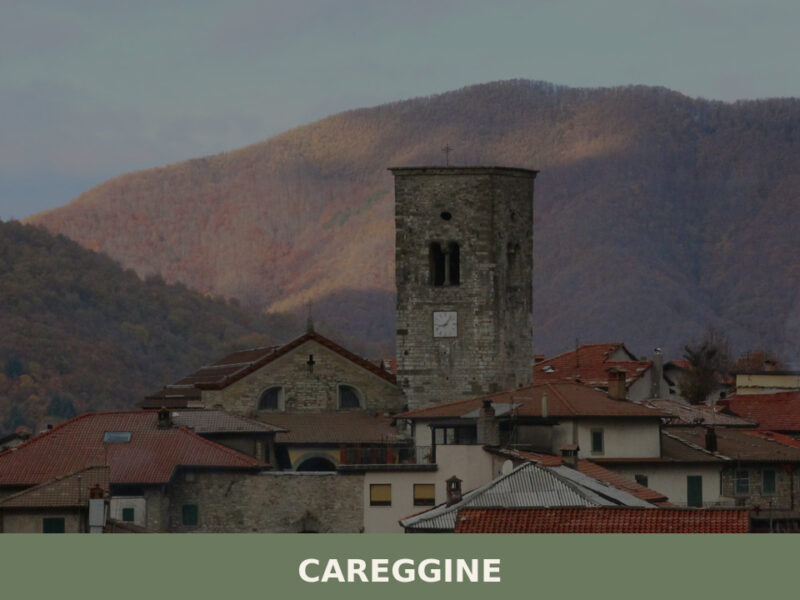
Careggine
 Mountain
Morning fog lifts from the Apuan Alps in slow, pale sheets, revealing a scatter of stone houses along a ridgeline above the Garfagnana valley. A church bell marks seven o’clock — the sound carries far in this thin, mountain air, reaching nobody in particular. With only 585 inhabitants, Careggine keeps its own unhurried tempo. Understanding […]
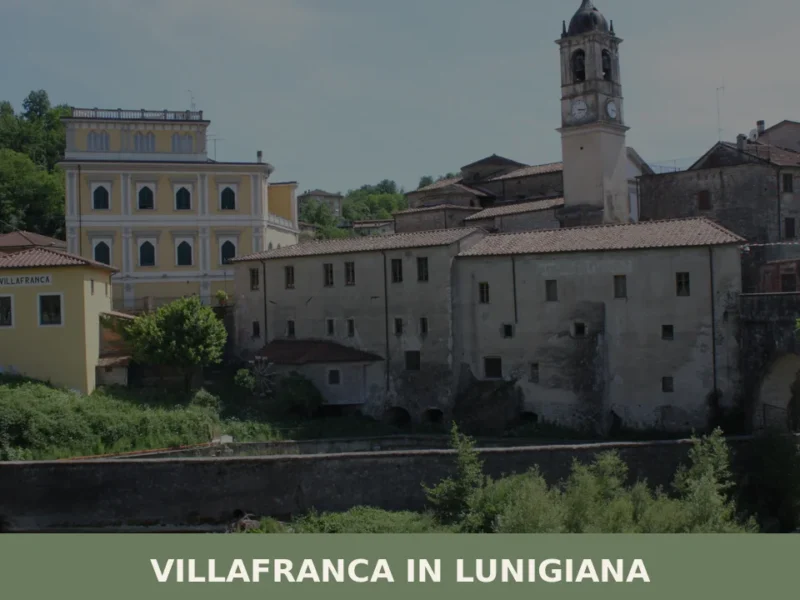
Villafranca in Lunigiana
 Plains
What to see in Villafranca in Lunigiana: explore the Via Francigena, medieval churches and local cuisine in Toscana, Italy. Population 4,803. Discover it now.
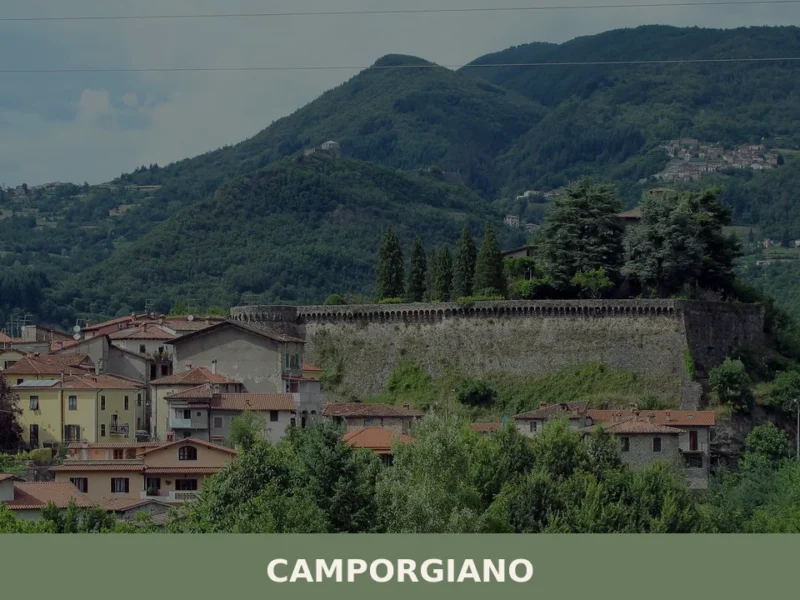
Camporgiano
Hills
What to see in Camporgiano, Italy: a hilltop comune at 475 m in Garfagnana, Toscana. Discover the fortress, San Iacopo feast and local chestnut traditions.
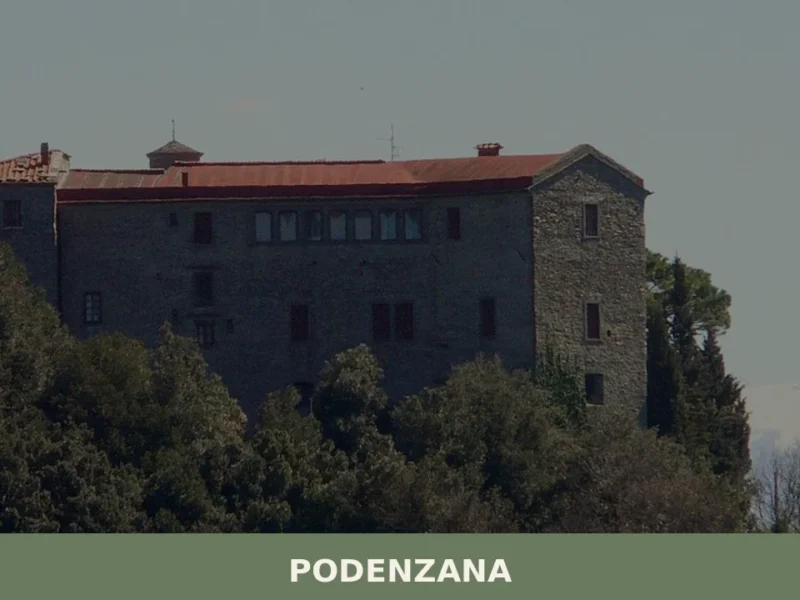
Podenzana
Hills
The panigaccio — a disc of unleavened dough cooked between red-hot terracotta moulds — is listed as a Traditional Agri-Food Product of Tuscany and bears the name of Podenzana in the regional specification. Anyone looking into what to see in Podenzana will find a scattered municipality at 350 metres above sea level in eastern Lunigiana, […]
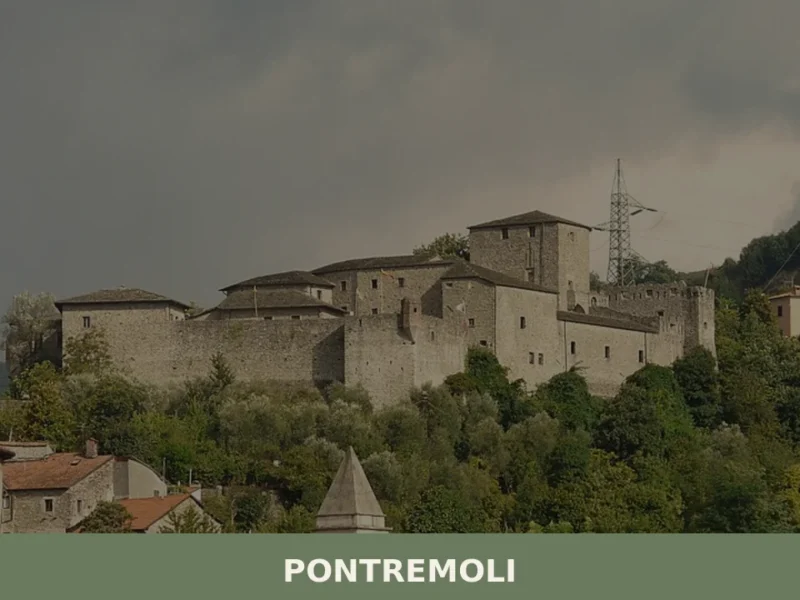
Pontremoli
Hills
Pontremoli has a current population of 7,593 and sits at an elevation of 236 metres in the valley of the River Magra, in the province of Massa and Carrara. The central hub of historic Lunigiana, the town is crossed by the route of the Via Francigena — stop number 28 on the itinerary of Sigeric, […]
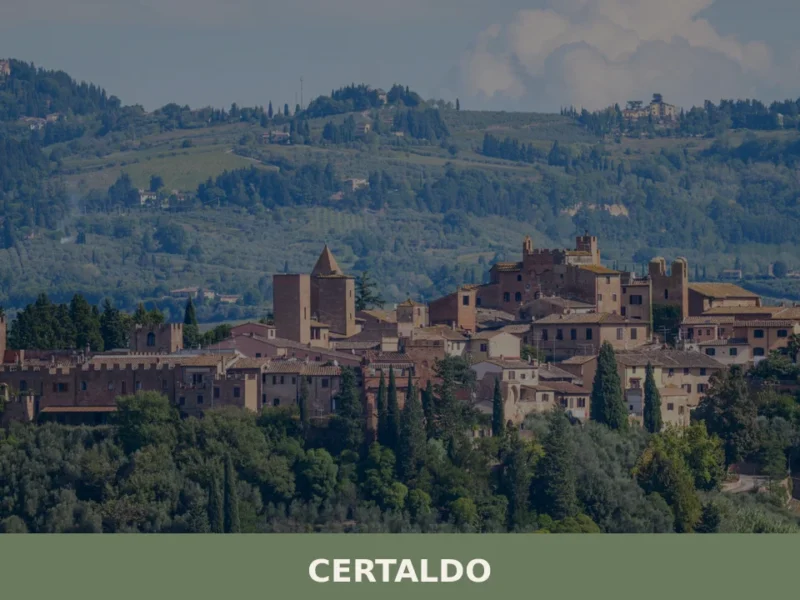
Certaldo
Plains
Red brick rises above the Valdelsa in distinct horizontal courses, the same fired clay that built the house where Giovanni Boccaccio is documented to have died in 1375. The upper town, Certaldo Alto, sits at 67 m (220 ft) above sea level on a ridge that divides the valley floor from the surrounding hills, its […]
Fivizzano
Hills
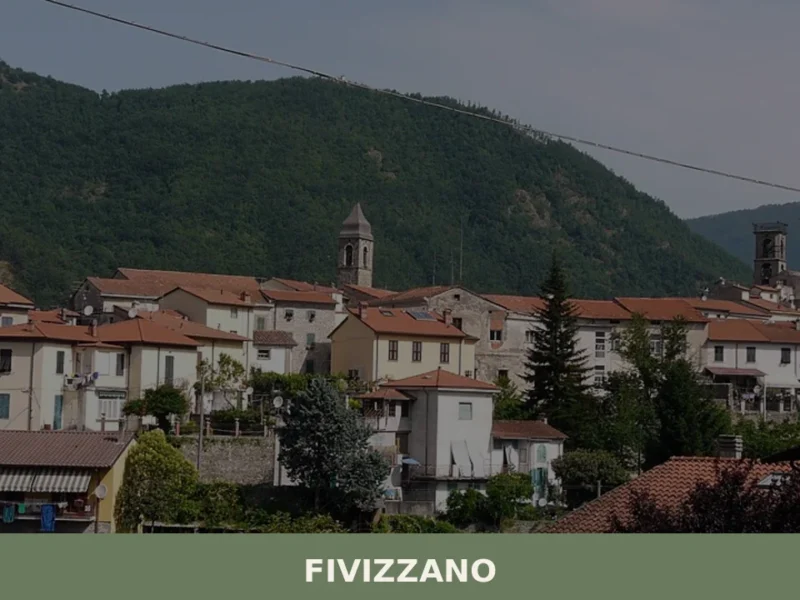
In 1477 a printing press active in Fivizzano produced an edition of Cicero’s Epistolae ad familiares, making this Lunigiana town one of the first places in Italy — and in Europe — to host the art of movable-type printing. The village stands at 326 metres above sea level in the province of Massa and Carrara, […]
Comano
Hills
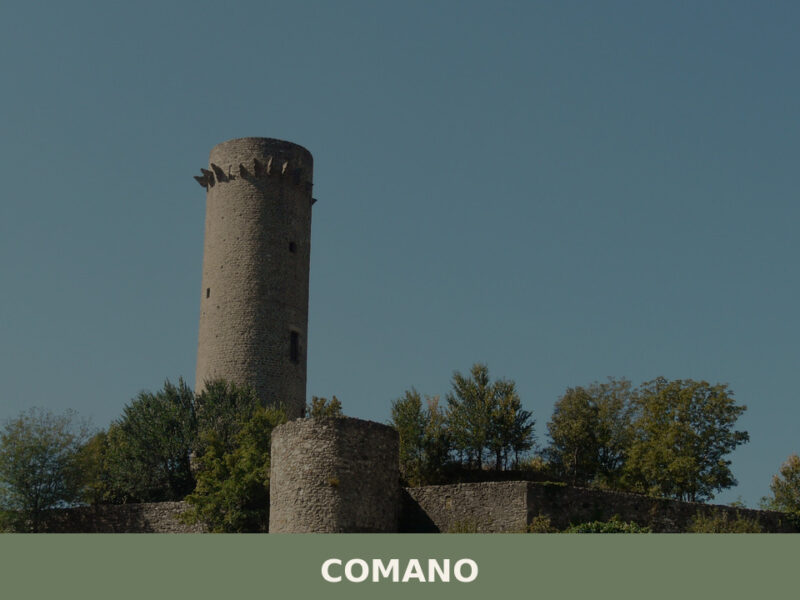
Morning fog lifts slowly from the Taverone valley, revealing stone walls the colour of weathered bone. A church bell marks the hour — its echo rolls across chestnut groves before dissolving into silence. Comano sits in the upper Lunigiana, a commune of scattered hamlets across the hills of Massa e Carrara province, home to just […]
Cerreto Guidi
Plains
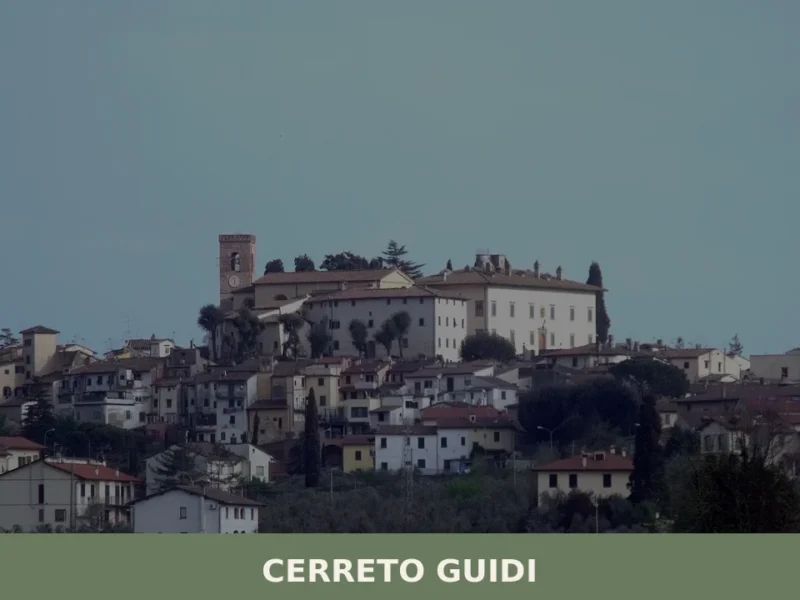
A low plain spreads west of Florence, and at 30 kilometres (19 mi) from the city the land rises just enough — to 123 metres (404 feet) above sea level — for a cluster of terracotta rooftops to stand out against the Tuscan sky. The municipality borders Empoli, Fucecchio, Vinci, and Lamporecchio, placing it at […]
Firenze
Plains
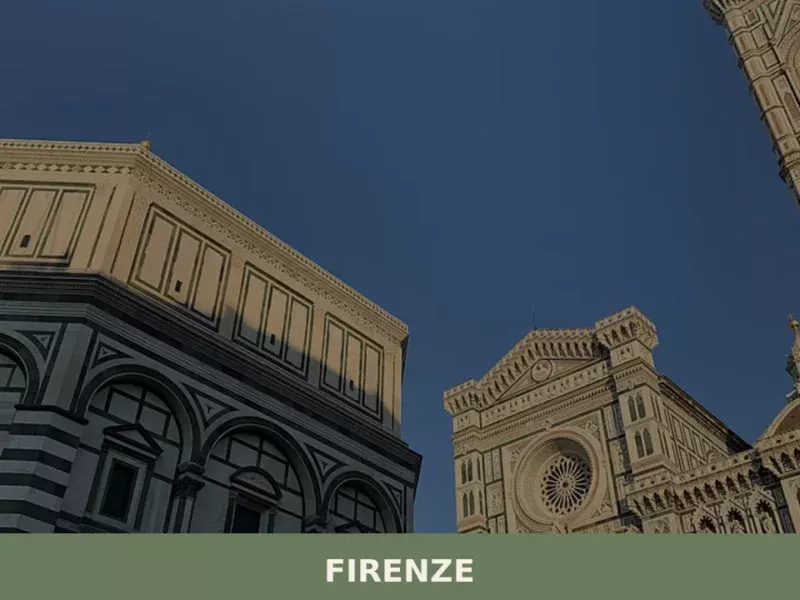
Founded by the Romans as a military colony around 59 BC under the name Florentia, the city we know today as Florence has passed through nearly two millennia of history without ever ceasing to reinvent itself. The regional capital of Tuscany, it sits 50 metres above sea level along the banks of the Arno, with […]


🏡 Know Castelnuovo di Garfagnana better than we do?
If you’re a local or have been there, your knowledge matters: add what’s missing or fix a detail on this page.