


Castelvecchio di Rocca Barbena
 Mountain
What to see in Castelvecchio di Rocca Barbena, Liguria, Italy: explore a 9th-century castle, 166 inhabitants, 70 km from Genoa. Discover top attractions and travel tips.
Discover Castelvecchio di Rocca Barbena
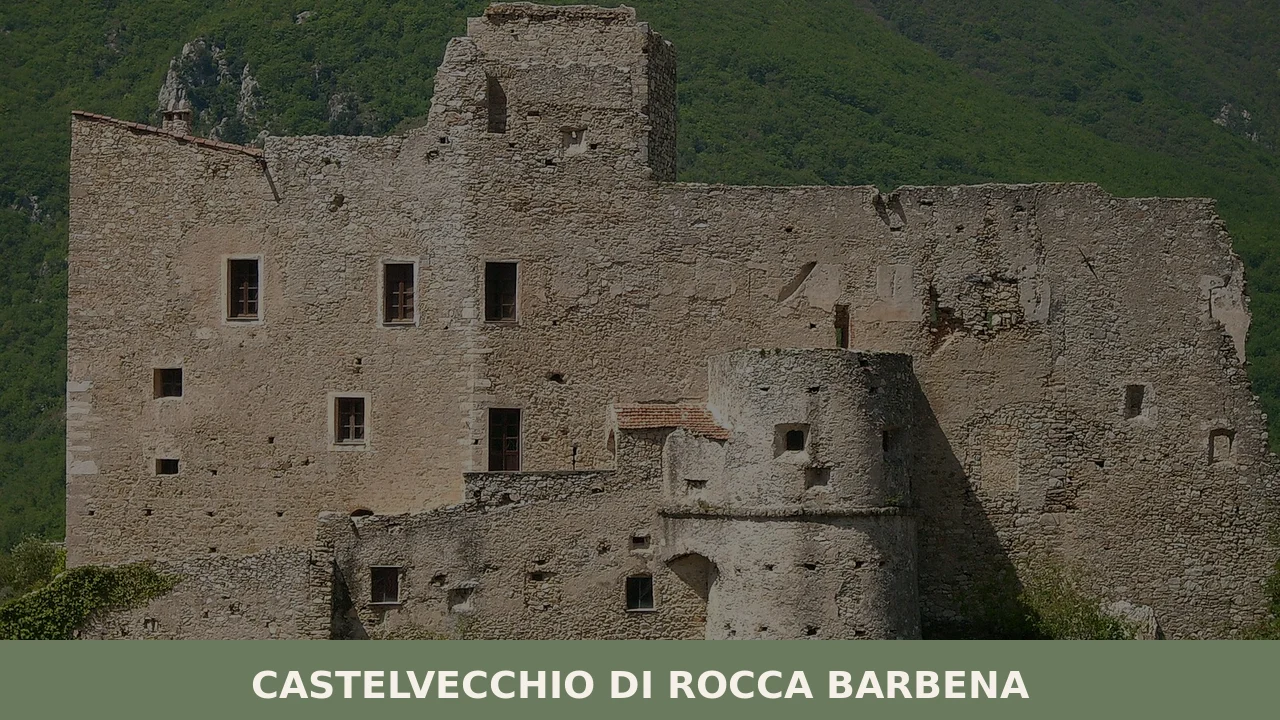
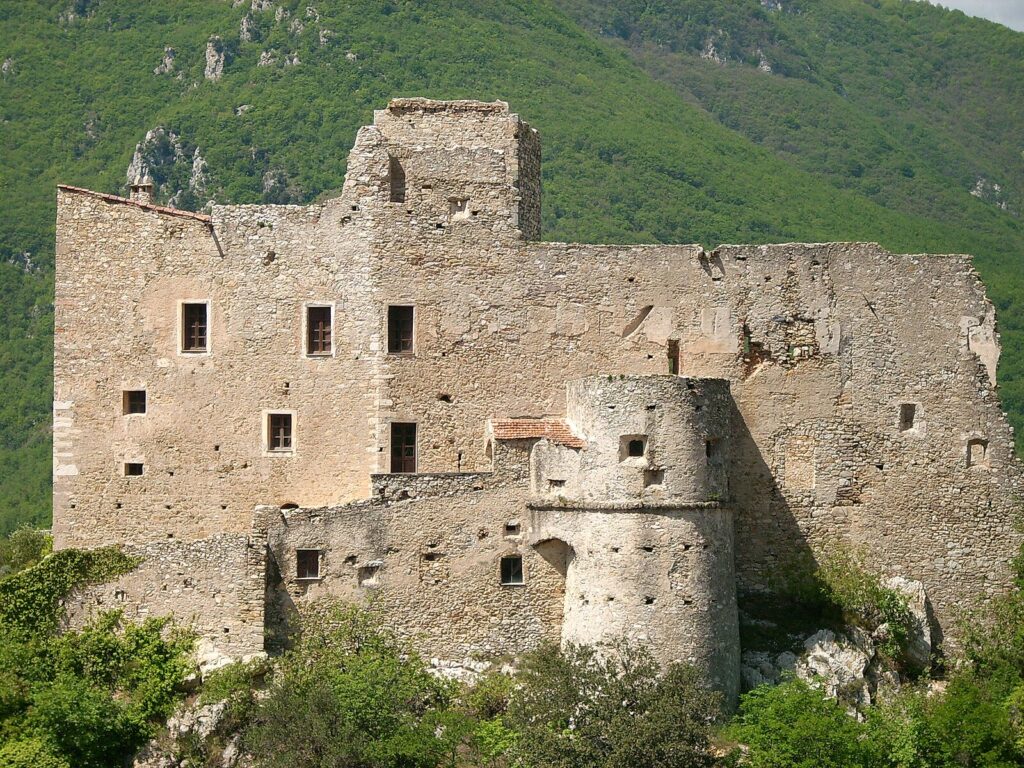
Stone houses rise in tight layers around a large rocky promontory in the inland hills of the Province of Savona, their walls compressed against each other as if braced against the weight of the ridge above. The promontory takes its name from the mountain that looms over the valley: Rocca Barbena, the rocky formation that gives this settlement its full identity. A castle with foundations from the 9th or 10th century crowns the summit, visible from the surrounding municipal roads long before the village itself comes into view.
The population stands at 166 inhabitants, a number that underlines just how concentrated and intact this settlement remains.
Deciding what to see in Castelvecchio di Rocca Barbena is straightforward once you understand the village’s structure: everything radiates from the Castello dei Clavesana, a fortified stronghold that has determined the shape of the streets below it since the 11th century. Located about 70 km (43 mi) southwest of Genoa and 35 km (22 mi) southwest of Savona, Castelvecchio di Rocca Barbena, Liguria, Italy belongs to the association I Borghi più belli d’Italia — the most beautiful villages of Italy — a designation that confirms its architectural and historical coherence. Visitors to Castelvecchio di Rocca Barbena find a medieval castle, a network of stone-paved lanes, and dedicated mountain biking trails maintained by a local sports association.
History of Castelvecchio di Rocca Barbena
The village takes its name directly from the mountain called Rocca Barbena that dominates the surrounding landscape. During the 12th and 13th centuries, Castelvecchio formed part of the fiefdom controlled by the Marquis of Clavesana, one of the significant feudal dynasties operating across this portion of Liguria and Piedmont. Over time, the centre of local feudal power drifted toward the nearby fief of Zuccarello, and Castelvecchio diminished in political significance relative to its neighbour. The castle itself, however, continued to function as a physical reference point for the territory, its walls and towers remaining structurally relevant even as the administrative landscape shifted around it.
The 17th century brought sharper geopolitical changes. In 1623 the village was acquired by the Kingdom of Piedmont-Sardinia under the House of Savoy, integrating it into the expanding territorial reach of that dynasty.
The arrangement did not last: after the castle was besieged in 1672, Castelvecchio was ceded to the Republic of Genoa, transferring it out of Savoyard hands. The Spanish War of Succession left further marks on the village; in 1746 a Piedmontese military force attempted to retake both the village and the castle, but the effort failed. These successive sieges and political transfers explain why the castle’s stonework shows evidence of modifications and reinforcements spanning several centuries rather than a single unified construction phase. The village of Bajardo, further along the Ligurian inland, experienced comparably turbulent feudal and dynastic changes during the same period, reflecting the broader instability of the region’s small lordships.
The final territorial settlement came with the Napoleonic aftermath. In 1815 Castelvecchio returned to the Kingdom of Piedmont-Sardinia, and following Italian unification in 1861 it became part of the Kingdom of Italy. That sequence of events — feudal lordship, Savoyard annexation, Genoese sovereignty, failed Piedmontese reconquest, and eventual absorption into unified Italy — compressed into roughly two and a half centuries, gives the village a layered political history that exceeds what its current size might suggest. The built environment, particularly the castle and the oldest surviving residential structures, directly reflects each of those phases in its accumulated repairs, additions, and defensive modifications.
What to see in Castelvecchio di Rocca Barbena, Liguria: top attractions
Castello dei Clavesana
The castle’s foundation courses date to the 9th or 10th century, making it one of the earlier examples of fortified construction in this part of the Province of Savona.
From the 11th century onward the structure was systematically expanded, and the village itself grew outward from the base of the castle walls as demand for residential space increased. The promontory on which it stands is a large exposed rock formation, and the castle occupies its full summit, giving unobstructed sightlines across the surrounding valleys. Reaching the upper sections requires climbing the internal lane that runs steeply through the oldest residential core of the village. The best visibility across the territory comes in the winter months, when deciduous vegetation on the hillsides thins out and the full extent of the fortification becomes legible from a distance.
The Stone Village Fabric
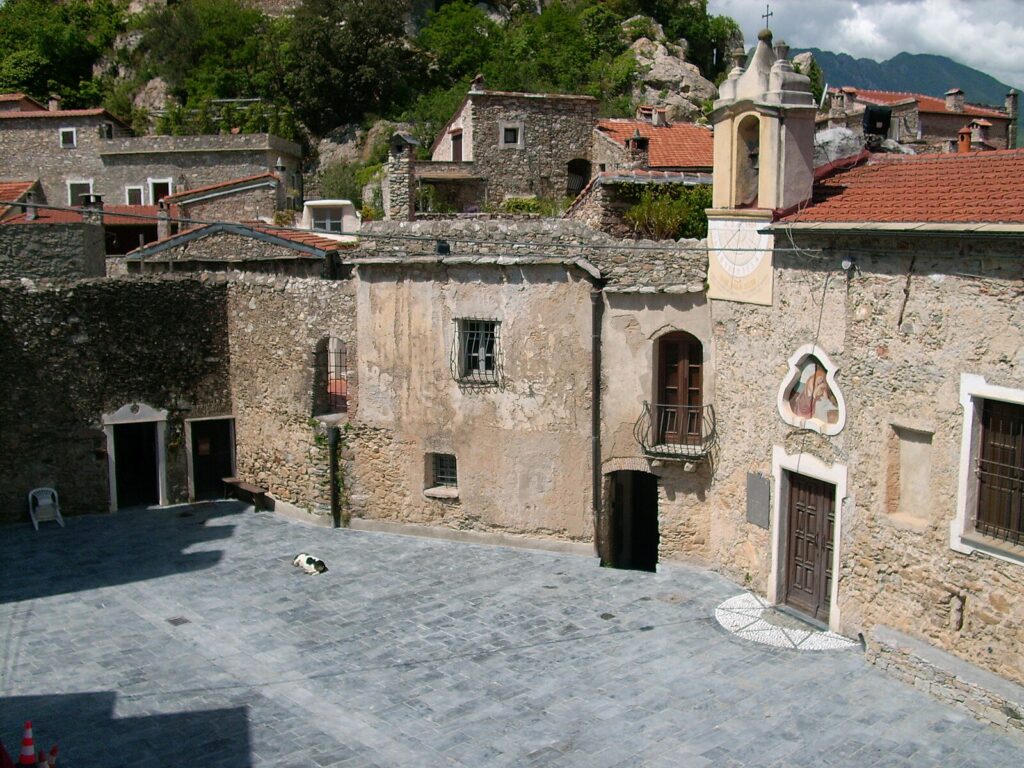
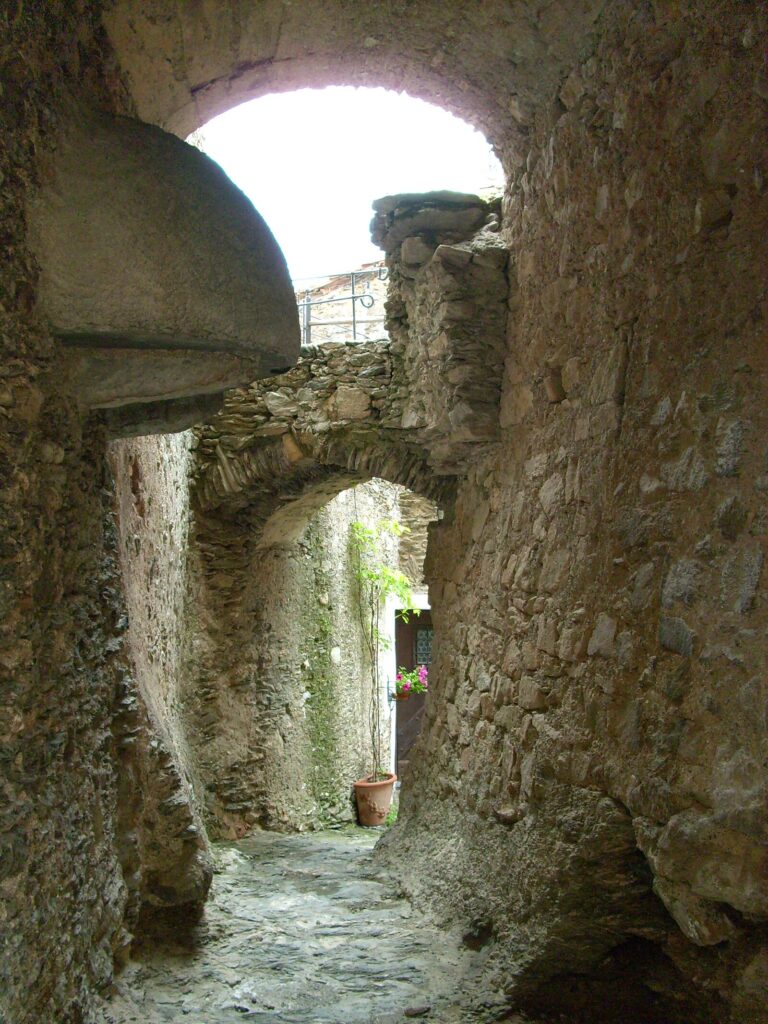
Below the castle, the residential fabric of Castelvecchio consists of stone houses built in tight adjacency, their shared walls and narrow connective lanes reflecting the logic of a settlement that grew incrementally from the 11th century onward within a constrained topographic envelope. The construction material is local stone, and the courses are largely unrendered on the external facades, exposing the texture and coloration of the original masonry.
Walking the internal lanes takes no more than 20 to 30 minutes at a measured pace, but the spatial compression of the layout concentrates a significant quantity of historical building fabric into a short distance. What to see in Castelvecchio di Rocca Barbena in this context means reading the buildings themselves as a document: the height of doorways, the position of external staircases, and the relationship between adjacent structures all reflect construction methods that predate modern standardisation by several centuries.
Rocca Barbena Mountain
The mountain named Rocca Barbena gives the village its full toponym and rises visibly above the settlement, providing the geographic anchor that has defined the site since at least the medieval period. The rocky summit formation is characteristic of the inland Ligurian Apennines, where limestone and harder rock types create prominent outcrops above the surrounding forested ridges.
Hikers can access the mountain via trails departing from the village, which also connect to a broader network of walking routes linking Castelvecchio to its neighbouring municipalities: Balestrino, Bardineto, Erli, Garessio, Toirano, and Zuccarello. The elevation gain from the village to the upper portions of the ridge is significant, and walkers should carry adequate water particularly between June and September when temperatures in the inland hills can exceed 30°C (86°F).
Mountain Biking Trails — Wild Rock MTB Network
The area around Castelvecchio di Rocca Barbena has a documented and actively maintained network of mountain bike trails, managed by the local sports association A.S.D. Castelvecchio Rockriders. Operating under the brand Wild Rock MTB in partnership with Bardineto Outdoor, the association both builds new paths and maintains existing ones, with the explicit aim of increasing the number of mountain bikers visiting the area.
The trails make use of the varied topography of the inland Ligurian hills, with routes running through forested slopes and open ridgelines. Bardineto, a neighbouring municipality, is a co-operating partner in this network, meaning riders can plan routes that cross municipal boundaries. Detailed trail information is available through the association’s dedicated resources, and the spring and autumn seasons — when temperatures are moderate and ground conditions are stable — represent the most practical periods for longer rides.
I Borghi più belli d’Italia Recognition
Castelvecchio di Rocca Barbena holds membership in the association I Borghi più belli d’Italia, which evaluates and certifies Italian villages on the basis of architectural quality, urban coherence, historical significance, and the preservation of the built environment. Admission to the association requires meeting a specific set of criteria, and the designation functions as an independently verified quality indicator for visitors planning itineraries through Italian inland territories. The recognition aligns with what the physical evidence of the village already demonstrates: a largely intact medieval urban layout, a dominant castle structure of documented antiquity, and a residential fabric that has not been substantially altered by 20th-century development.
For visitors comparing what to see in Castelvecchio di Rocca Barbena against other certified villages in Liguria, the compactness of the site means the full range of significant features is accessible on foot within a single visit. The nearby village of Crocefieschi, also in the Ligurian interior, shares a comparable scale and the same regional certification, making it a logical pairing for a two-village day itinerary.
Local food and typical products of Castelvecchio di Rocca Barbena
The gastronomic context of Castelvecchio di Rocca Barbena sits within the broader culinary tradition of inland Liguria, a zone where the cooking reflects the constraints and resources of upland agriculture rather than the coastal fishing economy that defines better-known Ligurian towns. The inland hills of the Province of Savona historically produced chestnuts, dried legumes, wheat, and small quantities of olive oil from hardy varieties cultivated on terraced slopes. These ingredients formed the structural basis of the local diet for several centuries, and their influence remains visible in the types of dishes still prepared in the villages of this area.
Among the preparations most closely associated with the inland Savona area, farinata di castagne — a thick polenta-like preparation made from chestnut flour — represents one of the more documented examples of a dish with direct ties to the upland agricultural economy.
Trofie al pesto, the short twisted pasta with the basil-based sauce that Liguria is most associated with internationally, appears in local trattorias in this zone as well, though the inland versions sometimes incorporate potato and green beans into the dish in proportions that differ from coastal preparations. Coniglio alla ligure, rabbit braised with olives, pine nuts, white wine, and herbs such as rosemary and thyme, represents a meat preparation rooted in the small-scale domestic animal husbandry that characterised villages of this size and terrain. The technique involves a slow braise at low heat, which produces a sauce of considerable density from the rendered cooking liquids.
The sources consulted do not record certified products — such as DOP (Denominazione di Origine Protetta) or IGP (Indicazione Geografica Protetta) designations — specifically attributed to the municipality of Castelvecchio di Rocca Barbena. The broader Province of Savona does encompass production zones for Ligurian olive oil and several locally recognised food products, but specific certification data tied to this village is not documented in the available sources.
Visitors interested in certified regional products should consult the official agricultural registers of the Liguria region for current designations applicable to the inland Savona zone.
The most practical opportunity to encounter locally produced food and small-scale agricultural products is during the summer months, when the inland Ligurian villages activate their seasonal markets and sagre — traditional local food festivals centred on a specific ingredient or dish. These events, typically held between June and September, draw producers from multiple neighbouring municipalities and provide direct access to goods that do not enter broader commercial distribution. Specific dates for events in Castelvecchio vary by year and are best confirmed through the municipality’s official channels in advance of a visit.
Festivals, events and traditions of Castelvecchio di Rocca Barbena
The available sources do not document the specific name or calendar date of the patron saint festival for Castelvecchio di Rocca Barbena, nor do they confirm the precise format of any religious processions or liturgical rituals associated with the village’s annual cycle. What the sources do confirm is that the area around the village supports active community-based sports and outdoor events organised by the A.S.D.
Castelvecchio Rockriders association, which periodically hosts mountain biking events as part of its mission to develop the Wild Rock MTB trail network and increase visitor activity in the local economy.
For a village of 166 inhabitants, the practical rhythm of communal life concentrates around the warmer months, when the combination of accessible trails, moderate temperatures, and the reduced isolation of the inland roads makes organised activity feasible. Visitors who want to align their trip with local events are advised to contact the municipal office or check the official website directly, as annual programming — including any sagre or religious observances — is subject to year-on-year variation and is not systematically published in advance through national tourism aggregators.
When to visit Castelvecchio di Rocca Barbena, Italy and how to get there
The most practical seasons for visiting Castelvecchio di Rocca Barbena are late spring (May to June) and early autumn (September to October). During these windows, temperatures in the inland Ligurian hills typically range between 15°C and 25°C (59°F to 77°F), the trail surfaces are in good condition for both hiking and mountain biking, and the roads leading into the village are free of the summer weekend congestion that affects coastal Liguria.
July and August bring higher temperatures and a concentration of visitors to the broader Savona province, which can make access roads to inland villages slower than usual on Friday evenings and Sunday afternoons. Winter visits are feasible for those focused on the castle and the built environment, as the reduced vegetation improves visibility across the valley, though some mountain trails may be muddy or icy between December and February.
Reaching the village by car is the most direct option. From Genoa, the A10/A6 motorway runs southwest toward Savona; from Savona, travellers can take the Via Aurelia or inland provincial roads toward the Bormida valley, from which Castelvecchio di Rocca Barbena is accessible via the SP19. The village sits approximately 70 km (43 mi) from Genoa and 35 km (22 mi) from Savona, with a drive time of roughly 50 to 70 minutes from Savona depending on route and traffic on the final approach roads. For those arriving by train, Trenitalia serves Savona station on the coastal Ligurian rail line, from which a hired car or taxi is required to cover the remaining inland distance. There is no direct public bus connection documented in the available sources for the final stretch to the village.
International visitors arriving by air will find Genoa Cristoforo Colombo Airport the closest hub, located approximately 80 km (50 mi) from the village; from the airport, a combination of car hire and motorway access provides the most efficient route. It is worth carrying a supply of euros in cash, as smaller establishments in inland villages of this size do not always accept card payments, and English-language assistance in local shops may be limited. The village also functions well as a day trip destination from Genoa or Savona for those based on the Ligurian coast. The nearby village of Isola del Cantone, in the Genoese hinterland, lies along a plausible extended inland itinerary for travellers approaching from the northeast.
Visitors to Castelvecchio di Rocca Barbena planning a longer stay in the inland Ligurian hills can consider extending their trip to take in the town of Imperia on the western Ligurian coast, which lies roughly 60 km (37 mi) to the southwest and provides a contrasting coastal reference point with a different architectural and economic character. The combination of the two — an inland medieval village and a coastal provincial town — gives a more complete picture of what the Province of Savona and the neighbouring western Liguria corridor actually look like across their full geographic range.
Frequently asked questions about Castelvecchio di Rocca Barbena
What is the best time to visit Castelvecchio di Rocca Barbena?
Spring (April–June) and autumn (September–October) are the most practical seasons. Temperatures are moderate, ground conditions on hiking and mountain bike trails are stable, and the landscape is at its most varied. Summer is viable but inland temperatures can exceed 30°C (86°F), so carry water on any trail. Winter offers the clearest views of the Castello dei Clavesana and surrounding ridges, as deciduous vegetation thins and the fortification becomes fully legible from a distance. The village patron is Santa Maria Assunta, whose feast day falls on 15 August, coinciding with the Ferragosto holiday period.
What are the historical origins of Castelvecchio di Rocca Barbena?
The castle at the summit has foundation courses dating to the 9th or 10th century, making it one of the earliest fortified structures in the Province of Savona. During the 12th and 13th centuries the village was part of the Marquis of Clavesana's fiefdom. In 1623 it was acquired by the House of Savoy; after a siege in 1672 it passed to the Republic of Genoa. A Piedmontese attempt to retake it in 1746 failed. In 1815 it returned to the Kingdom of Piedmont-Sardinia and entered unified Italy in 1861.
What to see in Castelvecchio di Rocca Barbena? Main monuments and landmarks
The primary monument is the Castello dei Clavesana, a fortified stronghold whose earliest foundations date to the 9th–10th century and which was systematically expanded from the 11th century onward. It crowns a large rocky promontory and offers unobstructed sightlines across the surrounding valleys. Below it, the medieval stone village fabric — unrendered local-stone facades, narrow lanes, and shared-wall houses — can be explored on foot in 20–30 minutes. The entire village holds membership in I Borghi più belli d'Italia, confirming its architectural and historical coherence. No admission fee for the lanes; castle access conditions should be verified locally.
What are the main natural or scenic attractions of Castelvecchio di Rocca Barbena?
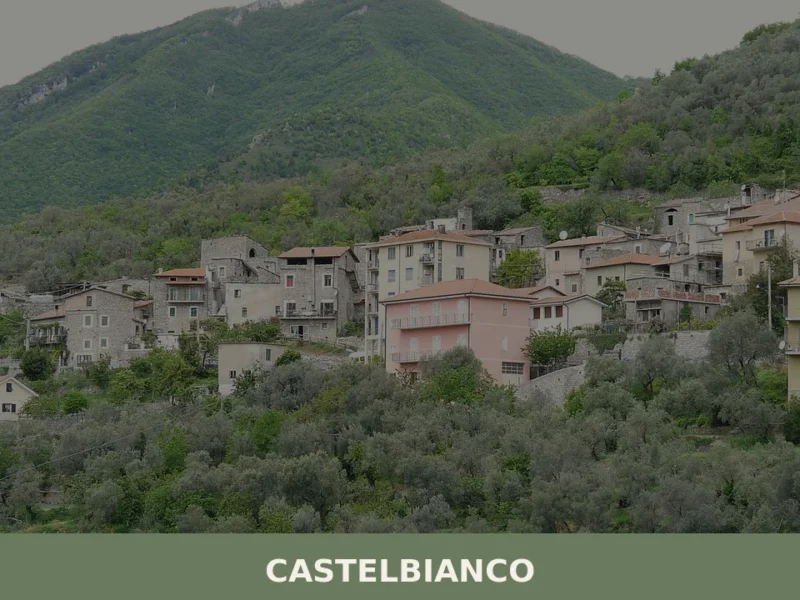
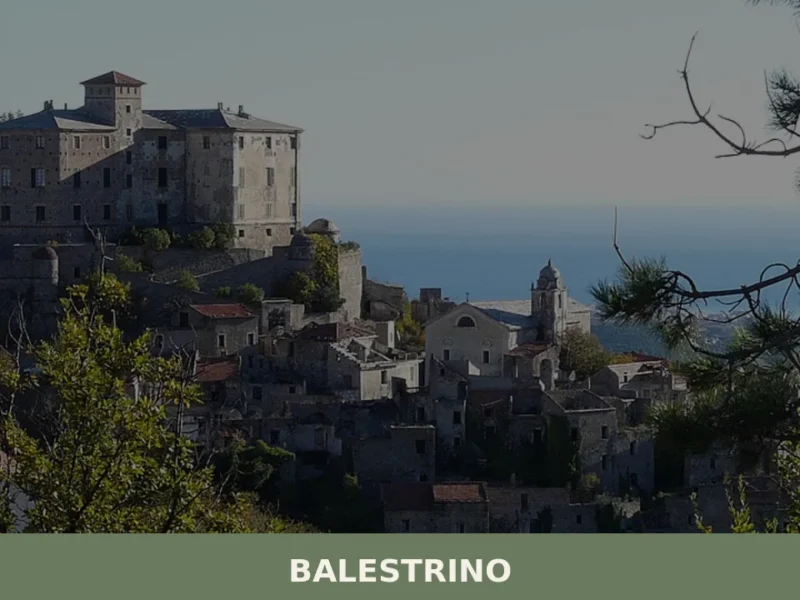
The mountain Rocca Barbena rises directly above the village and is accessible via trails departing from the settlement. These connect to a broader walking network linking Castelvecchio to neighbouring municipalities including Balestrino, Bardineto, Erli, Garessio, Toirano, and Zuccarello. The inland Ligurian Apennines here feature limestone outcrops and forested ridges typical of the area. The village also sits at the hub of the Wild Rock MTB trail network, managed by A.S.D. Castelvecchio Rockriders in partnership with Bardineto Outdoor, offering mountain bike routes across forested slopes and open ridgelines between the two municipalities.
Where to take the best photos in Castelvecchio di Rocca Barbena?
The most photogenic vantage points are the municipal approach roads, from which the Castello dei Clavesana is visible against the rocky promontory before the village itself comes into view — particularly effective in winter when vegetation is sparse. Within the village, the tight stone lanes below the castle compress centuries of layered masonry into short distances, offering strong architectural compositions. The summit of Rocca Barbena mountain, reached via trails from the village, provides elevated views across the inland Ligurian valleys and ridges that frame the settlement.
What can you do in Castelvecchio di Rocca Barbena? Activities and experiences
Hiking and mountain biking are the two main active pursuits. Walking trails connect the village to Rocca Barbena mountain and to neighbouring municipalities across the inland Apennines. The Wild Rock MTB network, managed by A.S.D. Castelvecchio Rockriders with partner Bardineto Outdoor, offers maintained trails through forested slopes and open ridgelines; spring and autumn are the recommended seasons for longer rides. The village's compact medieval layout is fully walkable in under 30 minutes, making it well suited to a combined cultural and outdoor day itinerary, potentially paired with the nearby certified village of Zuccarello.
Who is Castelvecchio di Rocca Barbena suitable for? Families, couples, hikers, solo travelers?
Castelvecchio di Rocca Barbena suits hikers and mountain bikers most directly, given the documented trail network around Rocca Barbena mountain and the Wild Rock MTB routes. History and architecture enthusiasts will find the Castello dei Clavesana and the intact medieval village fabric rewarding. Couples and slow-travel visitors drawn to uncrowded I Borghi più belli d'Italia destinations will appreciate the village's compactness and authenticity. Families with young children should note that the terrain is steep and the lanes are uneven stone. It is not a beach or resort destination; the appeal is entirely inland, mountain, and historical.
What to eat in Castelvecchio di Rocca Barbena? Local products and specialties
The culinary context is inland Ligurian, rooted in upland agriculture rather than coastal fishing. The area around the Province of Savona is associated with chestnut-based preparations, including farinata di castagne — a thick polenta-like dish made from chestnut flour — as well as dried legumes and olive oil from hardy terrace-cultivated varieties. These reflect centuries of mountain farming in the area. Given the village's size (166 inhabitants), dining options on-site are limited; visitors should verify current restaurant availability locally before planning a meal stop, and consider combining the visit with nearby larger centres.
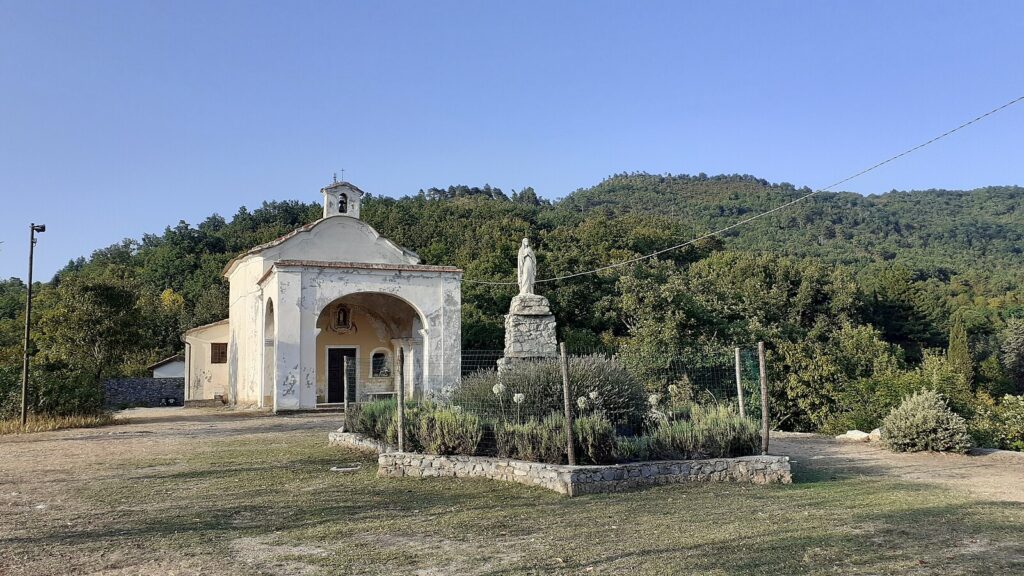
📷 Photo Gallery — Castelvecchio di Rocca Barbena
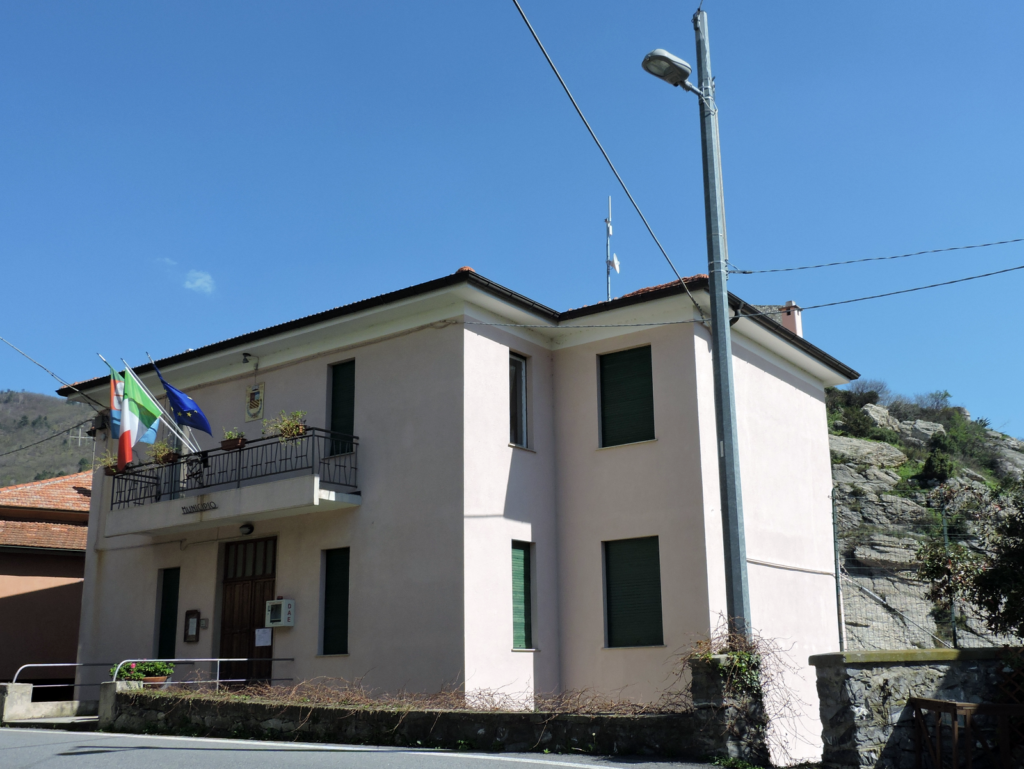
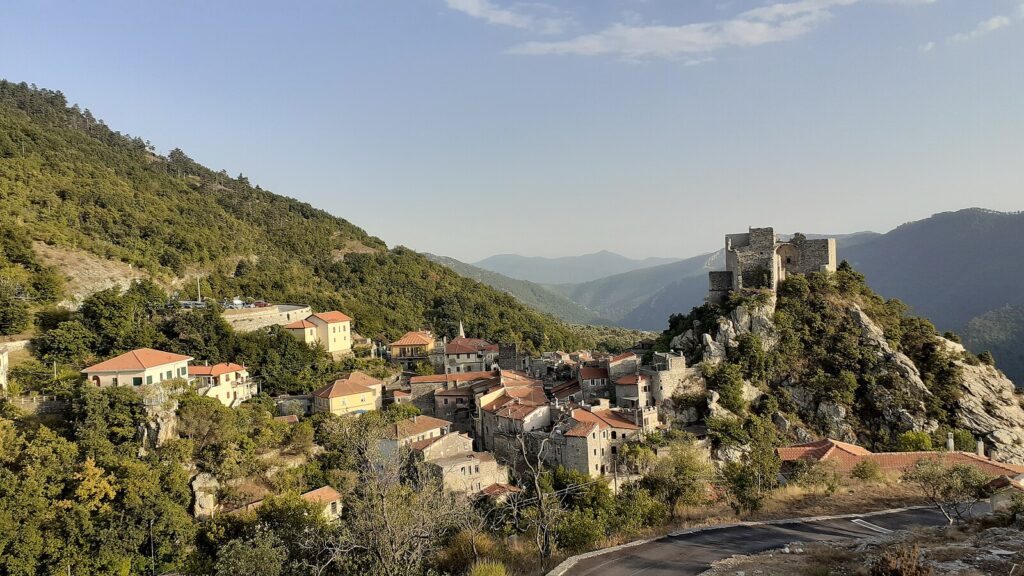
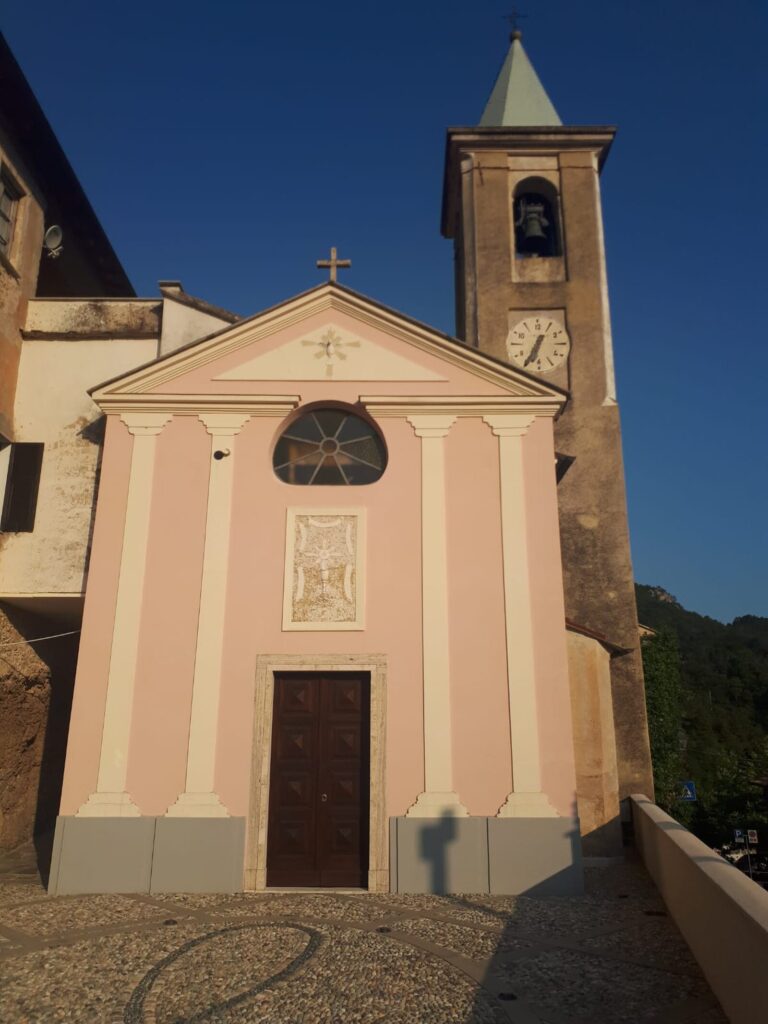
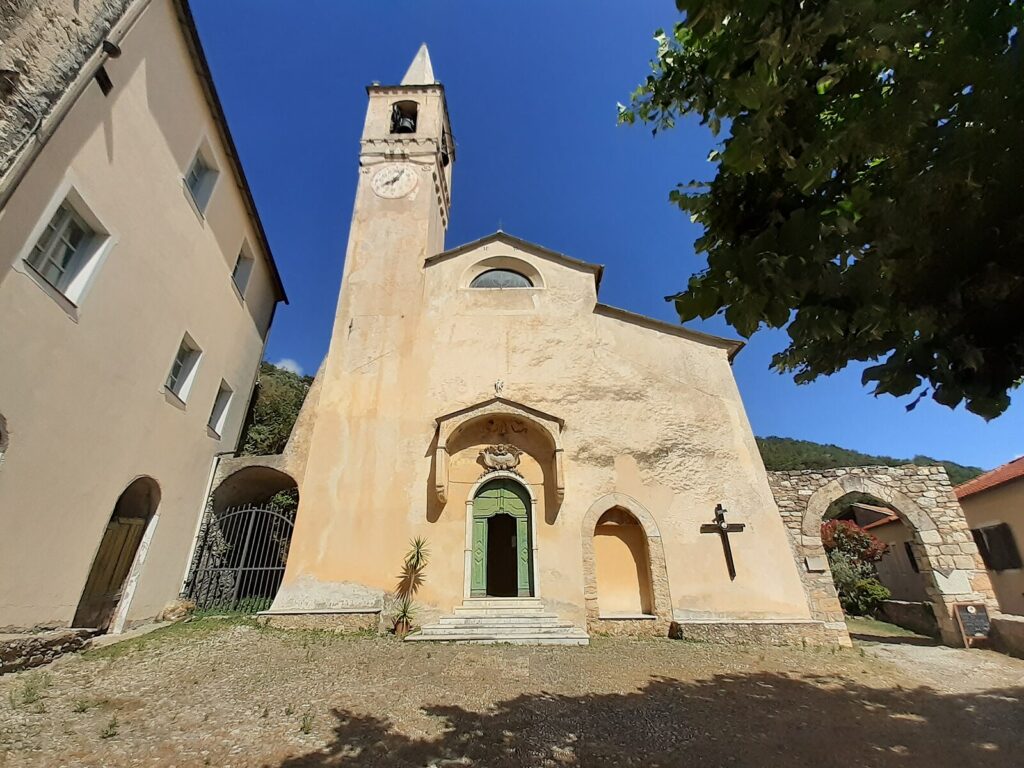
Nearby Villages near Castelvecchio di Rocca Barbena
In Liguria More villages to discover
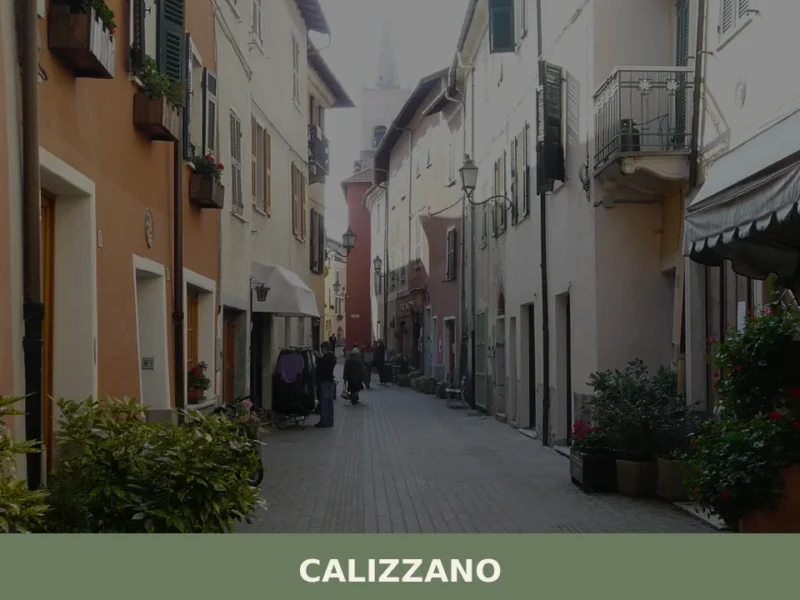
Calizzano
Mountain
What to see in Calizzano, Liguria, Italy: explore the upper Bormida Valley at 70 km from Genoa. Discover Monte Spinarda, local food and festivals. Read the guide.
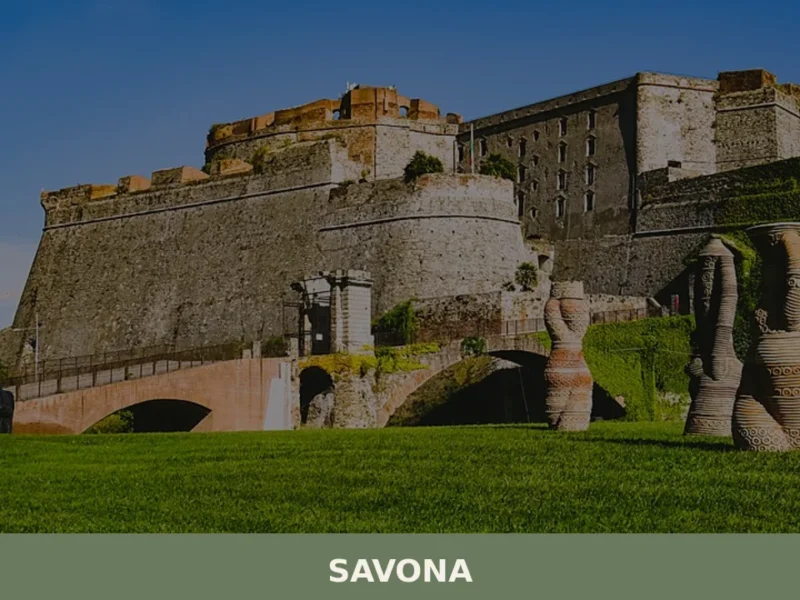
Savona
 Sea
Sea
A port town of 58,500 souls on Liguria's western coast, Savona bridges medieval urban fabric with centuries of maritime trade and religious devotion.
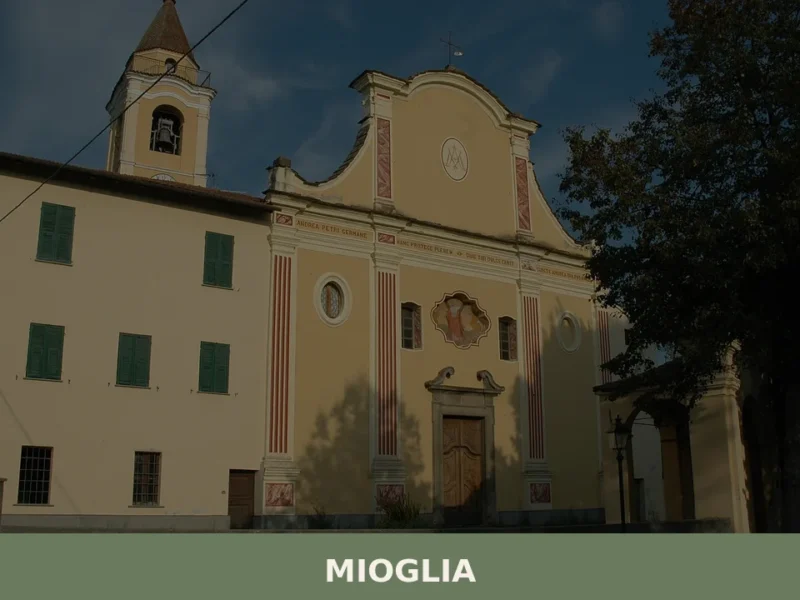
Mioglia
Mountain
What to see in Mioglia, Italy: a village of 538 inhabitants 40 km from Genoa. Discover top attractions, local food, festivals and how to get there.
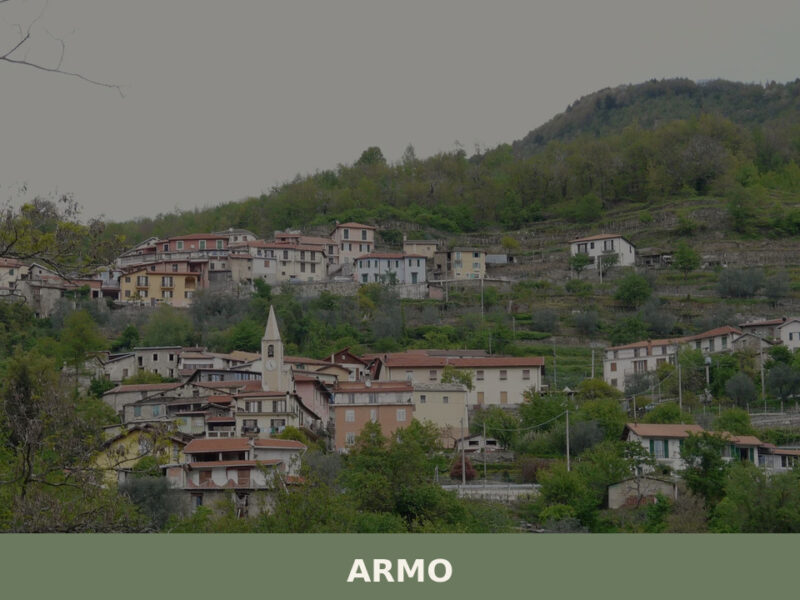
Armo
 Hills
Hills
Armo, a village of 120 inhabitants above the Petrace valley in Calabria, rewards visitors with stone lanes, ancient olive terraces, and Aspromonte trails.
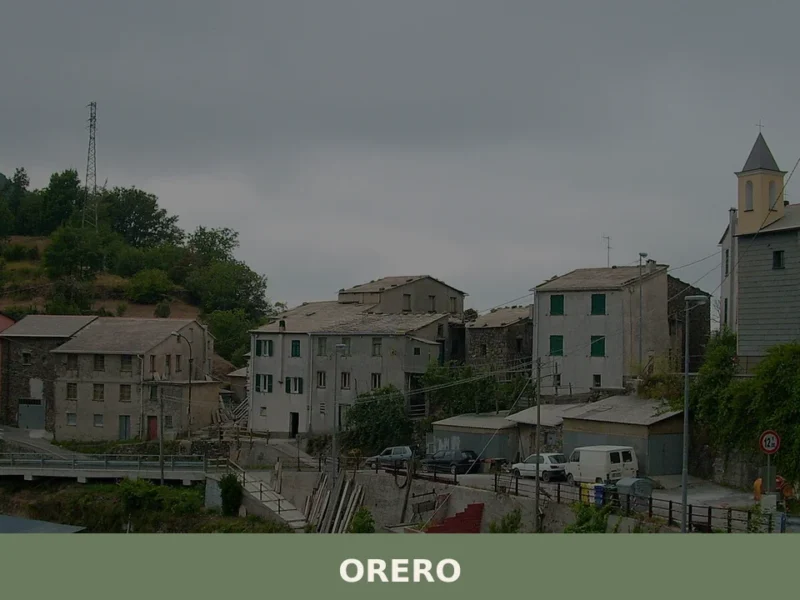
Orero
Mountain
What to see in Orero, Italy: Explore a Ligurian village at 400 m (1,312 ft) altitude. Discover the 17th-century Sant'Ambrogio Church and the autumn Chestnut Festival. Read our guide.
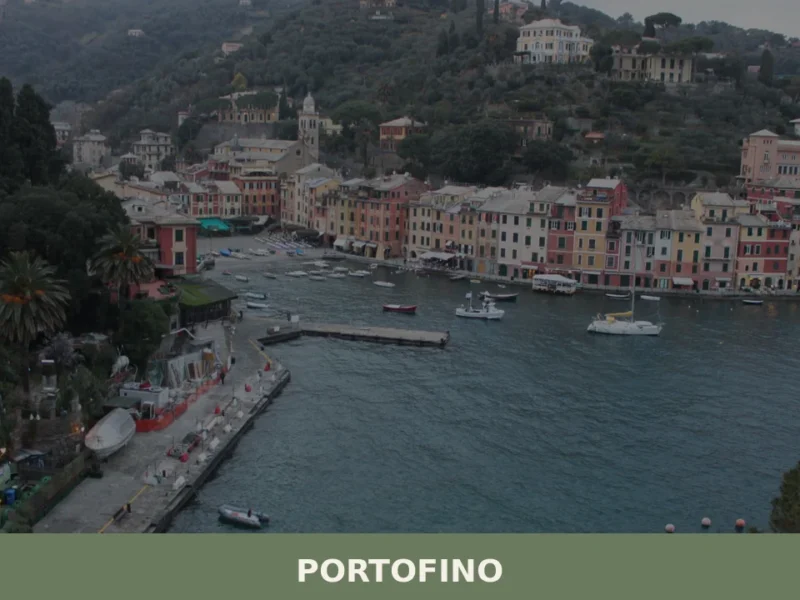
Portofino
Sea
Portofino has a population of 355 residents spread across a headland that descends to sea level. It is one of the smallest municipalities in Italy by population, yet its natural harbour appears in almost every historical guide to the Ligurian Riviera. Anyone looking into what to see in Portofino will find a compact collection of […]
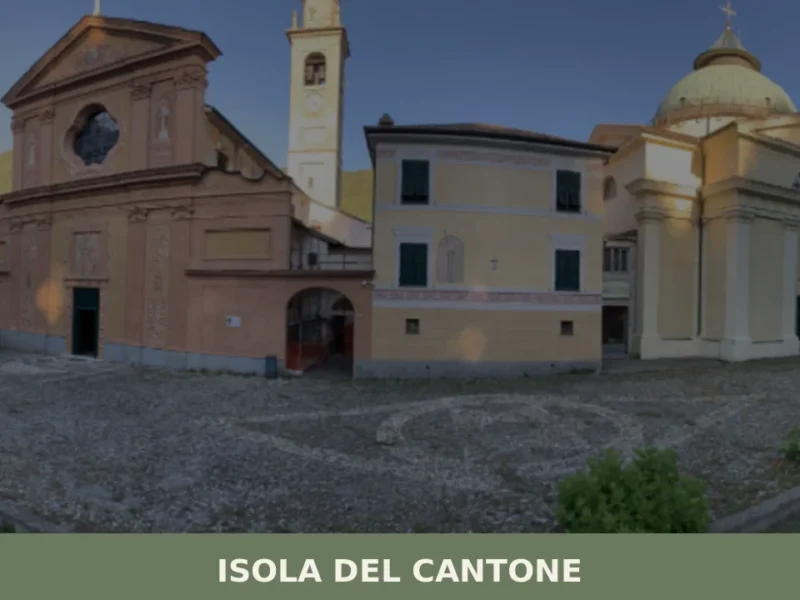
Isola del Cantone
Hills
what to see in isola del cantone (Genoa). Discover the Church of Saints Stephen and Innocent and the Old Bridge. Explore this village of 1385 inhabitants.
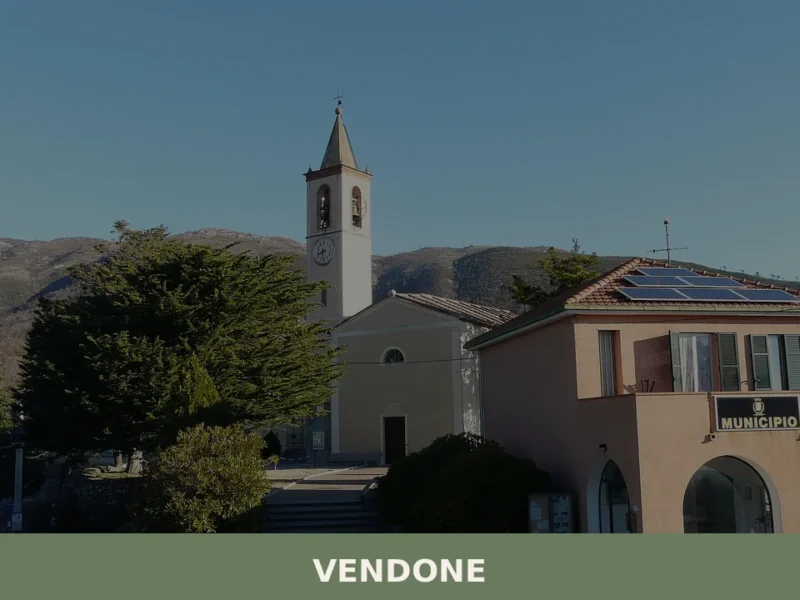
Vendone
Hills
What to see in Vendone, Liguria, Italy: 5 attractions, local food, festivals and how to get there. 401 inhabitants, 80 km from Genoa. Discover it now.
Crocefieschi
Mountain
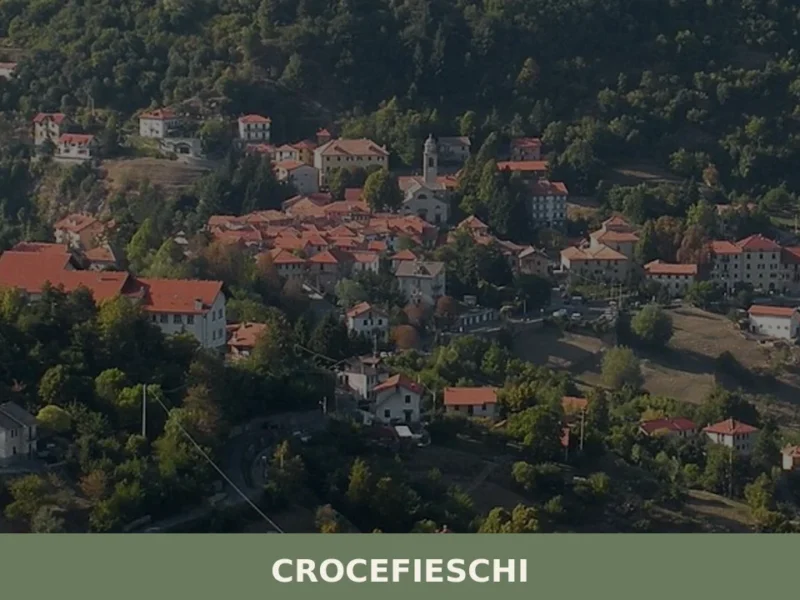
At 742 meters above sea level, in the heart of the Ligurian Apennines, lies Crocefieschi, a municipality in the province of Genoa with 518 inhabitants. Its geographical position makes it a reference point for those seeking significant altitudes in the Genoese hinterland, away from coastal dynamics. The village’s name, according to tradition, is said to […]
Tiglieto
Mountain
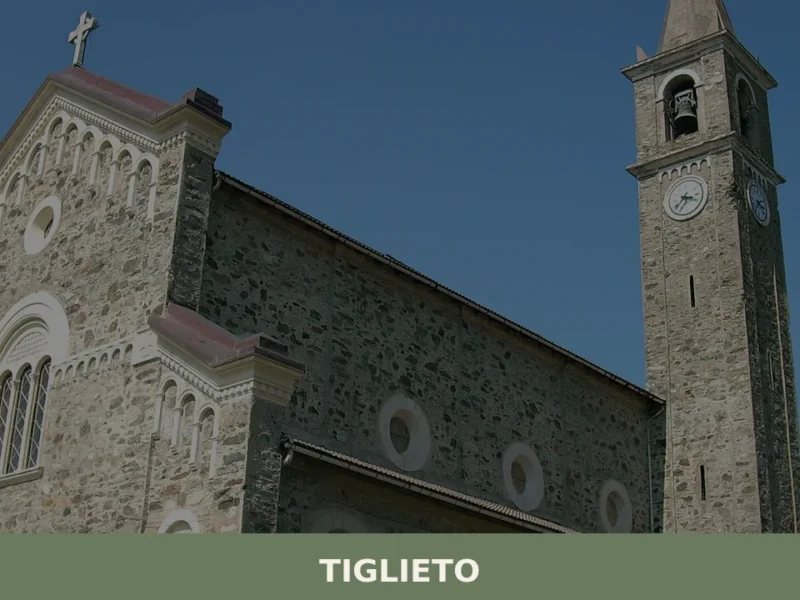
what to see in tiglieto: Explore Tiglieto, Italy, located 52 km (32 mi) from Genoa. Discover the historic Abbey and the Beigua Regional Park.

🏡 Know Castelvecchio di Rocca Barbena better than we do?
If you’re a local or have been there, your knowledge matters: add what’s missing or fix a detail on this page.