


Bajardo
 Mountain
What to see in Bajardo? Discover top 5 attractions at 910m, with historic ruins, stunning views, and trails. Plan your visit!
Discover Bajardo
The village of Bajardo, at 910 meters above sea level, appears as a compact cluster of stone houses clinging to a mountain ridge, dominating the valley below. The thin air carries the resinous scent of the surrounding woods, while the buildings, with their slate roofs, tell a story of resilience and adaptation to the Ligurian inland landscape.
This elevated position offers a wide perspective on the Maritime Alps and the coast, a visual contrast that defines the identity of the place.
Those wondering what to see in Bajardo will find a village that, with its 382 inhabitants, offers an authentic experience, far from the most beaten tourist paths, rich in history and panoramic views.
The main attractions include the evocative ruins of the parish church and the narrow alleys of its historic center, which invite exploration.
Bajardo answers the search intent of those looking for an immersion in a Ligurian mountain environment, amidst traditional architecture and natural glimpses.
History and Origins of Bajardo
The origins of Bajardo are rooted in a remote past, with hypotheses connecting it to pre-Roman Ligurian settlements and subsequently to Roman presences, given its strategic position controlling transit routes between the coast and the hinterland.
The very name of the village is a subject of debate among historians; some associate it with the medieval term “Baiulus,” indicating an administrative official, while others suggest a link to the legend of the horse Bayard, a symbol of strength and loyalty, perhaps introduced by local oral traditions.
The first documents attesting to Bajardo’s existence date back to the 12th century, a period when the village was already a settlement of considerable importance in the County of Ventimiglia, under the control of the Counts of Ventimiglia, one of the oldest and most powerful noble families of western Liguria.
During the Middle Ages, Bajardo developed as a fortified outpost, fundamental for territorial defense and the management of mountain resources.
Its history is closely intertwined with the events of medieval Liguria, characterized by continuous struggles for territorial control among the great regional powers, such as the Republic of Genoa and the Savoys, and local feudal families.
During the 13th century, Bajardo became part of the Republic of Genoa’s domains, which progressively extended its influence over much of Liguria, ensuring the village a period of relative stability and development.
The original fortifications, although today reduced to a few remains, testify to the military importance the village held in that historical context, serving as a bulwark against possible invasions or raids, including those by Saracens who periodically threatened the Ligurian coasts.
The most dramatic and significant event in Bajardo’s recent history occurred on February 23, 1887, when a violent earthquake struck western Liguria, causing severe destruction and numerous casualties.
The earthquake razed much of the village, including the ancient parish church of San Nicolò, whose ruins are still visible today as a warning and historical memory.
Bajardo’s reconstruction took place with great determination from the community, which rebuilt the houses and the new parish church, dedicated to San Nicola da Tolentino, a short distance from the original site.
This event shaped the current appearance of the village, which nevertheless retains its medieval urban layout, with its narrow alleys and stone houses, offering a tangible testament to the resilience of its inhabitants in the face of natural adversities, a distinctive trait also found in nearby villages such as Fontanigorda.
What to see in Bajardo: Main attractions
Ruins of the Old Church of San Nicolò
The ruins of the Old Church of San Nicolò represent the most eloquent symbol of Bajardo’s history and its resilience. Located at the top of the hill, at 910 m above sea level, these remains are what is left of the ancient parish church, destroyed by the earthquake of 1887. The original structure, documented since the 12th century, underwent various modifications and expansions over the centuries, reflecting different architectural phases and the needs of the community.
Today, the perimeter walls and the apse, still standing, draw a suggestive silhouette against the sky, offering a panoramic view that extends from the peaks of the Maritime Alps to the Ligurian Sea.
Visitors to Bajardo can perceive the past grandeur of this building and the drama of the earthquake that struck it.
The church was dedicated to San Nicolò, a variant of the name Saint Nicholas of Bari, the patron saint of the village.
The ruins, made of local stone, still show traces of ancient portals and windows, allowing one to imagine the original structure. The area surrounding the ruins has been subject to consolidation and enhancement interventions, making it accessible and safe for visitors. Climbing up to this point offers a unique perspective on the layout of the village and the surrounding landscape, an element that makes Bajardo a destination of interest for history and photography enthusiasts. The presence of these remains, laden with memory, invites reflection on the bond between man and nature, and on the community’s capacity for reconstruction.
Parish Church of San Nicola da Tolentino
A few steps from the ruins of the old parish church stands the Parish Church of San Nicola da Tolentino, built to replace the ancient building destroyed by the 1887 earthquake.
Its construction, which began immediately after the earthquake, testifies to the Bajardo community’s desire to be reborn and to have a new place of worship. The church’s architecture, while respecting traditional Ligurian lines, features elements typical of the Neo-Romanesque and Neo-Gothic styles, widespread in religious building at the time. Its stone facades, with brick details, integrate harmoniously into the urban context of the village, yet stand out for their imposing presence.
The interior, divided into naves, houses wooden altars and works of art that reflect local devotion.
The dedication to San Nicola da Tolentino, a 13th-century Augustinian saint, is a distinctive element of this new construction, although the historical patron saint of the village remains Saint Nicholas of Bari.
The bell tower, about 25 meters high, stands out on the village skyline, serving as a visual landmark for those approaching Bajardo.
Inside, visitors can admire the polychrome stained-glass windows that filter the light, creating a serene and meditative atmosphere, and the numerous votive statues. The church is the beating heart of the village’s religious and social life, hosting community celebrations and events, keeping the spirituality of the place alive. It is a significant example of post-earthquake architecture, combining functionality and artistic value.
The Old Village and the Carrugi
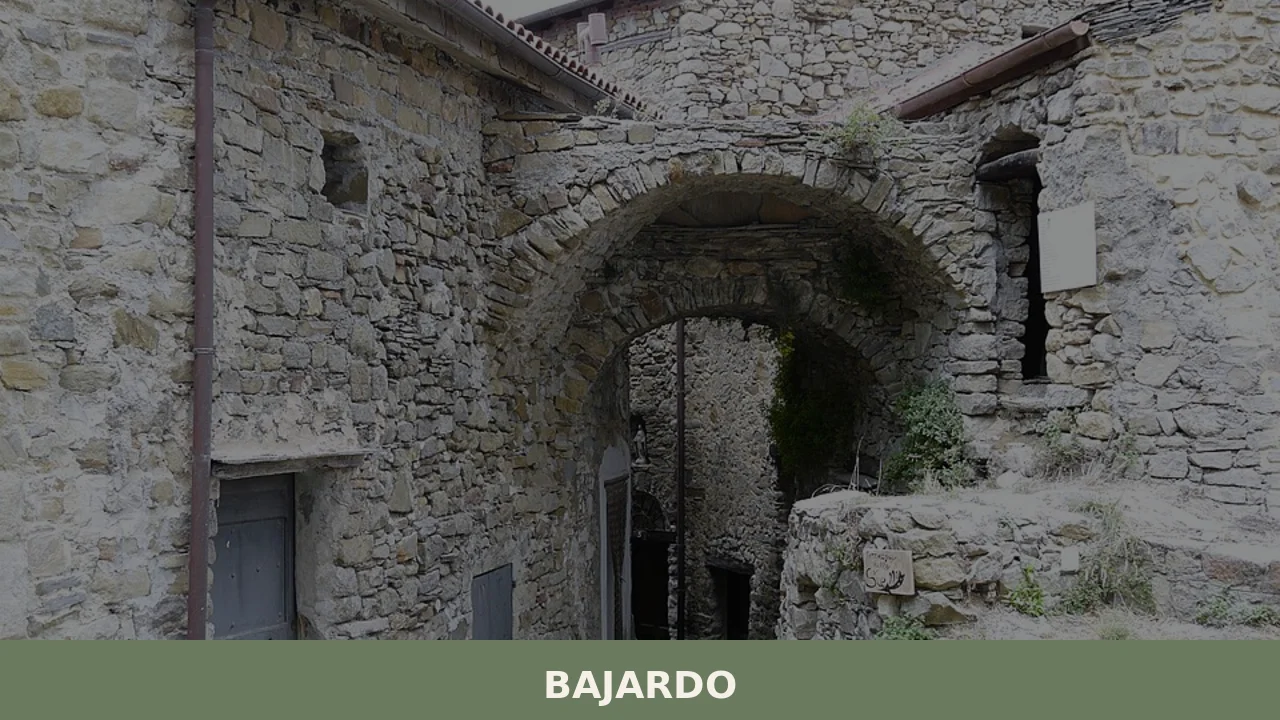
Bajardo’s old village unfolds through an intricate labyrinth of “carrugi,” the typical narrow and winding Ligurian streets, which wind between stone houses dating back to different eras. These narrow streets, often covered by vaults and arches, create an atmosphere of intimacy and mystery, protecting from the summer sun and winter wind.
The houses, built with local stone, feature sober and robust facades, with small windows and wooden portals, preserving the traditional appearance of Ligurian mountain villages.
Walking through the carrugi means taking a real journey back in time, discovering hidden corners and unexpected glimpses that reveal the history and habits of its inhabitants.
The urban structure of the village is an example of adaptation to the steep terrain, with houses developing upwards and leaning against each other, forming a single compact mass.
This defensive conformation is typical of many Ligurian villages, designed to resist external incursions and to optimize available space. Walking around, one can notice architectural details such as carved stone doorframes, votive niches, and small hanging gardens that adorn the walls.
Bajardo’s historic center, with its authenticity, offers a perspective on a lifestyle that, while evolving, maintains a strong connection with the past and the surrounding environment.
Exploring these alleys is an unmissable activity for anyone who wants to discover what to see in Bajardo beyond its most famous attractions.
Belvedere and Piazza d’Armi
Bajardo’s Belvedere, often identified with the historic Piazza d’Armi, is a panoramic viewpoint that offers one of the most spectacular views of the entire Western Liguria. Situated in a strategic position, it was formerly a place of ra
This open space is a focal point for the social life of the village, sometimes hosting small events or gatherings. The stone paving and the presence of a low perimeter wall, which acts as a parapet, further enhance the visual experience. The distance from the coast, about 20 kilometers as the crow flies, allows one to appreciate the transition between the mountain and marine landscape, a unique characteristic of Liguria.
Those who venture to this viewpoint can capture evocative panoramas, which change color with the seasons and hours of the day, confirming the importance of visiting Bajardo for its views.
This is a place that embodies the theme of “mountain” and offers a clear answer to those looking for what to see in Bajardo from an elevated perspective.
Trails through the Woods of Bajardo
Bajardo is surrounded by an extensive network of trails that delve into dense forests of chestnut, oak, and beech trees, offering opportunities for hikes and nature walks.
Its position at 910 m above sea level makes it an ideal starting point for exploring the Ligurian Prealps and enjoying the biodiversity of the mountain environment. One of the most well-known routes leads towards Monte Ceppo, reachable with an elevation gain of about 700 meters, from which further panoramas open up. These trails, once used by shepherds and lumberjacks, are now well-marked and suitable for various difficulty levels, from shorter, more relaxing walks to more challenging treks.
Along the routes, visitors can encounter ancient water mills, ruins of rural settlements, and natural springs, testaments to an economy linked to the forest and mountain agriculture.
The flora and fauna are rich and varied, with the possibility of spotting roe deer, wild boars, and various bird species. During autumn, the woods are tinged with warm colors and offer the opportunity to collect mushrooms and chestnuts, respecting local regulations. Trail maps are often available at the municipal information office, allowing visitors to plan the most suitable itinerary for their needs.
Hiking is an excellent way to discover the nature surrounding Bajardo and to appreciate the tranquility of the landscape, far from the city hustle and bustle.
Typical Cuisine and Products of Bajardo
The gastronomic tradition of Bajardo, like that of many villages in the Ligurian hinterland, is strongly influenced by its mountainous location and the availability of local products.
The cuisine is based on simple yet flavorful ingredients, often derived from foraging in the woods and farming, with a strong connection to the seasons. Despite its proximity to the sea, the flavors of the land prevail, with a skillful use of wild aromatic herbs, mushrooms, and chestnuts, which are fundamental elements of the local diet.
This cuisine reflects the history and rural culture of the area, where frugality combines with creativity in transforming a few ingredients into tasty and nutritious dishes.
Among the typical dishes that can be savored in Bajardo and its surroundings, preparations based on chestnut flour stand out, used for desserts and polenta, and first courses such as borage ravioli or gnocchi with pesto, which here takes on a more robust flavor thanks to local extra virgin olive oil.
Seasonal vegetable soups are also common, as are porcini mushrooms, which feature prominently in risottos and side dishes, especially in autumn.
Wild boar or roe deer meat, often stewed or served with polenta, is another pillar of Ligurian mountain gastronomy. Focaccia, in its more rustic and crispy version, is also always present, often enriched with olives or onions, as can also be found in Lumarzo.
Currently, there are no specific certified products (DOP, IGP, PAT) for the Bajardo area in the database. However, local production is distinguished by the artisanal quality of fresh and aged cheeses, often made from goat’s or sheep’s milk, sourced from small farms.
Even extra virgin olive oil, while not having a specific certification for the municipality of Bajardo, is an excellent product of the Ligurian territory, with cultivars like Taggiasca yielding a delicate and fruity oil.
High-mountain honey, with its floral and aromatic notes, and wild berry jams can also be found, all products that reflect the natural richness of the surrounding environment.
These products, although not certified, are an integral part of the local gastronomic offer and can be purchased directly from producers or in small village shops.
Festivals, Events, and Traditions of Bajardo
Life in Bajardo is marked by traditions and celebrations rooted in its history and the community’s religious devotion. The most significant event on the calendar is the feast of the patron saint, Saint Nicholas of Bari, celebrated on December 6th.
This occasion is a moment of deep spirituality and gathering for the inhabitants, who participate in the solemn mass at the Church of San Nicola da Tolentino and, when weather conditions permit, in a procession through the village streets.
The festival is often accompanied by convivial moments, with the preparation of traditional sweets and the sharing of meals, strengthening the sense of belonging and the memory of common roots.
In addition to the patron saint’s feast, Bajardo hosts other small events throughout the year that highlight local traditions.
Although there are no specific documented festivals for certified products, the village often participates in initiatives that promote the flavors of the Ligurian hinterland, with markets for agricultural and artisanal products, especially in the summer months when the climate is milder and the village welcomes more visitors. These occasions offer the opportunity to discover local craftsmanship and savor typical mountain products, helping to keep Bajardo’s cultural identity alive.
Such events, despite their simplicity, are fundamental for the community and for visitors seeking an authentic experience in the heart of mountainous Liguria.
When to Visit Bajardo and How to Get There
The best time to visit Bajardo depends on personal preferences and the type of experience sought.
Spring and autumn offer a mild climate, ideal for excursions along the surrounding trails and for enjoying the views without the summer heat or winter cold. In spring, the woods are filled with blossoms and the landscape appears in all its freshness, while autumn offers warm colors and the opportunity to participate in mushroom and chestnut gathering.
Summer, from June to September, is perfect for those seeking cooler temperatures compared to the coast and wishing to escape the crowds, while still enjoying long, sunny days suitable for walks and outdoor activities. Winter, though more rigid, can offer very suggestive snowy landscapes for those who love tranquility and the beauty of the mountains.
Reaching Bajardo requires the use of a car, as the village is located in a mountain area not directly served by frequent public transport.
For those coming from outside the region, the A10 motorway (Genoa-Ventimiglia) is the main access point.
The recommended exit is Arma di Taggia or Sanremo Ovest, from which you continue along provincial roads that climb inland for about 20-25 kilometers. These roads, while scenic, feature curves and hairpin bends typical of mountain routes.
The nearest train station is Taggia-Arma, on the Genoa-Ventimiglia line, from which it is then possible to rent a car or use taxi services. The most convenient airport is Nice Côte d’Azur Airport (France), about 70 km away, or Genoa Cristoforo Colombo Airport, about 150 km away.
It is always advisable to check transport schedules and road conditions on the official website of the Municipality of Bajardo or on dedicated transport portals, such as Trenitalia for train connections.
| Starting Point | Distance | Estimated Time |
|---|---|---|
| Arma di Taggia (A10 exit) | 25 km | 40 min |
| Sanremo Ovest (A10 exit) | 20 km | 35 min |
| Genoa (A10) | 150 km | 2 hours 30 min |
Where to Stay in Bajardo
Bajardo, with its tranquil atmosphere and untouched nature, offers some solutions for those wishing to stay directly in the village or its immediate vicinity.
Accommodation options are mainly concentrated in small family-run establishments, such as guesthouses and bed & breakfasts, which blend harmoniously with the ancient stone houses of the historic center. These accommodations offer an authentic experience, allowing visitors to fully immerse themselves in the daily life of the village and enjoy local hospitality.
Rooms are often furnished in a rustic style, reflecting mountain tradition, while ensuring comfort and essential services.
For those seeking a more direct contact with nature, agritourism farms can be found in the surrounding countryside, offering accommodation and, in some cases, dining with products from their own land.
These structures are ideal for families or for those who desire a holiday focused on relaxation and outdoor activities. It is advisable to book in advance, especially during high season, given the limited availability of beds.
For detailed information on accommodation facilities and to check availability, you can consult the official website of the Municipality of Bajardo, which provides contacts and useful information for organizing your stay.
Those visiting Bajardo can extend their itinerary to other charming Ligurian villages, such as Balestrino, known for its castle and abandoned village, which offers a historical and landscape contrast.
Alternatively, one can descend to the coast to visit Savona, a port city with a rich maritime history and a lively historic center.
Nearby Villages near Bajardo
In Liguria More villages to discover
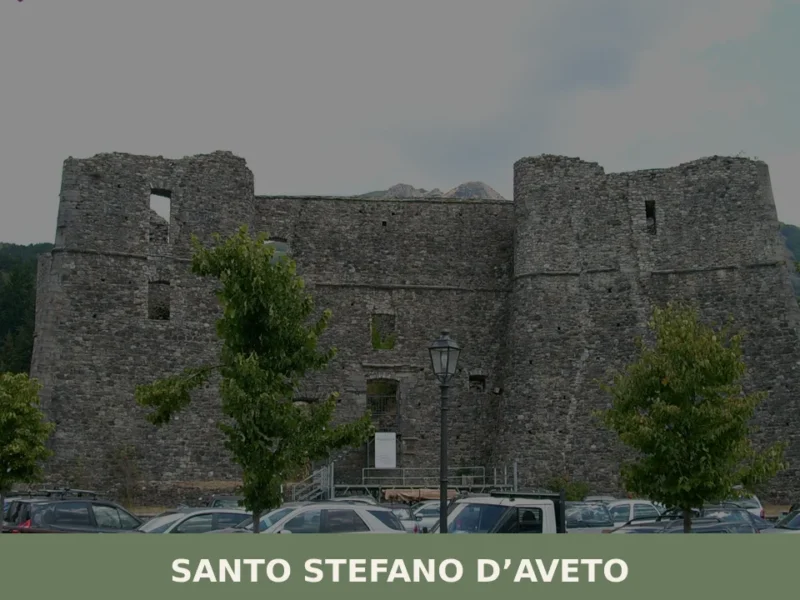
Santo Stefano d’Aveto
Mountain
What to see in Santo Stefano d'Aveto? Discover the castle, hikes, and nearby villages with our complete guide to the Ligurian hinterland. Plan your trip now!
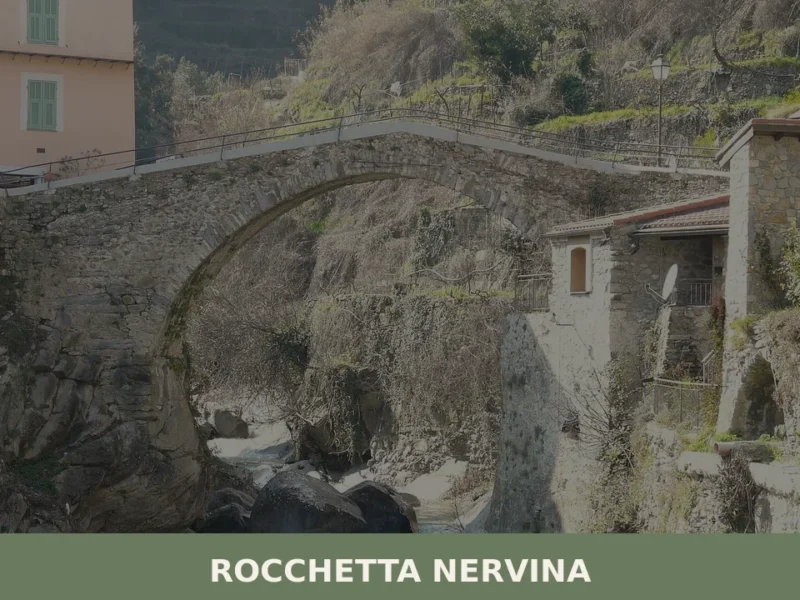
Rocchetta Nervina
Mountain
What to see in Rocchetta Nervina, Italy: discover the village (population 275) near the Ligurian Alps Regional Park. Explore its unique location bordering France and the Barbaira stream.
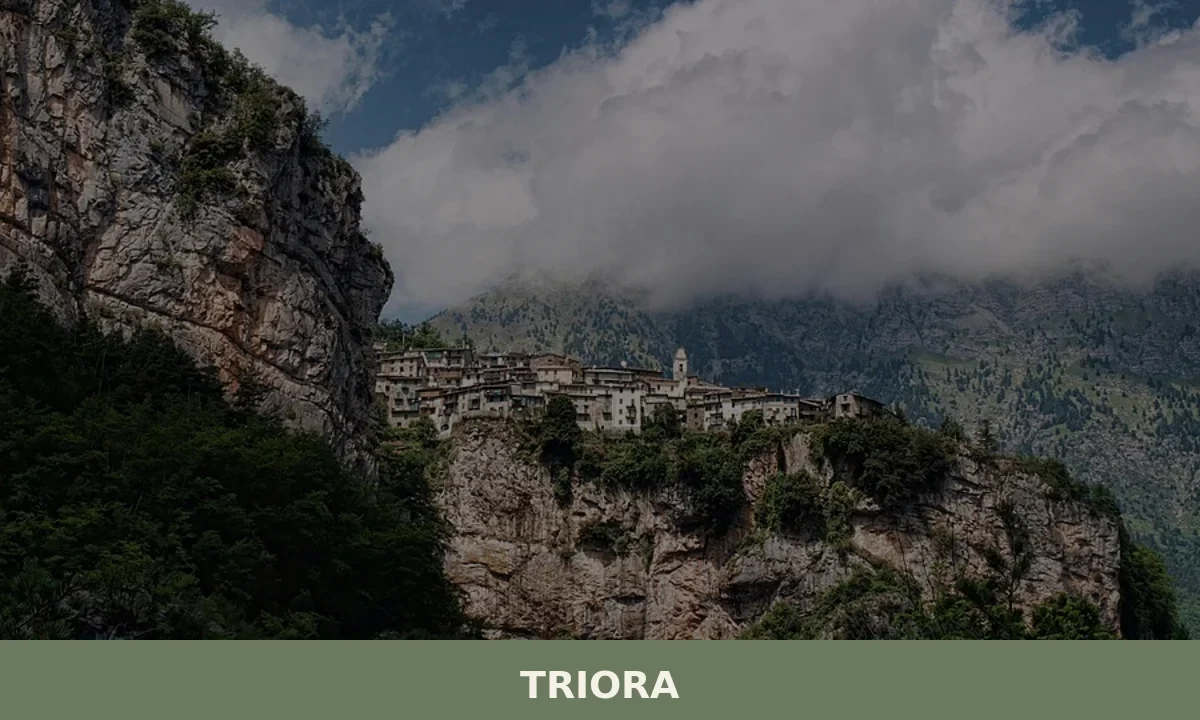
Triora
Mountain
what to see in triora, Italy: Explore this historic village, home to 416 residents, and discover its ancient witch trials history and vibrant August festival. Plan your visit today.
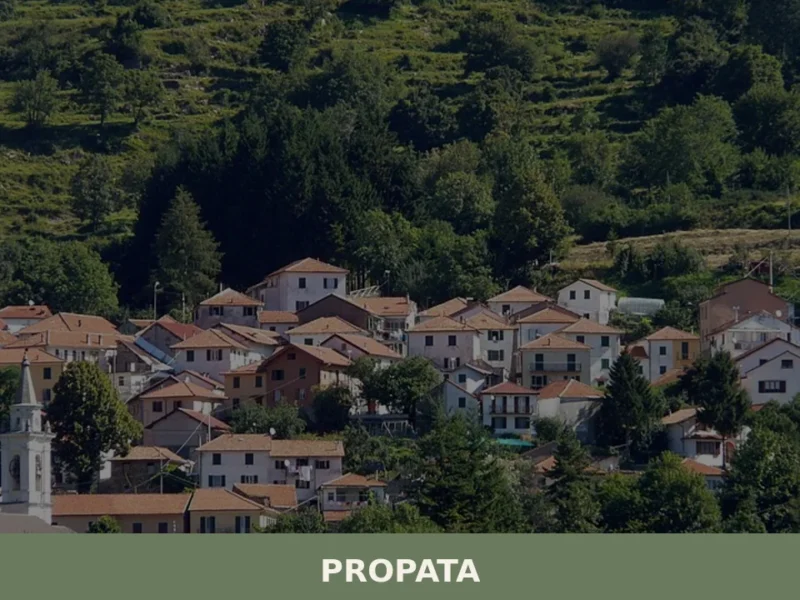
Propata
Mountain
What to see in Propata, Italy: Discover the parish church and its Maragliano statue in this Ligurian village of 156 inhabitants. Explore its history.
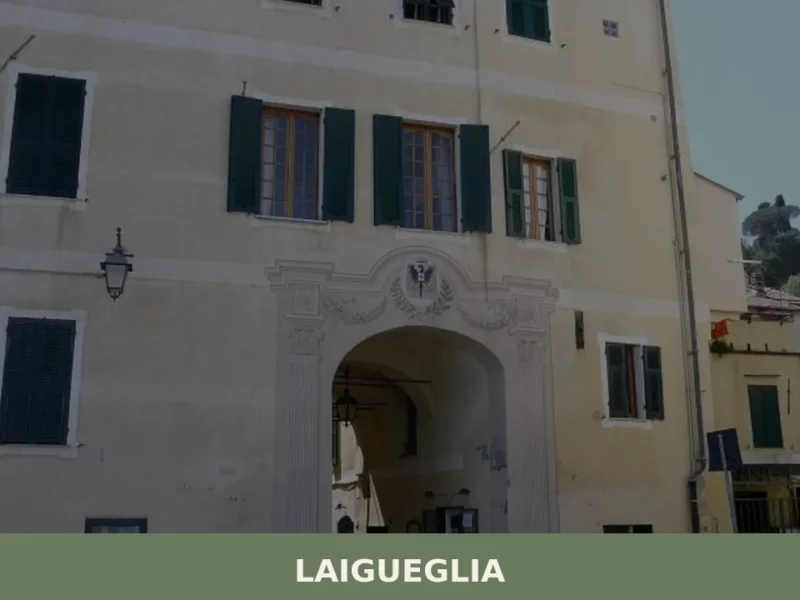
Laigueglia
 Sea
Sea
What to see in Laigueglia, Italy: explore 5 top attractions, local food, and festivals in this Ligurian coastal village of 1,738 inhabitants. Discover the guide.
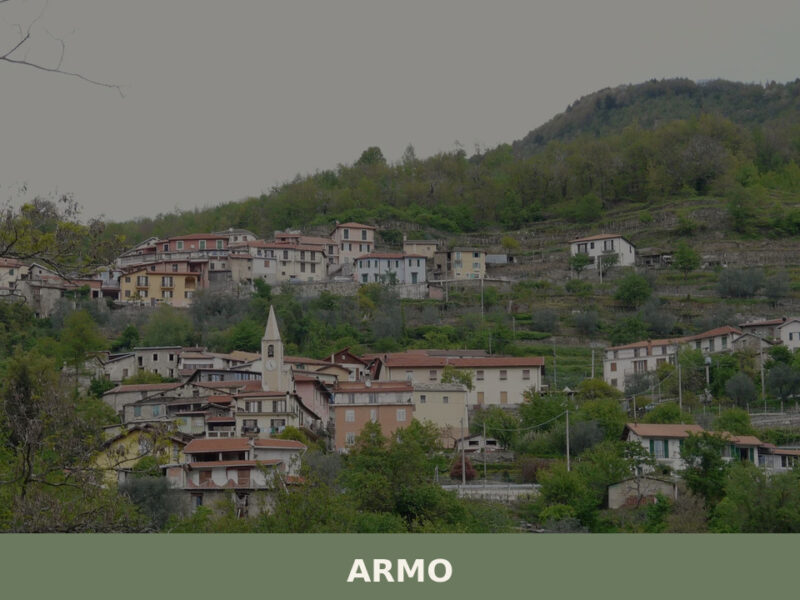
Armo
 Hills
Hills
Armo, a village of 120 inhabitants above the Petrace valley in Calabria, rewards visitors with stone lanes, ancient olive terraces, and Aspromonte trails.
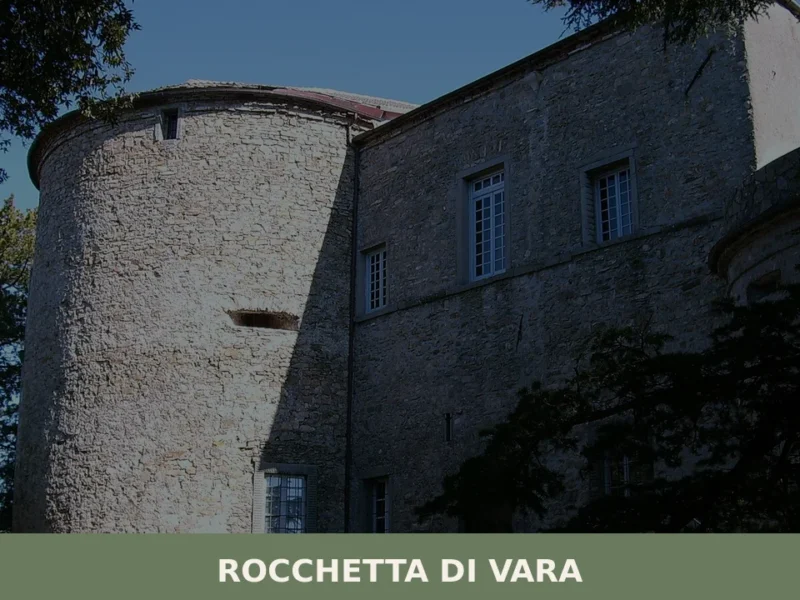
Rocchetta di Vara
Mountain
What to see in Rocchetta di Vara, Italy: 752 inhabitants, 70 km from Genoa. Discover top attractions, local food and how to get there. Complete guide.
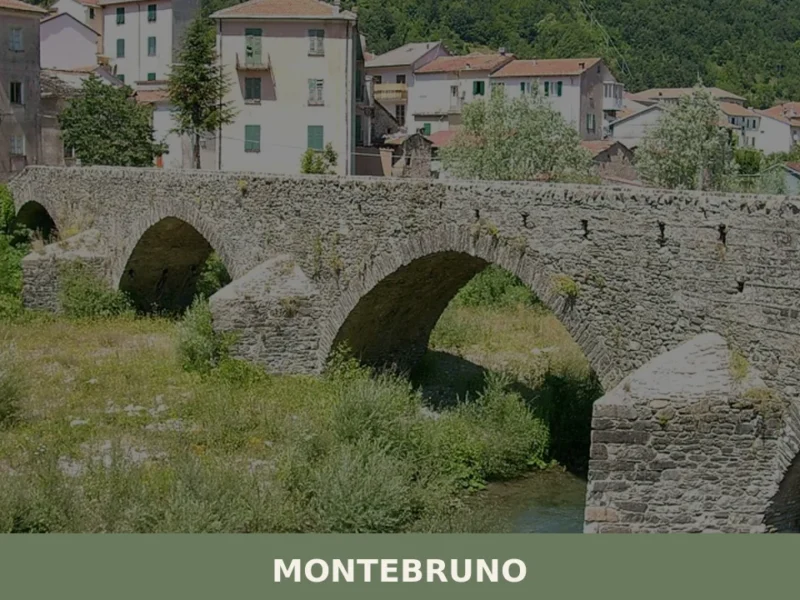
Montebruno
Mountain
What to see in Montebruno, Italy: a mountain village at 655 m (2,149 ft) near Genoa. Discover the Marian sanctuary, Antola park trails and the 8 September feast.
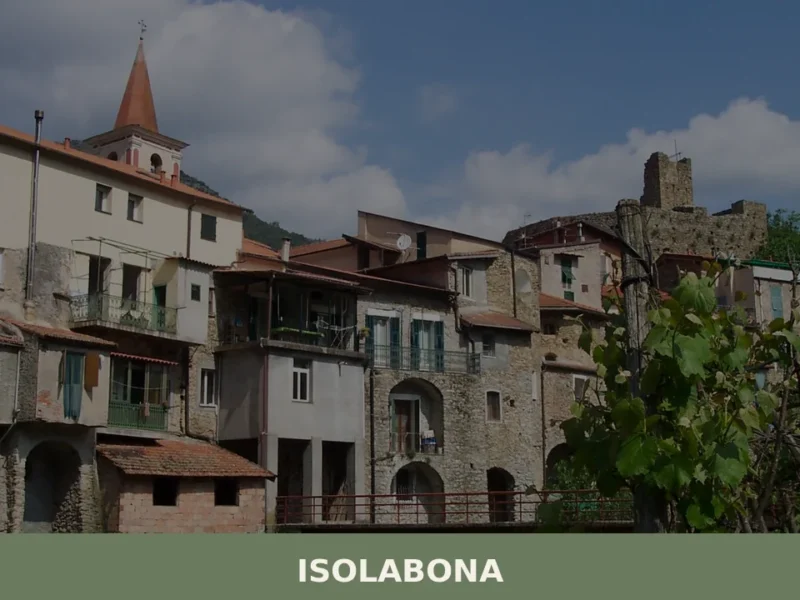
Isolabona
Mountain
What to see in Isolabona, Liguria, Italy: explore a village of 674 people set 30 km from Imperia. Discover top attractions, local food, and how to get there.
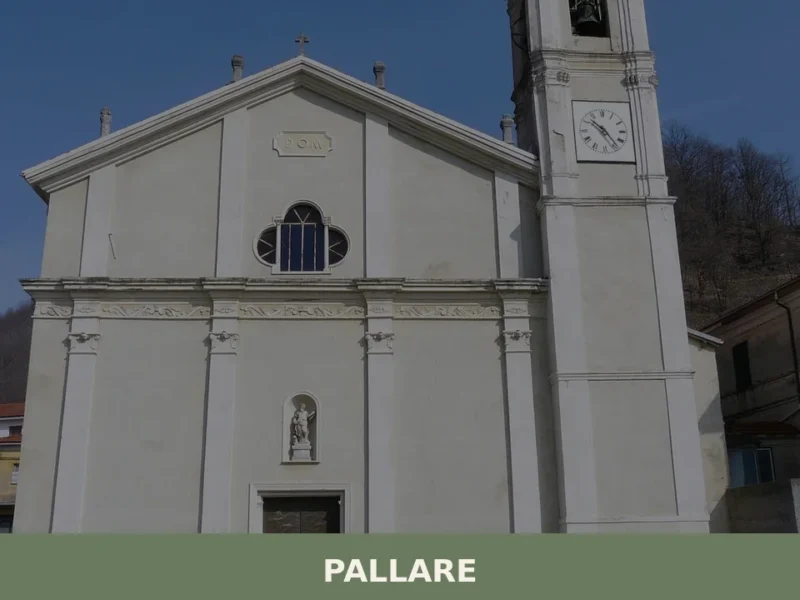
Pallare
Mountain
what to see in pallare: Explore this Ligurian comune, 15 km from Savona, Italy. Discover its geographical context and accessibility. Read our guide.






🏡 Know Bajardo better than we do?
If you’re a local or have been there, your knowledge matters: add what’s missing or fix a detail on this page.