


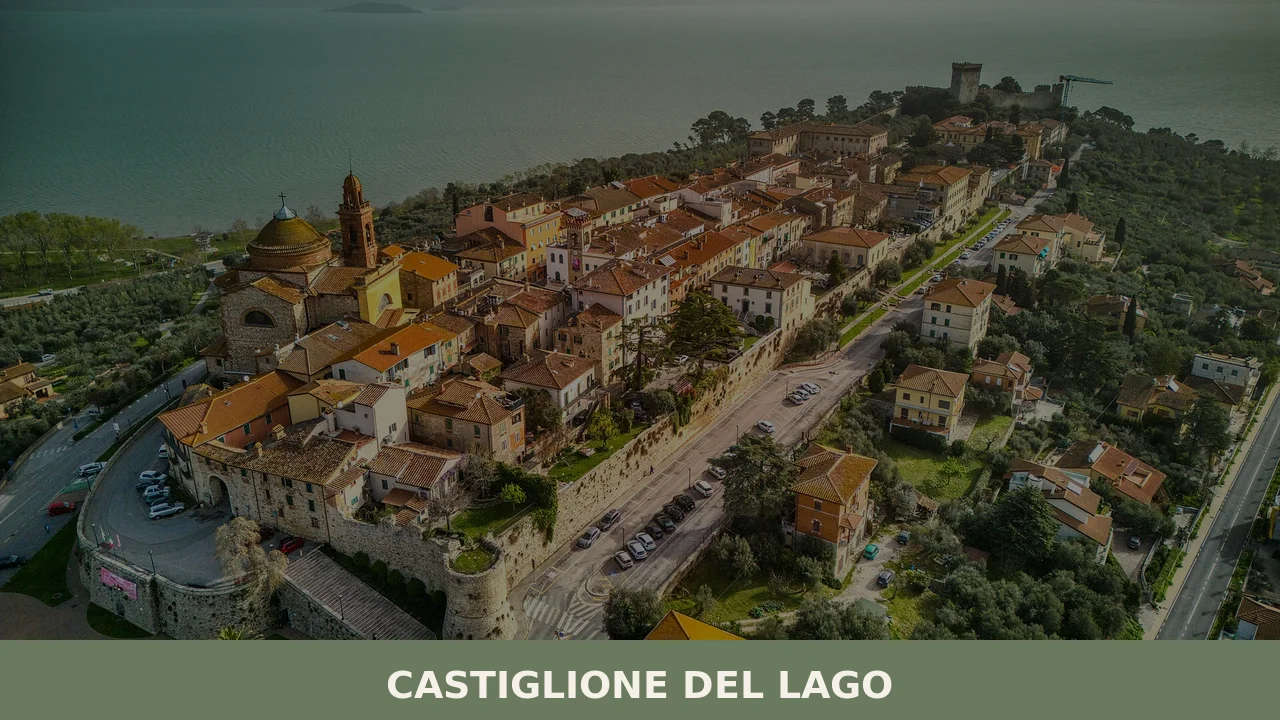
Castiglione del Lago
 Hills
Hills
 Lake
Lake
What to see in Castiglione del Lago, Umbria, Italy: explore a fortress, a frescoed palace, and Lake Trasimeno from 304 m altitude. Discover top things to do.
Discover Castiglione del Lago
A triangular keep rises more than 30 metres (98 ft) above the rooftops of Castiglione del Lago, and from its summit the full basin of Lake Trasimeno spreads east and north, ringed by the hills of the Perugian and Aretine zones.
The town itself sits on a low hill that in antiquity was a separate island — the fourth island of the lake — before a strip of water gradually silted over and connected it to the western shore.
At 304 m (997 ft) above sea level and home to 15,565 inhabitants, the settlement has been continuously occupied since the 6th century BC, when Etruscans from nearby Clusium first built here.
Knowing what to see in Castiglione del Lago means understanding that the town concentrates a remarkable density of documented monuments within a compact medieval perimeter.
Visitors to Castiglione del Lago find a fortified polygon of walls enclosing a 16th-century frescoed palace, a pentagonal fortress with four corner towers, two distinct churches with works attributed to the school of Giotto and the Perugian school, and the archaeological traces of an Etruscan necropolis.
The altitude, the lake views, and the historical layering from Etruscan to Papal periods make the town one of the most substantive destinations in the province of Perugia.
History of Castiglione del Lago
The first documented presence here dates to the 6th century BC, when Etruscans from Clusium — the city now known as Chiusi, located 21 km (13 mi) to the southwest — established a settlement they called Clusium Novum, meaning the new Clusium.
The site’s importance is confirmed by physical evidence: a large necropolis in the Vaiano district and a second burial ground discovered near Villastrada, at a location called the Comunaglie di Cimbano, where excavations yielded vases, weapons, bronzes, sarcophagi, and objects of Etruscan craft.
The borderland position of the hill — between Etruscan and later Roman spheres — made it a recurrent site of conflict from its earliest centuries. The name evolved progressively from Clusium Novum to Castiglione Chiusino and eventually to Castiglione del Lago, the designation that reflects its position on the western shore of the lake rather than its Etruscan founders.
The medieval period transformed the settlement’s political identity repeatedly.
In the early Middle Ages, Lake Trasimeno formed the administrative boundary between Lombard and Byzantine territories; the Byzantines constructed a large church on the former Etruscan acropolis, dedicating it to Saints James and Philip. In 996, Emperor Otto III transferred Castiglione to Hugh, Margrave of Tuscany. The 11th and 12th centuries brought further destruction: Henry IV burned it in 1091, and in 1187 the Perugians obtained it by grant of Abbot Hugh, though they had to reconquer it against local resistance.
Pope Innocent III confirmed Perugian authority in 1212, but the town remained contested by Cortona, Orvieto, and Arezzo across the following decades.
The mid-13th century brought a structural transformation when Emperor Frederick II ordered construction of the large walls that still encircle the older urban core. Control continued to shift between the Church and various city-states through the 14th century, with the Oddi family — expelled from Perugia by the Baglioni — briefly finding refuge within the walls before being forced to withdraw.
The early modern period defined the visual character that visitors encounter today.
In 1515, Pope Leo X passed through Castiglione del Lago while travelling the Chiusian route from Rome to Florence, confirming the town’s position on a primary inter-regional corridor linking Tuscany with Perugia. The pivotal shift came in 1550, when Pope Julius III granted the territory to his sister Jacoma and his nephews Ascanio della Corgna. Construction of the Palazzo della Corgna began in 1563, and in 1616 Pope Paul V elevated the fief to a duchy in favour of Fulvio della Corgna.
The della Corgna family — first as marquises, then as dukes — ruled until 1647.
During their tenure, the town centre was restructured with houses aligned along two parallel main streets, an urban layout that has remained substantially unchanged.
After a failed siege in 1643 and accusations of secret dealings with enemy forces, the della Corgna lost their rights and Castiglione was absorbed into the Papal State, a condition that persisted until 19 October 1860, when the town voted to join the newly unified Italian state.
What to see in Castiglione del Lago, Umbria: top attractions
Rocca del Leone
The fortress takes an irregular pentagonal form, with merlature guelfe — Guelph-style crenellations — running along the perimeter walls and four towers anchoring the main corners. Inside the walls, a triangular keep stands more than 30 metres (98 ft) high and served as the final defensive point during sieges. Work on the structure began in the early 12th century during the reign of Frederick II of Swabia, as part of a broader defensive network crossing central Italy.
In 1297, Perugian magistrates formalised the creation of the Rocca within the existing castle area; further work in the 14th century was carried out by Friar Elia Coppi of Cortona and the Sienese architect Lorenzo Maitani.
In 1554, Ascanio I della Corgna replaced two of the original towers with cylindrical bastions designed to resist artillery — one of the earliest such adaptations in the region.
The tower now functions as a viewpoint over Lake Trasimeno, its islands, and the surrounding hills; it is worth climbing to the upper level in the late afternoon, when the light across the water is most clearly differentiated.
Palazzo della Corgna
The palace connects to the Rocca del Leone by a covered elevated walkway, forming a single defensive and residential complex across the eastern end of the historic centre. Construction began in 1563, commissioned by Ascanio della Corgna following Pope Julius III’s grant of the territory, and carried out under the direction of architects Galeazzo Alessi and Vignola. The building has an L-shaped plan: the main façade presents a raised entrance reached by a double flight of stairs, while a smaller wing with regular rectangular openings steps back to the left.
The interiors are the primary reason to visit.
The ground floor contains three rooms frescoed with playful figurative themes by Niccolò Circignani and Antonio Pandolfi. The piano nobile — the main reception floor, reached directly from the staircase — includes a cycle of sixteen trompe-l’oeil tapestries painted on the walls by Diomede della Penna, depicting his uncle Ascanio’s military and political ventures, with a corresponding large ceiling composition.
The palace currently houses both the municipality of Castiglione del Lago and the palace museum.
Church of Santa Maria Maddalena
The bell tower of the principal church rises to 329 m (1,079 ft) above sea level — 25 m (82 ft) above the town’s base altitude — and its profile marks the skyline of the historic centre from the lake shore below. On the first altar of the right wall, a fresco from the school of Giotto depicts Mary with the infant Jesus, representing one of the few surviving medieval pictorial works within the town’s religious buildings.
The sacristy preserves a tempera panel dated 1500, attributed to the Perugian school, showing the Madonna and Child enthroned and surrounded by saints and angels.
The painting’s date inscription makes it one of the more precisely documented artworks in the municipality.
The church is the seat of the feast of Maria Maddalena on 22 July, the town’s principal religious observance, and remains actively used for liturgical functions throughout the year.
Sanctuary of the Madonna della Carraia
The sanctuary stands outside the historic centre and follows a Greek-cross plan executed in brick with pietra serena pediments — the grey sandstone typical of central Italian ecclesiastical architecture. The origin of the building connects to a miraculous event recorded around 1659: in 1660 the Bishop of Città della Pieve granted permission to build a church on the site of a sacred roadside shrine bearing an image of the Virgin.
Construction was not completed until 1835, meaning the building spans nearly two centuries of intermittent work, and the dome visible today dates to the 19th century.
The interior holds three altars and an organ within a compact space that retains the proportions of the original 17th-century project. The fan-shaped bell gable — a form more commonly associated with Franciscan architecture — distinguishes the exterior from the more formal ecclesiastical buildings within the walls.
The sanctuary is accessible from the road descending toward the lake shore.
Parish Church of Santi Apostoli Pietro e Paolo at Pozzuolo
The church occupies a small hill southeast of Pozzuolo, one of the localities within the municipality of Castiglione del Lago, and was rebuilt in 1760 according to a design attributed to the architect Tiroli. The interior is noted for its stuccoes by Cremona, a decorative scheme that covers the structural surfaces with a density unusual for a rural parish church.
The building also preserves an ancient baptismal font associated with the baptism of Saint Margaret of Cortona, who is documented as having been born in Laviano — a locality within the same municipal territory.
Approximately 2.4 km (1.5 mi) northwest of Pozzuolo, the church of Santa Margherita da Cortona, also called the Conversione, marks the site where, according to tradition, a dog revealed to Saint Margaret the body of her lover Arsenio Cantucci of Montepulciano.
The 18th-century building was erected by a devotee of the saint specifically on the location associated with that event.
Local food and typical products of Castiglione del Lago
The territory of Castiglione del Lago sits within a geographic triangle where the agricultural traditions of Umbria, Tuscany, and the area around Lake Trasimeno converge. Documentary sources from the 19th century describe the land as fertile in wine, oil, and cereals, with abundant timber, and note that fishing in the lake was an economically significant activity alongside agriculture.
The shores of Trasimeno also produced large quantities of sedge, reeds, and aquatic plants, which played a role in local material culture. This combination of lake-based and agricultural production has shaped the food culture of the municipality across several centuries, with freshwater fish occupying a place in local cooking that distinguishes Castiglione del Lago from purely land-based Umbrian towns.
Lake Trasimeno provides the defining ingredient of the most documented local preparations.
Tegamaccio is a freshwater fish stew made from the mixed catch of the lake — typically carp, tench, perch, and pike — cooked in a terracotta pot with olive oil, tomato, garlic, and local herbs.
The technique requires the fish to be added in sequence according to density, with firmer-fleshed varieties entering the pot first, and the dish is traditionally served directly from the cooking vessel.
Carpa in porchetta is a second preparation specific to the Trasimeno area: carp is cleaned, seasoned with wild fennel, garlic, rosemary, and salt, then roasted whole — a method borrowed from the inland pork tradition and applied to the lake’s primary fish. Lentils from the nearby Castelluccio plateau, along with locally pressed olive oil, appear consistently in the broader menu of restaurants and agriturismi — farm-stay establishments — operating within the municipality.
No certified PDO or PGI products specific to the municipality of Castiglione del Lago appear in the available official sources.
The broader Umbrian extra-virgin olive oil tradition is present in the territory, given the 19th-century documentation of oil production in the area, but formal certification data for this specific municipality is not confirmed in the source material consulted for this guide.
Visitors looking for certified regional products should look for Umbrian olive oil bearing the DOP Umbria designation, which covers several production zones within the province of Perugia.
Local markets and food events in the Castiglione del Lago area tend to concentrate in the summer months, when the lake-side location draws increased visitor numbers.
The period around the feast of Maria Maddalena on 22 July typically coincides with food stalls and local producers selling directly in the town centre.
For fish-focused dishes, the lakeside restaurants in Porto — one of the named localities within the municipality — operate most consistently from late spring through early autumn, when both the fishing season and visitor demand align.
Festivals, events and traditions of Castiglione del Lago
The feast of Maria Maddalena, celebrated on 22 July, is the principal annual religious observance of Castiglione del Lago. The date marks the liturgical feast of Mary Magdalene and is observed with a church ceremony in the principal church of Santa Maria Maddalena, which bears her dedication.
The feast represents the town’s primary collective ritual, combining the liturgical calendar with the civic identity of the settlement.
Given the summer date, the observance coincides with the period of highest visitor numbers at Lake Trasimeno, and local food stalls and street activity typically accompany the religious programme in the town centre.
The church of Santa Maria Maddalena is also the site of ongoing religious practice through the calendar year, and the sanctuary of the Madonna della Carraia draws local visitors connected to the Marian devotion that led to its construction following the event of 1659.
The parish church at Pozzuolo, with its documented connection to Saint Margaret of Cortona — born at Laviano within the municipal territory — represents a secondary devotional circuit within the wider municipality. The feast of Saint Matthew, noted as a patron in historical sources, is observed in September, providing a second fixed point in the annual religious calendar alongside the July feast of Maria Maddalena.
When to visit Castiglione del Lago, Italy and how to get there
The climate of Castiglione del Lago is described in documentary sources as temperate, with north and southeast winds, and as notably humid because of the proximity of the lake.
This humidity moderates summer temperatures compared with inland Umbrian towns at similar altitudes, making the period from late May through June and again in September and October the most practical for visiting.
July and August bring the highest visitor numbers, corresponding to the main Italian holiday season and the lakeside appeal of Trasimeno; those who prefer fewer crowds and cooler walking conditions will find May and September more functional months.
The lake itself does not freeze in winter, and the fortress and palace museum remain accessible outside summer, but the shorter daylight hours reduce the value of the tower viewpoint in the late afternoon.
Castiglione del Lago sits 47 km (29 mi) northwest of Perugia, 56 km (35 mi) southeast of Arezzo, 59 km (37 mi) north of Orvieto, and 21 km (13 mi) south of Cortona — positioning it as a realistic day trip from any of these centres.
From Florence, the distance is approximately 150 km (93 mi) via the A1 motorway, making a half-day or full-day excursion feasible. Rome is roughly 200 km (124 mi) to the south, reachable by train with a change at Chiusi-Chianciano Terme.
If you arrive by car from the north on the A1, exit at Chiusi-Chianciano Terme and follow the SS71 for approximately 21 km (13 mi) toward the lake; from Perugia, the most direct road is the E45 followed by the SS599.
The town has its own railway station on the Trenitalia regional network, served by trains on the Florence–Rome line via Chiusi, with connections to both Perugia and Chiusi.
The nearest airports with international routes are Perugia Sant’Egidio, approximately 55 km (34 mi) to the east, and Florence Amerigo Vespucci, approximately 160 km (99 mi) to the north. For international visitors arriving in smaller towns along the lake, note that English is not consistently spoken in smaller shops and local establishments; carrying euro cash is advisable, as card payment infrastructure varies across the municipality’s rural localities.
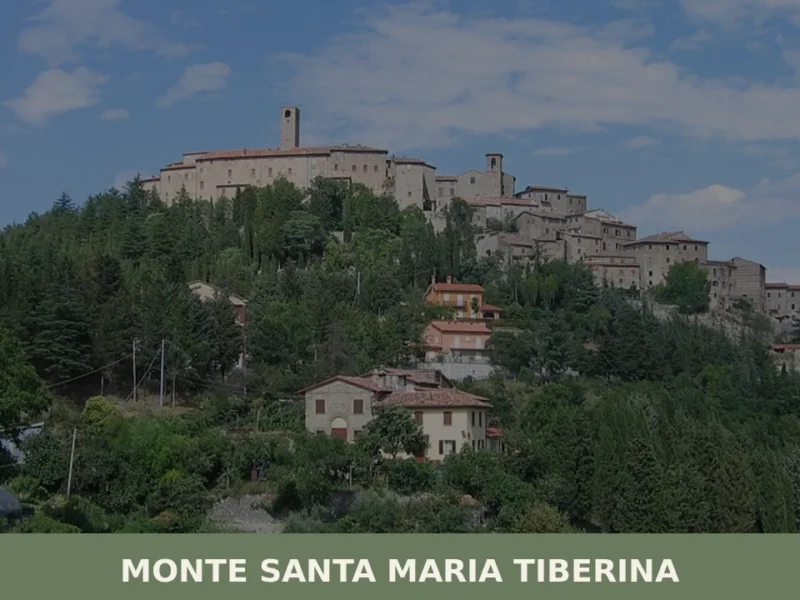
Visitors extending their time in western Umbria may consider combining Castiglione del Lago with a stop at Monte Santa Maria Tiberina, a fortified hill village in the same province of Perugia that shares the broader historical pattern of contested medieval lordship characteristic of this part of central Italy.
The road network connecting the two along the provincial routes passes through agricultural landscape continuous with the territory described in 19th-century sources as fertile in wine and oil.
Where to Stay Near Castiglione del Lago
The municipality includes numerous rural localities — Badiaccia, Porto, Panicarola, Petrignano, and others listed in the official subdivision records — several of which support agriturismi and holiday rental accommodation oriented toward lake-based stays.
The lakeside area around Porto and Badiaccia is the closest accommodation zone to the water. Within the historic centre, small hotels and bed-and-breakfast establishments operate in buildings along the two main parallel streets that define the urban layout established during the della Corgna period. For longer stays oriented toward the Trasimeno area more broadly, the rural dispersed localities — where 2,535 people were recorded as living in 2021 — include farm accommodation suitable for visitors exploring the full municipal territory by car.
Specific property names and current availability should be verified directly through the or regional tourism portals before travel.
Those planning a longer circuit through Umbria from Castiglione del Lago will find additional documented villages within the region worth including in an extended itinerary.
The medieval village of Scheggino, situated in the Valnerina river valley further east in the province, shares the pattern of small walled settlements that characterise the Umbrian interior, though its landscape and economy — centred on truffle production rather than lake fishing — differ substantially from those of the Trasimeno area.
Further into the Valnerina, Preci offers a comparable scale of historic settlement with documented connections to early modern surgical practice, representing a distinct aspect of Umbrian cultural heritage accessible by road from Castiglione del Lago in under two hours.
Frequently asked questions about Castiglione del Lago
What is the best time to visit Castiglione del Lago?
Late spring (May–June) and early autumn (September–October) offer mild temperatures, fewer crowds, and clear views over Lake Trasimeno. Summer brings lively events including the Coloriamo i Cieli kite festival (late April/early May) and the Palio dei Terzieri medieval pageant. The feast of the patron saint Maria Maddalena falls on 22 July and is the town's principal religious celebration, drawing local and regional visitors. July and August are the busiest months along the lake shore; weekday visits in June or September give quieter access to the Palazzo della Corgna and Rocca del Leone.
What are the historical origins of Castiglione del Lago?
The site has been continuously occupied since the 6th century BC, when Etruscans from Clusium (modern Chiusi, 21 km southwest) founded a settlement called Clusium Novum. Physical evidence includes two necropolises — one in the Vaiano district and one near Villastrada — yielding vases, weapons, bronzes, and sarcophagi. In the Middle Ages the hill marked the boundary between Lombard and Byzantine territories. Emperor Frederick II ordered the large perimeter walls in the 13th century, and from 1550 the della Corgna family shaped the urban fabric still visible today, ruling as marquises and later dukes until 1647.
What to see in Castiglione del Lago? Main monuments and landmarks
The compact historic centre contains four principal sites. The Rocca del Leone is a pentagonal fortress with a triangular keep over 30 m high, offering panoramic views of Lake Trasimeno from its summit. The adjacent Palazzo della Corgna (begun 1563, architects Alessi and Vignola) houses remarkable frescoed interiors — trompe-l'oeil tapestries by Diomede della Penna and figurative rooms by Circignani — and functions as both the town museum and the municipality. The Church of Santa Maria Maddalena preserves a Giotto-school fresco and a dated 1500 Perugian-school panel. Outside the walls, the Sanctuary of the Madonna della Carraia features a Greek-cross plan with a 19th-century dome.
What are the main natural or scenic attractions of Castiglione del Lago?
Lake Trasimeno, the fourth-largest lake in Italy, is the dominant natural feature. The lake shore around Castiglione del Lago offers cycling and walking paths; the Trasimeno regional park (Parco Regionale del Lago Trasimeno) encompasses the shoreline and the three islands — Isola Maggiore, Isola Minore, and Isola Polvese — reachable by ferry from the town's dock. The low promontory on which the town sits, formerly an ancient island, provides elevated views across the full lake basin from the fortress walls. Birdwatching is documented along the reed-bed margins of the lake.
Where to take the best photos in Castiglione del Lago?
The upper level of the Rocca del Leone keep, at over 30 m, provides the widest panoramic view of Lake Trasimeno, its three islands, and the Perugian and Aretine hills. The medieval perimeter walls on the western side frame the lake at sunset. From the lake shore road below, the bell tower of Santa Maria Maddalena and the fortress silhouette compose well against the water, particularly in morning light. The covered elevated walkway connecting the Palazzo della Corgna to the Rocca offers a less-visited vantage point over the eastern roofscape.
Are there museums, churches or historic buildings to visit in Castiglione del Lago?
The Palazzo della Corgna museum is the primary cultural institution, housed within the 16th-century palace and giving access to the frescoed rooms on both floors. The Rocca del Leone fortress is open to visitors and ticketed jointly with the palace. The Church of Santa Maria Maddalena is open for visits outside liturgical hours and contains the Giotto-school fresco and the 1500 Perugian-school panel in the sacristy. For current opening hours and ticket prices, consult the official municipal tourism pages or the Umbria tourism portal, as seasonal schedules apply.
What can you do in Castiglione del Lago? Activities and experiences
Lake Trasimeno supports swimming, sailing, windsurfing, and kayaking directly from the town's shore facilities. Ferries depart regularly for Isola Maggiore and Isola Polvese, both suitable for walking and cycling day trips. A cycling route circumnavigates the lake (approximately 60 km total); rental points are available in town. The Palio dei Terzieri medieval festival brings costumed processions, archery, and flag-throwing competitions to the historic centre in summer. Olive oil tasting and local fish cuisine — particularly eel and carp from the lake — are well-documented gastronomic activities in the surrounding restaurants.
Who is Castiglione del Lago suitable for? Families, couples, hikers, solo travelers?
Castiglione del Lago suits a broad range of visitors. Families benefit from the lake beach, ferry trips to the islands, and the child-accessible fortress climb. Couples find a well-preserved medieval centre, frescoed palace interiors, and lakeside sunset views particularly suited to slower, culture-focused stays. Cycling enthusiasts use the town as a base for the Trasimeno lake circuit. History and art travellers are drawn by the Etruscan archaeological record, the 13th-century fortress, and the Renaissance palace frescoes. The flat lake shore is accessible for visitors with limited mobility, while the historic centre involves some stepped terrain.
What to eat in Castiglione del Lago? Local products and specialties
Lake Trasimeno fish are the defining local ingredient: eel (anguilla), carp (carpa), perch (persico), and tench (tinca) appear on menus in traditional preparations such as carp in porchetta (roasted with herbs) and tegamaccio, a mixed lake-fish stew documented as a regional speciality. The surrounding territory falls within the Umbria DOP olive oil zone, producing oils from Moraiolo, Frantoio, and Leccino cultivars. Lentils from the Trasimeno area — the Lenticchia di Colfiorito and locally grown varieties — and Umbrian black truffle from the wider province complement the table. Local white wines from the Colli del Trasimeno DOC zone pair with fish dishes.
Nearby Villages near Castiglione del Lago
In Umbria More villages to discover
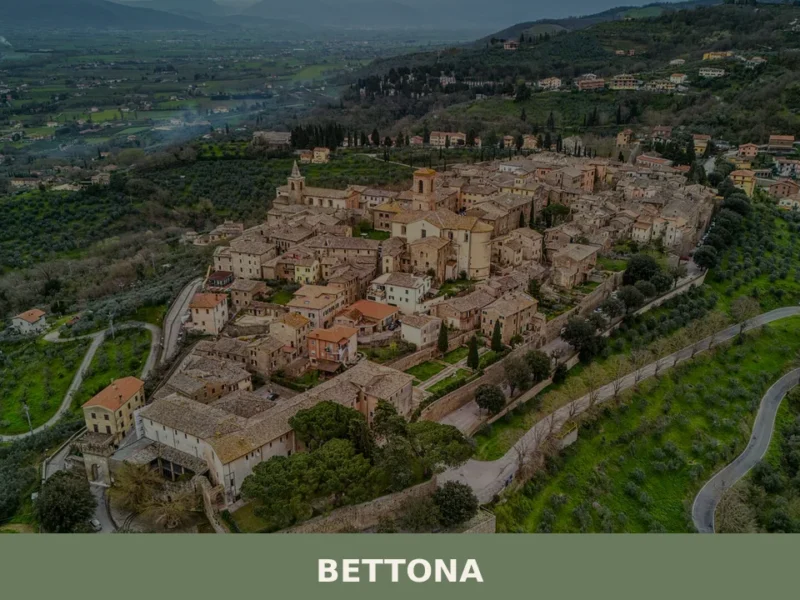
Bettona
Hills
What to see in Bettona, Umbria, Italy: Etruscan walls, Perugino paintings and a Pinacoteca at 353 m altitude. Discover top attractions and how to get there.
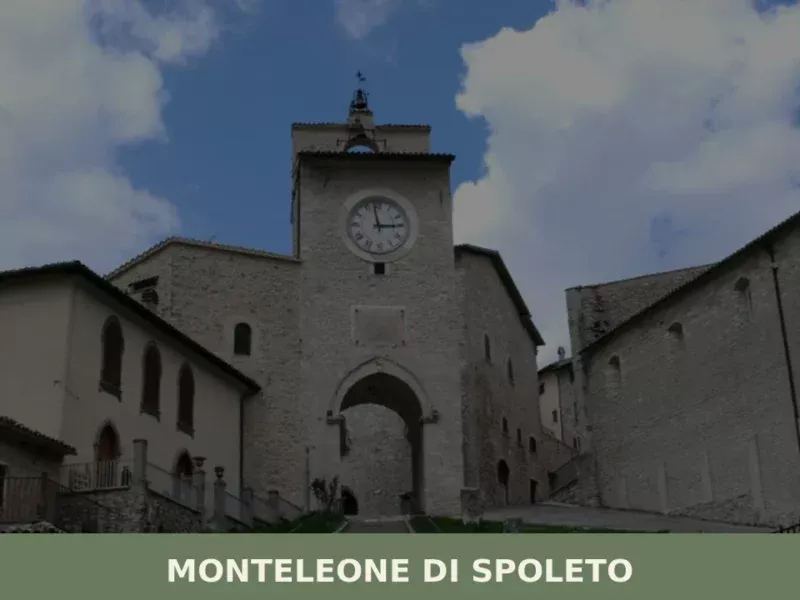
Monteleone di Spoleto
 Mountain
Monteleone di Spoleto: discover the history and art of this Umbrian village. Visit the museum and the Church of San Francesco. Plan your visit now!
Cerreto di Spoleto
Hills
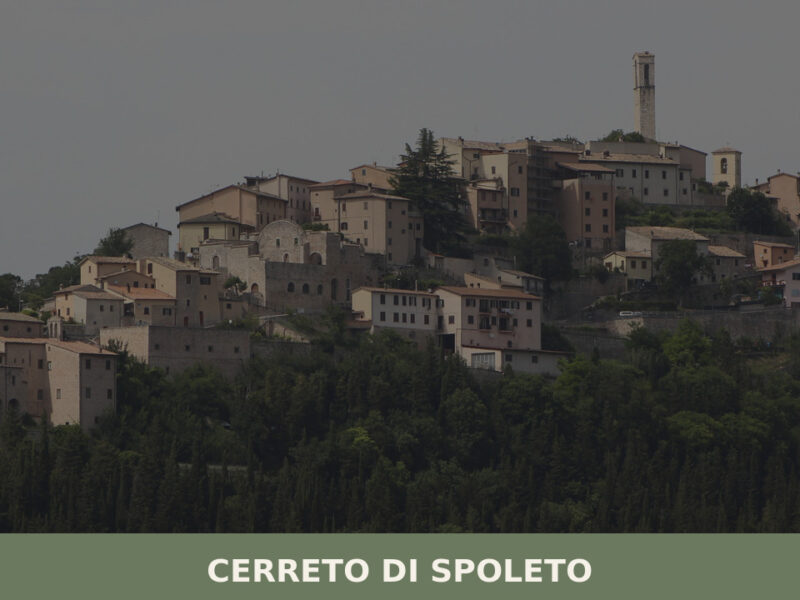
A ridge-top village of 975 inhabitants in the Valnerina, Cerreto di Spoleto holds medieval streets, scattered hamlets, and a centuries-old tradition of itinerant herbalists.
Preci
Hills
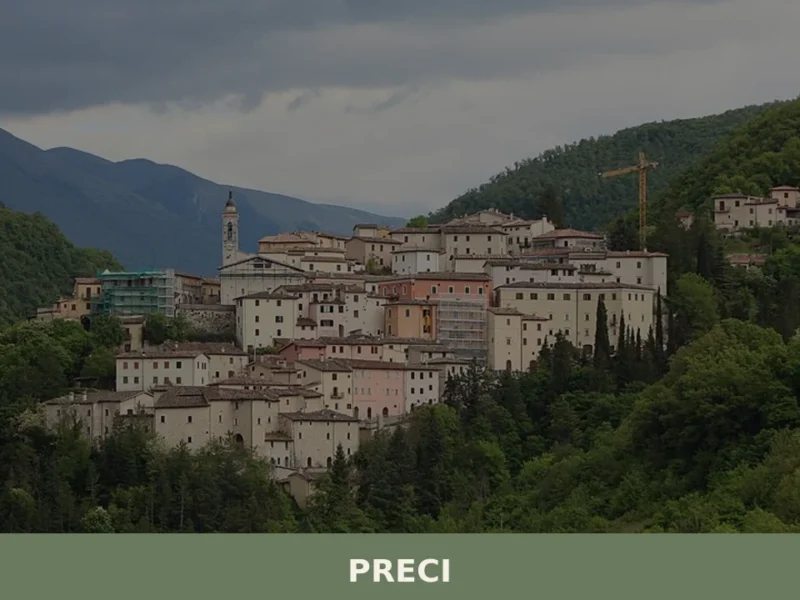
With a recorded population of 681 inhabitants, Preci stands at an elevation of 596 metres above sea level in the heart of Umbria, a region often referred to as Italy’s ‘green heart’. This small village, historically shaped by its monastic tradition and a renowned surgical school (see English Wikipedia), offers a distinct window into a […]
Cannara
 Plains
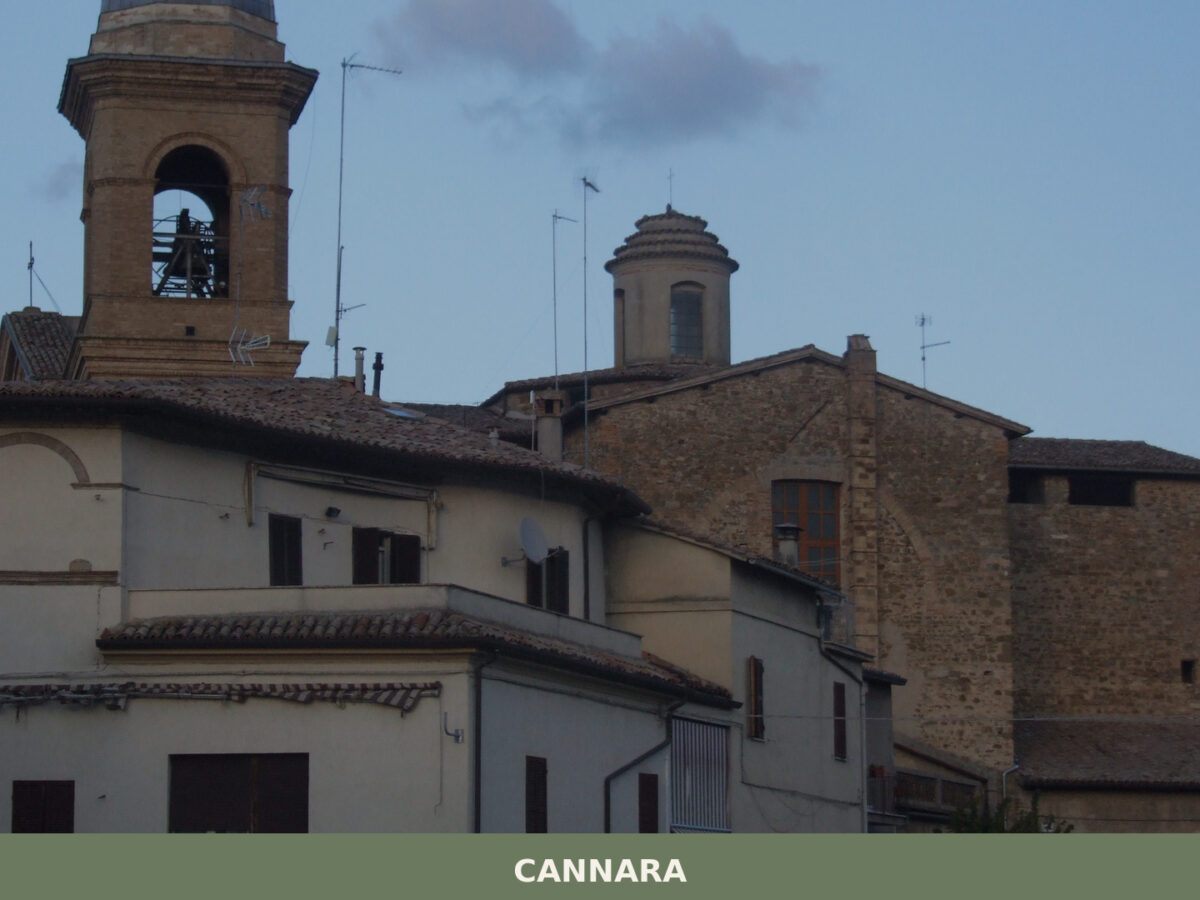
What to see in Cannara, Umbria, Italy: Roman ruins, medieval churches, and the Festa della Cipolla. Population 4,341. Discover top attractions and how to get there.
Fratta Todina
Hills
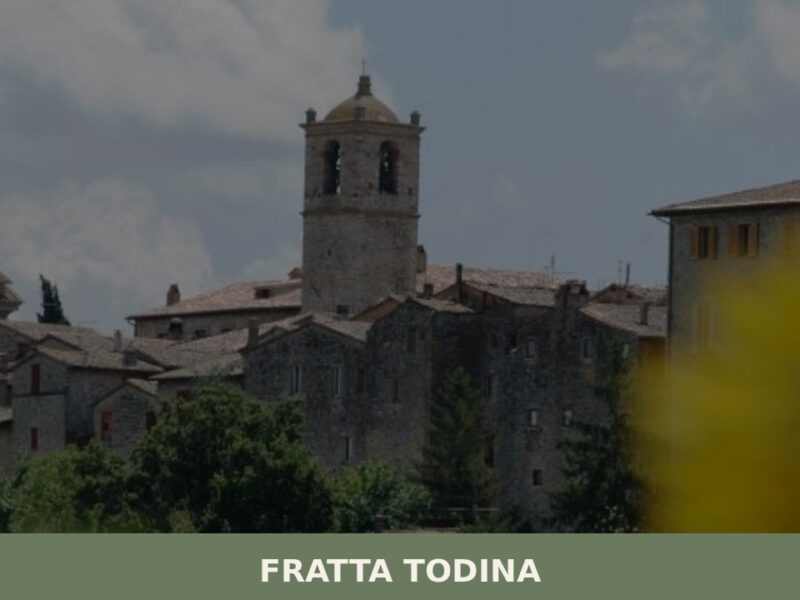
Morning light falls across a line of stone façades, turning the tufa walls the colour of raw honey. A church bell marks the hour from somewhere above the rooftops, its sound carrying across the Tiber valley below. Fratta Todina sits on a low hill in the province of Perugia, home to just 1,817 residents — […]
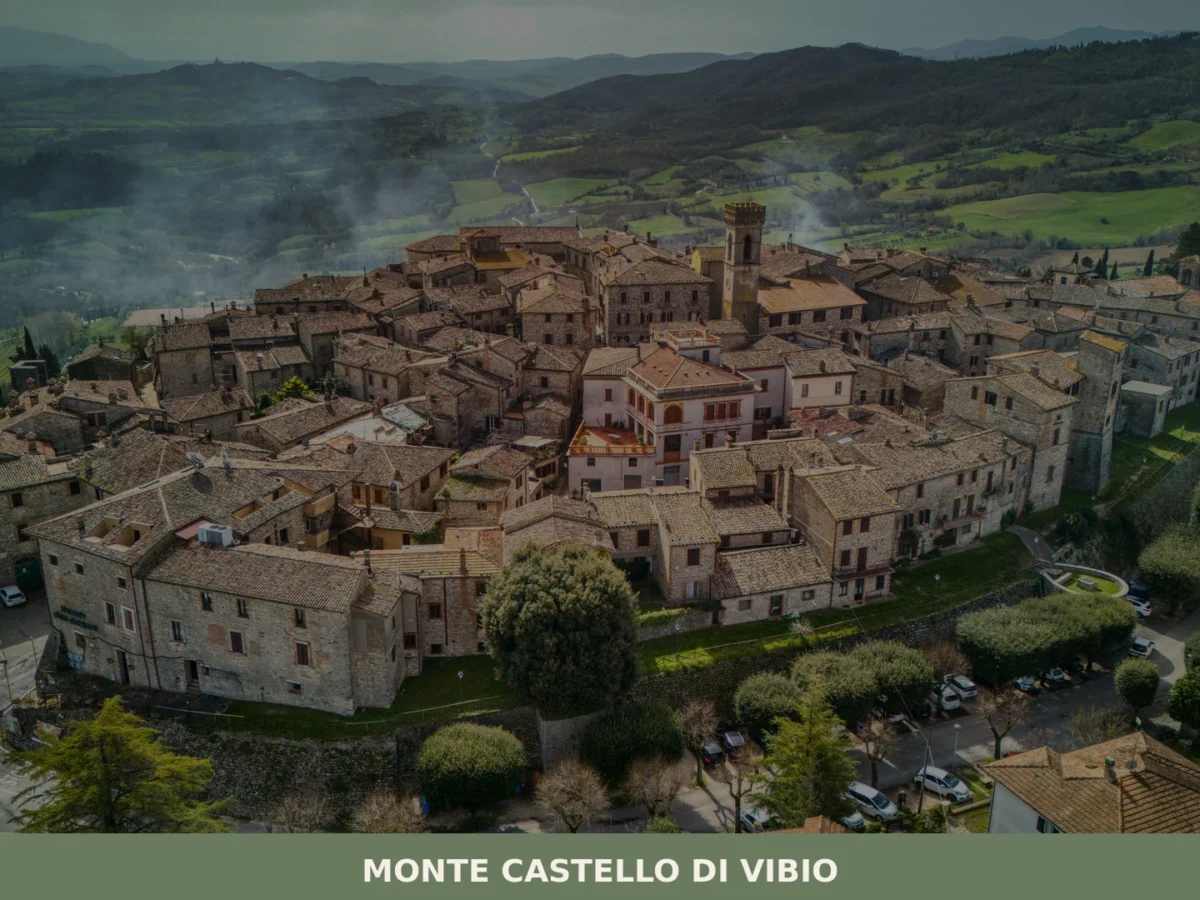
Monte Castello di Vibio
Hills
Monte Castello di Vibio holds the world's smallest theatre and an intact medieval centre above the Tiber valley. A complete guide to its history, attractions, and local food.
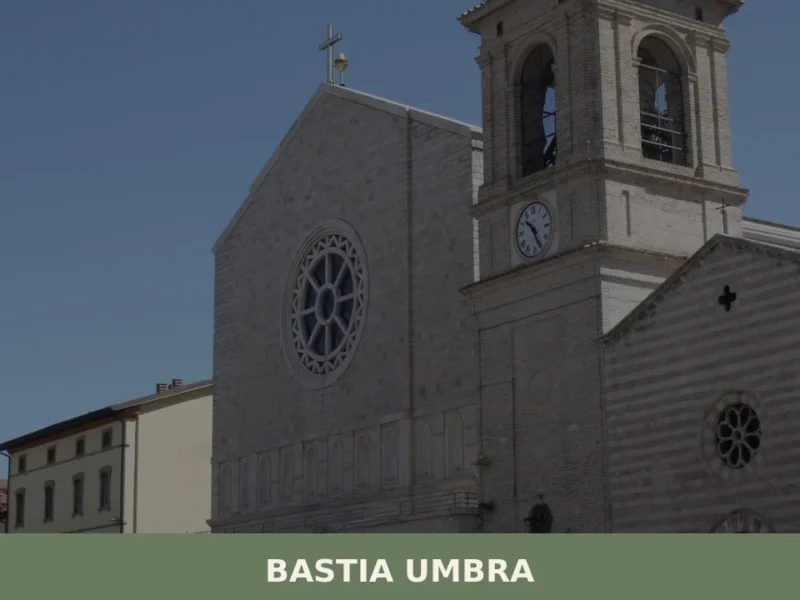
Bastia Umbra
Hills
What to see in Bastia Umbra, Italy: 5 top attractions, local food, and how to get there. Explore a plains town 13 km from Perugia with 21,965 inhabitants.
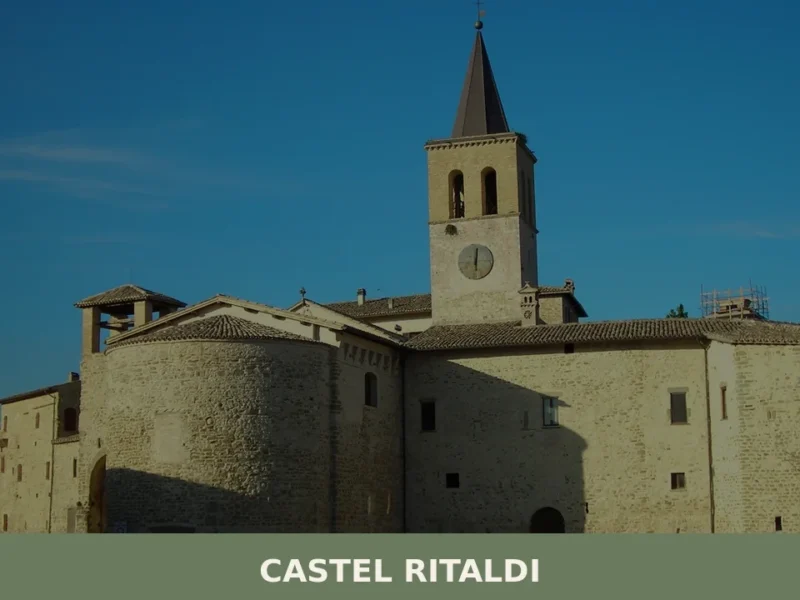
Castel Ritaldi
Hills
What to see in Castel Ritaldi, Italy: 5 top attractions, local food, and travel tips for this Umbrian village at 297 m. Discover frescoes, medieval churches & more.
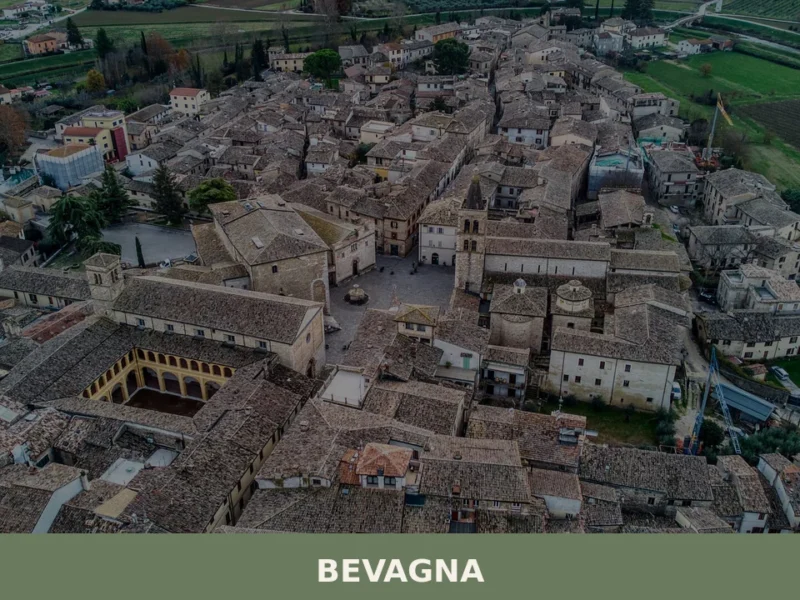
Bevagna
Hills
What to see in Bevagna, Umbria, Italy: explore 5 key attractions, Romanesque churches, Roman ruins, and local food. Population 5,130. Discover the full guide.
🏡 Know Castiglione del Lago better than we do?
If you’re a local or have been there, your knowledge matters: add what’s missing or fix a detail on this page.