


Fratta Todina
 Hills
Hills
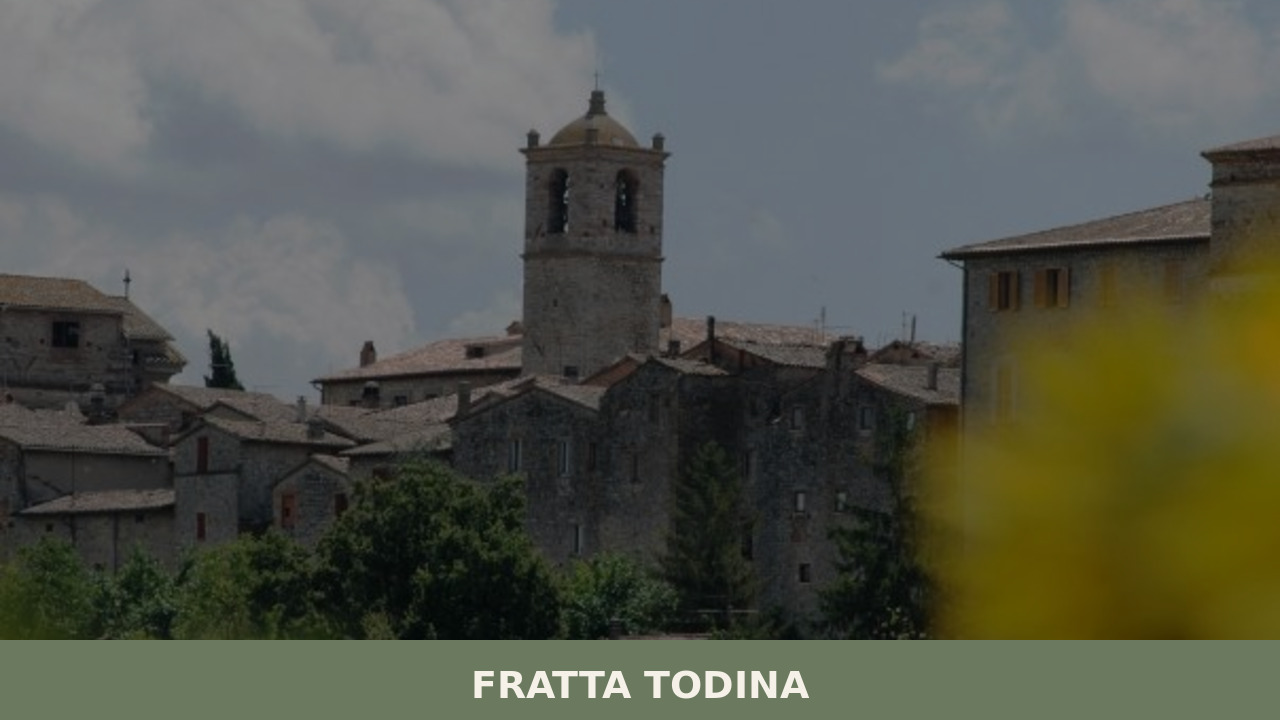
Morning light falls across a line of stone façades, turning the tufa walls the colour of raw honey. A church bell marks the hour from somewhere above the rooftops, its sound carrying across the Tiber valley below. Fratta Todina sits on a low hill in the province of Perugia, home to just 1,817 residents — […]
Discover Fratta Todina
Morning light falls across a line of stone façades, turning the tufa walls the colour of raw honey. A church bell marks the hour from somewhere above the rooftops, its sound carrying across the Tiber valley below. Fratta Todina sits on a low hill in the province of Perugia, home to just 1,817 residents — a settlement small enough that the baker knows every name, yet layered with centuries of contested history. For anyone wondering what to see in Fratta Todina, the answer begins with that light, those walls, and the quiet persistence of a place that has outlasted empires.
History of Fratta Todina
The name itself tells a story of allegiance. “Fratta” likely derives from the Latin fracta, referring to a fortified enclosure or cleared land, while “Todina” signals the village’s long historical connection to the nearby city of Todi, which exercised political and ecclesiastical authority over the settlement for much of the medieval period. The village appears in documents from as early as the eleventh century, when it functioned as a fortified outpost within the complex web of Umbrian hill-town rivalries.
During the Middle Ages, Fratta Todina was contested between Todi and Perugia, two powers whose territorial ambitions shaped this stretch of the Tiber corridor. The village’s defensive walls — portions of which still stand — date to this turbulent period. Control shifted repeatedly, and the settlement bore the marks of siege and reconstruction. By the sixteenth century, Fratta Todina had settled into a quieter rhythm under papal governance, its strategic importance fading as the region stabilised under the Papal States.
The modern municipality took shape after Italian unification in the 1860s, when Fratta Todina became part of the newly formed province of Perugia. Through the twentieth century, like many small Umbrian centres, it experienced steady depopulation as younger generations left for Rome and the industrial north. What remains is a village whose built fabric — church, palazzo, wall fragment, piazza — reads like a compressed archive of central Italian history.
What to see in Fratta Todina: 5 must-visit attractions
1. The Church of San Filippo Neri
Built in the seventeenth century and dedicated to the Florentine saint who founded the Oratorians, this church anchors the village’s spiritual life. Its interior preserves Baroque-era altarpieces and modest stucco work that reflect the artistic currents reaching even the smallest Umbrian parishes during the Counter-Reformation. The proportions are intimate — designed for a congregation that could be counted in dozens, not hundreds.
2. Convento della Spineta
Set just outside the village centre amid oak and olive groves, this Franciscan convent dates to the thirteenth century and is attributed to the direct influence of Saint Francis of Assisi’s early followers. The cloister retains its original simplicity — unadorned stone arches surrounding a quiet courtyard. It remains a functioning place of contemplation, its atmosphere shaped more by silence than ornamentation.
3. The Medieval Village Centre
Walking the narrow streets of the old borgo reveals the layered construction of centuries: Romanesque stonework at the base of buildings, Gothic arched doorways, and Renaissance-era window surrounds above. The circuit of partially preserved defensive walls marks the original perimeter. The scale is compressed and human — every alley leads either to a viewpoint over the valley or back to the central piazza.
4. Palazzo Altieri
This aristocratic palazzo speaks to the village’s connection with one of Italy’s notable papal families. The Altieri name gained prominence when Emilio Altieri became Pope Clement X in 1670. The building’s façade and proportions introduce a note of Roman grandeur into this otherwise modest hilltop settlement, a reminder that even small villages could serve as ancestral seats for powerful lineages.
5. The Tiber Valley Viewpoints
From the edges of the old village, the land drops away toward the Tiber river plain, offering long views across cultivated fields, lines of poplars marking watercourses, and the silhouettes of neighbouring hill towns. These vistas are not incidental — the village was sited here precisely because of them, its founders choosing visibility and defensibility over convenience.
What to see in Fratta Todina: local food and typical products
The cuisine here follows the logic of inland Umbria: olive oil as the foundational fat, legumes and grains as staples, pork prepared in every conceivable form. Extra virgin olive oil produced from the Moraiolo, Frantoio, and Leccino cultivars grown on surrounding hillsides carries the grassy, peppery intensity characteristic of central Umbrian production. Autumn brings fresh-pressed olio nuovo, drizzled over bruschetta rubbed with garlic on bread toasted over open flame. Black truffles from the Tiber valley floor appear shaved over handmade strangozzi pasta — thick, irregular noodles cut by hand without eggs.
The broader territory contributes Umbrian DOP and IGP products including Norcia’s cured meats, Castelluccio lentils, and Sagrantino di Montefalco wine, all available in the trattorias and agriturismi scattered through the surrounding countryside. Dining in Fratta Todina means eating in small, family-run establishments where menus change with what the season and the land provide — roasted pigeon in autumn, wild asparagus frittata in spring, and always, a carafe of local red on the table.
Best time to visit Fratta Todina
Spring — late April through June — brings warm days, wildflowers along the roadsides, and the green flush of new growth across the Tiber valley. This is the ideal window for walking the village and surrounding countryside without the heavy heat that settles over Umbria in July and August, when temperatures regularly push past 35°C and the light turns flat and white. Autumn offers its own rewards: the olive harvest begins in October, the forests colour, and the air carries woodsmoke from the first evening fires.
Local festivals and sagre — food-centred village fairs celebrating specific ingredients like truffles, olive oil, or chestnuts — tend to cluster in the autumn months. For those seeking solitude, winter visits find the village at its quietest, with fog occasionally filling the valley below while the hilltop sits in clear, cold sunlight. Regardless of season, weekdays offer a more authentic experience than weekends, when day-trippers from Perugia and Todi occasionally swell the numbers.
How to get to Fratta Todina
Fratta Todina lies along the E45 motorway corridor, the main north-south route through central Umbria connecting Perugia to Terni and onward to Rome. By car, the village is approximately 30 kilometres south of Perugia (around 35 minutes) and roughly 130 kilometres north of Rome (approximately 90 minutes via the E45 and A1 motorway). Todi, the nearest significant town, sits just 10 kilometres to the south.
The closest railway station is Marsciano, on the Ferrovia Centrale Umbra line, about 10 kilometres from the village — from there, local buses or a taxi cover the remaining distance. The nearest airport is Perugia’s San Francesco d’Assisi Airport (Sant’Egidio), which handles domestic flights and some European connections. For wider international access, Rome Fiumicino Airport provides the most practical gateway, with car rental available at the terminal. A car is essentially necessary for exploring both Fratta Todina and the surrounding territory with any flexibility.
More villages to discover in Umbria
The network of small Umbrian villages rewards those willing to leave the main roads. Southeast of Fratta Todina, deeper into the Apennine foothills, Cerreto di Spoleto occupies a position in the Valnerina — the narrow, dramatic valley of the Nera river — where the landscape shifts from rolling agricultural hills to steep, forested gorges. It is a village shaped by a fundamentally different geography, yet connected by the same thread of resilient small-community life that defines rural Umbria.
Travelling through this region by car — from the Tiber plain around Fratta Todina to the mountain villages of the Valnerina and beyond — reveals how varied Umbria’s terrain actually is within remarkably short distances. Each village developed its character in response to its specific hilltop, valley, or river crossing. Exploring the hill towns east of Spoleto after visiting the Tiber corridor settlements provides a fuller understanding of the region — not as a single landscape, but as a mosaic of micro-territories, each with its own rhythms, foods, and architectural dialect.
Frequently asked questions about Fratta Todina
What is the best time to visit Fratta Todina?
Late April through June is the ideal window: mild temperatures, wildflowers along country roads, and the Tiber valley at its greenest. Autumn (October–November) is equally rewarding — the olive harvest is underway, the forests turn colour, and local sagre celebrate truffles, olive oil, and chestnuts. The feast of the patron saint San Michele falls on 8 May, making early May a particularly lively moment in the village calendar. Winter offers solitude and dramatic valley fog from the hilltop, while July and August bring intense heat above 35°C.
What are the historical origins of Fratta Todina?
Fratta Todina appears in documents from the eleventh century as a fortified outpost in the Tiber corridor. The name combines 'Fratta' — from the Latin fracta, indicating a fortified enclosure — with 'Todina', reflecting its long subordination to the nearby city of Todi. Through the Middle Ages it was contested between Todi and Perugia, and its defensive walls date to this turbulent period. It stabilised under the Papal States from the sixteenth century onward, then became part of the province of Perugia after Italian unification in the 1860s.
What to see in Fratta Todina? Main monuments and landmarks
The key sites are: the seventeenth-century Church of San Filippo Neri, with Baroque altarpieces in an intimate interior; Palazzo Altieri, the ancestral seat linked to Pope Clement X (Emilio Altieri, elected 1670); and the partially preserved medieval defensive walls encircling the old borgo. Just outside the village, the thirteenth-century Convento della Spineta — a Franciscan convent attributed to followers of Saint Francis — retains its original cloister of unadorned stone arches and remains a functioning place of contemplation. Admission to open areas of the borgo is free.
What are the main natural or scenic attractions of Fratta Todina?
The village sits at 215 metres above the Tiber river plain, and its hilltop position offers long, unobstructed views across cultivated fields, poplar-lined watercourses, and the silhouettes of neighbouring hill towns. The surrounding countryside — olive groves, oak woods, and the broad corridor of the Tiber valley — is well suited to countryside walks and cycling on quiet provincial roads. The Convento della Spineta sits amid oak and olive groves that amplify its atmosphere of rural seclusion.
Where to take the best photos in Fratta Todina?
The edges of the old village offer the most striking viewpoints: where the tufa-stone streets give way to open terraces, the Tiber valley spreads out below with fields, water-marking poplars, and distant hill towns on the horizon. Morning light turns the village walls the colour of raw honey — the eastern-facing façades along the old borgo are best photographed in the first hours after sunrise. The cloister of the Convento della Spineta, with its plain stone arches and enclosed courtyard, provides an intimate architectural subject.
Are there museums, churches or historic buildings to visit in Fratta Todina?
The Church of San Filippo Neri (seventeenth century) houses Baroque altarpieces and stucco decoration within a small, well-preserved interior. Palazzo Altieri, connected to the family of Pope Clement X, presents a façade of notable architectural ambition relative to the village's modest scale. The Convento della Spineta (thirteenth century) functions as an active Franciscan convent; visiting hours for the cloister should be confirmed directly with the community. The medieval walls and Romanesque stonework embedded in the borgo's fabric are freely visible on foot at any time.
What can you do in Fratta Todina? Activities and experiences
The main experiences are slow-travel and food-focused: walking the medieval borgo and its viewpoint terraces, visiting the Convento della Spineta for a contemplative pause, and eating in small family-run trattorias and agriturismi where menus follow seasonal rhythms. October brings the olive harvest, with fresh-pressed olio nuovo available directly from local producers. Autumn sagre in the surrounding territory celebrate truffles, chestnuts, and olive oil. The village also serves as a practical base for day trips to Todi (10 km south) and Perugia (30 km north).
Who is Fratta Todina suitable for? Families, couples, hikers, solo travelers?
Fratta Todina suits couples and slow-travel enthusiasts seeking an authentic, uncrowded Umbrian hill village away from tourist circuits. Its compact, walkable centro storico and contemplative atmosphere make it appealing to culture-minded visitors and those interested in religious heritage. Food lovers will appreciate direct access to Umbrian olive oil, truffle-based cuisine, and local trattorias. Families with older children can enjoy the countryside and nearby day trips to Todi. It is less suited to visitors seeking nightlife, museums, or organised adventure activities.
What to eat in Fratta Todina? Local products and specialties
The table in Fratta Todina follows classic inland Umbrian logic. Extra virgin olive oil — pressed from Moraiolo, Frantoio, and Leccino olives grown on surrounding hillsides — is the essential fat, served as olio nuovo on garlic-rubbed bruschetta in autumn. Handmade strangozzi pasta, thick and egg-free, appears with shaved black truffle from the Tiber valley. Pork-based cured meats, including those from the Norcia tradition, feature across antipasti and secondi. The wider territory supplies Sagrantino di Montefalco wine and Castelluccio lentils, both available in local agriturismi.
Nearby Villages near Fratta Todina
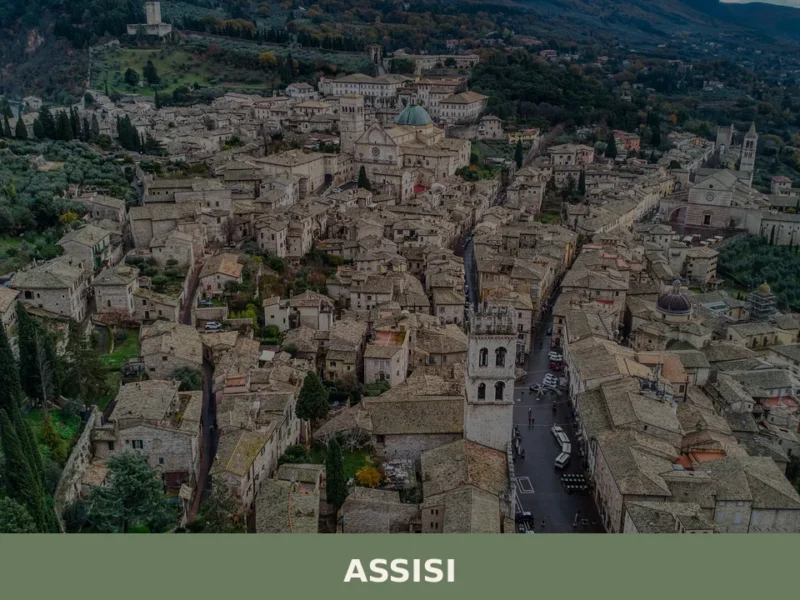
In Umbria More villages to discover
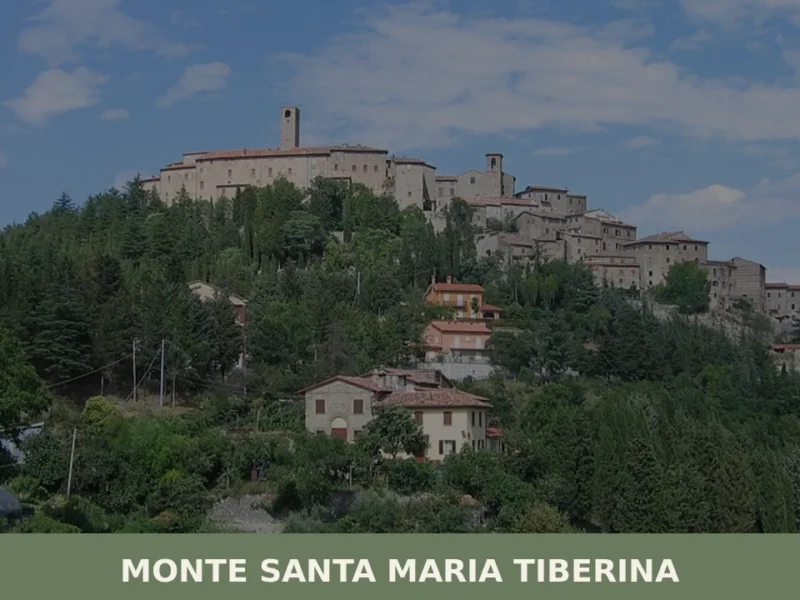
Monte Santa Maria Tiberina
 Mountain
A quiet hush often settles over the stone lanes of Monte Santa Maria Tiberina as the morning sun climbs, painting the ancient walls with a warm ochre glow. From its vantage point at 688 metres above sea level, the village awakens slowly, the distant murmur of the Tiber River a faint counterpoint to the rustle […]
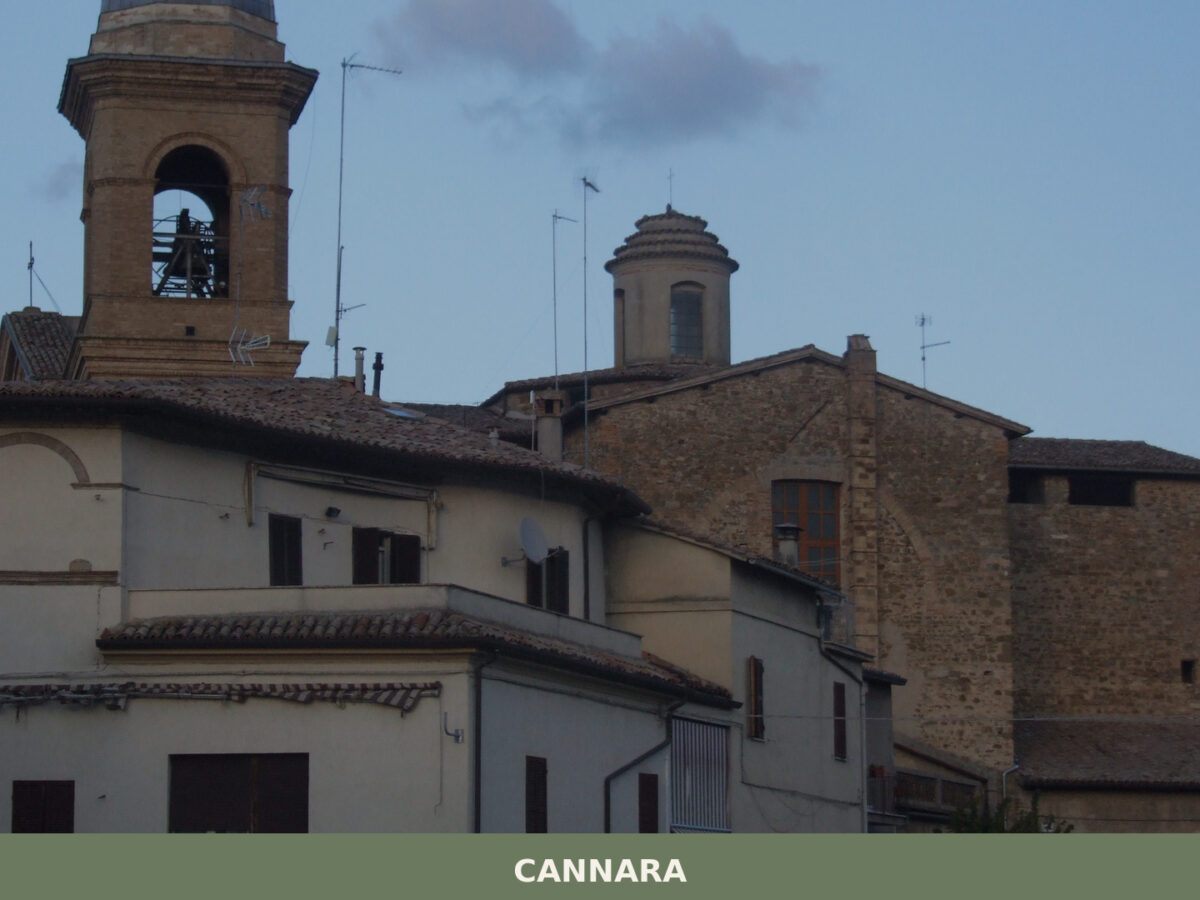
Cannara
 Plains
What to see in Cannara, Umbria, Italy: Roman ruins, medieval churches, and the Festa della Cipolla. Population 4,341. Discover top attractions and how to get there.
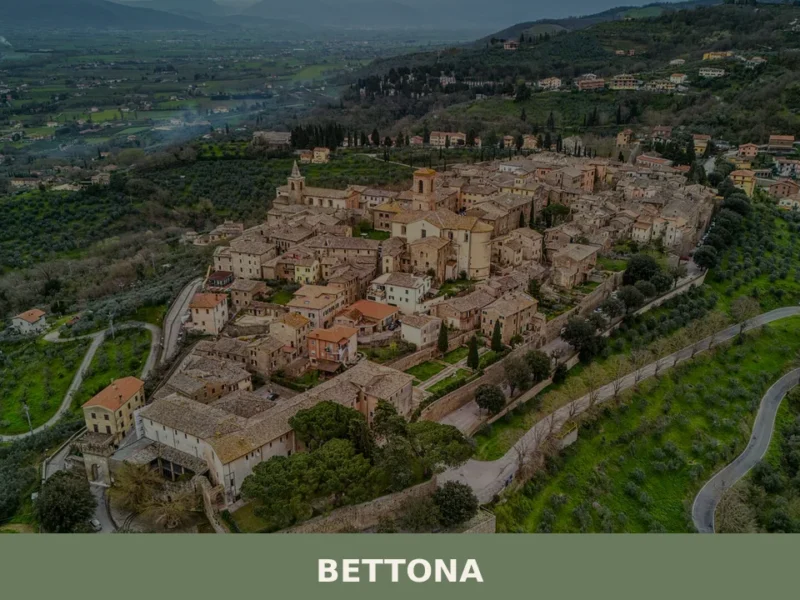
Bettona
Hills
What to see in Bettona, Umbria, Italy: Etruscan walls, Perugino paintings and a Pinacoteca at 353 m altitude. Discover top attractions and how to get there.
Citerna
Hills
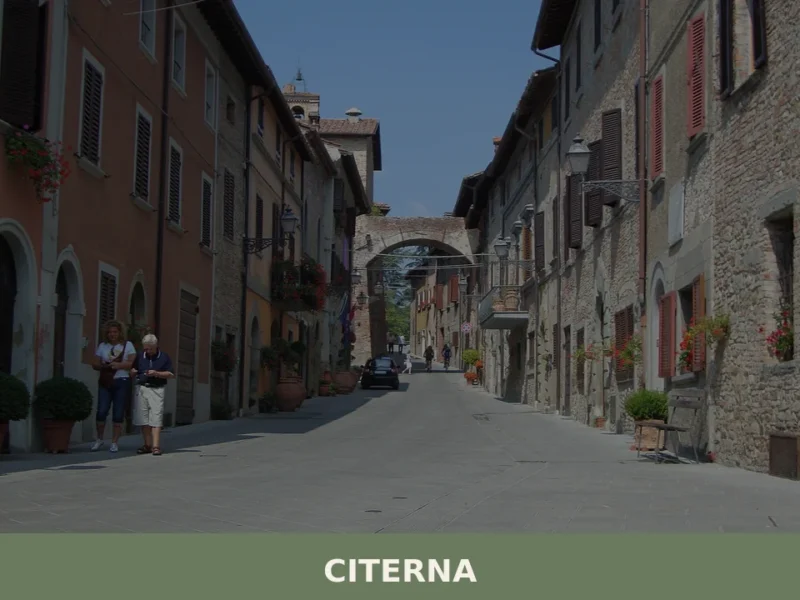
What to see in Citerna, Umbria, Italy: explore 5 top attractions, a Donatello terracotta, and the medieval walls at 480 m. Discover the full travel guide.
Castel Ritaldi
Hills
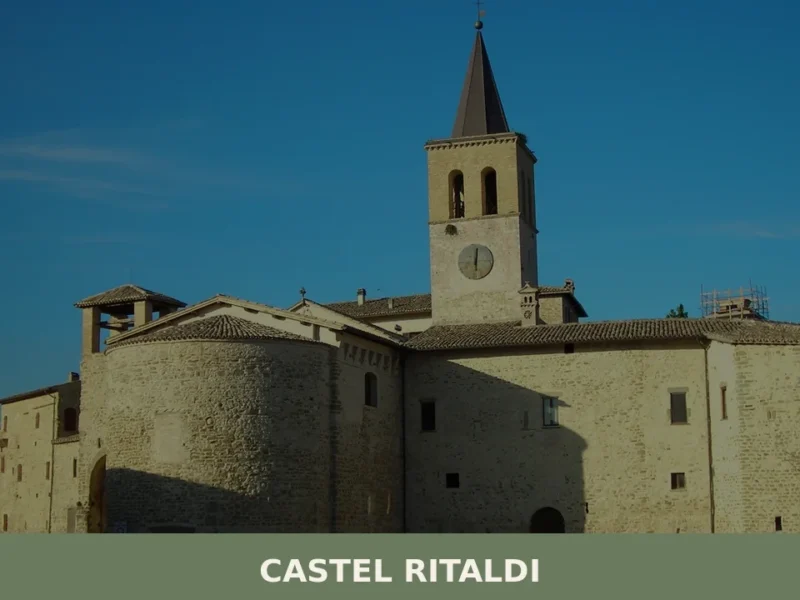
What to see in Castel Ritaldi, Italy: 5 top attractions, local food, and travel tips for this Umbrian village at 297 m. Discover frescoes, medieval churches & more.
Perugia
Hills
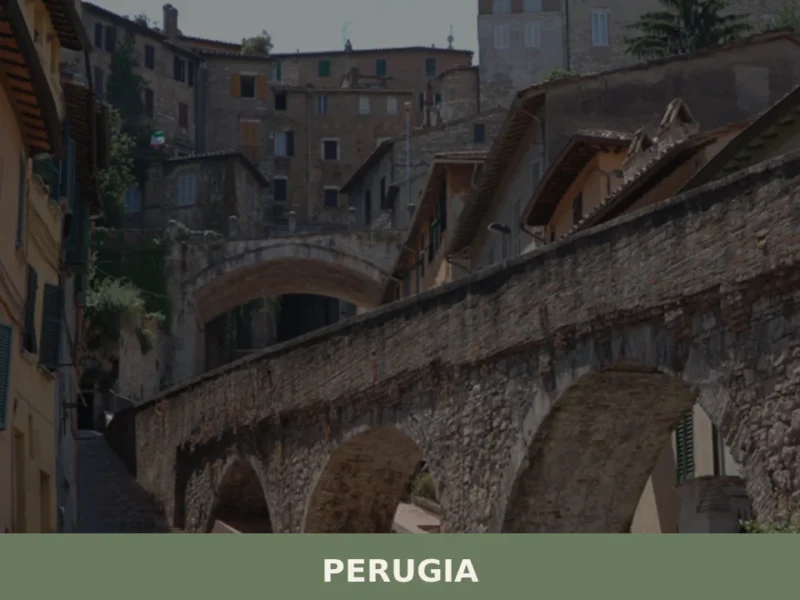
What to see in Perugia: discover 5 main attractions, from Fontana Maggiore to Rocca Paolina. Plan your trip and visit the heart of Umbria.
Campello sul Clitunno
Hills
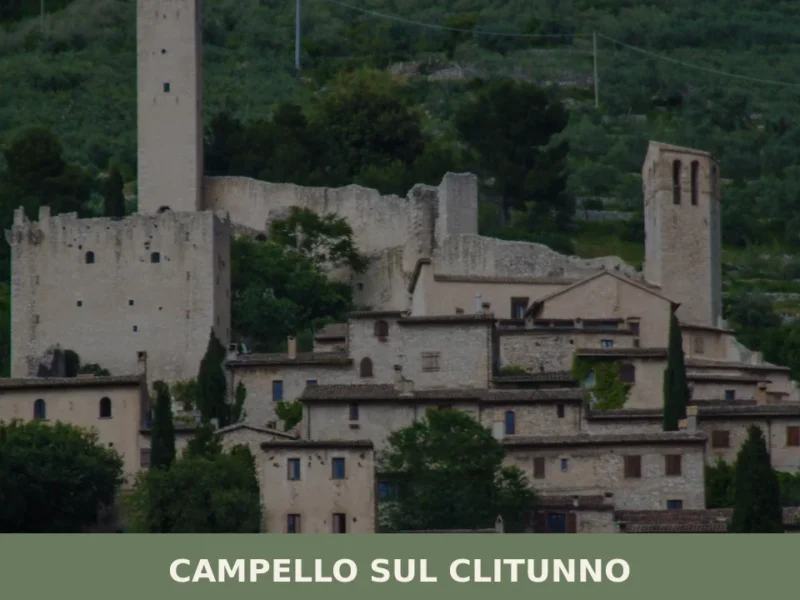
What to see in Campello sul Clitunno, Umbria, Italy: a UNESCO temple, medieval castle, and springs producing 1,500 l/s. Discover the complete travel guide.
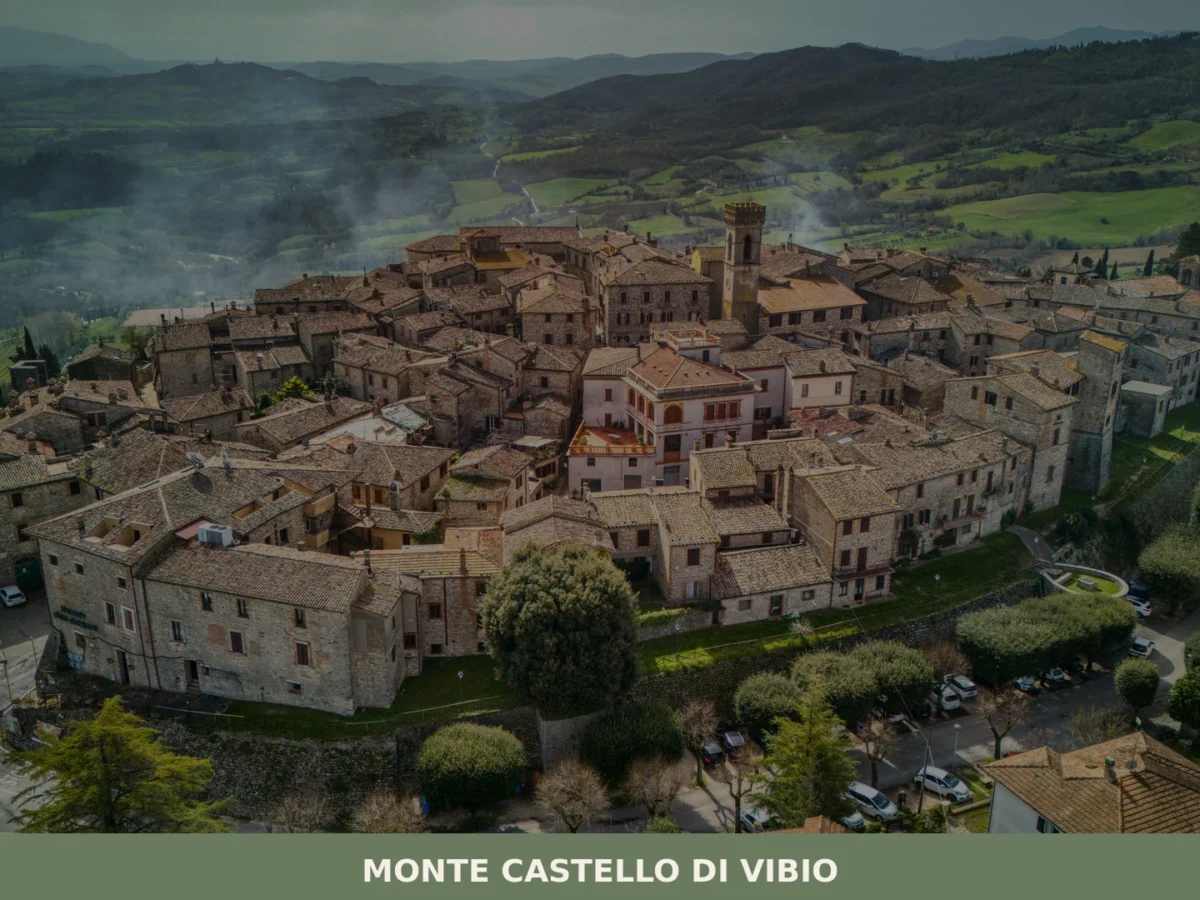
Monte Castello di Vibio
Hills
Monte Castello di Vibio holds the world's smallest theatre and an intact medieval centre above the Tiber valley. A complete guide to its history, attractions, and local food.
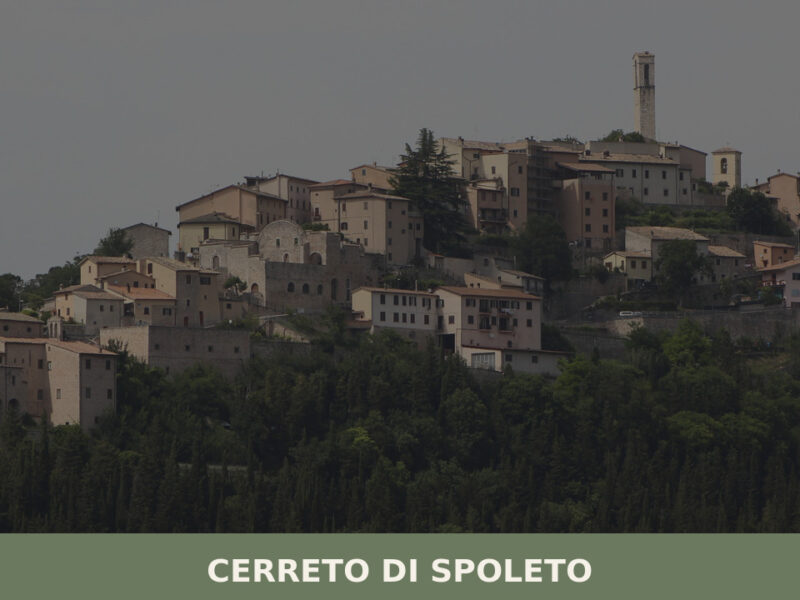
Cerreto di Spoleto
Hills
A ridge-top village of 975 inhabitants in the Valnerina, Cerreto di Spoleto holds medieval streets, scattered hamlets, and a centuries-old tradition of itinerant herbalists.
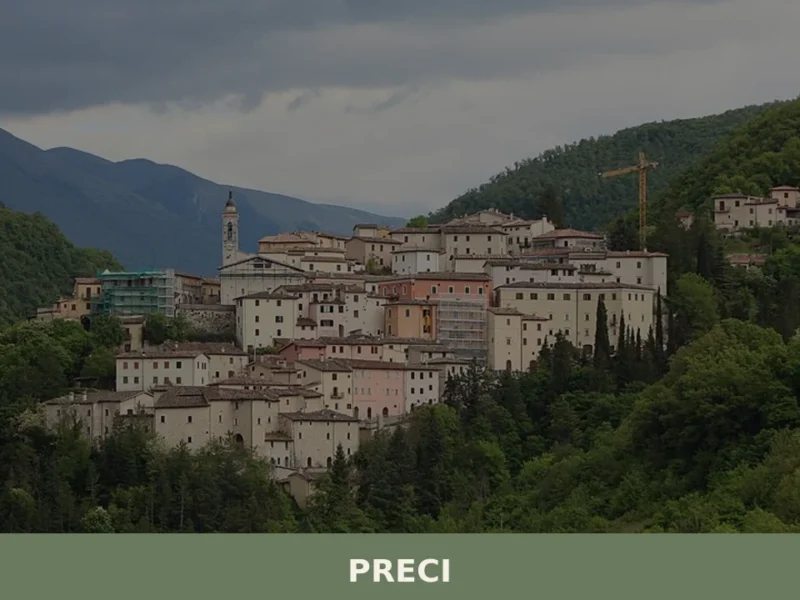
Preci
Hills
With a recorded population of 681 inhabitants, Preci stands at an elevation of 596 metres above sea level in the heart of Umbria, a region often referred to as Italy’s ‘green heart’. This small village, historically shaped by its monastic tradition and a renowned surgical school (see English Wikipedia), offers a distinct window into a […]
🏡 Know Fratta Todina better than we do?
If you’re a local or have been there, your knowledge matters: add what’s missing or fix a detail on this page.