


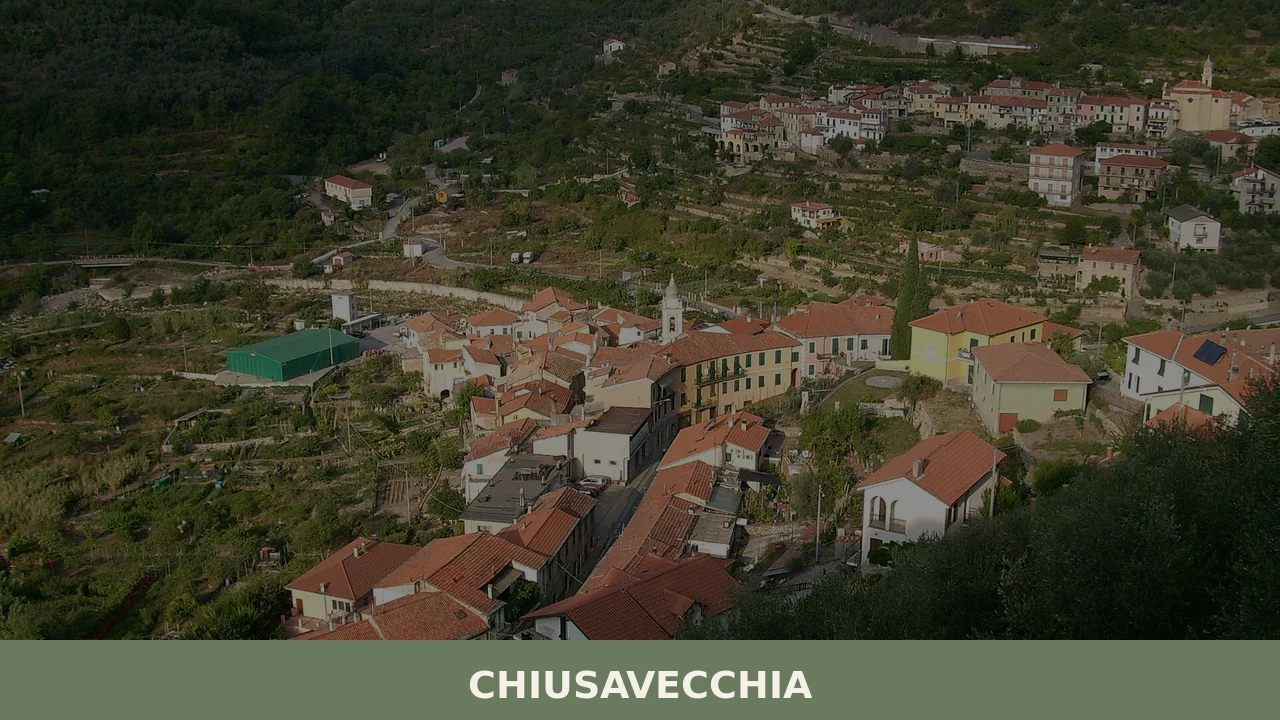
Chiusavecchia, Liguria: An Ancient Italian Village Guide
 Plains
What to see in Chiusavecchia, Italy: Explore this Ligurian village at 140m altitude. Discover its historic core and the feast of San Biagio.
Discover Chiusavecchia, Liguria: An Ancient Italian Village Guide
At an altitude of 140 m (459 ft) above sea level, the village of Chiusavecchia in the Province of Imperia presents a quiet aspect of the Ligurian landscape. Its position, approximately 90 km (56 mi) southwest of Genoa, places it within a region characterized by rolling hills and agricultural traditions. The architecture reflects the practicality and history of a small community, with structures that have adapted over centuries.
For those planning a visit, understanding what to see in Chiusavecchia is key to appreciating its character.
This Ligurian village, with a population of 513 inhabitants, offers visitors a chance to explore its historic center and participate in local celebrations, such as the annual feast of its patron saint. The Chiusavecchia highlights include its compact layout and the surrounding Prino valley, providing a glimpse into traditional Italian rural life.
History of Chiusavecchia
Chiusavecchia, known in Ligurian as Ciusaveia, is situated within the Province of Imperia, a part of the Italian region of Liguria. The village’s documented population was 488 inhabitants as of 31 December 2004, occupying an area of 3.3 square kilometres (1.3 mi2). This demographic data provides a specific point of reference for the community’s size at the turn of the 21st century, illustrating its continued presence as a small municipality.
Geographically, Chiusavecchia holds a strategic position relative to larger urban centers in Liguria.
It is located approximately 90 kilometres (56 mi) southwest of Genoa, the regional capital, and about 10 kilometres (6 mi) northwest of Imperia, the provincial seat. This proximity to Imperia makes it a potential day trip from the nearest major city, offering a contrast to coastal areas. The municipality shares its borders with Chiusanico, Lucinasco, and Pontedassio, forming part of a network of small communities in this section of the Ligurian interior.
The historical evolution of Chiusavecchia, while not extensively detailed in specific founding records, is implied by its status as a comune and its traditional Ligurian name. The presence of a patron saint, San Biagio vescovo e martire, whose feast day is celebrated on February 3rd, indicates a long-standing religious and communal identity. Like many villages in the region, its history would have been shaped by agricultural practices and local governance, evolving over centuries from a rural settlement to its current form within the Italian administrative structure, and is a key part of what to see in Chiusavecchia for those interested in local heritage.
What to see in Chiusavecchia, Liguria: top attractions
The Historic Center of Chiusavecchia
The core of Chiusavecchia is defined by its compact arrangement of buildings, characteristic of many Ligurian villages.
Positioned at 140 m (459 ft) above sea level, the village center invites visitors to explore its narrow passages and modest squares. This area, which has maintained its structure over generations, provides a tangible connection to the community’s past, reflecting the practical needs of its inhabitants. Discovering the village’s historic fabric is a key aspect of understanding what to see in Chiusavecchia.
The Parish Church of San Biagio Vescovo e Martire
Central to the religious and social life of Chiusavecchia is the Parish Church dedicated to San Biagio vescovo e martire. This church serves as the spiritual heart of the community, where the annual patron saint’s feast is celebrated on February 3rd. While specific architectural dates are not detailed, the presence of a dedicated parish church is a common feature in Italian villages, often dating back centuries and reflecting local artistic traditions.
For visitors, understanding the role of this church is fundamental to appreciating what to see in Chiusavecchia.
The Frazione Zebbi
Within the municipality of Chiusavecchia lies the frazione, or subdivision, of Zebbi. This smaller settlement forms an integral part of the broader Chiusavecchia community, located a short distance from the main village center. Exploring Zebbi offers a different perspective on local life, showcasing how smaller hamlets contribute to the overall fabric of the municipality and its rural landscape, which is part of the experience of the area.
The Prino River Valley
Chiusavecchia is situated within the Prino River Valley, a geographical feature that has historically influenced the village’s development and agricultural activities. The valley’s terrain, characterized by the “Pianura” (plain) classification for the village itself, provides an environment suitable for cultivation, particularly olive groves. Visitors can observe the natural contours of the valley, which define the immediate surroundings of the village and contribute to the overall Ligurian scenery, forming part of what to see in Chiusavecchia for nature enthusiasts.
The Agricultural Landscape of the Imperia Province
The area surrounding Chiusavecchia is dominated by the agricultural landscape typical of the Imperia Province.
Olive trees are a ubiquitous sight, shaping the terraced hillsides and providing a primary economic activity for many local families. Observing these cultivated fields offers insight into the region’s traditional farming methods and the production of Ligurian olive oil, a staple product. This landscape, a testament to generations of cultivation, can be appreciated from various points around the village.
Local food and typical products of Chiusavecchia
While specific culinary traditions unique to Chiusavecchia are not detailed in available records, the village’s location in Liguria places it within a rich gastronomic heritage. Ligurian cuisine is characterized by its reliance on fresh, local ingredients, particularly olive oil, herbs, and seafood from the nearby coast, even for inland communities. The emphasis is often on simple preparations that highlight the quality of the raw components, reflecting a history of resourcefulness and a close connection to the land and sea.
General Ligurian dishes that might be found or inspired by this tradition include preparations using locally produced olive oil.
For instance, Pesto alla Genovese, a basil-based sauce, is a hallmark of the region, often served with pasta like trofie or trenette. Another common dish is Focaccia, a flat oven-baked bread often seasoned with olive oil and salt, which can be enjoyed plain or with various toppings. These examples demonstrate the regional preference for fresh, aromatic ingredients and simple, flavorful combinations.
The agricultural output of the Imperia Province, where Chiusavecchia is located, strongly influences local dietary habits. Olive cultivation is prominent, leading to the widespread use of extra virgin olive oil in cooking and as a condiment. Although no certified products (such as PDO or PGI) are specifically attributed to Chiusavecchia in the provided data, the region is known for its high-quality olive oil.
Visitors exploring the area may encounter local producers offering their harvests, contributing to the experience of what to see in Chiusavecchia and its surroundings through taste.
Festivals, events and traditions of Chiusavecchia
The primary annual event in Chiusavecchia is the celebration of its patron saint, San Biagio vescovo e martire. This significant religious observance takes place annually on February 3rd, bringing the community together. The feast day typically involves religious services held at the Parish Church, honoring Saint Blaise, who is venerated as a protector against throat ailments. Such celebrations are a vital part of the cultural fabric of Italian villages, reinforcing communal bonds and traditions.
During the feast of San Biagio, it is common for local traditions to be observed, often including a procession through the village streets and communal gatherings. While specific details on the unfolding of the event (e.g., music, fireworks) are not provided, the patronal feast remains a cornerstone of the village’s cultural calendar. These events offer visitors a direct experience of local customs and the enduring spiritual life of Chiusavecchia, providing insights into the community’s heritage.
When to visit Chiusavecchia, Italy and how to get there
The best time to visit Liguria, and Chiusavecchia specifically, generally spans from late spring (May-June) to early autumn (September-October).
During these months, the climate is typically mild and pleasant, with ample sunshine, making it comfortable for exploring the village and its surrounding agricultural landscapes. Summers can be warm, but the altitude of 140 m (459 ft) may offer some relief compared to coastal areas. The patron saint’s feast on February 3rd offers a unique winter experience for those interested in local traditions, though the weather will be cooler.
Chiusavecchia is readily accessible for those traveling through Liguria. For visitors arriving by car, the village is located about 90 km (56 mi) southwest of Genoa and 10 km (6 mi) northwest of Imperia, making it a viable day trip from the nearest major city like Imperia. Travelers can reach the area via the A10 motorway, with appropriate exits leading towards the Prino Valley. The terrain within the village is generally manageable for walking, though some paths may be uneven, typical of historic settlements.
For those considering how to get to Chiusavecchia using public transport, the nearest major train station would be in Imperia.
From Imperia, local bus services or taxis would be required to complete the journey to Chiusavecchia. The closest major airport is Genoa Cristoforo Colombo Airport (GOA), approximately 90 km (56 mi) away, with travel times varying by road conditions. For more detailed local information, visitors can consult the official Chiusavecchia municipal website. International visitors should note that while major tourist centers in Italy are accustomed to English speakers, smaller villages like Chiusavecchia may have limited English proficiency, and carrying some Euros cash is often useful for smaller purchases.
After exploring what to see in Chiusavecchia, visitors wishing to delve deeper into Ligurian rural life might consider extending their journey to other villages in the region. For instance, a trip to Lumarzo offers a different perspective on the inland areas, showcasing diverse landscapes and community structures within Liguria.
Frequently asked questions about Chiusavecchia, Liguria: An Ancient Italian Village Guide
What is the best time to visit Chiusavecchia?
Spring (April–June) and early autumn (September–October) offer the most comfortable temperatures for walking the carrugi and olive trails, with pleasant weather and vibrant scenery. Summer is warm but manageable thanks to the village's shaded alleyways. A special occasion to plan around is the Festa di San Biagio vescovo e martire, the village patron saint's feast day, celebrated on 3 February — a quieter winter visit with genuine local atmosphere. August may bring small local sagre celebrating food and traditions.
What are the historical origins of Chiusavecchia?
The name Chiusavecchia means 'Old Enclosure' or 'Old Lock,' suggesting the village historically served as a controlled passage along an inland valley route connecting coastal Ligurian trade to the agricultural hinterlands of the Imperia province. Its medieval layout — dense stone houses, narrow carrugi, and a position at 140 metres — reflects centuries of adaptation to terrain and the need for communal defence. Olive cultivation has been central to local life for generations, shaping both the economy and landscape of the Carpasina valley.
What to see in Chiusavecchia? Main monuments and landmarks
Key sites include the Parish Church of San Giorgio, the spiritual heart of the village with its stone façade and bell tower; Piazza del Frantoio, the historic square linked to olive oil milling activity; the Fontana Vecchia, an ancient communal fountain; and the network of medieval carrugi (narrow alleyways) that wind between centuries-old stone houses. The Sentiero dell'Olio (Olive Path) leads through terraced olive groves with valley views. Most outdoor sites are freely accessible at any time; church visiting hours may vary.
What are the main natural or scenic attractions of Chiusavecchia?
The Carpasina stream runs alongside the village, providing a natural backdrop to daily life. The surrounding hills are covered in terraced olive groves — primarily Taggiasca cultivar — best explored via the Sentiero dell'Olio, a gentle trail offering panoramic views of the valley. The landscape around Chiusavecchia is typical of the Ligurian inland: terraced hillsides, Mediterranean scrub, and quiet rural scenery far removed from the busy coastal resorts. The area is well suited to leisurely walking in spring and autumn.
Where to take the best photos in Chiusavecchia?
The most photogenic spots include the ancient carrugi, where narrow stone-paved alleys create dramatic plays of light and shadow throughout the day — morning light is particularly striking. The Piazza del Frantoio and the Fontana Vecchia offer intimate, timeless compositions. For wider landscape shots, the Sentiero dell'Olio provides elevated views over the terraced olive groves and the Carpasina valley. The weathered stone façade of San Giorgio church photographed at golden hour captures the quiet, authentic character of the village.
Are there museums, churches or historic buildings to visit in Chiusavecchia?
The main historic building open to visitors is the Parish Church of San Giorgio, which houses modest religious art accumulated over generations of community worship. The Fontana Vecchia is a small but evocative historic structure representing centuries of communal life. The village's architectural fabric itself — its medieval stone houses and covered carrugi — functions as an open-air heritage site. Specific opening hours for the church are not centrally published; it is advisable to check locally or visit during morning hours when Ligurian village churches are typically open.
What can you do in Chiusavecchia? Activities and experiences
Chiusavecchia is ideal for slow, immersive experiences: walking the Sentiero dell'Olio through ancient olive groves, exploring the medieval carrugi, and visiting the Fontana Vecchia and Piazza del Frantoio. The surrounding Carpasina valley offers opportunities for gentle countryside walks. Food and wine experiences centre on local Taggiasca olive oil — seek out small-batch producers in the area. The feast of San Biagio on 3 February brings local religious and community celebrations. Nearby towns along the Imperia coast and valley provide access to broader dining, wine tasting, and coastal activities.
Who is Chiusavecchia suitable for? Families, couples, hikers, solo travelers?
Chiusavecchia suits travellers seeking authenticity over spectacle. Couples and solo visitors drawn to slow travel, quiet village atmosphere, and Ligurian heritage will feel most at home here. The gentle Sentiero dell'Olio and Carpasina valley walks appeal to casual hikers and nature lovers. Families with older children interested in history and landscape will enjoy the carrugi and olive groves. It is less suited to visitors expecting nightlife, large museums, or beach activities, but pairs perfectly with a broader itinerary exploring the Ligurian interior and the nearby Imperia coast.
What to eat in Chiusavecchia? Local products and specialties
The defining local product is extra virgin olive oil from Taggiasca olives, a DOP-protected cultivar of the western Ligurian Riviera, prized for its delicate, low-bitterness flavour. It underpins virtually every local dish. Regional staples include trofie al pesto, farinata, focaccia with olives or onions, and vegetable-based soups using local herbs, potatoes, and beans. Testaroli, a traditional pasta of the Ligurian hinterland, may also appear. Local wine accompaniments include Pigato and Vermentino DOC from the Riviera Ligure di Ponente. Dining within the village is limited; nearby towns offer fuller trattoria options.
Nearby Villages near Chiusavecchia, Liguria: An Ancient Italian Village Guide
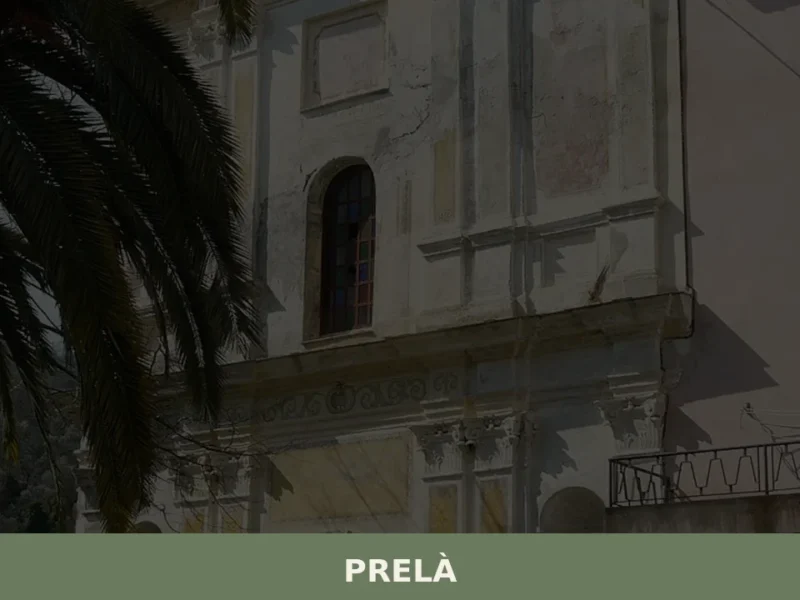
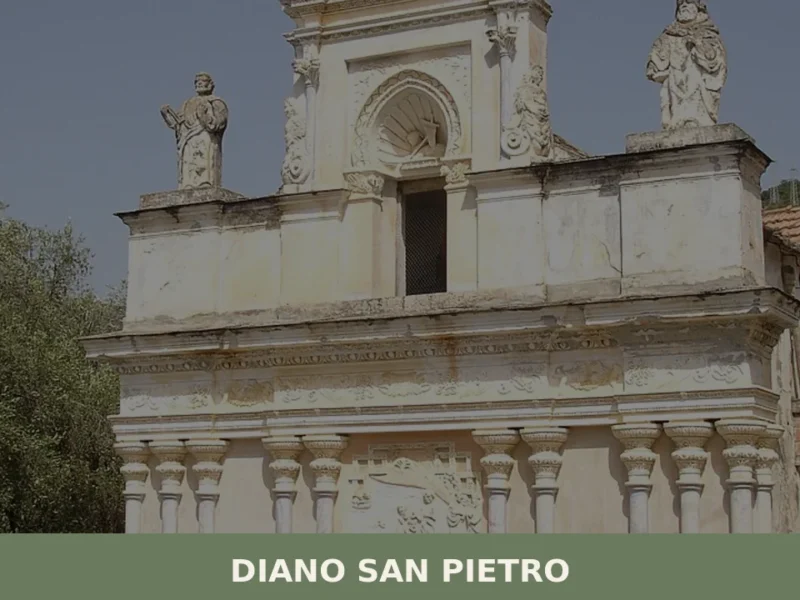
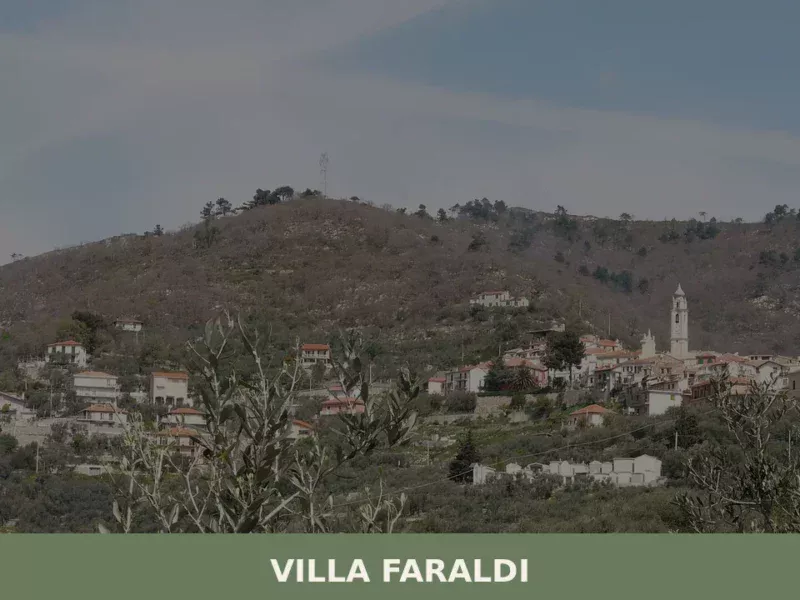
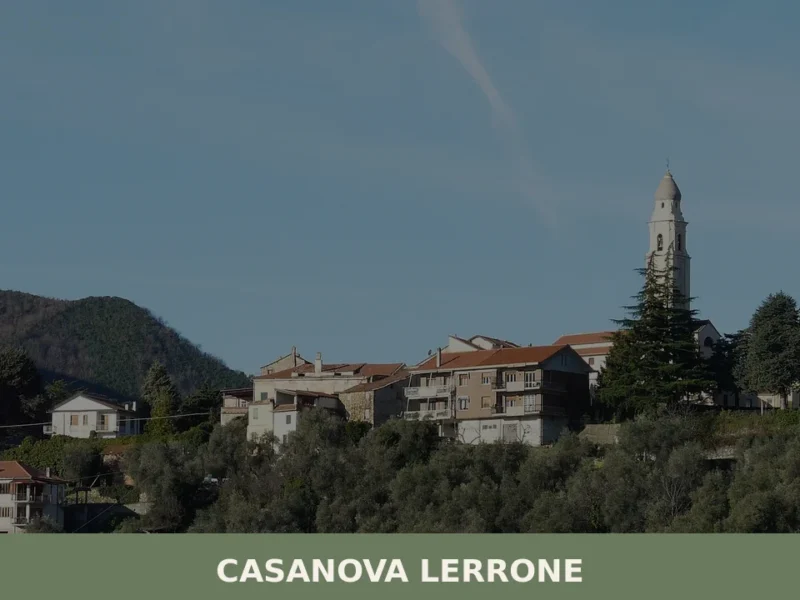
In Liguria More villages to discover
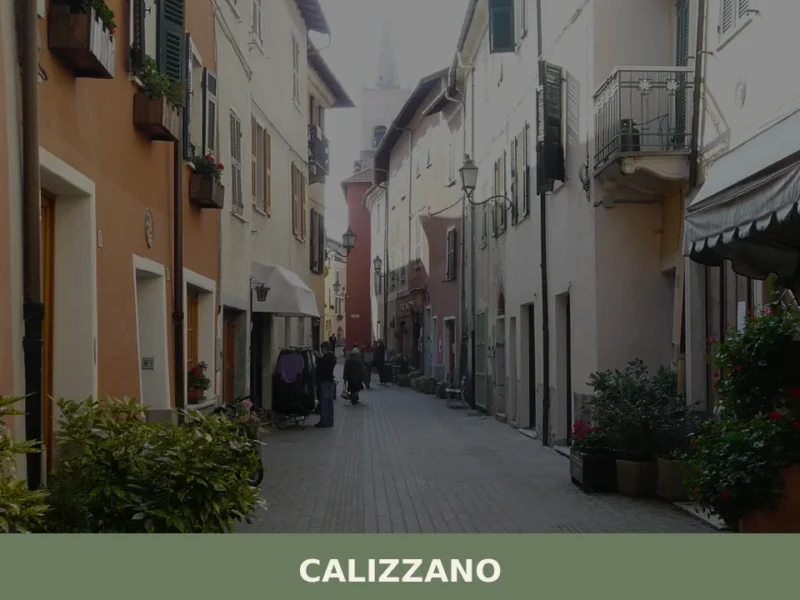
Calizzano
 Mountain
What to see in Calizzano, Liguria, Italy: explore the upper Bormida Valley at 70 km from Genoa. Discover Monte Spinarda, local food and festivals. Read the guide.
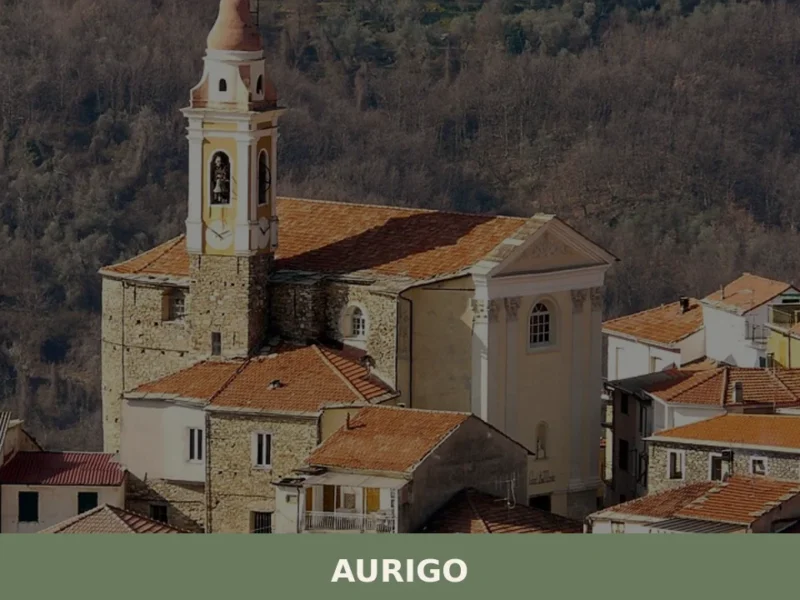
Aurigo
 Hills
Hills
A 331-inhabitant village above the Impero Valley. Discover what to see in Aurigo: centuries-old sanctuaries, stone lanes, and olive terraces across the Ligurian hinterland.
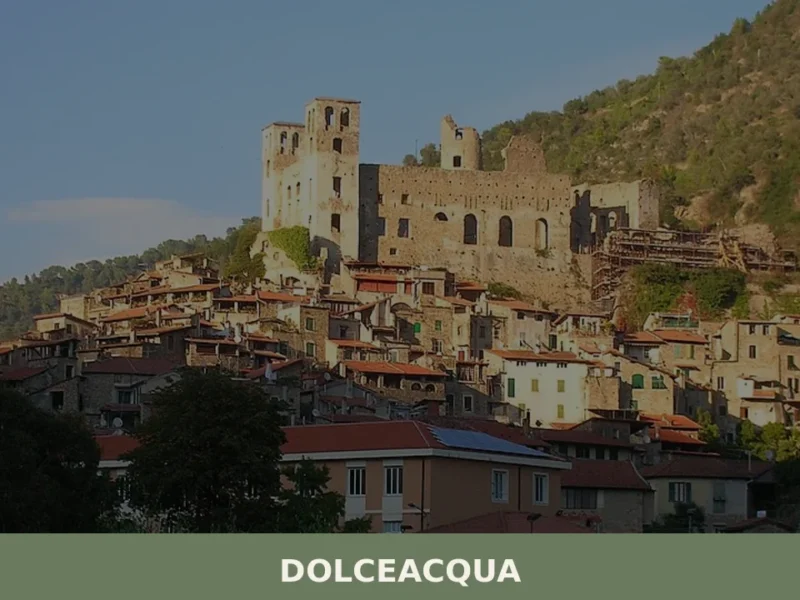
Dolceacqua
Plains
What to see in Dolceacqua: discover Doria Castle, the Old Bridge, and 5 main attractions of this Ligurian village. Plan your visit!
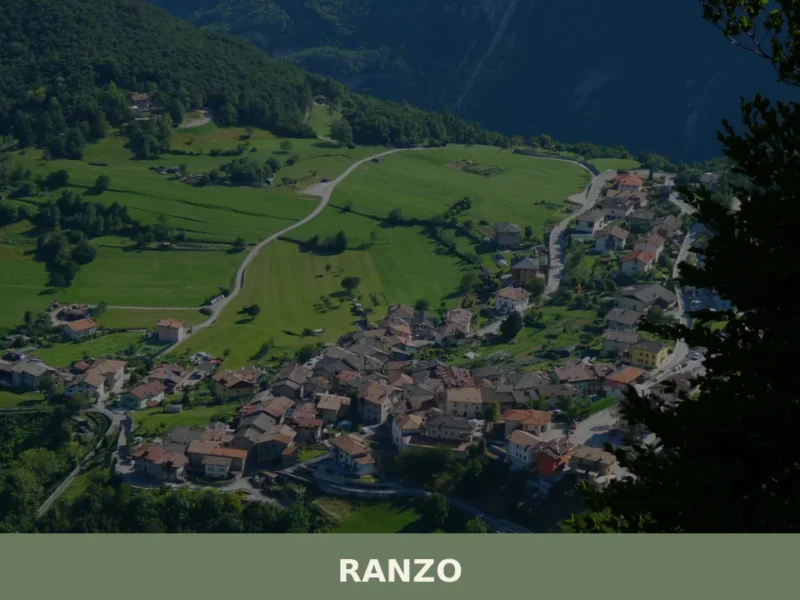
Ranzo
Mountain
What to see in Ranzo, Liguria, Italy: explore a village of 550 inhabitants, 80 km from Genoa. Discover top attractions, local food, and how to get there.
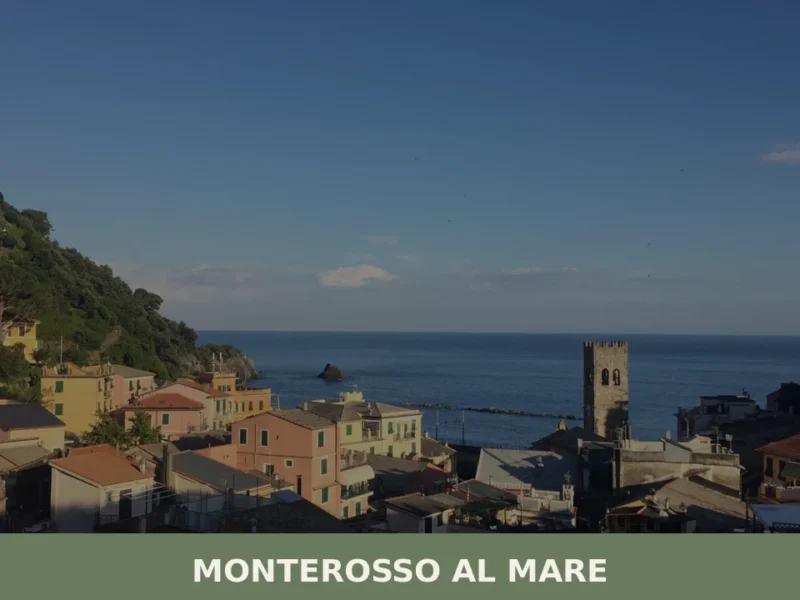
Monterosso al Mare
 Sea
Sea
What to see in Monterosso al Mare, Italy: explore a 14-metre Neptune statue, a church built in 1282, and Cinque Terre's only sand beach. Discover the complete guide.
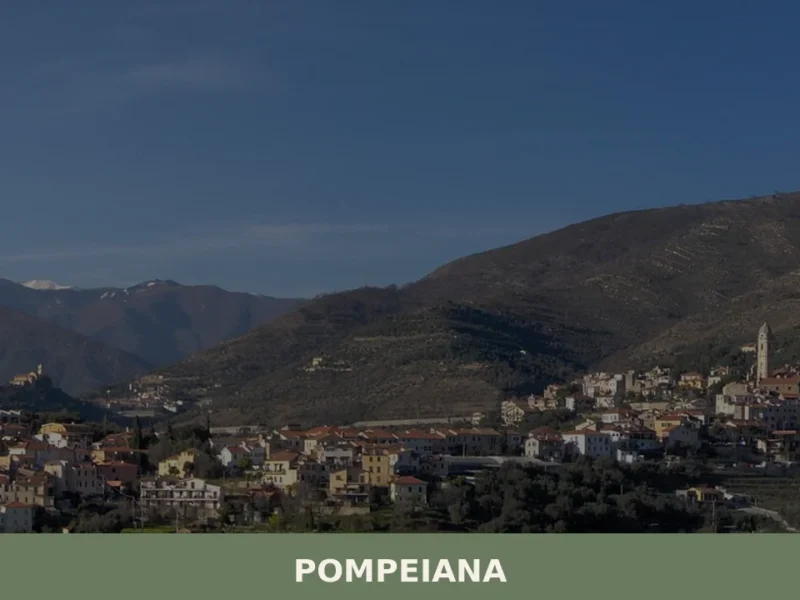
Pompeiana
Sea
what to see in pompeiana, Italy. Discover this Imperia village of 837 residents, explore its historic center and surrounding olive terraces. Read our guide to Liguria.
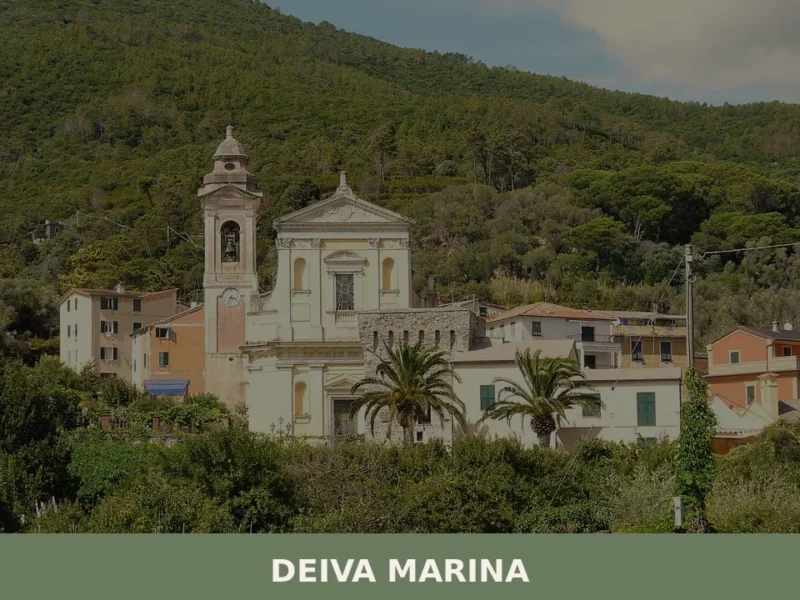
Deiva Marina
Sea
What to see in Deiva Marina, Italy: 5 top attractions, hiking trails, Cinque Terre day trips, and travel tips for this Ligurian village of 1,409 inhabitants. Discover now.
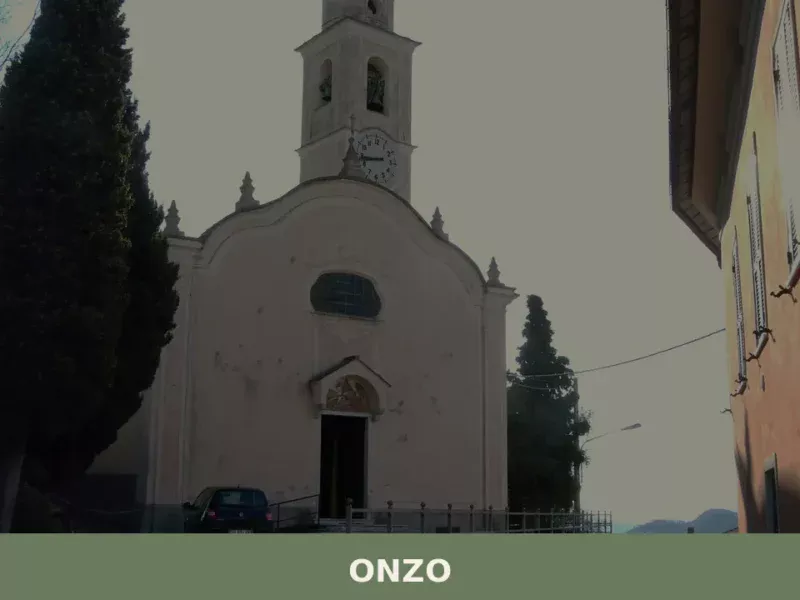
Onzo
Hills
What to see in Onzo, Liguria, Italy: explore a village of 224 inhabitants 80 km from Genoa. Discover top attractions, local food, and how to get there.
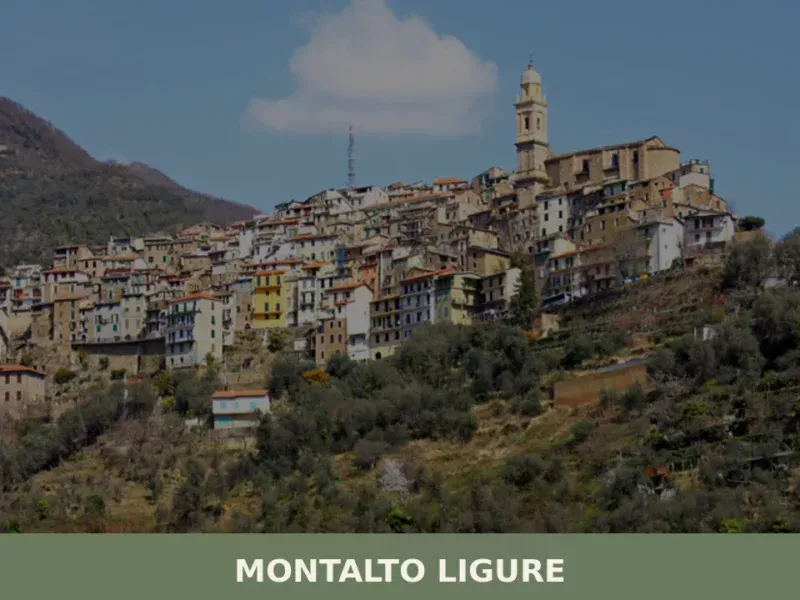
Montalto Ligure
Hills
What to see in Montalto Ligure, Italy: Explore its 13.9 km² former territory and administrative history. Discover its unification in 2018.
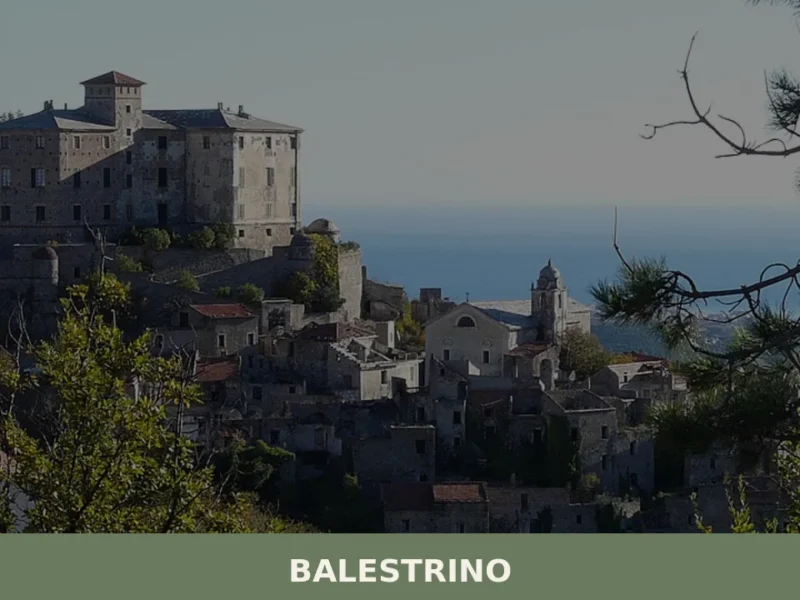
Balestrino
Hills
In 1963 a landslide forced the evacuation of the upper part of Balestrino, leaving the old village uninhabited and intact in its sixteenth- and seventeenth-century structure. Today the municipality has 530 residents, spread between the modern settlement in the valley below and the hillside hamlets, at 371 metres above sea level on the ridge separating […]



🏡 Know Chiusavecchia, Liguria: An Ancient Italian Village Guide better than we do?
If you’re a local or have been there, your knowledge matters: add what’s missing or fix a detail on this page.